
The Soaps, Detergents and Disinfectants Technology Handbook is the Comprehensive Resource for This Industry.

Understanding the Foundation of Soaps & Detergents In the competitive world of soaps & detergents, manufacturers must blend innovation, compliance, and sustainability into every batch they produce. The technological advancements in this sector have revolutionized the way cleaning products are formulated, processed, and marketed. As manufacturers, staying updated with the soaps & detergents technology ensures optimal performance, environmental responsibility, and market adaptability. Raw Material Selection: The Bedrock of Quality The efficiency and quality of soaps & detergents begin with the raw materials. The main ingredients are: Fats and Oils: Typically derived from animal fat (tallow) or vegetable oils (palm, coconut, olive). Alkalis: Sodium hydroxide for soap and sodium carbonate for detergents. Surfactants: These lower surface tension and enhance cleaning. Types include anionic, cationic, nonionic, and amphoteric surfactants. Builders: Such as phosphates, zeolites, or citrates, which enhance cleaning efficiency by softening water. Additives: Fragrances, colorants, enzymes, and preservatives improve aesthetics and functionality. Using eco-friendly and sustainable materials is becoming increasingly important due to regulatory and consumer demand. Saponification: The Core of Soap Production Saponification is the chemical reaction where triglycerides react with alkali to form soap and glycerin. There are two main methods: Hot Process: Ingredients are heated to accelerate the saponification. Cold Process: Oils and lye are mixed without external heat, relying on the exothermic reaction. Proper control of temperature, mixing speed, and formulation balance is crucial to produce consistent and high-quality soap bars or liquids. Synthetic Detergents: Beyond Traditional Soaps Unlike soaps, synthetic detergents are made from petrochemicals and perform better in hard water conditions. Modern detergent technologies integrate: Enzyme technologies for removing protein and starch stains. Bleaching agents like peroxides for whitening. Optical brighteners to enhance the visual appeal of fabrics. Anti-redeposition agents to prevent dirt from settling back on surfaces. The choice of formulation depends on the end use — laundry, dishwashing, industrial cleaning, or personal hygiene. Formulation Techniques in Modern Manufacturing A competitive edge in the soaps & detergents industry comes from advanced formulation techniques, including: Blending and Homogenization: Ensuring uniform distribution of ingredients. Spray Drying: For detergent powders; involves converting slurry into dry granules. Agglomeration: A method for producing dense detergent powders with superior flow properties. Liquid Detergents Production: Requires high-shear mixing and emulsification processes. Automation and batch control using PLC (Programmable Logic Controllers) and SCADA systems ensure consistency and scalability in production. Packaging Innovations for Shelf Appeal and Functionality Packaging is not just about aesthetics but also about preserving product integrity. Innovations include: Barrier films to prevent moisture entry in powders. Easy-pour spouts and dispensers for liquid detergents. Refill pouches that cater to sustainability-conscious consumers. Biodegradable and recyclable materials to reduce environmental impact. Intelligent packaging with QR codes and NFC tags can also boost customer engagement and brand transparency. Sustainability: A Key Driver of Technological Innovation Environmental regulations and conscious consumers are driving sustainable innovations in the soaps & detergents sector. Key trends include: Waterless Products: Concentrated sheets, pods, and tablets that reduce water usage in manufacturing and packaging. Biodegradable Ingredients: Plant-based surfactants and enzymes that degrade quickly in nature. Carbon-neutral Manufacturing: Using renewable energy, waste heat recovery, and green logistics. Certifications such as EcoLabel, USDA BioPreferred, and Cradle-to-Cradle enhance brand credibility. Quality Control & Regulatory Compliance To maintain customer trust and regulatory approval, robust quality control systems must be in place: Analytical testing: pH, viscosity, microbial content, and surfactant concentration. Shelf-life testing: Simulated storage conditions to ensure longevity. Safety assessments: Skin irritation, eye irritation, and allergenicity testing. Compliance with regulations: REACH, EPA Safer Choice, BIS (Bureau of Indian Standards), and others. Using traceability tools and digital batch records helps in recall management and audits. Technological Automation in Manufacturing Facilities The next-generation soaps & detergents plants are leveraging Industry 4.0: IoT-Enabled Sensors: Monitor temperature, humidity, flow rate in real time. AI-Based Formulation Prediction: For optimized raw material usage. Predictive Maintenance: Reduces downtime and improves asset longevity. Digital Twins: Simulate plant operations for better planning and scalability. These technologies improve operational efficiency, reduce wastage, and enhance overall plant productivity. Market Dynamics and Consumer Preferences Understanding the shifting market trends is essential for manufacturers: Natural and Organic Products: Consumers are demanding fewer chemicals and more nature-derived ingredients. Customization: Fragrances, textures, and skin benefits tailored to demographics. E-commerce Ready Packaging: Leak-proof, durable, and lightweight packaging for online retail. Private Label Opportunities: Growing demand from supermarkets and niche brands for contract manufacturing. Investing in consumer research and trend forecasting tools can help brands stay ahead of the curve. Research and Development: Innovating for the Future R&D is at the heart of staying relevant in the fast-paced soaps & detergents industry. Cutting-edge innovations include: Encapsulation technology for controlled fragrance release. Anti-bacterial and antiviral additives post-COVID. Low-foam and high-efficiency detergent formulations for energy-efficient washing machines. Green chemistry pathways to minimize ecological impact. Collaboration with universities, research institutes, and start-ups can expedite development cycles. Global Supply Chain Optimization Given the global nature of the soaps & detergents supply chain, manufacturers must manage: Raw material sourcing diversification to reduce dependency. Inventory forecasting using AI to avoid stockouts or overstock. Logistics digitization to improve tracking and customer delivery timelines. Trade compliance and tariff planning in response to geopolitical shifts. A resilient supply chain improves competitiveness and profitability in uncertain times. Conclusion: Leading the Way in Soaps & Detergents Innovation In conclusion, the landscape of soaps & detergents technology is evolving rapidly, driven by sustainability, consumer demands, and smart manufacturing. By adopting advanced formulation techniques, investing in R&D, embracing automation, and focusing on eco-friendly practices, manufacturers can remain agile and competitive. The future belongs to those who integrate innovation with responsibility — creating products that not only clean effectively but also respect the environment and consumer health. Visit the page Select and Choose the Right Business Startup for You for sorting out the questions arising in your mind before starting any business and know which start-up you can plan. We, at NPCS, endeavor to make business selection a simple and convenient step for any entrepreneur/startup. Our expert team, by capitalizing on its dexterity
March 2022 Entrepreneur India Monthly Magazine
Entrepreneur India March 2022 marked a significant turning point in how we perceive and celebrate innovation, startup resilience, and leadership in the dynamic Indian business landscape. The cover story, along with exclusive features and editorial insights, provided not only inspiration but also actionable ideas for business leaders, aspiring entrepreneurs, and ecosystem enablers. Unveiling the Cover Star: Powering Change Through Vision and Impact The Entrepreneur India March 2022 issue spotlighted a visionary entrepreneur whose innovation and leadership transformed an entire sector. With a legacy rooted in disruptive thinking and sustainable impact, the cover star symbolized the spirit of Indian entrepreneurship. Their journey was one of perseverance, risk-taking, and sheer belief in purpose—a model for startups and legacy businesses alike. The narrative didn’t merely glamorize success; it peeled back layers to showcase grit, failures, pivots, and strategy. We gained insights into building a team culture that thrives under pressure, the necessity of adaptability in post-pandemic economies, and the power of bold decision-making. Emerging Startups to Watch in 2022 The March 2022 issue cast a strong spotlight on India’s rising startups that are shaking up traditional markets with cutting-edge technologies and customer-centric models. From AI-driven healthtech platforms and fintech disrupters to climate-focused agritech ventures, the magazine mapped out the entrepreneurial DNA of tomorrow’s market leaders. These startups exemplified traits critical for modern business success: Scalability with purpose Customer obsession Lean, agile operational models Tech-first product innovation Among the featured enterprises were names like: FinEdge360, revolutionizing personal finance management through AI GreenRoots AgriTech, leveraging data to empower farmers sustainably HealNow, a remote diagnostics platform scaling rural healthcare Women Entrepreneurs Leading the Way A dedicated section in Entrepreneur India March 2022 emphasized the unparalleled rise of women entrepreneurs across industries. It covered stories of women breaking glass ceilings in sectors traditionally dominated by men, such as manufacturing, logistics, and deep tech. The stories weren’t limited to metros. From tier-2 cities like Indore and Kochi, women founders are now building scalable ventures in e-commerce, beauty tech, and edtech. These businesswomen are reimagining what leadership looks like in modern India and building inclusive workplaces focused on diversity, resilience, and impact. Tech Trends Reshaping Business Models Another central theme of the Entrepreneur India March 2022 edition was technology as a business enabler. This feature decoded how Indian businesses—both new-age and traditional—are leveraging: Blockchain for traceability and trust Machine Learning for dynamic customer experiences IoT for real-time supply chain optimization AR/VR for immersive brand experiences These innovations are no longer luxury additions but essential tools driving competitive advantage. Companies featured in the issue revealed how even SMEs are integrating automation and data to unlock growth and efficiency. Funding Outlook and Investor Trends The March edition gave readers an exclusive analysis of India’s funding landscape, highlighting: Top-performing sectors for investment: fintech, SaaS, D2C Investor expectations in 2022: profitability, sustainability, governance Early-stage vs. Late-stage funding: shift towards quality over quantity Several VC leaders interviewed in the issue emphasized the need for founders to build robust financial models and sustainable monetization strategies. Gone are the days of vanity metrics—investors now demand clarity in CAC, LTV, burn rates, and unit economics. Policy and Startup Ecosystem Support The Entrepreneur India March 2022 issue also reviewed India’s evolving policy environment supporting innovation. Key highlights included: Startup India Seed Fund Scheme PLI schemes encouraging manufacturing startups Ease of doing business reforms Tax relaxations for new startups Policy experts and legal analysts explained how these developments are fueling an entrepreneurial boom beyond metros, creating thousands of job opportunities and unlocking regional innovation hubs. Sustainability and ESG as Business Imperatives Sustainability isn’t a buzzword anymore—it’s a boardroom priority. The magazine explored how businesses are embedding Environmental, Social, and Governance (ESG) values into core operations. Brands showcased were those driving impact with: Carbon-neutral operations Circular economy models Diversity and inclusion benchmarks Transparent governance frameworks India Inc. is waking up to the reality that customers, investors, and regulators now expect more than just profits—they demand purpose. And Entrepreneur India March 2022 captured this paradigm shift in vivid detail. Thought Leadership: Voices that Matter An outstanding feature in this issue was the inclusion of thought-provoking editorials and opinion pieces from business icons, economists, and domain experts. Topics ranged from: The future of remote work and hybrid workplaces The reimagining of education through EdTech The post-pandemic consumer psyche These essays provided strategic foresight for navigating upcoming market trends and leveraging change as a catalyst for innovation. Case Studies and Strategy Breakdowns One of the strengths of Entrepreneur India March 2022 was its in-depth business case studies. These real-world examples of strategy execution offered readers a behind-the-scenes view into: Brand repositioning during COVID-19 Digital transformation journeys Turnaround stories post economic slowdowns The case study on a legacy textile brand digitizing its supply chain, for instance, was a lesson in legacy innovation done right. Another standout was how a D2C grooming brand leveraged influencer marketing and community commerce to grow its revenue 5x. Leadership Lessons and Founder Mindset True to its DNA, the issue emphasized the founder’s mindset—tenacity, clarity, and constant learning. Readers were treated to insights into: How to build leadership teams aligned with vision Why mental health matters in the founder journey Balancing innovation with execution discipline Leaders featured in this edition shared their mantras—from dealing with rejection and scaling culture to staying customer-first in every decision. Entrepreneur India March 2022: A Catalyst for Change More than just a magazine, the Entrepreneur India March 2022 issue was a playbook for every Indian founder, innovator, investor, and changemaker. It chronicled a new era of entrepreneurship, where success is measured not just in revenue or scale but in impact, resilience, and adaptability. Whether you are an early-stage entrepreneur or a seasoned executive, the lessons from this issue transcend sectors and size. They reaffirm that India is not just the world’s startup capital in numbers—but in vision, diversity, and action. If you missed this iconic edition, we highly recommend revisiting it for timeless business wisdom. Visit the page Select and Choose the Right Business
Start a Disposable Blood Lancet and Insulin Pen Needle Business
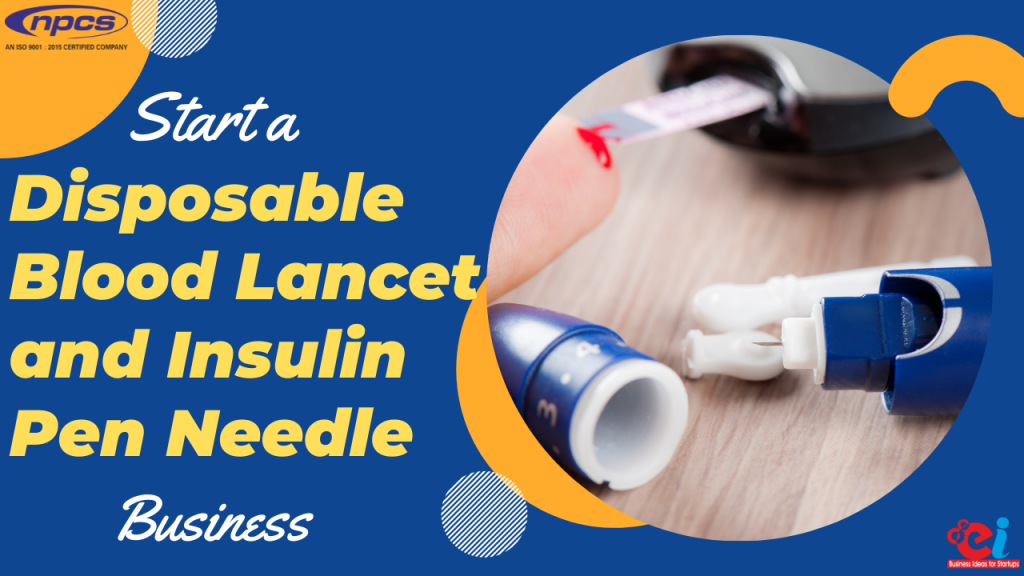
The global healthcare industry is rapidly evolving, and with it, the demand for medical consumables like disposable blood lancets continues to rise. These small but vital devices are an integral component in managing chronic conditions such as diabetes and are used extensively in hospitals, clinics, and at-home healthcare settings. The rising trend of self-monitoring of health indicators has made disposable blood lancets indispensable in the modern world. In this detailed guide, we provide a complete overview to help entrepreneurs launch and scale a successful disposable blood lancet business from scratch. Understanding Disposable Blood Lancets and Their Importance A disposable blood lancet is a small, sharp device used to puncture the skin, usually a fingertip, to collect blood samples for testing purposes. The lancets are typically used in conjunction with glucometers, cholesterol testing kits, and other diagnostic devices. As these devices are designed for single-use, they eliminate the risks of infection or cross-contamination. The simplicity, safety, and reliability of disposable blood lancets make them essential for: Diabetes patients who need daily or frequent blood sugar monitoring Healthcare professionals in hospitals and diagnostic centers Wellness programs offering home health diagnostics Emergency medical kits Due to their massive utility, demand for disposable blood lancets is expected to skyrocket globally in the coming years. Global Market Dynamics and Trends The global market for disposable blood lancets is projected to grow at a robust pace due to several factors: The increasing prevalence of chronic diseases like diabetes and cardiovascular conditions Growing older people population requiring frequent health monitoring Government initiatives for affordable diagnostics Expansion of home-based healthcare services and self-monitoring tools According to market research reports, the lancets segment, including disposable blood lancets, is expected to surpass USD 2.8 billion by 2030, reflecting a CAGR of over 9.1%. With the healthcare industry increasingly embracing preventive diagnostics, this business has immense growth potential. Comprehensive Legal and Regulatory Compliance Compliance with medical device regulations is crucial for the legitimacy and longevity of your disposable blood lancet business. Here are key certifications and licenses required: ISO 13485: Medical devices quality management system certification CE Marking: Required for selling within the European Union FDA 510(k) Clearance: For businesses aiming to enter the U.S. market Good Manufacturing Practices (GMP): Ensures product consistency and safety BIS Registration (India-specific): If operating in the Indian market Meeting these certifications ensures product safety, facilitates trust among customers, and opens doors to international trade. Step-by-Step Guide to Launching Your Blood Lancet Manufacturing Unit Step 1: Market Research and Feasibility Study Start by conducting comprehensive market research. Identify your target customers (hospitals, pharmacies, diagnostic labs, etc.), evaluate competitors, understand pricing structures, and determine the demand in your region or target market. Step 2: Business Registration and Licensing Register your business entity (LLP, Pvt. Ltd, or sole proprietorship), apply for GST registration, and obtain necessary licenses from the Drug Control Authority or equivalent medical device regulatory body. Step 3: Infrastructure Setup Your production unit must include: Cleanrooms (Class 10,000 or higher) Injection molding section Assembly section Sterilization unit Packaging area In-house testing lab Storage and dispatch section You will need 2,000 to 5,000 sq. ft. space based on your production scale. Ensure proper HVAC systems to maintain hygiene standards. Step 4: Machinery and Equipment For a medium-scale manufacturing setup, you’ll require: Injection molding machines Automated needle assembly machines EtO or gamma sterilization chamber Blister packaging machines Ultrasonic welding machines Quality testing equipment (needle sharpness testers, force testers, etc.) Investment in machinery typically ranges between $100,000 and $250,000. Step 5: Raw Materials Sourcing Essential raw materials include: Stainless steel needles (medical grade) High-quality ABS or polypropylene plastic granules Medical-grade adhesives Sterilization pouches and packaging films Establish partnerships with reliable suppliers to ensure uninterrupted production. Step 6: Manufacturing Process The production cycle for disposable blood lancets includes: Plastic Body Molding: The casing is created using injection molding. Needle Fixation: The needle is fixed into the plastic casing using high-precision machines. Sterilization: Lancets are sterilized using EtO or gamma radiation. Inspection & Quality Control: Random sampling is done to test for needle sharpness, structural integrity, and sterility. Packaging & Labeling: Packed in blister packs or sealed pouches with proper labels indicating batch number, expiry, sterilization method, etc. Manpower Requirements To operate efficiently, your business will need a well-trained team comprising: Machine operators and technicians Quality control analysts Production managers R&D specialists Packaging staff Sales and logistics team Staff training should include safety protocols, regulatory guidelines, and quality standards. Strategic Marketing Plan An aggressive and well-planned marketing strategy is key to your success. Here’s how to position your disposable blood lancet brand: Online Strategies Launch a professionally designed website with eCommerce features Use SEO to rank for high-intent keywords such as “best disposable lancets,” “buy blood lancet online,” etc. Run paid Google Ads targeting healthcare professionals and consumers Leverage LinkedIn for B2B partnerships and bulk inquiries Offline Strategies Collaborate with diagnostic labs and hospitals Offer product samples and volume-based discounts Participate in medical expos and B2B healthcare fairs Establish a robust distribution channel via pharma wholesalers Pricing, Profitability, and ROI The cost of manufacturing a disposable blood lancet ranges from ?2 to ?6 depending on features and volumes. Selling prices range from ?10 to ?25 in the Indian market and higher in international markets. Cost Component Approximate Value (INR) Raw Materials ?2.00 – ?3.00 per unit Labor & Utilities ?0.50 – ?1.00 per unit Packaging & Labeling ?0.50 – ?1.00 per unit Total Cost ?3.00 – ?5.00 per unit With wholesale selling prices around ?10 – ?12 per unit, your gross margin can be 60–70%, making it a high-margin business. Expansion Opportunities Once your operations stabilize, consider expanding into: Advanced Safety Lancets: With retractable needles for enhanced safety Lancing Devices: Reusable finger-pricking tools Test Strips and Glucometers: Complementary products for bundle sales OEM Manufacturing: Manufacture under different brand names for retail chains You can also look into exporting to developing nations in Africa, Southeast Asia, and Latin America, where demand is growing and competition is lower. Challenges to Anticipate
In Vitro Diagnostic Medical Strips for Glucose, Urine & Pregnancy Test Production Business
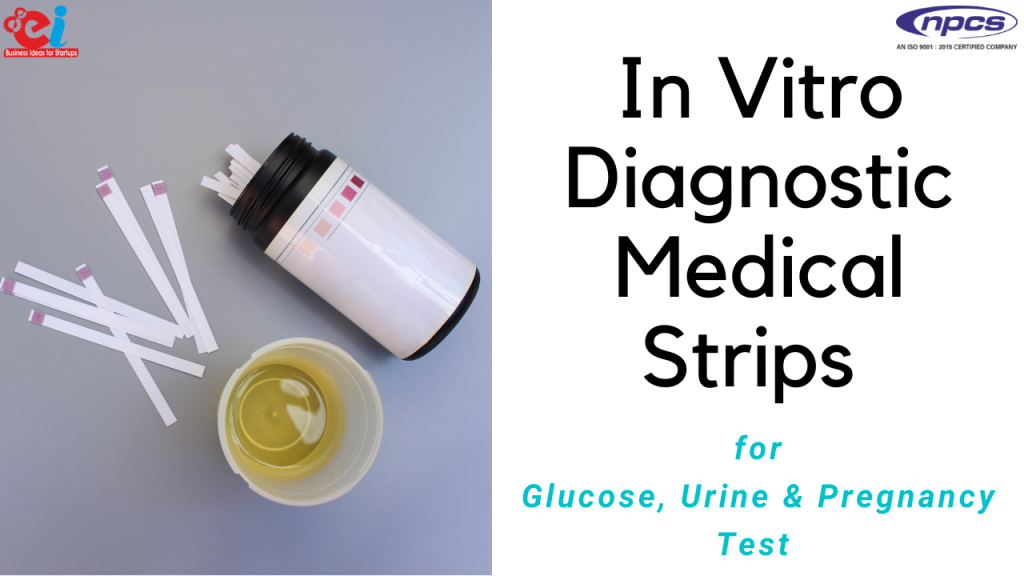
Glucose, urine, and Pregnancy Test Production Business is a profitable and evergreen business within the medical diagnostics industry. These test kits fall under point-of-care diagnostics and are widely used in homes, clinics, and hospitals. Their ease of use, affordability, and crucial diagnostic roles make them indispensable in healthcare. As awareness of self-monitoring and preventive health grows, so does the demand for reliable diagnostic tools. For entrepreneurs looking to enter the healthcare manufacturing sector with minimal regulatory hurdles and steady demand, producing rapid diagnostic test kits like glucose strips, urine test strips, and pregnancy tests is a smart move. Visit this Page for More Information: Start a Business in Medical Disposables Industry Understanding the Market Demand The global market for rapid diagnostic tests is experiencing rapid growth, especially in emerging markets. These test kits are used to detect: Blood Glucose Levels: For diabetes monitoring Urine Parameters: For liver, kidney, and urinary tract health hCG Hormone: For pregnancy detection Market Growth Drivers: Increasing health awareness Home-based monitoring trends Rise in lifestyle diseases (e.g., diabetes) Need for cost-effective diagnostics Government health programs and public tenders India, Southeast Asia, Latin America, and Africa present huge market opportunities for these essential diagnostic products. Read Similar Articles: Disposable Medical Products 1. Production of Glucose Test Strips Glucose test strips are paper or plastic strips with a chemical reagent pad that reacts with blood glucose levels. When a blood sample is placed on the strip, it changes color or provides an electrical signal interpreted by a glucometer. Key Components: Enzyme-coated reaction pad (e.g., glucose oxidase, peroxidase) Conductive layers or printed circuits Backing plastic or film Protective laminate Production Process: Preparation of Enzyme Solution Coating of Reagent onto Strip Material Drying in Controlled Conditions Laminating and Cutting into Individual Strips Packaging in Vials or Foil Wraps Glucose strips must be produced in controlled environments with humidity and temperature control to preserve enzyme activity. Read our Books Here: Disposable Products 2. Urine Test Strip Production Urine reagent strips are multi-parameter diagnostic tools used to detect pH, protein, ketones, bilirubin, nitrites, glucose, and more. These are used for general health checkups and detecting kidney/liver disorders. Raw Materials: Plastic film base Absorbent paper for reagent pads Color reagent chemicals (e.g., bromothymol blue, nitroprusside) Manufacturing Process: Preparation of Color Reagents Coating Paper Pads with Reagents Mounting Pads on Plastic Strips Drying and Stabilizing Cutting, Sorting, and Packaging These strips offer quick results and are often packaged in cylindrical containers with a color chart for easy reference. Watch other Informative Videos: Surgical, Medical Plastics, Medical Disposables, Disposable Medical Products used in Hospitals 3. Pregnancy Test Kit Production Pregnancy tests detect human chorionic gonadotropin (hCG) in urine. They are available in strip or midstream cassette formats. The presence of two lines on the test indicates a positive result. Key Components: Nitrocellulose membrane hCG-specific monoclonal antibodies Sample pad and absorbent pad Plastic housing or cassette Manufacturing Process: Antibody Coating on Membrane Lamination of Pads onto Plastic Base Assembly into Cassettes or Strips Drying under sterile conditions Final Packaging in Foil Pouches with Desiccants Pregnancy Test Production Business under GMP and ISO-certified conditions for accuracy and shelf-life reliability. 4. Machinery and Equipment Required You can start a semi-automatic or fully automatic production unit based on your investment scale. Common Machines: Reagent mixing tanks Strip coating machines Drying ovens (humidity-controlled) Cutting and laminating units Strip assembling machines Foil pouch sealing machines Sterile cleanroom equipment (for cassette-based tests) For high output and export compliance, automated lines with minimal human touch are preferred. 5. Licensing and Regulatory Requirements Diagnostic kit manufacturing falls under the medical device category and must meet government and quality standards. In India: Manufacturing License from CDSCO under Medical Device Rules GMP Certification (WHO-GMP/ISO 13485) Pollution Control and Fire NOCs Registration with State Drug Authority Import/Export Code (for international sales) For exports, registration with country-specific health authorities (e.g., US FDA, CE Mark for Europe) may be required depending on destination. 6. Investment and Setup Cost You can set up a small to medium-scale manufacturing unit with a reasonable capital investment. Estimated Costs: Small Unit (Manual/Semi-Auto): ?15–25 Lakhs (~$20,000–$30,000) Medium Unit (Automatic): ?40–70 Lakhs (~$50,000–$85,000) Working Capital: Raw materials, QC, packaging, utilities, wages Profit margins can range between 25%–45%, especially with government supply tenders and private healthcare buyers. 7. Target Market and Distribution Channels Domestic Market: Retail pharmacies and chemists Diagnostic labs Government health schemes (ANM centers, PHCs) Hospitals and clinics Online marketplaces (Amazon, Flipkart, 1mg) Export Opportunities: Africa (Nigeria, Kenya, Tanzania) Middle East Southeast Asia (Vietnam, Indonesia, Philippines) Latin America (Peru, Bolivia) Establishing OEM partnerships or white-label production for diagnostic brands can open large-scale opportunities. 8. Branding and Packaging Essentials For B2C products like pregnancy tests and glucose strips, branding plays a critical role. Packaging Tips: Foil-wrapped kits with long shelf life User-friendly design with clear results Bilingual labeling (for domestic & export) Sterile and tamper-proof seals Include simple instructions for self-testing and visual guides to interpreting results. Trust, accuracy, and safety are core brand messages in this sector. 9. Challenges and Quality Control Common Challenges: Ensuring batch consistency Maintaining reagent stability Short shelf life if not stored properly Fulfilling regulatory inspections and documentation Solutions: Invest in R&D and third-party validation Maintain strict batch tracking and QC logs Train staff on sterile handling and HACCP practices Implement ISO 13485-compliant quality systems Third-party testing from NABL-accredited labs enhances credibility and helps in gaining approvals for tenders. Conclusion Glucose, urine & Pregnancy Test Production Business is a highly scalable and rewarding business with rising global demand. These kits offer diagnostic solutions to millions daily and serve both healthcare professionals and common households. With minimal entry barriers, low-cost production, and high margins, starting a rapid diagnostic kit manufacturing business offers a blend of social impact and commercial success. If you follow strict quality guidelines and build reliable distribution networks, this sector offers recurring sales and excellent export potential. Related Feasibility Study Reports: Surgical, Medical Plastics, Medical Disposables, Disposable Medical Products used in Hospitals See More Links: Start a Business in