
How to Start a Candle Making Business | Easy Small Business Ideas to Earn High Profits
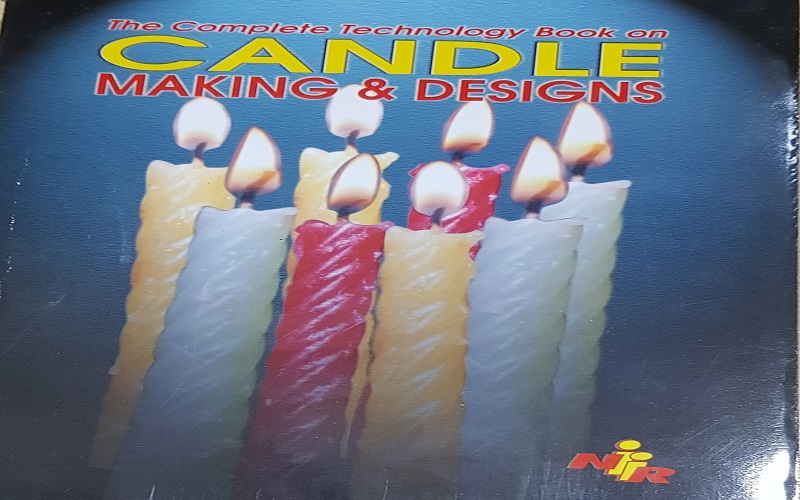
Starting a profitable candle making business is one of the most creative and rewarding ventures in the handmade products industry. With rising consumer interest in home décor, aromatherapy, and personalized gifting, the demand for handcrafted candles has skyrocketed. Whether you’re looking to turn a hobby into a business or aiming to launch a full-scale production brand, this guide covers everything you need to succeed in the candle industry. Why Candle Making is a Lucrative Business The candle market has seen exponential growth due to the increasing desire for cozy, aromatic, and aesthetically pleasing home environments. Candles are no longer just for light—they’re lifestyle products. From soy candles and beeswax varieties to unique scents and decorative containers, the customization potential makes this a highly attractive niche. Moreover, low startup costs and the flexibility to scale make candle making ideal for new entrepreneurs. With strategic branding and high-quality products, even small home-based businesses can grow into premium labels. Research the Candle Market and Identify Your Niche Before melting your first wax, dive deep into the market. Popular Candle Niches: Scented candles (aromatherapy, seasonal, essential oil-based) Decorative candles (luxury design, colored wax, layered) Eco-friendly candles (soy, beeswax, coconut wax) Themed candles (holiday, zodiac, pop culture) Personalized candles (custom labels, wedding favors, corporate gifts) Choosing a specific niche helps differentiate your brand and attract targeted customers. Analyze competitors, trends, and what sells well on platforms like Etsy and Amazon. Use this data to shape your brand identity. Gather Essential Materials and Tools Starting a candle making business doesn’t require an industrial setup. Here’s what you’ll need to get started: Basic Supplies: Wax (soy, beeswax, paraffin, coconut) Wicks (choose appropriate thickness for jar size) Fragrance oils or essential oils Dyes or color blocks Containers or molds Thermometer Pouring pitcher Heat source (double boiler or microwave-safe bowl) Purchase your materials from reputable wholesale suppliers to ensure consistency and cost efficiency. Consider eco-friendly and cruelty-free ingredients to appeal to conscious consumers. Learn the Candle Making Process Mastery of the candle creation process ensures quality and customer satisfaction. Here’s a simplified overview: Step-by-Step Candle Making: Melt the wax using a double boiler or microwave. Add fragrance once the wax reaches 180°F (or follow fragrance flash point). Add color as desired, mixing evenly. Anchor the wick in your container or mold. Pour the wax slowly to avoid air bubbles. Secure the wick and let it cool undisturbed. Trim the wick to ¼ inch before burning. Conduct thorough testing to ensure your candles burn evenly, safely, and emit the desired scent throw. Build a Unique Brand Identity Your candle making business must stand out. A compelling brand builds trust and loyalty. Branding Elements: Business name – memorable, relevant, and searchable. Logo and packaging – clean, professional, and niche-appropriate. Brand story – connect emotionally; why did you start making candles? Values – eco-friendliness, handmade, non-toxic, local sourcing, etc. Develop brand guidelines to maintain consistency across your website, social media, and product labels. Design Appealing Packaging In the candle market, presentation is powerful. Elegant, eco-friendly, or rustic packaging can influence buying decisions. Invest in: Custom labels (clear font, scent name, burn time) Boxes and wraps (recyclable or reusable) Safety and ingredient info (compliance with industry standards) Your packaging should be Instagram-worthy and gift-ready to enhance shareability and customer experience. Set Up Your Online and Offline Selling Channels Establishing multiple sales channels increases your reach. Start by creating a professional-looking website using platforms like Shopify, Wix, or WooCommerce. Other Online Platforms: Etsy Amazon Handmade eBay NotOnTheHighStreet (UK) Offline Options: Local craft fairs Boutique stores Pop-up markets Wholesale to gift shops and salons Utilize a mix of digital marketing and in-person engagement to expand your customer base. Price Your Candles for Profit One of the keys to running a profitable candle making business is accurate pricing. Your price must cover material costs, time, packaging, shipping, and include a profit margin. Basic Pricing Formula: Total Cost x 2 to 3 = Retail Price For wholesale, reduce the price accordingly but ensure it remains profitable. Factor in any platform fees or transaction charges when calculating your pricing structure. Promote Your Candle Business Effectively Promotion is essential to scale and sustain your candle making business. Digital Marketing Strategies: SEO-optimized blog with content on candle care, DIY tips, gift guides Social media marketing (Instagram, Pinterest, TikTok) Email marketing with seasonal offers and launch alerts Influencer partnerships and customer testimonials Paid advertising through Meta and Google Ads Use compelling visuals and storytelling to create an emotional connection with your audience. Ensure Legal Compliance Register your business with the appropriate authorities. Obtain any necessary permits and insurance. Include warning labels and safety instructions with each candle to reduce liability risks. Additionally, consider: Trademarking your brand name Maintaining records for taxes Following product safety standards (e.g., ASTM F2417 in the U.S.) Scale Your Business Once you have stable sales, consider expanding your product line or targeting corporate clients for bulk orders. Offer subscription boxes or seasonal collections. Use customer feedback and analytics to guide business decisions. Invest profits into better equipment, larger workspace, or hiring staff to streamline production. Stay ahead of trends with new scents and limited-edition collections to keep customers engaged. Final Thoughts Starting a profitable candle making business is not just a creative pursuit but a viable path to financial freedom. By mastering the craft, building a strong brand, and implementing smart marketing strategies, your candles can light up homes—and your bank account. Use quality, be consistent, and build relationships. The glow of success is within reach. Visit the page Select and Choose the Right Business Startup for You for sorting out the questions arising in your mind before starting any business and know which start-up you can plan. We, at NPCS, endeavor to make business selection a simple and convenient step for any entrepreneur/startup. Our expert team, by capitalizing on its dexterity and decade’s long experience in the field, has created a list of profitable ventures for entrepreneurs who wish to diversify or venture. The list
Need a Business Idea? Here Are 50 Highly Profitable Small & Medium Industries to start

The dream of starting a business and becoming your own boss is more achievable today than ever before. With the rise of technology, social media, and digital platforms, even the smallest idea can turn into a thriving venture. Whether you are looking to start something full-time or as a side hustle, there are plenty of small business ideas that can deliver high profits with relatively low investment. This article explores 50 of the best small business ideas that are perfect for beginners, professionals, homemakers, and anyone seeking financial independence. Why Start a Small Business? Starting a small business comes with multiple advantages: Low Startup Cost Flexibility of Work Creative Freedom High Profit Potential More importantly, you don’t always need an MBA or huge capital to succeed. All you need is a great idea, passion, and a willingness to work hard. Let’s explore the most profitable and trending small business ideas that you can start today. 1. Digital Marketing Services Offer SEO, social media, email, and ad campaign services to small companies looking to grow online. 2. Dropshipping Create an online store and sell products without keeping inventory. Suppliers handle shipping for you. 3. Blogging Start a blog on food, fashion, travel, or finance. Monetize through ads, affiliate links, or sponsored posts. 4. Freelance Writing Work as a content writer for websites, digital agencies, or publication houses. 5. Virtual Assistant Help businesses with emails, scheduling, data entry, and social media—remotely. 6. Handmade Crafts Make candles, jewelry, or resin art and sell on Etsy or local markets. 7. Meal Prep Services Provide homemade, healthy meals to working professionals and fitness-conscious people. 8. Social Media Influencer Create content, grow followers, and earn through brand collaborations. 9. Resume Writing Help job seekers craft professional resumes and LinkedIn profiles. 10. Affiliate Marketing Promote products online and earn a commission for each sale. Technology-Based Small Business Ideas 11. App Development Develop Android or iOS apps for businesses or consumer use. 12. Website Design Build websites for small businesses and individuals. 13. SaaS Startup Develop a software product that solves a specific business problem. 14. Tech Repair Services Offer mobile, computer, or gadget repair services from home or a shop. 15. Online Tech Support Assist individuals or companies with remote troubleshooting. Low-Cost Small Business Ideas 16. Print-on-Demand Design T-shirts, mugs, and tote bags, and let a third-party company print and ship them. 17. Mobile Recharge Store Start a kiosk for recharges, bill payments, and SIM cards. 18. YouTube Channel Create engaging videos in your niche and earn via ads, sponsors, and products. 19. Freelance Photography Do product shoots, wedding photography, or event coverage. 20. Voice-over Artist Use your voice for ads, audiobooks, and video narration projects. Home-Based Small Business Ideas 21. Daycare Service Provide childcare from home in a safe and nurturing environment. 22. Tiffin Service Deliver home-cooked meals to working professionals and students. 23. Tailoring Services Offer clothing alterations or custom stitching. 24. Homemade Beauty Products Make and sell organic skincare, soaps, and oils. 25. Pet Care Services Provide grooming, boarding, or pet walking services in your locality. Women-Focused Small Business Ideas 26. Boutique Clothing Start your own fashion label or curate ethnic/western wear. 27. Makeup Artist Offer bridal, party, and fashion makeup services. 28. Cooking Classes Teach baking, cooking, or specialty cuisines online or offline. 29. Jewelry Making Design and sell handmade or imitation jewelry. 30. Event Planning Organize birthdays, weddings, and corporate functions. Unique and Innovative Small Business Ideas 31. Subscription Boxes Curate and deliver niche products like snacks, books, or beauty items monthly. 32. Eco-Friendly Products Sell sustainable alternatives like bamboo brushes, reusable bags, or steel bottles. 33. Custom Gifting Create personalized gifts for birthdays, anniversaries, and festivals. 34. Drone Photography Capture aerial shots for real estate, weddings, and events. 35. Online Language Classes Teach English, Spanish, or any native language globally. Rural or Semi-Urban Small Business Ideas 36. Organic Farming Sell vegetables, fruits, and herbs grown without chemicals. 37. Dairy Products Produce and sell paneer, ghee, butter, or flavored milk. 38. Grocery Delivery Start a hyperlocal delivery service for essential products. 39. Tractor or Equipment Rentals Rent out tractors or machinery to local farmers. 40. Mobile Repair Training Center Teach basic skills in phone or appliance repair. High-Profit Margin Ideas 41. Digital Course Creation Create and sell online courses in your area of expertise. 42. Stock Market Consultancy Help individuals invest wisely in the stock market. 43. Real Estate Brokering Earn commissions by facilitating property sales and rentals. 44. Personal Fitness Trainer Guide people on workouts, diet, and fitness online or at home. 45. Coaching Center Start a coaching institute for school or competitive exams. Creative and Artsy Business Ideas 46. Podcasting Start a podcast and earn via sponsorships or crowdfunding. 47. Interior Design Help clients beautify their homes and offices. 48. Animation Services Create explainer videos and animations for businesses. 49. Music Classes Teach instruments or singing via live or recorded sessions. 50. Translation Services Translate documents and websites for clients worldwide. Final Thoughts Starting a business is no longer reserved for those with big budgets. These small business ideas prove that with the right mindset and a little creativity, anyone can step into the world of entrepreneurship. Choose an idea that aligns with your skills and passion. Test your market, create a business plan, and use online platforms to promote your offerings. Remember, the journey might be tough initially, but the reward of running your own successful venture makes it worthwhile. Whether you’re looking for a part-time gig or a full-time hustle, these small business ideas are perfect stepping stones toward financial independence and long-term success. Visit the page Select and Choose the Right Business Startup for You for sorting out the questions arising in your mind before starting any business and know which start-up you can plan. We, at NPCS, endeavor to make business selection a simple and convenient step for any entrepreneur/startup. Our expert team, by capitalizing on its dexterity and decade’s long experience in the field,
Your Complete Guide to Thinners and Solvents Industry.

Introduction to Thinners and Solvents Thinners and solvents are indispensable components across various industrial applications, particularly in the paint, coating, ink, adhesive, and chemical processing sectors. These substances primarily dissolve, dilute, or disperse other materials, enabling smooth application, ideal consistency, and proper chemical interaction in formulations. The increasing demand for versatile, high-performing, and eco-conscious chemical solutions is pushing the global thinners and solvents market to innovate and evolve. This comprehensive guide explores everything from the classification, applications, and manufacturing process to the safety protocols and market trends surrounding these essential chemicals. What are Thinners and Solvents? Solvents are substances—mostly in liquid form—that can dissolve or disperse other substances without altering their chemical structure. Thinners, on the other hand, form a subclass of solvents that specifically reduce the viscosity of products like paints, varnishes, and resins, making them easier to apply and quicker to dry. We manufacture thinners and solvents with a deep focus on performance, purity, and compliance. These materials play a key role in ensuring the efficiency and quality of countless industrial operations. Types of Solvents and Thinners Understanding the different types of thinners and solvents is key to selecting the right one for each application. They can be broadly categorized into the following: 1. Hydrocarbon-Based Solvents These include both aliphatic and aromatic hydrocarbons: Aliphatic solvents: Hexane, heptane, mineral spirits Aromatic solvents: Toluene, xylene, benzene (limited due to toxicity) These are widely used in the paint and automotive industries due to their high solvency and fast evaporation rates. 2. Oxygenated Solvents These include alcohols, ketones, esters, and glycol ethers: Alcohols: Ethanol, isopropanol (used in inks, cleaning agents) Ketones: Acetone, methyl ethyl ketone (used in adhesives, coatings) Esters: Butyl acetate, ethyl acetate (used in lacquers and fragrances) Glycol ethers: Versatile solvents used in water-based paints 3. Water-Based Solvents Water, often overlooked, is the safest and most environmentally friendly solvent, widely used in household products, water-based paints, and detergents. Applications of Thinners and Solvents Thinners and solvents are used in a multitude of industries, offering unique benefits tailored to each domain: Paints and Coatings: Thinners reduce viscosity for better flow and leveling during application. Printing Inks: Solvents ensure smooth transfer and controlled drying. Pharmaceuticals: Act as carriers in drug synthesis and extraction. Cosmetics and Perfumes: Alcohol-based solvents aid in fragrance dispersion. Industrial Cleaning: Solvents act as effective degreasers. Automotive: Thinners are used in spray paints and detailing. Raw Materials Used in Solvent Manufacturing The production of high-quality thinners and solvents begins with the careful selection of raw materials: Petroleum derivatives such as naphtha, reformate, and natural gas liquids Alcohols and ketones derived from chemical synthesis Renewable sources (increasingly popular for bio-based solvents) These raw materials are chosen based on their chemical stability, solvency, flash point, and environmental compatibility. Detailed Manufacturing Process of Thinners and Solvents 1. Feedstock Preparation We begin with refining and processing petrochemical feedstocks. Naphtha and other hydrocarbons undergo cracking and reforming to yield precursor compounds like benzene, toluene, and xylene. 2. Fractional Distillation The feedstocks are subjected to fractional distillation, separating components based on their boiling points. This is crucial for extracting specific solvent fractions with high purity. 3. Chemical Processing Depending on the required solvent, chemical reactions such as: Hydration Oxidation Alkylation Esterification Industries use them to synthesize compounds like acetone, ethanol, and ethyl acetate. 4. Blending and Formulation Manufacturers blend solvents to create specialty thinners with specific evaporation rates, solvency levels, and compatibility with resins. They develop custom formulations based on end-use requirements. 5. Stabilization and Additives To improve shelf life and performance, we incorporate inhibitors and stabilizers. These additives: Prevent oxidation Enhance drying time Reduce odor Improve flash point safety 6. Quality Control and Testing Our quality control labs conduct rigorous tests using: Gas Chromatography (GC) High-Performance Liquid Chromatography (HPLC) Viscometers Refractive Index and Density Testing Only batches that meet stringent ISO and ASTM standards move forward to packaging. 7. Packaging and Distribution Final products are packed in tamper-proof containers such as: Metal drums Plastic cans IBC tanks Labeling includes hazard information, safety instructions, and regulatory compliance marks. Logistics teams ensure safe and prompt delivery globally. Environmental and Regulatory Considerations We operate under a strict regulatory framework to reduce the environmental impact of solvents and thinners: Low-VOC formulations to reduce air pollution REACH and EPA compliance Solvent recycling and recovery units Waste management protocols for chemical disposal By integrating green chemistry principles, we are leading the transition toward eco-friendly solvents. Safety Protocols in Solvent Manufacturing Due to their flammability and volatility, handling solvents requires: Explosion-proof machinery Ventilated manufacturing environments Fire detection and suppression systems Employee safety training MSDS documentation for every product We equip all personnel with PPE and ensure they follow standard operating procedures (SOPs) to mitigate risks. Emerging Trends in Thinners and Solvents The global market is rapidly adapting to changing regulations and consumer preferences. Notable trends include: Bio-based Solvents: Derived from renewable sources like corn, sugarcane, and soybeans. Green Solvents: Featuring low toxicity and zero VOC emissions. Supercritical Fluids: Like supercritical CO?, used in precision extraction. Solvent-Free Technologies: Gaining momentum in coatings and adhesives. These innovations aim to maintain functionality while minimizing environmental impact. Grades of Solvents and Their Uses Solvents are produced in various purity levels for different sectors: Industrial Grade – Used in paints, adhesives, and degreasers. Analytical Grade – For laboratory testing and research. Pharmaceutical Grade – Complies with GMP standards for drug synthesis. Food Grade – Limited to safe solvents like ethanol for food processing. Each grade is backed by certificate of analysis (COA) ensuring compliance and traceability. Global Market Outlook and Opportunities The thinners and solvents market is projected to grow at CAGR of 4.5% over the next decade, driven by: Infrastructure development in emerging economies Automotive and aerospace industry expansion High demand for industrial paints and coatings Consumer awareness around clean, safe products India, China, and Southeast Asia present the most lucrative markets for export and expansion due to rising industrialization and urbanization. Conclusion: Excellence in Every Drop We are committed to producing high-performance, safe,