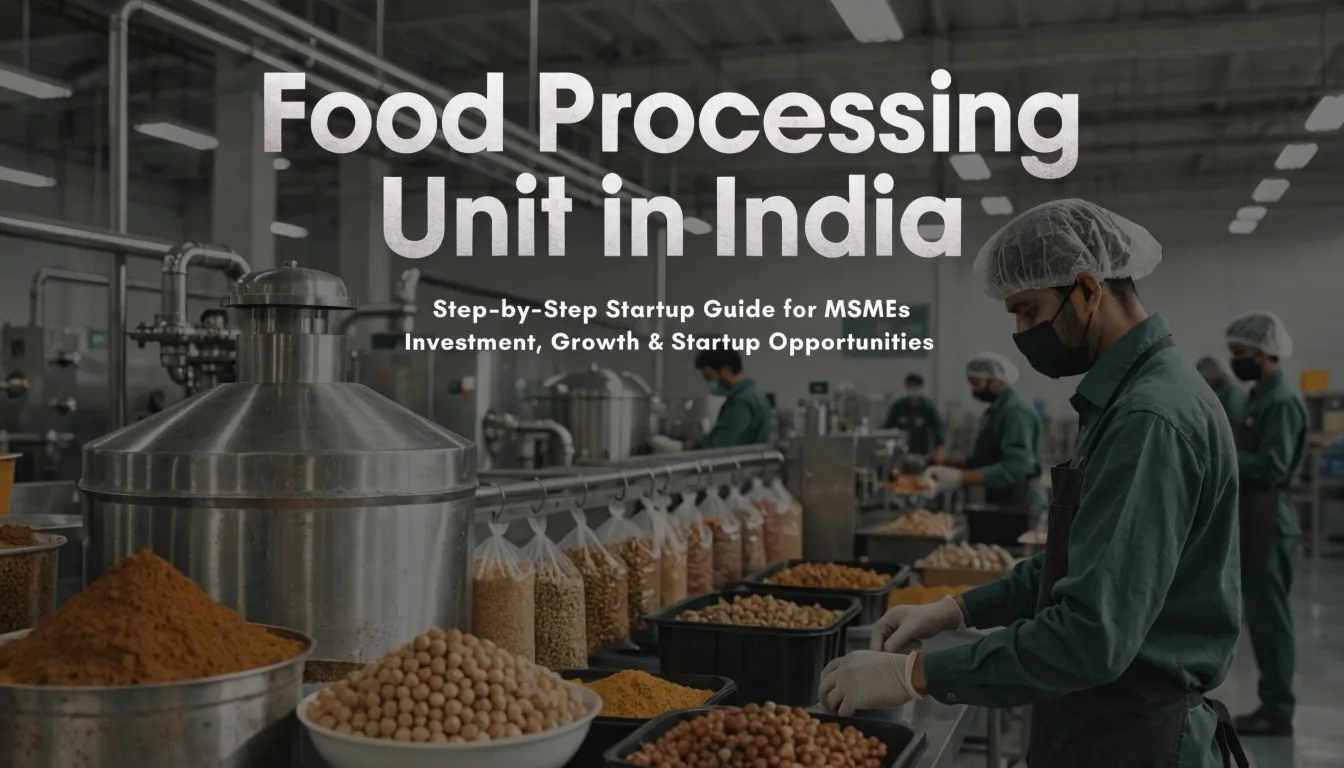
The Integrated Unit, a versatile facility, combines the production and packaging processes for many different food items. It comprises the production of jam, tea packaging, turmeric storage and grinding, and soy nugget production. The unit aims to increase efficiency and streamline operations by bringing various functions under one roof. It ensures that these different food products are successfully produced, processed, and packaged while also satisfying a variety of consumer needs. The operation uses resources efficiently and handles logistics while producing and packaging soya nuggets, tea, turmeric, and jam. The unit promotes convenience and lowers costs by merging diverse processes.
Contents
Applications and Uses
Soy nuggets are a popular meat substitute in vegetarian and vegan diets because they are a flexible food element that is high in protein. They can be used in a range of cuisines, including salads, stir-fries, and curries, as a wholesome and nourishing replacement.
Tea packaging is crucial for keeping tea leaves flavourful and fresh, giving customers a satisfying experience. By protecting the tea from moisture, light, and air, it helps to maintain the quality and aroma of the beverage. After being transformed from raw turmeric roots into a fine powder, turmeric is carefully packaged to maintain its vibrant colour and significant therapeutic properties.
Turmeric is commonly used in cooking and as a natural food colouring due to its many health benefits. Jam is a sweet and fruity spread with a thick and gooey consistency made by boiling fruits with sugar and pectin. It gives bread, pastries, and desserts—which are frequently eaten—a delicious flavour explosion. Jams come in a range of fruit tastes, making them a versatile and enjoyable addition to breakfast and snacks.
Production Process
The integrated unit’s manufacturing process involves several steps and results in a variety of products. Soy nuggets are made by first cleaning and dehulling the soybeans, then grinding and heating the dehulled soybeans. The cooked soybean-extruded nuggets are then dried and packaged. Additionally, tea leaves are selected, dried, and prepared for packaging. The processed, sorted tea leaves are then put in tea bags or packets with loose-leaf tea. Similar steps are taken to gather, clean, and dry turmeric roots before they are powdered and packaged. After being ground into a fine powder, the dried turmeric roots are packaged. Finally, fruits are selected, prepped, and peeled for jam production. After the peeled fruits are blended with sugar and other ingredients, the cooked jam is then placed into jars or bottles. Quality control procedures make sure that every product meets the requirements before final packaging and shipping.
Read Similar Article: FOOD PROCESSING
The advantages of opening an integrated unit for the production of jam, soy nuggets, tea, and turmeric include:
Starting an integrated business for the production of jam, soy nuggets, tea, and turmeric has a number of benefits. Resources are employed more efficiently, and the production process is streamlined, which lowers costs and increases profitability. Additionally, it provides a range of goods, attracting a wider clientele and optimising market potential.
It is also simpler to cross-promote and upsell when different product lines are combined, which increases revenue and brand recognition. By maintaining uniform standards across the board, such a unit also makes it possible to control quality assurance more efficiently. Finally, it promotes sustainability by reducing waste generated while packaging and shipping, making the process more environmentally friendly and green.
Market Prospects
The outlook for the markets for soy nuggets, tea packaging, turmeric grinding and packaging, and jam is affected by broader socioeconomic trends. As people grow more conscious of the environmental effects of animal husbandry, which is in line with the surge in popularity of eco-friendly and sustainable food options, the demand for plant-based protein substitutes like Soya Nugget has increased. Due to the increasing demand for speciality teas and the cultural significance of drinking tea in various regions of the world, the market for tea packaging is steady and has room to expand.
Additionally, the growing emphasis on natural treatments and holistic well-being is driving demand for turmeric grinding and packaging because of the spice’s well-known anti-inflammatory and antioxidant benefits. As customers seek products that improve general health and well-being, the demand for products containing turmeric is growing. Customers prefer real, handcrafted, local goods for their quality, freshness, and support of local producers. Furthermore, technological advancements and improvements in packaging methods have a substantial impact on these organisations market forecasts.
Contact Us
Frequently Asked Question
What are the key drivers behind tea market growth?
Tea demand is being driven by rising health awareness, urbanization, and changing lifestyles that favour natural, low-sugar beverages. Markets in Asia Pacific account for a significant share of global consumption, while innovations like eco-friendly packaging and sustainability practices are attracting environmentally conscious consumers.
What challenges does the tea industry face?
Despite strong demand, the tea sector grapples with climate-related production risks, supply chain volatility, and rising production costs. Extreme weather events can reduce yields, causing price fluctuations. Additionally, competition from other beverages and increasing expectations for sustainable sourcing put pressure on producers and brands to adapt.
Which regions and tea types are growing fastest in the market?
The Asia Pacific region leads the global tea market, with countries like India and China contributing heavily to both production and consumption. Black tea remains the most widely consumed type, while green and specialty teas are growing faster due to their association with health benefits. Market expansion is also supported by online retail and boutique tea brands.