
Start Your Own Profitable Business in Automobile Sector

The automobile market is a major driving force in the global economy, showing consistent growth fueled by technological innovation and increasing consumer demand for newer, better vehicles. As the request for automobiles continues to rise, so does the need for high-quality auto components and accessories. This creates a promising landscape for entrepreneurs and investors looking to establish a profitable business in the automobile sector. From electric vehicle (EV) parts to custom interiors, the opportunities within the automotive manufacturing domain are vast and diverse. In this article, we’ll explore 20 of the best manufacturing business ideas in this sector. We’ll delve into why these ideas are worth considering, current market trends, industry analysis, and the future outlook—helping you make informed decisions in this competitive yet rewarding industry. Why Choose the Automobile Products Manufacturing Industry? Before we go on and find out the specific business ideas in this industry, let’s see what makes investment in automobile products manufacturing a good choice. Market Size, Share, Trends, and Analysis Putting in the money into automobile products is like throwing party out of your pocket without knowing about how big, dynamic, so on. Trends in the Industry: Visit this Page for More Information: Start a Business in Automotive Industry
Business Opportunities in Automobile Industry
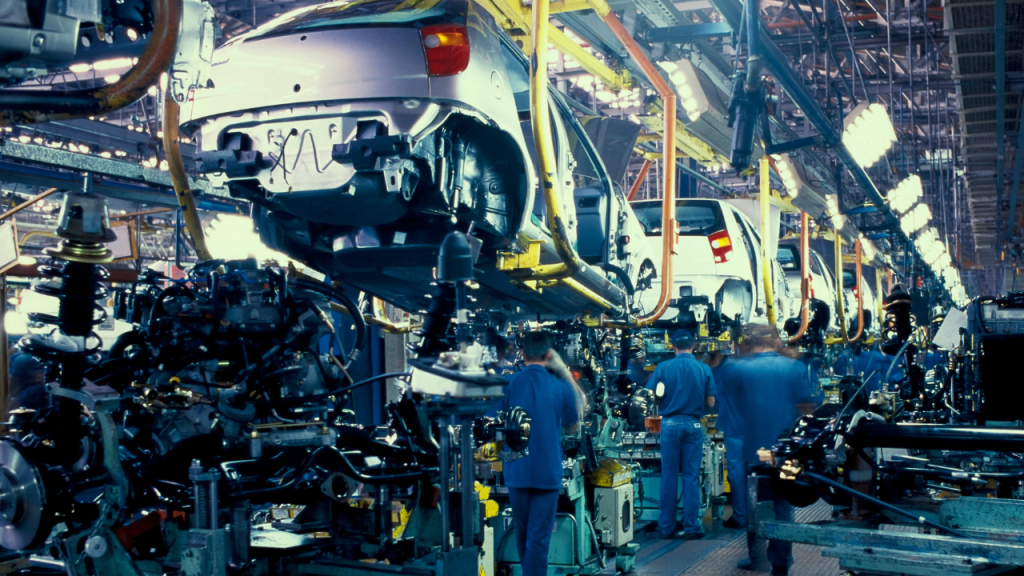
The automobile industry presents immense potential, particularly within automotive product manufacturing. The wide array of product categories you’ve highlighted covers a comprehensive spectrum, showcasing the diverse possibilities within the sector. Let’s break down the key product segments, explore production possibilities, and discuss strategic insights to capitalize on the growing opportunities in the automobile industry. Product-Level Opportunities Truck Body Manufacturing Manufacturing truck bodies, including chassis and structures, is a foundational segment. Tailoring designs based on regional needs through focused market research can offer a significant competitive edge. Truck Mud Flaps Mud flaps play a critical role in road safety by reducing the spread of debris. Offering various sizes, materials, and custom branding options can create product differentiation. Lithium-Ion Battery Assembly With the rise of electric vehicles (EVs), demand for efficient, long-lasting batteries continues to grow. Innovation in faster charging and slower discharge technologies will drive advancements in this sector. JCB Bucket Pins, Tooth Nuts, Bolts, and Pin Bushes These essential construction equipment components provide opportunities for both limited-run manufacturing and inventory-based business models, especially in infrastructure-heavy regions. Helmet Manufacturing Helmets are vital for road safety. Investing in innovative design, material strength, and safety certifications can result in recurring demand cycles and strong brand identity. Alloy Wheels for Two-Wheelers These enhance both the aesthetics and performance of bikes. Focusing on design, lightweight materials, and durability will appeal to a safety-conscious, style-driven market. Auto Piston Manufacturing Precision engineering and material integrity are crucial. There’s constant demand due to wear and tear in internal combustion engines, offering stable production opportunities. Brake Pads and Brake Shoes As key safety components, innovation around longevity and compatibility across multiple vehicle types will help penetrate the aftermarket replacement segment. Seaworthy Containers Containers are indispensable in global trade. Durable, weather-resistant containers with customizable sizes cater to the logistics and shipping industries. Visit this Page for More Information: Start a Business in Automotive Industry Truck Trailers (Sidewall, Flatbed, Bulker, Tip, Container) Modular design, robust construction, and load optimization features can help cater to logistics providers and fleet operators. Strategic Recommendations Market Research Thorough research helps identify demand-supply gaps, customer preferences, and competition. Tailoring offerings based on real insights leads to better market penetration. Sustainability Focus Incorporating sustainable materials and eco-friendly processes ensures regulatory compliance and positions the brand as environmentally responsible. Quality Control Consistent quality checks across the production cycle build customer trust, encourage repeat business, and fuel word-of-mouth referrals. Innovation and R&D Invest in research and development to remain competitive. Exploring AI, IoT, and smart manufacturing techniques enhances product performance and customer satisfaction. Strategic Business Planning Vision & Mission: Define a long-term vision supported by a mission that reflects core values such as innovation, safety, and customer focus. Business Model: Choose between B2B and B2C models and determine a pricing and distribution strategy accordingly. Target Market: Understand the needs and behaviors of target customers by region, age, and income. Product Development Cycle: Follow a robust cycle from idea generation to market launch, ensuring every phase includes customer feedback and prototyping. Design & Prototyping: Prioritize usability, aesthetics, safety, and manufacturing feasibility during the design stage. Supply Chain & Logistics Procurement: Partner with reliable suppliers to ensure quality materials at competitive costs. Production: Implement lean manufacturing to reduce waste and improve productivity. Logistics: Streamline delivery systems for speed, cost-efficiency, and low environmental impact. Quality & Compliance Certifications: Obtain industry-specific certifications to build credibility and enter new markets. Continuous Improvement: Utilize customer feedback to refine products and operations consistently. Marketing & Branding Brand Identity: Build a strong, consistent brand that resonates with your target market. Marketing Strategy: Use digital marketing, influencer partnerships, and trade shows to increase brand visibility. Customer Engagement: Foster community through social media, loyalty programs, and personalized outreach. Sales, CRM, and After-Sales Support Sales Strategy: Equip your sales team with tools and training for effective selling. Distribution: Choose the most efficient channels for product delivery. CRM Integration: Improve customer satisfaction and retention through robust CRM systems. After-Sales Support: Offer warranties, quick repairs, and proactive feedback mechanisms. Sustainability & Environmental Responsibility Eco-Friendly Practices: Adopt green manufacturing and reduce your carbon footprint. Waste Management: Implement efficient systems to handle production waste responsibly. Community Engagement: Support CSR initiatives to foster goodwill and brand loyalty. Read our Book Here: The Complete Book on Production of Automobile Components & Allied Products Innovation, R&D, and Tech Integration Product Innovation: Regularly upgrade existing products and develop new ones based on market demand. Technology Use: Leverage AI, ML, and IoT to improve operational efficiency and product intelligence. IP Protection: Safeguard innovations through patents, copyrights, and trademarks. Workforce Management Training & Development: Keep teams updated with modern tools and techniques. Employee Retention: Foster a positive work culture with clear growth opportunities. Global Expansion & Diversification International Strategy: Adapt products to meet international preferences and regulations. Market Entry Models: Choose from franchising, licensing, exporting, or local partnerships. Cultural Adaptation: Tailor products and marketing to fit regional customs and tastes. Risk Management Risk Assessment: Identify potential risks in finance, operations, and strategy. Contingency Planning: Prepare for business continuity with backup plans for key processes. Insurance: Secure coverage to mitigate liability and operational disruptions. E-Commerce and Digital Transformation Online Integration: Create user-friendly e-commerce platforms for direct-to-customer access. Digital Marketing: Boost sales using SEO, content marketing, paid ads, and influencer marketing. Data-Driven Decisions: Use analytics for better product development, inventory, and customer engagement. Customer Loyalty Programs CRM Strategies: Manage touchpoints and personalize communication. Loyalty Rewards: Incentivize repeat purchases with discounts, early access, or exclusive offers. Branding & Market Positioning Brand Development: Create a strong, memorable brand that communicates trust and performance. Strategic Positioning: Differentiate through quality, service, or innovation. Consistent Messaging: Maintain alignment across all customer communication channels. Conclusion: Unlocking the Future of the Automobile Industry The opportunities in the automobile industry are vast and rapidly expanding due to innovation, sustainability needs, and evolving consumer behaviors. Companies that invest in quality, R&D, and digital transformation while staying customer-centric will thrive in this competitive sector. Whether it’s vehicle parts, EV components, or
Business Opportunities in Automobile Industry
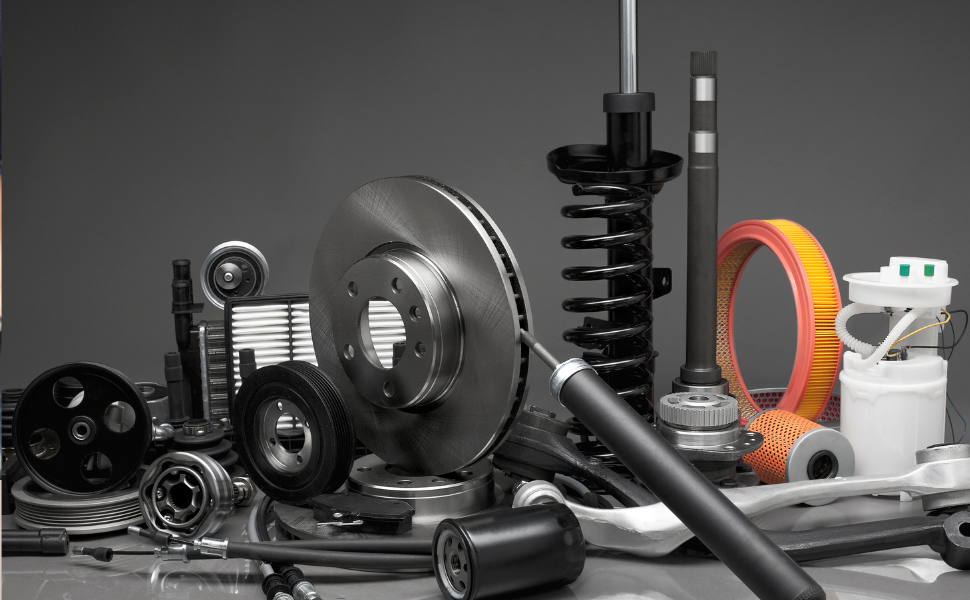
Visit this Page for More Information: Start a Business in Automotive Industry Suggested Recommendations: Market Research: Complete a thorough market study to understand current demands, market gaps, and competitors. Sustainability: Focus on sustainable production processes and materials due to global sustainability concerns. Collaborate: Work with large-scale automobile companies and distributors to secure a steady client base. Quality Control: Maintain rigorous quality control to gain and establish trust with customers, leading to return clientele and referrals. Constantly Innovate: Invest in research and development to stay ahead of trends and technology. Strategic Planning: Vision: The vision should paint a picture of where the organization would like to see itself in the future. Mission: The mission should highlight the organization’s values, its focus on quality, creativity, and innovation. Business Model: Identify if you will follow a B2B or B2C model. Establish your pricing structure and product distribution method. Target Market: Identifying your target market requires knowing client needs, preferences, and buying behaviors, which differ by region, age, and income. Product Development: Product development involves multiple stages: idea generation, concept development, product design, prototyping, product testing, product launch, and final production. Developing a product involves multiple stages, including idea generation, concept development, design, prototype development, testing, and final production. Product Development Innovation: Continual innovation is necessary to remain competitive. Look for new materials and manufacturing processes to improve product use and sustainability. Design: The design phase involves creating specifications and prototypes, considering aesthetics, functionality, safety, and production costs. Prototyping and Testing: Obtaining a prototype and subjecting it to rigorous testing ensures that the product meets quality and safety standards. Supply Chain Management Procurement: Establish relationships with trustworthy suppliers for high-quality materials at competitive prices. Production: Organize production efficiently to reduce waste and control costs. Lean manufacturing principles can maximize productivity. Logistics: Establish superior logistics for timely deliveries and minimized transportation costs. Quality and Compliance Quality Assurance: Apply quality control mechanisms at each production phase to meet industry benchmarks. Certifications and Compliance: Securing appropriate certifications increases the company’s investment risk and ability to create value. Continuous Improvement: Promote continuous improvement to enhance product quality and daily operations over time. Related Feasibility Study Reports: Automobile Industry Marketing and Branding Brand Identity: Create a brand identity that represents the company and resonates with the target audience. Strategizing Marketing: Develop a marketing strategy that speaks to the target audience and utilizes social, digital, and public relations mediums. Customer Engagement Engage with customers through social media to create brand loyalty and generate positive word of mouth. Sales and Distribution Sales Strategy: Develop a sales strategy that includes training representatives, setting targets, and rewarding performance. Distribution Channels: Use the most effective distribution channels to reach your target audience and optimize the supply chain. Customer Relationship Management (CRM) Implementing CRM can help manage customer touchpoints, increasing customer satisfaction and retention. Customer Service and After-Sales Support Service Excellence: Providing quality customer service is key to long-term relationships and customer retention. Warranty and Repairs: Offering warranties and repairs promotes customer confidence. Feedback Management Actively seeking and addressing customer feedback can help in identifying areas for improvement and enhancing overall customer experience. Sustainability and Environmental Responsibility Eco-Friendly Materials: Using environmentally friendly materials reduces the environmental footprint. Energy Efficient Processes: Implementing energy-efficient manufacturing processes reduces the carbon footprint. Waste Management Developing effective waste management strategies can minimize environmental harm and contribute to corporate social responsibility initiatives. Technological Advancement and Research Development Ongoing research, innovation, and integration of technologies like AI and IoT are critical for success in the competitive automobile market. Research and Development (R&D) A continuous investment in R&D is essential for developing innovative products and solutions, optimizing existing processes, and improving product efficiency and durability. Technological Integration integrating cutting-edge technologies such as Artificial Intelligence, Machine Learning, and Internet of Things can significantly enhance product quality, operational efficiency, and customer satisfaction. Intellectual Property Protecting innovations through patents, trademarks, and copyrights is crucial to safeguard business interests and foster a culture of innovation. Market Trends and Consumer Behavior Understanding market trends and consumer behavior is critical for offering products that align with consumer needs. Market Analysis Regularly analyzing market trends, consumer preferences, and competitive landscape can provide insights into emerging opportunities and potential threats. Consumer Insight Gathering and analyzing consumer feedback, preferences, and buying behaviors can help in refining products, services, and marketing strategies. Trend Adaptation Adapting to changing consumer preferences and market trends is vital to maintaining relevance and achieving long-term success. Skill Development and Workforce Management A skilled workforce is the backbone of any successful manufacturing business in the automobile products industry. Training and Development: Ongoing training can develop employee skills and enhance productivity. Workforce Management: Effective workforce management involves proper staffing, scheduling, and communication. Employee Retention Implementing employee-friendly policies, fostering a positive work culture, and providing growth opportunities can help in retaining talent and reducing turnover. Global Expansion and Market Diversification Expanding globally and diversifying markets can alleviate risks and enhance profitability. International Market Analysis Analyzing international markets involves understanding local demands, preferences, regulations, and competitive landscapes to formulate effective entry strategies. Market Entry Strategies Selecting the right market entry strategy, whether through exporting, licensing, franchising, or establishing local subsidiaries, is crucial to international success. Cultural Adaptation adapting products, services, and marketing strategies to local cultures, tastes, and preferences is essential for international acceptance and success. Risk Management and Contingency Planning Identifying, assessing, and mitigating risks is critical to ensuring business continuity and achieving long-term sustainability. Risk Assessment: Assess operational, financial, and strategic risks to create mitigation strategies. Contingency Planning: Prepare plans for various risk scenarios to ensure continuity during unforeseen events. Insurance and Liability Management Adequate insurance coverage and effective liability management are crucial to protecting business interests and ensuring financial stability. Customer-Centric Innovation and Design Thinking Adopting design thinking can help businesses create innovative, user-friendly products. User-Centric Design Designing products with a focus on user needs, preferences, and experiences can enhance product appeal and customer satisfaction. Customer Feedback and Co-Creation Actively seeking customer feedback and involving them in
Low-Cost, High Quality Auto Brake Pad and Brake Shoe Production Business | Set Up the Plant of Auto Brake Pad and Brake Shoe
The braking system for cars, trucks, and other vehicles includes auto brake pads. An auto brake pad’s function is to create friction on a revolving drums’ surface in order to slow or stop the vehicle. As a component of the brake system, brake shoes are also utilized with drums. They work to slow or stop the drum by converting kinetic energy into thermal energy. Automobiles are where auto brake pads are most frequently used. Due to the fact that cars are one of the most widely used forms of transportation in the world, brake pads are always in great demand. Wear and tear of these components is unavoidable because cars are frequently utilized. When these components wear out, it’s crucial to replace them in order to keep your car operating smoothly. Raw materials are the first step in the production of auto brake pads and shoes. The manufacturer heats the raw ingredients in a furnace at temperatures above 2500 degrees Fahrenheit to begin the process. Depending on the size of the material, this step could take up to an hour. Once the metal reaches that temperature, they pour it into a mould and let it cool for about 15 minutes. Then, a device propelled by compressed air severs the metal from the pouring vessel. Finally, they heat, form, and cut the material to size before packing it. The car brake pad and shoe industry is a long-lasting sector with several business potential. Due to the constant wear and tear of brake systems in automobiles, this sort of business offers a reliable source of income because of the strong demand it always experiences. Due to the low cost of materials and production compared to other industries, starting a firm in this sector can also be highly profitable. Additionally, it’s simple to adapt manufacturing to the needs of the consumer due to the enormous range of items on the market. Creating an auto brake pad and shoe business has several advantages in addition to being a fantastic source of income. The following are some of the main justifications for thinking about establishing this kind of business:
Auto Piston Spare Parts Business: Start Today
What Are Auto Pistons and How Do They Work? Cylinders called auto pistons are used to turn pressure into rotational motion. They are employed in the engines of numerous vehicles, including as cars, planes, boats, and more. A number of materials, including metal alloys like aluminium or steel, can be used to create pistons. Additionally, they can be produced using composites or polymers like plastics or resins. The primary purpose of an automobile piston is to force air into the cylinder of the engine so that it will burn when the spark plug ignites it. A vacuum is formed at the top of the piston to enable combustion, allowing air intake from the opposite side. When there is a vacuum, the intake valves open; when it is filled with gas, they close once more. Uses and Applications The piston is one of the most important components of a car’s internal combustion engine. Due to their small weight and low cost, aluminium pistons, which are typically made of forged steel, are becoming more and more common. The primary function of an automotive piston is combustion; they provide a location for the mixing and ignition of fuel and air while also isolating the hot gases generated by the process from the engine’s cylinders. The effectiveness of this process is maintained by piston rings, which plug gaps between the cylinder wall and piston head. Rings do not lose their correct seal at high temperatures, preventing pressurized coolant or oil from leaking. A worn-out or broken piston ring needs to be replaced prior to it possibly doing more damage to the engine block. Last but not least, so-called skirts connect pistons to connecting rods at both ends. Manufacturing Process of Auto Piston There are five basic processes in the process of making a piston. Drawing, turning, grinding, boring, and honing are these processes. Along with measuring the piston ring gap, the maker must build the piston’s component parts. Depending on the sort of piston you’re constructing, the manufacturing procedure can change. For instance, street racing pistons feature longer skirts with larger skirt volumes to improve engine performance. They also have larger combustion chamber volumes. After each component has been produced, it is put together. Benefits of Starting Auto Piston Business Piston makers have strong profits; demand will rise with aging population and increased car sales. Business opportunity for auto pistons with low startup costs and large profit margins. Business owners shouldn’t have any trouble finding customers or suppliers because there isn’t much competition in this sector. India Market Outlook of Auto Piston The market for pistons and piston rings as well as the automotive industry’s need for more powerful engines have been the two main forces behind the market’s phenomenal expansion. As a result of the developing infrastructure, growing domestic auto industry supported by new model launches, rising purchasing power, and stabilizing political environment, significant investments will be drawn both locally and abroad. This growth was enabled by the rapidly growing demand for motorcycle sales, which has been a distinguishing characteristic of this rise. Global Market Outlook of Auto Piston The primary growth engine for the company is the steadily growing automotive industry. Both two-wheeler and three-wheeler manufacturing is gradually rising in response to the growing client demand. Twin cylinders in high-end bicycles, unlike single-cylinder two-wheelers, are boosting the automotive piston market. Due to the rising demand for light, heavy, and passenger cars, the industry is growing. The growing trend toward lighter and more fuel-efficient vehicle engines, which is brought on by increased environmental awareness and enhanced implementation of rigorous emission rules, is anticipated to promote market expansion in the upcoming years. The automotive piston market is projected to grow from $9.61B in 2020 to $14.38B by 2028 at 5.17% CAGR. Contact Us
How to Start the Manufacturing Business of Auto Piston?
The manufacturing business of auto piston is one of the most promising ventures in the automotive component sector. Pistons are critical components of internal combustion engines, responsible for converting the energy generated by fuel combustion into mechanical work. With the ever-increasing demand for vehicles—ranging from two-wheelers to commercial trucks—the need for high-performance, durable, and precision-engineered pistons has skyrocketed. This demand is further boosted by the rising vehicle ownership, stringent emission norms, and the global shift towards technologically advanced engines. Establishing a manufacturing business of auto piston not only presents a significant opportunity in the original equipment manufacturer (OEM) market but also in the aftermarket segment, where the replacement of worn-out engine parts is a continuous requirement. Whether you’re targeting the domestic automobile industry or looking to tap into the export market, the right infrastructure, technical know-how, and quality control can place your venture at the forefront of a lucrative global supply chain. Visit this Page for More Information: Start a Business in Automotive Industry Overview of Auto Piston Market and Scope The global automotive piston market size was valued at over USD 11 billion in 2023 and is projected to reach USD 16 billion by 2030, growing at a CAGR of more than 5.5%. The Indian auto parts industry, already among the world’s top suppliers, is expected to contribute significantly to this growth. Pistons are in demand in: Passenger cars Two-wheelers Commercial and heavy-duty vehicles Agricultural and construction machinery Aftermarket automotive parts sector India is a major supplier of pistons to countries like Germany, the USA, UK, and Japan, presenting a solid export opportunity for new manufacturers. Related Business Plan: Automobile Industry and Auto Components Steps to Start the Manufacturing Business of Auto Piston 1. Conduct Market Research and Project Feasibility Start with: Studying piston usage across different engine types (gasoline, diesel, CNG) Identifying the key clients: OEMs, workshops, distributors, exporters Understanding competitors and their product range Analyzing raw material suppliers and logistic routes This helps you decide whether to manufacture cast pistons, forged pistons, or high-performance racing pistons based on budget and capabilities. Read Similar Articles: AUTOMOBILE INDUSTRY 2. Legal, Regulatory, and Statutory Compliance For a smooth and compliant setup, acquire: MSME/Udyam Registration GST registration Factory License under the Factories Act Pollution Control NOC Import-Export Code (IEC) for global trade ISO 9001 and IATF 16949 certifications for quality assurance in automotive production Additionally, complying with BIS (Bureau of Indian Standards) norms and international material specs is essential for B2B tie-ups. Related Feasibility Study Reports: Auto Piston Industry – Manufacturing Plant 3. Ideal Factory Location and Infrastructure Your plant should ideally be near: Automobile hubs like Pune, Gurgaon, Chennai, or Ahmedabad Industrial zones with good connectivity and logistics Raw material sources (aluminum alloy, steel) Infrastructure required includes: Foundry or forging unit CNC machining centers Heat treatment furnace Surface finishing and honing machines Coating and inspection labs Storage for dies, jigs, and finished products Read our Books Here: The Complete Book on Production of Automobile Components & Allied Products 4. Raw Materials and Key Inputs Main materials used in piston production include: Aluminum alloy (common for light-weight pistons) Cast iron/steel (for high-performance or diesel engines) Graphite and molybdenum for anti-friction coatings Piston rings and pins (can be sourced or manufactured) A reliable supply chain for metal billets and foundry-grade materials ensures uninterrupted production. Manufacturing Process of Auto Pistons The manufacturing business of auto piston involves high-precision engineering and strict quality control. The general production steps include: Melting and Casting/ForgingAluminum or iron alloys are melted and poured into molds or forged into piston blanks using hydraulic presses. Rough MachiningCNC machines shape the piston to its general dimensions and remove casting irregularities. Heat TreatmentIncreases the strength and durability of the piston under high combustion temperatures. Precision Machining and FinishingCritical dimensions like the piston skirt, ring grooves, and pin bore are machined with micron-level accuracy. Coating and Surface TreatmentAnti-friction coatings are applied to enhance performance and reduce wear. Quality Inspection and TestingPistons are inspected for weight, size, hardness, and concentricity using coordinate measuring machines (CMM), X-rays, and other tools. Packaging and DispatchFinal products are packed in labeled boxes with part numbers and shipped to OEMs or dealers. Estimated Investment and Cost Analysis Component Estimated Cost (INR) Land & Building (lease or owned) ?1.5 – ?2 crore Plant & Machinery ?2 – ?3 crore Raw Materials ?30 – ?50 lakh Staff and Skilled Labor ?10 – ?15 lakh (monthly) Certification & Licenses ?5 – ?10 lakh Working Capital (6–12 months) ?1 crore Total Investment Required: ?4.5 crore to ?7 croreExpected Profit Margin: 20% to 35%Break-even Period: Within 2–3 years (depending on production scale and quality) Sales, Marketing, and Distribution Channels OEM Contracts – Supply directly to auto manufacturers Aftermarket Dealers – Engage with engine repair shops and mechanics Export Markets – Southeast Asia, Africa, Europe Auto Trade Fairs – Auto Expo, ACMA shows Online B2B Platforms – IndiaMART, Alibaba, TradeIndia Brand Building – Build a brand around quality, durability, and reliability Focus on bulk orders and create custom pistons for performance or vintage engines as a niche market. Challenges and Quality Considerations Tolerance level control is critical—deviations can cause engine failure Tool wear and machine calibration need frequent monitoring Skilled labor is required for CNC operation and precision tasks Inventory management of die sets and part numbers for different engines Adopt automation and real-time quality monitoring to maintain international standards and reduce rework or waste. Conclusion The manufacturing business of auto piston is a robust and technically rewarding opportunity for entrepreneurs aiming to enter the auto components space. With increasing vehicle demand, replacement needs, and global sourcing from Indian suppliers, this business promises sustainability and scalability. Combining high-end precision engineering with strategic marketing can put your manufacturing brand on the global map of trusted component suppliers. Click here to send your queries/Contact Us Reasons for Buying NIIR Report: Our research report helps you get a detailed picture of the industry by providing an overview of the industry along with the market structure and
Auto Components Industry in India: Sector Overview and Business Opportunities
The auto components industry in India is one of the fastest-growing sectors contributing significantly to the country’s economy, employment, and manufacturing capabilities. As the backbone of the automotive industry, this sector provides essential parts and assemblies to vehicle manufacturers (OEMs), catering to both domestic demand and international markets. With the advent of electric mobility, digitalization, and rising vehicle ownership, the Indian auto components market is undergoing a transformation—becoming more integrated, technologically advanced, and globally competitive. According to the Automotive Component Manufacturers Association (ACMA), the Indian auto components industry recorded a revenue of over INR 5.6 lakh crore (USD 69.7 billion) in FY 2023, showcasing double-digit growth and immense potential. Start a Business in Automotive Industry, Click Here Overview of India’s Auto Components Industry India’s auto components sector includes a wide range of product categories like engine parts, transmission components, chassis systems, braking systems, suspension & steering, electronics, and body parts. The industry serves three primary markets: Original Equipment Manufacturers (OEMs) – Domestic and international vehicle manufacturers Aftermarket (Replacement Market) – Repair, maintenance, and customization Export Market – Over 160 countries, including the USA, Europe, Latin America, and ASEAN nations Read Similar Articles: Automobile Industry Market Snapshot: Contribution to India’s GDP: ~2.3% Employment generation: Over 5 million direct and indirect jobs Exports (FY23): USD 20.1 billion Import (FY23): USD 17.3 billion Major segments: Two-wheelers, passenger vehicles, commercial vehicles, tractors, EVs Read our Books Here: Automobile Industry 1. Key Segments of Auto Components Manufacturing a. Engine & Engine Parts Pistons, crankshafts, valves, camshafts, fuel injection systems Core to ICE (Internal Combustion Engine) vehicles Major demand from two-wheeler and passenger car segments b. Transmission & Drivetrain Gears, axles, clutches, differential assemblies Significant for vehicle mobility and performance Dominated by precision engineering firms c. Suspension & Steering Systems Leaf springs, control arms, steering columns Crucial for vehicle safety, stability, and comfort Demand from both OEMs and aftermarket d. Brake Systems Brake pads, discs, calipers, master cylinders Growing emphasis on anti-lock braking systems (ABS) EV adoption increasing demand for regenerative braking parts e. Electrical & Electronic Components Batteries, alternators, ECUs, sensors, infotainment systems The fastest-growing segment due to EVs and ADAS (Advanced Driver Assistance Systems) f. Interior and Exterior Body Parts Instrument panels, bumpers, dashboards, mirrors, handles Increasing demand from personalization and vehicle design trends 2. Trends Shaping the Auto Components Industry a. Electrification of Vehicles The shift toward electric vehicles (EVs) is creating new demand for components such as lithium-ion battery packs, motors, EV-specific ECUs, and lightweight materials. b. Localization and Atmanirbhar Bharat Driven by import substitution, PLI schemes, and Make in India initiatives, many companies are now focusing on local manufacturing of critical components. c. Digitalization and Industry 4.0 Automation, robotics, IoT, and AI are transforming manufacturing processes—enhancing productivity, quality, and supply chain integration. d. Sustainability and Green Manufacturing Eco-friendly materials, emission reduction technologies, and recyclable parts are becoming a priority for global compliance. e. Rise of Startups and Tier-2 Suppliers Smaller firms and startups are innovating in electronics, telematics, and aftermarket accessories, especially in the EV and connected car domains. Related Feasibility Study Reports: Automobile Industry and Auto Components 3. Government Policies Supporting Auto Component Manufacturing India’s policy framework is highly supportive of the auto component sector: a. PLI Scheme for Auto and Auto Components Total outlay: INR 25,938 crore Focus on advanced automotive technology (AAT) components and EV parts Incentives based on incremental sales and localization b. FAME-II Scheme Pushes demand for EVs and therefore EV-specific components c. Scrappage Policy Increases demand for newer, efficient, and emission-compliant components d. 100% FDI in Auto Components Encourages global companies to set up manufacturing plants in India 4. Major Hubs for Auto Components in India India has developed several regional clusters that form the backbone of this sector: Region Major Cities Specialization North India Gurugram, Manesar, Noida OEM suppliers, electronics, body parts West India Pune, Aurangabad, Rajkot Engine parts, gears, suspension South India Chennai, Hosur, Bengaluru Precision, electronics, export units East India Jamshedpur, Kolkata Heavy vehicles, steel forging 5. Export Opportunities for Indian Auto Component Manufacturers India’s auto components exports have grown steadily over the last decade, thanks to cost competitiveness, engineering capabilities, and global quality certifications. Top Export Products: Engine parts Drive transmission parts Bearings Electricals and lighting Body and chassis parts Major Export Destinations: United States Germany Brazil UK Thailand Bangladesh UAE Exporters benefit from FTAs (Free Trade Agreements), MEIS/RODTEP schemes, and customs simplifications. 6. Challenges in the Auto Components Sector Despite strong growth, the industry faces the following challenges: Global supply chain disruptions due to geopolitical tensions Price volatility in raw materials like steel, aluminum, and plastics Skilled manpower shortages in precision engineering and electronics Slow EV adoption compared to projections Compliance pressure with global emission norms (BS-VI, Euro 7) Investments in R&D, automation, workforce training, and diversification into EV and connected tech are critical to long-term sustainability. 7. Opportunities for New Businesses and Startups For entrepreneurs, Tier-2 & Tier-3 vendors, and MSMEs, the auto components sector offers several promising business models: CNC and precision machining units Sheet metal fabrication and laser cutting shops Plastic injection molding for auto interiors Battery management systems (BMS) for EVs Telematics devices, sensors, and IoT solutions Aftermarket spare parts manufacturing Export-oriented component packaging & logistics Initial investments range from ?25 lakhs (small parts) to ?5 crore+ for advanced electronics or engine components. 8. Leading Indian Auto Component Companies Bosch India Minda Industries Sundaram Clayton Endurance Technologies Varroc Engineering Uno Minda Sona BLW Precision Forgings ZF India These companies supply components to top automotive brands like Maruti Suzuki, Tata Motors, Hyundai, Mahindra, and international OEMs. Conclusion The auto components industry in India is not just a feeder industry to OEMs—it is a standalone powerhouse driving innovation, exports, and employment. As India transitions toward cleaner mobility and high-tech vehicles, the demand for smart, efficient, and sustainable components is bound to increase. With strong government backing, local expertise, and growing global confidence, this sector presents tremendous opportunities for manufacturers, exporters, and entrepreneurs to invest, innovate, and
Start an Industry for Manufacturing Alloy Wheel
The motorcycle industry is continuously evolving with innovation and performance enhancements. Among the most in-demand upgrades for motorcycles today are alloy wheels. Lightweight, durable, stylish, and performance-enhancing, alloy wheels have become a standard across modern two-wheelers. As we enter 2025, starting an alloy wheel industry for motorcycles presents a highly profitable and scalable business opportunity, especially in emerging markets like India and Southeast Asia. However, a lesser-known yet critical component in the manufacturing process is non-woven geotextile, which has diverse industrial uses including in filtration, reinforcement, and insulation – and is increasingly being utilized in alloy wheel production environments for operational efficiency. Starting the Alloy Wheel Industry for Motorcycles: A Step-by-Step Guide Understanding the Market Potential in 2025 The global motorcycle market is projected to witness significant growth in 2025 due to urbanization, rising disposable incomes, and the increased demand for fuel-efficient two-wheelers. With customers now more conscious of performance and aesthetics, the demand for aftermarket and OEM alloy wheels is soaring. This makes the entry into the alloy wheel manufacturing sector not just timely but also highly strategic. Key trends to leverage include: Electric motorcycle expansion Lightweight component demand Customization and style preferences Sustainability in manufacturing processes Conducting Feasibility Research Before initiating operations, conduct a comprehensive market feasibility study to: Understand customer preferences (size, design, price points) Identify local and global competitors Analyze raw material sourcing (aluminum, silicon, magnesium) Examine environmental compliance needs Explore the use of non-woven geotextile in manufacturing setups, especially for creating durable and clean work surfaces and reducing contamination in casting areas. Non-woven geotextile helps maintain a clean working environment, reduces slippage in casting zones, and plays a role in moisture control—thereby optimizing the quality of alloy wheels. Legal Requirements and Registration Starting a manufacturing industry involves regulatory and legal steps: Register the business (LLP, Private Limited, etc.) Obtain GST registration Acquire factory license and environmental clearances Secure UDYAM registration for MSME benefits Apply for pollution control board NOC, especially if using chemicals or generating emissions Ensuring safety and environmental standards is vital. Using non-woven geotextile as part of your infrastructure demonstrates a commitment to green practices, which is appreciated by regulators and consumers alike. Location and Infrastructure Choose a strategically located industrial area with: Good road connectivity for logistics Availability of skilled labor Uninterrupted power and water supply Space for future expansion The layout of your facility should have: Casting and melting section CNC machining and finishing section Powder coating/painting unit Inspection and packaging zone Storage units with non-woven geotextile layers to protect finished wheels from moisture and dust These materials can be laid on floors and shelves to act as dust repellents and humidity controllers, preventing surface degradation of the alloy wheels. Machinery and Equipment Required The core machinery required includes: Induction melting furnace Low-pressure die casting machine CNC machining center Shot blasting and deburring machines Painting or powder coating booths Testing equipment (X-ray, run-out, tensile strength) Additionally, procurement of non-woven geotextile rolls for workspace optimization, safety compliance, and operational efficiency is recommended. Its application in equipment padding, vibration control, and filtration systems is gaining popularity. Raw Materials Procurement Key materials for alloy wheel manufacturing: Aluminum alloy (main component) Silicon, magnesium (for added strength) Paints and finishes Packing materials Non-woven geotextile, especially for lining molds and surfaces to prevent contamination Ensure that your suppliers follow industry standards. Look for recyclable aluminum sources and non-toxic coatings to align with sustainability goals. Skilled Workforce Hiring Your workforce must include: Metallurgists CNC operators Quality inspectors Mold design engineers Coating specialists Maintenance personnel Training programs should also educate workers about the proper use and disposal of non-woven geotextile products, which are essential for process cleanliness and safety. Production Process Overview Melt Aluminum Alloy: Metal is heated in induction furnaces. Casting: Molten metal is poured into die-cast molds to form wheel shapes. Cooling & Deburring: Solidified wheels are removed and excess material is cut off. CNC Machining: High-precision machines shape the final wheel profile. Surface Treatment: Shot blasting for smooth finish and powder coating/painting. Quality Control: X-ray and mechanical tests ensure zero defects. Packaging: Protected using non-woven geotextile layers inside boxes to avoid scratches or corrosion during transport. This process flow ensures high-quality production aligned with industry benchmarks. Marketing and Branding Strategy To stand out in the competitive market: Build a brand around durability, performance, and aesthetics. Offer a wide range of designs for scooters, sports bikes, and cruisers. Provide customization services for B2C clients. Create strong dealership and OEM partnerships. Use online marketing, influencer partnerships, and auto expos. Showcasing your eco-friendly practices, such as the use of non-woven geotextile, enhances your brand’s image among eco-conscious consumers. Financial Planning and Investment Initial investment estimate (in INR for a medium-scale setup): Land & Building: ?40-50 Lakhs Machinery: ?60-80 Lakhs Raw Materials: ?15-20 Lakhs Labor & Operational: ?10-15 Lakhs Marketing & Distribution: ?10 Lakhs Miscellaneous (including non-woven geotextile materials): ?5-10 Lakhs Total Investment Range: ?1.4 Crore – ?1.8 Crore Break-even is usually achieved in 18-24 months, depending on market capture. Role of Non-Woven Geotextile in Manufacturing Though traditionally used in civil engineering and infrastructure, non-woven geotextile is gaining popularity in manufacturing environments due to its: High tensile strength and chemical resistance Filtration properties in dust-prone areas Use in creating anti-slip surfaces in production zones Prevention of corrosion and moisture damage during storage Reusability and eco-friendliness Integrating non-woven geotextile across your facility not only improves working conditions but also ensures better product output by controlling environmental factors. Challenges and Risk Management Every business faces obstacles. Common challenges include: High competition from established players Fluctuating raw material prices Skilled labor shortage Regulatory hurdles Risk mitigation tips: Sign long-term contracts with raw material suppliers Invest in staff training and automation Use advanced environmental controls, like non-woven geotextile, to reduce process variability Stay compliant with ISO certifications for quality and safety Government Support and Incentives Governments in countries like India offer various benefits to promote manufacturing: Capital subsidies Low-interest loans under Mudra/Yojana schemes MSME support programs Export promotion incentives Many green initiatives also
Helmet manufacturing business
India, with its growing population of two-wheeler riders, has witnessed an exponential increase in the demand for helmets over the past decade. With strict government regulations mandating helmet usage for both riders and pillion passengers, the helmet manufacturing business in India has transformed into a highly profitable and future-proof venture. This article provides a detailed roadmap to help aspiring entrepreneurs understand how to enter the helmet manufacturing business in India and capitalize on the booming safety gear market. Market Demand and Potential for Helmet Manufacturing Business The Indian automobile industry is one of the largest in the world, and two-wheelers constitute a significant portion of this market. As per the Motor Vehicles Act, wearing a helmet is mandatory while riding two-wheelers. Furthermore, with increased awareness of road safety and the government’s focus on minimizing fatalities due to road accidents, the demand for helmets is only expected to grow. This makes the helmet manufacturing business a promising opportunity for entrepreneurs seeking to invest in a scalable and sustainable sector. Types of Helmets in Demand Before setting up your helmet manufacturing business, it’s crucial to understand the variety of helmets available in the market. These include: Full-face helmets: Provide complete coverage for the head and face. Half-face helmets: Offer partial protection, commonly used in hot climates. Modular helmets: A hybrid between full and half-face helmets, with a flip-up front. Off-road helmets: Designed for adventure sports and rough terrain. Smart helmets: Equipped with Bluetooth, GPS, and other tech features. Depending on your target market, you can specialize in one or offer a range of products. Steps to Start a Helmet Manufacturing Business in India To establish a successful helmet manufacturing business, a structured approach must be followed. Here’s a detailed step-by-step guide: 1. Market Research and Business Plan Start by conducting in-depth market research to identify customer preferences, competitive pricing, popular brands, and emerging trends such as eco-friendly or smart helmets. Based on the insights, draft a comprehensive business plan that outlines your: Product line Investment estimate Marketing strategy Operational workflow Revenue projections Break-even analysis A well-documented business plan will also help in securing funding from banks or investors. 2. Legal Registration and Compliance Register your helmet manufacturing business as a legal entity. You can choose from options like Proprietorship, Partnership, LLP, or Private Limited Company depending on the scale of your business. Additional legal steps include: Getting a GST registration Acquiring a Factory License under the Factories Act Ensuring compliance with BIS (Bureau of Indian Standards) certifications, especially ISI mark (IS 4151) for helmets Registering with MSME/Udyam for government benefits 3. Selecting Location and Infrastructure Choose a location that is well-connected by roads and has access to basic utilities like electricity and water. Industrial zones or outskirts of major cities are preferred for setting up manufacturing units due to lower land and operational costs. Infrastructure setup includes: Manufacturing floor Quality control lab Packaging area Storage warehouse Office space for administration and marketing 4. Procurement of Machinery and Equipment You will need high-quality machines and tools to manufacture helmets efficiently and maintain safety standards. Some of the essential equipment includes: Injection molding machines Trimming machines Painting booths Ventilation and drying systems Quality testing instruments Assembly tools The initial machinery cost can range from ?25 lakhs to ?1 crore depending on capacity and automation. 5. Raw Materials Required The core raw materials used in the helmet manufacturing business include: Thermoplastic (ABS, polycarbonate) or fiberglass shells EPS foam for shock absorption Visors (polycarbonate sheets) Chin straps and padding Paints, adhesives, and fittings Ensure you have reliable suppliers for consistent quality and uninterrupted production. 6. Workforce and Skilled Labor Hire skilled and semi-skilled labor for various roles in the manufacturing unit, including machine operators, quality inspectors, R&D engineers, and packaging staff. Offer them training on safety protocols, machine handling, and quality benchmarks to improve efficiency. A medium-scale helmet factory may require 20–50 workers depending on output. 7. Production Process Overview The manufacturing process typically follows these steps: Design and prototyping – CAD-based design and R&D Molding – Outer shell molded using thermoplastic or fiberglass Foam insertion – EPS foam liner is fitted for impact protection Painting and finishing – Aesthetic designs are painted or stickered Assembly – Padding, visor, and straps are assembled Testing and quality check – Drop tests, abrasion tests, and ISI compliance Packaging and dispatch – Finished products are boxed and shipped Adhering to quality and safety norms is non-negotiable in the helmet manufacturing business, as it ensures brand credibility and customer trust. 8. Branding and Marketing Strategy To succeed in this competitive market, focus on building a strong brand identity. Effective marketing strategies include: Creating a professional website and online store Using social media platforms to promote safety awareness Partnering with automotive dealerships and accessory stores Participating in trade fairs and exhibitions Offering bulk deals to wholesalers and e-commerce platforms Highlight the safety certifications, durability, and innovative features of your helmets to stand out. 9. Sales Channels and Distribution Your sales strategy should encompass both online and offline channels: Tie-ups with bike showrooms and retailers Listing products on marketplaces like Amazon, Flipkart, and Snapdeal Selling through your D2C (Direct-to-Customer) website Export opportunities to Africa, Southeast Asia, and Middle Eastern countries Franchise model for regional dealerships Building a robust distribution network will increase your product’s reach and maximize revenue. Investment and Profitability The total investment required to start a helmet manufacturing business in India can range between ?50 lakhs to ?2 crore based on scale, automation, and branding efforts. Here’s a brief breakdown: Component Estimated Cost Land and Infrastructure ?10 – ?30 lakhs Machinery and Equipment ?25 – ?100 lakhs Raw Materials ?5 – ?20 lakhs Labor and Operations ?5 – ?15 lakhs Marketing and Branding ?2 – ?10 lakhs Total ?50 lakhs – ?2 crore Profit margins typically range between 15% to 30% depending on product quality, brand value, and production efficiency. With consistent orders and branding, breakeven can be achieved within 2–3 years. Government Schemes and Support The Indian government
Tyre Retreading Business
India, being one of the largest automobile markets in the world, consumes millions of tyres annually. While new tyre manufacturing continues to grow, the demand for cost-effective, eco-friendly alternatives has also increased. Tyre retreading business has emerged as a viable and profitable venture in India, especially in commercial and transport sectors where tyre costs form a significant part of operational expenses. This article provides a comprehensive guide on how to start a tyre retreading business in India, including its setup, machinery, licenses, and profitability. Understanding the Tyre Retreading Process Tyre retreading is the process of renewing old and worn-out tyres by replacing the tread with a new one. This extends the life of the tyre and offers a cost-effective solution compared to purchasing a new tyre. The process involves inspecting, buffing, repairing, and applying a new tread on the old casing. There are mainly three types of tyre retreading methods: precure retreading, mold cure retreading, and bead-to-bead retreading. Among them, the precure method is most commonly used in India due to its simplicity and cost-efficiency. Market Scope for Tyre Retreading Business The Indian market presents enormous opportunities for the tyre retreading business, particularly due to the high demand in commercial transport. Trucks, buses, agricultural vehicles, and heavy-duty construction equipment often rely on retreaded tyres to reduce operational costs. A retreaded tyre can cost up to 40% less than a new tyre while delivering nearly 80-90% of the performance, making it an attractive option for fleet operators. Additionally, with increasing environmental awareness, retreading helps in recycling old tyres and reducing rubber waste, aligning with India’s sustainable development goals. Steps to Start Tyre Retreading Business in India Here’s a step-by-step breakdown of starting your tyre retreading business: 1. Conduct Market Research Before investing, analyze the local market demand for retreaded tyres. Identify your target customers such as truck fleets, transport companies, agricultural cooperatives, and government departments. Study your competitors and identify their pricing, technology, and service quality. 2. Choose the Business Model You can start a small-scale unit catering to local transportation needs or invest in a medium to large-scale operation targeting larger fleets or regional markets. Choose between manual, semi-automatic, or fully automatic retreading systems based on your investment capacity. 3. Location and Infrastructure Select an industrial area or a location on the outskirts of cities with good transport access. You’ll need around 3,000 to 5,000 square feet of space for a small-to-medium unit. Ensure proper ventilation, electricity, drainage, and storage space for raw materials and tyres. 4. Machinery and Equipment To start a tyre retreading business, you will need the following machines: Tyre inspection spreader Buffing machine Tread builder Curing chamber/autoclave Envelope remover Tyre inflator Conveyor belts and tyre lifters Air compressor The cost of basic machinery for a small setup can range from ?10 lakh to ?25 lakh depending on the type and brand. 5. Raw Materials Required The essential raw materials include: Precured tread rubber Cushion gum Vulcanizing cement Envelope and curing tubes Repair cords and patches Sourcing high-quality materials is crucial for the performance and safety of the retreaded tyre. 6. License and Registration To operate a tyre retreading business, ensure you have the following registrations: MSME Udyam Registration Trade License from local authority GST Registration Factory License (if applicable) Pollution Control Board NOC BIS certification for quality standards (if you plan to scale up) It is important to follow the Bureau of Indian Standards (BIS) guidelines for retreading to ensure product quality and customer trust. 7. Skilled Workforce Hire trained operators, supervisors, and technicians who are familiar with tyre retreading processes. You can also provide training through institutes or machinery suppliers. For a medium setup, around 10 to 15 workers may be required. 8. Marketing Strategy Develop a strong marketing and customer outreach strategy. Use local advertising, tie-ups with transport unions, roadside garages, and fleet operators. Offer attractive rates, free pickup and delivery services, or loyalty discounts to gain trust and recurring orders. 9. Quality Control Maintaining strict quality control is essential in the tyre retreading business. Use proper inspection methods to select good casings and ensure the final retreaded tyre passes tests for safety, performance, and balance. Customer satisfaction directly depends on durability and performance. Investment and Profit Margin The initial investment for a small to medium tyre retreading setup in India ranges between ?20 lakh to ?40 lakh, including machinery, infrastructure, labor, and working capital. On average, retreading a tyre costs ?1,500 to ?2,500 and can be sold at ?3,000 to ?4,000 depending on the size and type. If your unit processes 20 to 30 tyres per day, you can expect a monthly turnover of ?12 to ?18 lakhs with a gross profit margin of 30-40%. Challenges in Tyre Retreading Business While the tyre retreading business is lucrative, it comes with challenges: Quality control and ensuring casing suitability Availability of skilled labor Competing with low-cost new tyres from unorganized markets Educating customers about the benefits of retreading Managing waste disposal and environmental compliance With proper planning and quality assurance, these challenges can be effectively managed. Government Support and Incentives The Government of India promotes MSMEs and recycling businesses through subsidies, tax benefits, and soft loans. You can avail financial support through: Stand-Up India scheme Credit Linked Capital Subsidy Scheme (CLCSS) State-level Industrial Development Corporations (SIDCs) Loans from SIDBI or nationalized banks Approaching your district industries center (DIC) can help you understand the available schemes and application processes. Growth Prospects in Future The future of the tyre retreading business in India looks promising. With increasing logistics demands, government infrastructure spending, and environmental consciousness, the need for sustainable tyre solutions is bound to rise. Automation and advanced retreading techniques are further improving efficiency and quality, giving businesses an edge. Export potential to neighboring countries in Africa and South Asia also exists for high-quality retreaded tyres. Final Thoughts Starting a tyre retreading business in India offers a sustainable and profitable business model with moderate capital requirements and significant demand in the transport sector. By combining technical