
Business Plan for Vacuum Steel Bottles (Single & Double Wall)
Also Read: 5 Reasons Why Market Research is Vital for Start-ups Contact Us
Start Your Own Business of Steel Ingot from Scrap | How to Setup Steel Ingot Form Scrap Plant
Steel serves a variety of purposes, including use in pipelines, old cars, appliances, and other discarded debris. Manufacturers melt down the metals to form a liquid, then pour it into molds of different shapes to create ingots. Depending on the amount of available scrap metal, they can scale the process to produce an average of 500 pounds per day in six hours. Industries use the resulting steel to manufacture a wide range of products, including industrial equipment, hardware, and residential tools. Steel is one of the most widely used metals in the world. It has a strong durability and a favourable strength to weight ratio. This combination makes it useful for a wide range of applications. Even though steel is widely available on the open market, there are several circumstances in which using scrap steel might be more economical. For instance, if you need to make something quickly or in small quantities, buying steel scrap instead of an entire ingot may be a preferable option. Use steel ingots to build a boiler, treadmill, or forge. Therefore, keeping a steady supply of steel is crucial to satisfying demand. Steel scrap from various sorts is heated to a temperature of roughly 2700° Fahrenheit inside of a furnace with a carbon steel lining to remove impurities in order to create steel ingots. The first step of the procedure involves heating the raw ingredients to about 2700° Fahrenheit. This is the metal casting procedure. The molten metal is poured into moulds after it reaches the desired temperature to form ingots. Manufacturers create molds for the steel using refractory materials and molten sand, which help the ingots cool more quickly than if they were just liquid metal. They heat iron ore to produce sponge iron, a variety rich in silicon, which they use to make steel. In a blast furnace, sponge iron is first produced and then mixed with limestone. Occasionally, extra carbon can be added, whether it comes from coal or charcoal. Either a solid steel ingot or a solid steel slab will be the final output. The demand for steel, which makes up over 90% of all metal production, has increased as a result of increased trade, fast industrialization, and urbanisation. By 2030, India’s economy is expected to be among the top five in the world. India’s demand for steel is constantly rising. An excellent business opportunity in India is to start a Steel Ingot from Scrap company. When formed into blooms and billets (used to create bars, rods, sections, and plates) and slabs, ingots with a rectangular cross-section weigh 25 to 30 tonnes (used for making plates, sheets, and strips). Direct casting of the metal into blooms or billets is typical of a continuous casting process. Consumers use stainless steel in goods, heavy industry, building, construction, and other steel ingot markets. Experts anticipate that the steel market will expand at a faster rate. The cost of steel ingots made from scrap metal climbed by 10% on average over the past year. Analysts expect demand to rise over the next five years. In 2020, due to the COVID-19 situation, the global market sold 574.1 million metric tonnes of steel scrap. Projections show that this figure will grow at a rate of 4.6% per year, reaching 784.8 million metric tonnes by 2027. As a result, the client may anticipate gaining a comprehensive understanding of the market and the company from the past, present, and future points of view. This will help the client make the best possible decisions about their investments and resource allocation. Contact Us
How to Start a Manufacturing Business of Seaworthy Containers?
The shipping and logistics industry is growing rapidly with the expansion of global trade. In this scenario, the manufacturing of seaworthy containers has emerged as a highly profitable and sustainable business opportunity. These containers are specially designed to withstand harsh marine environments, protect cargo during long-distance ocean transport, and comply with international safety standards. With India becoming a logistics hub and exports rising steadily, entering the seaworthy container manufacturing sector can be a smart investment choice. If you’re looking for a business opportunity in manufacturing Business of seaworthy Containers, get in touch with NIIR Project Consultancy Services. In the world of business, NPCS has established a reputation as a trustworthy provider of comprehensive technical consulting services. Click here to send your queries/Contact Us See More Links:
Know More about How to Start Mini Steel Plant
The production business of mini steel plant is gaining rapid momentum as a cost-effective and high-potential venture, especially in developing economies and industrial belts. Mini steel plants are small and mid-sized units that specialize in the production of steel from scrap or sponge iron through electric arc furnaces or induction furnaces. These plants require significantly less capital investment than integrated steel plants, yet they play a crucial role in meeting domestic steel demand. With construction, infrastructure, automotive, and manufacturing industries booming, especially in India, Southeast Asia, and Africa, the demand for steel is expected to cross 2.5 billion tonnes globally by 2030. In 2025, India alone is targeting 300 million tonnes of steel production annually, a significant portion of which will come from mini steel plants. The production business of mini steel plant offers scalability, faster returns, and localization advantages, making it an ideal investment for entrepreneurs, MSMEs, and industrialists aiming to tap into the backbone of modern infrastructure. Why the Production Business of Mini Steel Plant Is a Smart Industrial Investment in 2025 Mini steel plants are emerging as the backbone of decentralized industrial growth. Their scalability, lower capital requirements, and rapid production cycles are reshaping the steel sector’s landscape—making the production business of mini steel plant a game-changer for future manufacturing. Affordable Setup with Scalable Returns Unlike large integrated steel plants that require thousands of crores in investment and years to commission, mini steel plants can be set up with a capital expenditure ranging from ?15 to ?100 crores, depending on the capacity. These plants are usually based on electric arc or induction furnaces, which are easier to install and require less space. They focus on producing billets, bars, rods, and structural steel—all of which are essential in real estate, railways, highways, and machinery. The production business of mini steel plant offers a high return on investment due to faster project timelines and efficient use of raw materials like steel scrap, sponge iron, or pig iron. Visit this Page for More Information: Start a Business in Steel Industry Meeting the Localized Demand for Steel One of the most significant advantages of running a mini steel plant is its ability to serve localized demand. In regions lacking large steel mills, mini plants fill the supply gap for construction-grade steel. This localization minimizes transportation costs and ensures steady demand from nearby industrial and urban projects. Moreover, the growth of smart cities, tier-2 city development, and industrial corridors in 2025 is creating new demand pockets that favor smaller, adaptable steel units. The production business of mini steel plant can thus align with local needs while also contributing to national infrastructure goals. Read our Books Here: Steel, Iron, Ferrous, Non-Ferrous Metals With Casting And Forging, Aluminium, Ferroalloys Technology Government Policies and Industrial Push The Indian government’s National Steel Policy 2025 supports capacity expansion and encourages investment in secondary steel production. Incentives include GST benefits, subsidized land in industrial zones, and easier environmental clearances for eco-friendly units. State governments are also promoting the production business of mini steel plant under industrial development schemes and MSME clusters. Additionally, green manufacturing is a rising trend, and mini steel plants can more easily adopt energy-efficient and low-emission technologies like scrap-based electric furnaces. These factors make it easier than ever for new entrants to step into the steel production space. Download PDF: Most Demandable Business Idea for Mini Steel Plant (Billets and TMT Bar) Start Production of Steel Billets and TMT Bar Sustainable and Circular Manufacturing Model The production business of mini steel plant contributes directly to the circular economy by utilizing steel scrap as a major raw material. Recycling scrap not only reduces dependency on iron ore but also cuts down CO? emissions and conserves energy. India generates over 30 million tonnes of steel scrap annually, and this number is growing due to increased automobile and construction recycling. Using electric furnaces, mini plants turn this waste into usable steel at competitive costs. In 2025, sustainability is no longer a choice—it is a business advantage, and mini steel production is perfectly aligned with this trend. Related Business Plan: Set up Mini Steel Plant (Billets and TMT Bar) Market Demand and Industry Applications The market for long steel products—such as TMT bars, angles, channels, and wire rods—is steadily expanding. Mini steel plants typically specialize in long products, catering to construction, bridges, roads, and manufacturing units. With India investing heavily in defense, railways, affordable housing, and industrial development, demand for these products remains consistently high. Additionally, global export opportunities exist in Africa, Southeast Asia, and the Middle East, where infrastructure is rapidly developing. By focusing on quality, scale, and consistent supply, the production business of mini steel plant can tap into both domestic and international markets effectively. Read Similar Articles: IRON AND STEEL PROJECTS Key Equipment and Setup Requirements To start the production business of mini steel plant, one needs access to raw materials (scrap or sponge iron), a power connection (10–30 MW depending on capacity), water supply, land (3–10 acres), and industrial approval. Key equipment includes induction furnaces, continuous casting machines, reheating furnaces, rolling mills, and pollution control devices. The plant design should be optimized for energy efficiency and automation to reduce labor dependency. With the integration of digital monitoring, predictive maintenance, and ERP systems, modern mini steel plants can compete with larger players in both quality and delivery timelines. Related Feasibility Study Reports: Setting Up Mini Steel Plant (billets And Tmt Bar) Challenges and Quality Compliance Despite its potential, the production business of mini steel plant faces several operational challenges. These include fluctuating scrap prices, high power tariffs, and strict quality control requirements. Meeting BIS (Bureau of Indian Standards) norms, maintaining TMT strength, and ensuring chemical consistency are essential. To achieve this, businesses must invest in modern testing labs, spectrometers, and automated quality checks. Output should match both domestic and international standards. Other challenges include furnace downtime, labor shortages, and irregular scrap supply. However, with the right systems and proactive planning, these issues can be effectively
Set A Business of Low Relaxation Pre-Stressed Concrete Steel Strand (LRPC)
The demand for Pre-Stressed Concrete Steel Strand is surging due to the growing need for long-lasting, high-load bearing infrastructure in both urban and rural development projects. One of the most advanced and preferred products in this domain is the Low Relaxation Pre-Stressed Concrete Steel Strand (LRPC), which provides high tensile strength, exceptional bonding with concrete, and reduced relaxation loss over time. This makes it ideal for applications like bridges, flyovers, precast segments, metro lines, industrial buildings, and nuclear power plants. Starting a Pre-Stressed Concrete Steel Strand business—particularly LRPC—presents a lucrative opportunity for entrepreneurs, especially with global and domestic infrastructure spending reaching new heights. The Indian government’s continued push on infrastructure through initiatives like Bharatmala, Smart Cities Mission, and PM Gati Shakti has further accelerated demand for LRPC strands. Let’s dive into the essentials of setting up a profitable LRPC strand manufacturing business. Click here to send your queries/Contact Us What is a Pre-Stressed Concrete Steel Strand? Pre-Stressed Concrete Steel Strand is a multi-wire steel product, generally composed of seven high-tensile steel wires twisted together. In the LRPC variety, the strands are specially treated to ensure minimum relaxation under long-term loading conditions, resulting in better performance and durability of concrete structures. These strands are often used in pre-tensioning and post-tensioning of concrete elements. They come in sizes like 9.5 mm, 12.7 mm, and 15.7 mm diameters, and conform to standards like IS 14268, ASTM A416, or EN 10138. Visit this Page for More Information: Start a Business in Steel Industry Major Applications of LRPC Strands in Construction Bridges and Flyovers Metro Rail and Elevated Corridors Multi-Storey Buildings and Towers Precast Beams and Slabs Railway Sleepers Nuclear and Thermal Power Stations These applications require materials that can withstand continuous stress and environmental conditions without deforming—making LRPC strands the ideal choice. Related Business Plan: Steel and Steel Products Advantages of Using Low Relaxation Pre-Stressed Concrete Steel Strand High Tensile Strength – Excellent load-bearing capacity. Low Relaxation Loss – Maintains pre-stressing force over time. Reduced Cracking in Concrete – Improves service life. Cost-Efficient – Reduces maintenance and repair needs. Better Bonding with Concrete – Essential for structural integrity. By choosing LRPC strands, contractors and builders achieve longer-lasting results with lower lifetime costs. Read our Book Here: The Complete Technology Book on Steel and Steel Products Manufacturing Process of LRPC Strands The process of manufacturing Pre-Stressed Concrete Steel Strand involves several precise steps: Wire Drawing: High-carbon steel rods are drawn into wires of required diameter. Stranding: Six wires are helically wrapped around a central wire. Stress Relieving: Heat treatment improves mechanical properties and reduces relaxation. Surface Treatment: Some strands are coated or greased for unbonded use. Testing & Quality Check: Strands are tested for tensile strength, elongation, and relaxation properties. Investing in advanced machinery ensures uniformity, consistency, and adherence to national and international standards. Download PDF: Manufacturing Business of Low Relaxation Pre Stressed Concrete Steel Strand Requirements for Setting Up the Business 1. Land and Location Minimum 1–2 acres for a mid-sized plant. Industrial zone or near construction material hubs. 2. Machinery and Equipment Wire drawing machines Stranding machines Heat treatment furnace (continuous type) Surface treatment/coating units Tensile and relaxation testing equipment 3. Raw Materials High-carbon steel wire rods (typically 5.5 mm or 6.5 mm) Industrial lubricants Packaging materials (wooden reels, etc.) 4. Workforce Skilled operators Quality control team Mechanical and electrical technicians Sales and logistics personnel 5. Certifications BIS Certification (IS 14268) ISO 9001:2015 CE (for export) Test reports from NABL-accredited labs Read Similar Articles: IRON AND STEEL PROJECTS Investment Estimate Plant and Machinery – ?3 to ?6 crore Working Capital – ?1 to ?2 crore Land & Building – ?2 to ?4 crore (owned or leased) Miscellaneous – ?50 lakh to ?1 crore Total Investment Range: ?6 crore to ?12 crore (depending on capacity) Related Feasibility Study Reports: Steel and Steel Products, Iron and Steel Profit Margin and ROI Gross Profit Margin: 20% – 35% Net Profit Margin: 10% – 20% Break-even Period: Typically 18–24 months Return on Investment (ROI): High due to consistent demand and government contracts The continuous demand from infrastructure projects ensures long-term stability and recurring revenue. Target Market and Sales Channels Infrastructure and EPC Companies Government Road and Railway Projects Metro and Rapid Rail Authorities Precast Manufacturers Export to Africa, Middle East, and Southeast Asia For effective marketing, entrepreneurs should also consider: Registering on government portals like GEM (Government e-Marketplace) Participating in B2B expos and construction summits Establishing dealer and distributor networks in metro cities Watch other Informative Videos: Steel and Steel Products Support from Government and Schemes Manufacturing businesses in India benefit from: MSME Udyam Registration Interest Subsidy under CLCSS Export Incentives through MEIS/RODTEP PLI Schemes in Steel & Infrastructure Leveraging these schemes can significantly reduce initial capital burden and increase competitiveness. Sustainability and Future Growth As construction shifts towards sustainability, the demand for efficient, long-lasting materials like LRPC strands is bound to grow. The rising focus on green buildings, low-maintenance infrastructure, and seismic-resistant structures will continue to push this industry forward. Technological advancements such as smart monitoring in post-tensioned structures and the growing popularity of modular construction will further cement the importance of Pre-Stressed Concrete Steel Strand in the modern construction ecosystem. Conclusion The Pre-Stressed Concrete Steel Strand industry—especially in the LRPC segment—is not only growing fast but also offers significant opportunities for sustainable profit. With urban infrastructure expanding at an unprecedented rate, setting up a business in this space ensures long-term benefits, global competitiveness, and an impactful role in nation-building. Click here to send your queries/Contact Us See More Links: Contact Us
Start your own Business of Silicon Metalloids production
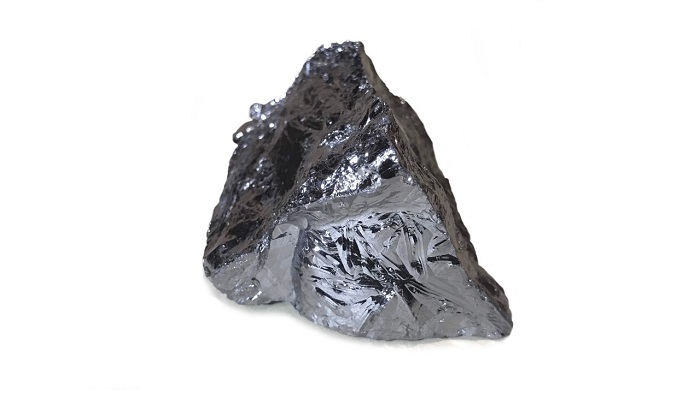
The Business of Silicon Metalloids Production has emerged as a high-potential industrial opportunity, driven by massive demand from the electronics, solar energy, metallurgy, and chemical industries. Silicon, a metalloid known for its semiconducting properties and thermal stability, plays a crucial role in modern technological infrastructure. As the backbone of semiconductors, photovoltaic cells, and alloy manufacturing, the global appetite for silicon continues to rise. Entrepreneurs entering the silicon production sector can capitalize on this growing demand with the right strategy, machinery, and compliance framework. Visit this Page for More Information: Start a Business in Metals Industry Overview of Silicon Metalloids Production Business The production of silicon metalloids involves extracting elemental silicon from quartz (SiO?) through high-temperature reduction in electric arc furnaces. The result is metallurgical-grade silicon, which can then be refined further into solar-grade or electronic-grade silicon depending on the application. This industrial process demands high energy input, skilled labor, and a robust supply chain for raw materials. With the increasing shift towards solar energy and digital devices, setting up a silicon metalloid plant today positions businesses for long-term profitability and export success. Related Business Plans: Ferrous and Non-Ferrous Metals Projects What is Silicon Metalloid? Silicon is a hard, brittle crystalline solid with a blue-grey metallic luster. Although it is a metalloid (exhibiting both metallic and non-metallic characteristics), it is best known for its semiconductor behavior—making it essential for integrated circuits and solar panels. Key features: Atomic Number: 14 Melting Point: ~1414°C Boiling Point: ~3265°C Electrical Conductivity: Adjustable with doping (for electronics) Thermal Stability: High resistance to thermal stress Read Similar Articles: Steel Projects Major Applications of Silicon Metalloids Silicon is used in: Semiconductors: Chips, transistors, processors, memory devices. Solar Energy: Solar photovoltaic (PV) cells, especially mono- and polycrystalline silicon panels. Aluminum Alloys: Improves strength, castability, and corrosion resistance in automotive and aerospace parts. Silicones and Chemicals: Base material for silicon oils, sealants, and rubbers used in construction and personal care. Glass and Ceramics: High-purity silica is used in specialty glass manufacturing. Raw Materials Required To produce metalloid silicon, the following inputs are essential: High-purity Quartz (Silicon Dioxide, SiO?) Carbonaceous Reductants: Wood chips Charcoal Coal Petroleum coke Iron (for producing ferrosilicon alloys) Electrodes for electric arc furnace Fluxing agents (depending on furnace chemistry) High-quality quartz with minimal impurities is critical to achieving metallurgical-grade output. Production Process of Silicon Metalloids 1. Selection and Preparation of Raw Materials Purify quartz to reduce contamination (especially iron and phosphorus). Dry and size all carbon reductants for uniform reaction kinetics. 2. Electric Arc Furnace Smelting Quartz and carbon are loaded into a submerged electric arc furnace. At temperatures above 2000°C, silicon is reduced: SiO? + 2C ? Si + 2CO? Molten silicon collects at the base and is periodically tapped. 3. Refining and Casting Remove impurities through slag separation or metallurgical refining. Cast molten silicon into ingots or crushed into desired granule size. 4. Post-Processing Optional chemical treatments or vapor-phase reactions if further purification is required for solar or electronic-grade silicon. Machinery and Equipment Required Submerged Electric Arc Furnace (15–30 MVA capacity) Raw material handling and feed systems High-voltage transformer and control panels Cooling towers and water treatment plant Tapping and casting system Crushing and sieving units Dust collection and air pollution control systems Laboratory for quality control and impurity analysis Plant Setup and Infrastructure Needs Land Requirement: Minimum 20,000–50,000 sq. ft. depending on capacity. Power Load: High-voltage, 33kV–132kV connection mandatory. Water Source: Continuous water supply for cooling and dust suppression. Storage: Separate storage for quartz, coke, and finished silicon. Safety: Fire suppression system, protective gear, and emergency evacuation protocols. Investment Required Setting up a silicon metalloid plant requires significant capital due to furnace setup and energy infrastructure. Small-scale pilot unit: ?5–7 Crores ($600,000–$850,000) Mid-size commercial plant: ?10–25 Crores ($1.2–3 Million) Costs include: Furnace and power systems: 50% Land and civil works: 20% Raw materials and utilities: 15% Staff and operations: 10% Licenses, pollution control, and compliance: 5% Licenses and Government Compliance Before starting operations, businesses must acquire: Factory License under Factories Act Electricity Board Approval for high-tension connection Pollution Control NOC (Air and Water) Explosives and Fire Safety Certification MSME/Udyam Registration Import Export Code (IEC) if targeting global markets ISO 9001 and ISO 14001 for process and environmental control Packaging and Distribution Silicon is usually supplied in: Lumps/Ingot form: Packed in wooden crates or HDPE bags. Powdered Silicon: Double-lined moisture-resistant bags (25kg–1 ton). Container Shipments: For bulk export, use metal drums or container liners. Distribution channels: B2B sales to foundries, electronics manufacturers, and solar panel firms. Direct contracts with steel and aluminum alloy producers. Government and defense procurement tenders. Profit Margins and Revenue Model Metalloid silicon pricing is influenced by purity, particle size, and global demand. On average: Cost of production: ?85–?110/kg Selling price: ?140–?220/kg (varies by purity & volume) Gross margins range from 25% to 40%, and monthly profits (for mid-sized units) can touch ?20–?50 lakhs depending on operational efficiency and customer contracts. Global Demand and Export Potential Key export destinations include: China, Japan, Germany, USA, South Korea Countries investing in solar energy infrastructure Electronic manufacturing hubs like Taiwan and Vietnam India has a growing domestic demand and also benefits from duty-free access under FTAs in certain markets. Export incentives are available under the RoDTEP scheme. Challenges and Risk Management Challenges: Volatile power costs Import dependence for high-grade quartz Environmental compliance pressures Technical complexity of furnace operation Mitigation: Secure long-term power tariffs through industrial utility contracts Source domestic quartz mines or sign exclusive supply agreements Invest in air pollution control equipment Hire metallurgists and experienced furnace operators Sustainability and Future Outlook The future of the Business of Silicon Metalloids Production is exceptionally promising due to: Expansion of semiconductor manufacturing India’s PLI schemes for solar and electronics Global transition to green energy and electric vehicles Scarcity of domestic silicon producers in emerging markets Entrepreneurs who enter this space today will be part of the core industrial transformation shaping tomorrow’s technology, infrastructure, and sustainability goals. Read our Books Here: Steel, Iron, See More Links: Start
Start Investing in Manufacturing Business of Steel Shipping Containers (Cargo Container). Profit-Making Production Business of Metal Marine Containers for Entrepreneur and Startup.
The marine container industry is a cornerstone of global trade, enabling the seamless transportation of goods across oceans and continents. As the demand for international shipping increases, the need for durable, efficient, and standardized marine containers continues to rise. Starting a marine container manufacturing business presents a significant opportunity for entrepreneurs who understand logistics, engineering, and global supply chains. Overview of the Marine Container Industry Marine containers, often called shipping containers, are large, standardized steel boxes used to transport goods by sea, rail, and road. These containers come in various sizes, with the 20-foot and 40-foot ISO containers being the most common. Due to their durability and modular design, marine containers have also found applications in construction, storage, and even housing. As global trade expands and e-commerce grows, the marine container manufacturing business continues to be a lucrative and scalable venture. Market Research and Business Planning Before diving into manufacturing, conducting in-depth market research is crucial. Understanding market demand, target customers (e.g., shipping companies, logistics firms, storage solution providers), regional regulations, and international standards like ISO 668 is essential. A comprehensive business plan should include: Market analysis Competitive landscape Capital investment estimates Equipment and raw material sourcing Financial projections Regulatory compliance and certification strategy Your marine container manufacturing business should address gaps in the market such as eco-friendly materials, modular designs, or technology-integrated containers (e.g., GPS-enabled containers). Choosing the Right Location Location plays a crucial role in the success of your marine container manufacturing business. You need proximity to: Seaports and inland container depots Steel suppliers Skilled labor force Transport infrastructure Industrial zones or Special Economic Zones (SEZs) near shipping ports often offer incentives, better logistics, and reduced costs. India, China, Southeast Asia, and coastal African regions are witnessing growing opportunities in this sector. Licensing and Compliance To start your marine container manufacturing business, you must obtain various licenses and comply with industrial, safety, and environmental regulations: Business registration (LLP, Pvt. Ltd., etc.) GST registration (India) or VAT (other countries) Factory license Pollution control certificate ISO certification (especially ISO 668, 1496, and CSC certification) Labor law compliance Containers must meet International Maritime Organization (IMO) and Bureau of International Container standards to be accepted for sea transport globally. Infrastructure and Equipment Marine container production requires significant infrastructure and high-grade machinery. Key equipment includes: CNC machines and metal cutting equipment Welding machines and robotic welders Roll forming machines Sandblasting and painting units Assembly lines and container testing equipment Material handling tools like forklifts and cranes Your factory setup should accommodate various production stages such as cutting, forming, welding, assembling, painting, and quality testing. Initial capital investment can be substantial, often running into several crores (or millions of dollars), depending on capacity and automation level. Raw Material Sourcing The primary raw material used in marine container manufacturing is Corten steel, which offers corrosion resistance and structural strength. Other materials include: Marine-grade plywood or bamboo (for flooring) Paints and coatings Rubber gaskets Doors, locking mechanisms, and hinges Corner castings and structural reinforcements It’s essential to establish strong relationships with reliable steel manufacturers and component suppliers, preferably those with ISO and marine-grade certifications. Hiring Skilled Workforce To ensure quality production and meet international standards, your marine container manufacturing business needs a skilled team: Mechanical and design engineers Welders and metal fabricators Quality assurance specialists Production supervisors Machine operators Administrative and logistics staff Training in ISO container standards, welding safety, and material handling is necessary for workforce efficiency and safety. Manufacturing Process The production of marine containers involves several critical steps: Design and Blueprinting – Creating a structural and dimensional plan based on ISO standards. Steel Cutting and Forming – Cutting Corten steel into panel shapes for walls, roofs, and doors. Frame Assembly – Welding the base, top rails, and corner posts. Panel Welding – Side walls, end walls, and roofs are welded to the frame. Floor Installation – Typically marine-grade plywood is fitted on the steel cross members. Surface Preparation and Painting – Sandblasting and corrosion-resistant paint application. Door Fitting and Locking Gear – Installing double-door sets with locking mechanisms. Testing and Quality Control – Conducting leak tests, structural inspections, and corner strength tests. Labeling and Certification – Containers are labeled with CSC plates and serialized before delivery. Automation and robotic welding can significantly increase speed, consistency, and safety. Cost Structure and Pricing Starting a marine container manufacturing business involves a substantial upfront investment, but margins can be attractive if operations are optimized. Cost elements include: Capital equipment and factory setup Raw material procurement Labor and training Quality assurance and certifications Packaging and transportation Pricing depends on container size, customization, certification, and regional market factors. Offering value-added services such as container modification or leasing can enhance profitability. Marketing and Sales Strategy To sell your marine containers, build a strong marketing strategy targeting: Shipping companies and freight forwarders Transport and logistics companies Storage rental providers Construction firms (for container homes or offices) International buyers and government tenders Utilize B2B platforms like IndiaMART, Alibaba, and TradeIndia. Attend global logistics expos, build a professional website, and invest in SEO targeting keywords like “marine container supplier” or “ISO container manufacturer.” You may also offer: Container customization (e.g., refrigerated, ventilated, or high cube containers) After-sales service and repairs Container conversion for housing, kiosks, etc. Building trust through certifications, warranties, and testimonials will strengthen your brand. Risk Management and Challenges The marine container industry is highly capital-intensive and competitive. Key challenges include: Fluctuating steel prices Strict compliance and certification standards Global competition, especially from China Logistics costs for shipping large finished units Regulatory delays and inspection bottlenecks Mitigation strategies involve raw material stockpiling, operational efficiency, diversified product lines, and geographic expansion. Growth Opportunities and Expansion Once your marine container manufacturing business is stable, consider diversifying into: Container leasing or rentals Container resale and refurbishment Modular container homes and office spaces Exporting containers to developing markets Creating eco-friendly containers from recycled materials Sustainability trends and smart container technologies (IoT sensors, GPS tracking) are reshaping the industry. Staying ahead of innovation and
Manufacturing of Pig Iron. Investment Opportunity in Steel and Iron Sector.
India’s steel & iron industry plays a pivotal role in supporting the infrastructure and manufacturing backbone of the economy. Among the many components of this sector, pig iron is fundamental to steel production, acting as a key raw material. With growing infrastructure development, automotive production, and demand from engineering sectors, investing in pig iron manufacturing is increasingly being viewed as a profitable venture. For entrepreneurs, investors, and industrialists, understanding the investment dynamics, production process, and market trends of this segment is crucial. Understanding Pig Iron and its Role in the Steel & Iron Sector Pig iron is the intermediate product derived from the smelting of iron ore in a blast furnace. It contains a high-carbon content (usually over 3.5%) and is typically melted and further refined to produce steel or cast iron. The term “pig” comes from the traditional shape of the molds used for casting iron, resembling piglets suckling on a sow. This essential material is at the core of the steel & iron supply chain, and its demand often reflects the health of the broader industrial sector. Market Potential of Pig Iron Manufacturing India is one of the largest producers and consumers of steel & iron, and the consumption of pig iron is directly correlated with these numbers. In recent years, domestic pig iron demand has increased steadily, with specific growth in foundries and small-scale steel manufacturers. The availability of raw materials such as iron ore, coke, and limestone—key inputs for pig iron—adds to the country’s advantage. Additionally, the government’s push for infrastructure, housing for all, and railway expansion is expected to sustain demand for the next few decades. Types of Pig Iron There are mainly three types of pig iron manufactured in the steel & iron sector: Basic Pig Iron: Used predominantly in steel-making. Foundry Pig Iron: Used for making castings in foundries. High Purity Pig Iron: Utilized in precision casting and automotive applications. Understanding your target market helps determine the type of pig iron to produce, and thus, the technology and raw materials required. Raw Materials Required The essential raw materials required for pig iron manufacturing include: Iron Ore: The primary input, available in abundant supply in states like Odisha, Jharkhand, and Chhattisgarh. Coking Coal: Used to produce coke, which acts as a reducing agent. Limestone & Dolomite: Used as fluxing agents to remove impurities. Scrap Materials (Optional): Used in some processes to improve quality or reduce costs. Securing long-term, cost-effective sources for these materials is key to a sustainable and profitable pig iron manufacturing setup. Pig Iron Manufacturing Process The pig iron manufacturing process typically involves the use of a blast furnace. Here’s an overview: Charging the Furnace: Iron ore, coke, and limestone are fed into the furnace from the top. Smelting: A high-temperature reaction takes place inside the furnace. Coke combusts with oxygen, generating the heat needed to reduce iron ore to iron. Tapping: The molten pig iron is tapped at the bottom and cast into molds. Slag Removal: Byproducts such as slag are separated and removed. Cooling and Finishing: The pig iron is cooled and then dispatched for further refining or casting. New technologies such as mini blast furnaces and energy recovery systems are now being integrated to improve efficiency and reduce emissions. Investment Requirements Starting a pig iron manufacturing unit involves considerable capital investment. Here’s a breakdown of potential investment: Land and Building: ?10–15 crore depending on location and scale. Blast Furnace & Machinery: ?25–40 crore for a small to medium unit. Working Capital: ?5–10 crore to cover raw materials, labor, and operations. Utilities and Infrastructure: ?5–7 crore for power supply, water, waste management, and transportation facilities. Total investment can range between ?50–70 crore for a mid-sized facility. Government incentives, subsidies, and access to institutional finance can help reduce the upfront burden. Regulatory Compliance Given the polluting nature of traditional iron-making, pig iron manufacturing in the steel & iron sector is highly regulated. Here are key compliance areas: Environmental Clearances: Consent to Establish and Operate from the State Pollution Control Board. Factory License: Registration under the Factories Act. Mining and Mineral Laws: If sourcing your own raw materials. Energy and Safety Norms: Ensuring workplace safety and efficient energy usage. Non-compliance can lead to heavy fines or closure, so investing in environmental technology and proper documentation is crucial. Profit Margins and ROI While the initial capital requirement is high, pig iron manufacturing offers solid returns if managed efficiently. A well-located and properly managed plant can expect: Gross Margins: 18%–25% depending on input costs and product pricing. Net Margins: 10%–15% after operational costs. Payback Period: 4 to 6 years depending on market demand and capacity utilization. Export opportunities to countries in South Asia, Africa, and the Middle East can further boost profitability, especially for high-purity pig iron. Challenges in Pig Iron Manufacturing Despite its potential, pig iron manufacturing comes with challenges: Volatile Raw Material Prices: Prices of iron ore and coke can fluctuate drastically. High Energy Consumption: Electricity and fuel costs are substantial. Pollution and Waste Management: Managing emissions and slag responsibly is both a legal and social requirement. Technological Upgradation: Continuous investment in newer, more efficient technologies is essential to remain competitive. Addressing these issues through smart supply chain management, process automation, and environmental compliance is key to long-term success in the steel & iron industry. Technological Trends Modernization in the steel & iron sector is rapidly influencing pig iron manufacturing. Key technological trends include: Use of AI and IoT: For furnace temperature monitoring and predictive maintenance. Green Technologies: Low-carbon blast furnaces, carbon capture systems, and hydrogen-based reduction methods. Digital ERP Systems: For production planning, inventory control, and logistics. Investing in such upgrades not only improves efficiency but also positions your plant for the future of sustainable metallurgy. Government Support and Policies The Indian government supports the steel & iron sector through various schemes and policies: Production Linked Incentive (PLI) Schemes Make in India and National Steel Policy 2017 Ease of Doing Business Reforms Incentives for Green and Sustainable Manufacturing Additionally, several
(Thermo Mechanically Treated) TMT Steel Bars, Angles and Pipes Manufacturing Business
The TMT Steel Bars, Angles and Pipes Manufacturing Business plays a pivotal role in shaping the infrastructure and construction industry in India and globally. These products form the backbone of modern construction, engineering, and fabrication projects. With rapid urbanization, highway development, industrialization, and government investment in infrastructure, the demand for TMT bars, steel angles, and pipes is continuously rising. Establishing a manufacturing unit in this segment offers a high-potential opportunity for entrepreneurs looking to enter the steel and construction material industry, with consistent demand, scalable production, and good returns on investment. Overview and Industry Potential The construction and real estate industries rely heavily on structural steel products such as TMT bars, angles, and pipes. TMT (Thermo-Mechanically Treated) steel bars are widely used in RCC (Reinforced Cement Concrete) work for their high strength, ductility, and earthquake resistance. Steel angles and pipes are used in frames, trusses, support structures, industrial sheds, automotive parts, and plumbing systems. The TMT Steel Bars, Angles and Pipes Manufacturing Business has seen steady growth due to infrastructure initiatives like Smart Cities Mission, Bharatmala, industrial corridors, and metro projects. Private builders, housing societies, and factories also contribute to ongoing demand. This sector is relatively recession-proof, as it is tied to long-term physical asset creation. Moreover, India’s position as a major steel producer and exporter allows manufacturers to target both domestic consumption and global markets. Steel products manufactured under BIS and ISO certifications gain traction in institutional tenders and government projects as well. Manufacturing Process and Technology The TMT Steel Bars, Angles and Pipes Manufacturing Business involves several steps and requires a well-organized production setup. Typically, the raw material used is steel billets or scrap, which is melted in induction furnaces and passed through rolling mills to shape into desired sections. For TMT bars, billets are heated and passed through a series of rollers to form rebars. These bars are then subjected to controlled water quenching to create a strong outer surface while retaining a soft core for ductility. For angles and channels, the hot billets are shaped using rolling mill stands into L-sections (equal or unequal angles) or U/C-sections. Steel pipe production involves shaping sheets or coils into cylindrical forms and welding them longitudinally using high-frequency welding machines. Pipes may then be galvanized, treated, or painted depending on usage. Automation in rolling mills, cooling systems, and online cutting improves efficiency, quality, and production speed. Dust and fume control systems are crucial to maintain environmental compliance. Machinery and Infrastructure Requirements To launch a TMT Steel Bars, Angles and Pipes Manufacturing Business, a well-equipped facility is required. Key machinery includes: Induction furnace or electric arc furnace (for billet production) Continuous casting machine (CCM) Reheating furnace Rolling mill stands (for TMT bars, angles, channels) Water quenching system (for TMT process) Straightening and cutting machines Welding units (for pipes) Galvanizing plant (optional for pipe finishing) Laboratory and quality control setup Land requirements depend on production capacity and layout, usually starting from 1–2 acres for a small to mid-scale plant. Power supply (high voltage), water access, waste management, and logistics connectivity are essential factors. Investment and Profitability Starting a TMT Steel Bars, Angles and Pipes Manufacturing Business involves significant capital expenditure due to the nature of heavy machinery and infrastructure. Approximate cost breakdown for a mid-scale unit: Plant and machinery: ?3–5 crores Factory setup, land, and civil works: ?1.5–2.5 crores Working capital for 3–6 months: ?1–1.5 crores Labor and administration setup: ?30–50 lakhs Utility installation (power, water, fire safety): ?25–50 lakhs Marketing, branding, and contingency: ?15–25 lakhs Despite the high initial investment, the margin in this business can range between 12%–20% depending on product mix, raw material cost management, and efficient operations. Higher margins can be achieved through value-added products like corrosion-resistant bars, customized lengths, or branded offerings. Licensing and Legal Compliance To run a compliant TMT Steel Bars, Angles and Pipes Manufacturing Business, several registrations and licenses are necessary: Udyam (MSME) registration GST registration Factory license from local authorities Consent from State Pollution Control Board (air and water clearance) Fire safety NOC Power sanction from the electricity board BIS certification for TMT bars (IS 1786 standard) ISO 9001 or ISO 14001 (optional for quality/environmental certification) Complying with these norms helps in participating in government tenders, institutional supply chains, and exports. Sales and Marketing Channels The success of your TMT Steel Bars, Angles and Pipes Manufacturing Business depends on both production capacity and market reach. Common marketing and sales strategies include: Direct supply to builders, contractors, and infrastructure companies Tie-ups with hardware stores, construction material distributors Supplying to fabrication units, auto-parts suppliers, and OEMs Listing in B2B directories like Indiamart, TradeIndia Participating in steel expos, trade fairs, and vendor meets Tenders and bulk supply to government or private infrastructure projects Creating a brand around quality, timely delivery, and durability can help distinguish your products in a highly competitive market. Many successful brands offer dealer incentives, bulk discounts, and marketing support to increase sales volumes. Sustainability and Innovation in Steel Manufacturing Today’s market favors businesses that are environmentally responsible. In the TMT Steel Bars, Angles and Pipes Manufacturing Business, adopting sustainable practices can provide a competitive edge: Recycling steel scrap and slag Using energy-efficient furnaces and automation Water recycling systems for the quenching process Dust and fume extraction to maintain workplace safety Promoting green steel with lower carbon footprints Innovations like corrosion-resistant rebars (CRS), earthquake-proof steel, and customized modular steel components are also gaining popularity. Manufacturers who invest in R&D and modernize production can capture premium markets. Growth and Expansion Opportunities Once operational, a TMT Steel Bars, Angles and Pipes Manufacturing Business can scale up through: Expanding capacity to meet regional demand Introducing new product lines like wire rods, flat bars, or galvanized pipes Exporting to neighboring countries with steel shortages Contract manufacturing or OEM supply to branded infrastructure companies Investing in automated packaging and quality assurance systems Diversifying into value-added services like cut-to-length delivery, bending services, and ready-to-fix structural solutions can increase customer retention and boost margins. Conclusion The TMT Steel Bars,
Iron Powder Production from Mill Scale Scra
In the rapidly evolving world of metallurgy and materials engineering, iron powder has emerged as an indispensable component across numerous industrial applications. One of the most efficient and cost-effective methods to produce iron powder is from mill scale scrap. Mill scale, a flaky by-product generated during the hot rolling of steel, was once considered waste. However, modern techniques have transformed this material into a valuable resource. As industries push towards sustainability and zero waste, converting mill scale into iron powder not only addresses environmental concerns but also reduces production costs and dependency on iron ore. Converting Mill Scale Scrap into Valuable Iron Powder The generation of mill scale happens naturally during steel production. It forms on the surface of steel billets and sheets during hot rolling and is composed mostly of iron oxides such as FeO, Fe?O?, and Fe?O?. This oxide layer flakes off and accumulates as waste. Traditionally discarded or sold cheaply, mill scale is now gaining attention as a raw material for producing iron powder, especially in powder metallurgy industries. Composition and Characteristics of Mill Scale Mill scale typically contains around 70% iron, making it an attractive alternative to iron ore for powder production. Its other constituents include silica, alumina, and traces of other metals, depending on the steel source. Because it’s already partially oxidized, processing mill scale to extract pure iron powder involves reducing these oxides back into metallic iron through controlled chemical reactions. Process Overview: Iron Powder from Mill Scale The manufacturing of iron powder from mill scale involves multiple steps, each crucial to the quality and purity of the final product. 1. Collection and Preparation Mill scale is collected from steel plants, usually in bulk. It is then dried and crushed to uniform particle size to improve reaction efficiency. Magnetic separation may be used to remove non-ferrous contaminants. 2. Reduction Process The most commonly used method to reduce mill scale is the hydrogen reduction or coal-based reduction process: Hydrogen Reduction: In this process, mill scale is heated in a hydrogen-rich atmosphere at temperatures between 500°C and 900°C. The hydrogen reacts with iron oxides to form metallic iron and water vapor. Fe2O3+3H2?2Fe+3H2OFe_2O_3 + 3H_2 ? 2Fe + 3H_2OFe2?O3?+3H2??2Fe+3H2?O Coal or Coke-Based Reduction: Here, finely ground mill scale is mixed with carbon (from coal or coke) and heated in a rotary kiln. The carbon reduces the iron oxides, forming sponge iron that is later ground into powder. 3. Cooling and Milling After reduction, technicians cool the metallic iron (also called sponge iron) in a controlled environment to prevent re-oxidation. They then grind it into fine iron powder using ball mills or jet mills to meet the desired particle size specifications. 4. Sieving and Quality Control Technicians sieve the final powder to remove oversized particles and ensure uniformity. They carry out rigorous quality control checks to test for purity, particle size distribution, and chemical composition, ensuring the iron powder meets industrial standards. Applications of Iron Powder in Various Industries The versatility of iron powder makes it a critical material in several industrial sectors: 1. Powder Metallurgy One of the largest consumers of iron powder is the powder metallurgy sector. It is used to manufacture sintered components like gears, bearings, and bushings. These components are pressed into shape and sintered at high temperatures, offering excellent mechanical properties and material efficiency. 2. Soft Magnetic Components Iron powder’s magnetic properties make it ideal for producing soft magnetic parts used in electromagnetic devices, transformers, and inductors. 3. Friction Materials Brake pads and clutch plates often include iron powder to improve wear resistance and performance. Its controlled particle size ensures consistent frictional properties. 4. Chemical and Food Industries In the chemical industry, iron powder acts as a reducing agent in several reactions. It’s also used in water treatment processes to remove contaminants. Surprisingly, fine-grade iron powder is added to food products to fortify them with iron, especially in developing countries. 5. Printing and Additive Manufacturing The rise of 3D printing has led manufacturers to use iron-based powders in metal additive manufacturing processes like Binder Jetting and Selective Laser Melting, offering cost-effective solutions for prototyping and small batch production. Environmental and Economic Benefits Utilizing mill scale for iron powder production offers significant environmental and economic advantages: Waste Minimization: Converting a waste by-product into a valuable raw material reduces the burden on landfills and promotes circular economy principles. Lower Raw Material Costs: Mill scale is less expensive than iron ore, bringing down overall production costs. Energy Efficiency: Optimizing reduction processes lowers energy consumption compared to traditional smelting methods. Carbon Footprint Reduction: Avoiding full-scale ore mining and beneficiation reduces greenhouse gas emissions. Market Trends and Future Potential The global demand for iron powder is growing steadily due to increasing adoption of powder metallurgy and sustainable production methods. Countries like India, China, and the USA are leading producers, with several small and medium enterprises exploring mill scale-based production as a viable business model. In India, the growing steel industry ensures a continuous supply of mill scale, while supportive government policies encourage recycling and sustainable manufacturing. Entrepreneurs can enter this market with moderate capital investment, focusing on technology partnerships and quality control to gain competitive advantage. Moreover, research into improving the purity of iron powder and developing composite powders is driving innovation. For example, alloying iron with elements like copper or nickel during the powder stage can enhance mechanical properties for specific applications. Challenges in Iron Powder Production from Mill Scale Despite its benefits, challenges still remain to be addressed. Contamination Control: Mill scale often contains impurities that can affect the quality of the final iron powder. Advanced cleaning and separation techniques are essential. Process Optimization: Maintaining consistent temperature and reducing atmosphere is crucial for effective oxide reduction. Storage and Handling: Iron powder is highly reactive and needs careful storage to prevent oxidation and fire hazards. Conclusion Producing iron powder from mill scale scrap is a remarkable example of turning industrial waste into a valuable resource. With increasing emphasis on sustainability and cost-efficiency, this method offers a