
From Seed to Success: A Startup’s Guide to Dominating India’s Vegetable Seed Market
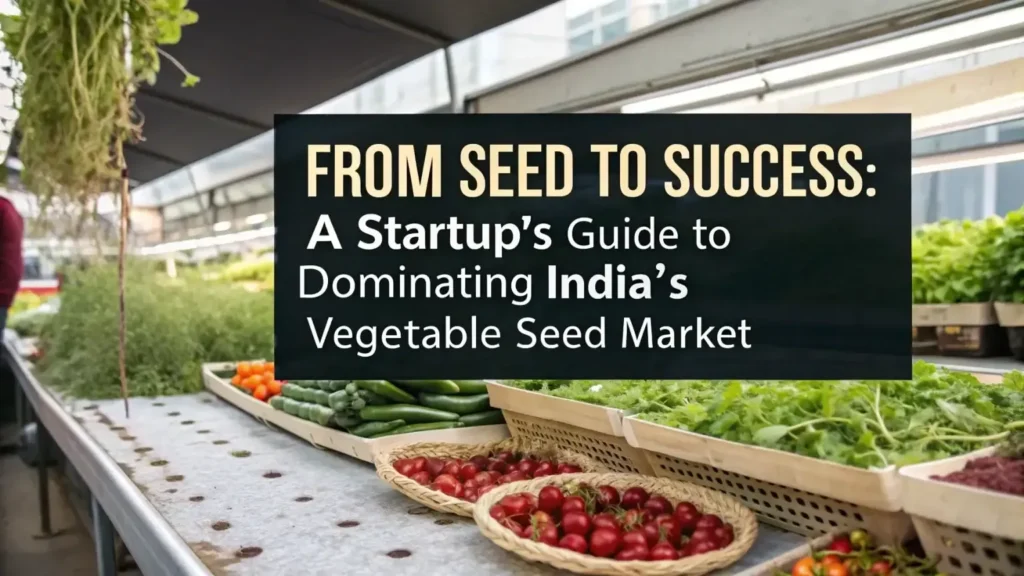
India’s farms are not just fields of the past anymore; they’re becoming laboratories of tomorrow. Farmers are now armed with apps, drones, and soil sensors, and they’re picking the seeds we grow with just as purposefully as the crops they nurture. Among all the pieces of the food puzzle, the vegetable seed market stands out as the most lucrative and game-changing section ripe for innovation. For founders and teams with a genuine desire to leave a mark, getting into vegetable seeds in India is a ticket to impact and income at the same time. The market is crowded with old ways that are waiting for smart, savvy disruptors to bring in tech, raise quality, and launch fresh business models. This in-depth article will detail everything they need, from market trends to seed lab tech, from the red flags of the launch phase to the blue-sky ideas they can strive for in the coming years 52+ The Foundation of Growth: Market Size, Demand, and Growth Drivers The Indian vegetable seed market is not slowing down; it’s skyrocketing, and several big trends are pushing it forward. Outcome: A healthier, wealthier farmer market willing to pay for superior seed. For a startup, this isn’t a side street; it’s a highway with guardrails, headlights, and a destination for higher revenues. Related: Cultivating success: Your ultimate guide to profitable agriculture business ideas The Business of Seeds: From Field to Fallow Operating a vegetable seed business goes way beyond just offering a product; it supplies the building block that shapes a farmer’s income and a country’s entire food supply. Mastering the full seed-to-shelf cycle can truly set an entrepreneur apart. The Manufacturing Process Outline: How Seeds are Processed The path from a living plant to the neatly packaged seed in a retailer’s aisle is long and detailed, demanding meticulous attention, the latest tech, and a rock-solid pledge to premium quality. Here’s a streamlined outline of what it takes to set up a seed-processing unit: 1. Raw Seed Procurement & Threshing 2. Cleaning and Separation 3. Grading and Sizing 4. Seed Treatment 5. Drying and Storage 6. Packaging and Labeling View our books on Fruits, Vegetables, Corn and Oilseeds Processing Handbook Essential Plant and Machinery for a Seed Unit Building a seed processing plant today requires a sizable budget, and choosing the right machines is critical. The essential unit consists of these key pieces of gear: Related: Fruits & Vegetables Powder Manufacturing Business The NPCS Advantage: Your Blueprint for Success Launching a seed processing unit involves more than a bright idea. Candor and preparation dictate results. A thorough yet practical feasibility study is the starting point of every project, allowing you to see the market, the cash, and the right machines before the first shovel of earth is turned. This is exactly the moment when Niir Project Consultancy Services (NPCS) becomes a must-have partner. NPCS crafts Market Survey cum Detailed Techno Economic Feasibility Reports that detail: By laying out these specifics, NPCS lets business owners check costs, profits, and growth potential with precision—turning vision into viable ventures. Getting Ahead of Risks and Seizing Chances Risk: Counterfeit Agrochemicals Even with the market on the rise, risks exist. As Chemical Weekly highlights, counterfeit agrochemicals are a growing threat, robbing farmers of quality and weakening the supply chain. Solution: Opportunity: Embracing Agri-Tech Tech is the silent partner in this business. Startups that adopt it early can dominate the stage. The Global Opportunity India is more than a seed market—it’s a sprawling seed laboratory. With diverse climates and altitudes, it is a natural testing ground. Build a facility in a transport hub, align with global quality checks, and India becomes a launchpad for export. Opportunities stretch to neighboring countries needing a reliable seed supply and to developing nations hungry for enhanced seeds. For more information, check out our related video The Financial Blueprint: A Project’s Financial Feasibility For an entrepreneur, the financial feasibility of a project is the ultimate determinant of its success. A seed processing unit requires significant capital investment. A detailed project report will provide a comprehensive breakdown of these costs. Capital Expenditure (CapEx) This includes the one-time costs associated with setting up the plant: Operational Expenditure (OpEx) These are the recurring costs of running the business: A proper feasibility report will not only outline these costs but also project revenues based on market prices and sales volumes. It will include a break-even analysis, debt-to-equity ratios, and a return on investment (ROI) calculation, giving the entrepreneur a clear financial picture of the project’s viability. Find Your Perfect Business Match Using Our Smart Startup Selector A Startup’s Guide to Dominating India’s Vegetable Seed Market FAQs:A Startup’s Guide to Dominating India’s Vegetable Seed Market What is the vegetable seed market? The vegetable seed market includes the production and sale of high-quality seeds used for growing vegetables such as tomatoes, onions, peppers, okra, cucumbers, and leafy greens. Why is the vegetable seed market growing? Rising demand for high-yield crops, hybrid seeds, improved farming practices, and increasing vegetable consumption are driving strong market growth. What types of vegetable seeds are in demand? Hybrid seeds, disease-resistant seeds, organic seeds, and climate-resilient seed varieties are the most in demand among farmers. Which crops dominate the vegetable seed market? Tomato, onion, chili, okra, cabbage, and cucumber seeds dominate due to large cultivation areas and consistently high demand. Is the vegetable seed business profitable? Yes, it can be highly profitable due to premium pricing of hybrid seeds, repeat demand, and strong growth in commercial vegetable farming. Who are the major buyers of vegetable seeds? Key buyers include farmers, nursery owners, FPOs, agri-retail shops, and bulk distributors. How to start a vegetable seed business in India? To start, you need reliable seed suppliers or production units, quality testing, packaging, licensing, FSSAI or seed certification, and distribution channels. Conclusion: A Seed for the Future The Indian vegetable seed market is a story of immense potential. It is a sector that is critical
How to Start an Increasing Business of Vegetable Dehydration?
The Business of Vegetable Dehydration is quickly becoming a lucrative venture in the food processing and agritech industry. With the global shift toward convenience foods, extended shelf-life products, and low-waste consumption, dehydrated vegetables have emerged as a practical and highly demanded solution. The dehydration process not only preserves seasonal produce but also retains most of the nutritional content, making it ideal for both domestic and export markets. The increasing demand for ready-to-cook meals, food preservation solutions, and international cuisine ingredients has made the Business of Vegetable Dehydration highly scalable and adaptable. Entrepreneurs, farmers, and MSMEs can tap into this opportunity to reduce post-harvest losses, increase the value of farm produce, and build a profitable business model with significant export potential. With low to moderate investment and support from government schemes, the sector is primed for rapid growth in rural and urban areas alike. Visit this Page for More Information: Start a Business in Fruits and Vegetables Processing Industry Understanding Vegetable Dehydration and Its Market Scope Vegetable dehydration is the process of removing moisture from vegetables to extend their shelf life without using preservatives. Common methods include air drying, solar drying, freeze drying, and vacuum drying. The Business of Vegetable Dehydration serves a broad customer base: Food processing companies Hotels, restaurants, and catering (HoReCa) Retail and export businesses Disaster relief and military rations Health-conscious urban consumers India ranks among the top producers of vegetables globally, yet more than 30% of produce is wasted due to inadequate storage and distribution systems. Dehydration helps mitigate this loss while offering a sustainable and profitable business avenue. Related Business Plan: Fruits and Vegetables Value addition Types of Vegetables Best Suited for Dehydration Not all vegetables are suitable for dehydration. The following are commonly processed and have strong market demand: Onion and Garlic Flakes/Powder Tomato Slices and Powder Carrots and Beans Spinach and Fenugreek Leaves Green Peas and Sweet Corn Cabbage and Cauliflower Chilies, Bell Peppers, and Okra These vegetables retain flavor, color, and texture well after rehydration, making them ideal for use in instant meals, soups, sauces, and packaged foods. Watch Vide Busiod Vegetable Dehydration Process Overview The Business of Vegetable Dehydration follows a well-defined sequence of steps: Sorting and GradingFresh vegetables are sorted for size, ripeness, and quality. Washing and PeelingVegetables are thoroughly cleaned using treated water and peeled if necessary. Slicing or DicingUniform cutting ensures even dehydration and better texture post-rehydration. Blanching (Optional)Some vegetables are blanched in hot water or steam to preserve color and texture. DryingVegetables are dehydrated using drying chambers (solar, tray, freeze, or hot air). Cooling and PackagingThe final product is cooled and packed in moisture-proof bags to ensure shelf stability. Drying time and temperature vary based on the type of vegetable and the drying method used. Click here to send your queries/Contact Us Machinery and Equipment Required To launch the Business of Vegetable Dehydration, essential equipment includes: Vegetable washer Peeler and slicer Blanching tank or steam unit Tray dryer or solar dryer Cooling unit Packaging machine Moisture and quality testing devices A small-scale unit can be started with an investment of ?10–?25 lakhs, while a medium-scale setup with higher capacity and automation may require ?40 lakhs to ?1 crore. Related Feasibility Study Reports: Dehydration And Canning Of Fruits And Vegetables Licensing and Regulatory Requirements To legally operate the Business of Vegetable Dehydration, entrepreneurs need: FSSAI License – Mandatory for all food businesses MSME/Udyam Registration – For availing government subsidies and benefits GST Registration – For taxation and supply chain transparency Pollution Control NOC – Depending on production scale Trademark Registration – For branding and marketing Adhering to food safety and hygiene norms (FSSAI and HACCP) enhances product credibility and enables export opportunities. Read our Books Here: Food Processing, Food Industry Market Demand and Target Customers The global dehydrated vegetable market is projected to reach USD 10.5 billion by 2030, with India playing a significant role as both a supplier and consumer. Target customers include: Domestic FMCG companies Export houses and retailers E-commerce food brands Airlines and army supply units Institutional kitchens and food aggregators Export demand for Indian dehydrated onions, tomatoes, and green vegetables is especially high in the US, Europe, Gulf countries, and Southeast Asia. Packaging and Branding Strategy To make the Business of Vegetable Dehydration successful, the right packaging and branding are essential: Use vacuum-sealed or nitrogen-flushed pouches Ensure transparent labeling with nutritional details Emphasize “no preservatives,” “100% natural,” and “farm-fresh” on packaging Promote eco-friendly and recyclable material usage Build an identity around local sourcing, hygiene, and quality Branding should focus on both B2B and B2C segments depending on the distribution channel chosen. Financial Viability and Profit Margins A small unit processing 500 kg of vegetables daily can yield: Finished product: 100–150 kg/day (depending on moisture content) Daily revenue: ?15,000–?25,000 Monthly revenue: ?4.5–?7.5 lakhs Profit margin: 30–50% after operational costs By scaling operations and building strong distribution partnerships, businesses can achieve ROI in 12 to 18 months. Government Support and Schemes Several central and state-level programs support the Business of Vegetable Dehydration: PMFME (Pradhan Mantri Formalisation of Micro Food Processing Enterprises) MIDH (Mission for Integrated Development of Horticulture) APEDA and MSME Development Institutes Subsidized loans under MUDRA or Stand-Up India These initiatives offer capital subsidies, machinery grants, and training support for entrepreneurs. Conclusion The Business of Vegetable Dehydration presents a smart and scalable agribusiness opportunity that combines profitability with sustainability. It enables farmers, startups, and MSMEs to create value-added products, reduce wastage, and serve growing markets with health-conscious and long-lasting food solutions. With increasing global demand and domestic focus on food processing, now is the perfect time to invest in this eco-smart venture. Select and Choose the Right Business Startup for You. Vegetable Dehydration Manufacturing Industry is one of the project report by Niir Project Consultancy Services (NPCS). The project report covers all the aspects of business, from analyzing the market, confirming availability of various necessities such as plant & machinery, raw materials to forecasting the financial requirements. The project report by NPCS has benefited engineers,
Learn How to start Fruits & Vegetables Powder Manufacturing Business in 2026

The Fruits & Vegetables Powder Manufacturing industry is rapidly gaining momentum across global markets due to increasing demand for natural and healthy food alternatives. Entrepreneurs and agro-processing businesses are now capitalizing on the nutritional benefits and long shelf life of these powders to tap into health-conscious consumer segments, including fitness enthusiasts, food manufacturers, baby food companies, and cosmetics brands. Comprehensive Guide to Start a Fruits & Vegetables Powder Manufacturing Business Starting a Fruit & Vegetable Powder business requires a well-thought-out approach, combining agricultural knowledge, manufacturing technology, and market strategy. From sourcing fresh produce to packaging and distribution, every step of the process must align with food safety standards, consumer expectations, and profitability goals. Understanding the Market Demand for Fruits & Vegetables Powder The shift toward healthier eating habits has created a substantial market for Fruit & Vegetable Powder. Consumers are increasingly turning to powders due to their convenience, extended shelf life, and rich nutrient content. Industries such as beverages, baby food, bakery, sauces, cosmetics, and dietary supplements rely heavily on these products for natural flavoring, coloring, and fortification. A few of the most popular powders include: Tomato, spinach, beetroot, and carrot powders in savory food manufacturing Banana, mango, apple, and blueberry powders in smoothies, cereals, and desserts Mixed vegetable powders for health supplements and instant soup mixes Handbook on Fruits, Vegetables & Food Processing with Canning & Preservation Sourcing Raw Materials and Managing Supply Chain To begin, it’s essential to establish a reliable supply chain of fresh, ripe, and pesticide-free fruits and vegetables. Partnering with local farmers or operating a small-scale contract farming model ensures consistent quality and quantity. Key sourcing tips: Procure during peak harvest seasons for cost efficiency Establish cold storage or dehydration facilities to minimize spoilage Implement strict quality control to reject overripe or damaged produce Working with organic farmers can also boost your branding efforts, especially when targeting health-conscious or export markets. Manufacturing Process and Equipment Setup Setting up your manufacturing unit requires a structured workflow with minimal nutrient loss during processing. The primary stages include: Washing and sorting – Remove dirt, pesticides, and impurities. Peeling and cutting – Mechanically or manually slice produce for dehydration. Dehydration – Use techniques like freeze-drying, spray-drying, or air-drying based on the fruit or vegetable type. Grinding – Pulverize the dried produce into a fine powder using food-grade grinders. Sieving – Ensure uniform texture and particle size. Packaging – Use moisture-proof, vacuum-sealed pouches to ensure shelf stability. For small to mid-scale operations, equipment like belt dryers, fluid bed dryers, hammer mills, and pouch sealing machines are essential. Investing in automation can reduce labor costs and increase batch consistency. Licenses, Certifications, and Legal Compliance To legally run a Fruit & Vegetable Powder business, the following licenses and registrations are mandatory in most countries: FSSAI License (India) or FDA Registration (USA) GST Registration Trade License from local authorities MSME Registration for availing subsidies and incentives Organic Certification (if applicable) Quality certifications such as ISO 22000, HACCP, and GMP can enhance your brand credibility and facilitate exports. Product Packaging, Branding, and Labeling In the food industry, packaging and branding are just as critical as the product itself. Use eco-friendly, food-grade pouches or containers that are tamper-proof and airtight. Design an attractive, informative label that includes: Nutritional facts Ingredients Shelf life Storage instructions Manufacturing and expiry dates Clear, honest labeling ensures trust and regulatory compliance. Highlighting “No preservatives,” “100% Natural,” or “Organic” can influence purchasing decisions. Food Packaging Technology Handbook Developing Product Range and Target Audience Diversifying your Fruits & Vegetables Powder portfolio helps cater to a broader market. Some suggested categories include: Single-fruit powders (mango, banana, apple) Mixed fruit powders (for smoothies and beverages) Green powders (spinach, kale, broccoli for supplements) Baby food blends Functional powders (beetroot for stamina, moringa for immunity) Target B2B and B2C segments such as: Food manufacturing units Health and wellness product brands Export houses Supermarkets and organic stores Online health product marketplaces Cost Estimation and Profit Margins Setting up a small-scale Fruits & Vegetables Powder unit typically requires an investment between ?20 – ?50 lakhs (India) or $25,000 – $75,000 (globally), depending on automation level and capacity. Breakdown of major cost components: Equipment and setup: 40% Raw material procurement: 25% Labor and utilities: 15% Packaging and branding: 10% Marketing and logistics: 10% Profit margins in this sector can range between 20%–35%, with higher margins on organic and specialty blends. Wholesale B2B supply can yield quicker turnover, while retail or D2C channels provide higher profit per unit. Marketing and Sales Strategies An effective marketing campaign is key to driving awareness and sales. Strategies include: Digital presence: Launch a branded website and eCommerce store Social media campaigns: Showcase benefits and recipes using powders Influencer collaborations: Leverage nutritionists and chefs Local exhibitions and organic trade fairs B2B tie-ups: Approach health food brands, cafés, and exporters Offer free samples, discount coupons, and product bundles to attract new customers. Implement loyalty programs for repeat purchases. Sustainability and Waste Management Embracing sustainability is a major selling point. Utilize rejected fruits and vegetables (still safe for consumption) to reduce food waste. Compost peels and residues, or use them in biofuel generation or animal feed. Adopt energy-efficient drying methods and biodegradable packaging to minimize your environmental impact. Challenges and Risk Management Like any food business, this one comes with its set of challenges: Seasonal raw material fluctuation Storage and humidity control Maintaining consistency in taste and color Meeting global food safety standards for exports Mitigate risks through diversified sourcing, regular quality audits, staff training, and investment in R&D for new product development. Find the most profitable startup for your investment range Growth Potential and Future Trends The global Fruits & Vegetables Powder market is projected to grow at a CAGR of over 6% through 2030, fueled by increasing demand for clean-label and immunity-boosting products. Emerging trends include: Superfood blends with moringa, berries, and spirulina Custom health mixes for fitness enthusiasts Cosmetic-grade powders for natural skincare formulations Instant beverage powders with no added sugar With innovations
Production of Fresh Dips. Dipping Sauce Manufacture
In today’s fast-paced food industry, fresh dips and sauces have become staples in households and commercial kitchens alike. Their ability to enhance flavor profiles while offering convenience has driven a surge in demand. Whether you’re looking to launch a gourmet product line or add value to your food business, understanding the intricate process of manufacturing fresh dips and sauces is essential for consistent quality, safety, and scalability. Comprehensive Guide to Fresh Dips and Sauces Manufacturing Manufacturing fresh dips and sauces combines culinary artistry with scientific precision. It involves ingredient sourcing, recipe formulation, batch consistency, safety protocols, and packaging strategies that ensure product shelf life while retaining freshness. 1. Sourcing High-Quality Raw Ingredients The foundation of a premium fresh dip or sauce is its ingredients. We always begin by establishing relationships with local suppliers who can guarantee: Fresh herbs and vegetables (e.g., basil, cilantro, tomatoes, garlic, onions) Natural preservatives (e.g., lemon juice, vinegar, citric acid) High-grade oils like extra virgin olive oil, sunflower oil, or avocado oil Clean-label additives such as xanthan gum or guar gum for natural thickening Choosing non-GMO, organic, or certified ingredients boosts consumer appeal and reduces the need for synthetic preservatives. 2. Recipe Development and R&D Trials Recipe development is a critical step where flavor, texture, aroma, and color are optimized. We conduct numerous R&D trials to achieve the perfect balance. A successful fresh sauce or dip needs: A balanced pH level for food safety (target between 3.5 to 4.5) Emulsification control to maintain homogeneity Heat treatment compatibility (if using mild pasteurization) Allergen considerations and labeling compliance Popular base recipes include hummus, tzatziki, salsa, guacamole, pesto, ranch, aioli, tahini, and cheese-based dips. Each requires unique equipment settings and formulation adjustments. 3. Equipment Required for Manufacturing The manufacturing of fresh dips and sauces requires food-grade, stainless steel machinery to ensure hygiene and efficiency. A standard production line includes: Vegetable choppers and grinders for preparing raw ingredients High-shear mixers or blenders for uniform mixing Cooking kettles or pasteurizers for heat treatment pH meters and refractometers for quality checks Filling and sealing machines suited for various packaging formats Cold chain systems to maintain freshness post-production We use vacuum mixing systems in certain applications to reduce oxidation and enhance shelf life. 4. Hygiene and Food Safety Protocols Food safety is non-negotiable in the production of fresh dips and sauces. We operate under strict HACCP protocols, which include: Sanitation SOPs for all surfaces and equipment Personal hygiene training for all staff Batch coding and traceability systems Routine microbiological testing for pathogens like Salmonella, E. coli, and Listeria Cold chain management to preserve the freshness during storage and transportation Implementing metal detectors and X-ray machines ensures that no physical contaminants make it to the final product. 5. Emulsification and Texture Optimization Many fresh dips and sauces rely on the stable blending of oil and water-based components. Achieving a consistent emulsion is crucial. We carefully: Control mixing speed and duration Adjust ingredient ratios (oil-to-water) Use natural emulsifiers like egg yolk, mustard, or lecithin Avoid overprocessing, which can break the emulsion and ruin texture Proper emulsification not only improves mouthfeel but also enhances the product’s visual appeal and stability. 6. Natural Preservation Techniques As consumers shift towards preservative-free foods, we use natural preservation techniques that extend shelf life without compromising quality. These include: Acidification using vinegar or lemon juice to control pH Refrigeration or cold pasteurization (HPP – High Pressure Processing) Vacuum sealing to minimize air exposure Modified atmosphere packaging (MAP) to inhibit microbial growth These methods preserve freshness while aligning with clean-label demands. 7. Packaging Design and Material Selection Packaging plays a vital role in protecting fresh dips and sauces from contamination and spoilage. We select packaging based on: Barrier properties (oxygen, moisture) Consumer convenience (resealable lids, single-serve pouches) Sustainability (biodegradable containers, recyclable plastics) Labeling requirements (ingredient list, allergen warnings, nutritional values) Popular formats include PET jars, squeeze bottles, glass containers, and laminated pouches. 8. Shelf-Life Testing and Stability Checks Before launching any batch, we conduct accelerated and real-time shelf-life studies. This ensures that fresh dips and sauces maintain: Sensory quality (taste, aroma, color) Microbial safety Emulsion stability Stability testing under varying temperature and humidity conditions simulates real-world logistics and retail environments. 9. Scaling Up from Small Batches Once the formulation is finalized, we move from pilot to commercial-scale production. Key focus areas during scaling include: Ingredient sourcing at scale Batch consistency monitoring Process automation and line balancing Waste minimization and yield optimization We often implement ERP systems to manage inventory, production schedules, and quality controls efficiently. 10. Regulatory Compliance and Certification We adhere to FSSAI (India), FDA (USA), and EFSA (EU) standards based on target markets. Important certifications may include: ISO 22000 or FSSC 22000 Organic Certification Halal/Kosher Certification USDA Organic or Non-GMO Verified Compliance builds brand trust and opens up retail and export opportunities. 11. Marketing and Distribution Strategy After production, success hinges on how effectively we market and distribute the product. Our strategy includes: Partnering with retail chains and food service companies Creating eye-catching POS displays Developing compelling brand storytelling Offering tasting samples and influencer campaigns Leveraging cold-chain logistics partners Online D2C platforms and gourmet stores are also ideal for niche, high-quality fresh dips and sauces. Conclusion The manufacturing of fresh dips and sauces requires a blend of food science, quality control, and market insight. With the right production processes, safety protocols, and branding strategies, businesses can craft products that meet rising consumer expectations for freshness, flavor, and health consciousness. As demand for gourmet condiments continues to grow, investing in quality manufacturing practices ensures both profitability and brand longevity. Visit the page Select and Choose the Right Business Startup for You for sorting out the questions arising in your mind before starting any business and know which start-up you can plan. We, at NPCS, endeavor to make business selection a simple and convenient step for any entrepreneur/startup. Our expert team, by capitalizing on its dexterity and decade’s long experience in the field, has created a list of profitable ventures for
Bromelain Enzyme Production from Pineapple Stems
Bromelain, a natural proteolytic enzyme extracted predominantly from the stems of pineapples (Ananas comosus), is widely valued across pharmaceutical, food processing, cosmetics, and nutraceutical industries. With an increasing global demand for plant-based therapeutic enzymes, the Bromelain enzyme industry is projected to expand significantly in 2025 and beyond. In this comprehensive guide, we outline the technical, operational, and business facets of starting and managing a successful Bromelain enzyme manufacturing facility. Comprehensive Overview of Bromelain Enzyme Production Process Understanding the Bromelain Enzyme Bromelain enzyme is a mixture of thiol endopeptidases and other components like phosphatases, glucosidases, peroxidases, and cellulases. Its anti-inflammatory, anti-edematous, anti-thrombotic, and fibrinolytic properties make it highly desirable in medical and therapeutic fields. In food industries, it is used as a meat tenderizer, protein digestant, and clarifying agent in beverages. The production of this versatile enzyme requires stringent adherence to quality and safety protocols to preserve enzymatic activity and purity. Raw Material Procurement and Selection The foundation of Bromelain enzyme manufacturing lies in sourcing high-quality pineapple plants—especially the stem, which contains the highest enzyme concentration. For commercial manufacturing, it’s crucial to partner with large-scale pineapple plantations. The stem waste generated after fruit harvesting can be effectively utilized, promoting sustainability and reducing raw material costs. Key selection criteria include: Pineapple maturity (should be fully ripened) High stem-to-fruit ratio varieties Low pesticide content Consistent year-round supply Extraction and Clarification Process The initial stage involves mechanical crushing and homogenization of pineapple stems. The pulp is then subjected to filtration or centrifugation to remove fibrous material. This crude extract is rich in enzyme activity but requires further clarification. The clarification steps include: pH adjustment (optimal at 5.5–7.0) using buffer solutions Cold filtration to remove insoluble materials Addition of flocculants for enhanced separation Maintaining a cold environment throughout ensures the active Bromelain enzyme proteins do not denature. Enzyme Precipitation and Concentration Researchers commonly use ammonium sulfate for salt precipitation to concentrate and purify the enzyme. This step involves gradually increasing the salt saturation to allow enzyme proteins to precipitate without denaturing. Subsequently, the precipitated enzyme is: Resuspended in buffer Dialyzed to remove salt and impurities Concentrated using ultrafiltration membranes Technicians then use advanced techniques like spray drying or lyophilization (freeze drying) to obtain powdered Bromelain enzyme, which offers higher shelf life and stability Quality Control and Activity Testing Bromelain enzyme activity is measured in GDU (Gelatin Digesting Units) or FCC PU (Food Chemicals Codex Papain Units). It is essential to maintain batch consistency through: Enzyme activity assay SDS-PAGE for purity verification Microbiological testing Heavy metal and pesticide residue analysis Only batches that meet pharmacopeial or food-grade standards are approved for packaging and distribution. Packaging and Storage The final Bromelain enzyme product is typically packaged in: HDPE containers for bulk use Aluminum foil pouches for retail supply Vacuum-sealed vials for pharmaceutical-grade use Ideal storage conditions include: Temperature: Below 25°C Humidity: Below 30% Protection from UV light and oxidation Proper storage extends shelf life up to 24 months without significant activity loss. Market Scope and Industrial Applications of Bromelain Enzyme Pharmaceutical and Nutraceutical Applications Doctors and researchers use bromelain’s anti-inflammatory and mucolytic properties in various treatments. Post-operative healing formulations Osteoarthritis treatments Respiratory therapies Digestive enzyme supplements Its inclusion in nutraceutical blends is growing rapidly due to the global inclination toward plant-based and alternative medicine solutions. Food and Beverage Industry The Bromelain enzyme plays a vital role in: Meat tenderizing, especially in processed meat Beer clarification, preventing haze Bakery, where it improves dough rheology Protein hydrolysis, for producing bioavailable peptides The FDA recognizes it as a GRAS (Generally Recognized As Safe) ingredient, making it immensely versatile. Cosmetic and Skincare Industry In the skincare and cosmetic industry, Bromelain enzyme is used for: Exfoliation, to remove dead skin cells gently Anti-inflammatory treatments, reducing puffiness and acne Enzyme peels, replacing harsher chemical peels Its natural origin and hypoallergenic profile make it suitable for sensitive skin care products. Investment, Setup, and Machinery Requirements Setting up a medium-scale Bromelain enzyme production plant in 2025 involves the following estimated costs: Component Estimated Cost (INR) Land & Building (5000 sq ft) ?80–100 lakhs Machinery & Equipment ?60–80 lakhs Utility Setup (Power, Water) ?10–15 lakhs Lab & Quality Testing Facility ?25 lakhs Working Capital (6 months) ?40–50 lakhs Total Investment ?2.5–3.5 Crore Essential machinery includes: Stem shredders and homogenizers Centrifuges and filtration units Spray dryer or freeze dryer Dialysis and ultrafiltration units Stainless steel storage tanks GMP-grade packaging units Regulatory Compliance and Certifications To manufacture and export Bromelain enzyme, the following certifications and regulatory approvals are essential: FSSAI License (India) GMP Certification ISO 22000:2018 for food safety US FDA Registration for exporting to North America Halal/Kosher certifications depending on target markets MSDS and COA for every batch Compliance with REACH and CLP norms is also necessary for exporting to the EU. Global Export Opportunities and Demand Forecast In 2025, the global market for Bromelain enzyme is set to surpass USD 65 million, driven by strong demand in: USA Germany Japan Brazil South Korea Top importing industries include: Nutraceutical companies Functional food manufacturers Biopharmaceuticals producers Enzyme formulators Trade fairs, online B2B portals, and contract manufacturing partnerships can drive exports for new entrants in this field. Conclusion The Bromelain enzyme industry represents a high-potential niche in 2025, combining green chemistry, biotechnology, and increasing demand for functional and plant-derived products. By following a robust and scientifically sound manufacturing protocol, investing in the right infrastructure, and adhering to international standards, manufacturers can carve out a lucrative position in this rapidly growing sector. Visit the page Select and Choose the Right Business Startup for You for sorting out the questions arising in your mind before starting any business and know which startup you can plan. We, at NPCS, endeavor to make business selection a simple and convenient step for any entrepreneur/startup. Our expert team, by capitalizing on its dexterity and decade’s long experience in the field, has created a list of profitable ventures for entrepreneurs who wish to diversify or venture. We regularly update the list to give you a
Orange Juice Manufacturing
Orange Juice Manufacturing is a thriving segment of the global beverage and food processing industry, fueled by rising consumer demand for healthy, vitamin-rich drinks. As awareness grows around the health benefits of citrus fruits, particularly vitamin C, antioxidants, and hydration properties, orange juice continues to dominate supermarket shelves and breakfast tables worldwide. With both fresh and packaged variants in demand, setting up an Orange Juice Manufacturing unit presents a profitable opportunity for entrepreneurs, agribusiness investors, and food processing professionals seeking scalable ventures with export potential. Growing Demand for Orange Juice Products Orange juice is one of the most widely consumed fruit juices globally. Consumers prefer it for its refreshing taste and health benefits, making it a staple beverage in homes, hotels, restaurants, and airlines. The increased focus on immunity-boosting foods during and after the COVID-19 pandemic significantly elevated its demand. From not-from-concentrate (NFC) juices to concentrates, ready-to-drink (RTD) beverages, and pulpy orange juice, the product range is diverse. Emerging trends like organic, cold-pressed, and sugar-free versions also drive innovation in the Orange Juice Manufacturing sector. Types of Orange Juice Products In Orange Juice Manufacturing, producers can offer several categories of products based on processing and packaging: Fresh-Squeezed Juice: Short shelf life but superior taste; ideal for local supply Pasteurized Juice: Treated with heat to kill microbes and extend shelf life Concentrated Juice: Water is removed for easy transport; reconstituted before packaging Pulpy Orange Juice: Contains fruit pulp for added texture and nutrition Cold-Pressed Juice: No heat processing; retains natural enzymes and nutrients Offering multiple variants under your brand adds value and widens your customer base. Raw Material and Quality Standards The key raw material for Orange Juice Manufacturing is fresh, ripe oranges. Citrus varieties like Valencia, Navel, and Blood Oranges are commonly used. Fruit quality directly affects flavor, juice yield, and shelf life. Other materials include: Purified Water (for dilution in some variants) Citric Acid (to enhance taste and preservation) Natural Sweeteners or Sugar (optional) Preservatives (potassium sorbate or sodium benzoate, depending on product type) Flavors and Fortifications (for added nutrition or taste) Packaging Materials: PET bottles, Tetra Pak cartons, glass bottles, and cans A reliable sourcing strategy and quality inspection of oranges are critical for consistent production in Orange Juice Manufacturing. Manufacturing Process Flow A standard Orange Juice Manufacturing unit follows these key steps: Fruit Selection and WashingFresh oranges are sorted to remove damaged fruits and then thoroughly washed to remove dirt and pesticides. Peeling and ExtractionThe outer peel is removed using mechanical peelers, and juice is extracted using cold press or centrifugal machines. Filtration and Pulp SeparationJuice is filtered to separate seeds and excess pulp. The pulp is either discarded or re-added for pulpy variants. PasteurizationJuice is heated to a specific temperature (usually 85°C for 15–30 seconds) to kill microbes while retaining nutrients. Homogenization and MixingIngredients like water, sugar, and flavors (if used) are blended in a mixer to create a uniform product. Filling and SealingThe juice is filled into bottles or cartons using hygienic filling machines and sealed under sterile conditions. Labeling and PackagingEach container is labeled with product information and batch code, then packed into cartons for storage and distribution. Cold StorageFinish products are store in a temperature-controle room (4–10°C) before shipment. The automation of these steps ensures product safety, efficiency, and scalability. Machinery and Equipment Requirements For a medium-sized Orange Juice Manufacturing plant, the following equipment is essential: Fruit washing and grading machine Citrus peelers and juice extractors Pulp separator and filtration unit Pasteurizer and homogenizer Blending tanks Automatic bottle/carton filling and sealing machine Labeling and batch coding machine Refrigerated storage units Quality control lab equipment Depending on the scale, a semi-automate or fully automated setup can be chosen to maintain hygiene and productivity. Space and Infrastructure Needed A standard Orange Juice Manufacturing unit may require: 4,000 to 8,000 sq. ft. for medium-scale production Clean water supply and drainage Cold storage and raw material storage area HACCP-compliant production floor Quality control lab Administrative office and loading dock Industrial areas with good connectivity to citrus-growing regions are ideal for setting up the unit. Licenses and Regulatory Requirements To start an Orange Juice Manufacturing business, the following licenses and approvals are generally require FSSAI Registration (mandatory for food processing) Factory License MSME/Udyam Registration Pollution Control Board Consent GST Registration ISO 22000 or HACCP Certification (recommended for exports) Trademark Registration (for branding and IP protection) Clear and compliant product labeling must include ingredients, nutrition facts, shelf life, storage instructions, and manufacturing details. Investment and Profit Margin Analysis Investment depends on the plant’s size, automation level, and product line. An estimate: Small-scale unit: ?15–25 lakhs Medium-scale unit: ?40 lakhs – ?1.2 crore Large-scale automated plant: ?2–4 crore Recurring costs include: Raw materials (oranges, sugar, additives) Labor and utility bills Equipment maintenance Packaging and logistics Marketing and distribution Profit margins in Orange Juice Manufacturing typically range between 20% and 35%, with ROI expected within 18–24 months. Organic and cold-pressed variants offer higher margins. Distribution and Sales Strategy To succeed in the Orange Juice Manufacturing business, effective marketing and distribution are key. Some strategies include: Partnering with supermarket chains and retail outlets Selling directly to cafes, hotels, and airlines Launching on e-commerce platforms and own D2C website Exporting to neighboring countries or high-consumption regions Collaborating with wellness brands for health-focused variants Using attractive packaging, social media promotion, and wellness-based branding can help your product stand out in a competitive market. Sustainability and Waste Utilization Eco-conscious manufacturing is gaining importance. In Orange Juice Manufacturing, waste can be minimize by: Using orange peels to produce essential oils or pectin Composting leftover pulp or supplying to animal feed manufacturers Installing solar panels to reduce energy costs Choosing recyclable or biodegradable packaging Such practices reduce your carbon footprint and appeal to environmentally aware consumers. Conclusion Orange Juice Manufacturing is a promising, health-driven business opportunity with steady demand, high scalability, and flexible product formats. With the right sourcing, process hygiene, equipment, and marketing strategy, new entrants can successfully build a strong brand in the beverage
Litchi Beverage Production
litchi beverage production Litchi Beverage Production is emerging as a profitable and innovative opportunity in the food and beverage industry. With rising consumer preference for natural, refreshing, litchi-based beverages have carved out a niche in both domestic and international markets. Known for its distinctive aroma, sweet flavor, and nutritional benefits, litchi makes an ideal base for juices, nectars, ready-to-drink beverages, and concentrates. The seasonal nature of the fruit makes processing crucial for year-round availability, and that’s why entrepreneurs and manufacturers are now focusing on efficient, scalable Litchi Beverage Production units. Market Demand and Scope The demand for fruit-based drinks, especially those made from tropical fruits like litchi, has grown significantly over the last few years. Consumers are now shifting away from artificially flavored sodas and sugary carbonated drinks in favor of healthy, refreshing, and real fruit-based alternatives. This trend has boosted the appeal of Litchi Beverage Production across all age groups. Litchi-based beverages are available in the form of juices, flavored drinks, mocktails, cocktails, squashes, and even flavored water. India, China, Thailand, and Vietnam are the top producers of litchi and have a strong base to support commercial beverage production. Additionally, the Middle East and European markets present strong export opportunities due to the fruit’s. Key Benefits of Litchi Beverages One of the strongest reasons to invest in Litchi Beverage Production is the nutritional profile and taste of the fruit. Litchi is rich in vitamin C, potassium, and antioxidants, making it a healthy option for consumers. Litchi beverages offer several benefits: Boost immunity and hydration Act as a natural coolant Have a long shelf life when processed properly Are free from artificial preservatives when made naturally Offer unique taste and aroma for the premium beverage segment By positioning litchi drinks as a health-oriented product, businesses can also tap into the wellness and fitness market. Raw Material Sourcing The core ingredient in Litchi Beverage Production is fresh, ripe litchi fruit. Harvested primarily in May–June in India, litchis must be sourced quickly and processed immediately to preserve their flavor and nutritional value. Top producing regions include Bihar (Muzaffarpur), West Bengal, Jharkhand, and Uttarakhand. Apart from litchis, other raw materials required include: Sugar or natural sweeteners Citric acid or lemon juice as a preservative Potassium metabisulphite (optional for longer shelf life) Filtered water Bottles or packaging materials such as PET bottles, tetra packs, or glass Proper cold storage or prompt processing is essential since litchis are highly perishable once harvested. Types of Litchi-Based Beverages You Can Produce A well-planned Litchi Beverage Production unit can cater to various product categories such as: Litchi Juice – Pure fruit juice with or without pulp Litchi Nectar – Sweetened juice with a specific fruit content RTD Litchi Drinks – Flavored or blended ready-to-drink beverages Litchi Squash – Thick, concentrated drink diluted before use Litchi Mocktails – Mixes for cocktails and premium blends Litchi Concentrates – Used in soft drink manufacturing or hospitality sectors You can start with 1–2 product lines and diversify based on consumer feedback and demand. Manufacturing Process The Litchi Beverage Production process involves the following steps: Sorting and Washing: Fresh litchis are cleaned to remove dirt and debris. Peeling and De-seeding: The outer skin and seeds are removed, and pulp is extracted. Pulp Treatment: The pulp is passed through pulpers to create a smooth base. Blending: The pulp is mixed with water, sugar, citric acid, and stabilizers. Pasteurization: The mixture is heated to eliminate microbial content. Filling and Sealing: Hot-filled into sterilized bottles or Tetra Pak containers. Cooling and Labeling: After sealing, the product is cooled and labeled for storage or shipment. The entire process should comply with hygiene and food safety standards as per FSSAI regulations. Equipment and Infrastructure Setting up a Litchi Beverage Production facility requires the following equipment: Fruit washer and peeler De-seeder and pulper Mixing tanks with stirrers Pasteurizer or steam jacketed kettles Homogenizer for uniform blending Bottle washing, filling, and capping machines Labeling and packaging units Cold storage for raw materials and finished goods A small-to-medium setup can operate within 1,500–2,000 sq. ft. A larger setup may require more automated machinery and specialized bottling lines. Investment and Profitability The investment for Litchi Beverage Production depends on production capacity and level of automation. Here’s a general estimate: Small-scale unit (500–1000 liters/day): ?15–25 lakhs Medium-scale unit (2,000–5,000 liters/day): ?40–75 lakhs Large-scale unit (10,000+ liters/day): ?1 crore and above This includes machinery, raw material costs, labor, utilities, packaging, and licenses. Gross profit margins typically range from 30% to 40% depending on quality, branding, and market reach. Licensing and Compliance To start Litchi Beverage Production, the following licenses are required: FSSAI license for food processing and packaging GST registration for tax compliance MSME/Udyam registration for small businesses Pollution Control Board clearance (if applicable) Factory license and labor registration ISO or HACCP certification (optional, but improves credibility for exports) Labeling must include nutritional facts, ingredients, batch details, manufacturing and expiry dates, and FSSAI logo. Marketing and Sales Strategy Marketing is key to making your Litchi Beverage Production brand stand out. Some effective strategies include: Retail distribution in supermarkets, departmental stores, and Kirana outlets Online platforms like Amazon, BigBasket, and your own e-commerce store Hotel, Restaurant, and Catering (HoReCa) supply Participation in food expos and beverage trade fairs Export to markets in the Middle East, Southeast Asia, and Africa Seasonal promotions and attractive combo packs A strong social media presence, influencer campaigns, and local sampling drives can help build initial awareness. Government Schemes and Support Government initiatives to support food processing and agribusinesses include: PMFME (Pradhan Mantri Formalization of Micro Food Processing Enterprises) Mega Food Park Scheme Cold Chain and Value Addition Infrastructure Scheme Subsidized term loans via NABARD and SIDBI Availing these schemes can reduce capital investment and improve ROI over time. Conclusion The Litchi Beverage Production business is a fruitful and scalable opportunity in today’s health-conscious, flavor-driven market. With consistent demand, a niche premium appeal, and multiple product formats, this segment has strong growth potential for startups, MSMEs, and established food processing
Start a Profitable Fruits Dehydration and Processing Business 2026 Ultimate Guide
The Fruits Dehydration and Processing Business has emerged as a sustainable and highly profitable sector within the food processing industry. As global demand for healthy, preservative-free snacks continues to rise, dehydrated fruits are capturing attention in both domestic and international markets. By removing moisture from fruits through modern drying techniques, producers can significantly extend shelf life, reduce waste, and offer consumers nutritious and convenient alternatives to fresh produce. With relatively low investment and high-value output, the Fruits Dehydration and Processing Business is an ideal venture for agripreneurs, MSMEs, and export-oriented units. Market Potential and Demand Growth The Fruits Dehydration and Processing Business is driven by several strong market forces. Consumers today are more health-conscious than ever, preferring minimally processed snacks rich in fiber, vitamins, and natural sugars. Dried fruits like mango, banana, apple, papaya, pineapple, and berries are gaining popularity not only as standalone snacks but also as ingredients in cereals, health bars, confectionery, bakery items, and even pet foods. According to global market research, the dried fruit market is projected to reach over USD 60 billion by 2030. In India, government initiatives under “Operation Greens” and “Pradhan Mantri Kisan SAMPADA Yojana” are encouraging post-harvest processing and reducing wastage. This makes Fruits Dehydration and Processing Business a timely and scalable opportunity. Types of Products in Fruit Dehydration Entrepreneurs entering the Fruits Dehydration and Processing Business can diversify into several product categories: Sun-dried fruits: Traditional method, cost-effective but slower Hot-air dried fruits: Mechanized and efficient for consistent output Freeze-dried fruits: Premium quality, retains nutrition and flavor Oven-dried slices or chips: Popular in retail packaging Fruit powders: Used in smoothies, bakery, and flavoring Fruit leather or bars: Healthy snacks made from fruit pulp These products cater to different segments including health food markets, hospitality industries, food manufacturing companies, and exports. Raw Materials and Procurement Strategy The primary input in the Fruits Dehydration and Processing Business is ripe, high-quality fresh fruit. Depending on the season and target product, fruits are selected for their sweetness, firmness, and low water content. Commonly used fruits include: Mango, papaya, banana Apple, pear, peach Pineapple, strawberry, kiwi Tomato (for sun-dried tomatoes) Amla, gooseberry, and citrus peels Entrepreneurs are encouraged to tie up with farmer cooperatives or mandi wholesalers to source fruits at harvest-time pricing. For year-round production, cold storage or bulk pre-processing during peak season is advised. Manufacturing Process Overview A Fruits Dehydration and Processing Business follows a systematic process to ensure product quality, safety, and extended shelf life. The key stages include: 1. Sort and Grade the Fruits Operators sort fruits based on size, color, and ripeness to ensure uniform dehydration and consistent texture in the final product. 2. Wash and Peel Using stainless steel washers, they thoroughly clean the fruits to remove dirt and surface contaminants. Depending on production volume, they peel the fruits manually or with mechanical peelers. 3. Slice or Pulp the Fruits Technicians slice the fruits into uniform pieces or pulp them for puree-based products such as fruit leather or concentrates. 4. Apply Pre-treatment They treat the sliced or pulped fruits with food-safe solutions like citric acid, ascorbic acid, or briefly blanch them to prevent enzymatic browning and preserve color and nutrients. 5. Dehydrate the Fruits Operators place the treated fruits in hot-air dryers, solar tunnel dryers, or freeze dryers—depending on the technology used—until they reduce the moisture content to the ideal 5–15% range. 6. Package the Final Product After dehydration, workers cool the dried fruits to room temperature, weigh them, and pack them in vacuum-sealed or nitrogen-flushed pouches to preserve freshness, aroma, and nutritional value. This active, quality-focused process ensures the production of premium dehydrated fruit products ready for domestic or export markets. Equipment and Machinery To set up a Fruits Dehydration and Processing Business, the required machinery depends on the scale of operation: Fruit Washer and Peeler Slicer/Cutter Machine Blanching or Dipping Unit Cabinet Hot Air Dryer or Solar Dryer Freeze Dryer (optional for premium output) Packaging Machine (vacuum sealer or nitrogen flusher) Weighing and Sealing Units Small-scale units can begin with semi-automatic setups requiring ?10–15 lakh, while commercial or export-focused units may invest ?25–50 lakh or more for higher throughput. Location, Utilities, and Workforce A standard Fruits Dehydration and Processing Business can be started on 1000–1500 sq. ft. of space, including a production area, raw material storage, drying section, and packaging area. Key utility requirements include: Clean water supply for washing and dipping Electricity for running dryers and sealing machines Manpower: 6–10 workers including food handlers, machine operators, and quality inspectors Food-grade flooring and pest control measures as per FSSAI norms Proximity to fruit-growing regions or wholesale markets is preferred to minimize transportation costs and ensure freshness. Legal Compliance and Certifications Starting a Fruits Dehydration and Processing Business requires several licenses and certifications to ensure compliance and market credibility: FSSAI License for food processing MSME/Udyam Registration GST Registration NOC from Pollution Control Board Factory License if employing more than 10 workers ISO 22000 / HACCP Certification for food safety (especially for exports) APEDA Registration for export of processed foods Labeling should comply with FSSAI regulations, including nutrition information, batch number, and best-before date. Branding and Marketing Strategy Effective marketing is crucial in the Fruits Dehydration and Processing Business due to growing competition. Strategies include: Creating eco-friendly, resealable packaging with appealing visuals Promoting “No added sugar”, “Gluten-free”, “Rich in fiber” on the label Leveraging social media and food influencers to reach health-conscious consumers Listing on online grocery platforms like Amazon Pantry, BigBasket, or your own e-commerce site Tying up with retail chains, cafes, and airlines for B2B orders Offering white-label manufacturing for boutique health brands Participation in food expos and trade fairs also helps establish B2B leads and export connections. Profit Margins and ROI The Fruits Dehydration and Processing Business is capital-light with high-margin returns, especially in premium and export markets: Cost of raw fruits per kg: ?15–?30 Yield of dried fruit per kg: ~100–200 grams (after 75–85% moisture loss) Selling price per 100g pouch: ?60–?150 (varies by fruit and
Top 10 Best Fruit Processing Business Ideas & Opportunities
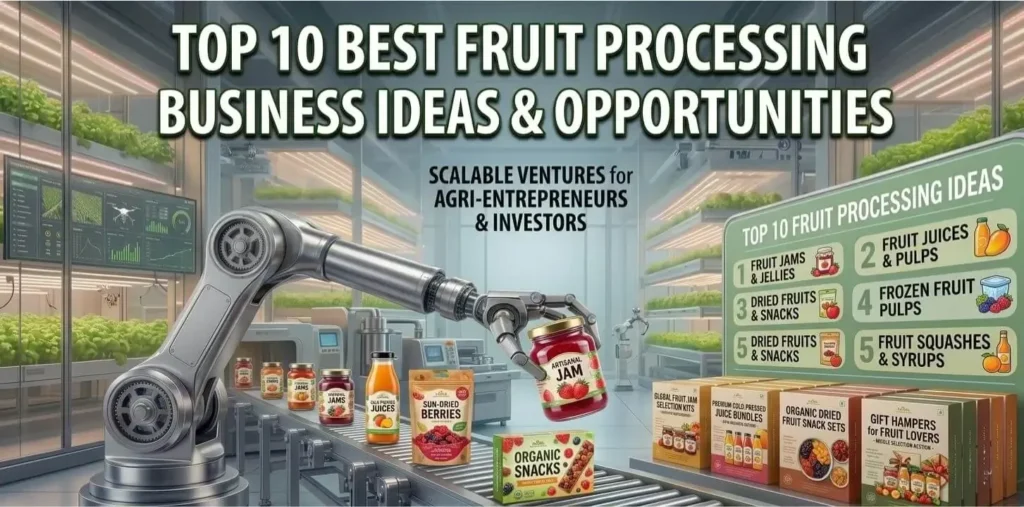
In 2026, the global food and beverage industry continues to undergo a massive transformation, with consumers increasingly turning to healthy, natural, and organic alternatives. Among the most promising segments in this transition is the fruit processing business, which combines agricultural abundance with food innovation. With rising demand for packaged fruits, juices, jams, dehydrated snacks, and fruit-based condiments, there is enormous scope for entrepreneurs to explore a wide range of profitable ventures in this field. Top 10 Fruit Processing Business Ideas in 2026 Below is a list of the top 10 fruit processing business ideas that can be launched with varying levels of investment and infrastructure. Each idea caters to a different market segment, offering entrepreneurs flexibility in terms of scale, product range, and distribution channels. 1. Fruit Juice Manufacturing Fresh fruit juices are always in demand due to their health benefits and natural appeal. Starting a fruit juice unit involves sourcing seasonal fruits, using a juicing and pasteurization unit, and packaging the juice in bottles or tetra packs. You can target health-conscious consumers, gym-goers, or office-goers with convenient and nutritious beverage options. The market includes a wide range of products like cold-pressed juice, mixed fruit juice, sugar-free juice, and even probiotic fruit drinks. With proper branding and cold chain logistics, this fruit processing business idea is a scalable venture. Handbook on Fruits, Vegetables & Food Processing with Canning & Preservation 2. Jam and Jelly Production Fruit jams, jellies, and marmalades are staple items in many households, especially in urban and semi-urban areas. Using fruits like mango, guava, strawberry, or mixed fruit, you can create premium quality spreads with high shelf life. This business involves boiling fruit pulp with sugar and pectin, then packaging in glass or plastic jars. It can be done on a small scale from home kitchens or expanded into a commercial setup. Organic and low-sugar jams are gaining popularity in 2026, presenting a niche market opportunity within the fruit processing business segment. 3. Dehydrated Fruit Snacks Drying fruits like apples, bananas, mangoes, or pineapples into chips or bite-sized snacks is a growing trend. These products are highly favored by fitness enthusiasts, travelers, and school children. Vacuum dehydration, freeze-drying, or sun-drying are commonly used methods. Dehydrated fruits are lightweight, nutrient-rich, and easy to package and distribute. They can be sold online or through supermarkets. The market is moving toward preservative-free, non-GMO products, giving a further push to this branch of the fruit processing business. 4. Canned Fruits Production Canned fruits are convenient options for urban consumers and are especially popular in export markets. By slicing fruits like peaches, lychees, and pineapples and preserving them in sugar syrup or natural juice, you can create products that last for over a year. The process requires proper sterilization, sealing, and labeling techniques to ensure food safety. Though initial investment might be higher due to equipment needs, canned fruit production is a long-term sustainable idea within the fruit processing business domain. 5. Fruit Pulp and Puree Unit Fruit pulp is the base for many products like juices, yogurts, ice creams, and confectionery items. Setting up a unit that extracts and preserves pulp from seasonal fruits can serve as a B2B business, supplying to larger food manufacturers. Mango pulp, tomato puree, guava pulp, and papaya concentrate are especially in demand across food and beverage industries. With the growing popularity of ready-to-use fruit ingredients, this fruit processing business idea is perfect for entrepreneurs looking for bulk production and wholesale distribution. 6. Pickle and Chutney Manufacturing India has a rich tradition of fruit-based pickles and chutneys. Using raw mangoes, gooseberries, lemons, or even tamarind, you can create a range of tangy, spicy, and sweet products. These can be sold in local markets, fairs, or online platforms under a homegrown brand. Consumer demand is shifting toward artisanal, preservative-free pickles with authentic flavors, making this an attractive low-investment fruit processing business to start in 2026. 7. Fruit Vinegar and Fermented Products Fruit vinegar—such as apple cider vinegar or pineapple vinegar—is a rapidly growing health and wellness product. Fermentation of fruit juice in a controlled environment results in vinegar rich in probiotics and beneficial acids. People use these in cooking, salad dressings, and even for medicinal purposes. The production process is simple, and with good hygiene and packaging, small-scale units can thrive. Fermented fruit-based drinks and tonics are also gaining ground, adding depth to this fruit processing business niche. 8. Ready-to-Eat Fruit Salads and Bowls Urban populations, especially working professionals and millennials, are increasingly opting for pre-packaged fresh fruit bowls. Producers combine multiple fruits into ready-to-eat packs and sell them through supermarkets, cafes, and delivery apps. Though this business requires a cold storage chain and quick turnover, the margins can be high due to premium pricing. Hygiene, aesthetic packaging, and sourcing fresh fruit are key to success. This segment of the fruit processing business is expected to grow rapidly in metropolitan regions. 9. Frozen Fruit Cubes and Smoothie Mixes Frozen fruits retain most of their nutrients and people widely use them in smoothies, shakes, and desserts. Processing fruits by cleaning, cutting, and freezing them in small cubes or blends allows you to cater to a ready-made smoothie market. These products are used in cafes, restaurants, gyms, and by individuals at home. The trend of frozen smoothie packs is picking up due to health trends and convenience. Entrepreneurs can explore tie-ups with fitness chains and eCommerce platforms under this branch of the fruit processing business. 10. Unfamiliar Fruit Processing and Export Fruits like dragon fruit, kiwi, passionfruit, and avocado are becoming popular across global and domestic markets. You can focus on processing these fruits into dried pieces, jams, purees, or juices aimed at premium customers. Export markets like the Middle East, Europe, and North America have a steady demand for tropical and unfamiliar fruit products. Setting up a processing unit near growing regions and ensuring international packaging and certification can make this fruit processing business highly profitable in 2026. Conclusion The fruit processing business in 2026 offers a
Green Peas Processing and Preservation using IQF Technology
The green peas processing and preservation using IQF technology is a highly efficient and commercially viable method to retain the freshness, texture, color, and nutritional value of peas. IQF, or Individual Quick Freezing, is an advanced freezing technique used across the food processing industry, especially for fruits and vegetables. With rising global demand for ready-to-cook frozen foods and extended shelf life, IQF green peas have become a staple in retail chains, institutional kitchens, and food manufacturing units. Importance of IQF in Green Pea Preservation Fresh green peas are seasonal, perishable, and prone to rapid degradation due to moisture and enzyme activity. Traditional freezing techniques often result in clumping and loss of natural taste. The IQF technology for green peas processing and preservation overcomes these challenges by freezing each pea individually at ultra-low temperatures, ensuring optimal quality retention and long-term usability. Key Benefits of IQF Green Peas Non-sticky Texture: Each pea remains free-flowing, making portioning and cooking easier Nutrient Retention: IQF locks in natural vitamins, minerals, and antioxidants Extended Shelf Life: Frozen green peas can last up to 18 months in cold storage Color and Freshness: Bright green color and natural taste are maintained Reduced Waste: IQF peas are cleaned, sorted, and ready-to-use, minimizing consumer preparation time These qualities make IQF green peas a preferred choice in the frozen food segment across domestic and export markets. Raw Material Selection and Pre-processing The production process starts with the selection of high-quality, mature but tender green peas. Key steps include: Harvesting: Peas are harvested at the peak of maturity to ensure sweetness and softness Sorting and Grading: Removal of damaged, overripe, or discolored peas Washing: Multiple stages of washing to eliminate dirt, pesticides, and debris Shelling: Using mechanical shellers to separate peas from pods Blanching: Brief exposure to hot water or steam to deactivate enzymes and preserve color Blanching is a crucial step before freezing, as it ensures microbial stability and enhances the freezing process. IQF Freezing Process The core of the preservation process is the IQF freezing system, which typically includes spiral or fluidized bed freezers. The process involves: Feeding Blanched Peas: Cleaned and cooled peas are evenly spread on a mesh conveyor Cold Air Blast: High-velocity cold air (–35°C to –40°C) rapidly freezes each pea Individual Freezing: Unlike block freezing, each pea remains separate and does not stick together Discharge and Packing: IQF-frozen peas are collected, weighed, and packed in LDPE or HDPE bags The entire process takes just a few minutes, preserving all sensory and nutritional qualities of the peas. Packaging and Storage Proper packaging is essential to maintain product quality during transport and storage. Common packaging practices include: Primary Packaging: 500g, 1kg, 5kg pouches made from food-grade, moisture-proof material Secondary Packaging: Corrugated boxes for bulk handling Storage Conditions: –18°C or lower in cold rooms with humidity control Labeling: Includes batch number, manufacturing date, best-before date, and nutritional information This packaging ensures the peas remain intact, fresh, and compliant with food safety standards. Applications and Market Demand IQF green peas are widely used in: Ready-to-Eat Meals: Curries, soups, pulao, and pasta Catering Services and Institutional Kitchens: Consistent quality and convenience Food Processing Units: Used in frozen mixes, samosas, cutlets, and pre-packaged foods Export Markets: High demand in Gulf countries, Europe, USA, and Southeast Asia The IQF frozen vegetable market is expected to grow at a CAGR of over 5% globally, with green peas as one of the top-selling products. Machinery and Plant Setup Requirements To start a green peas IQF processing business, the following machinery and infrastructure are needed: Green Pea Sheller Sorting and Grading Lines Blanching Unit (Steam/Water) Cooling Conveyor or Hydro Cooler IQF Freezer (Tunnel/Spiral Type) Weighing and Packaging Machines Cold Storage Units A medium-scale plant with a capacity of 1–2 tons per hour can be set up with an investment of ?1.5–3 crores, depending on automation and land costs. Licensing and Compliance To operate legally and ensure food safety, the following approvals are require: FSSAI License – Mandatory for food processing units Pollution Control Board Clearance Factory License and Fire Safety Certificate Cold Chain Infrastructure Registration Export Certification (APEDA) – If targeting international markets In addition, compliance with ISO 22000, HACCP, and BRC standards enhances credibility and market access. Profitability and Business Potential IQF green peas offer a high return on investment due to: Year-round Demand despite seasonal harvesting Value Addition through pre-processing and freezing Bulk Orders from retail chains, hotels, airlines, and exporters Scalability to other vegetables like carrots, sweet corn, beans, etc. With a shelf life of over a year and efficient cold chain management, entrepreneurs can cater to both B2B and B2C segments profitably. Environmental and Sustainability Considerations Modern IQF plants are increasingly adopting: Energy-efficient Freezers Water Recycling Systems in washing and blanching units Solar Power Integration for cold storage Zero Waste Policies by converting pea pods into animal feed or compost These efforts not only reduce operational costs but also align with global sustainability goals. Conclusion The green peas processing and preservation using IQF technology represents a smart investment for food entrepreneurs, agro-processors, and exporters. It combines the advantages of high product quality, long shelf life, and versatile applications across industries. With growing demand for frozen vegetables and government support for cold chain infrastructure, this business promises strong growth, reliable profits, and wide market reach. Niir Project Consultancy Services An ISO 9001:2015 Company 106-E, Kamla Nagar, Opp. Spark Mall, New Delhi-110007, India. Email: npcs.ei@gmail.com , info@entrepreneurindia.co Tel: +91-11-23843955, 23845654, 23845886, 8800733955 Mobile: +91-9811043595 Website: www.entrepreneurindia.co , www.niir.org Contact Us