
The Soaps, Detergents and Disinfectants Technology Handbook is the Comprehensive Resource for This Industry.

Understanding the Foundation of Soaps & Detergents In the competitive world of soaps & detergents, manufacturers must blend innovation, compliance, and sustainability into every batch they produce. The technological advancements in this sector have revolutionized the way cleaning products are formulated, processed, and marketed. As manufacturers, staying updated with the soaps & detergents technology ensures optimal performance, environmental responsibility, and market adaptability. Raw Material Selection: The Bedrock of Quality The efficiency and quality of soaps & detergents begin with the raw materials. The main ingredients are: Fats and Oils: Typically derived from animal fat (tallow) or vegetable oils (palm, coconut, olive). Alkalis: Sodium hydroxide for soap and sodium carbonate for detergents. Surfactants: These lower surface tension and enhance cleaning. Types include anionic, cationic, nonionic, and amphoteric surfactants. Builders: Such as phosphates, zeolites, or citrates, which enhance cleaning efficiency by softening water. Additives: Fragrances, colorants, enzymes, and preservatives improve aesthetics and functionality. Using eco-friendly and sustainable materials is becoming increasingly important due to regulatory and consumer demand. Saponification: The Core of Soap Production Saponification is the chemical reaction where triglycerides react with alkali to form soap and glycerin. There are two main methods: Hot Process: Ingredients are heated to accelerate the saponification. Cold Process: Oils and lye are mixed without external heat, relying on the exothermic reaction. Proper control of temperature, mixing speed, and formulation balance is crucial to produce consistent and high-quality soap bars or liquids. Synthetic Detergents: Beyond Traditional Soaps Unlike soaps, synthetic detergents are made from petrochemicals and perform better in hard water conditions. Modern detergent technologies integrate: Enzyme technologies for removing protein and starch stains. Bleaching agents like peroxides for whitening. Optical brighteners to enhance the visual appeal of fabrics. Anti-redeposition agents to prevent dirt from settling back on surfaces. The choice of formulation depends on the end use — laundry, dishwashing, industrial cleaning, or personal hygiene. Formulation Techniques in Modern Manufacturing A competitive edge in the soaps & detergents industry comes from advanced formulation techniques, including: Blending and Homogenization: Ensuring uniform distribution of ingredients. Spray Drying: For detergent powders; involves converting slurry into dry granules. Agglomeration: A method for producing dense detergent powders with superior flow properties. Liquid Detergents Production: Requires high-shear mixing and emulsification processes. Automation and batch control using PLC (Programmable Logic Controllers) and SCADA systems ensure consistency and scalability in production. Packaging Innovations for Shelf Appeal and Functionality Packaging is not just about aesthetics but also about preserving product integrity. Innovations include: Barrier films to prevent moisture entry in powders. Easy-pour spouts and dispensers for liquid detergents. Refill pouches that cater to sustainability-conscious consumers. Biodegradable and recyclable materials to reduce environmental impact. Intelligent packaging with QR codes and NFC tags can also boost customer engagement and brand transparency. Sustainability: A Key Driver of Technological Innovation Environmental regulations and conscious consumers are driving sustainable innovations in the soaps & detergents sector. Key trends include: Waterless Products: Concentrated sheets, pods, and tablets that reduce water usage in manufacturing and packaging. Biodegradable Ingredients: Plant-based surfactants and enzymes that degrade quickly in nature. Carbon-neutral Manufacturing: Using renewable energy, waste heat recovery, and green logistics. Certifications such as EcoLabel, USDA BioPreferred, and Cradle-to-Cradle enhance brand credibility. Quality Control & Regulatory Compliance To maintain customer trust and regulatory approval, robust quality control systems must be in place: Analytical testing: pH, viscosity, microbial content, and surfactant concentration. Shelf-life testing: Simulated storage conditions to ensure longevity. Safety assessments: Skin irritation, eye irritation, and allergenicity testing. Compliance with regulations: REACH, EPA Safer Choice, BIS (Bureau of Indian Standards), and others. Using traceability tools and digital batch records helps in recall management and audits. Technological Automation in Manufacturing Facilities The next-generation soaps & detergents plants are leveraging Industry 4.0: IoT-Enabled Sensors: Monitor temperature, humidity, flow rate in real time. AI-Based Formulation Prediction: For optimized raw material usage. Predictive Maintenance: Reduces downtime and improves asset longevity. Digital Twins: Simulate plant operations for better planning and scalability. These technologies improve operational efficiency, reduce wastage, and enhance overall plant productivity. Market Dynamics and Consumer Preferences Understanding the shifting market trends is essential for manufacturers: Natural and Organic Products: Consumers are demanding fewer chemicals and more nature-derived ingredients. Customization: Fragrances, textures, and skin benefits tailored to demographics. E-commerce Ready Packaging: Leak-proof, durable, and lightweight packaging for online retail. Private Label Opportunities: Growing demand from supermarkets and niche brands for contract manufacturing. Investing in consumer research and trend forecasting tools can help brands stay ahead of the curve. Research and Development: Innovating for the Future R&D is at the heart of staying relevant in the fast-paced soaps & detergents industry. Cutting-edge innovations include: Encapsulation technology for controlled fragrance release. Anti-bacterial and antiviral additives post-COVID. Low-foam and high-efficiency detergent formulations for energy-efficient washing machines. Green chemistry pathways to minimize ecological impact. Collaboration with universities, research institutes, and start-ups can expedite development cycles. Global Supply Chain Optimization Given the global nature of the soaps & detergents supply chain, manufacturers must manage: Raw material sourcing diversification to reduce dependency. Inventory forecasting using AI to avoid stockouts or overstock. Logistics digitization to improve tracking and customer delivery timelines. Trade compliance and tariff planning in response to geopolitical shifts. A resilient supply chain improves competitiveness and profitability in uncertain times. Conclusion: Leading the Way in Soaps & Detergents Innovation In conclusion, the landscape of soaps & detergents technology is evolving rapidly, driven by sustainability, consumer demands, and smart manufacturing. By adopting advanced formulation techniques, investing in R&D, embracing automation, and focusing on eco-friendly practices, manufacturers can remain agile and competitive. The future belongs to those who integrate innovation with responsibility — creating products that not only clean effectively but also respect the environment and consumer health. Visit the page Select and Choose the Right Business Startup for You for sorting out the questions arising in your mind before starting any business and know which start-up you can plan. We, at NPCS, endeavor to make business selection a simple and convenient step for any entrepreneur/startup. Our expert team, by capitalizing on its dexterity
Soap Manufacturing Business | Startup Plan on Liquid Hand Soap, Foam & Bath Soap
Starting a soap manufacturing business is one of the most promising ventures in the fast-moving consumer goods (FMCG) sector. Soap is a daily-use product with a consistently high demand from households, hospitals, hospitality, and the cosmetic industry. From beauty bars to medicated soaps and herbal varieties, the product diversification within the soap industry allows entrepreneurs to tap into different market segments. Whether launching on a small scale or establishing a mid-sized plant, the soap business promises scalability, brand building, and long-term profitability. The low startup barrier combined with essential consumer demand makes the soap manufacturing business a strategic choice for aspiring entrepreneurs. Start a Business in Surfactants Industry, Click Here Key Drivers of the Soap Market The global and domestic demand for soaps continues to grow due to increasing awareness of personal hygiene, especially post-COVID. In developing nations like India, Indonesia, Bangladesh, and African countries, urbanization and rising disposable incomes contribute to an expanding customer base. This makes the soap manufacturing business an evergreen model that caters to both necessity and lifestyle needs. Soaps are no longer just about cleanliness; they now carry value for skin care, fragrance, herbal therapy, and even anti-bacterial protection, which makes the business future-proof. Watch Video: Soap Manufacturing Business Plan | Liquid Hand Soap, Foam & Bath Soap Understanding the Market Landscape Before starting a soap manufacturing unit, it’s essential to understand the market categories: bathing soap, beauty soap, laundry soap, and specialty soap. Each category has a distinct audience, price point, and branding potential. For example, beauty soaps with added ingredients like aloe vera, shea butter, or goat milk target premium customers, whereas laundry soaps focus on affordability and cleaning power. Knowing where your soap manufacturing business fits in the value chain will help define your production, packaging, and marketing strategies. Related Project Report: Manufacturing of Liquid Hand Soap, Foam and Bath Soap Choosing the Right Manufacturing Scale The soap manufacturing business can be started at various levels: cottage industry, semi-automatic setup, or full-scale automated plant. A small unit requires basic mixers, molds, and cutters, making it cost-effective and manageable. However, for higher output and distribution, semi-automatic or automated machines are needed to streamline production and meet quality standards. The decision depends on the target market, investment capacity, and production goals. Read our Books Here: Soaps, Detergents Raw Materials and Ingredients Soap production primarily involves raw materials like fatty acids (vegetable oils, animal fats), caustic soda (sodium hydroxide), water, and additives like color, fragrance, and moisturizers. For herbal or medicated soaps, natural extracts and essential oils are added. Quality of ingredients plays a critical role in defining the final product. In your soap manufacturing business, sourcing pure raw materials not only ensures customer satisfaction but also supports brand positioning in a competitive market. Related Feasibility Study Reports: Soap Licensing and Legal Compliance Like all FMCG sectors, the soap manufacturing business is regulated under safety and quality norms. In India, businesses need to register with the Ministry of MSME, obtain a Factory License, Pollution Control Board approval, BIS certification (for quality), and follow labeling norms under the Drugs and Cosmetics Act (for medicated soaps). Exporters may need additional certifications such as ISO and GMP. Following compliance protocols builds trust with consumers and stakeholders. Packaging and Branding Strategy Soap is one of the most brand-sensitive products in the hygiene segment. Attractive packaging and creative branding can differentiate your soap in a crowded market. Whether you choose eco-friendly paper wraps or glossy retail packaging, your branding must reflect the essence of the product. For a herbal soap, earthy colors and botanical visuals work well, whereas beauty bars may opt for premium, feminine aesthetics. Successful soap manufacturing businesses always focus on packaging as much as they do on formulation. Start a Business in India Targeting Retail and Wholesale Channels Selling soaps involves both retail and wholesale strategies. You can sell your products via local distributors, supermarkets, pharmacies, or even online platforms like Amazon and Flipkart. Building your presence in general stores and beauty parlors can also be impactful. If your soap manufacturing business produces on a larger scale, you may consider institutional sales to hotels, hospitals, and NGOs. Many startups today also focus on direct-to-consumer models through websites and social media. Export Potential of Handmade and Organic Soaps There is a growing global demand for handmade, natural, and cruelty-free soaps. Countries like the USA, UAE, and European nations are major buyers of herbal and Ayurvedic soap bars. If your soap manufacturing business emphasizes clean ingredients, vegan formulation, and zero plastic packaging, you can cater to this high-value export market. Participating in trade fairs and connecting with global wholesalers can open doors to international revenues. Start a Business in Potential Countries for Doing Business Profit Margin and Business Economics Soap manufacturing is a high-margin business when scaled effectively. The cost of production per bar is relatively low, especially when purchased in bulk quantities. Once fixed costs such as equipment and premises are covered, profit margins improve with higher output. On average, a small-to-medium soap manufacturing business can expect 25–40% gross margins, depending on distribution costs and branding expenses. Adding value through product differentiation helps improve both price and profit. Sustainability in Soap Manufacturing Today’s consumers are more eco-conscious than ever. Using biodegradable ingredients, avoiding harmful chemicals like parabens, and offering refillable packaging can give your soap manufacturing business a sustainable edge. Some companies also adopt zero-waste production models or use renewable energy in their plants, attracting green-minded customers and improving brand loyalty. Challenges in the Soap Industry Despite being a strong sector, the soap industry comes with its own challenges—ranging from raw material price volatility to competition from multinational brands. Small manufacturers may struggle with market penetration and shelf visibility. Countering this requires smart marketing, local partnerships, product innovation, and customer education. A focused niche approach (e.g., baby soap, acne soap, ayurvedic soap) can help reduce competition and capture loyal audiences. Final Thoughts The soap manufacturing business holds vast potential for those who combine product quality with
Start an NC Thinner Manufacturing Business Plant in 2026
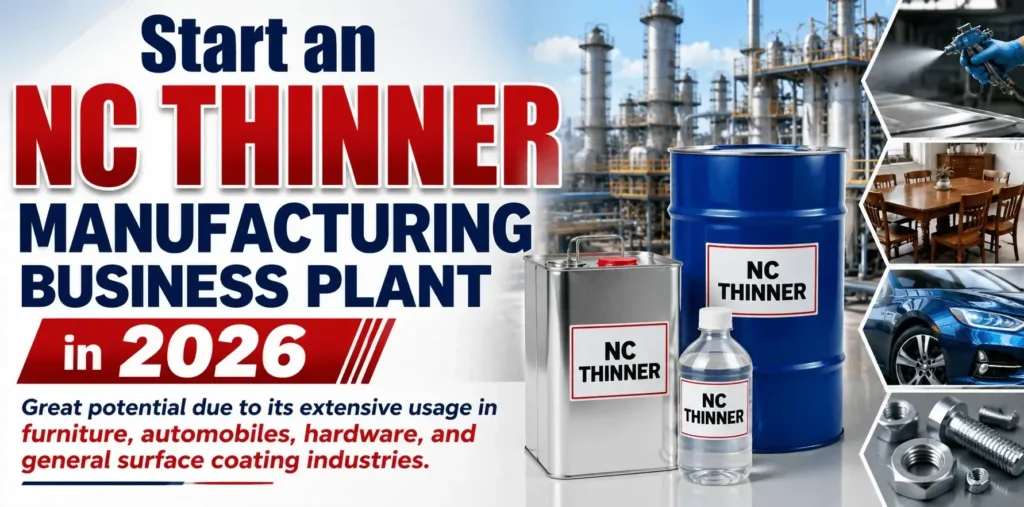
Starting a manufacturing business that caters to the growing demand of the paint and coating industry is a smart entrepreneurial move in today’s rapidly expanding industrial sector. One such high-demand product is NC thinner, which is widely used as a solvent to dilute nitrocellulose-based paints, lacquers, and varnishes. It plays a vital role in achieving the desired viscosity for smooth application and optimal drying time. The NC thinner manufacturing business offers great potential due to its extensive usage in furniture, automobiles, hardware, and general surface coating industries. Why Start an NC Thinner Manufacturing Business? India’s construction and automobile sectors are growing at a substantial rate, and so is the paint and surface finishing industry. This growth has led to increased demand for solvents like NC thinner. Entrepreneurs looking for a cost-effective and scalable business idea should consider entering the NC thinner manufacturing business. The business requires moderate capital investment, a manageable level of technical knowledge, and relatively easy regulatory compliance, making it accessible to new manufacturers. The NC thinner manufacturing business also enjoys an evergreen demand, as its primary application is in finishing products, which are used in new constructions, renovations, and product maintenance. It is also essential for spray painting and brush painting jobs. Additionally, NC thinner acts as a cleaner for paintbrushes and spray equipment, making it a dual-utility product. Market Potential and Industry Demand The NC thinner market is closely tied to the paint and coatings industry, which in India is projected to grow at a CAGR of over 7% in the coming years. With the increase in infrastructure development and housing projects, demand for paints—and therefore, NC thinners—is expected to rise proportionately. Small paint manufacturers, auto workshops, furniture polishers, and general hardware stores are constant buyers of NC thinner. Thus, starting an NC thinner manufacturing business presents an excellent opportunity to tap into this consistent demand. Many businesses seek local suppliers to reduce procurement time and costs, so manufacturing units located in industrial or semi-urban zones often enjoy an edge due to proximity and competitive pricing. Raw Materials and Formulation Process The production of NC thinner primarily involves the blending of various solvents in precise proportions. Common raw materials include: Toluene Acetone Butyl Acetate Methyl Ethyl Ketone (MEK) NC-based Resins (optional) Ethyl Alcohol The process of making NC thinner is relatively straightforward. It involves measuring, blending, and filtering the solvents to achieve a clear and homogeneous solution. The final product must meet the standards of quick drying, proper dilution capability, and low residue after evaporation. A small-scale NC thinner manufacturing business can begin operations with a mixing tank, solvent-resistant containers, measuring equipment, a filtration unit, and appropriate storage infrastructure. All raw materials must be stored safely, considering their flammability. Licensing and Legal Compliance Starting an NC thinner manufacturing business in India involves obtaining several licenses and permissions, especially since the raw materials involved are flammable and fall under hazardous substances. Key requirements include: Company Registration (as LLP, Pvt. Ltd., or Proprietorship) Trade License from local authorities GST Registration Factory License (if operating on a larger scale) No Objection Certificate (NOC) from the State Pollution Control Board Fire Department clearance Explosive License from PESO (Petroleum and Explosives Safety Organization), depending on scale It is highly recommended to consult legal advisors or experts to ensure full compliance with central and state-specific regulations. Setting Up the Manufacturing Unit To start your NC thinner manufacturing business, selecting the right location is crucial. Industrial areas with easy access to transportation and raw material supply chains are ideal. Your unit should have a well-ventilated area for mixing and blending, chemical-resistant flooring, proper drainage systems, and strict safety protocols, including fire extinguishers and spill kits. The equipment required includes: Stainless steel or HDPE mixing tanks Agitators or stirrers Solvent measuring and dispensing system Filtration system Bottling and packaging machinery Storage drums or barrels Staff training is essential to ensure safe handling of solvents. Adequate use of PPE (gloves, safety glasses, aprons) should be mandatory in your manufacturing facility. Cost of Starting the Business The initial investment in an NC thinner manufacturing business depends on the scale of operations. A small unit with a daily capacity of 500–1000 liters may require ?8–15 lakhs, while a medium-scale unit might need up to ?30 lakhs or more. Cost breakup includes: Land/Lease or rent for the factory unit Machinery and equipment Raw materials (initial stock) License and registration fees Safety equipment and fireproof infrastructure Labor and staff salaries Marketing and branding By opting for efficient machinery and locally sourced raw materials, the production cost per liter can be minimized, making the business highly profitable over time. Packaging and Branding The packaging of NC thinner should be both practical and compliant with safety standards. Use high-quality, leak-proof HDPE containers or metal drums of varying sizes (500 ml, 1 liter, 5 liters, 20 liters, etc.). Proper labeling with safety instructions, batch numbers, manufacturing date, and storage guidelines is mandatory. A strong brand presence and product reputation can drive recurring sales. To build brand value in the NC thinner manufacturing business, focus on consistent quality, fast delivery, competitive pricing, and customer service. Offering customization in viscosity or solvent strength for specific clients can also enhance customer loyalty. Marketing and Distribution Strategy Marketing plays a vital role in the success of your NC thinner manufacturing business. Traditional distribution channels such as hardware stores, paint shops, automobile workshops, furniture manufacturers, and wholesalers are your key targets. Strategies to promote your product: Appoint local distributors and retailers Provide trade margins and volume discounts Offer free samples or initial trial packs Create a basic website and list your product on trade portals like IndiaMART, TradeIndia, and Justdial Run local ads in industrial magazines or directories Attend industrial expos or B2B events related to paints and coatings With a well-thought-out marketing strategy, your business can scale quickly, especially if your product proves reliable and cost-effective. Profitability and Growth Potential The NC thinner manufacturing business can be highly profitable due to relatively low production costs
Toilet Soap Production Business
In today’s growing FMCG sector, the toilet soap production business has emerged as a highly profitable and sustainable venture. With rising hygiene awareness, urbanization, and a growing population, the demand for toilet soaps—ranging from medicated to beauty and herbal variants—has skyrocketed in both urban and rural areas. Entrepreneurs with a modest investment and a strong will to succeed can set up a manufacturing unit and tap into a large, expanding market. This article guides you through the essentials of starting a successful toilet soap production business, including planning, setup, raw materials, processes, market potential, and profitability. Why Invest in the Toilet Soap Production Business? The toilet soap production business offers a wide array of advantages for new and seasoned entrepreneurs alike. These include: High Demand: Soap is a necessity, not a luxury. It is used in every household and institution, ensuring consistent demand throughout the year. Affordable Startup Costs: With a basic plant setup and a small batch production model, you can start small and scale over time. Diverse Market Segments: There’s a huge variety of toilet soaps—ayurvedic, antibacterial, moisturizing, baby-friendly, premium beauty bars, and more—targeting all demographics. Scope for Branding: The industry allows for creativity in branding, packaging, and fragrance innovations, making it easy to differentiate your product. Government Support: India’s MSME sector provides subsidies, loans, and training programs for small manufacturers. Understanding the Basics of Toilet Soap Toilet soap is a cleansing product made using fats or oils with an alkali such as sodium hydroxide. These are then processed to form a solid bar used for cleaning the body. While similar in structure to laundry soap, toilet soap includes skin-friendly additives such as moisturizers, fragrances, herbal extracts, and antiseptic agents. Types of Toilet Soaps: Medicated Soap Beauty Soap Herbal or Ayurvedic Soap Moisturizing Soap Transparent Soap (Glycerin based) The toilet soap industry in India has both organized and unorganized sectors. While large companies dominate the urban market, rural areas still see high demand for affordable, locally manufactured soaps, offering great potential for new businesses. Step-by-Step Guide to Starting a Toilet Soap Production Business 1. Business Plan and Market Research Begin with in-depth market research. Analyze your target market (urban or rural), competition, pricing, and consumer behavior. Based on this research, prepare a detailed business plan that includes your budget, machinery requirements, human resource needs, product line, and marketing strategy. Key questions to answer in your plan: Will you focus on herbal, beauty, or medicated toilet soaps? What is your unique selling proposition (USP)? What price point will you target? How will you distribute your product? 2. Legal Requirements and Licensing Register your business with the necessary government authorities. You may opt for a sole proprietorship, partnership, or a private limited company. Also obtain the following: Factory License GST Registration Trade License from the local municipality BIS Certification (IS 2888:2004 for toilet soaps) Drug & Cosmetic Act Compliance (especially for medicated soaps) MSME Registration (to avail subsidies and credit facilities) 3. Location and Infrastructure Select a location that is easily accessible for raw material procurement and product distribution. A small-scale unit can be set up in 500–1000 sq. ft. space. The facility must be well-ventilated and comply with safety and hygiene standards. The basic infrastructure should include: Raw material storage Production area Packaging area Office and record-keeping space 4. Machinery Required Machinery investment depends on production capacity. Common machines include: Soap mixing machine Soap plodder or extruder Soap cutting machine Soap stamping machine Soap drying equipment Packaging and sealing machine You can start with semi-automatic machinery if budget is a constraint and gradually move to fully automated systems as the business grows. 5. Raw Materials The following raw materials are essential for toilet soap production: Fatty acids or oils (vegetable or animal-based) Sodium hydroxide (caustic soda) Colorants and fragrances Moisturizing agents like glycerin or aloe vera Additives (herbs, antibacterial agents, etc.) Water Preservatives Ensure that raw materials meet the quality standards as defined under Indian pharmacopoeia and BIS norms. 6. Manufacturing Process The standard production process includes: a. Saponification: Oils/fats are reacted with an alkali to form soap. b. Mixing: Fragrances, color, and additives are blended into the soap mass. c. Plodding: The mixture is extruded into continuous bars using a plodder. d. Cutting: Bars are cut into standard sizes. e. Stamping: Soap bars are stamped with brand logos. f. Drying: Bars are air-dried or mechanically dried. g. Packaging: Final product is wrapped, labeled, and packed. Hygiene and quality control at every stage ensure consumer safety and brand reliability. Cost of Setting Up a Toilet Soap Production Unit Here’s a basic breakdown for a small-scale unit producing 1000 bars/day: Expense Heads Approximate Cost (INR) Machinery & Equipment ?6–8 Lakhs Raw Materials (monthly) ?2–3 Lakhs Staff Salaries ?1–1.5 Lakhs Licensing and Legal ?50,000 Rent and Utilities ?30,000–?50,000 Marketing & Packaging ?1–2 Lakhs Total Estimated Setup ?12–15 Lakhs Note: Costs can vary based on location, capacity, and automation level. Branding and Marketing Strategies Effective marketing is key to standing out in a saturated market. Build a unique and recognizable brand with the following strategies: Brand Identity: Develop a logo, slogan, and attractive packaging design. USP Focus: Emphasize herbal, organic, or chemical-free properties. Social Media & Influencers: Run campaigns on Instagram, Facebook, and YouTube with skincare influencers. Retail Partnerships: Tie up with pharmacies, grocery stores, and supermarkets. Online Presence: Sell through e-commerce platforms like Amazon, Flipkart, or your own website. Sampling & Promotions: Offer sample bars or combo packs to build customer trust. Profitability and ROI A properly run toilet soap production business can earn profit margins of 20–30%. The break-even point typically occurs within the first 12–18 months, assuming steady sales and efficient production. Bulk orders from wholesalers, institutional buyers, and exports can further boost profitability. Ways to increase profit margins: Buy raw materials in bulk at discounted rates. Optimize labor and electricity usage. Minimize wastage during the cutting and stamping processes. Innovate with high-margin premium soap variants. Opportunities for Expansion Once your toilet soap brand gains market traction, you
Detergent Cake and Detergent Powder Manufacturing Industry
The detergent manufacturing business has emerged as one of the most promising and profitable sectors within the chemical industry. With the rising standards of hygiene, increased awareness about cleanliness, and expanding population, the demand for detergents has been growing steadily in both urban and rural areas. The detergent market in India and globally is expected to witness exponential growth in the coming years, offering significant opportunities for entrepreneurs. From household laundry powders and liquids to industrial-grade detergents, the product range is wide and varied, making the detergent manufacturing business an attractive proposition for both new entrants and existing manufacturers looking to diversify. Opportunities and Scope in the Detergent Manufacturing Business Detergent Manufacturing offers a massive scope for success due to its high consumption rate across residential, commercial, and industrial segments. The global detergent market was valued at over USD 120 billion and is expected to reach nearly USD 160 billion by 2028, indicating robust demand. India, being one of the fastest-growing economies with a large population base, contributes significantly to the demand. The penetration of washing machines in both urban and semi-urban areas and the shift in consumer behavior towards branded and eco-friendly products further drive growth in this sector. One of the key attractions of the detergent manufacturing business is its relatively low entry barrier. With moderate capital investment, basic infrastructure, and proper licensing, it is possible to start a small to medium-scale detergent unit. Furthermore, raw materials are easily available in the domestic market, and technological support is accessible through consultants, machinery manufacturers, and chemical suppliers. Types of Detergents Before starting your detergent manufacturing business, it’s important to understand the various types of detergents available in the market. These are generally classified based on their physical form and application: Powder Detergents – Most common in Indian households, these are used for hand washing and machine washing. Liquid Detergents – Gaining popularity due to their effectiveness and ease of use in washing machines. Cake Detergents – Traditional bar soaps used primarily in rural areas for washing clothes manually. Specialty Detergents – Designed for industrial use, hospitals, and commercial laundries. Eco-Friendly Detergents – Biodegradable and non-toxic, these cater to the environment-conscious customer base. Each type offers different market opportunities and requires varying levels of investment and technology. Selecting the right product mix based on market demand and investment capability is crucial for success. Market Research and Business Plan A successful detergent manufacturing business begins with solid market research. Understand the demographics, consumption patterns, competitor landscape, and pricing strategies. Identify potential distribution channels like local retail stores, supermarkets, wholesalers, and online platforms. Once your research is complete, prepare a detailed business plan that includes the following components: Product Range and Formulation Target Market and Pricing Strategy Marketing and Branding Approach Production Capacity and Machinery Needs Manpower and Staffing Financial Projections and Break-even Analysis Having a clear roadmap will not only help in securing funding from banks or investors but will also ensure efficient execution. Raw Materials and Machinery Required The detergent manufacturing process requires a mix of raw materials, chemicals, and additives. The common ingredients include: Linear Alkyl Benzene (LAB) Soda Ash Sodium Tripolyphosphate Caustic Soda Sulfates and Silicates Enzymes and Fragrance Agents Water (for liquid detergents) The type and quality of raw materials used have a significant impact on the final product’s performance. Hence, sourcing from reputed suppliers is essential. Machinery required for detergent manufacturing may vary based on scale and product type, but typically includes: Mixing Vessels and Blenders Weighing Scales and Conveyors Sieving and Pulverizing Units Automatic Packing Machines Liquid Filling and Sealing Machines (for liquids) Investing in semi-automatic or fully automatic machinery enhances efficiency and reduces labor dependency. Manufacturing Process Overview The detergent manufacturing process differs slightly between powder and liquid detergents. Here’s a simplified overview: For Powder Detergents: Raw materials are measured and fed into a blender. The mixture is blended uniformly until a homogenous product is obtained. The product is sieved and sent for drying (if necessary). The final powder is packed using an automatic pouch filling machine. For Liquid Detergents: Water and liquid ingredients are mixed in a stainless steel tank. Thickeners, surfactants, and other additives are added. The mixture is agitated until consistent. The final liquid detergent is filled into bottles and sealed. Proper quality control is critical at each stage to maintain product consistency and customer satisfaction. Licenses and Legal Compliance To legally operate a detergent manufacturing business, certain licenses and registrations are mandatory. These may include: Business Registration (Proprietorship/LLP/Private Limited) GST Registration Factory License (as per local regulations) Pollution Control Board Approval Trademark Registration for brand protection BIS Certification (if applicable) Ensure compliance with environmental norms, especially for waste disposal and chemical handling, to avoid regulatory issues. Branding, Packaging, and Marketing In a competitive market, effective branding and packaging play a major role in customer acquisition. Your detergent should stand out in terms of fragrance, cleaning performance, price, and brand recall. Attractive packaging using eco-friendly and tamper-proof materials adds value and ensures customer trust. Marketing strategies may include: Distributor and Retailer Partnerships Advertising through local newspapers, radio, and social media Offering samples and promotional discounts Participating in trade exhibitions and hygiene awareness campaigns Launching an e-commerce website or listing on online platforms Consistency in quality and reliable supply will help in building a loyal customer base. Financial Investment and Profitability The investment required for setting up a detergent manufacturing business depends on the scale of operations. You can launch a small-scale unit with ?15–20 lakhs, while setting up a medium-sized unit might require ?40–60 lakhs. These estimates cover machinery, raw materials, licensing, packaging, labor, and marketing. Profitability is attractive in this business. With low production cost and high consumption frequency, a detergent brand can scale rapidly. Gross margins typically range between 25% to 40%, depending on the product type and pricing strategy. Once economies of scale are achieved, operating costs reduce, thereby enhancing profitability. Challenges and Risk Management Like any business, detergent manufacturing comes with its own set of challenges.
Production of Soaps, Detergents and Disinfectants
In our modern world, hygiene and cleanliness are fundamental to a healthy life. This need has made products like soaps, detergents and disinfectants indispensable in households, hospitals, restaurants, and industries alike. These everyday essentials may appear simple, but the process of manufacturing soaps, detergents and disinfectants is intricate, scientifically grounded, and evolving continuously with technological advancements. Understanding the Core Composition of Soaps, Detergents and Disinfectants Soaps, detergents and disinfectants are chemically formulated to remove dirt, kill germs, and maintain hygiene standards. While their end use may overlap, their production methods and chemical properties differ significantly. Soap Manufacturing Process: From Fats to Cleansing Bars Soap is traditionally produced through a chemical reaction known as saponification. This process involves the interaction of fats or oils (such as tallow, coconut oil, palm oil, or olive oil) with alkali, typically sodium hydroxide (NaOH) or potassium hydroxide (KOH). Selection of Raw MaterialsThe quality of soap depends heavily on the purity and type of oils used. Animal fats yield hard soaps while vegetable oils like coconut oil produce lather-rich, softer soaps. Saponification ReactionOils and fats are heated with lye (sodium hydroxide). This causes triglycerides in the fat to break down and combine with the alkali to form soap and glycerol.Chemical Equation:Fat + NaOH ? Glycerol + Soap (Sodium salt of fatty acid) Purification and Removal of GlycerinGlycerin, a valuable byproduct, is often separated and sold to cosmetic or pharmaceutical industries. The soap is washed and purified to remove excess lye and impurities. Addition of AdditivesAfter the soap base is prepared, various additives such as fragrance, color, exfoliants (like oatmeal or pumice), moisturizers (like shea butter or aloe vera), and antibacterial agents may be mixed. Molding and PackagingThe soap is then poured into molds, cooled, cut into bars, and packaged. Detergent Manufacturing: The Science of Synthetic Cleaning Agents Detergents, unlike soaps, are synthetic and not made from natural fats. Their advantage lies in their performance in hard water conditions, where soap may form scum. Selection of SurfactantsThe main ingredient in detergents is the surfactant (surface-active agent). These can be anionic, cationic, nonionic, or amphoteric in nature. Common surfactants include sodium lauryl sulfate and linear alkylbenzene sulfonates. Blending of Builders and FillersManufacturers add builders like phosphates or zeolites to improve cleaning efficiency by softening water. Fillers such as sodium sulfate help in bulk production. Mixing ProcessOperators mix the raw materials in large reactors. The blend includes surfactants, builders, stabilizers, bleaching agents (like perborates), enzymes (protease, lipase), and brightening agents. Spray Drying or AgglomerationFor powder detergents, manufacturers spray-dry the mixture into fine granules. For liquid detergents, they blend the ingredients with solvents like ethanol or water and add thickening agents. Fragrance and Color AdditionsPerfumes and dyes are added towards the end to enhance user appeal. PackagingDetergents are packed in plastic pouches, cardboard boxes, or bottles depending on the form. Disinfectant Production: Targeting Germs with Precision Manufacturers formulate disinfectants to kill or inhibit the growth of microorganisms on non-living surfaces. Hospitals, clinics, food processing units, and public facilities widely use these products. Active Ingredient SelectionEffective disinfectants include compounds like: Chlorine compounds (sodium hypochlorite) Phenolic compounds Quaternary ammonium compounds (benzalkonium chloride) Alcohols (ethanol, isopropanol) Hydrogen peroxide Formulation ProcessManufacturers mix these ingredients in precise ratios with solvents (mostly water or alcohol), emulsifiers, and stabilizers to maintain shelf-life and efficacy. pH and Stability AdjustmentsTechnicians carefully adjust the pH of the disinfectant to ensure maximum antimicrobial action while minimizing surface corrosion or residue. Fragrance and AdditivesManufacturers add fragrances and colorants to certain commercial or domestic versions for aesthetic and sensory benefits. Filling and SealingAutomated machinery fills the final products into spray bottles, wipes, aerosol cans, or bulk containers. Key Differences Between Soaps, Detergents and Disinfectants Origin: Soaps are natural (from fats), detergents are synthetic, disinfectants are chemical germicides. Function: Soaps clean, detergents deep-clean in hard water, disinfectants kill microbes. Usage: Soap for personal hygiene, detergent for laundry/dishes, disinfectants for surfaces and instruments. Trends and Innovations in Soap, Detergent and Disinfectant Manufacturing The soaps, detergents and disinfectants industry is constantly evolving with innovations geared toward sustainability, biodegradability, and efficacy. Some key developments include: Eco-friendly ingredients: Plant-based surfactants and biodegradable packaging. Waterless formulations: Solid or concentrated products to reduce water usage. Enzyme-enhanced detergents: For better stain removal at lower temperatures. pH-balanced and skin-safe disinfectants: Especially for sensitive environments like hospitals or schools. Market Outlook and Business Opportunities With growing global awareness about hygiene and health, the demand for soaps, detergents and disinfectants continues to rise sharply. The COVID-19 pandemic further intensified this demand, pushing manufacturers toward mass production and innovation. Key opportunities include: Starting small-scale or contract manufacturing units. Creating niche products such as organic or herbal soaps. Producing hospital-grade or eco-certified disinfectants. Launching private-label detergent brands. Compliance and Quality Control Manufacturing soaps, detergents and disinfectants requires strict adherence to regulatory guidelines, especially since these products impact public health. Quality control measures include: Batch testing for efficacy (antimicrobial properties, cleaning performance) Toxicity and irritation testing Shelf-life and stability evaluations Compliance with BIS, FDA, and ISO certifications depending on regional and product-specific standards. Conclusion The process of making soaps, detergents and disinfectants involves a blend of chemistry, quality control, and industrial expertise. These everyday products, although simple in appearance, are the result of complex formulation science and rigorous manufacturing standards. With rising consumer awareness and demand for effective and sustainable hygiene products, this industry offers immense scope for growth, innovation, and entrepreneurship. Visit the page Select and Choose the Right Business Startup for You for sorting out the questions arising in your mind before starting any business and know which start-up you can plan. We, at NPCS, endeavor to make business selection a simple and convenient step for any entrepreneur/startup. Our expert team, by capitalizing on its dexterity and decade’s long experience in the field, has created a list of profitable ventures for entrepreneurs who wish to diversify or venture. We regularly update the list to give you a steady dose of new and emerging opportunities. Contact Us
LABSA Production Process: Complete Guide of Linear Alkyl Benzene Sulphonic Acid (LABSA)
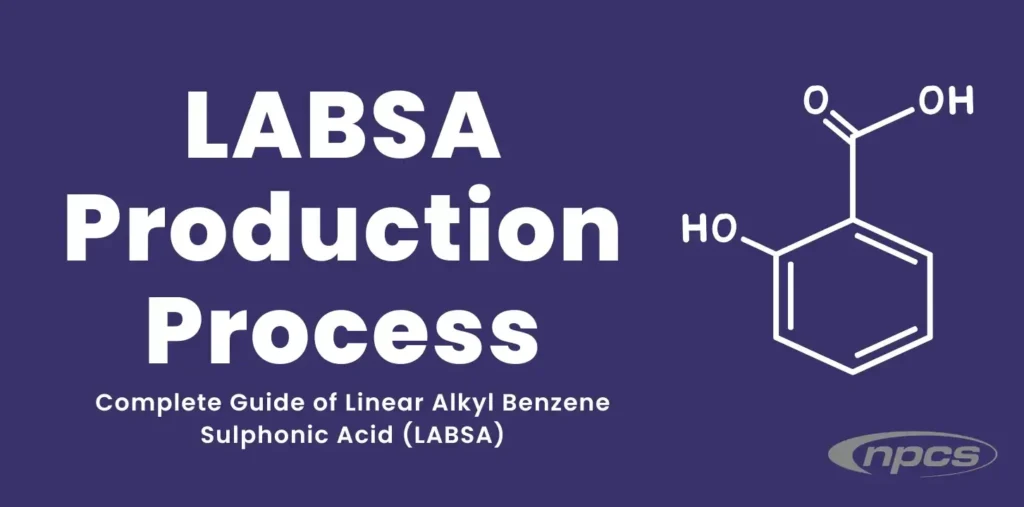
Linear Alkyl Benzene Sulphonic Acid (LABSA) is one of the most essential synthetic surfactants used across the globe in the detergent and cleaning product industries. Known for its excellent cleaning properties, biodegradability, and compatibility with various formulations, LABSA plays a vital role in manufacturing powders, liquids, and paste detergents. With the increasing demand for cleaning products in both household and industrial segments, the LABSA production industry is witnessing exponential growth, making it a lucrative business opportunity. Overview of LABSA Production The LABSA production process primarily involves the sulfonation of linear alkyl benzene (LAB), which itself is derived from kerosene via an alkylation process. The resulting LABSA is then neutralized with alkaline agents like sodium hydroxide to produce sulfonates, which serve as the base of many cleaning products. This process is highly technical and requires a controlled environment to ensure quality, efficiency, and safety. Let’s dive deeper into the detailed stages, raw materials, plant setup, and market scope of LABSA production. Raw Materials Required for LABSA Production To initiate the LABSA production process, high-quality and pure raw materials are essential. The major raw materials include: Linear Alkyl Benzene (LAB): The core ingredient derived from petroleum feedstocks. Sulfur Trioxide (SO?) or Oleum (20%-30%): Used for sulfonation reaction. Air or Dry Air Stream: Facilitates the SO?-air mixing in continuous sulfonation. Neutralizing Agents: Such as Sodium Hydroxide (NaOH), for producing sodium salt of LABSA. Minor raw materials might include anti-oxidants, stabilizers, and cooling water for temperature regulation. Equipment and Plant Setup Setting up a LABSA manufacturing unit requires sophisticated and corrosion-resistant equipment, mainly made of stainless steel or special alloys to handle acidic and high-temperature environments. The essential equipment includes: Sulfonation reactor or falling film reactor Absorption towers Cooling systems and heat exchangers Air dryers and compressors Storage tanks for LAB and sulfur trioxide Neutralization tanks and mixers Packaging and filling machines A medium-scale LABSA production plant may require an investment between ?3 to ?10 crores depending on the plant size, location, automation, and capacity. LABSA Manufacturing Process: Step-by-Step Preparation and Mixing: LAB is stored in holding tanks and preheated to suitable temperature (around 40–60°C). Simultaneously, air is dried and filtered before being mixed with SO? in the sulfonation reactor. Sulfonation Reaction: The LAB is fed into a falling film reactor where it reacts with sulfur trioxide in a continuous flow. This is the most critical part of the LABSA production process and requires strict control of temperature (40–80°C) and pressure (0.5–2 bar) to ensure optimal conversion. Absorption and Cooling: The mixture is cooled down to prevent further reaction or degradation. It is passed through absorption towers where excess SO? is neutralized and safely absorbed. Neutralization: The sulfonated product (acid slurry) is neutralized using sodium hydroxide or caustic soda solution to produce sodium alkyl benzene sulfonate if required for detergents. Filtration and Quality Control: The product is filtered to remove impurities and checked for parameters such as active matter %, free acid %, and color index. Additives may be added during this stage to enhance shelf life or performance. Packaging: The final LABSA or its sodium salt is packed in HDPE drums, barrels, or bulk containers depending on customer requirements. Quality Standards and Testing During LABSA production, maintaining quality is crucial to meet industry standards such as ISO, REACH, or BIS. Important tests performed on LABSA include: Active Matter Content (typically 90%-96%) Free Acid (max 1.5%) Color (Klett or Hazen scale) Viscosity and Density Biodegradability Test These parameters influence the efficacy of LABSA in end-use applications such as detergents, cleaners, emulsifiers, and more. Applications of LABSA Due to its excellent surface-active properties, LABSA finds widespread use in: Household Detergents: Both powder and liquid formats Industrial Cleaners: For textile, leather, and metal degreasing Personal Care Products: In shampoos and body washes Agricultural Chemicals: As emulsifiers in pesticide formulations Textile Auxiliaries: As wetting agents or dispersants Environmental and Safety Considerations The LABSA production process involves handling corrosive and hazardous chemicals, necessitating strict adherence to environmental and safety regulations: Effluent Treatment Plants (ETP): Should be installed to treat wastewater before discharge. Fume Scrubbers and Gas Absorbers: To neutralize any toxic gas emissions. Personal Protective Equipment (PPE): Mandatory for all plant workers. Regular Safety Drills: To handle chemical spills or fire incidents. Environmental clearances from agencies like the Pollution Control Board are mandatory before starting operations. Economic Viability and Market Demand Furthermore, the low-cost availability of raw materials and skilled labor gives Indian manufacturers a competitive edge. Consequently, Indian manufacturers benefit from the low-cost availability of raw materials and skilled labor. In addition, India’s access to affordable raw materials and skilled labor strengthens its position in the global market. Export opportunities also exist in countries across Asia, Africa, and the Middle East. A well-operated LABSA production unit can achieve break-even within 2–3 years, depending on plant capacity and market outreach. Bulk orders from detergent companies provide consistent revenue, while value-added versions such as low-free-acid LABSA can fetch better margins. Challenges in LABSA Production Despite its profitability, the LABSA production business faces some challenges: Volatility in Raw Material Prices: Fluctuations in crude oil prices directly affect LAB cost. Environmental Regulations: Stricter emissions norms demand continuous upgrades in pollution control. Competition: From multinational and regional producers can affect pricing. Technology Upgradation: Keeping up with modern, efficient, and automated systems is essential to stay ahead. Future Outlook As the detergent and cleaning industries expand due to rising health awareness, urbanization, and disposable income, the LABSA production sector is consequently poised for significant growth. Furthermore, innovations like low-viscosity LABSA, high active matter content, and eco-friendly sulfonation methods are actively driving the industry forward. Additionally, investment in green technologies and R&D will pave the way for sustainable LABSA variants that align with future environmental goals. Conclusion In conclusion, the LABSA production business offers strong returns with wide-ranging industrial applications. Entrepreneurs with a technical mindset, adequate capital, and a compliance-oriented approach can, therefore, establish a thriving venture. To begin with, sourcing quality raw materials is essential. Next, implementing a streamlined manufacturing process ensures
List of Profitable Small Business Ideas in Manufacturing of Surfactants
Soya-based food has become an integral part of modern diets due to its high protein content, low cholesterol levels, and numerous health benefits. As people worldwide become increasingly health-conscious and environmentally aware, the demand for plant-based protein sources is skyrocketing. Starting a Soya-Based Food Business today offers budding entrepreneurs a profitable opportunity to tap into a growing market with minimal risk and promising returns. Why You Should Start a Soya-Based Food Business One of the most compelling reasons to enter the Soya-Based Food Business is the surge in demand for healthy, plant-based alternatives. Soy products—such as tofu, soy milk, soy chunks, soy flour, and tempeh—are consumed by millions across the globe, particularly by vegetarians, vegans, and individuals with lactose intolerance. With increasing awareness of the harmful effects of excessive meat consumption on health and the environment, more consumers are shifting to soy-based diets. India, for instance, is witnessing an annual growth rate of over 15% in the plant-based food sector. Consumers from Tier 1 and Tier 2 cities are increasingly purchasing soy-based snacks, milk, and meat alternatives. This rise in demand provides a fertile ground for entrepreneurs to start a Soya-Based Food Business tailored to regional tastes and preferences. Moreover, soybeans are widely available in India, ensuring a steady supply of raw materials for production. Market Potential and Target Audience The target audience for a Soya-Based Food Business is vast and varied. It includes health-conscious consumers, gym-goers, lactose-intolerant individuals, vegans, vegetarians, and environmentally-aware families. The popularity of soy products spans all age groups, making them suitable for children, adults, and older people alike. The global soy food market is expected to surpass USD 70 billion by 2030, indicating sustained growth. Apart from domestic sales, Indian entrepreneurs can also explore export opportunities in regions like the Middle East, Africa, and Southeast Asia, where the demand for affordable protein alternatives is rising. Popular Soy-Based Products You Can Manufacture Starting a Soya-Based Food Business does not necessarily require producing a wide range of items at once. You can begin with one or two popular products and expand gradually. Here are some of the most in-demand soy-based foods: Soy Milk: A popular dairy alternative rich in protein and low in fat. It can be flavored with vanilla, chocolate, or fruit. Tofu: Also known as bean curd, tofu is a staple in vegan diets and can be grilled, baked, or used in curries. Soy Chunks/Granules: These are widely used in Indian households as meat substitutes in curries and snacks. Tempeh: A fermented soy product that has a firmer texture and is rich in probiotics. Soy Flour: Used in baking or as a protein enhancer in various recipes. Soy Yogurt and Ice Cream: A niche market with rising demand among health-focused customers. Ready-to-Eat Soy Snacks: Such as soy chips, roasted soybeans, and protein bars. Steps to Start a Soya-Based Food Business Conduct Market Research: Understand your local market demand, customer preferences, and competitors. Identify which soy-based products have the highest market potential in your region. Choose Your Niche: Based on your research, decide whether you want to focus on soy beverages, snacks, meat alternatives, or all of them. Starting with a single category helps you streamline operations and build brand trust. Create a Business Plan: Your plan should include budget estimates, marketing strategies, product line, production methods, sourcing options, and target markets. Register Your Business: Choose a business structure (sole proprietorship, partnership, or private limited company), get a GST number, FSSAI license, and any other necessary approvals. Set Up Production Facility: Depending on the scale, this could range from a small home-based setup to a medium-sized factory. Ensure your facility adheres to hygiene and food safety norms. Procure Machinery: Basic machines include soybean grinders, soymilk extractors, tofu presses, drying units, packaging machines, and refrigeration systems. Source Raw Materials: Procure high-quality soybeans from trusted local farmers or wholesale markets. Consistent quality is key to winning customer loyalty. Hire Skilled Staff: Hire staff familiar with food processing, quality control, and hygiene practices. A food technologist or consultant can help with R&D and formulation. Packaging and Branding: Attractive, eco-friendly, and informative packaging will set your brand apart. Highlight nutritional facts and certifications like “vegan” or “non-GMO” to appeal to conscious consumers. Marketing and Distribution: Promote your brand through local grocery stores, online platforms, health food stores, and direct-to-consumer websites. Use social media, influencer tie-ups, and free tasting campaigns to build awareness. Investment Required The investment for starting a Soya-Based Food Business depends on your product range and scale of operations. A small-scale soy milk or tofu unit can start with an investment of ?5–10 lakhs, including machinery, licenses, and initial marketing. Mid-sized setups may require ?15–25 lakhs, especially if you plan to diversify and automate processes. You can apply for government subsidies under schemes like PMFME (Prime Minister Formalisation of Micro Food Processing Enterprises), MUDRA loans, or State Agro-Industry Policies to reduce capital burden. Challenges in the Soya-Based Food Business Every business has challenges, and the Soya-Based Food Business is no exception. The most common issues include: Raw Material Quality: Poor-quality soybeans can impact taste and shelf life. Consumer Awareness: Despite growing demand, some consumers are still unaware of soy’s health benefits. Short Shelf Life: Some soy products, especially fresh tofu or soy milk, require cold storage and have limited shelf life. Competition: Established brands already dominate parts of the market, making it crucial for startups to offer something unique. Overcoming these challenges with strategic planning, strong branding, and consistent product quality is key to long-term success. Sustainability and Health Benefits A major advantage of the Soya-Based Food Business is its sustainability. Soybeans require fewer natural resources than livestock, reducing your business’s carbon footprint. Additionally, soy foods promote heart health, reduce bad cholesterol, and provide essential amino acids, iron, calcium, and fiber—all without animal fat. This positions your business not just as a profit-making venture, but also one that contributes to public health and environmental sustainability. Scaling and Expanding Your Business Once your initial setup is successful, you
Production and Formulation of Cosmetics, Cleaners, Drugs, Soaps and Detergents.
The beauty and hygiene industry is experiencing rapid growth, driven by increasing consumer awareness, demand for personal grooming, and the rising preference for eco-friendly and natural products. Among the most lucrative sectors in this domain is manufacturing cosmetics, which ranges from skincare, haircare, and fragrances to makeup and personal care products. Parallelly, household cleaners form an essential product category that sees daily demand in homes, institutions, and industries. Entrepreneurs entering this space can tap into a high-potential market with the right formulations, regulatory compliance, and branding. Starting a Business in Manufacturing Cosmetics and Household Cleaners Launching a venture in manufacturing cosmetics or household cleaners requires a mix of scientific understanding, business acumen, and market research. Before getting started, one must identify the niche and product range—be it herbal skincare, premium cosmetics, organic shampoos, disinfectants, toilet cleaners, or dishwashing liquids. Each of these comes with its own formulation needs, equipment, and target demographics. Market Overview and Trends The Indian cosmetic industry alone is expected to surpass USD 20 billion by 2025, driven by millennials, rising disposable income, and digital marketing. Simultaneously, the market for eco-friendly household cleaning products is growing due to increased health concerns and pandemic-driven hygiene habits. Consumers are now seeking sustainable alternatives, free from harsh chemicals and synthetic fragrances. This trend favors local manufacturers who can innovate with plant-based ingredients, recyclable packaging, and cruelty-free production processes. Manufacturing cosmetics with Ayurvedic and herbal formulations has become particularly popular in India and abroad. Types of Cosmetic Products to Manufacture In manufacturing cosmetics, the selection of the product line depends on factors like target market, budget, expertise, and demand. Common product types include: Skincare Products: Creams, lotions, moisturizers, serums, and sunscreens Haircare Products: Shampoos, conditioners, oils, and hair masks Makeup Products: Foundations, lipsticks, eyeshadows, and compacts Fragrances: Perfumes, body sprays, and deodorants Men’s Grooming: Beard oils, shaving gels, and aftershaves Each category has different manufacturing requirements, safety protocols, and ingredient bases. For example, skincare products may need emulsifiers and stabilizers, while lipsticks require waxes and pigments. Key Steps in the Manufacturing Process To ensure product safety and quality, the manufacturing cosmetics process must follow a systematic procedure: Research & Development (R&D): Begin by formulating the product. This involves selecting active ingredients, stabilizers, preservatives, colors, and fragrances. R&D also includes testing pH balance, texture, color fastness, and shelf life. Sourcing Raw Materials: Ingredients must be sourced from certified suppliers. These may include plant extracts, essential oils, emulsifying agents, natural thickeners, and preservatives. Production Equipment: Essential machinery includes mixing tanks, homogenizers, filling machines, and packaging lines. Small-scale manufacturers can start with semi-automatic equipment, while large-scale operations may use fully automated systems. Batch Manufacturing: Products are mixed in controlled conditions, usually in stainless-steel vessels. Temperature and time play a crucial role in achieving consistency and stability. Quality Control: Post-manufacturing, products must undergo microbiological and dermatological testing. This ensures the product is safe for skin contact and does not degrade during storage. Packaging and Labeling: Use tamper-proof and attractive packaging. Labels must include product details, ingredient list, manufacturing date, expiry date, and regulatory compliance. Storage and Distribution: Finished goods should be stored in a clean, dry environment and transported with care to prevent contamination or damage. Regulatory Requirements Compliance with national and international regulations is non-negotiable in manufacturing cosmetics. In India, the Central Drugs Standard Control Organization (CDSCO) governs cosmetics production. Key requirements include: Obtaining a cosmetic manufacturing license under the Drugs and Cosmetics Act, 1940. Ensuring Good Manufacturing Practices (GMP) and proper hygiene in the production facility. Proper labeling with batch numbers, ingredients, expiry, and safety warnings. Animal testing bans and cruelty-free certifications (if applicable). Safety testing and dermatological assessment for new formulations. Manufacturers exporting products must also meet regulations of the destination country such as FDA (USA), EU Cosmetic Regulations, or ASEAN guidelines. Manufacturing Household Cleaners The process for household cleaners is simpler but must adhere to environmental and safety guidelines. Common product categories include: Surface Cleaners Toilet and Floor Cleaners Glass and Window Cleaners Dishwashing Liquids Fabric Softeners Key ingredients include surfactants, solvents, pH regulators, disinfectants, and fragrances. Manufacturers must take extra precautions while handling chemicals such as sodium hypochlorite (used in bleach) and acids (for toilet cleaners). The formulation process involves mixing chemicals in specific proportions, adjusting pH, adding color/fragrance, and finally, bottling and sealing. Worker safety, ventilation, and waste management are essential in such manufacturing units. Investment and Setup Costs Initial investment in manufacturing cosmetics depends on scale and automation level. A small-scale unit can be started with ?15–20 lakhs, including: Rent and setup of production space Machinery and lab equipment Raw material inventory Packaging materials Licensing and legal compliance Branding and initial marketing For household cleaner units, the investment might be slightly lower due to cheaper ingredients and simpler processes. Bulk procurement of raw materials and packaging can significantly reduce costs per unit. Marketing and Branding Strategies Once production begins, success depends on how well the product is positioned in the market. In manufacturing cosmetics, branding is everything. Consumers often judge a cosmetic product by its packaging, claims, and reviews. Tips for effective branding: Highlight unique selling points: natural, organic, cruelty-free, paraben-free, etc. Use social media influencers to promote products. Participate in beauty expos and exhibitions. Offer free samples and gift packs. Build a strong e-commerce presence via platforms like Amazon, Flipkart, or your own website. In the household cleaner segment, emphasize antibacterial efficacy, eco-friendliness, and value for money. Challenges in the Industry While the cosmetics and cleaning product market offers immense potential, manufacturers face several hurdles: Intense competition from big brands and global players. Difficulty in sourcing consistent quality raw materials. Changing consumer preferences and ingredient bans. Regulatory compliance, particularly for exports. Counterfeiting and grey market risks. Overcoming these challenges requires constant innovation, customer feedback loops, and staying updated with market trends and scientific developments. Sustainable and Herbal Product Opportunities There is growing demand for Ayurvedic and herbal-based products in manufacturing cosmetics. Using ingredients like aloe vera, turmeric, neem, sandalwood, and essential oils not only attracts a
How to Start Household Cleaning Products Manufacturing Business
Starting a How to Start Household Cleaning Products Manufacturing Business is a smart and timely venture. With growing awareness around hygiene and cleanliness, demand for products like floor cleaners, toilet cleaners, glass cleaners, dishwashing liquids, and disinfectants has skyrocketed in both urban and rural areas. This business offers excellent growth potential with moderate investment, and it aligns well with evolving consumer habits and increased health consciousness. Moreover, with the right strategy, branding, and quality control, entrepreneurs can tap into both domestic and institutional markets effectively. Household Cleaning Products Manufacturing Business The household cleaning products manufacturing business involves the formulation, production, and packaging of a variety of surface and fabric cleaning solutions. These products are used daily in homes, offices, hospitals, schools, and hotels. Due to the shift toward health-focused living post-pandemic, consumers are now more selective about hygiene and cleanliness standards, thereby creating consistent demand for reliable cleaning brands. Market Potential and Industry Trends The Indian home care market is growing at a CAGR of over 9%, expected to reach ?65,000 crore by 2026. The household cleaning segment contributes significantly to this growth. Increasing disposable incomes, rising urbanization, and awareness campaigns about hygiene are driving sales of both branded and affordable local products. Furthermore, eco-friendly and herbal cleaning products are becoming popular among health-conscious consumers. This opens opportunities for niche players in the household cleaning products manufacturing business who can focus on green or organic formulations. Also Read – Investment Opportunity in Edible Oil Manufacturing Unit Types of Household Cleaning Products You Can Manufacture You can start by manufacturing a few essential products and gradually expand your range. Common cleaning products include: 1. Floor Cleaners Liquid-based, scented or unscented, floor cleaners are widely used for mopping and disinfecting floors. 2. Toilet Bowl Cleaners Acid-based products that clean and sanitize toilet bowls. Packaging often includes angled-neck bottles for easy use. 3. Dishwashing Liquid Gentle on hands, but effective in removing grease and oil from utensils. Available in refill packs or bottles. 4. Glass and Surface Cleaners Ammonia-based or alcohol-based sprays used for cleaning glass, mirrors, and stainless steel surfaces. 5. Multipurpose Disinfectants These products serve a dual purpose—cleaning and disinfecting surfaces such as kitchen slabs, furniture, and sinks. Depending on your target market and capacity, you can also manufacture laundry detergents, hand wash, or room fresheners. Manufacturing Process The production of cleaning products involves formulation, blending, and packaging. Here’s a basic overview of the process: 1. Formulation and Mixing Raw chemicals like surfactants, acids, solvents, thickeners, and fragrances are measured and mixed in a blending tank. The formula varies based on the type of product being manufactured. 2. Quality Testing The mixture is tested for pH level, viscosity, effectiveness, and safety. If required, preservatives or colorants are added. 3. Filling and Packaging The finished solution is filled into bottles or pouches using filling machines. These are then sealed, labeled, and packed in cartons for distribution. Proper hygiene, quality checks, and consistency in production are key to building a trustworthy brand in this space. Required Machinery and Equipment Starting a household cleaning products manufacturing business requires some basic but essential machinery. These include: Mixing and blending tanks (stainless steel or plastic) Storage tanks for raw materials and finished products Liquid filling machines (manual/semi-automatic/automatic) Capping and sealing machines Labeling machines Water purification units (for demineralized water) Packaging machines (shrink wrapping, pouch sealing) For small-scale units, semi-automatic machines are cost-effective and sufficient. Investment and Cost Analysis The total investment depends on your production scale, location, and whether you plan to launch your own brand. Here’s a general estimate for a small to medium-scale unit: Expense Category Estimated Cost (INR) Machinery & Equipment ?5 – ?10 lakh Raw Materials (initial stock) ?3 – ?5 lakh Bottles, Labels & Packaging ?2 – ?4 lakh Land/Rent & Infrastructure ?5 – ?10 lakh Licenses & Certifications ?1 – ?2 lakh Marketing & Branding ?2 – ?3 lakh Total Estimated Investment ?18 – ?30 lakh If you opt for contract manufacturing, your capital investment can be significantly reduced. Raw Materials Used Some commonly used raw materials include: Sodium Lauryl Sulfate (SLS) Sodium Hydroxide (NaOH) Hydrochloric Acid (HCL) or Sulfamic Acid Isopropyl Alcohol or Ethanol Fragrances and Colorants Essential Oils (optional) Water (preferably demineralized) Make sure to source chemicals from certified suppliers and comply with safety regulations while handling them. Licensing and Compliance To legally operate your household cleaning products manufacturing business, you’ll need the following approvals: MSME/Udyam Registration Factory License GST Registration Pollution Control Board NOC BIS Certification (optional but adds credibility) Drug License (if using disinfectants or alcohol-based formulas) Trademark Registration (for brand protection) Maintaining proper Material Safety Data Sheets (MSDS) and labeling requirements is essential to meet regulatory norms. Target Market and Distribution Your cleaning products can be sold through multiple channels: Retailers and Supermarkets E-commerce Platforms (Amazon, Flipkart, etc.) Institutional Buyers (hotels, offices, hospitals) Wholesale Distributors Your Own Website and Social Media To penetrate the market quickly, consider offering bulk purchase discounts or product bundles. Eye-catching packaging and strong branding also help attract customers in a crowded segment. Profit Margin and ROI The household cleaning products manufacturing business offers attractive margins due to low production costs and strong demand. Gross Margin: 40% – 60% Net Profit Margin: 15% – 30% Break-even Point: 12 – 18 months Return on Investment: Within 2 years (on average) Additionally, as your brand grows and production scales, profit margins improve significantly due to economies of scale. Sustainability and Innovation As consumers become more eco-conscious, you can consider producing: Herbal or plant-based cleaners Biodegradable packaging Refill pouch systems to reduce plastic waste These innovations not only reduce environmental impact but also appeal to premium and health-focused customers. Also Read – Profitable Manufacturing & Processing Business Ideas in Haryana Conclusion The household cleaning products manufacturing business is a low-risk, high-reward opportunity in today’s hygiene-driven world. With consistent demand, relatively low entry barriers, and scalability, it’s an excellent choice for entrepreneurs looking to start a sustainable and profitable venture. Whether you start with basic