
Herbal Cosmetics Handbook 4th Edition
As consumer demand for natural beauty products continues to soar, the Herbal Cosmetics Handbook 4th Edition stands out as an essential resource for entrepreneurs, formulators, and cosmetic manufacturers. This edition provides a comprehensive guide to the formulation, manufacturing, marketing, and regulatory aspects of herbal cosmetic products. With a sharp focus on sustainability, efficacy, and market trends, the handbook empowers businesses to build brands that are aligned with today’s health-conscious and eco-aware consumer base. Herbal Cosmetics Handbook 4th Edition: Your Ultimate Guide to Natural Beauty Product Success The Rising Popularity of Herbal Cosmetics in a Wellness-Driven Market The global herbal cosmetics industry has been growing steadily, driven by consumer concerns about synthetic chemicals, animal testing, and environmental impact. The Herbal Cosmetics Handbook 4th Edition provides deep insights into this dynamic sector, highlighting: Market trends and statistics across regions Key growth drivers including Ayurveda, organic certifications, and clean beauty movement Profiles of successful herbal brands and emerging players Future demand forecasts in skin care, hair care, and wellness sectors With increasing preference for transparency and natural ingredients, herbal cosmetics are not just a trend—they’re the future of beauty. Visit this Page for More Information: Start a Business in Herbal Products Industry Comprehensive Formulation Techniques for Herbal Products This edition offers detailed and scientifically-backed formulations for a wide range of herbal cosmetic products: Herbal face creams and gels enriched with aloe vera, turmeric, neem, and saffron Natural shampoos and conditioners using amla, hibiscus, bhringraj, and shikakai Ayurvedic soaps and body washes with sandalwood, rose, tulsi, and basil Lip balms and herbal lipsticks with beeswax, almond oil, and plant pigments Sunscreens and anti-aging creams using natural UV blockers and essential oils Each formulation includes precise ingredient ratios, preparation techniques, and pH stability data to help you create high-performance products with long shelf lives. Processing, Extraction, and Standardization of Herbal Ingredients To ensure consistency and efficacy, herbal cosmetic manufacturing must be grounded in reliable extraction and processing methods. This handbook guides readers through: Solvent-based and steam distillation methods Cold-press and maceration techniques for sensitive botanicals Standardization of extracts using HPLC and GC-MS Best practices for preserving actives during formulation Quality control standards to meet national and international benchmarks From raw material sourcing to extract purity, the book ensures you’re equipped to meet the highest standards in herbal manufacturing. Packaging, Labeling, and Branding of Herbal Cosmetics With natural products, branding and visual communication are crucial. This edition emphasizes: Eco-friendly and biodegradable packaging options Ingredient transparency and INCI-compliant labeling Organic and cruelty-free certifications Sensory branding using essential oil-based fragrance profiles Strategic product positioning in premium and mass-market segments These branding tactics help differentiate your herbal products in an increasingly crowded marketplace. Related Business Plan: Herbal Cosmetics Herbal Regulatory Framework and Global Certification Guidelines Understanding legal and compliance requirements is essential for launching herbal cosmetics. The Herbal Cosmetics Handbook 4th Edition provides: Overview of regulatory bodies: AYUSH, CDSCO, FDA, and EU-Cosmetics Regulation Guidelines for herbal claims, efficacy testing, and stability trials Documentation for GMP, ISO, and HACCP certification Export documentation and labeling norms for EU, US, and ASEAN markets Guidance on safety evaluation, skin patch tests, and dermatological validation Following these legal and scientific standards builds trust with customers and helps avoid compliance-related setbacks. Read Similar Articles: HERBS AND HERBAL BASED PRODUCTS Profitability and Business Planning for Herbal Cosmetic Ventures This handbook isn’t just technical—it’s practical. It includes: Cost breakdowns for R&D, raw materials, processing equipment, and labor Business model options: private label, white label, and in-house manufacturing ROI projections for different product categories Step-by-step startup guide for launching a small to medium-scale herbal unit Marketing strategies for digital, retail, and export markets Whether you are a formulator or entrepreneur, the handbook gives you a financial blueprint to succeed in the herbal beauty market. Consumer Preferences and Product Innovation Trends in Herbal Beauty With a growing global consciousness toward sustainability and wellness, herbal cosmetic innovation is thriving. The Herbal Cosmetics Handbook 4th Edition explores: The growing demand for vegan, cruelty-free, and waterless beauty Innovations in plant-based emulsifiers, botanical actives, and bio-preservatives Use of AI and biotech in personalized herbal formulations Development of multifunctional products like BB creams with SPF and anti-aging herbs Product line extensions in baby care, men’s grooming, and intimate hygiene These trends are crucial for maintaining competitive advantage and consumer loyalty. Read our Books Here: Herbal Cosmetics Handbook 4th Revised Edition Who Will Benefit from the Herbal Cosmetics Handbook 4th Edition? This book is a valuable asset for: Startups and entrepreneurs entering the herbal beauty space Ayurveda and herbal product manufacturers Cosmetic chemists and researchers Exporters of natural personal care products Students and institutions in cosmetic science and herbal studies Whether you’re formulating at a bench level or launching a brand, this handbook gives you the tools and insights to thrive. Conclusion The Herbal Cosmetics Handbook 4th Edition is more than just a technical guide—it’s a launchpad for success in the herbal beauty industry. From formulation to regulation, and branding to business planning, this handbook bridges the gap between science and entrepreneurship. In a market where natural, ethical, and effective products are in high demand, this guide provides everything you need to create, scale, and succeed in the world of herbal cosmetics. Further, it is anticipated that the Indian Herbal Cosmetic industry is expected growing at a CAGR of 19% over the forecast period of continue in the coming years as well. Related Feasibility Study Reports: Herbs and Herbal Based Products Click here to send your queries/Contact Us See More Links: Download Pdf: Herbal Cosmetics Handbook 4th Edition Contact Us
The Business of Aloe Vera Juice and Gel: Increasing Opportunities for Growth
Aloe Vera is often hailed as the “plant of immortality” due to its exceptional medicinal, nutritional, and cosmetic properties. With a booming demand for wellness and natural skincare products, the business of Aloe Vera juice and gel has become a highly lucrative and sustainable opportunity. From health supplements to herbal cosmetics and skincare brands, Aloe Vera-based products are now indispensable in daily life. Setting up a business in this sector allows you to tap into a vast, evergreen market with strong growth prospects. Why Enter the Aloe Vera Juice and Gel Industry? The Aloe Vera industry has seen a surge due to the rising consumer preference for organic and herbal products. This versatile plant contains over 75 active compounds, including vitamins, enzymes, amino acids, and antioxidants—making it suitable for: Health drinks and detox tonics Skincare and anti-aging products Hair care and dandruff solutions Ayurveda and herbal medicines Starting a business of Aloe Vera juice and gel requires low investment, ensures high returns, and contributes to natural health and beauty trends. What is Aloe Vera Juice and Gel? Aloe Vera juice is a hydrating drink made from the inner pulp of Aloe Vera leaves. It is rich in antioxidants, supports digestion, boosts immunity, and helps in detoxification. Aloe Vera gel, on the other hand, is the transparent, soothing gel extracted from Aloe Vera leaves. It is used topically in skincare, sunburn relief, hair conditioning, and wound healing products. The gel can also be processed into creams, shampoos, and moisturizers. Both products are in high demand for health, wellness, and cosmetic uses. Visit this Page for More Information: Start a Business in Herbal Products Industry Applications of Aloe Vera Juice and Gel The dual product offering opens multiple market segments: Health Industry – For weight management, diabetes care, liver health, and digestion Skincare and Cosmetics – In creams, lotions, face masks, and after-sun gels Hair Care – Used in shampoos, conditioners, and anti-hair fall serums Nutraceuticals – Formulated as dietary supplements and immunity boosters Ayurveda – Aloe Vera is a key ingredient in several herbal formulations These versatile applications ensure year-round product demand. Related Business Plan: Herbs and Herbal Based Products Raw Materials and Availability The primary raw material is fresh Aloe Vera leaves, which can be cultivated on-site or sourced from Aloe farms. India’s climate supports Aloe Vera cultivation in states like Rajasthan, Gujarat, Uttar Pradesh, and Tamil Nadu. Other required materials include: Purified water Preservatives (citric acid, potassium sorbate) Stabilizers (for gel products) Packaging containers (PET bottles, tubes, jars) Natural flavoring agents (for juice) Cultivating Aloe Vera on your land can further reduce costs and improve product quality. Read Similar Articles: HERBS AND HERBAL BASED PRODUCTS Manufacturing Process of Aloe Vera Juice and Gel Here’s a simplified process for both products: 1. Harvesting and Washing – Fresh Aloe leaves are harvested and thoroughly washed.2. Leaf Trimming – The thorns and outer green skin are removed.3. Gel Extraction – The clear pulp is scooped out manually or using an automated extractor.4. Filtration – The gel is filtered to remove fibers and impurities.5. Juice Preparation – For juice, the gel is diluted with purified water and mixed with stabilizers and preservatives.6. Gel Formulation – For gel products, the pulp is thickened and enhanced with fragrances or botanical extracts.7. Bottling and Packaging – The final product is bottled, sealed, labeled, and stored for distribution. A hygienic and temperature-controlled environment is essential for maintaining quality. Read our Books Here: Herbal Products, Aromatic Plant Cultivation Machinery and Equipment Required To start a small to medium-scale Aloe Vera processing unit, you’ll need: Aloe Vera leaf washer Gel extractor or pulper Filtration unit Juice mixer and homogenizer Pasteurizer (for juice) Filling and sealing machine Labeling unit and packaging station Refrigerated storage (optional) A semi-automated plant helps maintain hygiene and production efficiency while keeping investment moderate. Related Feasibility Study Reports: Herbs and Herbal Based Products Infrastructure and Space Requirement A production unit for Aloe Vera juice and gel typically needs 5,000 to 8,000 sq. ft. of area, including: Raw material reception area Processing and filtration zones Quality control lab Bottling and labeling line Storage and warehouse Office and administration area A separate cleanroom for gel formulation ensures compliance with cosmetic-grade product standards. Licensing and Legal Requirements To run the business of Aloe Vera juice and gel, you must obtain the following: FSSAI license (for juice production) Cosmetic manufacturing license (for gel products) MSME/Udyam Registration Factory license Pollution Control Board NOC GMP Certification (for export and credibility) Trademark registration (for your brand) Proper documentation ensures market entry, product trust, and long-term sustainability. Financial Requirements and Profit Margin The average investment required for a small to medium-scale Aloe Vera juice and gel business is ?20 to ?50 lakhs. This includes: Machinery and infrastructure Working capital (raw material, wages, utilities) Licensing and compliance costs Branding and marketing Packaging and distribution Profit margins can range from 30% to 45%, especially if you sell directly to end users or via e-commerce. The return on investment (ROI) is typically achieved within 18–24 months. Market Opportunities and Buyers Your potential buyers include: Ayurvedic and herbal product companies Cosmetic and skincare brands Online retailers (Amazon, Flipkart, Meesho) Wellness and nutrition shops Supermarkets and organic stores Exporters of herbal products You can also create your own brand and sell directly via D2C websites, health expos, and retail chains. Challenges and Their Solutions Common Challenges: Maintaining hygiene and shelf life Ensuring consistent product quality Navigating regulatory approvals Competing with established brands Solutions: Use food-grade and GMP-certified facilities Invest in R&D and quality testing Differentiate with unique formulations (like aloe + turmeric juice) Focus on niche branding and packaging Building a strong USP and targeting the right market can help overcome competition. Growth Potential and Future Scope The demand for Aloe Vera-based products is expected to rise sharply in coming years due to the global push for natural, organic, and chemical-free solutions. There’s scope to expand into: Aloe Vera face washes, creams, and soaps Herbal supplements and
Want To Live A Happy And More Successful Life? Start This Amazing Business Now | One of the Most Growing Effective Industry of Moringa Leaf Powder Production Business Plan
In the rapidly growing herbal and wellness sector, the leaf powder production business is emerging as a highly profitable and sustainable venture. Leaf powders such as moringa, neem, curry leaves, mint, basil, and tulsi are in huge demand due to their medicinal, nutritional, and cosmetic value. As consumers across the globe shift toward organic supplements and plant-based nutrition, the global market for powdered herbal products is experiencing double-digit growth. The leaf powder production business involves collecting fresh leaves, cleaning, drying, pulverizing, and packaging them for retail or bulk supply. These powders are widely used in Ayurvedic formulations, herbal teas, skincare products, capsules, and even livestock feed. In 2025, the leaf powder market is expected to surpass USD 10 billion, driven by the wellness trend, eco-consciousness, and government support for herbal entrepreneurship. With relatively low capital requirements and access to local agricultural resources, the leaf powder production business offers an ideal opportunity for rural startups, MSMEs, and green investors looking for scalable income. Why Leaf Powder Production Business is the Next Big Thing in Herbal Manufacturing As demand for natural remedies and health products surges globally, the leaf powder production business offers a perfect mix of profitability, sustainability, and growing consumer trust. It’s a nature-based enterprise with multi-industry applications and low operational complexity. Rising Global Demand for Herbal Nutrition In recent years, there’s been a massive rise in demand for herbal products in health and wellness industries. Leaf powders are rich in nutrients, antioxidants, and healing compounds. Moringa leaf powder, for example, contains calcium, vitamin C, iron, and essential amino acids, making it a natural superfood. With increasing awareness of herbal supplements in regions like the US, Europe, and Southeast Asia, exporters are witnessing a surge in orders. This global momentum ensures that the leaf powder production business is no longer a niche but a major player in the natural health industry. Visit this Page for More Information: Start a Business in Herbal Products Industry Low Investment, High Returns One of the key advantages of the leaf powder production business is its minimal startup cost. With a budget as low as ?5–10 lakhs, a small-scale production unit can be established. The major equipment includes drying trays or solar dryers, pulverizers, sieving machines, and packing machines. Most raw materials (leaves) can be sourced locally or grown in your own nursery or farmland, reducing costs. The cost-to-profit ratio is impressive—well-packaged moringa or neem powder sells for ?300–?500 per kg in retail, while production cost may range between ?80–?120. This high margin makes it a smart and lucrative business to scale. Related Business Plan: Moringa Leaf Powder Production Business Diverse Market Applications The scope of applications makes the leaf powder production business highly flexible and market-resilient. In addition to food supplements, these powders are used in herbal cosmetics (like face masks and shampoos), agriculture (as bio-fertilizers and pest repellents), and pet or livestock feed. This diverse use means your business isn’t dependent on a single market. You can target multiple industries, ensuring year-round demand and better risk management. With proper certifications like FSSAI, Ayush license, and organic approvals, businesses can even partner with pharmacies, spas, and wellness chains. Read Similar Articles: HERBS AND HERBAL BASED PRODUCTS Export Potential and E-Commerce Expansion Countries like the USA, Germany, Japan, and UAE are among the largest importers of organic herbal powders. With increasing demand for Ayurvedic and natural remedies overseas, Indian manufacturers and exporters have an edge. By registering on export portals like DGFT, APEDA, and Amazon Global, you can sell your leaf powder worldwide. On the domestic side, platforms like Amazon India, Flipkart, Meesho, and BigBasket provide great online distribution opportunities. Thus, the leaf powder production business is ideal for both local and international growth. Related Feasibility Study Reports: Production Business of Moringa Leaf Powder Eco-Friendly and Sustainable Business Model Unlike many chemical-based industries, the leaf powder production business is eco-friendly and promotes green entrepreneurship. It uses natural ingredients, minimal energy, and produces no hazardous waste. Solar dryers and organic farming techniques further reduce the carbon footprint. These sustainable practices not only attract conscious consumers but also open the door to grants, startup incentives, and government support under schemes like Startup India and Ayushman Bharat. If you’re looking to build a responsible business that aligns with global sustainability goals, this industry offers a ready platform. Download PDF: Moringa Leaf Powder business Start Now Agriculture Based Moringa Leaves Powder Business Opportunity Scalability and Product Diversification Once you master production and quality control, you can diversify easily into multi-herb blends, capsules, health drinks, and cosmetic powders. You can also expand into B2B markets—supplying raw powders to ayurvedic companies, tea brands, and cosmetic formulators. Co-branding, white-labeling, and private label manufacturing are additional income streams. The leaf powder production business supports both horizontal and vertical growth, making it a perfect fit for small entrepreneurs and ambitious investors alike. Read our Books Here: Herbal Products, Aromatic Plant Cultivation Quality Control and Certification To succeed in this industry, quality is paramount. Harvest the leaves at the right time, clean them, and dry them without contamination. . Using GMP (Good Manufacturing Practices) and ISO-certified machinery helps ensure consistency and purity. Packaging must be moisture-proof and eco-safe, with detailed labeling. Getting certifications like FSSAI, GMP, and organic certification builds trust with both retailers and consumers. These steps are critical to building a long-lasting brand in the leaf powder production business, especially in premium markets. Click here to send your queries/Contact Us https://npcsblog.com/ See More Links: Contact Us
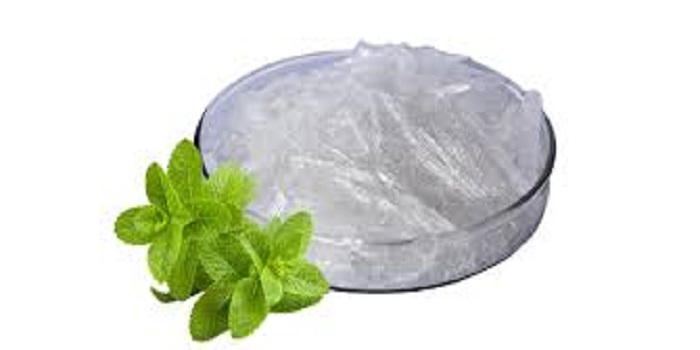
The Demand for Menthol Crystals is increasing in India Due to Increasing Demand for Natural-Based Products
India’s Agritech Revolution: Unlocking Agricultural Business Potential The agricultural landscape of India is undergoing a significant transformation, fueled by technological innovation and digital integration. Agritech in India has evolved beyond mere buzzwords to become a thriving industry poised to revolutionize how food is grown, distributed, and consumed. As the backbone of India’s economy, agriculture now stands at the cusp of a digital overhaul, supported by policy incentives, venture capital investments, and a growing population of tech-savvy farmers. With over 58% of India’s population relying on agriculture for their livelihood, the sector’s modernization through Agritech presents a monumental business opportunity for entrepreneurs, investors, and stakeholders alike. Rising Demand for Agritech in India The need for sustainable, efficient, and high-yield farming practices has created a ripe environment for the adoption of Agritech in India. Rising food demands, climate change concerns, land degradation, and labor shortages have all contributed to the surge in digital agricultural solutions. Whether it’s precision farming, drone monitoring, or AI-powered crop forecasting, Agritech startups are disrupting the traditional agricultural model with bold innovations. India is witnessing a surge in Agritech startups—over 1,300 companies currently operate in the sector, with total investments exceeding $1.6 billion by 2024. This showcases the market’s confidence in the long-term viability of Agritech in India as both a scalable business and a social necessity. Government Support and Policy Framework The Indian government has been instrumental in fostering the growth of Agritech businesses. Initiatives such as Digital India, PM-KISAN, and the National Agriculture Market (eNAM) provide a solid foundation for digital transformation in agriculture.Key policies and support mechanisms include: Startup India offering tax incentives and funding support to Agritech ventures. Agri Infra Fund (AIF) worth ?1 lakh crore to promote agri-entrepreneurship. FPO (Farmer Producer Organization) model integration with Agritech platforms. Such initiatives lower entry barriers and attract aspiring entrepreneurs to the Agritech in India market. Key Segments Driving Agritech Growth Smart Farming and Precision Agriculture Smart farming solutions—powered by IoT, GIS, sensors, and big data—enable farmers to optimize resource use and monitor crops in real time. Precision agriculture enhances crop yields, reduces input waste, and lowers operational costs. Soil health monitoring Weather forecasting Automated irrigation systems Sensor-based pest and disease detection Agri Supply Chain and Logistics Post-harvest management is crucial for reducing food waste. Agritech companies are offering supply chain solutions like: Blockchain-based traceability Cold storage logistics management Demand forecasting using AI/ML Direct-to-consumer (D2C) farm produce platforms These solutions bridge the gap between farmers and end-users, reducing middlemen and improving profit margins. Financial Services and Agri Lending Access to credit and insurance is a major challenge for Indian farmers. Fintech-powered Agritech platforms are providing: Credit scoring based on farm data Instant agri-loans through mobile apps Crop insurance based on satellite and weather data Flexible repayment models via digital wallets Farm Management Software & Advisory Services With increased smartphone penetration in rural areas, farmers now access digital advisory platforms offering: Farming best practices Real-time agronomic advice Market price alerts Crop selection based on soil and climate data Companies like DeHaat, AgroStar, and CropIn are helping farmers make data-backed decisions, resulting in improved productivity. Drone Technology and Remote Sensing Drones are revolutionizing field surveillance, pesticide spraying, and crop health analysis. Supported by the liberalized Drone Policy 2022, these UAVs are boosting yields and reducing manual labor dependencies. Opportunities for Entrepreneurs and Investors The Indian Agritech sector offers diverse monetization avenues: B2B SaaS platforms targeting agribusinesses and FPOs Subscription-based advisory services for farmers Marketplace models connecting farmers directly to consumers Hardware-as-a-service models for drones, IoT devices, and sensors With increasing internet penetration and smartphone adoption in Tier 2 and Tier 3 towns, the scalability potential of Agritech in India is immense. Challenges in Agritech Adoption Despite the growing interest, some key hurdles persist: Low digital literacy among smallholder farmers Fragmented landholdings limiting tech applicability Connectivity issues in rural and remote areas High upfront costs of advanced technologies However, these challenges open the door for inclusive innovation and local language interfaces, ensuring broader Agritech adoption. Top Agritech Startups Leading Innovation in India 1. Ninjacart A leading B2B agri supply chain company, bridging farmers with retailers and restaurants through tech-enabled logistics. 2. DeHaat Offers full-stack services from agri inputs to advisory, credit, and market linkages, serving over 700,000 farmers. 3. CropIn An AI and data-driven agri SaaS platform helping businesses monitor and improve farm productivity. 4. AgroStar An e-commerce platform for farm inputs with personalized advisory services, active across multiple Indian states. 5. Stellapps Focuses on the dairy industry using IoT to digitize the milk supply chain. These companies are setting global benchmarks and attracting significant investor attention, showcasing the global competitiveness of Agritech in India. The Future Outlook of Agritech in India The future of Agritech in India is promising. By 2030, the market is projected to reach a valuation of $24 billion, driven by the following trends: Climate-resilient farming using AI/ML Agrivoltaics and solar-powered irrigation Vertical farming and hydroponics in urban India 5G-enabled agricultural automation Decentralized agri-data platforms The integration of smart agriculture with sustainable practices, renewable energy, and digital financing is likely to create new paradigms in rural development and food security. Conclusion: Agritech – A Catalyst for Agricultural Transformation As the agricultural ecosystem in India embraces modernization, Agritech is not just a disruptor but a necessity. From increasing farmer incomes to ensuring food security, Agritech in India holds the power to transform the sector holistically. For entrepreneurs, investors, and stakeholders, the time is now to tap into this fertile domain and sow the seeds of sustainable growth and innovation. Agritech in India is no longer an emerging trend—it is the future of agriculture. Visit the page Select and Choose the Right Business Startup for You for sorting out the questions arising in your mind before starting any business and know which start-up you can plan. We, at NPCS, endeavor to make business selection a simple and convenient step for any entrepreneur/startup. Our expert team, by capitalizing on its dexterity and decade’s long experience in the field,
Grow Your Business With Our Calcium Sennoside From Senna Leaves Production Business Plan
The production of Calcium Sennoside from Senna Leaves is a growing business opportunity in the herbal and pharmaceutical industries. Calcium sennoside is a natural laxative derived from the dried leaves of the Senna plant (Cassia angustifolia), widely used in herbal medicine and OTC digestive remedies. Its demand has seen a global rise due to increasing preference for plant-based ingredients in personal care and wellness products. By setting up a processing unit for this botanical extract, entrepreneurs can tap into both domestic and international pharmaceutical supply chains that require consistent, high-quality herbal ingredients. Market Overview and Demand Drivers The global herbal extract market has witnessed significant growth, and Calcium Sennoside from Senna Leaves remains among the top-selling plant-based active compounds. It is widely used in laxative tablets, herbal teas, capsules, and syrups for constipation relief. Countries like the U.S., Germany, Japan, and the Middle East import large quantities of calcium sennoside for pharma-grade formulations. Senna grows abundantly in India, especially in regions like Tamil Nadu, Rajasthan, and Gujarat. With ample availability of raw Senna leaves, producers in India have a unique advantage in building scalable businesses. Health-conscious consumers are also shifting from synthetic drugs to herbal alternatives, boosting long-term demand. If you are exploring a sustainable, export-oriented venture, Calcium Sennoside from Senna Leaves production offers high profitability with moderate investment. Business Plan: Calcium Sennosides from Senna Leaves Production Business Plan Raw Material and Botanical Source Senna, known botanically as Cassia angustifolia, is a drought-resistant shrub whose leaves contain compounds called sennosides A and B. These glycosides are responsible for the plant’s laxative effects. For Calcium Sennoside from Senna Leaves production, dried leaves are the primary raw material. India is the world’s largest producer of senna, making it easy to procure high-quality leaves directly from farmers or herbal suppliers. The potency of the final extract depends on leaf maturity, drying method, and storage. Leaves harvested during peak season (typically October to February) contain the highest sennoside concentration. Ensuring raw material quality through standardized drying and grading is crucial for consistent output and market approval. Visit this Page for More Information: Start a Business in Herbal Products Industry Extraction and Manufacturing Process The process of Calcium Sennoside from Senna Leaves production involves multiple stages of botanical extraction, purification, and standardization. Here is a brief overview: Raw leaf cleaning and pulverization: Dried Senna leaves are cleaned to remove dust and debris, then ground into a fine powder. Solvent extraction: The powdered leaves are mixed with aqueous or alcoholic solvents in extraction tanks to separate active glycosides. Filtration and concentration: The extract is filtered and concentrated under vacuum to remove excess solvent. Precipitation and purification: Calcium salts are added to the concentrated extract to precipitate calcium sennoside. Drying and milling: The precipitate is dried using a tray or vacuum dryer and then milled into a uniform powder. Packaging and labeling: The final product is packed in moisture-proof, food-grade containers with batch numbers and expiry dates. Proper quality control is vital throughout the process to meet pharmacopeial standards such as USP or IP. The final product usually contains 10–20% total sennoside content standardized per application requirement. Read our Books Here: Herbal Products Machinery and Infrastructure Requirements To start Calcium Sennoside from Senna Leaves production on a commercial scale, the following machinery is needed: Leaf grinder and pulverizer Stainless steel extraction vessels Filter press or centrifuge Rotary vacuum evaporator Precipitation and crystallization tanks Tray dryer or vacuum dryer Sifting and powdering machines Weighing, packaging, and sealing units An area of 3,000 to 5,000 sq. ft. is sufficient for a mid-scale plant. Good ventilation, water supply, and temperature control systems are essential to maintain extract quality. A laboratory for quality control testing (HPLC, TLC, or UV-spectroscopy) is also recommended for consistency and compliance. Investment and Financial Outlook Setting up a small to medium-scale Calcium Sennoside from Senna Leaves unit requires an estimated investment of ?80 lakh to ?1.5 crore, depending on automation level. The investment covers: Machinery and equipment: 40–50% Factory setup and utilities: 20% Working capital and raw material: 20% Licensing, certification, branding: 10% Raw senna leaves cost ?50–?100 per kg depending on grade and season. The market rate of calcium sennoside powder ranges from ?2,000 to ?4,000 per kg depending on purity and packaging. A well-managed unit can expect 25–30% profit margins with monthly sales between ?10–20 lakhs once operational. Legal and Regulatory Compliance Compliance with both herbal product standards and pharmaceutical safety norms is essential in Calcium Sennoside from Senna Leaves production. You will need the following registrations: Udyam MSME registration FSSAI license for herbal supplements Drug license (for medicinal applications) GST registration Pollution control NOC Export licenses and phytosanitary certification (for global markets) ISO 9001, GMP (Good Manufacturing Practices), and USDA Organic or EU Organic certifications will increase credibility and open doors to premium customers globally. Related Feasibility Study Reports: Herbs and Herbal Based Products Marketing and Sales Strategy The primary target market for Calcium Sennoside from Senna Leaves includes: Ayurvedic medicine manufacturers Herbal supplement brands Exporters of nutraceuticals Pharma companies making OTC laxatives Health tea brands and contract manufacturers Sales channels can include direct B2B supply, participation in pharmaceutical trade fairs, online B2B platforms, and partnerships with herbal extract exporters. Building a strong digital presence with datasheets, certifications, and COAs (Certificates of Analysis) will improve credibility and visibility in a competitive herbal market. Opportunities for Value Addition and Expansion Beyond standalone Calcium Sennoside from Senna Leaves production, there are related product lines that can increase revenue: Senna leaf powder for tea brands Herbal tea blends containing senna and other herbs Capsule or tablet formulation units Export-oriented Senna value chain with contract farming and traceability Developing own branded OTC natural laxative product line Collaborations with herbal medicine clinics, international wellness chains, and organic product distributors can further expand your business reach. Conclusion Investing in Calcium Sennoside from Senna Leaves production offers a unique opportunity to merge herbal tradition with modern industry. With growing global demand for plant-based medicines, ample raw material availability in
Lucrative Business of Artemisinin from Artemisia Annua Plant. Producing Malaria Treatment at Large Scales.
Artemisinin, a powerful compound extracted from the Artemisia annua plant, has garnered global attention for its effectiveness in treating malaria and its emerging potential in cancer therapies. The global pharmaceutical and herbal market’s rising demand makes artemisinin production an exceptionally lucrative business opportunity. With proper planning, scientific methods, and strategic marketing, entrepreneurs can build a highly profitable artemisinin production business from cultivation to processing and global export. Understanding the Artemisinin Production Opportunity The demand for artemisinin has increased exponentially due to its essential role in artemisinin-based combination therapies (ACTs) — the frontline treatment for Plasmodium falciparum malaria. Additionally, scientific studies point to its use in anti-cancer, anti-viral, and anti-inflammatory applications, further boosting demand. We are at a pivotal point where countries in Asia and Africa are enhancing pharmaceutical self-reliance, leading to heavy investments in sourcing local artemisinin. India, with its suitable climatic zones and agricultural base, is ideally positioned to become a key player in artemisinin production and export. Selecting the Right Region for Cultivation The Artemisia annua plant thrives in temperate regions with well-drained, loamy soils and moderate rainfall. In India, states like Himachal Pradesh, Uttarakhand, and parts of Karnataka offer optimal agro-climatic conditions. Key Requirements: Soil pH: Between 6.0 to 7.5 Elevation: 1000 to 1500 meters above sea level Temperature: 20°C to 30°C Sunlight: Full sun exposure is essential We advise soil testing and the selection of hybrid or high-yielding strains developed by agricultural research institutions for better artemisinin content. Farming and Cultivation Practices for High Artemisinin Yield Proper agronomic practices directly impact the artemisinin yield per hectare. Start with quality seedlings or saplings from certified nurseries. Organic farming methods enhance leaf biomass and reduce chemical residues, aligning with global GMP standards. Best Practices Include: Spacing: 45 cm x 45 cm to allow bushy growth Irrigation: Drip irrigation for moisture control and water conservation Fertilization: Organic compost and bio-fertilizers enriched with phosphorus Pest Management: Neem oil and Trichoderma applications to maintain organic integrity Harvest Timing: Artemisinin levels peak when the plant starts flowering. Harvest during early bloom (typically 120–150 days post-planting), in early morning hours to preserve volatile compounds. Post-Harvest Processing and Extraction of Artemisinin After harvesting, the leaves are dried under shade with active ventilation to retain bioactive compounds. Leaves should be processed within 48 hours of drying to avoid degradation. Extraction Process Overview: Drying & Grinding – Sun/shade dried leaves are ground into powder. Solvent Extraction – Hexane or ethanol solvents are used for extraction. Precipitation & Filtration – Artemisinin precipitates and is filtered. Crystallization – Pure artemisinin crystals are separated, dried, and stored. This step requires technical expertise and standard operating procedures (SOPs) to meet pharmaceutical-grade specifications. Setting up a small-scale extraction unit with rotary evaporators and crystallization tanks costs approximately ?30–?50 lakhs depending on automation. Licensing, Certifications, and Compliance To ensure legitimacy and market access, securing necessary licenses is critical: Farm Registration with agriculture department FSSAI License for herbal products GMP Certification for processing facility Ayush Certification (for traditional use) Export License & IEC Code for international trade We recommend partnering with consultants to ensure documentation meets WTO and WHO standards for pharmaceutical ingredients. Target Market and Export Potential of Artemisinin The global demand for artemisinin is driven by large pharmaceutical companies and research institutions in China, the USA, Africa, and Europe. India has existing trade channels with many of these regions, allowing businesses to capitalize quickly with minimal regulatory friction. Top Importing Countries: Nigeria (malaria-endemic zone) Kenya (government ACT procurement) Germany & Switzerland (pharma R&D) USA (oncology research and herbal sectors) Pricing for pharmaceutical-grade artemisinin can range between $400–$800 per kg, with higher prices for organically certified and lab-tested batches. Marketing Strategies for Your Artemisinin Production Business We recommend a B2B model targeting pharma manufacturers, herbal medicine companies, and clinical research labs. Effective Marketing Channels: Trade platforms: Alibaba, IndiaMART, ExportersIndia LinkedIn outreach to pharma procurement managers Global expos and medicinal herb conferences Collaboration with WHO-backed NGOs for ACT procurement SEO-optimized website and scientific blogs to attract global buyers A strong digital presence showcasing certifications, lab tests, and traceability reports will increase buyer trust and conversions. Estimated Investment and Profit Margin Initial investment depends on land, infrastructure, and machinery. Here’s a rough estimate: Component Estimated Cost (INR) Land (leased/owned) ?5–?10 lakhs Farming setup ?3–?4 lakhs Processing unit ?30–?50 lakhs Licenses & Certifications ?1–?2 lakhs Marketing & Logistics ?2–?3 lakhs Total Investment: ?40–?70 lakhs Profit Projection: Yield per acre: 1,000–1,500 kg of dried leaves Artemisinin yield: ~1% i.e., 10–15 kg/acre Revenue: ?4–?9 lakhs/acre Profit margin: 40%–60%, depending on extraction efficiency and sales channel Challenges and Risk Mitigation While the business is promising, it’s not without its challenges: Climatic sensitivity: Unseasonal rains or droughts can affect yield. Extraction know-how: Requires skilled labor and R&D-based SOPs. Regulatory scrutiny: Strict compliance with pharma-grade standards. Global competition: Competing with low-cost producers in China. Mitigation Tips: Opt for contract farming with local growers Partner with CSIR or agricultural universities for R&D support Focus on product differentiation through organic and traceable labels Build long-term contracts with pharmaceutical firms for price stability Future Scope and Innovation Potential With growing resistance to synthetic drugs, the demand for plant-based ACTs is only rising. Furthermore, research is uncovering artemisinin’s potential in treating cancers, autoimmune diseases, and even COVID-19 variants. Innovations in biosynthesis and nanotechnology delivery systems are creating new product forms — capsules, tinctures, and nano-emulsions — expanding market potential. Entrepreneurs can explore vertical integration into herbal wellness brands or export white-labeled artemisinin formulations under private labels. Conclusion Starting a profitable artemisinin production business is an excellent opportunity that aligns with global health priorities and natural medicine trends. With strategic planning, adherence to high-quality standards, and a robust marketing plan, this venture can offer high ROI and international recognition. Entrepreneurs equipped with agricultural insight and pharma compliance knowledge will be best positioned to lead in this booming sector. Visit the page Select and Choose the Right Business Startup for You for sorting out the questions arising in your mind before starting any business and
Herbal Products Manufacturing Industry
The Herbal Products Manufacturing Industry is experiencing robust growth due to increasing global interest in natural health, organic cosmetics, and alternative medicine. As consumers grow more conscious of what they consume and apply, herbal products are becoming the go-to choice for wellness, skincare, immunity, and nutrition. With a foundation rooted in traditional systems like Ayurveda, Unani, and Chinese medicine, the Herbal Products Manufacturing Industry provides a sustainable and profitable business avenue. It merges ancient knowledge with modern production techniques to create products that are safe, effective, and in high demand. Market Overview and Industry Growth The global herbal products market is expanding rapidly, with projections indicating a value surpassing $500 billion by 2030. The Herbal Products Manufacturing Industry is fueled by consumer preferences for plant-based solutions, free from synthetic chemicals or artificial preservatives. From dietary supplements and skincare formulations to medicinal oils and herbal teas, the range is vast. India is one of the leading players in the industry, backed by centuries of Ayurvedic knowledge and biodiversity. With favorable government initiatives like the Ministry of AYUSH and support for MSME herbal startups, the country has become a key exporter of herbal products to the US, Europe, and Middle East markets. Growing e-commerce penetration and wellness awareness further drive domestic consumption. Common Categories of Herbal Products The Herbal Products Manufacturing Industry spans a wide variety of product categories, each catering to a specific consumer need: Personal Care and Cosmetics: Herbal face creams, shampoos, soaps, toners, and sunscreens with ingredients like aloe vera, neem, tulsi, and turmeric. Health Supplements: Capsules and powders made from ashwagandha, shilajit, giloy, moringa, and spirulina. Medicinal Oils and Balms: Pain relief oils, massage oils, and vapor rubs using eucalyptus, camphor, and mint. Immunity Boosters: Herbal teas, kadha powders, and tonics. Baby Care and Hygiene: Natural products for infants, including rash creams, oils, and gentle cleansers. Home and Lifestyle: Herbal incense, air purifiers, floor cleaners, and mosquito repellents. Each product is formulated using botanical extracts, essential oils, roots, and minerals, making them safe for repeated use. Production Process in Herbal Manufacturing The Herbal Products Manufacturing Industry follows a meticulous, multi-step process to preserve the potency, purity, and therapeutic value of natural ingredients. Each stage plays a crucial role in ensuring product quality and consistency: 1. Procure Raw Materials Manufacturers source herbs, leaves, barks, roots, and essential oils directly from certified organic farms or approved forest suppliers. They prioritize quality and traceability, as the effectiveness of herbal formulations depends heavily on raw material integrity. 2. Clean and Dry Ingredients Operators clean raw herbs using water rinsing systems or air-dusting machines. They then dry the materials either under sunlight or in temperature-controlled dehydrators to prevent fungal contamination and preserve essential nutrients. 3. Grind and Extract Actives Technicians grind the dried herbs into fine powders or extract bioactive compounds using solvents like water or ethanol. Depending on the application, they use cold pressing, decoction, steam distillation, or maceration to capture desired constituents. 4. Formulate and Blend R&D teams or Ayurvedic experts combine the herbal extracts and powders in precise ratios based on traditional texts or scientific guidelines. This ensures therapeutic efficacy, taste balance, and regulatory compliance. 5. Filter and Concentrate (If Needed) For liquid formulations, the team filters out solid residues and may concentrate the solution under low heat to enhance potency and shelf life. 6. Fill and Package the Final Product Operators fill the finished herbal products into sterile bottles, jars, tubes, or sachets using automated or semi-automated filling lines. Packaging is done in cleanroom conditions to maintain hygiene and extend product shelf life. Throughout the process, manufacturers adhere to Good Manufacturing Practices (GMP), ensuring that the final products are safe, effective, and consistent in quality. Machinery and Setup Requirements To start a Herbal Products Manufacturing Industry unit, some of the essential machinery includes: Pulverizers and Grinders Mixing Tanks and Blenders Distillation Units Extraction Reactors Dehydrators and Dryers Filling and Sealing Machines Lab Equipment for Quality Testing A basic manufacturing unit can be started in a 1,000–2,000 sq. ft. area with semi-automatic operations. For larger scale, GMP (Good Manufacturing Practice) certification and cleanroom facilities are recommended. Investment and Setup Cost Starting a Herbal Products Manufacturing Industry business can range from ?10 lakh to ?1 crore or more, depending on scale and automation. Key cost components include: Land and Infrastructure: ?3–10 lakh for a rented space Machinery: ?5–50 lakh Raw Materials: ?2–10 lakh per month Staff and Labor: Chemists, machine operators, QA staff Licensing and Certification: AYUSH license, GMP certification, ISO, and FSSAI if food supplements are involved Financial assistance can be availed through government schemes like PMEGP, MUDRA loans, and MSME credit support. Licensing and Legal Requirements The Herbal Products Manufacturing Industry must adhere to safety and legal protocols, which may vary based on product type: AYUSH License: Mandatory for Ayurvedic and Unani products FSSAI Registration: Required for consumables and supplements GMP Certification: Good manufacturing practices for hygiene and safety Drug License: If the product has therapeutic claims Trademark Registration: For branding and protection of product names ISO Certification: Enhances brand credibility, especially in exports All herbal products should be tested for microbial content, heavy metals, and stability before release. Branding and Marketing Strategies Branding plays a significant role in the success of herbal product lines. To compete in the Herbal Products Manufacturing Industry, a brand should: Highlight the natural, chemical-free, and organic nature of the product Educate consumers on ingredient benefits using packaging and digital content Offer eco-friendly, recyclable packaging to appeal to conscious buyers Collaborate with influencers, health bloggers, and doctors to build trust List products on Amazon, Flipkart, Nykaa, 1mg, and other e-commerce platforms Use local languages and Ayurveda-inspired branding to connect with regional markets Consistency in product quality and visible results ensures repeat purchases and strong word-of-mouth growth. Profitability and Export Scope Profit margins in the Herbal Products Manufacturing Industry can range between 30% to 60%, depending on branding, formulation exclusivity, and scale of production. Herbal products are in high demand globally, with major importing
Aloe Vera Gel and Powder Manufacturing Business
With rising consumer demand for natural personal care, wellness, and herbal products, Aloe Vera gel and powder manufacturing is emerging as a highly profitable and scalable business. Aloe Vera is widely known for its medicinal, cosmetic, and nutraceutical applications, making it a cornerstone of the herbal and Ayurvedic industries. From skincare brands to health supplements and beverages, the scope of Aloe Vera gel and powder manufacturing has expanded rapidly due to its multipurpose uses, relatively low production cost, and consistent global market demand. Market Potential of Aloe Vera Products The global demand for Aloe Vera-based products continues to rise, driven by increasing awareness of herbal ingredients and their therapeutic benefits. As a result, entrepreneurs who establish Aloe Vera powder manufacturing units can access strong opportunities in both domestic and export markets. Rich in vitamins, enzymes, amino acids, and antioxidants, Aloe Vera serves as a key ingredient across cosmetics, pharmaceuticals, nutraceuticals, and even food products. For instance, manufacturers widely use Aloe Vera gel in moisturizers, sunscreens, aftershave lotions, and anti-acne solutions. Meanwhile, Aloe Vera powder finds application in capsule formulations, herbal teas, and powdered face packs. Notably, the international demand for Aloe Vera powder remains particularly strong in the USA, Germany, Japan, and South Korea. By starting a manufacturing unit for Aloe Vera gel and powder, entrepreneurs can strategically position themselves in both mass-market and premium product categories, leveraging a product that aligns with health-conscious and eco-aware consumer trends. Sourcing and Cultivation of Aloe Vera To set up an Aloe Vera gel and powder manufacturing unit, the first step is to ensure a reliable supply of fresh, mature Aloe Vera leaves. Aloe Vera can be cultivated on degraded land with minimal irrigation and low maintenance. It takes about 8–12 months for the plant to mature, after which it continues to yield leaves for 3–5 years. Many manufacturers partner with contract farmers or cultivate Aloe Vera on leased land to ensure freshness and quality. The gel must be extracted within 4–6 hours of harvest to retain its nutritional properties and preserve its bioactive content. Manufacturing Process of Aloe Vera Gel The basic process for Aloe Vera gel manufacturing involves: 1. Leaf Washing and Sanitization: Harvested leaves are cleaned to remove dirt and bacterial contamination.2. Gel Extraction: The outer rind is removed, and the inner clear gel is carefully separated using mechanical extractors or manual scraping.3. Filtration and Stabilization: The extracted gel is filtered, pasteurized, and stabilized using food-grade preservatives to prevent spoilage.4. Blending and Additives: Aloe Vera gel may be blended with additives like vitamin E, rose water, or herbal extracts to enhance its cosmetic or medicinal value.5. Packaging: The gel is filled into sterilized bottles, tubes, or jars under hygienic conditions and labeled. The shelf life of pure Aloe Vera gel is limited unless processed with preservatives or cold-stored. However, stabilized gel can last 12–18 months. Manufacturing Process of Aloe Vera Powder Aloe Vera powder manufacturing follows a slightly modified process compared to gel production, focusing on nutrient preservation and long shelf life. Extract the Gel: Technicians begin by extracting fresh Aloe Vera pulp from the leaves, just as they do in gel manufacturing. Dehydrate the Gel: Next, they dry the gel using methods like spray drying, freeze drying, or vacuum drying to retain essential nutrients and bioactive compounds. Mill and Sieve the Dried Material: After drying, they grind the solid mass into a fine powder and sieve it to ensure uniform particle size. Blend with Additives (if required): At this stage, they may blend the powder with other herbs or active ingredients, depending on the intended formulation. Package the Final Product: Finally, they pack the powder in moisture-resistant pouches or HDPE jars to protect it from humidity and contamination. This method yields a stable, easy-to-transport product that retains most of Aloe Vera’s active properties. Its extended shelf life and versatility make Aloe Vera powder especially popular in nutraceuticals, functional foods, and bulk exports. Machinery Required To set up a standard unit for Aloe Vera gel and powder manufacturing, you’ll need the following: Aloe leaf washer and cutter Gel extractor (manual or automatic) Filtration unit Mixing tank with stirrers Heating and stabilization unit Spray dryer or freeze dryer (for powder) Pulverizer and sieving machine Bottle/jar filling and sealing machine Labeling machine Quality testing lab equipment The machinery investment can range from ?10–30 lakhs depending on capacity, automation level, and the product range. Investment and Infrastructure A small-to-medium Aloe Vera gel and powder manufacturing unit requires 1,000 to 2,000 sq. ft. of built-up area. If you include farming, you’ll need an additional 2–5 acres for Aloe Vera cultivation. The total investment may range between ?15 lakhs to ?50 lakhs for a processing-only unit with a capacity of 500–1000 kg/day. Higher capacities or value-added products like cosmetic formulations, blended juice, and nutraceutical tablets can increase setup costs but also significantly improve margins. Licenses and Approvals To run an Aloe Vera gel and powder manufacturing business in India, you need the following approvals: FSSAI License (for food-grade and cosmetic-grade gel/powder) AYUSH license (if marketing it as Ayurvedic product) GST Registration MSME/Udyam Registration Factory license and pollution board clearance Trademark registration for your brand name For export, an Import Export Code (IEC) and product certifications (such as USDA Organic, GMP, ISO, or HALAL) are highly beneficial. Target Market and Distribution Strategy You can sell your Aloe Vera products to: Cosmetic manufacturers Ayurvedic and herbal product companies Pharmacies and wellness stores Online platforms (Amazon, Flipkart, Nykaa, etc.) Export distributors Nutraceutical companies Branding is crucial in this sector. High-quality packaging, clinical backing, and clear benefits (moisturizing, healing, anti-aging, detox) help differentiate your product in a competitive space. Selling via your own website and wellness influencers on social media can generate high conversion rates. Profit Margin and ROI Aloe Vera gel and powder manufacturing offers gross profit margins of 35%–60% depending on value addition. Premium formulations or branded consumer products can command even higher margins. Bulk sales to cosmetic or pharma companies usually yield lower profits but
List of Highly Profitable Business Ideas in Herbal Products Manufacturing Industry
The rising shift toward natural wellness and organic living has opened up vast opportunities in the herbal products manufacturing industry. Consumers worldwide are turning to traditional remedies and plant-based solutions for health, beauty, and personal care needs. This rapidly growing demand is a golden opportunity for entrepreneurs who want to build a future-proof business. Starting a venture in herbal manufacturing offers low entry barriers, scalable operations, and global market potential. If you’re looking for profitable and sustainable ventures, the herbal sector delivers high margins, growing consumer trust, and endless product diversification. Start a Herbal Products Manufacturing Business with These Proven Ideas Launching a herbal products manufacturing industry unit allows you to blend ancient Ayurvedic knowledge with modern branding and global distribution. Here’s how you can tap into this thriving market. See Also :- High Performance Pigments (HPP) Organic 1. Herbal Cosmetic Products Herbal cosmetics are in high demand due to their gentle, chemical-free formulations. You can start manufacturing: Face creams with neem, aloe vera, or turmeric Herbal soaps with tulsi, rose, sandalwood Hair oils enriched with bhringraj, amla, and hibiscus Herbal shampoos free from parabens and sulfates These products appeal to both domestic and export markets. With the right branding and certifications like GMP or Ayush license, your business can compete with well-known organic cosmetic brands. See Also :- Industrial and Hydraulic Hoses Manufacturing Industry 2. Ayurvedic Medicines and Supplements India’s rich heritage of Ayurveda forms the backbone of this segment. You can create: Herbal tablets and capsules for immunity, digestion, or stress Syrups and churnas made from traditional herbs like ashwagandha and giloy Herbal teas for detox, weight loss, and sleep improvement With rising preference for holistic wellness, these products perform well on e-commerce platforms and in wellness centers. 3. Herbal Skincare and Personal Care Natural skincare is booming. A small-scale herbal products manufacturing industry unit can easily start producing: Herbal face packs and scrubs Natural deodorants made from baking soda and essential oils Lip balms with beeswax and plant butters Foot creams, massage oils, and body lotions These products enjoy a loyal user base and often have repeat sales due to their mild, soothing effects on skin. See Also :- Investment in Healthcare Industry 4. Herbal Hair Care Solutions Hair fall, dandruff, and scalp problems have increased due to pollution and lifestyle stress. Herbal products are seen as safer alternatives to chemical treatments. You can manufacture: Hair masks made with fenugreek, hibiscus, and coconut oil Natural conditioners with banana and aloe vera Anti-hair fall serums using amla and bhringraj extract Herbal hair color and henna-based dyes These can be sold to salons, online marketplaces, or exported to countries with growing Indian diaspora. 5. Herbal Cleaning and Hygiene Products This niche segment combines cleanliness with plant-based safety. You can manufacture: Herbal hand sanitizers and soaps Surface cleaners made with lemon, eucalyptus, and neem Mosquito repellents with citronella and camphor Dishwashing liquid made from reetha and lemon extract These are ideal for households with kids, pets, or people with chemical sensitivities. Green-cleaning products are trending globally, giving your brand export potential. 6. Herbal Beverages and Functional Drinks The herbal products manufacturing industry also includes wellness drinks. Consider launching: Tulsi green tea and herbal detox teas Immunity-boosting kadhas Aloe vera juices blended with amla and ginger Sugar-free herbal drinks for diabetic or weight-conscious consumers These beverages are easy to produce with minimal infrastructure and enjoy strong retail and online demand. 7. Herbal Pet Care Products Pet owners now seek safe, plant-based alternatives for their furry companions. Products you can manufacture include: Herbal pet shampoos and flea repellents Natural grooming oils and creams Digestive tonics and supplements made from safe herbs Though niche, this category is growing rapidly, especially in urban areas. 8. Herbal Incense and Aromatherapy Aromatherapy is an evergreen sector. Starting a unit to make: Herbal incense sticks made with flowers and resins Essential oils (lavender, tea tree, peppermint) Aroma diffusers and blends for relaxation and sleep These products are exported worldwide and used in yoga studios, spas, and meditation centers. 9. Herbal Farming and Raw Material Supply If manufacturing is not your primary interest, consider supplying raw materials. You can grow and supply: Tulsi, ashwagandha, lemongrass, aloe vera, and neem leaves Dried herbs, powders, and extracts Cold-pressed oils like sesame, almond, and castor With rising herbal product manufacturing, reliable suppliers of pure ingredients are always in demand. 10. Contract Manufacturing of Herbal Products If you have capital but want to avoid branding and marketing hassles, offer contract manufacturing services to herbal brands. You’ll handle: Product formulation and bulk production Packaging and private labeling Compliance with certifications (ISO, GMP, Ayush) This model offers stable B2B income with lower marketing spend. Conclusion The herbal products manufacturing industry is booming across cosmetics, wellness, healthcare, and FMCG sectors. With growing awareness about side effects of chemical products, consumers are making a permanent shift toward plant-based alternatives. Entrepreneurs who enter early and build trust through quality and transparency can establish highly profitable brands or supply chains. Whether you start small with soaps or scale up with nutraceuticals, herbal businesses offer sustainability, innovation, and global reach. Contact Us
Moringa Processing Plant – Profitable Market Ahead
Moringa, often called the “Miracle Tree”, has gained immense popularity for its nutritional value and wide range of health benefits. The leaves of the Moringa Oleifera tree are rich in vitamins, minerals, antioxidants, and essential amino acids. Moringa powder, derived from dried Moringa leaves, is now a globally recognized superfood. Whether you are a farmer, entrepreneur, or health enthusiast, understanding how to process Moringa powder properly is essential to ensure maximum potency, quality, and safety. Step-by-Step Process to Make High-Quality Moringa Powder The process of making Moringa powder involves careful harvesting, drying, grinding, and packaging. Each step affects the nutritional integrity of the final product. Here is a detailed breakdown of the processing stages. Step 1 – Selecting and Harvesting Moringa Leaves The first step is to choose healthy Moringa trees, preferably 6 months to 1 year old. Younger leaves tend to be more tender and nutritious. Harvesting Time: The best time to harvest is early in the morning or late afternoon to avoid wilting due to sun exposure. Leaf Selection: Pluck mature, healthy leaves using scissors or by hand. Avoid yellow, insect-infested, or diseased leaves. Tip: It is advisable to harvest during the dry season to reduce moisture content and drying time. Step 2 – Washing and Sanitizing the Leaves Once harvested, the Moringa leaves must be cleaned thoroughly. Initial Rinse: Wash leaves under running water to remove dust and debris. Sanitization: Soak in a mild saltwater solution or food-grade sanitizer for 5-10 minutes. Final Rinse: Rinse again with clean water to remove any residual salt or chemicals. Note: Cleanliness is critical to avoid microbial contamination in the final moringa powder product. Step 3 – Draining and Air-Drying the Leaves Before drying, shake off excess water and spread the leaves on clean cloth or trays. Draining Time: Let the leaves drain in the shade for about 30 minutes. Avoid Direct Sunlight: Drying Moringa leaves under direct sunlight can destroy valuable nutrients like vitamin C and chlorophyll. Shade Drying Technique This is the most common and cost-effective method: Place leaves on a mesh tray or cloth. Keep them in a well-ventilated room. Turn leaves occasionally to ensure even drying. Drying may take 3–5 days depending on humidity. Solar Dryer Method A solar dryer speeds up the drying process: Maintain temperature between 40–50°C. Prevent exposure to UV rays with a covered frame. The goal is to reduce moisture content to less than 10% to ensure longer shelf life. Step 4 – Grinding the Dried Leaves Once the leaves are completely dry and crisp, it’s time to grind them into powder. Grinding Tools: Use a hammer mill, blender, or food processor for small batches. Sifting: Pass the powder through a fine mesh sieve to remove coarse particles. Regrinding: You can grind the coarse material again for a more uniform texture. At this stage, the moringa powder should be bright green with a fresh, earthy aroma. Step 5 – Packaging and Storage Proper packaging is crucial to protect the moringa powder from moisture, light, and air. Packaging Material: Use food-grade, airtight containers or pouches (e.g., vacuum-sealed aluminum foil bags). Labeling: Include manufacturing date, expiration date, batch number, and nutritional information. Storage Conditions: Store in a cool, dry place away from direct sunlight. With correct storage, Moringa powder can maintain its quality for up to 6–12 months. See Also: Business in Nagaland Quality Control and Testing Before marketing or consuming the product, it is important to test it for quality and safety. Microbial Testing Check for bacteria, molds, and yeasts. Ensure compliance with local food safety standards. Nutritional Analysis Test for moisture content, protein, iron, calcium, and vitamins. This data helps you standardize product labeling. Quality testing guarantees the credibility and trustworthiness of your Moringa powder in competitive markets. Marketing and Uses of Moringa Powder Once you have your moringa powder ready, consider the various applications and markets: Uses Health supplements Smoothies and juices Herbal teas Skincare products Pet supplements Marketing Channels E-commerce platforms Local health food stores Ayurvedic and wellness clinics Export to international markets Building a brand around your Moringa powder with attractive packaging, certifications (like Organic or GMP), and clear health benefits will attract more customers. See Also: Agarbatti Manufacturing Business Common Mistakes to Avoid During Processing Avoiding these mistakes can significantly improve the quality and shelf life of your moringa powder: Using Dirty Water: Can introduce bacteria or chemicals. Sun Drying: Destroys vital nutrients. High Grinding Temperatures: Can affect flavor and nutrition. Improper Packaging: Leads to moisture absorption and spoilage. Maintaining strict hygiene and temperature control ensures you deliver a premium product. Moringa Powder Processing Equipment (Optional for Scale-Up) For commercial production, investing in automated machines can streamline operations: Leaf Stripping Machine: Speeds up leaf separation. Solar or Electric Dryers: Reduces drying time with better control. Grinders and Pulverizers: For large-scale fine powdering. Packing Machines: For fast, hygienic sealing. Choosing the right equipment depends on your production capacity, budget, and target market. Legal Compliance and Certifications If you are planning to sell Moringa powder commercially, you must follow the legal requirements: FSSAI License (India) or equivalent Organic Certification Lab Testing Reports Barcode and Labeling Compliance Having the correct certifications builds trust with consumers and opens up export opportunities. See Also: Business in Nepal Conclusion Processing Moringa powder is a simple yet sensitive process that demands attention to cleanliness, temperature control, and proper handling. From harvesting fresh leaves to packaging the final powder, every stage impacts the product’s nutritional quality. Whether you’re producing Moringa powder for personal use or planning to enter the health food market, following these detailed steps ensures a high-quality, nutrient-dense product that meets industry standards. By investing in hygiene, proper drying techniques, and careful storage, you preserve the essence of the “Miracle Tree” in every spoon of moringa powder — delivering health and wellness to every customer. Contact Us