
Emerging Manufacturing Business of Paprika Oleoresin.
The rising global demand for natural food colorants and flavoring agents has opened doors for various profitable ventures in the food and cosmetic industries. Among these, the Paprika Oleoresin business stands out as a lucrative opportunity for aspiring entrepreneurs. Extracted from the fruits of Capsicum annuum, Paprika Oleoresin is widely used in food processing, cosmetics, pharmaceuticals, and even poultry feed. With the increasing inclination towards natural ingredients over synthetic additives, starting a business in Paprika Oleoresin production can yield high returns. Why Paprika Oleoresin is a Game-Changer for New Entrepreneurs Paprika Oleoresin, also known as paprika extract, is a concentrated oil-soluble substance derived from the red paprika pods. It contains capsaicin (which gives heat) and carotenoids (which provide color), making it a dual-purpose additive. This versatility contributes to its extensive usage in various sectors. The global food coloring market is witnessing exponential growth, and paprika extract is gaining popularity due to its natural origin, non-toxic nature, and long shelf life. Countries like India, China, and Spain have emerged as significant producers and exporters of this oleoresin. Market Demand and Growth Potential The worldwide demand for Paprika Oleoresin is booming, primarily due to the increasing consumer preference for clean-label and plant-based products. In 2024, the global oleoresin market was valued at over USD 1.5 billion, and Paprika Oleoresin holds a notable share. The food industry, especially processed meat and snack manufacturers, uses it as a coloring and flavoring agent. Additionally, the cosmetics sector uses it for its antioxidant properties, and poultry industries include it in feed to enhance the color of egg yolks and broiler skin. Entrepreneurs can tap into both domestic and international markets. European and American food processing companies often source Paprika Oleoresin from India due to its quality and cost competitiveness. With the right investment in extraction technology and quality assurance, small-scale businesses can establish a firm footprint in this niche market. Production Process of Paprika Oleoresin To start a Paprika Oleoresin business, understanding the production process is vital. The raw material—dried paprika pods—are subjected to solvent extraction (commonly using hexane or ethanol). The oleoresin is then separated through evaporation and filtration processes. The resultant product is a thick, reddish oil rich in color and flavor compounds. Setting up a processing unit requires basic machinery like a dryer, pulverizer, extractor, evaporator, and filter press. The capital investment can range from INR 15–25 lakhs for a small-scale unit. Once extracted, the Paprika Oleoresin can be packaged in HDPE drums or glass bottles, depending on customer requirements. Proper waste management and adherence to food safety standards (such as FSSAI, ISO, or HACCP certification) are essential to run a compliant operation. Since paprika is a perishable crop, procurement planning and storage also need to be optimized to avoid raw material shortages. Raw Material Sourcing and Cultivation India is a leading cultivator of paprika, especially in Andhra Pradesh, Karnataka, and Tamil Nadu. Farmers grow specific varieties with high pigment and low pungency, ideal for oleoresin extraction. Entrepreneurs can enter into contract farming agreements with cultivators to ensure a steady supply of quality paprika. Furthermore, encouraging organic farming can be a unique selling proposition. As global demand for organic colorants rises, businesses offering Paprika Oleoresin from organic sources can command premium prices in the international market. Packaging, Branding, and Export Potential Packaging plays a vital role in maintaining the quality and appeal of Paprika Oleoresin. Since it is sensitive to light and temperature, containers must be airtight and UV-resistant. Branding strategies should highlight natural, chemical-free, and sustainable production methods to appeal to health-conscious consumers. With proper licenses and export documentation, entrepreneurs can access markets in the USA, Europe, Japan, and the Middle East. Participating in trade fairs and connecting with food and cosmetic manufacturers abroad can help build long-term business relationships. Certifications such as USDA Organic, EU Organic, Halal, and Kosher further add value to the product, making it suitable for a broader customer base. Legal Requirements and Certifications Before launching a Paprika Oleoresin business, it is necessary to obtain the following: FSSAI License – For food-grade products MSME Registration – For small and medium enterprises Pollution Control Board Approval – Due to solvent extraction Import-Export Code (IEC) – If planning for export ISO/HACCP Certifications – For quality management Securing these documents ensures trust, compliance, and market acceptability. Moreover, maintaining batch-wise production records and conducting regular lab tests for color value (ASTA), capsaicin content, and residual solvents is crucial. Marketing Strategies for Paprika Oleoresin Business Promoting your Paprika Oleoresin brand involves both B2B and digital marketing strategies. You can: Launch a dedicated website with product specifications, safety data sheets (SDS), and certifications. Showcase usage applications through videos and testimonials. Partner with distributors of food additives and colorants. Offer samples to food companies and cosmetic manufacturers. List your product on B2B portals like IndiaMART, Alibaba, and TradeIndia. Utilizing social media channels like LinkedIn and Instagram can also help build brand awareness among industry professionals. Educating customers about the benefits of switching to natural colorants can increase trust and visibility. Challenges and Risk Management Like any business, the Paprika Oleoresin industry has its set of challenges. These include: Fluctuating raw material prices due to crop failures or seasonal changes. Regulatory compliance related to food and pharmaceutical standards. Investment in solvent recovery and emission control systems to meet environmental norms. High competition from synthetic colorant manufacturers. To mitigate these risks, entrepreneurs should focus on long-term contracts with farmers, maintain safety stock, diversify into multiple pigment lines (like turmeric and chili oleoresin), and adopt eco-friendly technologies. Financial Projections and Profit Margins The profitability of the Paprika Oleoresin business depends on factors like raw material cost, production efficiency, and market access. On average: Cost of producing 1 kg Paprika Oleoresin: ?700–?900 Market selling price (domestic): ?1,200–?1,800/kg Export price: ?2,000–?2,500/kg A small-scale unit with a monthly capacity of 500 kg can generate a net monthly profit of ?3–5 lakhs, depending on market conditions. Within 1–2 years, entrepreneurs can recover their initial investment and consider scaling up. Future Outlook
Investment Opportunities in LemonGrass Oil Business – Essential Oil from Lemon Grass.
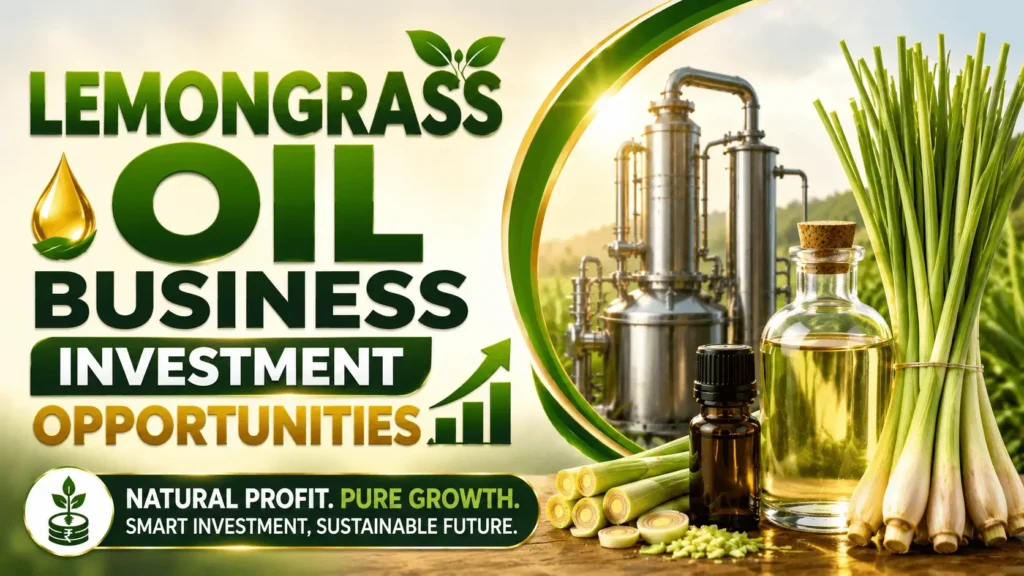
The lemongrass oil business is gaining momentum across India and global markets due to the increasing demand for natural essential oils in aromatherapy, personal care, pharmaceuticals, and flavoring industries. Lemongrass oil, extracted from the lemongrass plant (Cymbopogon citratus), is valued for its lemony scent, medicinal properties, and versatile applications. Starting a lemongrass oil business can be a profitable and sustainable venture, especially in rural and semi-urban areas where land is affordable and labor is accessible. Why Invest in a Lemongrass Oil Business? The lemongrass oil business is not only a low-capital investment opportunity but also offers high-profit margins due to the premium price of essential oils in both domestic and export markets. As the world shifts towards herbal and organic products, the demand for lemongrass oil is continuously growing. This makes it an ideal time to invest in this evergreen sector. Understanding the Lemongrass Plant Lemongrass is a perennial plant that thrives in tropical climates and requires minimal maintenance. It grows quickly and can be harvested multiple times a year, making it a renewable source for essential oil extraction. The oil is obtained through steam distillation of its fresh or partially dried leaves. The main chemical compound in lemongrass oil is citral, which contributes to its antimicrobial and anti-inflammatory properties. Market Potential of Lemongrass Oil India is one of the largest producers of lemongrass and its essential oils. The product is in demand across various sectors: Cosmetics and personal care (perfumes, soaps, lotions) Food and beverage (flavoring agent) Pharmaceuticals (natural remedies and pain relief) Aromatherapy and spa centers The global essential oils market is projected to reach over USD 15 billion by 2030, with lemongrass oil contributing a significant share. Both small-scale and large-scale entrepreneurs are tapping into this lucrative opportunity. Land and Climate Requirements To start a lemongrass oil business, you need to understand the cultivation requirements: Soil: Well-drained sandy loam soil is ideal. Climate: A tropical or subtropical climate with temperatures between 20°C and 30°C is suitable. Water: Moderate irrigation; avoid waterlogging. Area: One acre of land can yield approximately 250 to 300 kg of lemongrass oil annually. You can start even on 1-2 acres and gradually scale based on demand and profitability. Equipment and Infrastructure You’ll need a few basic types of machinery to start your lemongrass oil business: Steam distillation unit – the most essential part for extracting oil. Boilers and condensers – to generate and manage steam. Storage tanks – to store the extracted oil safely. Drying sheds – to air dry harvested lemongrass before distillation. Packaging unit – for bottling and labeling the oil. Small distillation units cost between ?3 lakhs to ?10 lakhs, depending on capacity. Investment Breakdown Here’s an estimated cost structure for starting a small-scale lemongrass oil business on 1 acre: Land preparation & cultivation – ?50,000 to ?80,000 Planting materials (lemongrass slips) – ?15,000 to ?25,000 Distillation unit setup – ?3 lakhs to ?6 lakhs Labor costs – ?50,000 per annum (varies by location) Packaging & branding – ?30,000 to ?50,000 Miscellaneous (electricity, water, permits) – ?20,000 Total Initial Investment: ?4.5 lakhs to ?7 lakhs (approximately) Government Support and Subsidies The Indian government, under schemes like National Horticulture Mission (NHM) and Aroma Mission by CSIR-CIMAP, offers various subsidies and technical support for medicinal and aromatic plant cultivation. Entrepreneurs can avail: 60-100% subsidy on distillation units Free training and consultation from agricultural universities or Krishi Vigyan Kendras Financial aid through MSME loans and PMEGP This support can significantly reduce the initial burden and help in scaling your lemongrass oil business efficiently. Business Models: Farming vs Processing vs Trading There are three main ways to enter the lemongrass oil market: Farming only: Grow and sell lemongrass to oil processors. Processing only: Buy lemongrass in bulk and extract oil. Integrated model: Cultivate, process, and market oil yourself. The integrated model yields the highest profit margins but also requires more investment and management. Marketing and Sales Strategy To succeed in the lemongrass oil business, you must focus on targeted marketing and sales: Export Markets: Countries like the USA, Germany, Japan, and UAE import lemongrass oil. B2B Sales: Approach cosmetic brands, ayurvedic companies, and herbal product manufacturers. Online Sales: List your product on Amazon, Flipkart, or your own e-commerce website. Wholesale: Partner with essential oil wholesalers or distributors. A good branding strategy with eco-friendly packaging and purity certification can increase customer trust and boost sales. Certifications and Compliance To legally run your lemongrass oil business, you may need: FSSAI License – if used in food-grade products. GST Registration – for tax compliance. MSME/Udyam Registration – to avail benefits of government schemes. Organic/Natural Certification – to target premium markets. Import Export Code (IEC) – for exporting lemongrass oil. Meeting safety and quality standards will help establish credibility in both domestic and international markets. Risk Factors and Challenges While the lemongrass oil business is profitable, it does come with a few challenges: Price fluctuations due to seasonal yield or market saturation Pest and disease management in lemongrass crops High initial investment in processing infrastructure Need for consistent quality control in oil production Proper training, regular maintenance, and access to market trends can help you manage these risks effectively. Profitability and ROI One acre of land can produce about 250 kg of lemongrass oil annually, and the market price ranges from ?1,000 to ?2,000 per kg depending on purity and demand. That means potential gross earnings of ?2.5 to ?5 lakhs per year. With proper planning, your lemongrass oil business can offer return on investment (ROI) within 2-3 years. As you scale operations and enter export markets, profits can multiply significantly. Final Thoughts The lemongrass oil business represents a perfect combination of traditional farming and modern entrepreneurship. With relatively low investment, government support, and high demand across industries, it’s a sustainable and scalable business idea for both rural and urban investors. By focusing on quality production, smart branding, and strategic marketing, you can establish a profitable business in this green gold sector. Whether you are a small
Spice Oleoresins
Spices have always played a pivotal role in culinary arts, medicine, and perfumery. Over the years, the methods of extracting and utilizing the active compounds of spices have evolved significantly. Among these developments, spice oleoresins have emerged as highly potent, concentrated, and versatile forms of spices that find extensive applications across various industries. Derived through advanced extraction processes, spice oleoresins offer the full flavor, aroma, and medicinal qualities of the original spice in a more stable and controlled format. Understanding Spice Oleoresins Spice oleoresins are concentrated, semi-viscous liquids obtained from spices using solvents like ethanol, hexane, or acetone. These extracts contain both the volatile essential oils and the non-volatile resinous fractions of the spice, making them more comprehensive in flavor and effect compared to essential oils or dry spice powders alone. The term “oleoresin” itself signifies a mixture of oil and resin. Unlike essential oils which carry only the volatile aroma compounds, spice oleoresins capture both aroma and taste. This gives them a superior edge in industries where uniformity, intensity, and long shelf life are desired. Commonly Extracted Spice Oleoresins There are several varieties of spice oleoresins available in the market today. Some of the most common include: Black Pepper Oleoresin Capsicum (Chili) Oleoresin Ginger Oleoresin Turmeric Oleoresin Clove Oleoresin Nutmeg Oleoresin Cardamom Oleoresin Cinnamon Oleoresin Each of these oleoresins carries the distinctive chemical fingerprint of its parent spice and offers unique flavor, color, and health benefits. Extraction Process The production of spice oleoresins involves solvent extraction, which isolates the desired active compounds. The general process includes the following steps: Crushing or Grinding: The raw spice is first cleaned and ground to increase surface area. Solvent Extraction: A food-grade solvent is used to dissolve the oleoresins. Filtration: The solvent-spice mixture is filtered to remove impurities and solid particles. Evaporation: The solvent is removed via evaporation under controlled temperature and pressure to yield the concentrated oleoresin. Standardization: Sometimes, additives or carriers are added to adjust viscosity or enhance solubility. This method ensures the final product maintains the complete profile of the spice—both aroma and flavor. Applications of Spice Oleoresins The applications of spice oleoresins span a wide range of industries due to their potency, versatility, and cost-effectiveness. 1. Food Industry In the food and beverage industry, spice oleoresins are used extensively to flavor sauces, soups, snacks, pickles, marinades, and processed meats. They ensure consistent taste and reduce the quantity needed compared to whole spices. Since they are highly concentrated, they are economical and allow for easy standardization in large-scale production. 2. Pharmaceuticals Many spice oleoresins possess strong medicinal properties. For instance, turmeric oleoresin contains curcumin—a potent anti-inflammatory and antioxidant compound. Ginger oleoresin is used for its digestive and anti-nausea effects, while clove oleoresin has analgesic and antiseptic properties. These are commonly used in Ayurvedic, Unani, and modern pharmaceutical formulations. 3. Cosmetics and Personal Care The cosmetic industry utilizes spice oleoresins for their aromatic and therapeutic properties. Clove and cinnamon oleoresins are added to dental products for their antiseptic effects, while pepper and capsicum oleoresins are used in formulations targeting pain relief and skin stimulation. 4. Perfumery and Aromatherapy Certain spice oleoresins, such as nutmeg, cardamom, and clove, are used in high-end perfumery due to their deep, warm, and spicy notes. In aromatherapy, they are valued for their stimulating and rejuvenating properties. 5. Nutraceuticals and Dietary Supplements The growing trend of functional foods and dietary supplements has consequently led to increased demand for spice oleoresins. For instance, curcumin capsules, ginger extract tablets, and cayenne pepper oleoresin supplements are just a few examples of how these extracts actively contribute to wellness and preventive healthcare. Benefits of Spice Oleoresins The popularity of spice oleoresins can be attributed to a wide array of benefits they offer: 1. High Potency and Uniformity Because spice oleoresins are concentrated extracts, a small quantity is enough to deliver intense flavor and aroma. This ensures batch-to-batch consistency and reduces variability often encountered with natural whole spices. 2. Longer Shelf Life Unlike raw spices that may lose flavor or become infested with microbes over time, spice oleoresins have a longer shelf life due to their low moisture content and antimicrobial properties. 3. Improved Solubility Some spice oleoresins are available in water-soluble forms, making them ideal for beverages, soups, and ready-to-eat meals. 4. Reduced Bulk and Cost Being highly concentrated, they require less storage space and are easier to transport, making them cost-effective in bulk food processing. 5. Free From Contaminants During processing, contaminants such as pesticides, dirt, and microbial loads are eliminated, ensuring a high level of purity and safety. Environmental and Economic Impact The use of spice oleoresins supports sustainable spice cultivation by reducing the need for large-scale harvesting. Since the oleoresins are extracted from less volume but yield more potency, farmers and processors can achieve higher value with lower environmental impact. Moreover, the spice oleoresin industry has opened up export opportunities for spice-producing countries like India, Sri Lanka, Indonesia, and Vietnam. India, in particular, is one of the leading producers and exporters of oleoresins globally. Safety and Regulatory Standards Most spice oleoresin used in the food and pharmaceutical sectors are approved by regulatory bodies such as the Food Safety and Standards Authority of India (FSSAI), the US Food and Drug Administration (FDA), and the European Food Safety Authority (EFSA). However, their usage is regulated, and maximum permissible limits are specified based on the spice and intended application. Consumers are advised to use only food-grade oleoresins and adhere to dosage instructions, especially in nutraceutical and medicinal use cases. Conclusion In conclusion, spice oleoresins represent a modern, efficient, and sustainable way of harnessing the power of traditional spices. Their wide range of applications—from food to pharmaceuticals and cosmetics—highlights their versatility and importance in contemporary industries. Moreover, by delivering intense flavor, prolonged shelf life, and consistent quality, spice oleoresins are revolutionizing how we use spices in the modern world. s demand grows for clean-label products, natural ingredients, and cost-effective solutions, spice oleoresin, therefore, are poised to become an integral part of
Citronella (Cymbopogon nardus) Oil Extraction
Cymbopogon Nardus, commonly known as citronella, is a fragrant grass cultivated widely for its aromatic essential oil. Citronella oil has found immense popularity due to its insect-repelling, antifungal, and antiseptic properties, making it a sought-after ingredient in perfumery, candles, soaps, and mosquito repellents. Extracting this precious oil from Cymbopogon Nardus requires scientific precision and the correct equipment to preserve its beneficial components and maximize yield. In this comprehensive guide, you will learn in detail about how to extract Cymbopogon Nardus oil, its importance, and best practices to ensure high-quality production. Understanding Cymbopogon Nardus and Its Essential Oil Cymbopogon Nardus belongs to the Poaceae family and grows abundantly in tropical and subtropical climates. Native to Southeast Asia, it has spread to Africa and South America as well. The plant is characterized by tall, tufted grass with long, aromatic leaves. Its oil, known as citronella oil, is yellowish-brown and exudes a strong lemon-like aroma. The essential oil of Cymbopogon Nardus is rich in citronellal, geraniol, and citronellol, which contribute to its powerful insect-repelling qualities. These properties make it a natural alternative to synthetic chemicals in household and personal care products. Therefore, understanding the best extraction methods is crucial for small- and large-scale producers alike. Methods of Extracting Cymbopogon Nardus Oil There are multiple methods available to extract Cymbopogon Nardus oil, but the most widely used and efficient method is steam distillation. Other methods like hydrodistillation, solvent extraction, and even modern supercritical CO2 extraction also exist, but steam distillation is considered the gold standard for preserving aromatic compounds. Let’s look into these methods one by one. 1. Steam DistillationThis is the preferred method for Cymbopogon Nardus oil extraction. The harvested leaves of citronella grass are chopped into smaller pieces and loaded into a distillation chamber. Steam is passed through the plant material, rupturing the oil-bearing glands and releasing essential oil vapors. These vapors then pass through a condenser, where they cool down and separate into oil and water layers. The citronella oil floats on top and is collected for further filtration and storage. 2. HydrodistillationIn hydrodistillation, water and chopped leaves of Cymbopogon Nardus are boiled together. The rising steam carries the essential oil to a condenser. Although this method is effective, it sometimes results in a lower-quality product because the prolonged contact with water can alter delicate aroma compounds. 3. Solvent ExtractionThis technique uses organic solvents like hexane to extract the essential oil. After dissolving the aromatic compounds, the solvent is evaporated, leaving behind a concentrated oil. However, solvent residues may remain in the oil, making this method less favorable for products intended for skin application. 4. Supercritical CO2 ExtractionA modern, advanced method involves using carbon dioxide at high pressure and low temperature to pull essential oil from the plant. Consequently, this process preserves nearly all the delicate aroma molecules and produces a pure, high-quality oil. However, the downside is the high investment cost for CO? extraction equipment, which is therefore often impractical for small producers. Steps in Steam Distillation of Cymbopogon Nardus Oil Steam distillation remains the best option for extracting Cymbopogon Nardus oil on a commercial scale. Here is a systematic breakdown of the process: HarvestingThe citronella grass is harvested about four to five months after planting, ideally before it starts flowering. This is when the oil content is highest. PreparationLeaves are chopped into small sections to maximize surface area for steam penetration. Loading the Distillation UnitThe chopped Cymbopogon Nardus leaves are packed into the distillation chamber. Generating SteamSteam is produced in a separate boiler and passed through the biomass. The heat and moisture help rupture the essential oil glands. CondensationThe oil-laden steam travels through a cooling coil or condenser, where it reverts to liquid form. Oil SeparationThe essential oil separates from the water in the collection flask due to its hydrophobic nature. Filtration and StorageThe separated Cymbopogon Nardus oil is filtered and stored in dark glass bottles to prevent oxidation and degradation. Factors Affecting Oil Yield and Quality For maximum yield and quality of Cymbopogon Nardus oil, several factors must be controlled: Harvest timing: Younger leaves have less oil content; harvesting at the right stage is critical. Moisture content: Leaves should be wilted slightly to reduce water content before distillation. Distillation duration: Prolonged distillation may degrade sensitive aromatic molecules. Storage conditions: Cymbopogon Nardus oil should be stored in airtight, amber-colored bottles in a cool, dark place. Uses of Cymbopogon Nardus Oil Cymbopogon Nardus oil is prized for its versatility. It is a key ingredient in: Mosquito repellents Aromatherapy oils Herbal sprays Candles and incense Perfumes Antifungal skin treatments Pet care sprays for fleas and ticks Beyond its commercial applications, citronella oil is also valued for its mood-lifting and stress-relieving properties in traditional medicine. Safety and Regulatory Considerations Although Cymbopogon Nardus oil is generally safe, it should be diluted before applying to the skin to prevent irritation. Most regulatory bodies worldwide, including the U.S. Food and Drug Administration and European agencies, permit its use but recommend proper labeling and adherence to essential oil safety standards. Challenges in Cymbopogon Nardus Oil Extraction Small-scale producers may face challenges such as: Access to proper distillation equipment Consistent raw material quality Lack of technical know-how on distillation Fluctuating market prices Capacity building, farmer training, and forming cooperatives can help overcome these barriers. Governments and NGOs often run programs to support citronella growers with technical training and subsidized equipment, which can significantly improve livelihoods. Environmental Impact and Sustainability With the growing global demand for eco-friendly products, Cymbopogon Nardus cultivation is gaining ground as a sustainable agricultural practice. Moreover, the grass is hardy, grows well on marginal soils, and requires minimal inputs, making it a good option for soil conservation. In addition, by promoting responsible harvesting and avoiding excessive cutting, producers can ensure long-term sustainability. Future of Cymbopogon Nardus Oil Production The essential oil industry is projected to grow steadily in the coming years, largely due to consumer preference for natural and organic products. Moreover, technological advancements like mobile distillation units, better-quality planting materials, and integrated
Menthol Crystal and Mentha Oil Manufacturing Industry
The Menthol Crystal and Mentha Oil Manufacturing Industry plays a crucial role in the global flavor, fragrance, pharmaceutical, and cosmetic sectors. Derived from natural mint plants, menthol and mentha oil are valued for their aromatic, therapeutic, and cooling properties. Their increasing demand across multiple industries has made this manufacturing business a lucrative and sustainable venture, especially for agribusiness entrepreneurs and chemical manufacturers. With India being the largest producer and exporter of mentha products, this industry offers significant potential for both domestic success and export-driven revenue. Understanding Mentha Oil and Menthol Crystals Mentha oil is extracted from Mentha arvensis (Japanese mint) through steam distillation. The key component of this oil is menthol, a solid, crystalline compound known for its intense cooling effect. Key Products in the Industry: Mentha Oil: Used in aromatherapy, balms, toothpaste, food flavorings, and perfumes. Menthol Crystals: Widely applied in pharmaceuticals (cough drops, inhalers), cosmetics (lotions, shampoos), and oral care. This versatile application spectrum ensures consistent market demand throughout the year. Market Potential and Demand The Menthol Crystal and Mentha Oil Manufacturing Industry is thriving due to: Rising usage in herbal and Ayurvedic products Increasing demand in the food & beverage sector for mint flavors Expanding global cosmetic and personal care industries Export opportunities to the USA, Europe, Middle East, and Southeast Asia India alone accounts for over 80% of global mentha production, making it a global hub for menthol exports. The demand for natural mint-based compounds is expected to grow at a CAGR of over 7% in the coming years. Manufacturing Process 1. Cultivating Mentha Farmers cultivate mint plants in North India between January and March.They harvest the plants in May or June, ensuring that fresh leaves are processed within 24 hours after harvesting to preserve quality. 2. Extracting Mentha Oil (Steam Distillation Process) Workers load fresh mint leaves into a steam distillation unit.They then pass steam through the leaves, which releases essential oils.The vapors condense into a mix of oil and water, and the team separates the oil, filters it, and stores it in steel drums for further use. 3. Producing Menthol Crystals (Crystallization) Technicians cool the mentha oil to temperatures between -5°C and -10°C in specialized crystallizers.As the temperature drops, menthol crystals form.They then separate the crystals using centrifugation, dry them, and pack and grade them based on purity.They either reuse or sell the remaining oil as Dementholized Oil (DMO). 4. Packaging and Storing Teams pack the menthol crystals in HDPE bags or drums.They store the mentha oil in airtight containers to maintain its quality and extend shelf life. Raw Materials Required Mentha Arvensis Leaves Water (for steam generation and condensation) Fuel (wood, coal, or diesel for boilers) Stainless steel tanks for processing and storage Most raw materials are easily available in India, especially in Uttar Pradesh, Bihar, and Punjab, where mentha farming is prevalent. Machinery and Equipment Steam Distillation Units (SS or MS) Condensers and Separators Crystallization Tanks Centrifuge Machines Cooling Units/Chillers Weighing and Packaging Machines Storage Drums (SS or HDPE) A small to medium-scale unit can be started with an investment of ?25–50 lakhs, while a large-scale, export-grade plant may require ?1–2 crores. Space and Infrastructure Requirements 3,000 to 10,000 sq. ft. for setup depending on capacity Industrial-grade flooring and ventilation Water and power supply Proper waste disposal and effluent treatment setup Secure storage for raw material and finished goods A rural or semi-urban area close to mentha farms can significantly reduce input costs and transportation expenses. Licenses and Approvals Needed To operate a Menthol Crystal and Mentha Oil Manufacturing Unit, you must secure: Factory License MSME Udyam Registration Pollution Control Board Clearance Drug License (for pharma-grade production) FSSAI Registration (if selling food-grade menthol) GST Registration Export License (if trading internationally) Compliance with ISO and BIS standards ensures better market acceptability and trust. Target Market and End-Use Industries Menthol and mentha oil are used extensively in the following industries: Pharmaceuticals (balms, cough syrups, inhalers) Personal Care (shampoos, soaps, creams) Oral Care (toothpaste, mouthwash) Confectionery (mint-flavored gums and candies) Tobacco and Pan Masala Essential Oils and Aromatherapy Perfumery and Cosmetics Distributors, wholesalers, export agents, and direct sales to manufacturers are all viable channels. Export Opportunities India exports menthol products to over 100 countries. Major buyers include: USA Germany UK China Japan UAE With rising demand for natural cooling agents, the export market for menthol continues to expand. Exporters must meet quality certifications like USFDA, Halal, Kosher, and REACH compliance. Profitability and ROI Here’s a basic profit outline: Cost of production (menthol crystals): ?600–?800 per kg Selling price (domestic/export): ?1,000–?1,500 per kg Mentha oil selling price: ?1,000–?1,300 per liter Profit margin: 25%–40% (depending on market rates and quality) A well-managed plant can generate monthly revenue of ?10–30 lakhs, achieving break-even in 1–2 years. Conclusion The Menthol Crystal and Mentha Oil Manufacturing Industry is a high-potential business opportunity for those looking to enter the natural product and aroma chemicals sector. With India’s dominant position in mint cultivation and rising global demand, this industry promises consistent growth, export potential, and strong margins. With the right machinery, sourcing, and quality control, entrepreneurs can build a profitable and globally competitive business. Niir Project Consultancy Services An ISO 9001:2015 Company 106-E, Kamla Nagar, Opp. Spark Mall, New Delhi-110007, India. Email: npcs.ei@gmail.com , info@entrepreneurindia.co Tel: +91-11-23843955, 23845654, 23845886, 8800733955 Mobile: +91-9811043595 Website: www.entrepreneurindia.co , www.niir.org Contact Us
Essential Oils Extraction and Manufacturing Industry
Essential oils have carved a significant niche in today’s wellness, beauty, and alternative medicine sectors. From aromatherapy to natural personal care, these potent plant extracts are gaining popularity for their therapeutic benefits, unique fragrances, and holistic uses. As consumer interest in natural and organic products surges, the essential oils industry has evolved into a lucrative business opportunity for entrepreneurs, farmers, and manufacturers alike. This detailed guide will help you understand the methods, processes, and best practices to successfully set up an essential oils extraction and manufacturing unit. Understanding Essential Oils and Their Manufacturing Potential Essential oils are concentrated, volatile aromatic compounds extracted from different parts of plants—such as flowers, leaves, bark, roots, and seeds. They carry the true essence and characteristic fragrance of the plant they are derived from, hence the name. Popular essential oils include lavender, peppermint, eucalyptus, tea tree, and lemon oil, each offering unique benefits ranging from antimicrobial properties to mood-enhancing effects. The growing global awareness around chemical-free, plant-based wellness products has turned the essential oils industry into a billion-dollar sector, with promising growth projected over the coming years. Extraction Methods for Essential Oils There are several proven methods to extract essential oils from raw plant materials, each with its own merits and suitability depending on the plant species: 1. Steam DistillationThis is the most common method. Plant material is placed in a still, and steam is passed through it. The heat causes the essential oil to evaporate, which is then condensed and collected. This process is efficient and preserves the therapeutic properties of the oil. 2. Cold Press ExtractionIdeal for citrus peels, this technique involves mechanically pressing the plant matter to squeeze out the oils. It does not use heat, making it perfect for oils that are sensitive to temperature. 3. Solvent ExtractionThis method uses food-grade solvents to extract aromatic compounds. It is generally reserved for delicate flowers that cannot withstand steam distillation. After extraction, the solvent is evaporated, leaving behind a concentrated oil known as an absolute. 4. CO2 ExtractionSupercritical CO2 is used as the extracting agent, resulting in high-purity essential oils. Although costlier, this technology yields premium-quality oils with a broader spectrum of compounds preserved. Key Steps in Essential Oils Manufacturing Setting up an essential oils manufacturing business involves more than just knowing the extraction methods. Here are the critical stages to consider: Raw Material Sourcing: Partner with farmers or cultivate your own aromatic plants to ensure consistent, high-quality input material. Quality of plant matter directly affects the yield and purity of the final product. Preprocessing: Clean, sort, and sometimes dry the plant material before processing. This reduces contamination and improves oil extraction efficiency. Extraction: Choose the most suitable method based on the plant and desired oil properties. Separation & Filtration: Post-extraction, the oil is separated from water and other residues. Filtration ensures removal of particulate matter. Storage & Bottling: Essential oils should be stored in dark glass bottles, in a cool and dry environment, to maintain their potency and shelf life. Labeling & Compliance: Follow your country’s regulations on labeling, purity standards, and safety. The cosmetic and aromatherapy markets have strict norms, so compliance is crucial. Investment and Equipment The investment needed to start an essential oils business varies depending on production scale. Small-scale setups may cost as little as $20,000, while industrial operations can run into several hundred thousand dollars. Key equipment includes: Distillation units Boilers Separators Stainless steel storage tanks Quality control lab equipment Quality Control and Certification Quality is the backbone of any essential oils venture. Invest in regular lab testing to confirm the chemical profile, purity, and absence of contaminants in your oils. Certification from recognized bodies like ISO, USDA Organic, or BIS (Bureau of Indian Standards) adds value and trust to your products. Marketing Your Essential Oils In today’s digital marketplace, branding and marketing can make or break your venture. Highlight the purity, source, and benefits of your essential oils. Social media, influencer marketing, and online stores are excellent platforms to reach conscious consumers. Also consider B2B sales to cosmetics, soap, and perfume manufacturers. Sustainability in Essential Oils Manufacturing Modern consumers prefer brands that prioritize eco-friendly practices. Sustainable sourcing, waste minimization, and renewable energy use can make your essential oils manufacturing business stand out. Additionally, partnerships with local farmers can support community growth while ensuring a steady supply of raw materials. Opportunities and Challenges While the demand for essential oils is rising, challenges such as price volatility of raw materials, climate impacts on cultivation, and counterfeit products exist. Building a trusted supply chain, maintaining consistent quality, and educating consumers are effective ways to overcome these challenges. The Future of Essential Oils New innovations, such as AI-assisted crop monitoring and blockchain-based traceability, are reshaping the essential oil sector. These technologies help guarantee authenticity, optimize yields, and build consumer confidence. Entrepreneurs willing to embrace these tools will have a competitive advantage. Essential oil continue to captivate global markets with their versatility, therapeutic benefits, and eco-friendly appeal. From stress relief to skincare, they are becoming indispensable in modern lifestyles. As a business opportunity, essential oil manufacturing promises profitability, creativity, and purpose. Whether you plan to launch a small artisanal brand or a large-scale production unit, this guide should give you a solid starting point to embark on a rewarding journey in the essential oil industry. Visit the page Select and Choose the Right Business Startup for You for sorting out the questions arising in your mind before starting any business and know which start-up you can plan. We, at NPCS, endeavor to make business selection a simple and convenient step for any entrepreneur/startup. Our expert team, by capitalizing on its dexterity and decade’s long experience in the field, has created a list of profitable ventures for entrepreneurs who wish to diversify or venture. The list so mentioned is updated regularly to give you a regular dose of new emerging opportunities. Contact Us
Curry Leaves Essential Oil Extraction Business
The Curry Leaves Essential Oil Extraction Business is gaining momentum as more consumers turn toward natural wellness and Ayurvedic-based products. With curry leaves being a staple in Indian households and rich in medicinal properties, their essential oil is in growing demand across personal care, aromatherapy, and pharmaceutical industries. This business provides entrepreneurs with a profitable, eco-friendly, and scalable opportunity to step into the essential oils market. The increasing preference for organic and herbal formulations worldwide is further boosting the relevance of the Curry Leaves Essential Oil Extraction Business. Why Curry Leaves Essential Oil is in Demand The Curry Leaves Essential Oil Extraction Business benefits from the leaf’s potent anti-inflammatory, antibacterial, and antifungal properties. This essential oil is widely used in: Haircare for promoting hair growth and treating dandruff Skincare for treating acne and infections Aromatherapy for relaxation and mental clarity Ayurvedic treatments for digestion and detoxification Cosmetic formulations as a natural fragrant and active ingredient With the rise of clean beauty and green products, this niche oil is finding a place in formulations marketed globally. Market Potential of the Business India, being the primary grower of curry leaves, gives domestic entrepreneurs a strategic edge. Exporters, herbal cosmetic companies, essential oil resellers, and Ayurvedic brands are consistently sourcing from trusted manufacturers. The Curry Leaves Essential Oil Extraction Business also holds immense potential for export to countries where Ayurveda is gaining ground, such as the USA, Germany, Australia, and the UAE. In the Indian market, this oil is used by: FMCG brands in shampoos and hair oils Ayurvedic companies in medicine Wellness and spa centers Organic and herbal beauty brands The industry is expected to grow with increasing demand for natural therapeutic ingredients. Key Ingredients and Raw Material Sourcing Fresh curry leaves are the main raw material, requiring proper harvesting and handling to retain their oil content. India’s tropical climate ensures year-round supply. To run the Curry Leaves Essential Oil Extraction Business, you need to partner with organic farms or grow the leaves on leased land. Important points: Use pesticide-free, fresh green leaves Oil yield is higher in young, healthy leaves Prompt processing after harvest maintains aroma and composition Consistency in leaf quality impacts the final oil yield and aroma, both of which are crucial for brand trust. Extraction Methods and Process The most widely used method in the Curry Leaves Essential Oil Extraction Business is steam distillation, which helps preserve the volatile oils naturally present in curry leaves. The general process includes: Washing & Drying: Cleaning and air-drying the leaves Steaming: Leaves are steamed to release volatile oil Condensation: Oil vapors are cooled and separated from water Filtration & Storage: The essential oil is filtered and stored in dark glass containers Other less common methods include solvent extraction and cold pressing, which are generally not preferred for essential oils meant for therapeutic or edible use. Required Equipment and Machinery To establish a basic Curry Leaves Essential Oil Extraction Business, you’ll need: Stainless steel steam distillation unit (50–200 liters capacity) Leaf washer and sorter Condenser and separator tanks Oil filtration unit Filling and capping machine Glass bottle packaging station Storage tanks and temperature-controlled warehouse Cost of setting up a small-to-medium plant ranges from ?10 lakhs to ?30 lakhs depending on automation and production scale. Packaging and Branding Strategy Proper packaging and a strong brand identity are crucial to stand out in the market. For the Curry Leaves Essential Oil Extraction Business, the following points must be considered: Use amber glass bottles to protect from UV light Label must include botanical name, batch number, expiry, and usage directions Eco-friendly outer packaging adds appeal Highlight certifications like organic, vegan, cruelty-free, or AYUSH compliant Include QR code linking to lab test or usage video (value-add for tech-savvy buyers) Good branding helps convert first-time users into loyal customers. Licenses and Regulatory Compliance To legally operate a Curry Leaves Essential Oil Extraction Business, ensure the following: FSSAI License (if edible-grade oil is produced) GMP Certification for pharmaceutical-grade use ISO 9001 or ISO 22716 for quality assurance Pollution Control NOC (as per state rules) Trade license, MSME registration, and Udyam certificate Export Import Code (IEC) for selling internationally Following these norms ensures smooth domestic and export business operations. Sales Channels and Customer Segments You can scale the Curry Leaves Essential Oil Extraction Business through: B2B Sales: Herbal and cosmetic manufacturers Ayurveda and pharma companies Spa and wellness product makers Essential oil wholesalers B2C Sales: D2C via your website Online platforms like Amazon, Flipkart, Etsy Health and organic retail chains Ayurveda clinics and beauty salons Reaching influencers, herbal forums, and online wellness communities can also drive organic traffic and orders. Export Opportunities Countries like Germany, USA, UK, and Middle Eastern nations are importers of Indian essential oils. To tap into this, the Curry Leaves Essential Oil Extraction Business must ensure: Batch testing and purity certification Eco-cert or USDA Organic credentials (for organic markets) COA (Certificate of Analysis), MSDS, and relevant safety documentation Tie-ups with global B2B marketplaces and logistics providers Joining trade shows or export councils like APEDA or SHEFEXIL can enhance your visibility. Financial Overview and Profitability Oil yield: ~200–400 ml per 100 kg of fresh leaves Market price: ?1,500–?3,000 per 100 ml (depending on quality) Margins: 35% to 60% (if sold in retail packs or exported) Breakeven: 18–24 months for small-scale units By productizing the oil in different volumes (5 ml, 15 ml, 50 ml) and combinations (e.g., with coconut or castor oil), you can enhance your average order value. Conclusion Starting a Curry Leaves Essential Oil Extraction is a promising venture for anyone interested in the herbal, Ayurvedic, or organic product industry. With rising global demand, low raw material costs, and high value addition, it offers scalable, long-term profitability. Whether you choose to go B2B or build a wellness brand of your own, curry leaves essential oil can become a niche hero product. Niir Project Consultancy Services An ISO 9001:2015 Company 106-E, Kamla Nagar, Opp. Spark Mall, New Delhi-110007, India. Email: npcs.ei@gmail.com , info@entrepreneurindia.co Tel: +91-11-23843955,
How to Start Rajnigandha Oil Extraction Unit. Essential Oils Extraction Business
Rajnigandha, also known as Tuberose, is a fragrant flower widely used in the perfume and essential oils industry. Its essential oil is a high-value product, prized for its strong, long-lasting aroma and is used in perfumery, cosmetics, and aromatherapy. If you’re looking for a niche yet lucrative opportunity in the wellness and fragrance sector, learning how to start Rajnigandha oil extraction unit could be your first step into the essential oils extraction business. With increasing demand for natural products globally, this venture holds great promise for entrepreneurs who want to combine profitability with sustainability. How to Start Rajnigandha Oil Extraction Unit Below is a step-by-step guide on starting and managing your own Rajnigandha oil extraction unit, from raw material sourcing to processing and selling the final product. 1. Understand the Market and Demand Rajnigandha essential oil is in high demand across industries: Perfume and cosmetics manufacturers Aromatherapy and wellness brands Exporters of natural essential oils Luxury soap and body care product producers Because of its rarity and cost of extraction, Rajnigandha oil commands premium pricing. It’s often blended with other floral oils like jasmine and rose, which further boosts its market value. Why Choose Rajnigandha Oil? High profit margins Strong demand in both domestic and international markets Small-scale viable for artisan producers Opportunities for brand-building in natural wellness products 2. Create a Detailed Business Plan Before starting your Rajnigandha oil extraction unit, prepare a clear business plan including: Project objectives and target markets Raw material sourcing strategy Production capacity (e.g., liters per batch/month) Capital investment and working capital Technology and equipment needed Marketing and branding strategy Estimated Initial Investment: Small-scale unit: ?10–15 lakhs Medium-scale unit: ?20–40 lakhsThis includes land, machinery, labor, raw material, and packaging setup. 3. Choose Suitable Land and Infrastructure Rajnigandha cultivation is common in Uttar Pradesh, West Bengal, Karnataka, and Tamil Nadu. You can either: Source flowers from farmers, or Set up your own flower farm to reduce costs and ensure consistent supply Factory Space Requirements: 800–1500 sq. ft. for a small unit Must include: Flower storage area Extraction area Oil storage and filtration zone Packaging and labeling section Ensure proper ventilation, fire safety measures, and hygienic conditions for processing. 4. Get Necessary Licenses and Registrations To legally operate your Rajnigandha oil extraction business, obtain the following: Company registration (Proprietorship, LLP, or Pvt. Ltd.) GST registration FSSAI license (if used in cosmetics or wellness products) Udyam MSME registration Local trade license Pollution control NOC (as applicable) Import-Export Code (IEC) if exporting oils Tip:For export-oriented units, comply with international certification standards like USDA Organic, ISO 22716 (GMP for cosmetics), or Ecocert. 5. Procure Raw Materials (Rajnigandha Flowers) Each kilogram of Rajnigandha flowers yields only a few milliliters of essential oil, making it important to secure high-quality and fresh blooms. Sourcing Strategy: Partner with farmers under a buyback agreement Establish your own Rajnigandha flower garden (takes 4–6 months to harvest) Time harvesting in early morning when oil concentration is highest Note:Freshness of flowers directly impacts the aroma and quality of the extracted oil. Read Also : Profitable Manufacturing & Processing Business Ideas in Haryana 6. Set Up the Extraction Unit There are two primary methods to extract Rajnigandha essential oil: A. Solvent Extraction (Recommended for Rajnigandha) Involves using food-grade solvents (like hexane) to extract oil from delicate flowers. This method captures more fragrance than steam distillation. The result is a “concrete,” which is further refined to form an “absolute.” B. Steam Distillation (Less Common for Tuberose) Preferred for tougher plants like eucalyptus or lemongrass. Rajnigandha petals are too delicate and may lose their aroma during distillation. Key Equipment: Solvent extractor unit Stainless steel tanks Condenser and separator Vacuum filtration system Solvent recovery unit Storage vessels and bottling machine Machinery Cost Estimate: ?5–20 lakhs depending on scale and technology. 7. Production Process Overview Here is the step-by-step process for producing Rajnigandha essential oil: Flower Sorting: Remove any damaged or spoiled flowers. Solvent Extraction: Petals are soaked in hexane or another food-grade solvent. Formation of Concrete: The solution is filtered, and solvent is evaporated to get a waxy substance called “concrete.” Alcohol Extraction: The concrete is washed with alcohol to extract the pure “absolute” or essential oil. Filtration and Evaporation: Alcohol is evaporated under vacuum, leaving behind pure essential oil. Packaging: The oil is bottled in amber glass containers to protect from light and stored in cool, dry places. Yield Note:From 1000 kg of flowers, you may get just 300–600 grams of pure essential oil. 8. Branding, Packaging, and Pricing Packaging plays a critical role in the essential oils industry. Buyers pay attention to purity, packaging aesthetics, and labeling. Packaging Tips: Use dark amber glass bottles to prevent UV damage Label clearly with botanical name, extraction method, origin, and usage Offer various sizes (5ml, 10ml, 30ml) to appeal to a broader market Branding Strategy: Highlight “natural,” “pure,” and “hand-extracted” elements Position your brand in the luxury or wellness segment Consider private labeling for retailers or aromatherapy brands 9. Marketing and Sales Channels Once your product is ready, focus on building distribution: Where to Sell: Aromatherapy and cosmetic manufacturers E-commerce (Amazon, Flipkart, Etsy) Health and organic stores Exporters and distributors Direct-to-consumer via your own website or social media Marketing Tips: Share benefits of Rajnigandha oil (stress relief, fragrance, cosmetic use) Use influencers in the natural wellness space Participate in trade expos and organic product fairs See More – Want to Start a Business in Karnataka Conclusion If you’re wondering how to start Rajnigandha oil extraction unit, the answer lies in proper planning, access to fresh flowers, high-quality machinery, and attention to purity. The essential oils extraction business—especially with rare flowers like Rajnigandha—can be highly profitable due to premium pricing and strong global demand. Focus on building a clean, compliant unit, maintain consistent quality, and market your oil as a luxury, natural product. With growing interest in aromatherapy and organic personal care, this business offers both scalability and sustainability. Contact Us
Extraction and Production of Essential Oils (Phytochemicals, Aromatic Chemicals, Aromatic Compounds, Spice Oils and Oleoresins, Curcumin, Rose Oil Extraction, Chilli Oil, Ginger Oil, Black Pepper Oil, Chilli Oleoresin, Cresols, Menthol Oil, Clove Oil & Citronella Oil, Patchouli Oil, Garlic Oil)
India’s herbal wealth and agricultural diversity make it a global hotspot for natural extract businesses. With increasing consumer awareness around wellness, skincare, aromatherapy, and clean-label products, essential oils and oleoresins have carved a profitable niche. Entrepreneurs today are leveraging India’s biodiversity and cost-effective labor to tap into this lucrative space. Moreover, growing global demand and the shift toward natural ingredients provide long-term opportunities. Starting an essential oils extraction business can be both impactful and income-generating—whether you aim for domestic distribution or global exports. Essential Oils & Oleoresins Extraction | Profitable Business Essential oils are natural, volatile extracts obtained from various parts of aromatic plants—leaves, bark, flowers, seeds, or peels—using steam or hydro-distillation. On the other hand, oleoresins are semi-solid extracts made from spices or herbs using solvent extraction. While essential oils are used in perfumes, cosmetics, and wellness, oleoresins are popular in the food, flavoring, and pharmaceutical industries. Combining both products can expand your market and increase profitability. See Also :Small Manufacturing Business Many commonly found Indian crops like lemongrass, eucalyptus, citronella, tulsi, and peppermint are ideal for essential oils extraction. For oleoresins, high-yield crops include turmeric, ginger, paprika, clove, and black pepper. These crops are easily grown or sourced from local farmers, making raw material procurement smooth and cost-effective. The most common method for extracting essential oils is steam distillation. It involves passing steam through raw plant material to release and collect the oil. For oleoresins, a food-grade solvent like ethanol or hexane is used to extract flavor-rich compounds from spices. This process is followed by filtration, solvent recovery, and packaging. A small or medium-sized setup can be managed with compact distillation units, boilers, separators, and stainless-steel tanks. Moreover, automated systems reduce manpower while increasing yield and consistency. A basic essential oils extraction unit can start with an investment of ?5–8 lakhs. This includes the cost of a steam distillation unit, boiler, condenser, and storage vessels. A combined unit with oleoresin capabilities may require ?15–25 lakhs, depending on scale and automation. Monthly profits can range from ?50,000 to ?3 lakhs, especially if targeting high-demand segments like cosmetics, herbal teas, and therapeutic blends. Quality Assurance Maintaining high quality is essential in this business. Essential oil purity depends on parameters like refractive index, density, and aroma. For oleoresins, ensure no residual solvents remain and that flavor intensity matches the source crop. You may need a basic lab for quality testing or can collaborate with third-party labs to ensure compliance. Moreover, investing in clean processing spaces and hygienic packaging boosts brand trust. Packaging & Storage The final product must be stored in dark, airtight glass bottles to preserve aroma and prevent oxidation. For bulk supply, HDPE drums or stainless-steel tanks are used. Labeling should include botanical names, batch numbers, and safety guidelines. Moreover, temperature-controlled storage improves shelf life, especially for sensitive oils like lavender or orange peel. Regulatory Approvals To run this business legally in India, you’ll need: Udyam MSME registration GST registration Pollution Control Board clearance FSSAI license (if selling food-grade oleoresins) IEC code for exports While not mandatory, certifications like ISO, HACCP, and GMP improve brand value and open more B2B opportunities. Moreover, if you plan to export, registration with APEDA and compliance with foreign quality standards is advisable. Market & Sales Strategy Your target buyers include: Aromatherapy brands Herbal cosmetic manufacturers Food flavoring companies Ayurvedic wellness brands Exporters and distributors You can also sell directly via your own website, farmer markets, or online platforms like Amazon, Etsy, and Flipkart. Moreover, private labeling opportunities allow you to supply customized blends to other businesses. India’s government offers several support schemes for agro-based and herbal extract businesses. For instance, PMEGP offers subsidized loans for rural manufacturing units. The Ministry of AYUSH supports herbal and traditional product entrepreneurs. State-level industries also provide land, power, and marketing support under MSME policies. Moreover, Skill India can help train staff in processing and handling. The global market for essential oils is expected to reach over $15 billion by 2028, driven by rising demand for clean-label cosmetics, stress-relief solutions, and plant-based medicines. India is already a leading producer and exporter of oils like peppermint, eucalyptus, lemongrass, and ginger. Moreover, niche oils like tulsi and palmarosa have seen rising global demand in recent years. Read Also :Small Business Ideas Conclusion Starting an essential oils and oleoresins business combines the benefits of a nature-based venture with strong commercial returns. With moderate investment and a clear market strategy, you can build a high-margin business that serves both domestic and international markets. Moreover, growing demand for natural products, government support, and sustainable practices make this one of the most rewarding sectors today. Whether you’re a small farmer group, entrepreneur, or investor—this is the right time to tap into the power of natural extracts. Contact Us
Dry Lemon Powder and Lemon Oil Manufacturing Plant
The food processing industry is evolving rapidly, and health-conscious consumers are demanding natural, chemical-free ingredients with high nutritional value. In this context, Lemon Oil & Dry Lemon Powder have carved out a significant niche due to their wide applications in culinary, pharmaceutical, cosmetic, and cleaning product industries. Establishing a production unit for these lemon-based products is a lucrative opportunity for entrepreneurs seeking sustainable and profitable ventures. With the right blend of technology, raw material availability, and strategic marketing, this business can ensure long-term growth and stability. Understanding the Potential of Lemon Oil & Dry Lemon Powder Production Lemon is a citrus fruit that boasts immense economic value beyond its fresh consumption. The extraction of Lemon Oil & Dry Lemon Powder involves simple processes that transform the fruit into valuable byproducts. Lemon oil is primarily extracted through cold pressing or steam distillation from lemon peels, while the powder is made by drying and grinding lemon peel or pulp. These products are known for their strong aroma, flavor, and health-promoting properties. In recent years, global demand for natural flavoring agents and preservatives has soared. Lemon oil, with its high limonene content, is a preferred essential oil in aromatherapy, cleaning products, and personal care items. On the other hand, dry lemon powder is extensively used in the food industry as a seasoning, flavor enhancer, and nutritional additive. Both products have long shelf lives, which make them ideal for global exports and wide-scale distribution. Market Demand and Scope The demand for Lemon Oil & Dry Lemon Powder is consistently growing, fueled by multiple industries. The global essential oils market alone is expected to reach USD 15 billion by 2027, and lemon oil holds a significant share of that market. Dry lemon powder is equally in demand in the food processing and nutraceutical industries. The rising popularity of herbal and natural products further boosts the market potential. India, being a leading producer of lemons, has a natural advantage in this sector. With adequate raw material availability and labor, the domestic as well as international markets can be tapped efficiently. The business model suits both small-scale startups and large-scale industrial units depending on investment and goals. See Also: E-Waste Recycling Manufacturing Process Overview Setting up a Lemon Oil & Dry Lemon Powder production unit involves two parallel but related processing lines—oil extraction and lemon drying. Here’s a step-by-step outline of the processes: Lemon Oil Extraction Process: Sorting and Washing – Fresh lemons are cleaned thoroughly to remove dirt and pesticides. Peeling – The outer rind (zest) is removed as it contains the essential oil. Cold Pressing/Steam Distillation – Depending on the method chosen, oil is extracted from the peel. Filtration – The extracted oil is filtered to remove impurities. Packaging – Oil is packed in amber glass or HDPE containers to prevent oxidation and preserve quality. Dry Lemon Powder Production: Peeling and Slicing – The lemons are peeled and sliced thinly. Drying – Using solar dryers, hot air dryers, or freeze-drying equipment, the lemon slices are dehydrated completely. Grinding – Dried lemons are ground into a fine powder. Sieving and Quality Control – The powder is passed through sieves to maintain uniformity and quality. Packaging – Packed in moisture-proof pouches or jars to ensure long shelf life. Both processes are relatively straightforward and can be mechanized or semi-automated based on the scale of the operation. Machinery and Equipment For a standard production unit of Lemon Oil & Dry Lemon Powder, the following equipment is typically required: Lemon washing and grading machine Fruit slicer and peeler Cold press oil extractor or distillation unit Hot air dryer or solar dryer Pulverizer/grinder Sieving machine Packaging machine Investment in machinery can range from ?10 lakhs for a small-scale setup to ?50 lakhs or more for a medium-to-large scale unit. Used or refurbished equipment can also be explored to reduce initial costs. Raw Material and Sourcing The primary raw material for production is fresh lemons. To ensure continuity in operations, arrangements can be established with local farmers, wholesale mandis, or agro-cooperative societies. Moreover, sourcing organic lemons offers a strategic advantage, as they command higher prices—particularly in export and premium markets. In addition to lemons, essential consumables include packaging materials, cleaning agents, and fundamental utilities such as water and electricity. It is advisable to conduct a feasibility study and raw material availability check before setting up the unit. Ensuring a steady and affordable supply of lemons is essential for uninterrupted production. Legal and Regulatory Compliance Before starting a Lemon Oil & Dry Lemon Powder manufacturing unit, the following licenses and registrations are generally required: Company registration (Sole proprietorship, Partnership, LLP or Pvt. Ltd.) FSSAI license (Food Safety and Standards Authority of India) GST registration Pollution control board clearance (for medium or large units) Factory license (if employing more than 10 workers) Trademark registration (for branding and product protection) In case of exports, compliance with international food safety and quality certifications such as HACCP, ISO, or USDA Organic (if applicable) may also be needed. Financial Overview and Profitability The profitability of a Lemon Oil & Dry Lemon Powder unit depends on scale, sourcing cost, and distribution. On average: 1000 kg of lemon yields about 6–10 kg of lemon oil (depending on peel quality). 1000 kg of lemon yields 100–150 kg of dry lemon powder (post drying and processing losses). The average market price of lemon oil ranges from ?2000 to ?8000 per liter depending on purity and grade, while dry lemon powder sells for ?200–?500 per kg in retail packaging. The profit margins are substantial, especially when selling directly to industries or through private labeling in domestic or international markets. An entry-level setup can expect a monthly turnover of ?2 to ?5 lakhs with net margins between 20% to 35%, growing with scale and market reach. Marketing and Distribution Strategy Effective branding and marketing are essential to succeed in the Lemon Oil & Dry Lemon Powder business. Some marketing strategies include: Developing a strong online presence through an e-commerce website Listing products on