
It’s Never Too Late For Start A New Career. Start a Most Growing Business Now Of Donkey Farming | Join The New Trend. Turn A Small Investment Into A Big Reward With Donkey Farming. Start Your Own Donkey Farm!
Donkey milk production is a great way to make a dairy product that is healthy, profitable, and sustainable. Due to their tenacity and durability, donkeys are a common choice for farming. Additionally, donkeys require less feed than cows and can survive in any environment. People have used donkey milk as a food source and a treatment for a variety of ailments for millennia. Due to its high mineral, calcium, and fatty acid content, it is crucial to a healthy diet. Due to its unique composition, donkey milk has a number of benefits, including the ability to increase bone density, reduce inflammation, improve digestion, and even help with some skin issues. Yes, there is a market for donkey milk. It is highly valued in many parts of the world due to its many medical benefits. Since donkey milk contains higher levels of calcium, minerals, and proteins than cow’s milk, many people select it for health-related reasons. In many parts of Europe, it can sell for a premium price. Donkey milk is gaining popularity due to its reputation as a premium product. People who buy it believe it has therapeutic benefits and can help heal conditions including eczema, digestive issues, acne, and even asthma. Studies show that it has anti-inflammatory properties and contains amino acids that help protect skin cells from damage brought on by free radicals. Donkey milk is gaining popularity as a premium luxury commodity in addition to its therapeutic benefits. It is thought to be an expensive beverage that can only be purchased by individuals with money. The regular incorporation of it in skincare and cosmetics products strengthens its position as a unique product. Despite the fact that the demand for donkey milk is growing, it’s important to remember that it is not a get-rich-quick plan. Do your research and make sure you’re ready before you start donkey farming because it’s a long-term commitment. Both a herd and an effective milking method must be built over time. With the right technique, it may, nevertheless, be quite profitable. In donkey husbandry, housing and administration are of utmost importance. Different housing needs apply to horses and other animals compared to donkeys. They should have a location where they can feel protected, safe, and comfortable. To begin with, donkeys need a safe, draft-free sleeping space, such a barn. They also need continuous access to hay, water, and cover throughout the day. In a three-sided shelter that will help protect them from the weather, they will feel safer and more at ease. Giving your donkeys enough space to move around and hunt for food is also essential. There should be plenty of hay and grass in this area, as well as adequate shade from the sun. Last but not least, it’s essential to keep the area around your donkey clean and clutter-free. This can help prevent illness and the spread of parasites while also keeping your donkey healthy and content. If their surrounds are constantly cleansed and disinfected, they will continue to be healthy and at ease. Donkey farming is a great way to sustain oneself due to its various financial benefits. Donkeys can be used for a variety of jobs, including the production of food, transportation, clearing land, and even as a means of income. Along with being used for riding, racing, and other activities, donkeys can also produce milk, wool, and dung. One of its most enticing benefits is that donkey farming requires no upfront investment. Since donkeys are typically inexpensive to purchase and require little in the way of feed and shelter, donkey farming is a practical solution for those just starting out on a limited budget. Donkey farming is also an excellent way to boost one’s present income. Donkeys are often hardy and inexpensive to maintain, so taking care of them doesn’t take a lot of time or money. Donkeys can be purchased by customers looking for work animals, riding stock, or racing stock. Farmers who raise donkeys also sell items made from their meat, milk, wool, excrement, and other byproducts. In addition to being profitable, donkey farming may be satisfying. Donkeys make wonderful farm pets since they are highly gregarious animals. They also provide a connection to other farm animals and can alleviate stress. A small herd of donkeys that you may take care of and enjoy also has a unique appeal. Donkey farming is a rewarding and successful career path that has both psychological and financial benefits. The operation of a successful donkey farm depends on the breeding and care of donkeys. If you want to ensure the health and wellbeing of your donkeys, you must follow best practices when it comes to their care. Breeding and maintenance must be done in a way that is both ethical and kind to the animals. Selecting the right breed of donkey for your farm is essential first and foremost. Because different donkey breeds have different demands and abilities, choose a breed carefully based on the type of work you intend to assign them. After that, consider the surroundings they will encounter and make sure they have access to enough food and shelter. Starting breeding with a smaller herd of young animals is excellent. Keep people of the same sex apart and always give birth safely to prevent unplanned pregnancies. Consider the mating season while selecting the right age group; donkeys shouldn’t be bred either too early or too late. Once they are born, your donkeys will need regular medical checkups and vaccinations. This is especially important if your donkeys will be used for work or for riding, as they must be healthy to perform well. The operation of a successful donkey farm depends on the breeding and care of donkeys. If you want to ensure the health and wellbeing of your donkeys, you must follow best practices when it comes to their care. Breeding and maintenance must be done in a way that is both ethical and kind to the animals. Selecting the right breed of donkey for
How to Start a Manufacturing Business of Eggshell Membrane Powder?
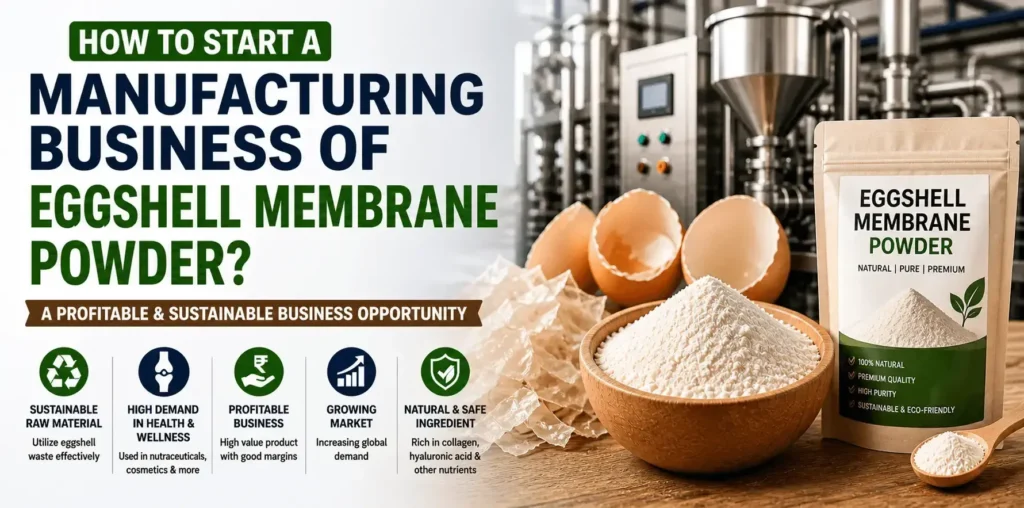
The manufacturing business of eggshell is an emerging sector that taps into the sustainable reuse of agro-waste materials. Eggshells, once considered mere food waste, are now recognized for their rich calcium carbonate content, which can be utilized across various industries—from fertilizers and animal feed to bioplastics, pharmaceuticals, ceramics, and even bio-composites. Market Potential of Eggshell Products Eggshell waste is generated in millions of tons globally each year. Countries with large poultry industries generate substantial volumes of this waste, opening the door to a revenue-generating recycling industry. The demand for natural calcium sources and eco-friendly raw materials is rapidly growing, giving the eggshell processing market a highly favorable growth trajectory. Target industries include: Agriculture (organic fertilizer and soil pH balancer) Animal Husbandry (calcium-rich poultry feed additive) Cosmetics & Skincare (natural exfoliant and calcium ingredient) Biomedical applications (bone graft materials, dental fillers) Bioplastics and eco-construction materials Visit this Page for More Information: Start a Business in Livestock Farming Sector Manufacturing Process of Eggshell Products A standardized manufacturing process ensures high-quality, contamination-free products ready for diverse applications. Here’s a step-by-step guide to the typical eggshell processing operation: Collection & Transportation In the Manufacturing Business of Eggshell, the first step is the efficient collection and transportation of raw eggshells. Collected eggshell waste is transported from designated collection points in sealed, hygienic containers. This helps maintain the quality and safety standards essential for a successful Manufacturing Business of Eggshell. Washing & Disinfection To ensure premium-grade products, eggshells undergo thorough washing to eliminate egg membrane residues, dirt, and other contaminants. In the Manufacturing Business of Eggshell, disinfection is carried out using antibacterial solutions to uphold microbiological safety—especially when the end product is intended for pharmaceutical or cosmetic applications. Drying A critical step in the Manufacturing Business of Eggshell involves drying the washed shells using tray dryers or fluidized bed dryers. Controlled temperatures (90–110°C) are applied to eliminate all moisture content, ensuring that the shells are shelf-stable and free from microbial growth. Pulverizing After drying, the shells are pulverized into powder using industrial-grade pulverizer machines. The Manufacturing Business of Eggshell may vary the fineness based on end-use. Ultra-fine powder is ideal for medical or cosmetic use, while coarser material suits fertilizer or construction-grade products. Sieving To maintain consistent quality, the powdered eggshell is sieved to separate oversized particles. The Manufacturing Business of Eggshell relies on this step to produce graded powder that meets specific industrial standards. The processed powder is then stored in airtight containers to maintain purity. Packaging In the final phase of the Manufacturing Business of Eggshell, the powder is packaged using food-grade or industrial-grade materials depending on the product’s target market. Packaging includes vital information such as product grade, date of manufacture, and batch numbers to ensure traceability and compliance. Read Similar Articles: Livestock Farming Projects Click here to send your queries/Contact Us Machinery & Equipment Required To start a small to medium-scale eggshell powder manufacturing unit, the following machines are typically required: Conveyor belts and bins Industrial washers Tray dryers or fluidized bed dryers Pulverizer machine Industrial sieves Dust collectors Packaging unit Advanced setups may also include automated washing and drying lines, UV sterilizers, and robotic packagers to increase productivity and hygiene. Investment & Setup Cost Initial capital depends on the scale of operation and level of automation. Here’s a general cost breakdown: Land & Building: ?10–15 lakh (for 1000–1500 sq. ft. space) Machinery & Equipment: ?8–20 lakh Utilities & Setup: ?2–3 lakh Labor & Overheads (6 months): ?3–5 lakh Working Capital (Raw materials, logistics, etc.): ?2–5 lakh Estimated total setup cost: ?25–45 lakh for a small-to-medium unit. Related Feasibility Study Reports: Livestock Farming Business Ideas Licenses & Regulatory Compliance Starting an eggshell manufacturing business requires certain licenses and registrations: Udyam Registration (MSME) FSSAI License (for products used in feed or food) Pollution Control Board clearance GST registration Factory license (if applicable) Trademark registration (for branding) Read our Books Here: Livestock Farming, Development Marketing & Distribution Strategy Marketing plays a crucial role in penetrating industry segments. Here’s how to make a strong market entry: Online B2B Platforms – IndiaMART, TradeIndia, Alibaba Industry Exhibitions & Trade Shows – Target chemical, agricultural, cosmetic, and pharma expos Social Media Campaigns – Highlighting the eco-friendly and organic benefits of eggshell products Direct Outreach – To poultry feed manufacturers, organic fertilizer producers, and bioplastic startups Distributor Networks – Building partnerships in key manufacturing zones Sustainability & Environmental Benefits The eggshell business is not only profitable but also environmentally sustainable. Key benefits include: Reduction in landfill waste and methane emissions Replacement of synthetic calcium additives Lower carbon footprint compared to mining calcium carbonate Encouragement of circular economy practices By transforming agro-waste into value-added products, the business supports green manufacturing goals and aligns with global ESG (Environmental, Social, Governance) standards. Challenges and Risk Management While promising, this industry faces a few challenges: Seasonal variation in eggshell supply Strict hygiene protocols for food-grade use Market education about eggshell-based product benefits High initial investment for automation and compliance To mitigate risks: Partner with multiple suppliers to stabilize raw material flow Invest in R&D for diversified product lines Create awareness via educational marketing content Apply for government subsidies and green initiative grants Future Outlook and Expansion Possibilities As sustainability becomes a driving force across industries, biogenic waste utilization will grow. The eggshell business can expand into: Calcium tablets and nutraceuticals Bio-ceramic materials Green construction additives Pet food supplements Cosmetic-grade exfoliants Technological innovation, strong branding, and niche targeting can transform a small eggshell unit into a multi-crore business venture. Conclusion: Although it is intended for the newly created eggshell membrane powder to replace and improve upon the deficiencies of the traditional insulators, such as glass wool, cotton, and wood, it is very possible that eggshell membrane powder sales will increase. NIIR should be your first pick if you’re thinking about the Manufacturing Business of Eggshell Membrane Powder. They are simple and inexpensive to build on-site using an extrusion procedure. There should be room for new businesses to prosper given the enormous demand for these products. Click here to send your queries/Contact
Rising Demand of Livestock Feed
The lucrative production business of animal feed is one of the most promising ventures in the agri-based industrial sector. With the rapid growth of the livestock industry and rising awareness about animal health and nutrition, the demand for quality animal feed is consistently increasing. Whether it’s poultry, dairy cattle, fish, goats, or pigs, all livestock require balanced nutrition — and feed manufacturers are crucial to that supply chain. The best part? This business offers scalability, regional market opportunities, and high profit margins with moderate investment. Let’s explore the essential components of starting and scaling a successful animal feed manufacturing unit. Related Project: Growing Business of Animal Feed (Cattle, Poultry Broiler, Pig & Fish Feed) Fundamentals of Animal Feed Production Business Before jumping into operations, it’s important to understand the structure, market trends of lucrative production business of animal feed, and requirements of this sector. A strategic plan and smart execution can make this business highly rewarding. Related Projects: Livestock Farming Business Ideas 1. Market Scope and Demand Trends India has one of the largest livestock populations in the world — with increasing meat, milk, and egg production year after year. This makes India (and many developing countries) a hotbed for feed demand and lucrative production business of animal feed. Key Growth Drivers: Rising poultry and dairy farming Commercial fish farming (aquaculture boom) Government focus on animal health and rural income Shift from traditional to scientific feeding systems According to industry data, India’s animal feed market is projected to grow at a CAGR of over 10% in the coming years. There’s room for regional players who can supply high-quality, cost-effective feed to local farmers. Start a Business in India, Click Here 2. Types of Animal Feed Products The product range depends on the target livestock, but broadly, animal feed is categorized into: Cattle Feed: Rich in protein, minerals, and fiber for milch animals Poultry Feed: Layers and broilers require different formulas for egg and meat production Fish Feed: Floating or sinking pellets for aquaculture species like carp and tilapia Goat & Sheep Feed: Formulated for digestion and weight gain Pig Feed: High-energy feed for rapid fattening Each category has subtypes like starter, grower, finisher, or mash and pellet forms. Specialized feeds — such as medicated, organic, or fortified — are emerging in premium segments. Start a Business in Middle East, Click Here 3. Raw Materials Required Animal feed is made by blending various agro-based ingredients and additives. Commonly used raw materials include: Maize/Corn Soybean meal Groundnut cake Wheat bran/rice bran Molasses Fish meal or meat meal Mineral and vitamin premix Salt, limestone, and other binders These ingredients are mixed according to the nutritional requirements for each animal species. The availability of raw material locally can reduce costs and improve margins. Start a Business in Asia, Click Here 4. Manufacturing Process The production process is fairly straightforward but requires precision and quality control: Cleaning & Sorting: Removal of impurities from raw materials. Grinding: Ingredients are ground into uniform particle size using hammer mills. Mixing: All materials, including additives and supplements, are mixed thoroughly. Conditioning & Pelletizing (optional): In pellet plants, the mash feed is conditioned with steam and pressed into pellets. Cooling & Drying: Pellets are cooled and moisture is reduced to improve shelf life. Packaging: Feed is packed in 25/50 kg bags for retail or wholesale. Mash feed is cheaper and easier to produce. Pellets require extra machinery but offer better digestibility and are preferred in commercial farms. Start a Business in Africa, Click Here 5. Machinery and Setup To set up a small-to-medium feed plant (1–5 tons/hour capacity), you’ll need the following: Hammer mill or grinder Batch mixer or ribbon blender Pellet mill (if making pellets) Elevator, conveyor systems Cooling and drying equipment Packaging machine Weighing scale and storage bins Estimated land requirement: 1,000–3,000 sq. ft.Power: Around 20–60 HP, depending on capacityManpower: 6–15 people for operations, quality check, and logistics Related Book: Rabbit, Goat, Sheep, Poultry, Fish and Pig Farming with Feed Technology 6. Investment and Capital Requirements Your total investment depends on the capacity and product line. A small-scale unit (1 TPH) may cost around ?25–30 lakh, while a medium-scale pellet feed unit (3–5 TPH) can range between ?75 lakh to ?1.2 crore. Cost Components: Land and civil construction Plant and machinery Raw material for initial batch Packaging materials Labor and utility setup Working capital for 3–6 months Government subsidies under agri-processing and MSME schemes can significantly reduce your startup costs. Looking for Most Demandable Business Ideas for Startups, Click Here 7. Licensing and Regulatory Requirements While the animal feed sector is not heavily regulated like human food, some compliances are necessary: FSSAI license (for feed additives and premixes) Factory license and pollution control NOC Udyam/MSME registration BIS certification (optional but adds credibility) GST registration Regular quality testing is recommended to ensure your feed meets nutritional standards and doesn’t contain harmful substances. Start a Business in Potential Countries for Doing Business, Click Here 8. Branding and Marketing Strategy A good marketing strategy can build trust in your brand and boost bulk orders. Here’s how to approach it: Partner with local dairy and poultry farmers Appoint feed distributors or commission agents in rural areas Offer starter discounts and credit support to farmers Educate your customers on feed benefits and usage via seminars or social media Print clear nutritional details and benefits on packaging Offer combo packs or trial sizes to attract new buyers You can also create value-added products like medicated feed, organic feed, or customized premixes for niche segments. Best Industry for Doing Business, Click Here 9. Profitability and Growth Potential The animal feed production business offers 12%–25% gross profit margins, depending on your product type, scale, and input costs. With efficient procurement, quality control, and optimized operations, ROI can be achieved within 1.5–2 years. Business Ideas with Low, Medium & High Investment, Click Here Key to growth: Consistent quality supply Low transportation costs Building customer loyalty through results Introducing product variants for different animal categories You can
Book on Pig Farming and Pork Processing
Pig farming and pork processing have emerged as vital components of the global agribusiness landscape. Whether you’re a smallholder farmer aiming to scale up or a curious entrepreneur exploring the meat industry, having the right information at your fingertips can make all the difference. The Pig Farming and Pork Processing Book – Expert Guide is a comprehensive manual designed to equip readers with actionable insights and technical know-how for starting, managing, and scaling a successful piggery and pork business. With rising global demand for pork and processed meat products, this guide is more relevant than ever. Pig Farming and Pork Processing: A Growing Opportunity Pig farming, also known as piggery, is one of the most profitable livestock ventures in agriculture. Due to pigs’ ability to grow quickly and reproduce in large numbers, they are an attractive option for farmers seeking fast returns. Coupled with modern pork processing techniques, pig farming offers a dual revenue stream—fresh meat and value-added pork products such as bacon, ham, sausages, and salami. The Pig Farming and Pork Processing Book – Expert Guide delves into the entire lifecycle of pig farming, from selecting breeds to processing meat for the market. It’s an essential resource for anyone looking to understand the intricacies of this sector. Let’s explore the vital aspects covered in this expert guide: Understanding Pig Breeds The success of a pig farming business begins with choosing the right breed. Different pig breeds are suited for different environments and purposes. Some of the most commonly farmed breeds include: Large White: Excellent for both meat and bacon production. Landrace: Known for their mothering abilities and high-quality carcass. Duroc: Prized for its lean meat and fast growth rate. Hampshire: Muscular pigs suitable for commercial meat production. The guide offers detailed descriptions and comparative charts to help farmers select the most appropriate breed for their geographic and commercial requirements. Pig Housing and Infrastructure Pigs require a well-ventilated, dry, and clean environment. Good housing not only improves health but also increases weight gain and reduces mortality. The book provides detailed architectural layouts, ventilation methods, flooring types (slatted vs. concrete), and drainage systems for optimal hygiene and productivity. It also includes cost estimates to help in budgeting. Feeding and Nutrition Proper nutrition is the backbone of profitable pig farming. The guide explains the different types of feed required at various growth stages—starter, grower, finisher, and breeder diets. It also covers: Feed formulation recipes Feed conversion ratios (FCR) Importance of vitamins and minerals Water management strategies By following the guidelines in the Pig Farming and Pork Processing Book – Expert Guide, farmers can improve feed efficiency and achieve better weight gains, ensuring maximum profitability. Health and Disease Management Diseases are a major threat to pig farming operations. The book includes a comprehensive section on disease identification, prevention, and treatment. It outlines vaccination schedules, biosecurity protocols, and quarantine measures. Common pig diseases discussed include: Swine Fever Foot and Mouth Disease Respiratory Infections Worm Infestation The guide also offers natural and antibiotic treatment options, enhancing decision-making for organic and conventional farmers alike. Breeding and Reproduction Reproductive efficiency is crucial in pig farming. The guide walks readers through: Mating systems (natural vs. artificial insemination) Heat detection techniques Gestation management Farrowing crate design Piglet care and weaning practices With these insights, readers can develop a reproductive plan that maximizes litter size and weaning success rates. Waste Management and Environmental Considerations Pig farms generate a significant amount of organic waste, which, if not managed properly, can lead to environmental degradation. The book teaches eco-friendly waste disposal systems such as: Biogas production from pig waste Composting methods Effluent treatment systems Sustainable practices reduce the environmental footprint of the farm while also creating additional revenue opportunities. Pork Processing: From Farm to Fork The pork processing section of the Pig Farming and Pork Processing Book – Expert Guide is an eye-opener for those looking to diversify their income. It includes: Slaughtering and dressing procedures Hygiene and food safety protocols Meat cutting and packaging Preservation techniques: freezing, curing, smoking Equipment and machinery for small to mid-size processing units Moreover, the guide emphasizes value addition by teaching how to create popular products like bacon, sausages, and ham—thus increasing profitability and consumer appeal. Licensing and Regulatory Compliance Entering the meat industry requires strict adherence to food safety standards. The book outlines all necessary licenses, government certifications, and quality assurance programs, including: FSSAI (India) USDA (USA) ISO 22000 standards HACCP implementation It also explains how to create standard operating procedures (SOPs) for traceability and quality control in pork production. Marketing and Business Planning Even the best farming operations can fail without a proper marketing strategy. This section of the guide teaches: How to identify target markets Branding and packaging strategies Building relationships with retailers, hotels, and meat shops Using e-commerce and social media to drive pork product sales Creating a solid business plan with projected ROI Sample case studies are included to provide real-world context and inspiration. Financial Planning and Profitability Finally, the Pig Farming and Pork Processing Book – Expert Guide gives detailed cost and income projections for small, medium, and large-scale operations. This includes: Capital investment breakdown Operating cost estimation Revenue and profit margins Breakeven analysis The financial tools provided help readers assess risk, estimate ROI, and secure loans or grants. Conclusion The Pig Farming and Pork Processing Book – Expert Guide is not just a manual; it’s a roadmap to sustainable success in a fast-growing industry. It integrates scientific knowledge, real-life farming practices, and business intelligence to offer a holistic view of the piggery and pork processing sector. Whether you’re looking to raise pigs, start a processing unit, or expand an existing setup, this book will guide you every step of the way. As the global appetite for pork continues to grow, those who invest in education and preparedness will lead the future of the industry. Make the smart move—equip yourself with the knowledge and tools provided in this expert guide. Visit the page Select and Choose the Right Business
Goat Rearing & Breeding Business
Starting a goat breeding & rearing business can be an incredibly rewarding venture—both financially and personally. Goats are known for their adaptability, fast growth rate, and high reproduction rate, making them a viable livestock investment. Whether you are from a rural area with ample grazing land or from a semi-urban region with limited space, goat farming offers a relatively low-risk entry into animal husbandry. With the growing demand for goat meat (chevon), milk, and skin, this sector continues to attract entrepreneurs across India and globally. The Market Potential of Goat Breeding & Rearing Goat meat is a staple in many cultures and often sells at a premium compared to other meats like chicken or beef. Moreover, goat milk is rich in nutrients and easier to digest, making it popular among health-conscious consumers. Beyond consumption, goat skin is used in the leather industry, and goat dung serves as an excellent organic fertilizer. Hence, the goat breeding & rearing business not only supports food production but also contributes to the agricultural economy. Choosing the Right Goat Breed Selecting the correct breed is fundamental to the success of your goat farming business. Different breeds are suited to different purposes—milk production, meat production, or both. In India, popular breeds include: Jamunapari – Known for high milk yield. Boer – Internationally recognized for superior meat production. Sirohi – Hardy and adaptable for both meat and milk. Barbari – Ideal for commercial farming due to high reproduction rate. Beetal – Dual-purpose (meat and milk) breed, common in Punjab. Your choice should align with your goals and local climate conditions. Visit local livestock fairs and consult agricultural experts before making your selection. Setting Up Infrastructure The success of your goat breeding & rearing venture relies heavily on adequate infrastructure: Shelter: Goats require well-ventilated, clean, and dry housing. Avoid overcrowding. Ideal flooring is slatted to allow urine and feces to fall through. Fencing: Secure fencing is vital to protect goats from predators and prevent them from escaping. Feeding Area: Set up a designated feeding and watering zone to keep things sanitary. Breeding Pens: Separate pens for bucks and does help you control the breeding process and prevent inbreeding. Land requirements are minimal; even a small plot can support a good number of goats if managed properly. Feeding and Nutrition Feeding is a critical component of successful goat breeding & rearing. Goats are natural browsers and prefer leaves, shrubs, and herbs over grass. However, a balanced diet should include: Roughage: Dry grass, hay, and green fodder. Concentrates: Grains like corn, oats, and barley. Mineral Mix: To prevent deficiencies, especially calcium and phosphorus. Clean Water: Fresh and clean water should always be available. Additionally, nutritional needs vary for lactating goats, pregnant does, and growing kids. Customizing feed based on lifecycle stages improves productivity and profitability. Breeding and Reproduction Effective breeding practices are essential for long-term viability in goat breeding & rearing. Goats can reproduce twice a year and usually give birth to 1–3 kids per gestation, making them highly efficient livestock. Key points include: Breeding Age: Does should be bred at around 10-12 months of age. Estrous Cycle: Lasts 17–21 days, with the heat period being 24–36 hours. Mating Management: Use one buck for every 20-30 does. Pregnancy Care: Pregnant does need a calm environment, extra feed, and medical check-ups. Kidding: Assistance should be on hand during delivery to reduce mortality. Proper breeding management enhances herd quality and reduces disease risks. Health Management One of the biggest challenges in goat breeding & rearing is disease prevention. Common diseases include PPR (Peste des Petits Ruminants), goat pox, foot-and-mouth disease, and internal parasites. Implement the following practices: Vaccination Schedule: Regular vaccination against prevalent diseases. Deworming: Periodic deworming is essential to keep parasites at bay. Clean Housing: Daily cleaning and disinfection help reduce the risk of infection. Veterinary Care: Tie up with a local vet for regular health checks. Early detection and timely treatment save you from significant financial losses. Business Planning and Budgeting Like any venture, your goat breeding & rearing business needs a solid business plan. Here’s a rough estimate to start a small-scale farm with 20 goats (15 females + 5 males): Initial Stock: ?1,50,000 Housing Setup: ?50,000 Feed for 6 Months: ?40,000 Veterinary Expenses: ?10,000 Miscellaneous: ?10,000 Total Investment: ?2,60,000 (approx.) Return on investment depends on breed productivity, market prices, and operational efficiency. On average, you can expect 30–50% returns annually after the first year. Marketing and Sales To thrive in the goat breeding & rearing business, marketing is just as important as farm operations. Identify your target markets early—local meat vendors, dairy companies, leather manufacturers, and even government buyers. Useful marketing strategies include: Direct Selling: Sell meat and milk directly to customers for better profit margins. Contract Farming: Partner with meat processing firms or dairies. Exhibitions and Fairs: Participate in livestock fairs to showcase your goats. Online Presence: Use social media or farm websites to attract buyers. Packaging and branding are crucial if you plan to sell value-added products like goat milk soap or cheese. Legal Requirements and Government Schemes Before starting a goat breeding & rearing farm, register your business entity and obtain necessary licenses. In India, you may require: Trade License from your Panchayat or Municipality. FSSAI License if selling milk-based products. Pollution Control Board clearance for larger farms. Also, explore government schemes like NABARD’s Dairy Entrepreneurship Development Scheme (DEDS) which offers subsidies for goat farming projects. States like Uttar Pradesh, Maharashtra, and Tamil Nadu have specific livestock schemes. Challenges and Risk Mitigation While goat breeding & rearing is profitable, it comes with challenges: Disease Outbreaks: Can wipe out entire herds. Keep insurance if possible. Market Fluctuations: Price volatility in meat and milk markets. Climatic Conditions: Goats are sensitive to excessive cold and wet weather. Theft and Predators: Secure fencing and CCTV can mitigate risks. Continued learning, strategic planning, and adoption of best practices are key to sustainability. Conclusion In summary, the goat breeding & rearing business offers excellent opportunities for aspiring agro-entrepreneurs. With minimal
Cattle and Poultry Feed Manufacturing Business
The cattle and poultry feed manufacturing business is one of the most promising sectors in the agribusiness ecosystem. With the increasing demand for dairy products, meat, and eggs, farmers are shifting toward commercial feed solutions that ensure high productivity and optimal animal health. This has created a consistent demand for scientifically formulated feed for cattle, broilers, and layers. Starting a cattle and poultry feed manufacturing business provides entrepreneurs with a scalable opportunity to serve both small and large-scale livestock farmers while contributing to food security and agricultural development. Understanding the Market Demand The livestock industry is expanding rapidly, especially in emerging economies. India’s dairy industry is the largest in the world, and poultry farming has seen exponential growth in the last two decades. This has led to a booming requirement for balanced feed that can boost milk yield in cattle and egg or meat production in poultry. The cattle and poultry feed manufacturing business caters to: Dairy farms producing milk from cows and buffaloes Broiler farms raising chickens for meat Layer farms focused on egg production Mixed livestock farms that require diverse feed formulations As awareness of animal nutrition increases, farmers prefer branded and nutritionally certified feed over home-mixed or locally sourced options. This market shift ensures long-term demand for quality feed manufacturers. Types of Cattle and Poultry Feed The cattle and poultry feed manufacturing business requires different feed formulations depending on the type and age of livestock: Cattle Feed Calf starter and grower feed Dairy feed for lactating cows and buffaloes Dry cow feed and transition rations Mineral mixture supplements Poultry Feed Chick mash for 0–8 weeks Grower feed for 9–20 weeks Layer mash or pellets for egg-laying hens Broiler starter, grower, and finisher feed Each feed type varies in protein, energy, fiber, calcium, phosphorus, and vitamin content, formulated to promote growth, production, and health. Raw Materials Required A major part of success in the cattle and poultry feed manufacturing business lies in sourcing high-quality raw materials. Some of the commonly used ingredients include: Cereal grains: Maize, broken rice, wheat Oilseed cakes: Soybean meal, groundnut cake, cottonseed cake Bran and by-products: Wheat bran, rice bran Protein supplements: Fish meal, meat meal, blood meal Fats and oils: Vegetable oils, animal fat Additives: Salt, limestone powder, bone meal, mineral and vitamin premixes, toxin binders, probiotics Availability and cost-efficiency of these materials directly affect your production margin and product pricing. Feed Manufacturing Process To operate a successful cattle and poultry feed manufacturing business, understanding the production workflow is essential: Grinding: All solid ingredients are ground into uniform particle size Batch mixing: Dry ingredients are proportionally combined in batch mixers Pelleting (optional): Mixed feed is compressed into pellets for ease of feeding Cooling and drying: Pellets are cooled and dried to remove excess moisture Enrichment: Oils, vitamins, and other micronutrients are sprayed post-pelleting Packing: The finished product is weighed and packed in moisture-proof bags Pellet feed is increasingly popular due to its digestibility, cleanliness, and reduced feed wastage. Plant Setup and Machinery Starting a cattle and poultry feed manufacturing business requires setting up a production unit equipped with: Hammer mill or pulverizer Batch mixer or ribbon blender Elevator and conveyor systems Pellet mill (optional but recommended) Cooling tower and dryer Weighing and packaging machine Storage silos for raw materials and finished goods A small-to-medium scale plant (1–5 tons/hour) may require an investment of ?30 lakhs to ?1.5 crores depending on automation level, brand, and location. Quality Control and Certifications Maintaining consistent feed quality is crucial. To ensure success in the cattle and poultry feed manufacturing business, manufacturers must: Conduct regular nutritional testing Avoid use of contaminated or expired raw materials Ensure uniform mixing to prevent nutrient imbalance Monitor pellet hardness and moisture content Prevent fungal growth and aflatoxin contamination Necessary certifications and compliances include: FSSAI registration BIS standards (IS 2052:2009 for cattle feed, IS 1374:2007 for poultry feed) Pollution control board clearance ISO 9001 or HACCP certification for better market credibility Marketing and Distribution Channels Once your cattle and poultry feed manufacturing business is operational, building a strong market presence is key. Focus on: Direct sales to dairy farms and poultry owners Collaboration with veterinary clinics and agri-input dealers Participation in livestock expos and Kisan Melas Appointment of rural distributors and stockists Educating farmers about feeding schedules and benefits of branded feed Offering bulk discounts, loyalty schemes, and farm advisory services builds brand trust and recurring orders. Profitability and Return on Investment The profitability of the cattle and poultry feed manufacturing business depends on several factors: Raw material cost optimization Efficient production and minimal wastage Brand positioning and regional outreach Bulk orders and institutional tie-ups Seasonal demand planning (peak periods during breeding or growing cycles) Margins typically range from 10%–25% depending on scale and market. A small plant producing 2–3 tons/hour can generate ?1.5–2.5 crores in annual turnover and achieve ROI within 2–3 years. Government Support and Subsidies The Indian government, through NABARD and MSME schemes, supports livestock-based industries, including the cattle and poultry feed manufacturing business. Assistance includes: Capital subsidies for feed plants Interest subvention on loans Grants for innovation and R&D Training support for technical staff Soft loans under animal husbandry infrastructure development fund Utilizing these schemes can significantly reduce startup costs and increase competitiveness. Conclusion The cattle and poultry feed manufacturing business presents a strong, recession-proof opportunity within the agribusiness sector. As livestock farming becomes more commercialized and scientific, demand for balanced, packaged feed is rising exponentially. Entrepreneurs with a basic understanding of animal nutrition and access to raw materials can capitalize on this high-potential venture. With minimal marketing effort and consistent quality, this business promises long-term success and a recurring customer base that grows with rural and urban livestock expansion. Whether you’re a farmer, investor, or first-time agripreneur, now is the right time to establish your footprint in the animal nutrition industry. Niir Project Consultancy Services An ISO 9001:2015 Company 106-E, Kamla Nagar, Opp. Spark Mall, New Delhi-110007, India. Email: npcs.ei@gmail.com , info@entrepreneurindia.co Tel: +91-11-23843955, 23845654, 23845886, 8800733955
Layer Poultry Farming Business
The Layer Poultry Farming Business is a highly lucrative agricultural venture focused on raising hens specifically for egg production. Unlike broiler farming, which emphasizes meat, this business model revolves around the efficient management of layer birds to ensure consistent and high-quality egg yield. With rising demand for eggs due to their nutritional value and versatile culinary uses, the Layer Poultry Farming Business has gained immense popularity among small, medium, and commercial farmers alike. Whether operated on a small rural farm or an industrial scale, this business offers great returns with relatively low investment and space requirements. Why Layer Poultry Farming is Gaining Popularity One of the key drivers behind the growth of the Layer Poultry Farming Business is the surging demand for eggs across both rural and urban populations. Eggs are a highly affordable and protein-rich food source, making them a daily dietary staple for many. They are also used in bakeries, confectioneries, restaurants, and by food processing companies. Unlike meat production, egg farming does not require slaughter, making it more acceptable across different communities and cultures. Furthermore, the business is scalable and flexible—you can start with just 100 birds or scale to 10,000 and beyond, depending on resources and demand. The relatively fast turnaround and cash flow make the Layer Poultry Farming Business a smart choice for entrepreneurs entering the agribusiness sector. Selection of Layer Birds Success in the Layer Poultry Farming Business depends largely on the breed selection. Popular layer breeds include White Leghorn, Rhode Island Red, Lohmann, and Hy-Line. These birds are known for their high egg-laying capacity, disease resistance, and feed conversion efficiency. Pullets (young hens) usually begin laying eggs at around 18–20 weeks of age, with peak production occurring between 25–40 weeks. On average, a healthy hen can lay 250 to 300 eggs annually under optimal farm conditions. Choosing vaccinated, high-yield layer chicks from a certified hatchery is the first step toward building a sustainable and productive layer unit. Types of Layer Farming Systems In the Layer Poultry Farming Business, the housing system significantly influences egg production and bird health. The three most common methods are: 1. Deep Litter System:Birds are kept on a floor covered with bedding material like sawdust or rice husk. This method is simple and cost-effective, suitable for small-scale operations. 2. Battery Cage System:Birds are kept in wire cages, usually in tiers. This method allows for easy management, efficient feeding, and automated egg collection. It’s widely used in commercial layer farms. 3. Free-Range or Organic System:Birds have access to outdoor space. While this method requires more land, it appeals to health-conscious and premium egg buyers. Each system has pros and cons, but commercial Layer Poultry Farming Business units typically prefer battery cages for space-saving and productivity. Feed Management and Nutrition Proper feed is critical in a Layer Poultry Farming Business to maintain health and maximize egg output. A balanced diet should include proteins, carbohydrates, vitamins (especially D and A), calcium, and phosphorus. Layer mash or pellets are commonly available in the market, specially formulated for egg-laying birds. Calcium is crucial for eggshell strength; sources include limestone powder and oyster shells. Birds should have constant access to clean drinking water and feed. A typical layer consumes around 110–130 grams of feed per day. Feeding schedules, consistency, and quality directly impact laying efficiency and egg size. Egg Collection, Grading, and Storage In a well-managed Layer Poultry Farming Business, eggs should be collected 2–3 times a day to prevent breakage or contamination. After collection, eggs are graded based on size, weight, and shell quality. Proper storage at cool temperatures (between 10°C and 13°C) helps maintain egg freshness and extends shelf life. For commercial farms, egg washing and packaging equipment can add value and improve hygiene standards. Marketing fresh, graded, and attractively packed eggs increases credibility and demand among wholesalers and retailers. Health Management and Vaccination Maintaining flock health is vital in the Layer Poultry Farming Business. Disease outbreaks can lead to high mortality and loss of production. Regular vaccination schedules should be strictly followed for diseases such as Newcastle, Marek’s, Infectious Bronchitis, and Avian Influenza. Biosecurity practices include: Controlled farm entry Regular sanitation Clean water systems Proper disposal of dead birds Avoiding overcrowding A nearby veterinary consultant or animal husbandry officer can provide ongoing support and guidance to ensure your birds stay healthy. Manure Management and Byproduct Utilization An often-overlooked benefit of the Layer Poultry Farming Business is the production of poultry manure. This can be sold to organic farmers, used as fertilizer for crops, or converted into biogas. Dried and composted chicken manure is rich in nitrogen, phosphorus, and potassium—valuable for agriculture. Some advanced farms process waste into value-added products, adding another revenue stream. Proper disposal and management of manure also reduce farm odor, pests, and disease risks. Marketing and Profitability Eggs are in daily demand, which ensures continuous cash flow for farmers. A well-run Layer Poultry Farming Business can achieve a breakeven point in 6–8 months. Factors influencing profitability include: Egg production rate per bird Feed-to-egg conversion ratio Egg selling price Feed cost Disease control and mortality rate Marketing channels include: Local wholesale markets Grocery stores Direct-to-customer sales Tie-ups with bakeries and hotels Online delivery platforms Farmers can also consider branded egg sales (e.g., omega-3 or organic eggs) for higher margins. Government Support and Training In many regions, governments support the Layer Poultry Farming Business through subsidies, training, and veterinary aid. Schemes under NABARD, National Livestock Mission, and state poultry development programs offer: Loans at reduced interest rates Grants for poultry equipment and sheds Free or subsidized chicks and feed On-site training and farm management support Aspiring poultry entrepreneurs should connect with local animal husbandry departments to leverage these schemes for smoother startup and expansion. Final Thoughts The Layer Poultry Farming Business presents an excellent opportunity for farmers, agri-preneurs, and rural startups to enter the booming agri-industry with moderate investment and low risk. With strategic planning, good bird management, and consistent egg quality, this business can yield steady income and
List of Profitable Processing and Manufacturing Business Ideas.
The food processing industry is experiencing a significant surge in demand globally, especially in the categories of meat, egg, and seafood. Driven by changing dietary preferences, urbanization, and rising income levels, the egg & seafood sector offers several lucrative opportunities for entrepreneurs and investors alike. Consumers are increasingly looking for convenient, ready-to-cook, and safe food options, which makes the processing of egg & seafood a promising avenue for profitable ventures. With the right technology, regulatory compliance, and market strategy, one can easily tap into this booming segment of the food industry. Why Invest in the Egg & Seafood Processing Industry? The global demand for high-protein foods is on the rise, and egg & seafood are leading sources of lean protein. The processing of these items not only ensures longer shelf life but also improves hygiene, safety, and convenience for consumers. According to industry estimates, the seafood processing market alone is expected to grow at a CAGR of over 5% in the coming years. Meanwhile, the egg processing market is projected to witness consistent growth due to increased usage in bakery, confectionery, and ready-to-eat meals. Government initiatives in many countries, such as subsidies, cold chain logistics support, and food safety incentives, have further encouraged investment in the egg & seafood sector. Moreover, the rise in online food delivery services, retail chains, and e-commerce platforms provides ready distribution channels for processed products. Let’s explore the top profitable ideas in the meat, egg & seafood processing industry that can be started with varying levels of investment. 1. Egg Powder Manufacturing Egg powder is widely used in baking, confectionery, mayonnaise, noodles, and other processed food items. The process involves spray drying of eggs to produce powder, which has a much longer shelf life compared to fresh eggs. This makes transportation and storage easier, especially for export markets.Investing in egg powder manufacturing can be highly profitable as the demand is high both in domestic and international markets. With proper licensing and safety protocols, small to mid-sized units can be set up with good ROI. 2. Liquid Egg Processing Liquid eggs (whole, whites, or yolks) are highly popular in the foodservice industry, especially among hotels, restaurants, and bakeries. These are pasteurized and packaged in cartons or pouches for easy use and storage.This segment of the egg & seafood industry requires moderate capital and automation equipment. The key to profitability lies in ensuring high hygiene standards, regular supply of raw eggs, and building a network with institutional buyers. 3. Seafood Freezing & Export Unit Seafood, especially shrimp, tuna, salmon, and squid, are in high demand globally. Setting up a seafood freezing unit near coastal areas can enable entrepreneurs to source raw material directly from fishermen and process them for export.The unit should focus on proper grading, cleaning, IQF (Individually Quick Frozen) technology, and vacuum packaging. While this requires significant initial investment, the profit margins in international markets make it a lucrative business in the long term. For entrepreneurs in coastal regions, this is one of the best egg & seafood processing ideas. 4. Fish Filleting and Packaging Plant Fish fillets are widely consumed in restaurants, fast-food chains, and homes. A filleting plant involves cleaning, deboning, slicing, and packaging of fish into ready-to-cook formats. It is an ideal small-scale business idea and can be scaled up gradually.Investing in vacuum sealing machines, cold storage, and sanitary working conditions is essential for success. Value addition through marinated fillets or ready-to-fry formats can boost profitability. As more consumers shift to convenient cooking, this egg & seafood segment is gaining rapid traction. 5. Processed Meat and Sausage Manufacturing While not part of the egg & seafood niche, meat processing complements these segments well. You can consider integrating processed meat products like sausages, salamis, and cold cuts with your existing infrastructure. These products have high shelf life and are in demand from retail and institutional buyers.Flavor innovation, high protein value, and international-style packaging can help your brand stand out. If you already process eggs or seafood, adding meat items allows for cross-selling and maximizing equipment utility. 6. Value-Added Shrimp Processing Shrimp is one of the most traded seafood products globally. A value-added shrimp processing unit can prepare products such as breaded shrimp, ready-to-fry shrimp, shrimp skewers, and shrimp curry. These products are ideal for retail and export.This egg & seafood sub-sector is best suited for entrepreneurs with some knowledge of marine handling and cold chain logistics. Investing in HACCP-certified processing units ensures compliance with global standards and makes the business export-ready. 7. Egg-Based Snacks and Protein Products Eggs are now being used in innovative snack formats such as boiled egg packs, egg protein bars, egg chips, and ready-to-eat egg curry. These high-protein, keto-friendly snacks are in demand among fitness enthusiasts and young professionals.With minimal investment and a focus on packaging and branding, this egg & seafood niche offers opportunities for homepreneurs and startups. Partnering with cloud kitchens, health stores, and gyms can rapidly boost sales. 8. Canned Fish and Seafood Products Canned tuna, sardines, mackerel, and seafood medleys are a staple in many countries. While canning involves a relatively high setup cost due to sterilization and vacuum sealing, it also allows long shelf life and global shipping.You can explore ethnic flavors and innovative packaging to differentiate your brand. Government schemes under marine export promotion boards can help reduce initial costs and enable faster market access. 9. Organic and Free-Range Egg Packaging Consumers are increasingly shifting toward organic and free-range food options. Starting an egg packaging and branding unit that focuses on ethically produced, chemical-free eggs can yield premium pricing.The key to success is sourcing from certified poultry farms and building brand trust through transparency. Selling through organic food stores, subscription boxes, and e-commerce platforms enhances reach. 10. Fish Meal and By-Product Processing Fish waste from filleting and cleaning can be converted into fish meal, fish oil, and pet food ingredients. This ensures zero waste and additional revenue streams from your seafood processing unit.With proper equipment for drying and grinding, fish by-products can
Most Profitable Livestock Farming, Animal Husbandry.
Livestock farming has always been a crucial component of the agricultural economy. From traditional backyard operations to advanced commercial setups, raising animals for meat, milk, eggs, wool, and labor offers a lucrative income opportunity. In recent years, animal husbandry has evolved into a specialized sector with the integration of modern techniques, scientific breeding, nutrition, and disease management. With increasing demand for animal-based products globally, especially in developing economies, starting a livestock business can be both profitable and sustainable. Understanding Animal Husbandry and Its Business Potential Animal husbandry refers to the care, breeding, and management of domesticated animals for various human uses like dairy, meat, fiber, and labor. This includes cattle rearing, poultry farming, goat and sheep farming, piggery, rabbit farming, and buffalo farming. The profitability of animal husbandry depends on factors such as breed selection, feeding practices, disease control, housing systems, and market access. Livestock contributes significantly to the GDP of agricultural economies. With strategic planning and execution, an aspiring entrepreneur can turn a small livestock farm into a high-income business. Furthermore, government support in terms of subsidies, training programs, and veterinary aid has made it easier for small-scale farmers and rural youth to engage in this sector. Key Segments of Animal Husbandry That Offer Profitable Returns 1. Dairy Farming Dairy farming, especially cow and buffalo milk production, remains one of the most consistent and rewarding forms of animal husbandry. With rising consumption of dairy products like milk, butter, curd, paneer, and ghee in both urban and rural areas, investing in high-yield milch breeds like Gir, Sahiwal, Murrah, or Jersey crossbreeds can ensure regular income. Adequate fodder management, disease control, and hygienic milking practices are essential for better productivity and profitability. 2. Goat Farming Goats are known as “poor man’s cows” because they require minimal investment yet give high returns. Popular breeds like Boer, Sirohi, and Jamunapari offer excellent meat and milk yields. Goat meat (chevon) enjoys high market demand in India and abroad. Their ability to survive in dry and arid conditions makes goat farming highly suitable for semi-arid regions. With proper stall feeding and vaccination, goat farming becomes a scalable animal husbandry venture. 3. Poultry Farming Raising chickens for eggs and meat is one of the fastest-growing agribusinesses in India. Broiler farming yields quick returns in just 6-8 weeks, while layer farming offers a steady supply of eggs. Popular breeds include ISA Brown, White Leghorn, and Rhode Island Red. With rising protein awareness, the demand for poultry products has surged. Modern poultry sheds with automated temperature control, feeding, and lighting systems can drastically improve production levels and returns. 4. Sheep Farming Sheep are multi-purpose animals that provide meat, milk, wool, and manure. Breeds like Merino, Deccani, and Nellore are preferred in different climatic zones. Sheep farming is labor-intensive but becomes profitable with rotational grazing, good breeding stock, and proper health care. Their adaptability to diverse terrains gives entrepreneurs flexibility in choosing their farming location. This form of animal husbandry is ideal for hilly and semi-hilly regions. 5. Pig Farming Pig farming is an underrated yet highly profitable segment in regions where pork consumption is high. Breeds like Large White Yorkshire, Landrace, and Duroc have high feed-to-meat conversion rates. Pigs multiply rapidly, and their meat fetches good prices in domestic and international markets. Pig farming can be mechanized for efficiency, and value-added products like sausages and bacon add extra profit margins. 6. Rabbit Farming Rabbits are known for their rapid reproduction and soft meat, which is low in cholesterol. They require small spaces and can be raised in cages or hutches. New Zealand White, Grey Giant, and Soviet Chinchilla are among the preferred breeds. Rabbit manure is also rich in nutrients and can be sold as organic fertilizer. With the right marketing strategy, rabbit farming is a low-investment animal husbandry business with high returns. 7. Buffalo Farming India has the world’s largest buffalo population, and buffalo milk contains higher fat content than cow milk. Murrah and Jaffarabadi are famous high-yield breeds. Buffalo farming is particularly prevalent in North India. The animals are hardy and can thrive in harsh climatic conditions. Products like khoa, peda, and traditional sweets made from buffalo milk fetch a premium, boosting the profitability of this segment. Tips for Running a Profitable Animal Husbandry Business 1. Select the Right BreedChoose animal breeds that are high-yielding, disease-resistant, and suited to local environmental conditions. Hybrid and crossbreeds often offer better performance and faster growth. 2. Housing and InfrastructureProper shelter and hygienic housing are crucial. Animals should have enough space, ventilation, and protection from harsh weather. A well-planned farm layout helps in easier waste management, feeding, and cleaning operations. 3. Nutrition and FeedingBalanced and nutritious feed enhances growth, reproductive performance, and milk/meat yield. Use of green fodder, silage, grains, and mineral supplements is vital for healthy livestock. 4. Disease ManagementRegular veterinary checkups, vaccinations, and deworming are essential. Quarantine new animals before introducing them into the herd. Preventative health care reduces mortality and ensures consistent productivity. 5. Record KeepingMaintain proper records of breeding cycles, vaccination schedules, feed intake, and production levels. This data helps in decision-making and future planning. 6. Marketing and SalesIdentify local and regional markets, dairy cooperatives, meat processing units, and online platforms to sell your products. Direct-to-consumer models offer higher margins. 7. Government Schemes and LoansTake advantage of government schemes like NABARD subsidies, PM Kisan credit cards, and training programs. These reduce financial pressure and provide valuable know-how in managing animal husbandry businesses. Challenges in Animal Husbandry and How to Overcome Them While profitable, animal husbandry comes with its set of challenges such as disease outbreaks, market fluctuations, and weather-related stress. Solutions include: Investing in disease-resistant breeds. Establishing cold chain logistics for perishable products. Using insurance for livestock against death or natural calamities. Adopting climate-resilient practices like hydroponic fodder growing or water-saving housing systems. Technology can play a big role in mitigating these risks. Use of apps for livestock tracking, AI for health monitoring, and IoT-based smart barns are gaining popularity among modern farmers. Future Scope
Commercial Meat Processing. Meat Industry
India’s meat industry is evolving rapidly due to rising domestic demand, better cold chain infrastructure, and increased focus on exports. Commercial meat processing. Meat industry operations are no longer limited to local butchers or unorganized units. Entrepreneurs and investors are now tapping into this sector by setting up hygienic, technology-driven meat processing plants. With modern equipment and compliance with food safety norms, these units produce high-quality meat products for retail, food service, and international markets. This article explores opportunities, investment potential, and critical considerations when venturing into commercial meat processing in India. Opportunities in the Commercial Meat Processing Industry The meat industry in India is transitioning from traditional practices to modern, integrated processing units. Let’s explore the key sectors and growth drivers. 1. Rising Demand for Processed Meat India’s growing middle class, changing lifestyles, and urbanization are driving a shift in food preferences. Consumers increasingly prefer packaged and ready-to-cook meat products due to convenience and hygiene. Top-Selling Processed Products: Chicken nuggets and sausages Marinated meat and kebabs Cooked and frozen meat dishes Market Trends:Consumers in metro cities and tier-2 towns seek clean-label, high-protein meat products. As a result, demand for branded processed meat is rising steadily. See More – Tomato & Fish Waste 2. Export Potential of Indian Meat India ranks among the largest exporters of buffalo meat globally. Processed meat that meets international standards sees strong demand in Middle Eastern, Southeast Asian, and African markets. Export-Driven Products Include: Frozen boneless buffalo meat Sheep and goat carcasses Halal-certified meat cuts Logistics Advantage:India’s strategic ports and cold storage networks enable smooth exports. Many commercial meat processing plants are located close to ports like Mumbai, Kochi, and Visakhapatnam. 3. Low Investment Entry Options While large meat processing plants require higher investment, small-scale units and contract manufacturing models offer low-barrier entry points. Examples of Small-Scale Ventures: Poultry dressing units Cold storage and meat delivery services Local meat packaging and marination centers Support Schemes:The government offers financial support through schemes under the Ministry of Food Processing Industries (MoFPI) and Animal Husbandry Infrastructure Development Fund (AHIDF). 4. Types of Meat Processing Units Depending on your budget and target market, you can choose from a variety of processing plant setups. Primary Categories: Slaughtering Units: Basic facilities for hygienic slaughter and carcass handling. Processing Plants: Advanced units with freezing, cutting, grinding, and marination capabilities. Value-Added Units: Facilities that produce sausages, meatballs, deli meats, and cooked products. Choosing the Right Type:Select your unit based on target customer segments, supply chain access, and regulatory permissions. 5. Essential Equipment & Infrastructure Setting up a commercial meat processing unit requires specialized equipment to maintain hygiene and comply with food safety standards. Must-Have Equipment: Slaughtering and evisceration systems Meat mincers and bowl cutters Vacuum packaging and blast freezers Cold storage and refrigerated vans Infrastructure Needs:Good road access, water supply, waste treatment units, and proximity to livestock markets are critical. 6. Regulatory Compliance and Licensing Operating in the meat industry requires strict adherence to hygiene, safety, and animal welfare standards. Licenses Required: FSSAI registration for food safety compliance Pollution Control Board clearance State Animal Husbandry Department approvals Halal certification (for export and specific domestic markets) Why It Matters:Non-compliance can lead to heavy penalties or cancellation of licenses. Regular inspections and quality audits ensure smooth business operations. 7. Profit Margins and Scalability Processed meat businesses can generate strong profit margins, especially when producing value-added products. Brand building and efficient logistics significantly increase scalability. Revenue Channels: Wholesale to hotels and restaurants (HoReCa) Modern retail chains and supermarkets Online meat delivery platforms (B2C) Profit Tip:Introduce private-label products or white-label for e-commerce brands to scale without additional marketing costs. Advantages of Investing in Commercial Meat Processing The meat industry offers several benefits to new entrants: Consistent Demand: Daily household consumption, festivals, and special occasions ensure steady demand. Export Incentives: Government promotes meat exports with incentives and infrastructure support. Employment Generation: Processing units generate rural employment across butchering, transport, and packaging. Technological Upgradation: Affordable automation options increase production efficiency and hygiene. Also Read – Want to Start Business in Kerala Challenges and How to Overcome Them While the opportunity is big, meat processing businesses face some challenges: Cold Chain Gaps: Invest in proper refrigeration at all stages. Skill Shortage: Train workers in hygiene, food safety, and machinery handling. Animal Sourcing: Build reliable relationships with livestock suppliers. Public Perception: Position your brand around hygiene, ethical sourcing, and transparency to gain trust. Solution:Partner with training institutes and government agencies for workforce development and technical support. Conclusion The commercial meat processing. Meat industry in India holds massive potential for entrepreneurs looking to invest in a growing, profit-rich sector. From small-scale poultry dressing to large export-driven buffalo meat units, the opportunities are diverse and scalable. With rising demand for hygienically packed, value-added meat products, now is the right time to enter this segment. Ensure compliance, invest in the right equipment, and focus on quality and branding to build a trusted meat processing business. Whether you serve the domestic market or tap into exports, success in this industry lies in efficiency, hygiene, and innovation. Contact Us