
Setting Up Production Business Of Transparent Fiberglass LPG Cylinders
Product For both industrial and home usage, liquefied petroleum gas (LPG) can be safely stored and transported in a Fiberglass LPG Cylinder, which offers both durability and visibility. These transparent cylinders are made from glass-reinforced plastic (GRP), a composite material comprised of layers of glass fibers intertwined in a plastic matrix. The glass fibers provide strength and durability, while the cylinder’s transparency allows for easy inspection. To ensure a high-quality and safe product, Fiberglass LPG Cylinders are manufactured using precise techniques and materials. The first step in the process is selecting the proper mould, as it determines the size, shape, and capacity of the finished cylinder. Uses and Applications Translucent fiberglass LPG cylinders are durable gas storage containers for both commercial and industrial use. They are most typically used to transport and store liquefied petroleum gas (LPG) and compressed natural gas (CNG). These cylinders are substantially more durable and safe than conventional metal containers since they are composed of glass-reinforced plastic, which helps to ensure the container’s integrity in the event of a collision or other external force. Manufacturing Process Fiberglass-based transparent LPG cylinders require a challenging production process and close attention to every last detail. These are the gauss holders. Epoxy glue is then applied to seal and fortify the cylinder after it has been constructed. The coating must then undergo pressure curing in an autoclave. Before the cylinder can be put together, the coating needs to solidify. The metal frame is then secured in place using the cylinder sides. The cylinder is pressure-tested after assembly to look for leaks and other issues. The cylinder is ready for use once certified. Throughout the drawn-out production procedure, which takes several days to complete, every cylinder must undergo a rigorous quality control examination. Benefits of Starting the Business The production of fiberglass transparent LPG cylinders has many advantages for individuals who use them. It is well known that these cylinders are transparent, robust, and lightweight. Also, this could be a concern because these cylinders are less likely to corrode than other cylinder designs. They are also easy to transport and store because of their light weight and transparency, and they are less likely to break or experience other damages. Also, because of its additional layer of heat and fire protection, fiberglass translucent LPG cylinders are far safer than steel cylinders. This ensures the safety of using your LPG cylinder and adds another layer of security. The Future of Fiberglass Transparent LPG Cylinders Fiberglass is being utilized to make an increasing number of transparent LPG cylinders due to its many benefits. Compared to conventional metal materials, fiberglass is more affordable, lighter, and robust. Moreover, it has a great resistance to rust corrosion and other types of chemical or environmental exposure. It is an excellent insulator and retains pressurized gas perfectly. Because of these benefits, manufacturing fiberglass transparent LPG cylinders is becoming an increasingly attractive option for businesses seeking to maximize efficiency and safety. Moreover, this kind of production allows for design flexibility, enabling producers to produce different cylinders that are catered to their particular requirements. As a result, the manufacturing of transparent LPG cylinders made of fiberglass will increase over time. Global Market Outlook LPG is a dependable energy source. LPG’s market was estimated to be worth $116.41 billion in 2019. Globally, governments are working to replace fossil fuels with cleaner, more effective energy sources. As a result, more people are using LPG, especially in developing countries. Government clean energy policies, population growth, and rising energy demand are key drivers of the global LPG sector. In India, 60 to 70 percent of the time is spent on LPG for heating and cooking. Along with promoting it as a cooking fuel, governments all over the world are promoting LPG for industrial uses. As a result, less damaging carbon emissions that harm the environment are produced. Conclusion LPG has emerged as a cleaner, cost-effective, and versatile fuel alternative, driven by government initiatives, increasing global demand, and environmental commitments. With its expanding role in both domestic and industrial applications, along with supportive import strategies and international climate goals, the LPG market is poised for significant growth in the coming years. Also Read: 5 Reasons Why Market Research is Vital for Start-ups NPCS (Niir Project Consultancy Services) Businessmen and entrepreneurs might benefit from obtaining detailed reports from NPCS (Niir Project Consultancy Services), and they soon recognize this through resource sales. Following are few justifications for purchasing NPCS report: Detailed Market Analysis NPCS reports include market research reports to understand market size, growth rates, and demand and supply volumes of the particular special area, as well as the analysis of key players. Feasibility Studies Derived feasibility studies or reports on how doable are those projects enable potential investors to ascertain if they have an opportunity/exist together with the returns and risks involved. Industry Trends and Forecasts NPCS Reports enables the stakeholders to recognize some emerging trends along with potential upcoming forecasts, which can facilitate an organization in their strategic decision-making. Technological Insights File reports under technological insights to show how new technologies impact a specific sector. Regulatory Framework Understanding the regulatory background of an industry or market will be a key variable for business planning. The NPCS reports, provide all the details relating to formulating regulations and possible modifications. Competitive Landscape NPCS reports further describes the competitive landscape within an industry which includes top comprehensive company profiling of leading players and analysis of each player such as a company overview, revenue shares, market forecast. SWOT Analysis These reports include SWOT (Strengths, Weaknesses, Opportunities and Threats) analysis relative to the sector to make clear for investors how those factors will help in gaining or losing more from this sector. Investment Guidance NPCS reports are perfect reason for the entrepreneurs wishing to know more about facets of the industry and for fresh assays, buyers and other interested parties in it. Business Planning Having a business plan in place is a must for establishing or advancing an existing venture.
What Are The Basic Steps Of Petroleum Refinery?
Petroleum refineries are vital to modern civilization. They transform crude oil into usable fuels like petrol, diesel, jet fuel, and other essential products. But how does this transformation actually happen? The basic steps of petroleum refinery involve a series of complex, highly engineered processes that separate, convert, and treat hydrocarbons to meet global energy demands. Let’s walk through these critical steps, simplified for easy understanding. Visit this Page for More Information: Start a Business in Petroleum Industry Step 1: Separation – The Starting Point of Refining The first major step in any refinery is separation, also called fractional distillation. Crude oil is a mixture of various hydrocarbons with different boiling points. In this step, crude oil is heated in a furnace and sent into a distillation tower. As the temperature rises, the oil components vaporize and separate into fractions like gases, gasoline, kerosene, and heavy oils at various levels of the tower. This is a purely physical process. Related Business Plan: Petroleum and Petroleum Products Step 2: Conversion – Changing Structure of Molecules Once separated, some fractions may not meet demand. Here, the conversion process comes into play. It changes the molecular structure of heavier fractions to produce lighter, more valuable products like gasoline. Common methods include cracking (breaking large molecules), reforming (reshaping molecules to improve quality), and alkylation (combining smaller molecules into larger, high-octane fuel). These chemical reactions enhance yield and product quality. Read Similar Articles: Petroleum Based Products Step 3: Treating – Removing Impurities for Safety and Performance After conversion, the various fuel fractions still contain impurities like sulfur, nitrogen, metals, and water. In the treating step, these are removed through processes like hydrotreating, desulfurization, or chemical washing. Removing impurities ensures the final fuels burn cleaner and comply with environmental regulations. This stage is crucial for reducing harmful emissions. Related Feasibility Study Reports: Petroleum and Petroleum Products Step 4: Blending – Tailoring Products to Market Needs Even after separation, conversion, and treating, the final products often require fine-tuning. That’s where blending comes in. Operators mix refined components in precise ratios to meet fuel specifications—such as the octane level in petrol or the cetane number in diesel. They also add additives for performance, stability, and safety at this stage. The goal is to produce consistent, high-quality fuels that comply with industry and government standards. Read our Books Here: Petroleum, Greases, Lubricants Step 5: Storage and Distribution – The Final Supply Chain Step The last basic step of petroleum refinery is storage and distribution. Once the refine products are ready, they are stored in tanks until transport. Pipelines, ships, trucks, and trains carry them to different destinations like petrol stations, airports, or industries. Ensuring safety during storage and transportation is critical due to the flammable nature of petroleum products. Supporting Systems in a Refinery Refining isn’t just about the core processes—it also involves supporting systems. Utilities like water treatment, electricity generation, and waste management play a big role. Refinery units rely on real-time monitoring and automation for efficiency and safety. Engineers use advanced software and control systems to optimize every step from crude entry to fuel dispatch. Importance of Environmental Controls Modern refineries invest heavily in reducing their environmental footprint. Emissions control systems, effluent treatment plants, and energy recovery units are integral parts of today’s operations. These steps ensure that refineries comply with global environmental standards and move towards sustainability. Conclusion: Understanding the Basic Steps of Petroleum Refinery From a single barrel of crude oil, over a hundred useful products can be created—and it all starts with the basic steps of petroleum refinery. Beginning with separation, followed by conversion, treating, blending, and finally storage and distribution, each step is essential in delivering the fuels and chemicals the world depends on. Click here to send your queries/Contact Us See More Links: Contact Us
How to Start Petroleum Oil Refinery in India?
tarting a petroleum oil refinery in India is a significant business venture that requires detailed planning, substantial investment, and compliance with regulatory requirements. As India’s energy demand grows, petroleum refining remains a critical sector with lucrative opportunities. If you’re wondering how to start petroleum oil refinery in India, this guide breaks down the essential steps and considerations to help you embark on this ambitious journey. Visit this Page for More Information: Start a Business in Petroleum Industry Understanding the Petroleum Refinery Industry in India Before starting, it’s important to understand the scale and scope of the petroleum refinery industry. India is one of the largest consumers of petroleum products and relies heavily on domestic refineries and imports. The sector involves converting crude oil into usable products like gasoline, diesel, kerosene, and petrochemicals. This industry demands technical expertise, capital, and adherence to environmental standards. Related Business Plan: Petroleum and Petroleum Products Conduct Market Research and Feasibility Study The first step is conducting thorough market research and a feasibility study. Identify demand trends, supply gaps, and competition. Assess the availability of crude oil sources and transportation logistics. This analysis helps you estimate the refinery’s capacity, location viability, and expected profitability. Feasibility studies are often mandatory for financing and government approvals. Read Similar Articles: Petroleum Based Products Decide the Refinery Capacity and Technology Refinery size can vary from small modular units to large complex refineries. Based on your research, decide on the refining capacity (measured in barrels per day) that aligns with your investment capacity and market demand. Choose appropriate refining technology such as hydroskimming, catalytic cracking, or hydrocracking. Technology impacts operational efficiency, product quality, and environmental footprint. Related Feasibility Study Reports: Petroleum and Petroleum Products Secure Land and Infrastructure Location selection is critical. You need land that is strategically positioned near crude oil sources, transportation networks (ports, railways, highways), and consumer markets. The site must comply with zoning and environmental regulations. Infrastructure requirements include storage tanks, processing units, waste treatment facilities, and utilities like water and power. Read our Books Here: Petroleum, Greases, Lubricants, Petro Chemicals Obtain Necessary Licenses and Approvals Starting a refinery involves strict regulatory compliance. Obtain licenses and permits from various government bodies including the Ministry of Petroleum and Natural Gas, Pollution Control Board, and local authorities. These include environmental clearances, industrial licenses, safety approvals, and building permits. Engaging with regulatory consultants can streamline this process. Arrange Financing and Investment Refinery projects require large capital investment often running into hundreds of crores. Explore funding options like bank loans, private equity, joint ventures, or government schemes promoting energy infrastructure. Prepare a detailed business plan and financial projections to attract investors and lenders. Transparent accounting and risk assessment improve funding prospects. Set Up Plant Design and Engineering Engage experienced engineering firms to design the refinery plant layout, process flow, and equipment specifications. Engineering design ensures optimal use of space, energy efficiency, and compliance with safety standards. This stage includes procurement of machinery, installation, and commissioning planning. Recruit Skilled Workforce and Training A petroleum refinery needs a highly skilled workforce including chemical engineers, safety experts, and operations staff. Plan recruitment carefully and invest in training programs to ensure efficient and safe operations. Consider collaboration with technical institutes for talent sourcing. Implement Safety and Environmental Measures Refineries handle hazardous materials and high-risk processes. Develop comprehensive safety protocols, emergency response plans, and environmental management systems. Invest in pollution control technologies like scrubbers, effluent treatment, and emission monitoring to comply with regulations and protect the environment. Launch Operations and Continuous Monitoring After installation and testing, launch refinery operations gradually. Monitor performance indicators such as throughput, product quality, energy consumption, and emissions. Use automation and control systems for real-time monitoring. Regular maintenance and audits keep the refinery running smoothly and safely. Conclusion: How to Start Petroleum Oil Refinery in India Successfully Starting a petroleum oil refinery in India requires a strategic approach combining market insight, technical expertise, regulatory compliance, and strong financing. By following the above steps — from research to operations — you can build a refinery that not only meets market demands but also operates sustainably and profitably. If you plan to enter this vital sector, start with solid groundwork, expert partnerships, and a long-term vision. India’s growing energy needs make petroleum refining a promising opportunity for visionary entrepreneurs. Click here to send your queries/Contact Us See More Links: Contact Us
Oil and Gas Sector in India: The Fastest Growing Industry
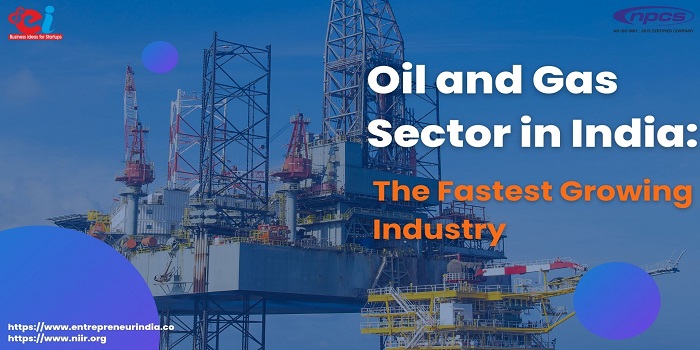
Oil and Gas Sector in India: Oil and Gas Sector in India is one of the Fastest Growing Industry of the economy. Crude oil output totals 267 million tonnes, accounting for 2% of global oil production, while natural gas production totals 636 billion cubic metres, accounting for 5% of global gas production. Since independence, India has discovered significant hydrocarbon resources on land and at sea. Only about 38% (1119 trillion cubic feet) of them have been examined. At present usage rates, these reserves are expected to last more than 100 years. It is an appealing investment destination and a lucrative business prospect because of its enormous potential. Indian energy demand is predicted to expand by 4-5 percent each year over the next 10 years, according to the Petroleum Planning & Analysis Cell (PPAC), a division of the Ministry of Petroleum & Natural Gas. This will need investments in the Oil and Gas Sector in India of $250 billion (Rs 12 lakh crore). Rising incomes, increased urbanisation, industrialisation, population growth, and greater living standards will all contribute to this growth. Visit this Page for More Information: Start a Business in Petroleum Industry Rising Demand of Oil and Gas Sector in India: Total energy demand is expected to rise by more than a third between 2012 and 2035, according to the International Energy Agency, with fossil fuels accounting for the majority of this increase. Oil demand has steadily increased from 1.6 billion tonnes in 2010 to roughly 1.8 billion tonnes (b/d) now, owing to economic expansion and fast modernization. According to the latest IEA report, world oil demand will grow at an average pace of 1.2 million b/d from 2013 to 2030, surpassing 10 million b/d for the first time before 2030. In other words, non-OECD nations, led by China and India, will account for almost two-thirds of new demand over that time span. With a population of over 1.3 billion people, India is expected to overtake the United States and China as the world’s third largest consumer. Although only 2% of its population consumes motor gasoline, compared to 55% in the United States, it will overtake the United States as the third largest consumer in the next five years due to fast GDP growth. Read Similar Articles: Petroleum Based Products Energy Market with the Fastest Growth: After China and the United States, India is the world’s third largest energy and oil consumer. India is the world’s fourth-largest liquefied natural gas importer (LNG). In FY 2019-20, India utilised 213.13 MMT petroleum products and 64.14 BCM natural gas, respectively, up 0.4 percent and 5.5 percent from FY 2018-19 consumption levels. India’s oil demand will climb by about 4 million barrels per day by 2040, the biggest increase of any country. India has 26 sedimentary basins encompassing 3.36 million square kilometres. With a goal of reducing oil and gas import dependency by 10% by 2022. The overall number of petroleum retail outlets increased by 7.7% from 18,848 in 2002 to 77,094 in 2021. As of January 2022, this number had risen to 81,099 people. India is attempting to transition to a gas-based economy by boosting natural gas’s portion of the country’s energy mix from 6.3 percent to 15 percent by 2030. The Pradhan Mantri Ji-VAN Yojana aims to set up 12 commercial scale 2G bio-ethanol projects with viability gap funding of up to INR 150 crore per project. The Sustainable Alternative to Affordable Transportation (SATAT) Scheme aims to install 5000 compressed biogas (CBG) units. By 2025, the goal is to have 20% ethanol blended into gasoline. Natural gas output grew by 19.5% in December 2021 compared to December 2020. Production at petroleum refineries grew by 5.9% in December 2021 compared to December 2020. Petroleum Products exports were valued at $ 3732 million in January 2022, up 74.73 percent from $ 2136 million in January 2021. Total crude oil output from April to December 2021 was 22378.40 TMT, down 4.47 percent and 2.63 percent from the period’s objective and production from the same period previous year, respectively. Natural gas production totaled 25673.90 MMSCM from April to December 2021, up 21.51 percent from the same period previous year. Related Business Plans: Petroleum and Petroleum Products, Refining, Greases, Lube Oil, Brake Fluid, Automotive & Industrial Lubricants, Gear Oils, Wax & Wax Products, Paraffin Wax, Polishes, Bitumen, Base Oil, Crude Oil, Fuel Oils, Lubricating Oils, Gear Oils, Kerosene Situation in Industry: India’s present refining capacity is 249 MMTPA, with 23 refineries (nine in the public sector, three in the private sector, and one in a joint venture). With a capacity of 80.5 MMTPA, Indian Oil Corporation (IOC) is the largest domestic refiner. One Gas Grid, One Nation: Up until September 2021, a total of 21735 kilometres of pipelines have been installed as part of the Gas Grid. By 2024-25, India wants to increase pipeline coverage by 60%, to 34,500 kilometres. By 2027, all states should be connected by a trunk national pipeline network. Over the years, India’s output and consumption of petroleum products have steadily increased. Petroleum product production increased by 5.9% YoY to 250 MMT in 2021, compared to 236 MMT in 2020. Petroleum product consumption increased by 3.6 percent YoY to 201 MMT in 2021 from 194 MMT in 2020. product exports totaled USD 7730.20 million in April 2022, representing a 113.21 percent increase over April 2021. OMCs have adopted a number of efforts to encourage improved LPG consumption and avoid diversion and supply delays. From April to December 2021, PSU OMCs enlisted 141.15 lakh new domestic consumers. On both coastlines, LNG supply is advancing, with three new LNG terminals and one expansion project under construction on the west coast and two on the east coast. The total capacity will be 62.5 MMTPA when all of the projects are completed. Read our Books Here: Petroleum, Greases, Petrochemicals, Lubricants Opportunities for Entrepreneurs: Oil and Gas Sector in India is one of the fastest growing Industry in the world. Huge investment opportunities await business entrepreneurs thanks to
White Oil Manufacturing Industry. Start a White Oil from Kerosene Oil Factory.
White oil, also known as liquid paraffin or mineral oil, is a highly refined petroleum product used in pharmaceuticals, cosmetics, food processing, and industrial applications. With its growing demand across industries, starting a white oil manufacturing unit using kerosene as a base material can be a lucrative business venture. Complete Guide to Launching a White Oil Manufacturing Plant Understanding White Oil Production from Kerosene White oil is produced by refining kerosene, a hydrocarbon-based liquid derived from crude oil. The process involves deep hydrogenation and treatment to remove impurities, color, odor, and toxic compounds, making the oil colorless, odorless, and safe for various applications. The purity and viscosity of white oil depend on its intended use—ranging from light-grade to heavy-grade formulations. Key Benefits of White Oil Production: High Profit Margins: Industrial and pharmaceutical-grade white oil commands premium pricing. Diverse Applications: Used in personal care products, food-grade lubricants, PVC processing, and medical ointments. Export Potential: Significant demand in international markets for high-quality white oil. Step-by-Step Process to Start a White Oil Factory 1. Conduct Market Research and Feasibility Study Before setting up a white oil manufacturing unit, comprehensive market analysis is critical. Assess: Demand across cosmetic, pharma, and food sectors Current competitors and market saturation Raw material sources and cost trends Potential buyers and distribution channels 2. Acquire Required Licenses and Certifications Starting a white oil production unit requires numerous statutory compliances: Factory License from State Industrial Department Pollution Control Board Clearance for emissions and waste management BIS Certification if manufacturing for pharmaceutical or food-grade segments MSME Registration for government benefits and subsidies Import Export Code (IEC) for export opportunities 3. Select Suitable Location and Set Up Infrastructure Your plant location must align with key factors: Proximity to raw material suppliers (kerosene and refining chemicals) Easy access to transport and logistics hubs Availability of skilled manpower The infrastructure should include: Production hall with distillation and filtration units Storage tanks for kerosene and refined white oil Quality control laboratory Packaging and dispatch section 4. Machinery and Equipment Needed Invest in high-grade machinery for a reliable and scalable operation: Distillation Columns – to refine kerosene and separate hydrocarbons Hydrogenation Reactor – for removing impurities and stabilizing oil Vacuum Strippers – to ensure odorless quality Centrifugal Separators and Filters Storage Tanks (MS/SS) Automatic Filling and Sealing Machines Choose equipment with ATEX certification for explosion-proof operations as kerosene is a volatile material. 5. Raw Materials and Chemical Inputs The core raw material is industrial-grade kerosene. Additional chemicals include: Hydrogen gas Activated carbon Silica gel Bleaching earth These are used during the purification and hydrogenation phases of white oil manufacturing. 6. Production Process Overview The manufacturing process consists of: a. Degumming and DehydrationKerosene is pre-treated to remove water and gum content using heat and filtration. b. HydrogenationThis is the critical step where hydrogen gas is passed under pressure with catalysts to stabilize the hydrocarbons and remove aromatics. c. Filtration and DeodorizationActivated carbon and clay filters remove odors, colors, and residual chemicals. d. Final PolishingThe product is passed through fine mesh filters and vacuum-stripped for clarity and safety. e. Quality ControlEach batch is tested for: Viscosity and density Color (Saybolt scale) Odor Sulphur and aromatic content Flashpoint and pour point Only certified white oil is then packed and labeled for sale. 7. Hiring and Workforce Setup Depending on your unit size, hire: Chemical Engineers for process control Lab Technicians for quality testing Machine Operators for equipment handling Logistics and Marketing Staff for distribution Train all workers in safety and handling procedures of flammable materials. 8. Branding, Packaging, and Marketing Use leak-proof, food-safe containers for packaging. Common sizes include 500 ml, 1L, 5L, and 210L barrels. Labeling must follow BIS and GMP norms. Market your product across: Cosmetic brands for lotions and creams Pharmaceutical manufacturers Food processing units Plastic and rubber companies Participate in industrial expos and create a strong digital presence through SEO-optimized websites. Financial Aspects of White Oil Manufacturing A small-to-medium scale white oil factory setup may require an investment between ?30 lakh to ?1.5 crore, depending on plant size and automation level. Here’s a basic cost breakdown: Expense Item Approx. Cost (INR) Land and Building 10 – 40 Lakhs Machinery & Equipment 15 – 60 Lakhs Raw Materials (Kerosene) 2 – 5 Lakhs/month Labor and Salaries 1 – 2 Lakhs/month Licensing and Certification 1 – 3 Lakhs Marketing and Branding 1 – 5 Lakhs Profit Margin Estimate With an efficient supply chain and steady demand, profit margins can range from 20% to 40%, especially for high-purity or export-grade white oil. Safety Measures and Environmental Compliance Working with kerosene and chemicals demands strict adherence to: Fire Safety Protocols Explosive Material Handling Guidelines Waste Disposal Norms Install: Flame-proof electrical fittings Exhaust systems Chemical-resistant flooring Fire extinguishers and training modules for staff Secure periodic inspections by health and safety authorities to ensure compliance. Growth Opportunities and Scalability Once your white oil manufacturing unit stabilizes, explore: Product Diversification into transformer oil, lubricant oils, and specialty mineral oils Private Labeling services for pharma or cosmetic brands Export Market Penetration via trade agreements and global certifications like US FDA, WHO GMP Form alliances with logistics partners for timely delivery and reduced cost. Conclusion Setting up a white oil manufacturing factory using kerosene is a promising industrial opportunity. It combines technical precision with market adaptability and holds great profit potential with expanding applications across sectors. Success depends on high-quality production, regulatory compliance, and effective distribution strategies. Visit the page Select and Choose the Right Business Startup for You for sorting out the questions arising in your mind before starting any business and know which start-up you can plan. We, at NPCS, endeavor to make business selection a simple and convenient step for any entrepreneur/startup. Our expert team, by capitalizing on its dexterity and decade’s long experience in the field, has created a list of profitable ventures for entrepreneurs who wish to diversify or venture. The list so mentioned is updated regularly to give you a regular dose of new emerging opportunities. Contact
Acrylic Acid Production from Propylene
The most widely adopted and commercially viable method for acrylic acid production is the catalytic oxidation of propylene, a sophisticated two-stage process that converts propylene into acrolein, and then into high-purity acrylic acid. This process, while technically complex, offers exceptional yields and profitability when executed with precision, advanced catalyst systems, and robust process control. The global chemical industry is witnessing by rising high demand for high-performance materials in hygiene products, adhesives, coatings, and textiles. At the heart of this industrial evolution acrylic acid plays a versatile and indispensable chemical compound that powers everything. From superabsorbent polymers in baby diapers to advanced industrial coatings. A comprehensive guide to the entire production process of acrylic acid from propylene, focusing on raw materials, production technology, catalysts, reactor configurations, separation techniques, and environmental management. Overview of Acrylic Acid Production Process The process of acrylic acid production from propylene involves complex chemical reactions and multiple processing units. It is typically performed in two sequential oxidation stages. In the first stage, propylene is oxidized to acrolein, and in the second stage, acrolein is further oxidized to acrylic acid. These reactions are exothermic and require precise temperature and pressure control to ensure high yield and selectivity. Raw Materials and Feed Preparation Propylene is the primary raw material for the process. It is a by-product of petroleum refining and is available in large quantities. The feedstock must be of high purity to prevent catalyst poisoning. Air or molecular oxygen is used as the oxidizing agent, and in some cases, steam is introduced to control the reaction temperature and reduce hot spots in the reactor. Feed preparation also includes filtering out impurities and adjusting the molar ratios of the reactants. The proper balance of propylene, oxygen, and steam is crucial to achieving high conversion rates and minimizing the formation of unwanted by-products such as carbon dioxide and acetic acid. First Oxidation Stage – Propylene to Acrolein The first reaction in the production of acrylic acid is the partial oxidation of propylene to acrolein. This is typically carried out in a fixed-bed tubular reactor filled with a catalyst containing bismuth molybdate. The reaction takes place at a temperature of around 300–350°C and a pressure of 1–3 atm. The reaction is as follows: C?H? + O? ? C?H?O (Acrolein) + H?O This step is highly exothermic and requires efficient heat removal systems. The catalyst selection is crucial for maintaining high selectivity toward acrolein while minimizing unwanted side products. Second Oxidation Stage – Acrolein to Acrylic Acid In the second stage, acrolein is oxidized further to form acrylic acid. This step also takes place in a fixed-bed reactor with a catalyst based on vanadium and molybdenum oxides. The operating temperature is slightly lower, around 250–300°C. The reaction proceeds as follows: C?H?O (Acrolein) + ½ O? ? C?H?O? (Acrylic Acid) This stage must also be carefully controlled to maximize yield and avoid over-oxidation to carbon oxides. Reactor cooling and optimal catalyst performance are key to achieving efficient production. Product Separation and Purification After the reaction, the product stream contains acrylic acid, unreacted acrolein, water, carbon oxides, and traces of other organics. The stream is first cooled and condensed to separate the liquid and gas phases. The liquid is then subjected to a series of distillation and extraction steps. Water and low-boiling point components are separated out, and acrylic acid is isolated typically using azeotropic distillation or solvent extraction. High-purity acrylic acid (up to 99.5%) is required for polymer-grade applications. The unreacted acrolein and propylene are often recycled back into the system to improve overall efficiency and reduce raw material consumption. Catalysts Used in Acrylic Acid Production Catalysts are central to the efficiency of acrylic acid production. In the first stage, bismuth molybdate catalysts are widely used due to their high selectivity toward acrolein. In the second stage, mixed metal oxide catalysts containing vanadium and molybdenum are employed to promote the conversion of acrolein to acrylic acid. These catalysts must be regenerated periodically to maintain activity. Poisoning by impurities in the feed or side reactions can lead to catalyst deactivation. The catalyst’s physical structure and surface area also influence the reaction performance. Process Equipment and Reactor Design Acrylic acid plants typically use multitubular fixed-bed reactors because they offer efficient heat transfer and temperature control, which are critical in exothermic reactions. The reactors are made of high-alloy materials resistant to corrosion by acidic compounds. Heat generated from the reaction is often recovered in waste heat boilers and used to produce steam, improving the plant’s energy efficiency. Downstream, the plant includes absorbers, separators, distillation columns, and purification units. Process automation and real-time monitoring systems are employed to ensure the entire production line operates within optimal parameters, thus maximizing safety, yield, and product quality. Environmental Considerations Producing acrylic acid involves handling volatile organic compounds and acidic by-products, which pose environmental challenges. Emission control systems such as scrubbers, catalytic oxidizers, and activated carbon beds are used to treat gaseous emissions before discharge. Wastewater treatment is another critical component. Water used in the process may contain dissolved organics and must be treated through biological or chemical means before release or reuse. Spent catalysts and process residues must be disposed of or recycled according to environmental regulations. Economic Aspects and Market Trends The global market for acrylic acid continues to grow, driven by demand from the hygiene products industry (superabsorbent polymers), adhesives, textiles, and paints. Setting up a production facility involves significant capital investment in equipment, infrastructure, and technology. Operational costs depend on feedstock prices (primarily propylene), energy consumption, catalyst life, and maintenance. Innovations such as integrating renewable propylene sources and improving catalyst life cycles are actively being researched to reduce environmental impact and improve profitability. Countries like China, the USA, Germany, and South Korea dominate the acrylic acid manufacturing landscape. However, emerging markets in India and Southeast Asia offer promising opportunities for capacity expansion, driven by the growing domestic demand for end-use products. Safety and Risk Management Handling flammable gases like propylene and oxygen, along with high-temperature exothermic
Book on Petroleum & Petroleum Products Technology
In the modern world, energy is the driving force behind progress and industrialization. Among all the sources of energy, petroleum holds a special place due to its widespread usage, economic value, and contribution to national development. If you are looking to gain in-depth knowledge about the petroleum industry, a comprehensive book on Petroleum & Product Technology is an invaluable resource. This field blends principles of geology, chemical engineering, refinery operations, and product applications, forming the backbone of numerous industries. From the extraction of crude oil to the final delivery of refined products like gasoline, diesel, and petrochemicals, the domain is vast and multifaceted. Understanding Petroleum & Product Technology A well-structured book on Petroleum & Product Technology typically covers the entire lifecycle of petroleum, from exploration and drilling to refining and marketing. Readers are introduced to the origin and composition of crude oil, followed by extraction techniques, transportation logistics, and downstream processes that convert raw crude into useful products. Origin and Classification of Crude Oil Crude oil is formed over millions of years through the decomposition of organic materials under high pressure and temperature. It is classified based on its geographic origin, sulfur content, and API gravity. These factors influence how crude oil is processed and what products can be derived from it. Light, sweet crude oils are generally more desirable because they yield more high-value products and are easier to refine. Petroleum Exploration and Drilling Techniques Exploration is the first step in the petroleum value chain. It involves geological surveys, seismic testing, and exploratory drilling to locate hydrocarbon reserves. Once a reservoir is confirmed, drilling operations commence using advanced technologies such as directional drilling, offshore rigs, and hydraulic fracturing. These operations require high investment and pose various environmental and technical challenges. Refining Processes and Technology Refining is the process of converting crude oil into valuable products. A book on Petroleum & Product Technology explains several key refining processes: Distillation: The first step in refining, separating components based on boiling points. Cracking: Breaking larger molecules into smaller ones to produce gasoline and diesel. Reforming: Enhancing octane levels in fuels. Hydrotreating: Removing sulfur and other impurities to meet environmental standards. Blending: Mixing various components to produce commercial-grade fuels. Modern refineries are complex units designed to optimize product yield while adhering to stringent environmental norms. Petroleum Products and Their Applications One of the essential topics in any book on Petroleum & Product Technology is the wide range of petroleum-derived products: Fuels: Gasoline, diesel, jet fuel, LPG. Lubricants: Engine oils, greases, transmission fluids. Petrochemicals: Ethylene, propylene, used in plastics and synthetic materials. Asphalt and Tar: For road construction and roofing. Waxes and Solvents: Used in candles, polishes, and paints. Each of these products has specific quality specifications and undergoes rigorous testing before entering the market. Environmental Impact and Safety Measures The petroleum industry faces significant scrutiny regarding its environmental footprint. Oil spills, air emissions, and waste disposal are major concerns. Regulatory bodies like the Environmental Protection Agency (EPA) and Oil Industry Safety Directorate (OISD) have established strict guidelines to minimize environmental damage. Safety protocols during drilling, transportation, and refining are emphasized in any credible book on Petroleum & Product Technology, highlighting the importance of risk management, emergency response, and sustainable practices. Advancements in Petroleum Technology With evolving global energy demands and environmental concerns, innovation plays a key role in petroleum technology. The latest book on Petroleum & Product Technology often includes chapters on: Enhanced Oil Recovery (EOR) techniques using CO? injection and chemical flooding. Digital oil fields utilizing IoT and real-time data analytics. Green refining methods aimed at reducing emissions and improving energy efficiency. Alternative fuels like biofuels, synthetic fuels, and hydrogen integration with fossil fuel systems. These advancements reflect the industry’s shift towards sustainability while ensuring profitability and performance. Economic Aspects and Global Market Dynamics Understanding the economic impact of petroleum is crucial. Crude oil is traded globally, and its pricing is influenced by geopolitical factors, OPEC decisions, demand-supply balance, and technological changes. A book on Petroleum & Product Technology also explores the strategic role of petroleum in shaping national energy policies and international relations. Topics like subsidies, taxation, import-export regulations, and energy security are crucial for industry stakeholders. Career Opportunities in Petroleum Industry With its expansive scope, the petroleum sector offers a variety of career paths for engineers, geologists, chemists, environmental scientists, and business professionals. A book on Petroleum & Product Technology often includes information about the qualifications, skill sets, and certifications required for roles in upstream (exploration and production), midstream (transportation and storage), and downstream (refining and marketing) segments. Importance of Laboratory and Analytical Techniques Testing and quality control are critical in petroleum technology. Lab procedures such as gas chromatography, spectrometry, and viscosity measurement ensure that the end products meet regulatory and customer standards. A detailed book on Petroleum & Product Technology covers these analytical techniques along with ISO and ASTM standards applicable to various petroleum products. Future of Petroleum in a Carbon-Conscious World While renewable energy is gaining momentum, petroleum is expected to remain a dominant energy source in the foreseeable future. The transition involves integrating cleaner fuels and reducing the carbon footprint of traditional processes. Recent editions of books on Petroleum & Product Technology extensively cover topics like carbon capture and storage (CCS), lifecycle analysis (LCA), and the role of AI in process optimization. Recommended Books on Petroleum & Product Technology For students, professionals, and industry researchers, several well-regarded titles offer comprehensive insights: “Petroleum Refining: Technology and Economics” by James G. Speight – An excellent reference on refining technologies. “Fundamentals of Petroleum and Petrochemical Engineering” by Uttam Ray Chaudhuri – Focuses on the chemical and process engineering aspects. “Elements of Petroleum Refinery Engineering” by O.P. Gupta – Ideal for Indian curriculum and competitive exams. “Introduction to Petroleum Engineering” by John R. Fanchi and Richard L. Christiansen – A holistic introduction to exploration, drilling, and production. Each of these books on Petroleum & Product Technology includes theoretical concepts, industrial case studies, and practical applications to bridge academic knowledge with
Book on Manufacturing of Petroleum Products
Petroleum product manufacturing plays a vital role in the global economy, powering vehicles, heating homes, and serving as the foundation for countless chemical products. This industry transforms crude oil into usable forms such as gasoline, diesel, kerosene, jet fuel, lubricants, and petrochemicals. With increasing demand for energy and materials, understanding the intricacies of petroleum product manufacturing is critical for entrepreneurs, engineers, and investors alike. A comprehensive petroleum product manufacturing book can serve as a crucial guide to mastering this complex domain. The Importance of Petroleum Product Manufacturing The petroleum industry is divided into three major sectors: upstream (exploration and production), midstream (transportation), and downstream (refining and distribution). Petroleum product manufacturing falls under the downstream sector, where crude oil is refined and converted into finished products ready for market use. This sector is crucial as it ensures the availability of everyday energy and materials that support industrial and domestic needs. Key Processes in Petroleum Product Manufacturing Petroleum product manufacturing is a highly sophisticated process involving several complex stages. The key processes include: 1. Fractional Distillation:The first and most essential step in refining crude oil. In this process, crude oil is heated and separated into different components based on boiling points. The major products derived from this process include naphtha, gasoline, diesel, kerosene, and heavy fuel oils. 2. Cracking:Since crude oil does not contain sufficient quantities of light fractions like gasoline, cracking is employed to break down heavier hydrocarbons into lighter ones. This is done using thermal or catalytic methods. 3. Reforming and Alkylation:Reforming improves the quality of gasoline by rearranging hydrocarbon molecules, while alkylation combines smaller molecules to form high-octane components. Both are vital for producing efficient fuels. 4. Treating and Blending:This step removes impurities like sulfur and nitrogen from refined products. Blending then combines different streams to produce fuels that meet market and environmental standards. 5. Production of Petrochemicals:Petrochemical manufacturing utilizes by-products like ethylene, propylene, and benzene to produce plastics, synthetic rubber, fertilizers, and detergents. Each of these steps in the petroleum product manufacturing process is explained in great depth in a good petroleum product manufacturing book, making it an indispensable resource. Raw Materials and Feedstock The core raw material in petroleum product manufacturing is crude oil, sourced from both offshore and onshore oil fields. The quality and type of crude oil — light, heavy, sweet, or sour — determine the complexity of the refining process. A petroleum product manufacturing book typically includes detailed specifications and sourcing strategies for crude oil and auxiliary inputs like hydrogen, catalysts, and chemicals used in refining operations. Equipment Used in Petroleum Refineries Petroleum product manufacturing plants are equipped with heavy-duty machinery designed for high temperatures and pressures. Essential equipment includes: Distillation columns Heat exchangers Reactors Pumps and compressors Storage tanks Cooling towers Flares and emission control systems Understanding the function and maintenance of these machines is key to efficient production. Manuals and technical references in a petroleum product manufacturing book often detail these components, making it easier for technicians and engineers to manage operations. Environmental Considerations One of the major challenges in petroleum product manufacturing is environmental impact. Refineries release pollutants like sulfur dioxide (SO?), nitrogen oxides (NOx), carbon monoxide (CO), and volatile organic compounds (VOCs). Regulatory compliance with environmental standards like those from the Environmental Protection Agency (EPA) or the Central Pollution Control Board (CPCB) in India is essential. Modern petroleum product manufacturing books offer detailed insights on environmental management systems, waste treatment, emission control, and clean technologies that can minimize the ecological footprint of refining operations. Safety in Petroleum Product Manufacturing Safety is paramount in petroleum product manufacturing due to the risk of fire, explosions, and toxic exposure. A comprehensive safety strategy includes: Proper handling of flammable materials Maintenance of pressure relief systems Training personnel in hazard response Emergency evacuation protocols A petroleum product book often features chapters dedicated to hazard identification, risk assessment, and case studies of past industrial accidents to educate readers on best safety practices. Market Scope and Industrial Applications Petroleum products are the backbone of multiple industries, from transportation and energy to plastics and pharmaceuticals. Here’s a snapshot of major applications: Gasoline and Diesel: Used as fuels in vehicles and generators Jet Fuel: Essential for aviation Lubricants: For machinery and automotive applications Bitumen: For road construction Petrochemicals: The base for plastics, resins, adhesives, and synthetic fibers A petroleum product manufacturing book typically includes market data, pricing trends, and global demand forecasts, making it an excellent tool for business strategists. Investment and Profitability Setting up a petroleum product facility is capital intensive, but the returns can be substantial. Key considerations include: Initial Investment: Land, equipment, licenses, and staff Operating Costs: Raw materials, energy, labor, and maintenance Profit Margins: Vary depending on scale, efficiency, and product mix A good petroleum product book will provide feasibility studies, ROI calculators, and business models to help entrepreneurs make informed decisions. Government Policies and Regulations Refinery operations are tightly regulated due to their environmental and economic impact. Some key regulatory requirements include: Licenses and environmental clearances Fuel quality standards (Bharat Stage norms in India) Import-export policies Taxation and subsidies Any petroleum produc book worth its salt will have up-to-date references to these laws, making it an essential guide for compliance. Future Trends in Petroleum Product Manufacturing As the world shifts toward greener energy, petroleum refineries are evolving to adapt to sustainable practices. Major trends include: Bio-refining: Integrating biomass feedstocks Carbon capture and storage (CCS): Reducing carbon emissions Digitalization: Using AI and IoT for process automation Green hydrogen: Replacing fossil-based hydrogen in refining Petroleum product books are increasingly incorporating these advancements, ensuring readers are well-equipped to face future challenges. Choosing the Right Petroleum Product Manufacturing Book When selecting a book for learning or reference, consider the following: Comprehensiveness: Should cover processes, safety, equipment, and regulations Up-to-date information: Must reflect the latest technologies and laws Illustrations and charts: Help in understanding complex processes Authorship: Written by industry experts or certified engineers Case studies: Real-world examples enhance practical knowledge Whether you’re a student, professional, or business
Production and Processing of Turpentine Oil
Turpentine oil is a vital essential oil derived primarily from the resin of pine trees. In addition, its distinct aroma and versatile uses in industrial, pharmaceutical, and household sectors underscore its significance in the chemical and natural product industries. In fact, it is used as a solvent, medicinal ingredient, and even in paint products, highlighting its wide-ranging utility. But what goes into making this versatile oil? In this detailed guide, we’ll explore the step-by-step process of turpentine oil production — from the initial tapping of the pine tree, through intermediate processing steps, to the final stage of commercial refinement. Step-by-Step Process of Turpentine Oil Production 1. Selection of Pine Trees The first and foremost step in turpentine oil production is selecting the right species of pine trees. Trees from the Pinus genus, such as Pinus elliottii (slash pine), Pinus palustris (longleaf pine), and Pinus roxburghii (chir pine), are commonly used. These trees are known for their high resin content, making them ideal candidates for turpentine oil extraction. Generally, trees that are 10 years or older are tapped for resin. Forests with dense pine populations are cultivated and managed for sustained turpentine oil harvesting over the years. 2. Tapping the Trees for Resin The production of turpentine oil begins with the tapping of pine trees. First, a V-shaped incision or groove is made into the bark to wound the tree and stimulate the exudation of oleoresin. Then, the cut is angled to allow the resin to flow downward and collect in a container fixed at the base of the tree. The process is usually done during warmer months, as resin flows more freely in heat. Trees are tapped multiple times throughout the season, and the incisions may be deepened or expanded to maintain resin flow. 3. Collection of Crude Resin The oleoresin collected from the tree bark is a thick, sticky substance that contains both oil and solid gum. Initially, it’s collected in small containers or cans and then transferred to storage drums. Subsequently, this crude resin serves as the raw material for turpentine oil production. The quality of the collected resin plays a vital role in determining the yield and purity of the final product. It is, therefore, stored carefully and processed without delay to avoid degradation. 4. Distillation of Oleoresin Distillation is the core step in the turpentine oil production process. The crude resin undergoes steam distillation or water distillation. Here’s how the process unfolds: Steam Distillation: Steam is passed through the crude resin, causing the volatile turpentine oil to vaporize. The vapor mixture of oil and steam is then condensed using a cooling system. The condensed liquid is collected in a separator where turpentine oil floats on top and water settles at the bottom. The separated oil is then drawn off and sent for further purification if necessary. This step yields two main products: turpentine oil and rosin (solid gum left after distillation). Both have commercial value. 5. Purification and Filtration Though the distillation process yields turpentine oil, it may still contain some impurities or water content. To achieve higher purity and quality, the oil is passed through purification and filtration stages: Decantation: The oil is allowed to sit in a tank to separate residual water or sediments. Filtration: Fine filters are used to remove dust, residues, or other particulate matter. Chemical Treatment (optional): In some cases, mild chemicals may be used to neutralize acids or improve the stability of the oil. Once purified, the turpentine oil is clear to slightly yellow and has a strong characteristic smell. 6. Packaging and Storage Packaging plays a crucial role in maintaining the quality of turpentine oil during transportation and storage. It is usually packed in air-tight metal drums or glass containers. Turpentine oil evaporates quickly and catches fire easily, so store it in leak-proof containers in cool, ventilated areas away from ignition sources. Proper labeling ensures safe handling, especially when the oil is intended for pharmaceutical or industrial use. 7. Quality Control and Testing Before being released into the market, turpentine oil undergoes several quality checks. These include: Purity Test: Ensuring no contaminants are present. Specific Gravity Measurement: Indicates the density and quality of the oil. Refractive Index Test: Ensures optical properties are within standard range. Chemical Analysis: Measures content of alpha-pinene, beta-pinene, and other terpenes. These tests confirm whether the turpentine oil meets national or international standards, such as ISI (India), ASTM (USA), or ISO norms. 8. Applications of Turpentine Oil Once manufactured, turpentine oil finds its way into various industries: Paint and Varnish Industry: Used as a solvent and thinner. Pharmaceuticals: Employed in topical liniments, cough syrups, and rubs for its anti-inflammatory and aromatic properties. Cosmetics: Occasionally used in perfumes and balms. Cleaning Products: Due to its solvent properties, it’s effective in removing paints, adhesives, and grease. Industrial Uses: In the synthesis of synthetic pine oil, camphor, and resins. Its versatility makes turpentine oil a sought-after natural product in both domestic and global markets. 9. Environmental and Sustainability Aspects Modern turpentine oil production emphasizes sustainable harvesting techniques to protect the environment. Practices such as: Rotating tapping cycles, Minimal invasive incisions, Cultivation of pine plantations, Avoiding over-tapping or damaging the tree trunk help in ensuring that resin production can continue for years without harming the trees. Additionally, since the process uses natural materials and steam-based extraction, it remains relatively eco-friendly compared to synthetic chemical solvents. 10. Business Opportunities in Turpentine Oil Manufacturing With the rising demand for eco-friendly and organic products, entering the turpentine oil manufacturing business can be a lucrative opportunity. Initially, entrepreneurs can start small-scale units in forest-rich areas. Furthermore, they can scale up operations by investing in proper machinery, securing resin supply contracts, and ensuring reliable market access. As a result, this venture holds strong potential for long-term growth and profitability. Essential equipment includes: Resin storage tanks Steam distillation units Oil separators Filtration setups Filling and packaging lines A properly set up production unit can cater to sectors like pharmaceuticals, cosmetics, agrochemicals, and paints. Conclusion
LPG Cylinder Refilling Plant
The LPG Cylinder Refilling Plant business plays a vital role in the distribution and delivery of liquefied petroleum gas, an essential fuel for cooking, heating, and small-scale industrial use. As demand for clean energy rises across urban and rural areas, the LPG refilling industry offers substantial opportunities for safe, regulated, and profitable operations. A strategically located plant can serve both domestic and commercial sectors, ensuring consistent revenue and long-term sustainability. Rising Demand for LPG in Urban and Rural Markets LPG is a clean-burning, efficient, and versatile fuel widely used in households, hotels, restaurants, food processing units, and small manufacturing facilities. With increasing awareness about air pollution and government efforts to promote clean fuels, the demand for LPG is growing rapidly. Setting up a LPG Cylinder Refilling Plant addresses both economic and energy needs while contributing to national goals of clean energy accessibility. Core Services Offered by an LPG Refilling Plant A refilling plant can cater to various services: Filling domestic LPG cylinders (14.2 kg) for household use Refilling commercial cylinders (19 kg, 33 kg, 47.5 kg) for restaurants, hotels, and catering units Bulk LPG supply to industrial users in trolleys or tankers Mobile refilling services (subject to local regulations) Storage and distribution of filled cylinders to dealers and retailers Each service segment allows the plant to diversify income streams while meeting varied customer needs. Plant Setup and Infrastructure Requirements Setting up a compliant and efficient LPG Cylinder Refilling Plant involves careful planning and regulatory approvals. The infrastructure typically includes: Storage Bullets or Horizontal Cylindrical Tanks (capacity ranges from 9 to 100 metric tonnes) LPG Compressor and Pumping Systems Filling Carousel or Manual Filling Machines Degassing Station and Purging Units Leak Testing and Weighing Machines Fire Safety Equipment (hydrants, sprinklers, extinguishers) Control Room and SCADA Monitoring System Security fencing, CCTV, and surveillance systems The plant layout must follow PESO (Petroleum and Explosives Safety Organisation) guidelines, including adequate buffer zones, emergency exits, and storage standards. Investment and Cost Breakdown The investment required to establish a small to medium LPG Cylinder Refilling Plant varies based on capacity, automation level, and location. Key cost components include: Land Acquisition or Lease: Minimum 1–2 acres (?30–?70 lakhs depending on location) PESO-Approved LPG Storage Tanks: ?20–?50 lakhs Filling Equipment and Weighing Machines: ?15–?40 lakhs Safety Equipment and Fire Systems: ?10–?25 lakhs Building Construction (office, pump house, platform): ?15–?30 lakhs Licensing, PESO Approval, and Consultant Fees: ?5–?10 lakhs Initial Cylinder Stock and Transportation Vehicles: ?20–?50 lakhs Overall, a plant with a daily capacity of 2,000 cylinders may need an investment of ?1.5–?3 crore. Raw Material and Supply Chain The primary raw material is bulk LPG, procured through authorized oil marketing companies (OMCs) or bulk suppliers. The supply chain includes: Bulk LPG receipt in tankers from depots or OMCs Unloading into storage bullets using compressors Refilling into empty cylinders through filling systems Leak and weight testing before dispatch Cylinder stacking and distribution to dealers Maintaining a reliable supply chain with efficient turnaround times is essential to avoid stockouts or overstocking. Licensing and Regulatory Approvals Operating a LPG Cylinder Refilling Plant requires multiple clearances from central and state authorities. These include: PESO Approval (Chief Controller of Explosives, Nagpur) No Objection Certificate (NOC) from Fire Department Environment Clearance from State Pollution Control Board Factory License and Labour Registration Legal Metrology Approval for weighing equipment GST Registration and Trade License Tie-up with OMCs (Optional) for LPG supply and branding Strict adherence to safety standards is mandatory for compliance and insurance eligibility. Safety and Environmental Considerations Due to the hazardous nature of LPG, safety remains a top priority: Install automatic shut-off valves, flame arresters, gas detectors, and pressure relief systems Train staff on emergency protocols and fire drills Create blast-proof walls, wind barriers, and fire water tanks Follow proper cylinder stacking procedures to avoid leaks and fires Dispose of rejected or damaged cylinders through certified scrap vendors Eco-compliance includes vapor recovery systems, zero-discharge effluent systems, and use of energy-efficient pumps and compressors. Revenue Model and Profitability A well-managed LPG refilling plant can generate stable profits by focusing on: Volume-based earnings from refilling operations Cylinder rental charges and delivery fees Bulk supply contracts with commercial and industrial clients Add-on services like used cylinder buyback or mobile refilling (if legal) With margins of ?20–?40 per cylinder and daily dispatches of 1,000+ units, the plant can break even within 2–3 years. Marketing and Distribution Strategy To build a customer base and ensure maximum utilization: Partner with dealers, retailers, and distributors in surrounding areas Offer monthly refill plans to restaurants, canteens, and hotels Build a fleet of delivery vehicles for prompt doorstep service Promote safety and quality assurance through branding Create an online portal or app for refill booking and scheduling Participation in government subsidy schemes and PMUY (Ujjwala Yojana) can also increase reach in rural markets. Challenges and Mitigation Common challenges in this industry include: High compliance requirements and licensing timelines Price fluctuations in bulk LPG supply Transport bottlenecks and safety risks Competition from public sector distributors To overcome these, maintain excellent regulatory relations, build long-term bulk contracts, invest in digital automation, and ensure regular safety audits. Conclusion The LPG Cylinder Refilling Plant is a capital-intensive but high-potential business that addresses essential energy needs across sectors. With a well-planned infrastructure, safety-first approach, and efficient distribution model, entrepreneurs can establish a scalable and sustainable venture. As India continues to expand clean energy access, LPG remains a cornerstone of its energy strategy—offering significant opportunity for local businesses to thrive. Niir Project Consultancy Services An ISO 9001:2015 Company 106-E, Kamla Nagar, Opp. Spark Mall, New Delhi-110007, India. Email: npcs.ei@gmail.com , info@entrepreneurindia.co Tel: +91-11-23843955, 23845654, 23845886, 8800733955 Mobile: +91-9811043595 Website: www.entrepreneurindia.co , www.niir.org Contact Us