Contents
- 1 Introduction
- 2 Why Start a Business with Industrial & Agricultural Waste?
- 3 Types of Industrial & Agricultural Waste
- 4 Profitable Products from Agricultural Waste
- 5 Profitable Products from Industrial Waste
- 6 How to Start a Waste-Based Business (Step-by-Step)
- 7 Selling and Marketing Your Eco-Products
- 8 Investment and Profitability
- 9 Government Support & Schemes
- 10 Challenges to Consider
- 11 Conclusion
Introduction
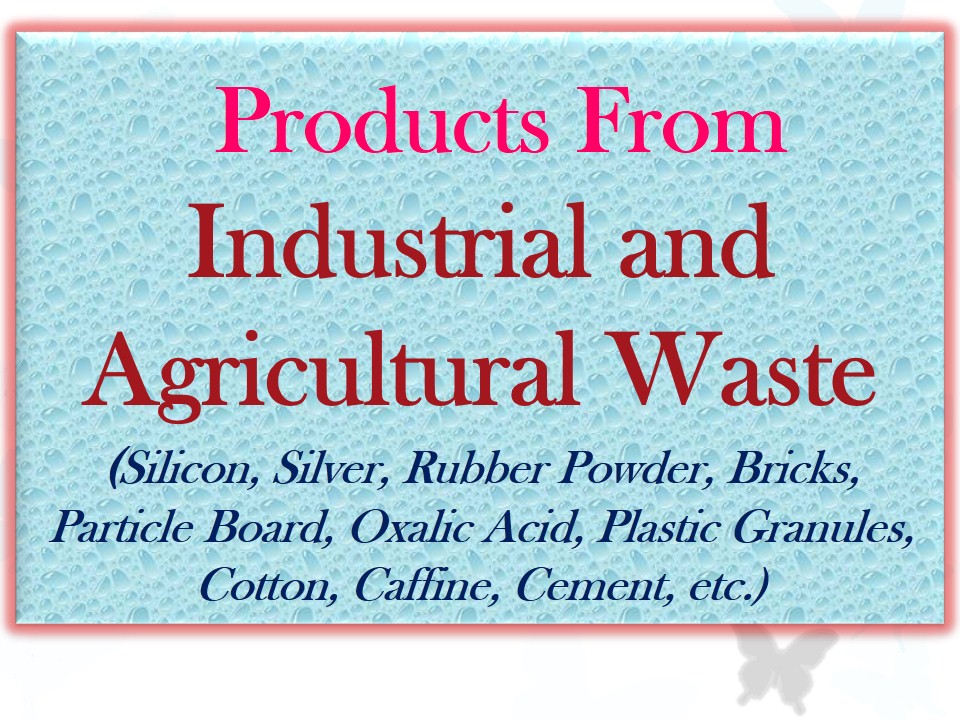
Waste is not just trash—it’s a business opportunity. With growing environmental concerns and the global push for sustainability, turning industrial and agricultural waste into useful products is a smart way to generate income while protecting the environment.
If you’re looking for eco-friendly business ideas with real potential, this guide will introduce profitable ways to use industrial and agricultural waste. These waste-to-wealth businesses are perfect for entrepreneurs, farmers, startups, and environmental enthusiasts.
Why Start a Business with Industrial & Agricultural Waste?
Recycling or reusing waste materials offers multiple benefits:
-
Reduces pollution and landfill pressure
-
Low startup costs for many ideas
-
Earns carbon credits and government support
-
Meets the demand for sustainable products
-
Adds value to otherwise discarded materials
See Also – Food & RTE Retort Packing
With the right process and planning, waste management can become a powerful and profitable business.
Types of Industrial & Agricultural Waste
Before choosing a product or business, it’s important to understand the types of waste available.
Agricultural Waste:
-
Crop residues (straw, husk, stalks, etc.)
-
Fruit and vegetable peels
-
Sugarcane bagasse
-
Coconut shells and husks
-
Groundnut shells
-
Animal waste (manure)
Industrial Waste:
-
Fly ash (from thermal power plants)
-
Metal scraps and shavings
-
Textile waste (fabric cuttings)
-
Paper and pulp sludge
-
Food processing waste
-
Plastic and packaging waste
These waste materials can be converted into high-value products using simple or advanced techniques.
Profitable Products from Agricultural Waste
1. Biodegradable Plates & Bowls
Agricultural wastes like wheat husk, sugarcane bagasse, or areca leaves are molded into eco-friendly plates and cups.
-
Low-cost, high-demand
-
Used in events, food stalls, and eco-restaurants
-
Replaces plastic and styrofoam
-
Investment: $2,000 – $5,000 for machinery
-
Profit: High margin due to demand for green products
2. Organic Compost or Vermicompost
Turn crop residue, food waste, and cow dung into rich natural fertilizer.
-
Used in organic farming and home gardensRequires minimal machinery
-
Government training and subsidies available
-
Space Needed: Backyard or small land plot
-
Returns: Quick turnaround in 40–60 days
3. Briquettes from Agricultural Waste
You can compress sawdust, rice husk, or groundnut shells into solid fuel blocks.
-
Used in boilers, factories, and even households
-
Alternative to coal or wood
-
Eco-friendly and renewable
-
Machines Needed: Briquette press
-
Market: Hotels, industries, small manufacturing units
4. Cattle Feed from Agro-Waste
Wheat bran, rice polish, and maize husk can be used to make high-protein cattle feed.
-
Constant demand in dairy and poultry farms
-
Easy to process and package
-
Option to add vitamins or minerals for value-added feed
-
Scale: Can start small and grow
5. Handicrafts and Furniture from Coconut Shells
Coconut shells and bamboo waste are turned into bowls, showpieces, or small furniture items.
-
Perfect for rural or coastal areas
-
Ideal for tourism markets and export
-
Handmade items get premium pricing
-
Training Required: Minimal artisan skill
Profitable Products from Industrial Waste
6. Fly Ash Bricks
Fly ash from coal plants can be used to manufacture bricks for construction.
-
Stronger and lighter than red clay bricks
-
Environmentally friendly
-
Approved for government projects
-
Machines Needed: Brick molding press
-
Market: Real estate, public works, and road construction
7. Textile Waste to Rugs & Mats
Waste fabric from garment industries can be woven into floor mats or decorative rugs.
-
Highly popular in rural and export markets
-
Low raw material cost
-
Women-friendly business idea
-
Tools: Hand looms or small power looms
-
Branding: Eco-fashion and handmade appeal
8. Recycled Paper Products
Convert paper waste into items like paper bags, envelopes, greeting cards, and notebooks.
-
Perfect replacement for plastic products
-
High demand from schools, offices, and eco-brands
-
Supports handmade and customized products
-
Machines: Pulping machine, pressing machine, drying racks
-
Raw Material: Office paper, newspaper, printing waste
9. Industrial Sludge to Construction Boards
Pulp and paper mill waste can be mixed with binding agents to make wall panels or construction boards.
-
Strong, lightweight, and recyclable
-
Can replace plywood or gypsum boards
-
Green building material trend
-
Market: Real estate, prefab structures, and green homes
10. Plastic Waste to Outdoor Furniture
Plastic scraps, packaging, and bottles are melted and molded into benches, chairs, or garden items.
-
Weather-proof and long-lasting
-
Used in parks, schools, and public areas
-
Reduces landfill waste
-
Machines Needed: Shredders and plastic extruders
-
Support: Urban municipalities may partner or buy products
How to Start a Waste-Based Business (Step-by-Step)
Step 1: Choose Your Product Idea
Select a waste product based on local availability and demand. For example, if you live near farms, choose agro-waste. If you’re near an industrial zone, pick industrial by-products.
Step 2: Study the Process
Learn how to turn the waste into a sellable product. Attend workshops, take online training, or visit running plants.
Step 3: Prepare a Business Plan
Include the following:
-
Type of waste and end product
-
Investment and machinery needed
-
Target market
-
Profit margin and break-even time
Step 4: Get Licenses & Registration
-
Business registration (proprietorship, partnership, etc.)
-
GST and local business license
-
Pollution control clearance (for some waste processes)
-
Factory license (if using heavy machinery)
Step 5: Setup and Production
-
Arrange a space (rented or owned)
-
Install machinery and hire staff
-
Collect and store raw waste safely
-
Start small and improve quality over time
Selling and Marketing Your Eco-Products
Offline Marketing:
-
Sell to local retailers or wholesalers
-
Tie up with NGOs, eco-stores, or farmer co-ops
-
Display products at trade shows and green expos
Online Marketing:
-
Create an Instagram or Facebook page
-
Sell on Amazon, Flipkart, or your own website
-
Target eco-conscious buyers and green living groups
-
Highlight your impact: “Made from recycled waste,” “Saves trees,” “Zero plastic”
Investment and Profitability
| Business Idea | Estimated Setup Cost (USD) | Profit Margin |
|---|---|---|
| Biodegradable Plates | $4,000 – $8,000 | 25% – 40% |
| Fly Ash Bricks | $10,000 – $15,000 | 20% – 30% |
| Compost Making | $500 – $2,000 | 30% – 50% |
| Recycled Paper Bags | $2,000 – $5,000 | 20% – 35% |
| Coconut Shell Handicrafts | $1,000 – $3,000 | 40% – 60% |
Government Support & Schemes
Many governments and development organizations offer support:
-
MSME loans and subsidies
-
Skill development programs for rural industries
-
Startup India & Standup India schemes
-
Waste-to-energy and circular economy initiatives
-
Carbon credit markets for certified green businesses
Contact your local MSME office, rural development center, or pollution control board for help.
Challenges to Consider
-
Waste collection logistics and safety
-
Quality consistency in raw waste materials
-
Awareness and market education
-
Competition from low-cost, unsustainable alternatives
-
Need for product certification and eco-labels
With planning and innovation, these challenges can be turned into business strengths.
See Also – NPCS March 2016
Conclusion
Turning industrial and agricultural waste into useful products isn’t just good for the planet—it’s also a smart and profitable business move. Whether you want to start small or scale big, there’s a sustainable business idea out there for you.
From organic compost to recycled furniture, the possibilities are endless. With a low starting cost, growing eco-awareness, and government support, now is the best time to start a waste-to-wealth business that makes money and a positive impact.