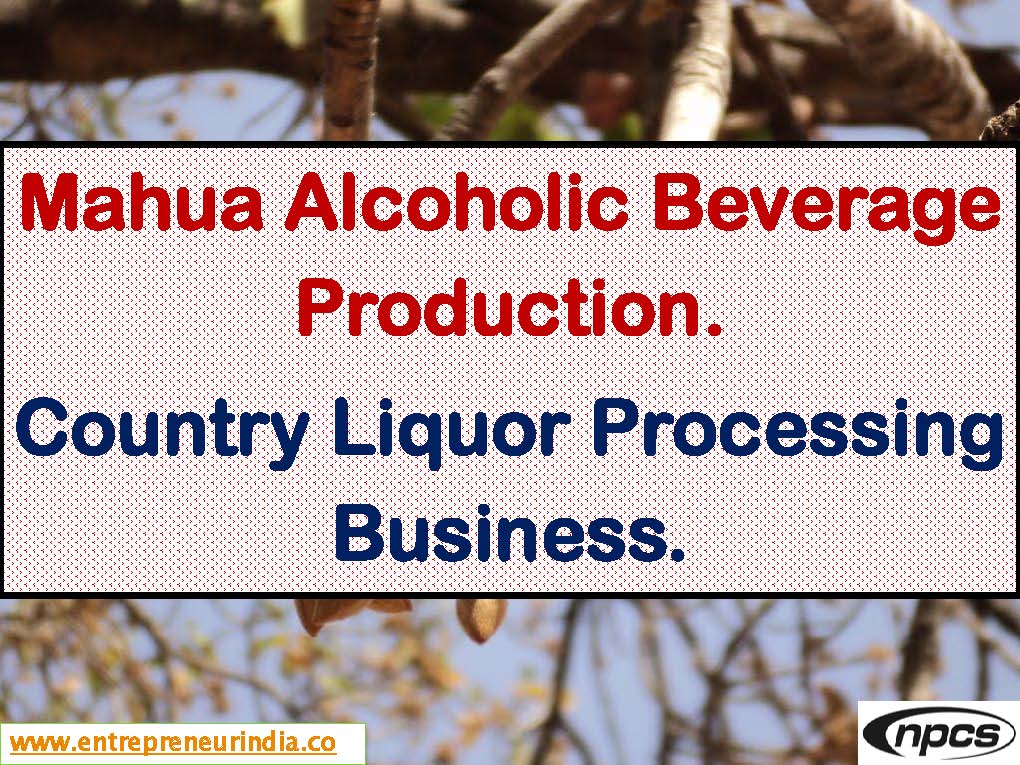
Mahua, a traditional Indian flower with cultural and economic significance, is now emerging as a source of high-value alcoholic beverages. Known for its sweet fragrance and natural sugar content, mahua flowers are fermented and distilled to produce a unique country liquor with a distinct aroma and flavor. With evolving consumer tastes, changing legal frameworks, and rising interest in indigenous products, Mahua alcoholic beverage production has transformed from a tribal tradition into a commercially viable country liquor processing business. This article will guide you through the production process, regulations, market opportunities, and profitability of starting a mahua-based distillery.
Mahua Alcoholic Beverage Production. Country Liquor Processing Business.
This guide explores the business potential of mahua liquor, how to set up a processing unit, and what’s needed to comply with regulations and reach your target market.
1. Why Mahua? The Untapped Potential
Mahua (Madhuca longifolia) trees are native to central and eastern India, especially in tribal belts of Jharkhand, Chhattisgarh, Odisha, and Madhya Pradesh. The flowers bloom seasonally and are rich in fermentable sugars, making them ideal for alcohol production.
Advantages of Using Mahua:
Abundantly available in forest areas
High sugar content (~30%)
Naturally aromatic and flavorful
Low-cost raw material
Traditional familiarity among rural and tribal populations
Until recently, mahua-based liquor was produced informally or illegally. However, several states are now legalizing and promoting it under the category of heritage liquor or country spirit, opening doors for organized businesses.
See More – Profitable Manufacturing & Processing Business Ideas in Haryana
2. Business Scope and Market Trends
With the Indian government pushing for promotion of tribal products and the craft liquor movement gaining momentum, the timing is ideal for venturing into mahua alcoholic beverage production.
Growing Market Demand:
Rising interest in artisanal and ethnic liquors
Urban consumers willing to pay for indigenous beverages
Mahua liquor has medicinal and functional properties
New branding opportunities as a heritage product
States like Chhattisgarh, Jharkhand, and Madhya Pradesh are actively issuing licenses for mahua liquor production and export, which can create a formal market worth hundreds of crores.
3. Licensing and Legal Compliance
Before starting a country liquor processing business, it’s critical to obtain the necessary licenses and follow state-specific excise laws.
Licenses You May Need:
Distillery license from the State Excise Department
MSME/Udyam registration
FSSAI license (if applicable)
Pollution Control Board clearance
Factory license and fire safety clearance
State-wise regulations vary, and in some states, mahua liquor may still be restricted. Always consult the local excise department for the latest rules.
Tip: Work with tribal cooperatives or forest departments to ethically and legally source mahua flowers.
4. Mahua Liquor Production Process
Mahua liquor is produced through fermentation and distillation of dried mahua flowers. Here’s a simplified overview of the process:
A. Raw Material Preparation
Collect and sun-dry freshly fallen mahua flowers
Store in airtight containers in a dry place to prevent fungal growth
Quantity Estimate:
1 ton of dried mahua flowers can yield approximately 250–300 liters of distilled alcohol
B. Fermentation
Soak dried mahua flowers in water (1:3 ratio)
Add natural or commercial yeast for fermentation
Maintain temperature between 28–32°C
Allow fermentation for 3–5 days
During this process, sugars in mahua convert to alcohol with the help of yeast.
C. Distillation
Transfer fermented mash to a distillation unit
Use traditional pot stills or modern column stills
Collect the distilled alcohol (ethanol concentration: ~35–40%)
Dilute to desired strength and age (if applicable)
D. Filtration and Bottling
Filter using activated carbon or microfilters to remove impurities
Add herbal infusions or flavorings (optional)
Bottle in glass or PET bottles
Label as per excise rules with batch number, strength, and license info
5. Infrastructure and Equipment Needed
Depending on scale, your unit may be micro (craft), small, or medium-sized.
Basic Equipment Includes:
Fermentation tanks (plastic or SS)
Copper or stainless-steel distillation units
Cooling and condensation system
Storage tanks
Bottling and labeling machines
Quality control lab setup
Estimated Setup Cost (Small-Scale):
?15–25 lakhs for a 300–500 LPD (liters per day) plant
(Larger plants may require ?50 lakhs+ depending on automation)
6. Packaging and Branding
Today’s consumers expect hygienic, well-branded alcoholic beverages—even country liquor.
Packaging Options:
Glass bottles (180ml, 375ml, 750ml)
PET bottles (economy range)
Eco-friendly or heritage-style labeling for premium branding
Branding Tips:
Use regional language and traditional motifs
Highlight tribal origin and natural process
Emphasize “heritage spirit” or “craft liquor” identity
7. Marketing and Distribution Channels
Your marketing strategy should balance legal restrictions and cultural appeal.
Sales Outlets:
State-approved country liquor shops
Bars and rural liquor shops (arrack shops)
Tribal markets and haats
Export (to states/countries where mahua is legalized)
Premium versions for craft liquor stores or hotels
Promotional Ideas:
Host tasting events in collaboration with tourism departments
Partner with tribal SHGs and NGOs for local outreach
Position as an eco-friendly, artisanal product
8. Sustainability and Social Impact
Investing in mahua liquor production creates economic opportunities in forest areas. By sourcing ethically, employing locals, and adhering to regulations, entrepreneurs can:
Generate rural employment
Preserve traditional knowledge
Promote forest conservation
Reduce illegal liquor trade
This is why state governments and tribal departments are increasingly supporting such ventures through financial incentives and incubation schemes.
Read More – How to Start Button Mushroom Farming
Conclusion
Starting a Mahua alcoholic beverage production unit combines tradition with profitability. With changing regulations and rising demand for regional, natural, and heritage liquors, the country liquor processing business is ripe for structured growth. From sourcing mahua flowers to producing a market-ready bottle, this venture offers excellent margins and high social impact. By investing in hygienic practices, branding, and compliance, you can turn an age-old tribal beverage into a respected, revenue-generating product.