–
In today’s fast-evolving industrial landscape, two materials have become essential in multiple sectors — Urethane Foams & PET Preform. Whether it’s the packaging industry, automobile components, or consumer goods, these products support cost-effective, durable, and high-performance solutions. Entrepreneurs aiming to enter the manufacturing space of urethane foams and PET preforms need to understand the technicalities, market demand, machinery, raw materials, and profitability before diving in.
Understanding the Basics of Urethane Foams & PET Preform
Urethane foams are flexible or rigid materials produced by the chemical reaction between polyols and diisocyanates. These foams offer excellent thermal insulation, cushioning, and structural strength, making them ideal for a wide range of uses such as mattresses, furniture, automotive seating, and even footwear.
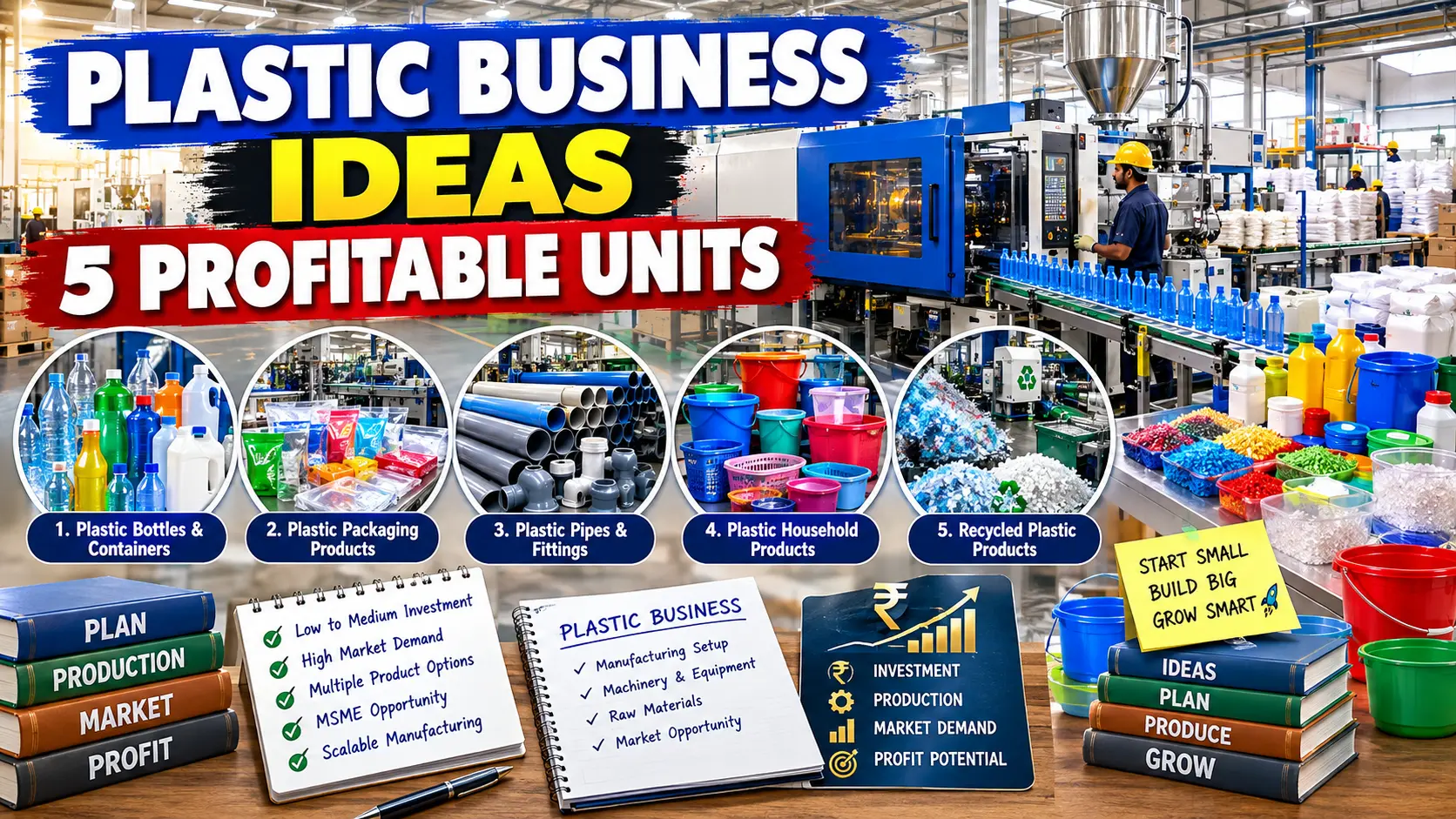
On the other hand, PET preforms are intermediate products made from polyethylene terephthalate. These are mainly used to manufacture plastic bottles and containers through a blow molding process. PET preforms provide high strength, are lightweight, and possess excellent barrier properties against moisture and gases.
See Also – Dyestuff Business
Both Urethane Foams & PET Preform products are in high demand across industries like FMCG, automotive, furniture, pharmaceuticals, and beverages. Starting a manufacturing unit offers high returns, especially when the business is built around innovation, automation, and sustainability.
Raw Materials Needed
For urethane foams:
Polyols
Isocyanates
Surfactants
Catalysts
Blowing agents
For PET preforms:
PET resin (main raw material)
Color masterbatch (optional for tinted bottles)
Availability of high-quality raw materials ensures long-term product consistency and reduced wastage. Partnering with trusted suppliers reduces procurement risk.
Manufacturing Process of Urethane Foams
The production of urethane foams typically follows these stages:
Material Preparation
Polyol, isocyanate, and other chemicals are measured and mixed in exact ratios. Any deviation leads to poor-quality foams.Foaming
Through controlled reaction, gas gets released causing the material to expand. This foamed material is either poured into molds or spread into sheets.Curing & Cutting
After forming, the foam must cure for several hours before being cut into desired sizes. Specialized cutting machines are used to produce sheets, blocks, or custom parts.Quality Check
The finished foam undergoes checks for density, tensile strength, thermal resistance, and flexibility.
This process must be supervised to maintain consistency and meet industrial-grade standards.
Manufacturing Process of PET Preform
Drying the PET Resin
PET granules must be dried thoroughly to avoid moisture-related defects during molding. This step involves a dehumidifying dryer.Injection Molding
The dried granules are melted and injected into molds shaped like test tubes. The result is a solid preform ready for blow molding.Cooling and Ejection
After the molten PET sets into the preform shape, the product is cooled and ejected from the mold cavity.Packaging and Storage
Finish preforms are pack and store in moisture-free environments to preserve quality.
Precision, speed, and cleanliness play a critical role in this process.
Machinery and Equipment
Setting up a plant for Urethane Foams & PET Preform manufacturing requires a moderate to high investment in equipment. Some essential machinery includes:
High-pressure foaming machines
Mixing tanks and molds
PET injection molding machines
Hopper dryers and chillers
Quality control instruments
Automation ensures repeatability and efficiency. Choosing energy-efficient machines also helps cut operational costs over time.
Plant Setup and Area Require
Depending on production capacity, you may need:
5,000 to 15,000 sq. ft. area
Separate zones for material storage, production, curing, and packaging
Ventilation systems for chemical handling
You should follow industry safety norms and install waste management systems to minimize environmental impact.
Manpower and Skill Requirements
For smooth operations, hire:
Machine operators
Quality control staff
Supervisors
Maintenance personnel
Logistics and admin team
Skill workers increase output and reduce error rates. Providing safety and operational training also ensures worker well-being and compliance.
Investment & Cost Breakdown
While costs may vary base on location and plant size, a general estimate is:
Machinery: ?40–70 lakh
Raw materials (monthly): ?10–15 lakh
Land/building (if own): ?30–50 lakh
Working capital: ?20–30 lakh
Government schemes or MSME loans can reduce financial burden. A detail project report helps assess ROI and feasibility.
Market Demand & Growth Potential
The market for Urethane Foams & PET Preform continues to expand with:
Growth in e-commerce packaging
Rising demand for lightweight materials in automobiles
Bottle water and beverage industry expansion
Emphasis on sustainable and recyclable plastic solutions
Export opportunities also exist, especially in the Middle East, Southeast Asia, and Africa. Participating in trade expos and B2B platforms boosts your reach.
Environmental & Regulatory Compliance
You must follow:
Pollution control board norms
Waste management practices
Material Safety Data Sheets (MSDS)
Fire and safety regulations
Obtaining necessary certifications like ISO 9001 and ISO 14001 helps enhance credibility and open new markets.
Challenges and Solutions
Challenge 1: High initial capital
Solution: Seek soft loans or government grants
Challenge2: Market competition
Solution: Focus on quality, pricing, and delivery timelines
Challenge-3: Price volatility of raw materials
Solution: Sign annual procurement contracts or maintain alternate suppliers
Overcoming these issues helps stabilize your operations and improve profitability in the long run.
Profitability and ROI
The profit margin in manufacturing Urethane Foams & PET Preform ranges between 10% to 25% depending on scale and efficiency. With strategic marketing, strong supplier networks, and consistent quality, your unit can break even within 2–3 years.
Engaging in contract manufacturing or OEM partnerships can also bring predictable orders and income.
Business Expansion Tips
Diversify into foam furniture or custom packaging
Explore biodegradable PET alternatives
Offer private-label preform manufacturing
Introduce niche foam grades (high-density, fire-retardant, etc.)
Innovation and responsiveness to market trends boost your brand identity and keep the business competitive.
See Also – Printing Press Business
Conclusion
Starting a Urethane Foams & PET Preform manufacturing business offers significant growth potential in today’s industrial and consumer-driven economy. With the right mix of quality control, technological investment, and sustainability, entrepreneurs can build a profitable venture. A detail business plan, market analysis, and compliance with safety norms lay the foundation for long-term success. For those aiming to step into this field, now is a good time to tap into this ever-growing demand and create a reliable brand in the materials manufacturing segment.