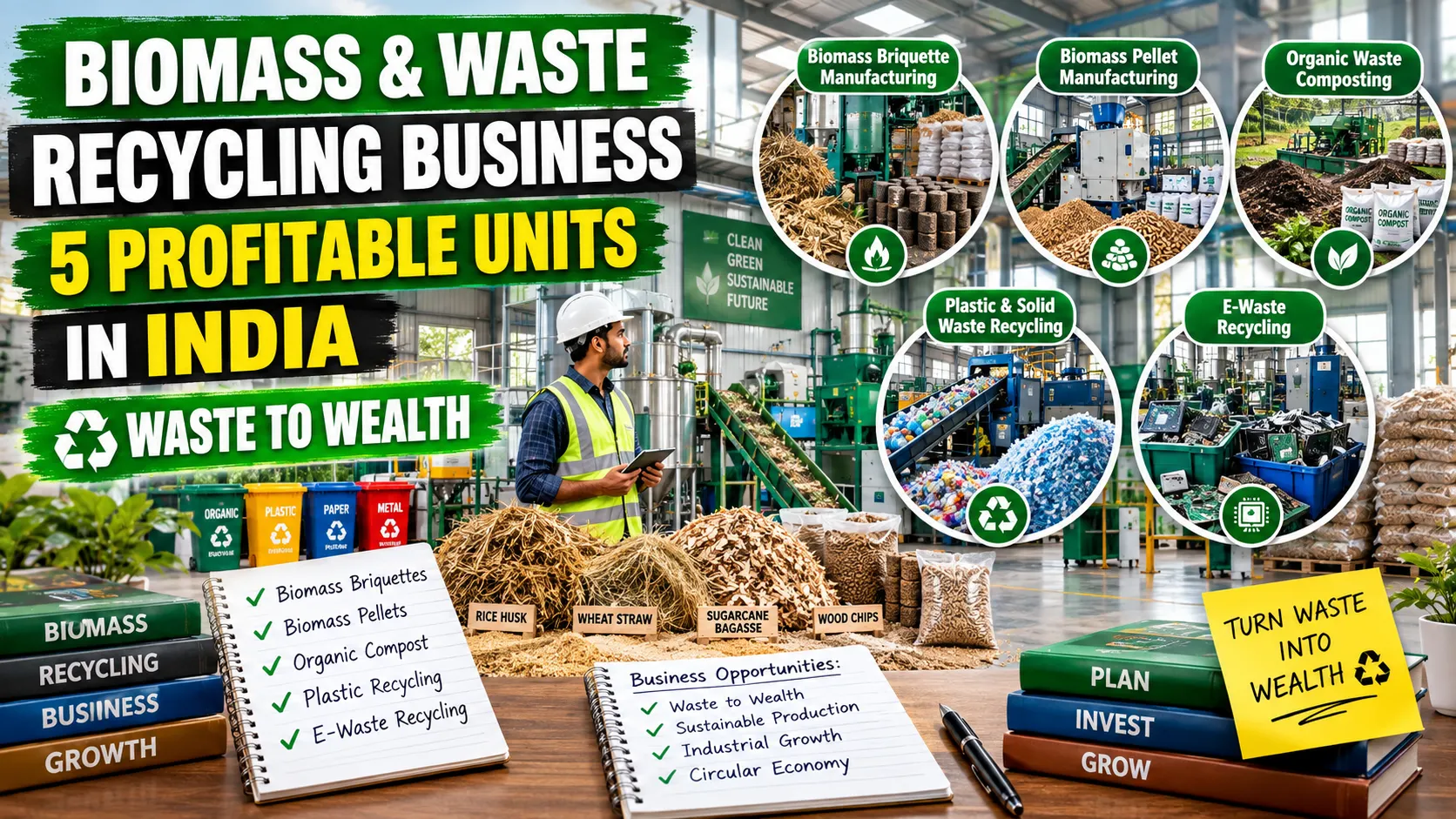
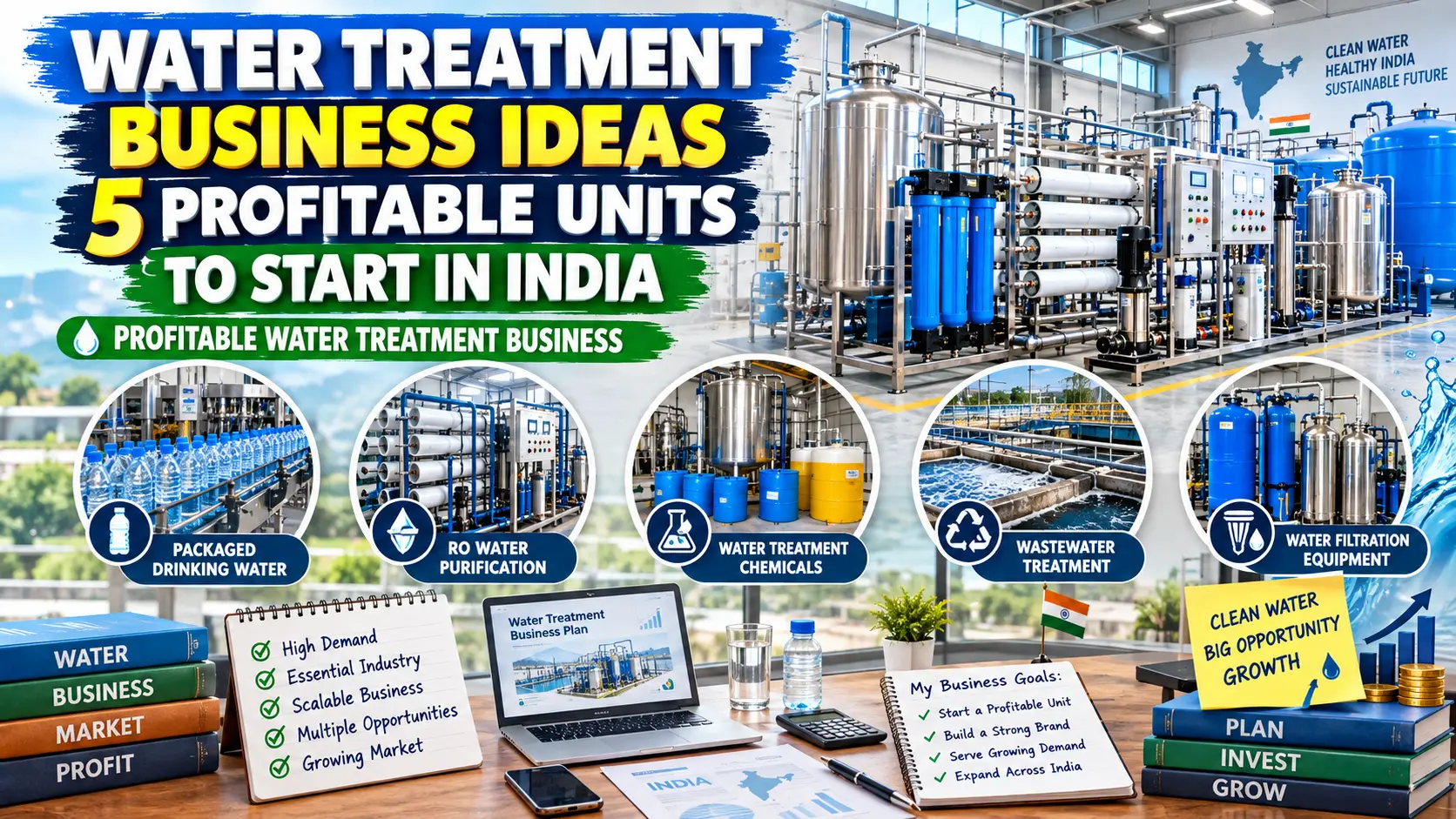
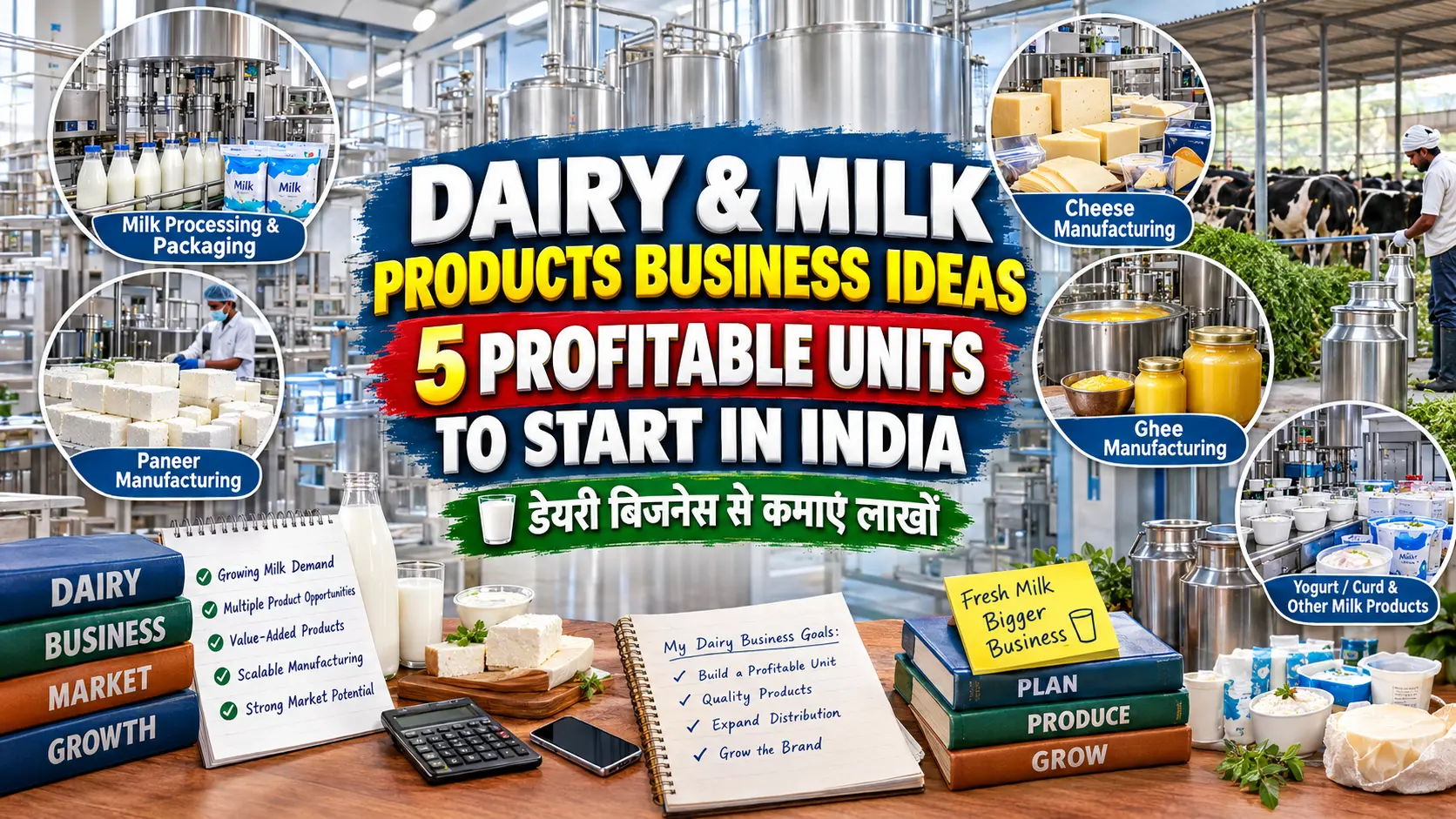
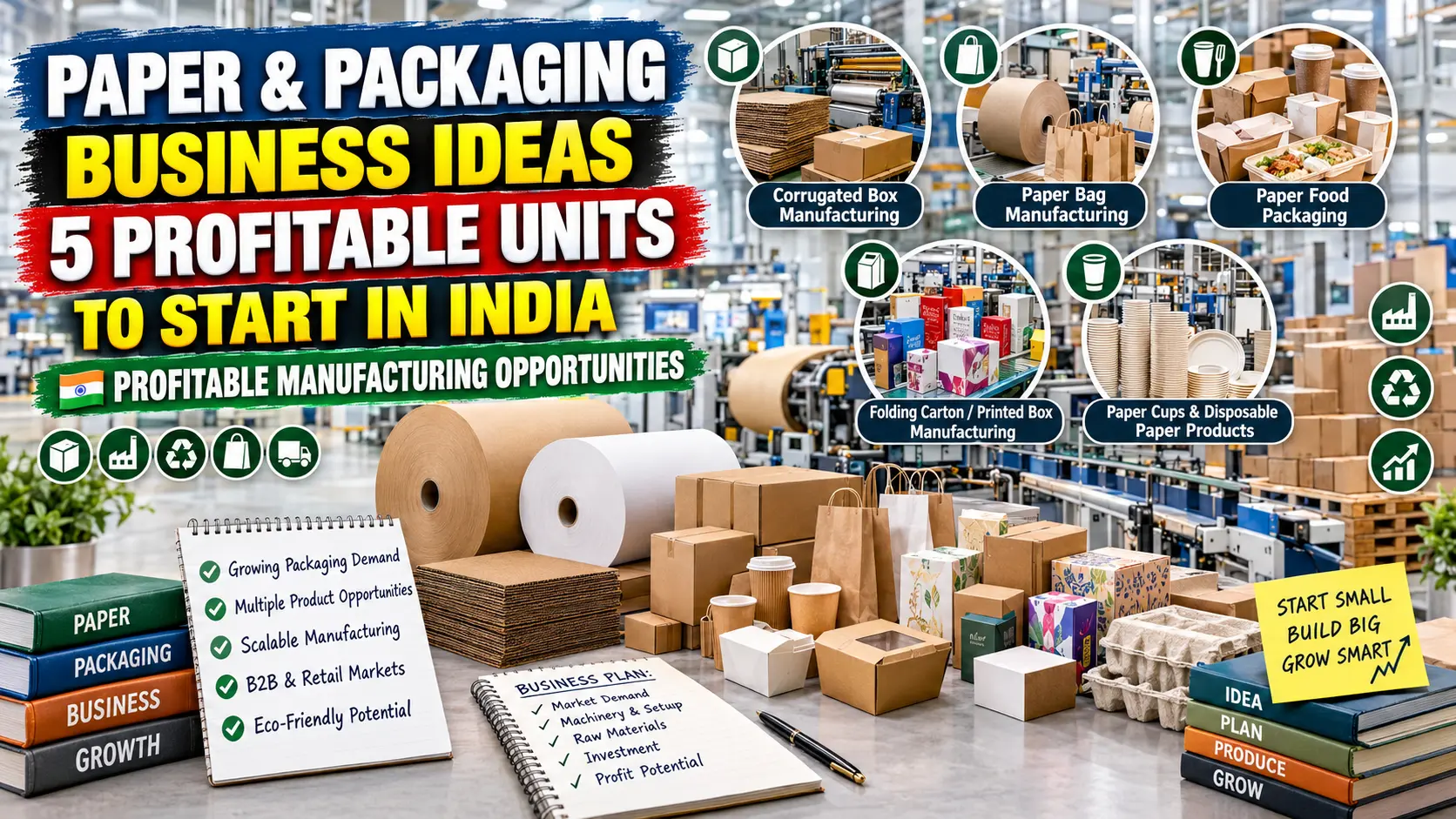
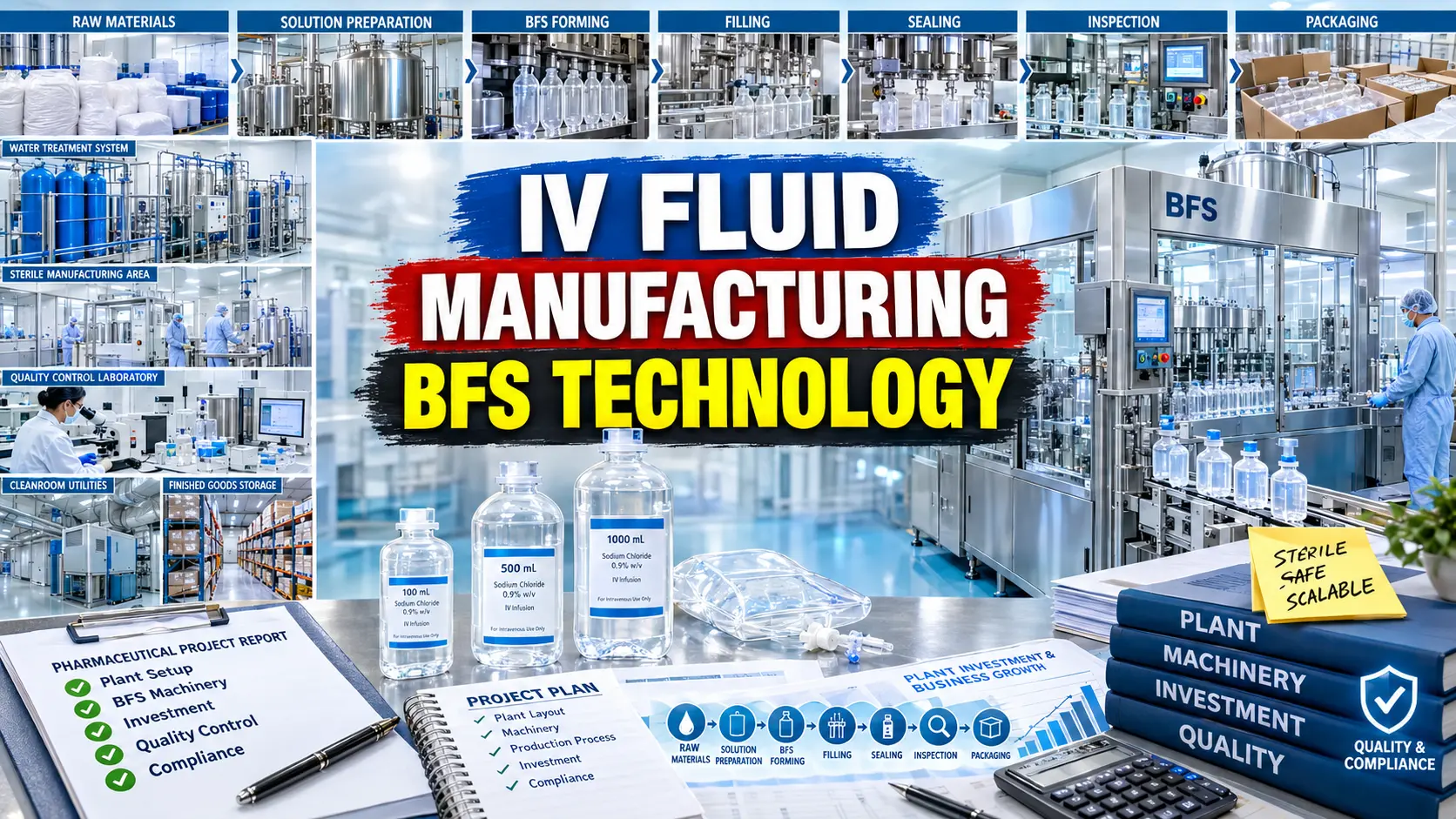
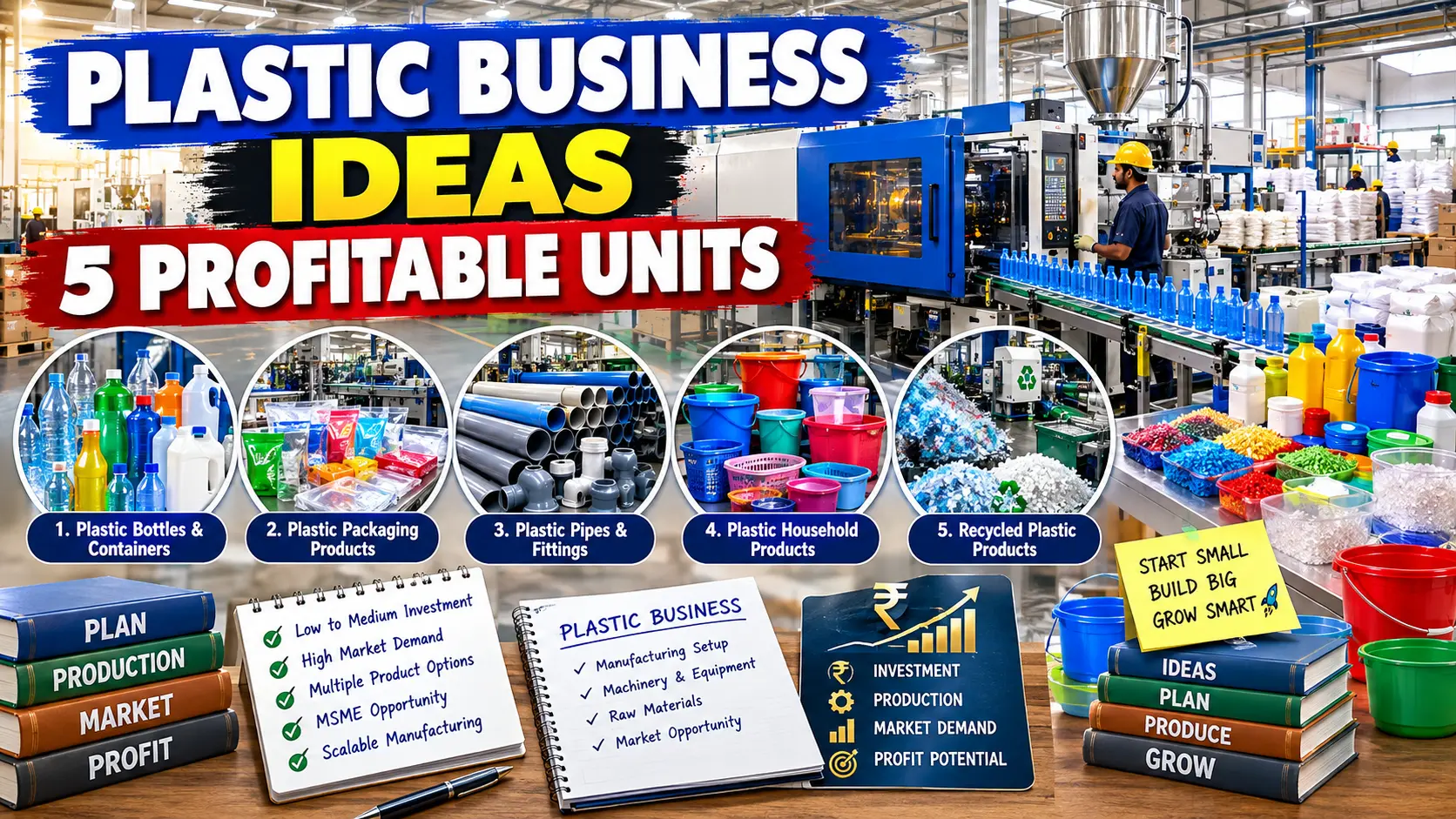
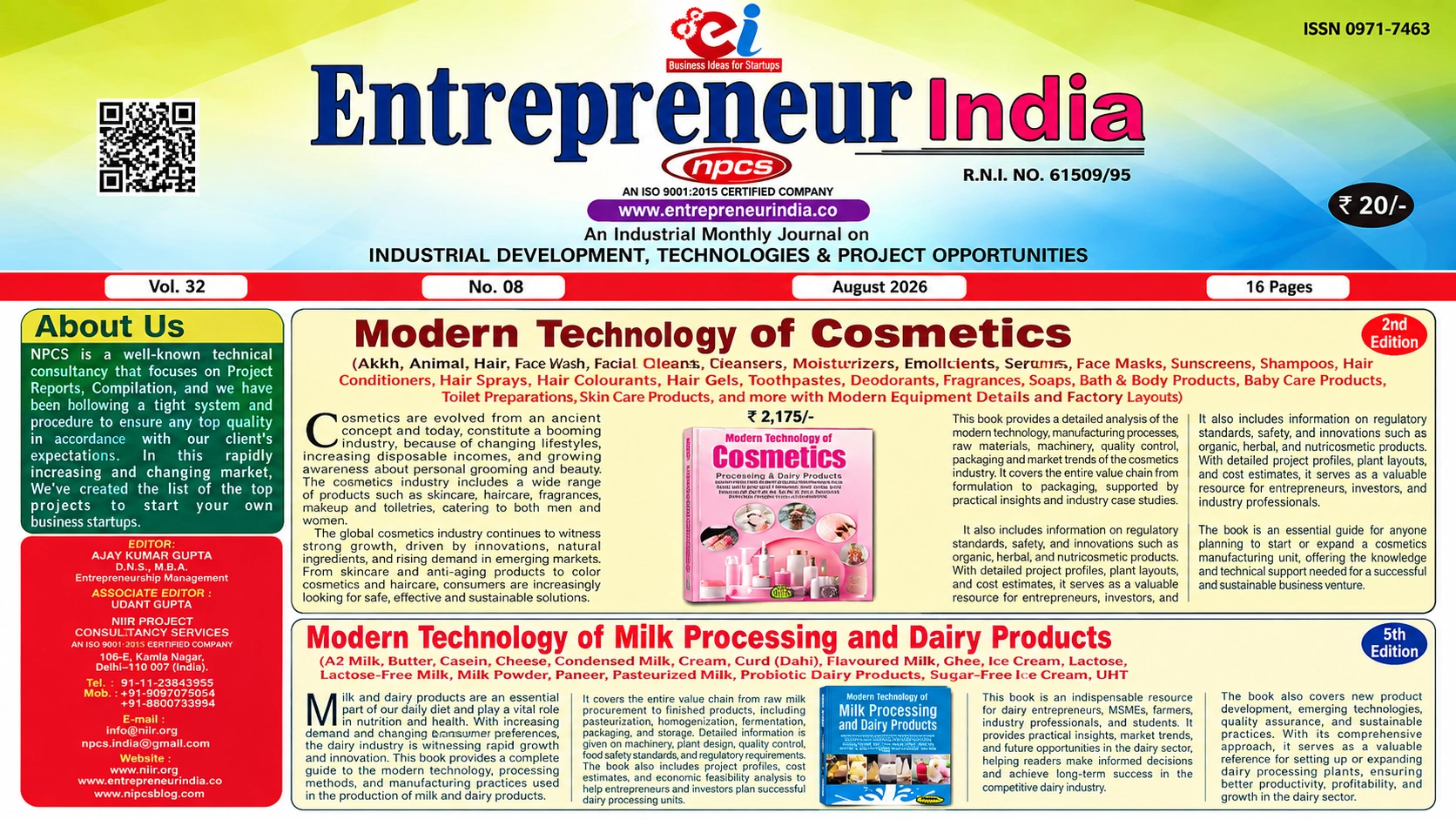
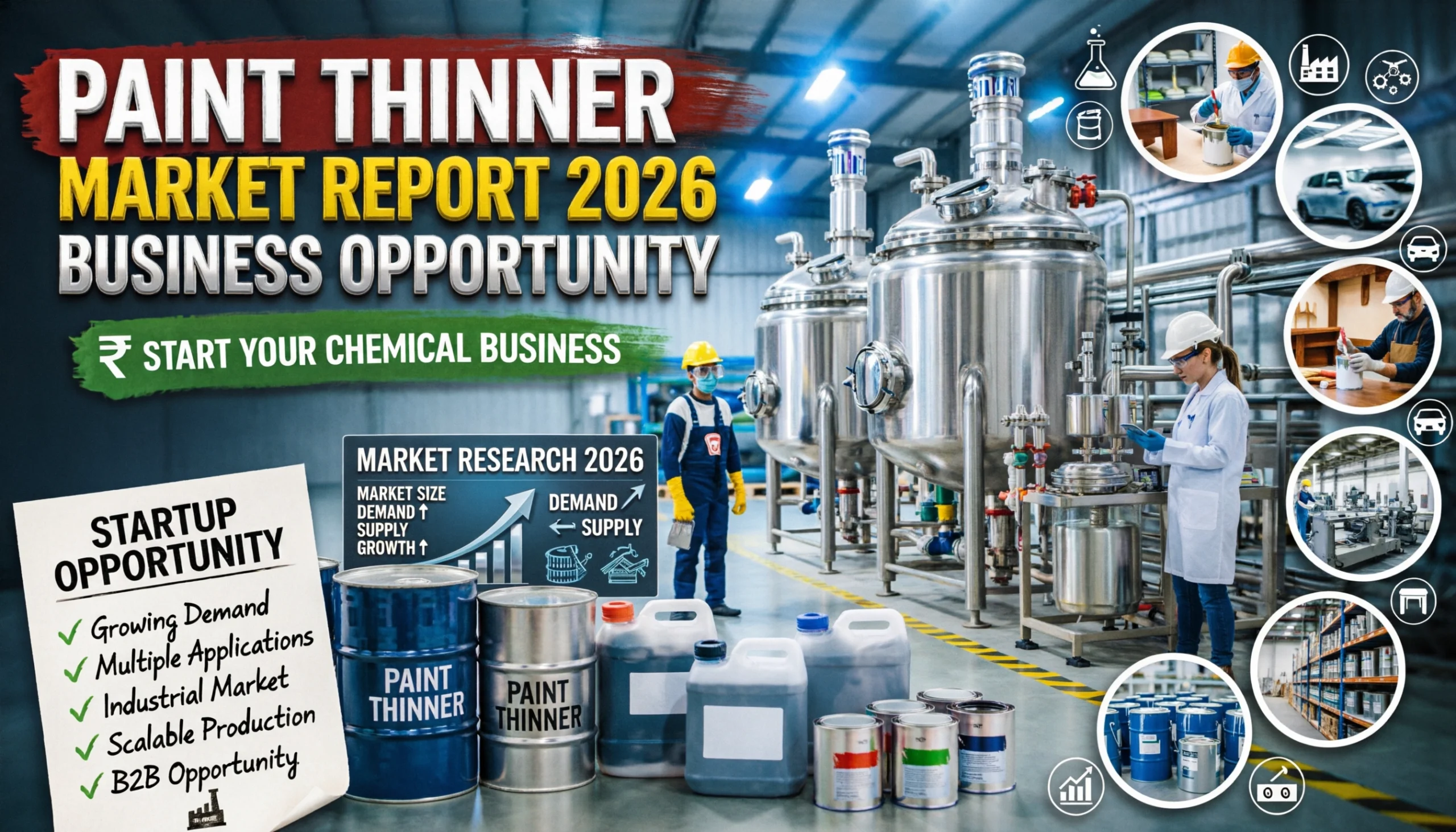
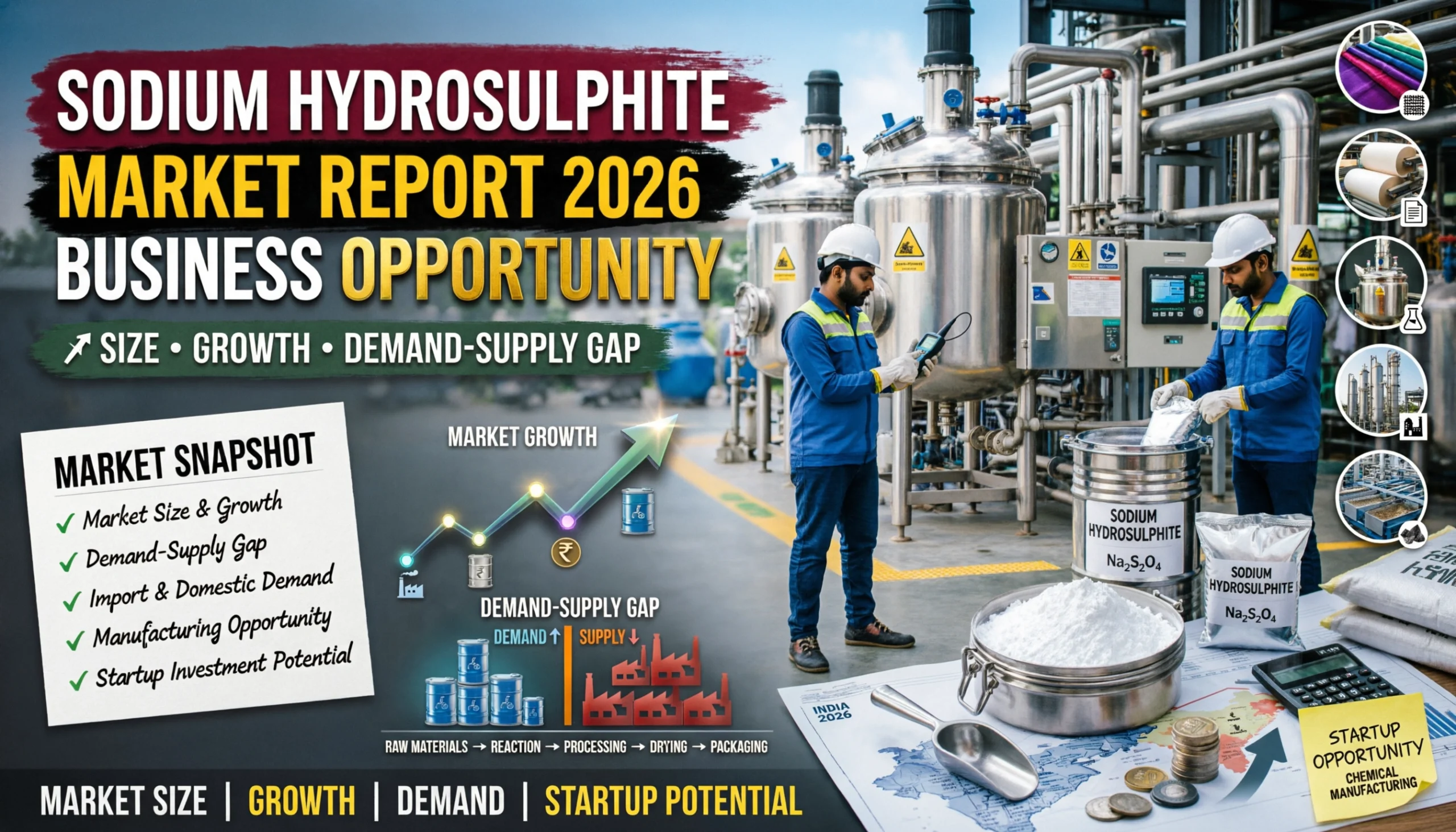
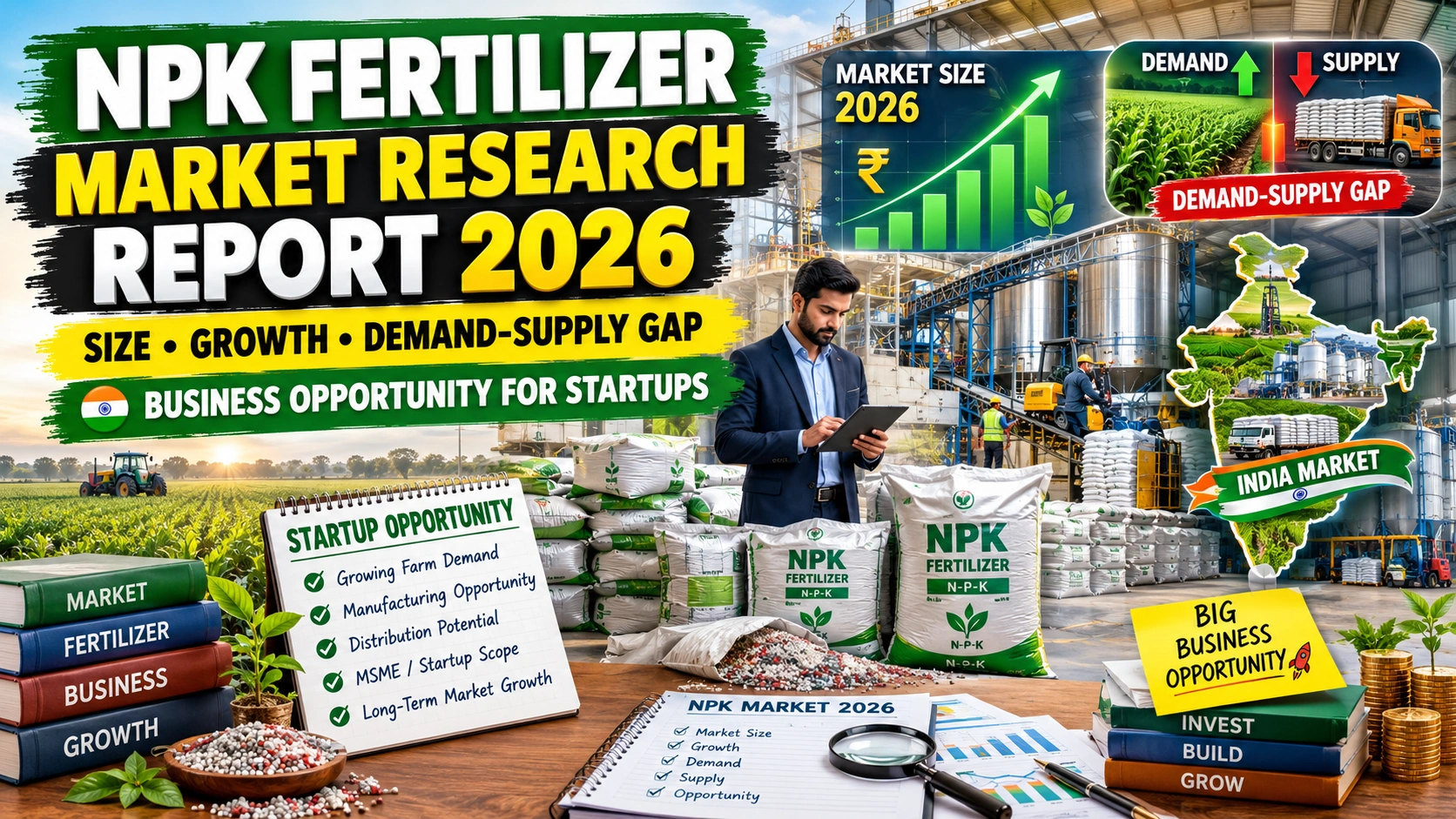
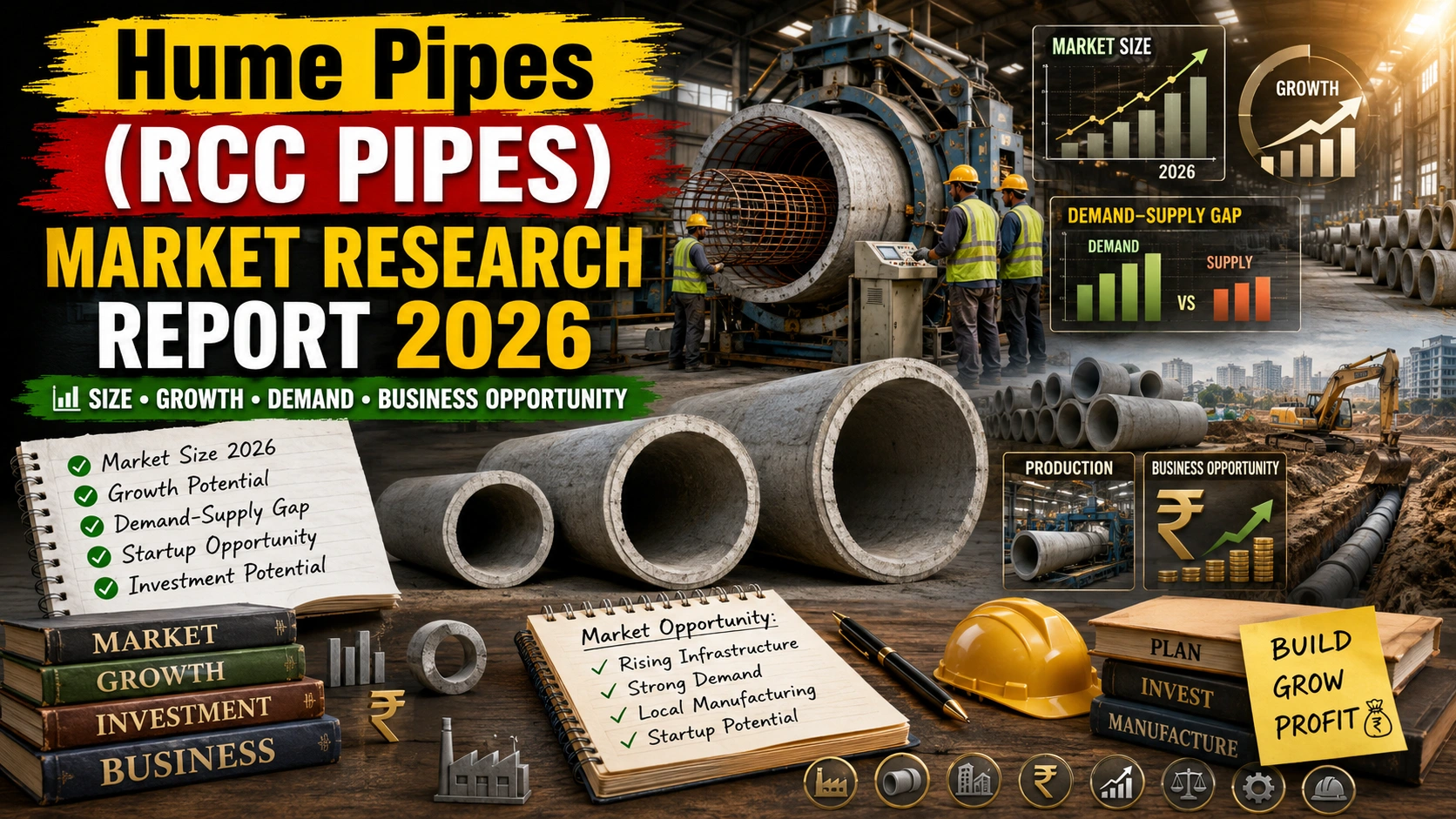
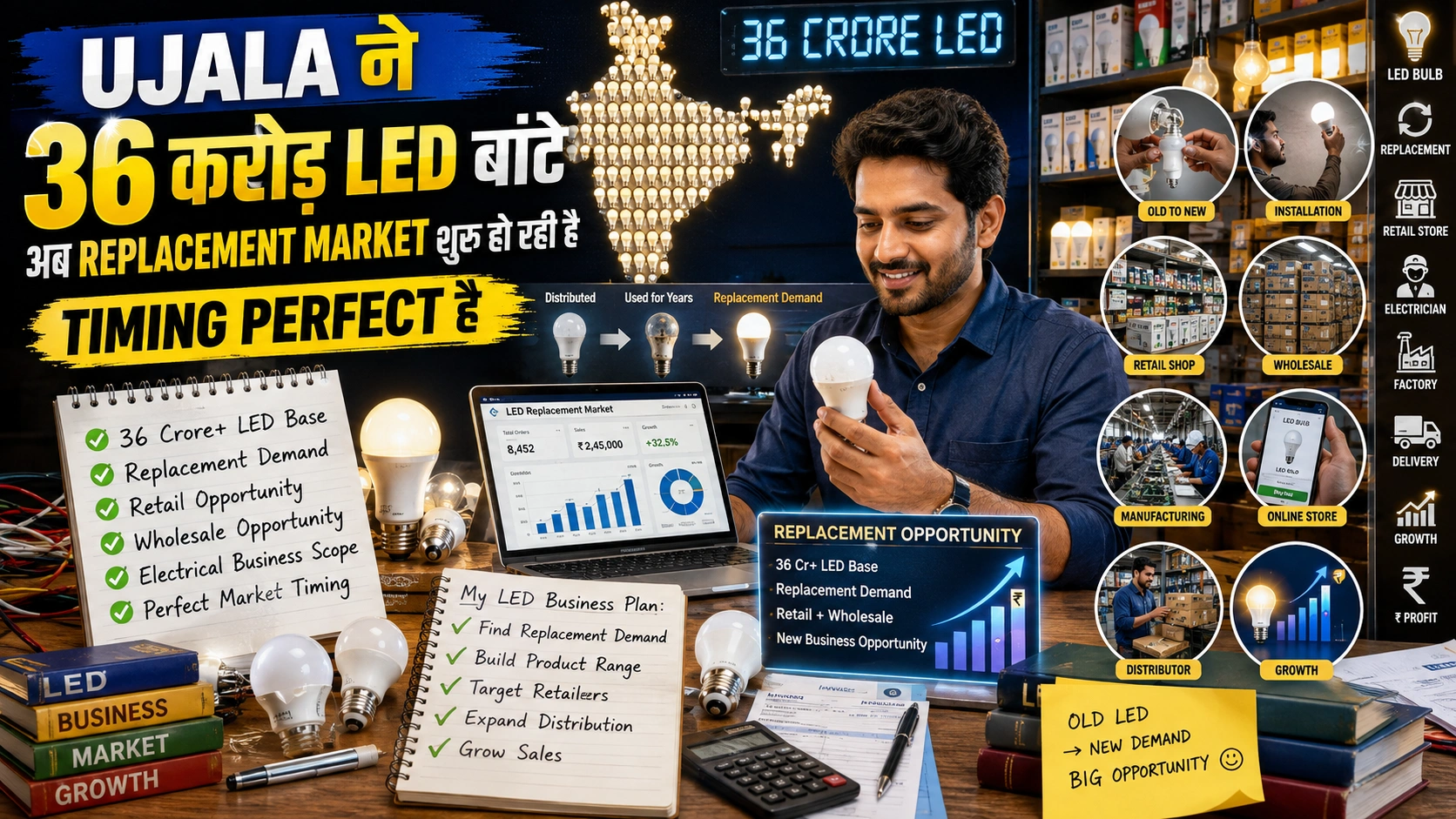
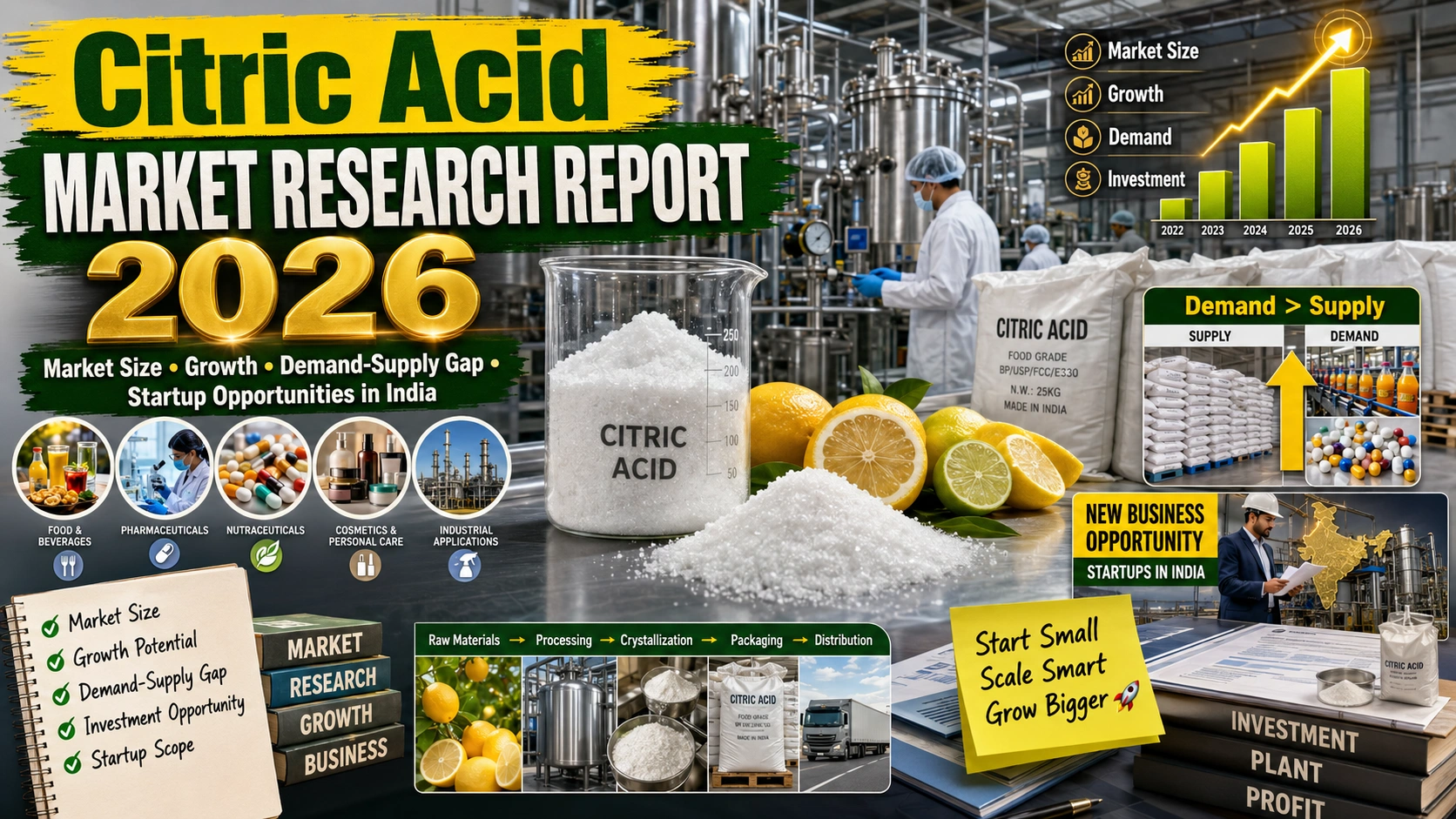
Establishing an industry is a dream for many aspiring entrepreneurs and investors. Whether it’s a small-scale manufacturing unit or a large-scale industrial complex, every successful venture begins with a solid foundation—and at the heart of that foundation lies a well-crafted project profile. These documents not only provide clarity but also guide decision-making and resource allocation. In essence, project profiles are indispensable blueprints that can transform a vision into a tangible business reality.
Contents
- 1. Understanding the Importance of Project Profiles
Understanding the Importance of Project Profiles
Before diving deep into the industrial journey, it’s essential to understand what project profiles actually are. A project profile is a concise document that outlines the essential aspects of a business idea or industrial project. It provides insights into the proposed activity, including objectives, investment requirements, technical details, operational plans, market potential, risk factors, and projected returns.
These profiles serve multiple purposes. For startups and SMEs, they help evaluate feasibility and financial viability. For investors and lending institutions, project profiles offer the data needed for funding decisions. Moreover, government bodies and policy-makers use them to assess proposals for subsidies, permits, and development support. Thus, preparing comprehensive and realistic project profiles is the first strategic step toward building any dream industry.
See Also: Wooden Furniture Manufacturing
Key Elements of an Effective Project Profile
An impactful project profile is more than just a description. It must be detailed, data-driven, and tailored to the specific sector. Here’s a breakdown of the most vital components:
1. Executive Summary
This section provides a snapshot of the entire project. It briefly touches on the business idea, objective, target market, and expected benefits. The executive summary is crucial because it sets the tone and determines whether stakeholders will read further.
2. Introduction and Objectives
Clearly explain what the project is about and its primary objectives. Why is this industry needed? What problem does it solve? How will it contribute to the local economy or employment?
3. Market Analysis
Conduct a thorough market survey and present findings. Include details like demand and supply trends, competitor analysis, target audience, pricing strategies, and distribution channels. A strong market section strengthens the profile’s credibility.
4. Technical Feasibility
Detail the technical aspects of the project—plant location, infrastructure requirements, production capacity, machinery, raw material sources, and technical know-how. This section helps establish how the business will function on the ground.
5. Financial Projections
Financial viability is at the core of any business. This section includes capital investment, operational costs, break-even analysis, profit margins, return on investment (ROI), and cash flow forecasts. Proper use of charts, tables, and ratios improves clarity.
6. Organizational Structure
Describe the proposed structure of the business, including key personnel, management hierarchy, and staffing requirements. An efficient organizational plan ensures smooth operations.
7. Risk Assessment
Every industrial venture comes with risks—market volatility, raw material price fluctuations, regulatory challenges, or technological changes. This section outlines potential risks and the mitigation strategies in place.
8. Conclusion and Recommendations
Summarize the feasibility and sustainability of the project and recommend the next steps—whether it’s pursuing funding, applying for permits, or starting pilot operations.
Benefits of Using Project Profiles
Using project profiles during the business planning phase offers numerous advantages. Here are some key benefits:
Clarity of Vision: A well-structured profile forces entrepreneurs to articulate their idea with clarity, helping eliminate ambiguity.
Informed Decision-Making: With detailed financial and technical data, project profiles facilitate informed choices.
Attracting Investment: Lenders, venture capitalists, and government agencies often require a project profile before approving financial assistance or grants.
Planning & Execution Tool: It serves as a roadmap for implementation, helping in task scheduling, procurement, hiring, and marketing.
Compliance & Approvals: Many licensing authorities and regulatory bodies require a project profile for environmental clearance, land acquisition, or subsidies.
How to Create Customized Project Profiles
Each industry has its own set of standards, equipment needs, and operating procedures. Hence, a one-size-fits-all approach doesn’t work. Here’s how you can tailor project profiles to suit different industries:
For Manufacturing Units
Focus on the production process, sourcing of raw materials, quality control mechanisms, and plant layout. Highlight energy usage and environmental impact if necessary.
For Agro-Based Industries
Include data on seasonal supply of inputs, processing methods, cold storage needs, and linkages with local farmers. Explain how the project aligns with rural development.
For Service Industries
Provide a clear value proposition, customer service plans, service delivery methods, technology usage, and client acquisition strategies.
For Export-Oriented Units
Emphasize global market trends, compliance with international quality standards, export incentives, logistics planning, and currency risk management.
Tools & Resources for Developing Project Profiles
Thanks to digital advancements, creating project profiles is now easier than ever. Several government and private platforms provide free or paid templates. These include:
MSME Development Institutes: Offer ready-made project profiles for small industries.
Industrial Promotion Agencies: State-level bodies that provide sector-specific guidance.
Online Marketplaces: Freelancers and agencies specialize in custom profile creation.
Financial Institutions: Banks like SIDBI and NABARD often have standard profile formats.
Software Tools: Business plan software like LivePlan, BPlan, and Bizplan helps automate the process.
If you’re unsure about technicalities, hiring a professional consultant can ensure your project profile meets industry and funding standards.
See Also: Zinc Sulphate Fertilizer
Real-World Examples of Project Profiles
Let’s consider a few real-world examples to understand the scope:
Example 1: Organic Fertilizer Plant
Objective: Promote eco-friendly farming.
Investment: ?25 lakhs
Profitability: Break-even in 18 months with 20% ROI
Highlight: Sustainable waste management and government subsidy support.
Example 2: Packaged Drinking Water Unit
Objective: Meet growing urban demand
Investment: ?45 lakhs
Profitability: 30% margin with high repeat sales
Highlight: Demand from retail chains and institutions
Example 3: LED Bulb Assembly Plant
Objective: Promote energy efficiency
Investment: ?10 lakhs
Profitability: Low input cost, high volume sales
Highlight: Government’s “Make in India” push and local vendor support
Each of these profiles addresses specific market needs and follows a defined structure, making it easier to implement the idea effectively.
Tips for Making a Winning Project Profile
To make your project profiles stand out, follow these expert tips:
Use Visuals: Charts, graphs, and infographics enhance understanding.
Stay Realistic: Avoid inflated projections. Use verifiable data.
Customize Language: Adapt the tone and technical depth to your audience—bankers, investors, or government officials.
Focus on Impact: Emphasize how the project will generate employment, support sustainability, or contribute to GDP.
Review Regularly: Update the profile periodically based on market trends, policy changes, and technological developments.
See Also: Profitable Projects and Startup
Conclusion
Building a dream industry may seem like a monumental task, but it becomes significantly more manageable when grounded in research, planning, and structured documentation. Project profiles act as the bridge between dreams and reality. They translate ideas into actionable plans, ensuring every aspect—financial, technical, and operational—is accounted for. Whether you are a first-time entrepreneur or a seasoned businessperson planning expansion, investing time in crafting a detailed project profile is a strategic step toward long-term industrial success.
With access to modern tools, government support, and sector-specific data, creating robust project profiles is no longer limited to experts. Anyone with a vision, a willingness to research, and a bit of professional guidance can build a roadmap to success—one profile at a time.