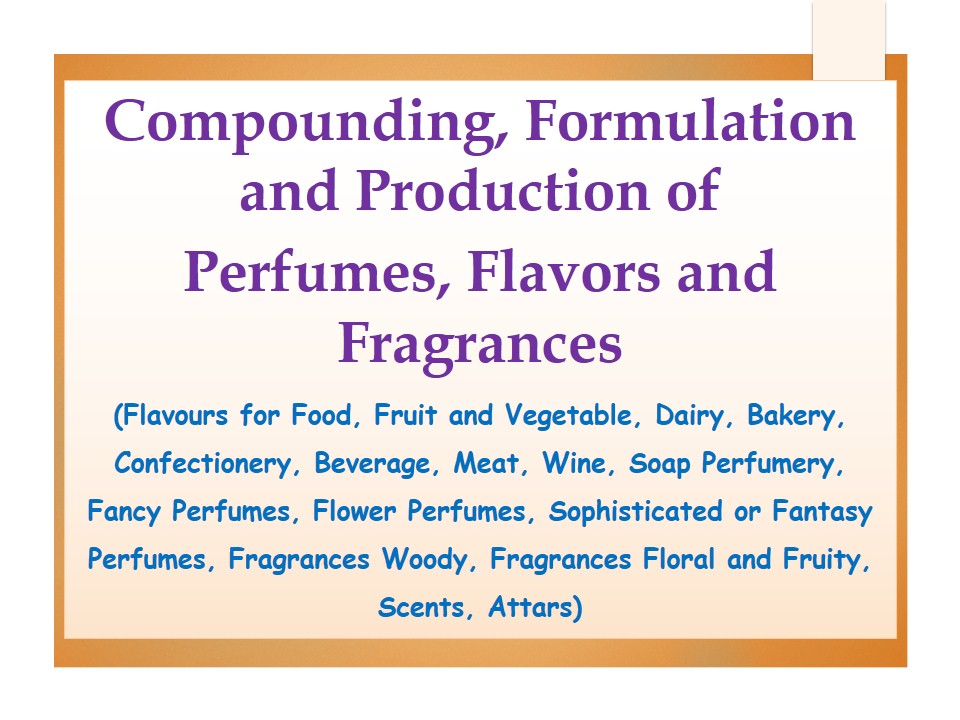
The world of scent and taste is both fascinating and lucrative. The Perfumes & Flavours Production industry forms the backbone of countless consumer products ranging from cosmetics and food to pharmaceuticals and home essentials. For entrepreneurs and manufacturers alike, this field presents an appealing blend of creativity and business opportunity.
Whether it is a subtle floral fragrance or the mouth-watering aroma of vanilla, these sensory experiences are made possible through meticulous processes of formulation and compounding. With rising consumer demand for natural, sustainable, and innovative products, this industry continues to evolve rapidly.
Understanding the Perfumes & Flavours Production Process
In the simplest terms, Perfumes & Flavours Production involves converting raw materials—whether synthetic or natural—into concentrated aroma and flavor compounds. These are later used to enhance or define the sensory qualities of end products.
See Also – Neem Oil Manufacturing
The process requires careful formulation, where individual aromatic or flavorful ingredients are blended in precise ratios. This is followed by compounding, a stage that involves aging or stabilizing the blend to achieve the desired profile. Transitioning from lab-scale development to commercial production also requires consistency and compliance with safety standards.
Let’s explore the core elements of this production process:
1. Selection of Raw Materials
The first step is sourcing the ingredients. For perfumes, this includes essential oils, aromatic chemicals, fixatives, and solvents like ethanol. In the case of flavors, the base materials might include botanical extracts, flavor enhancers, emulsifiers, and carriers like propylene glycol or triacetin.
Natural ingredients such as rose, jasmine, sandalwood, or vanilla are highly prized, but synthetic alternatives are often more affordable and stable. With increasing attention on sustainable sourcing, plant-based and eco-friendly alternatives are gaining traction.
2. Formulation and Blending
Here, chemists and perfumers mix top, middle, and base notes in perfumes—or sweet, sour, salty, bitter, and umami profiles in flavors. This formulation is an art and a science. The right balance of components gives each product its character and appeal.
Formulations are recorded meticulously and tested through sensory panels or analytical methods. Transitioning from concept to market-ready product requires repeated refinement.
3. Compounding
This stage involves creating a stable mixture by combining all ingredients under controlled conditions. In perfumes, compounding often includes aging the blend to allow the notes to harmonize. For flavors, this step may require emulsification to keep water- and oil-based components together.
Once compounded, the product is filtered to remove impurities and then subjected to quality testing.
4. Packaging and Quality Control
After the formulation is finalized and compounded, the product is filled into containers—vials, bottles, drums, or tanks depending on the type and volume. Rigorous quality control ensures that the product remains consistent across batches and meets all regulatory standards.
This includes testing for aroma/flavor profile stability, shelf-life, microbial safety, and compliance with food or cosmetic safety authorities.
Applications of Perfumes & Flavours Production
The demand for high-quality perfumes and flavors spans several industries. Understanding where these formulations are used can help entrepreneurs target the right segments.
In Personal Care and Cosmetics
Perfumes enhance personal care products like deodorants, shampoos, soaps, and creams. Custom fragrances can also become a signature branding element. Leading beauty companies often invest in exclusive perfume lines to create brand loyalty.
In Food and Beverage
Flavours play a critical role in food processing. From bakery items to beverages, dairy to confectionery, every category relies on specialized flavoring to boost taste appeal. Natural flavors like mint, vanilla, lemon, or spice blends are in high demand, especially among health-conscious consumers.
In Pharmaceuticals
Medicines often have a bitter or metallic taste. By incorporating flavor compounds, manufacturers make products like syrups and tablets more palatable—especially for children. Fragrances are also added to topical ointments and medical devices for comfort.
In Home Care Products
Air fresheners, cleaning agents, and laundry detergents all rely on perfume compounds to create a pleasant user experience. A fresh scent can make a huge difference in consumer satisfaction and repeat purchases.
Investment & Business Opportunities
Starting a Perfumes & Flavours Production business requires a balanced mix of technical skill, infrastructure, and market understanding. Here’s what entrepreneurs need to consider:
Infrastructure
A basic production setup includes blending tanks, temperature-controlled mixing units, filtration equipment, and filling machines. Depending on the scale, a laboratory for quality testing and product development is essential.
Raw Material Supply
Secure relationships with raw material suppliers. Sourcing quality ingredients—whether synthetic or organic—directly impacts the final product. Establishing this supply chain early gives you a competitive edge.
Licenses and Regulatory Compliance
For edible flavors, food safety certifications like FSSAI (in India) or FDA (in the US) are mandatory. Cosmetic and fragrance products may require testing for skin safety, allergen compliance, and labeling transparency. ISO certification can help gain client trust in both domestic and export markets.
Skilled Workforce
You need skilled perfumers, flavorists, chemists, and technicians. R&D is an ongoing process in this industry, so keep training staff and upgrading formulations to stay ahead.
Marketing and Branding
Brand identity matters greatly in this business. Your brand should reflect the sensory experience your product delivers. Samples, testers, and appealing packaging help win distributors and retailers. Many companies also offer customize formulations for B2B clients.
Global Trends in Perfumes & Flavours Production
The industry is growing rapidly, driven by several global trends:
Demand for Natural Ingredients: As consumers turn away from synthetic additives, essential oils and plant-base flavors are in greater demand.
Clean Label Products: Transparency in ingredients and sourcing builds trust.
Niche and Artisan Brands: Small-batch production and boutique branding appeal to premium buyers.
Functional Flavours: In food and beverages, flavors now come with add benefits like immunity support or stress relief.
Technological Advancements: AI and molecular science are helping formulators predict consumer preferences and create novel combinations.
Sustainability in Perfumes & Flavours Production
Sustainability is not just a trend—it’s a necessity. Eco-friendly packaging, ethically source ingredients, and reduce carbon footprints are becoming non-negotiable in consumer buying decisions. By investing in greener technologies and responsible sourcing, manufacturers can future-proof their operations.
Recycling solvents, using renewable energy, and working with local farmers for botanical extracts are practical ways to incorporate sustainability into daily operations.
Challenges and Risk Factors
Like every business, this industry has its share of challenges:
Ingredient Volatility: The prices and availability of natural ingredients can fluctuate due to climate or geopolitical issues.
Imitation and IP Risks: Formulations can be copy if not protect.
Strict Regulations: Failing compliance can lead to product recalls or export restrictions.
High R&D Costs: Continuous product innovation requires investment in research and trials.
To overcome these, businesses must build robust supply chains, adopt transparency, and invest in intellectual property rights.
See Also – Start Fish Processing Business
Conclusion
The Perfumes & Flavours Production industry offers a unique blend of science, art, and commerce. With the growing demand for customize, sustainable, and high-quality formulations across sectors, the scope for growth remains wide open.
By understanding the nuances of formulation, investing in quality equipment, maintaining regulatory compliance, and staying align with global trends, new entrepreneurs can create a strong, profitable business in this space.
For those willing to blend creativity with science, Perfumes & Flavours Production is more than just a business—it’s a journey into the world of sensory innovation.