Electricity plays a vital role in our daily lives, and one essential component of electrical distribution systems is the pole. Among the various types, PSC Electric Poles have gain popularity due to their durability and strength. These poles are preferre in power transmission and street lighting due to their long-lasting performance and resistance to harsh environmental conditions.
Understanding the Manufacturing of PSC Electric Poles
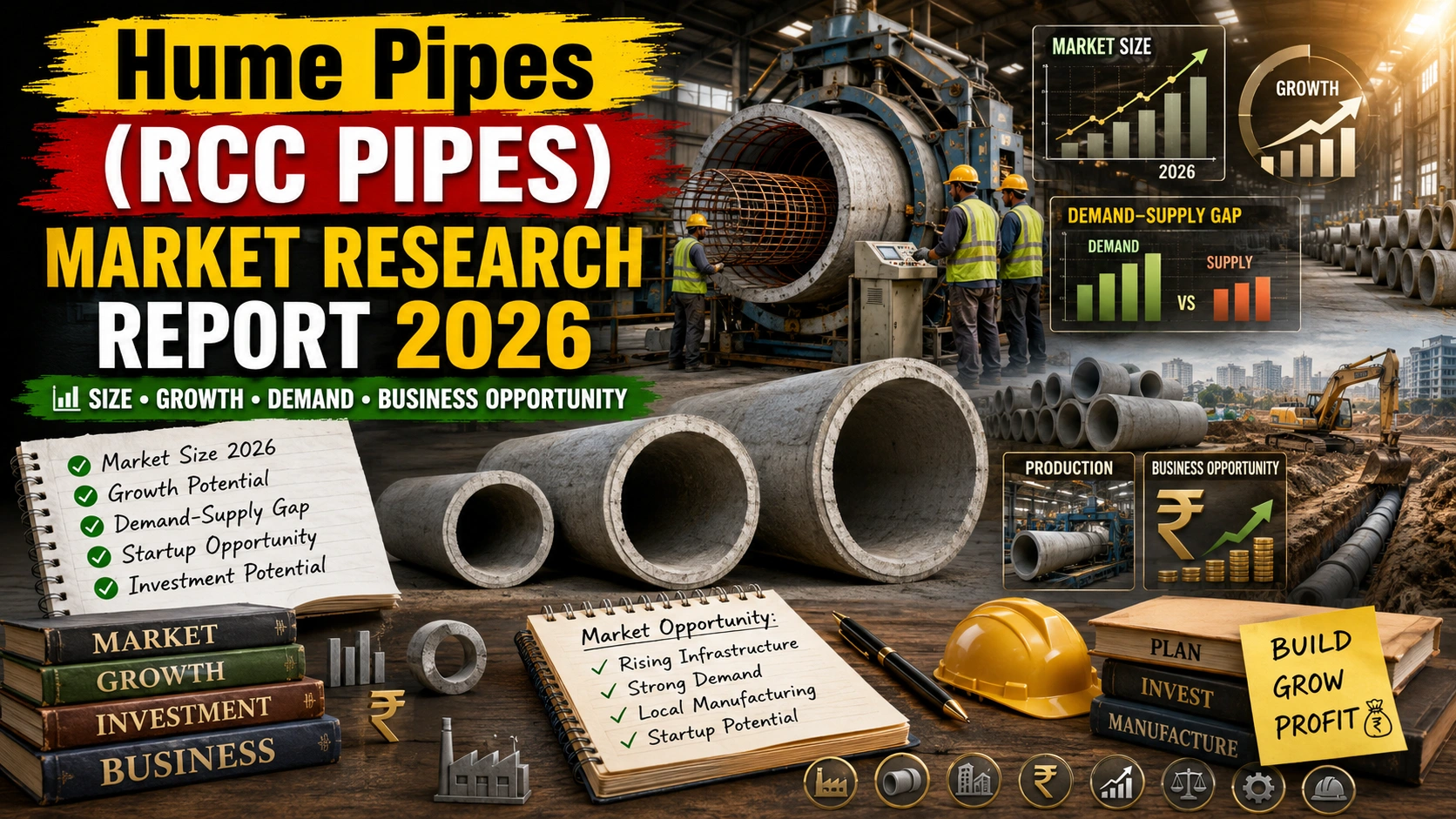
Pre-Stress Concrete (PSC) Poles are made from a combination of high-tensile steel wires and concrete. This combination enhances the strength-to-weight ratio and ensures greater load-bearing capacity. The manufacturing process involves multiple steps, each critical to the quality and performance of the pole.
See Also –Citrus Oil Extraction
Step 1: Material Selection
The process begins with selecting high-grade raw materials. Cement, sand, coarse aggregates, water, and high-tensile wires are essential. Materials must meet specific IS standards to ensure consistency and performance in the final product. Clean and test components contribute to strong and reliable PSC Electric Poles.
Step 2: Cage Preparation
The next step is preparing the steel reinforcement cage. High-tensile wires are cut and wound into specific shapes. These wires are pre-stress using hydraulic jacks, ensuring they hold tension even after the concrete sets. This pre-stressing makes the poles highly resistant to bending and environmental stress.
Step 3: Moulding
Once the reinforcement is ready, it is place in pre-fabricate moulds. These moulds are shape according to the require size and specifications of the pole. Spacers and other accessories are added to maintain correct alignment and avoid displacement during the casting process.
Step 4: Concrete Pouring
High-quality concrete is prepare using a control mixture of cement, sand, aggregates, and water. The mix is pour into the moulds while using vibration techniques. Vibration eliminates air pockets, improves density, and ensures a smooth surface finish. This step is crucial for the long-term durability of PSC Electric Poles.
Step 5: Curing
After pouring, the poles undergo a curing process. Curing ensures proper hydration and hardening of the concrete. This process typically lasts 7 to 14 days, depending on temperature and humidity. Proper curing enhances strength and minimizes the risk of cracks.
Step 6: Testing and Inspection
Each batch of poles is test before dispatch. Dimensional checks, bending tests, and load tests are conduct. The goal is to ensure that each pole meets structural requirements and quality standards. Only poles that pass these inspections are approve for installation.
Advantages of PSC Electric Poles
Durability: These poles can withstand extreme weather conditions, chemical attacks, and corrosion.
Strength: High-tensile wire reinforcement provides superior mechanical strength.
Low Maintenance: Unlike steel poles, PSC poles require little to no maintenance.
Eco-Friendly: Manufactur using natural materials, these poles have a smaller environmental footprint.
Cost-Effective: Long service life results in lower lifecycle costs compare to traditional alternatives.
Applications of PSC Electric Poles
PSC Electric Poles are used in a wide range of applications. Their primary use is in the transmission and distribution of electrical power. However, they are also widely used for:
Street lighting in urban and rural areas
Telecommunication lines
Solar lighting installations
Electrification of railways
Agricultural power lines and water pump networks
Their versatility and strength make them suitable for various infrastructure projects.
Business Potential in PSC Pole Manufacturing
With the increasing demand for electrification, especially in rural areas, the demand for PSC Electric Poles has grown substantially. Government schemes such as Saubhagya and UDAY have push the need for durable poles in remote areas. This offers a great opportunity for entrepreneurs looking to invest in infrastructure-relate businesses.
Setting Up a PSC Pole Manufacturing Plant
Land and Location
A medium-sized manufacturing unit requires about 1–2 acres of land. The site should have easy access to raw materials, transportation, and electricity. Proximity to target markets helps reduce logistic costs.
Machinery and Equipment
Key machines require include:
Concrete mixers
Moulds of various pole sizes
Vibrators
Hydraulic jacks for pre-stressing
Steam curing chambers (optional)
Overhead cranes for handling
Manpower
Skill technicians are require for steelwork, casting, and curing. Unskill workers can be train for support tasks. A team of 10–20 people can efficiently run a medium-scale plant.
Licenses and Compliance
The business must adhere to the Bureau of Indian Standards (BIS) and acquire pollution control and safety certifications. An IEC code may be require for exporting poles to international markets.
Investment and Profit Margin
Setting up a small PSC Electric Poles manufacturing unit can require an initial investment of ?30–?50 lakhs. This covers land, equipment, labor, and operational costs. Return on investment (ROI) depends on production capacity, market demand, and government project involvement.
On average, a pole costs ?2,000–?3,500 to produce and sells for ?4,000–?6,000. This allows for decent profit margins, especially with bulk government or private orders.
Marketing Strategy
To succeed in the PSC Electric Poles business, building relationships with local electricity boards, infrastructure developers, and contractors is crucial. Participating in tenders, offering quality assurance, and maintaining a steady supply chain can set your brand apart.
Digital marketing and a professional website also help establish credibility. Partnering with renewable energy installers and telecom companies can open up additional markets.
Future Scope of PSC Poles
India’s rapid urbanization, growing energy demands, and Smart City initiatives will keep the demand for PSC poles rising. Moreover, the push toward renewable energy solutions increases their use in solar panel installations.
In export markets, African and South Asian countries also rely heavily on such infrastructure. With BIS-certified quality and competitive pricing, Indian manufacturers can access a large customer base.
See Also – Start Meat Processing Business
Final Thoughts
Establishing a PSC Electric Poles manufacturing business is both technically feasible and commercially rewarding. The increasing demand for efficient electrical infrastructure ensures long-term sustainability and profitability in this field. With proper planning, quality control, and customer trust, entrepreneurs can build a reliable and scalable business around PSC poles.
Frequently Asked Questions (FAQs)
FAQ 1: What are PSC electric poles and why are they preferred?
PSC electric poles (Pre-Stressed Concrete poles) are high-strength electrical poles manufactured using a combination of high-tensile steel wires and concrete. The pre-stressing process enhances their strength-to-weight ratio and load-bearing capacity.
Advantages:
High durability and resistance to extreme weather
Superior mechanical strength
Low maintenance compared to steel poles
Eco-friendly manufacturing
Cost-effective with longer service life
They are widely used in power transmission, street lighting, telecommunication, and solar lighting installations.
FAQ 2: What is the minimum investment required for PSC electric poles manufacturing?
The investment for PSC electric poles manufacturing depends on the scale:
| Scale | Estimated Investment |
|---|---|
| Small-Scale Unit | ₹30 – 50 lakhs |
| Medium-Scale Unit | ₹50 lakhs – 1 crore |
| Large-Scale Unit | ₹1 crore and above |
Key Cost Components:
| Expense Category | Estimated Cost (₹) |
|---|---|
| Land & Infrastructure (1-2 acres) | 10 – 20 lakhs |
| Machinery & Equipment | 15 – 25 lakhs |
| Raw Materials (Initial Stock) | 3 – 5 lakhs |
| Labor & Training | 2 – 4 lakhs |
| Licensing & Compliance | 1 – 2 lakhs |
Government schemes and MSME loans can help reduce the initial financial burden.
FAQ 3: What is the manufacturing process for PSC electric poles?
The PSC electric poles manufacturing process involves several steps:
| Step | Description |
|---|---|
| Material Selection | Selecting high-grade cement, sand, aggregates, and high-tensile steel wires |
| Cage Preparation | Cutting and winding high-tensile wires into reinforcement cages |
| Pre-Stressing | Hydraulic jacks apply tension to the steel wires |
| Moulding | Cages are placed in pre-fabricated moulds |
| Concrete Pouring | Concrete is poured with vibration to remove air pockets |
| Curing | Poles are cured for 7-14 days for proper hardening |
| Testing & Inspection | Dimensional checks, bending, and load tests are conducted |
Proper quality control at each stage ensures durable and reliable poles.
FAQ 4: What machinery is required for PSC pole manufacturing?
A PSC electric poles manufacturing plant requires the following machinery:
| Machinery | Purpose |
|---|---|
| Concrete Mixers | Preparing controlled concrete mixtures |
| Moulds | Various sizes for different pole specifications |
| Vibrators | Removing air pockets during casting |
| Hydraulic Jacks | Pre-stressing steel wires |
| Steam Curing Chambers | Accelerating the curing process |
| Overhead Cranes | Handling heavy poles |
| Testing Equipment | Bending and load testing |
Semi-automatic systems are suitable for small-scale operations.
FAQ 5: What raw materials are required for PSC pole manufacturing?
The raw materials for PSC electric poles manufacturing include:
| Raw Material | Purpose |
|---|---|
| Cement | Primary binding material |
| Sand | Fine aggregate |
| Coarse Aggregates | For concrete strength |
| High-Tensile Steel Wires | Reinforcement and pre-stressing |
| Water | For concrete mixing and curing |
| Admixtures | Improving concrete properties |
All materials must meet IS standards for quality and consistency.
FAQ 6: What certifications and licenses are required?
To operate a PSC electric poles manufacturing plant legally, you need:
| License/Certification | Purpose |
|---|---|
| BIS Certification (IS 1678:1986) | Quality standard for concrete poles |
| MSME/Udyam Registration | Access to subsidies |
| Factory License | Compliance with Factories Act |
| GST Registration | Tax compliance |
| Pollution Control Certificate | Environmental compliance |
| IEC Code | For export operations |
BIS certification is mandatory for selling to government electricity boards.
FAQ 7: How profitable is the PSC pole manufacturing business?
The PSC electric poles manufacturing business offers attractive profitability:
| Financial Metric | Value |
|---|---|
| Production Cost per Pole | ₹2,000 – 3,500 |
| Selling Price per Pole | ₹4,000 – 6,000 |
| Profit Margin | 30-40% |
| ROI Timeline | 2 – 3 years |
Key Profitability Drivers:
Bulk government orders from electricity boards
Growing demand for electrification in rural areas
Smart city and infrastructure projects
Export opportunities
FAQ 8: What are the applications of PSC electric poles?
PSC electric poles are used in various applications:
| Application | Description |
|---|---|
| Power Transmission | Distribution of electrical power |
| Street Lighting | Urban and rural street lighting |
| Telecommunication | Supporting telecom lines |
| Solar Lighting | Solar panel installations |
| Railways | Electrification of railway lines |
| Agriculture | Power lines and water pump networks |
Their versatility and strength make them suitable for diverse infrastructure projects.
FAQ 9: What are the challenges in PSC pole manufacturing?
| Challenge | Solution |
|---|---|
| Raw Material Price Fluctuations | Bulk contracts, diversified suppliers |
| BIS Compliance | Regular quality audits, staff training |
| Competition | Focus on quality, timely delivery, competitive pricing |
| Government Tender Processes | Professional bid preparation, compliance |
| Transportation Costs | Proximity to target markets |
| Labor Skill Gap | Training programs for workers |
Proper planning and quality control can mitigate these challenges.
FAQ 10: What is the future growth potential for PSC poles?
The PSC electric poles manufacturing industry has strong growth potential:
| Growth Driver | Impact |
|---|---|
| Rural Electrification | Government schemes like Saubhagya and UDAY |
| Smart City Initiatives | Urban infrastructure development |
| Renewable Energy | Solar lighting and solar panel installations |
| Railway Electrification | Expanding railway networks |
| Export Markets | African and South Asian countries |
| Infrastructure Development | Road and highway lighting |
With increasing infrastructure spending, this business offers long-term scalability.
FAQ 11: Can I start a PSC pole plant with government support?
Yes, the Indian government offers several schemes:
| Scheme | Benefit |
|---|---|
| MSME/Udyam Registration | Access to subsidies and benefits |
| PMEGP | Financial assistance for micro-enterprises |
| MUDRA Loans | Loans for small businesses |
| Make in India | Policy support and investment facilitation |
| State-Level Subsidies | Power subsidies, land benefits, tax exemptions |
FAQ 12: How can I market my PSC poles effectively?
Effective marketing strategies for PSC electric poles manufacturing include:
| Channel | Strategy |
|---|---|
| Government Tenders | Apply for electricity board contracts |
| Direct Sales | Approach infrastructure developers and contractors |
| B2B Portals | List on IndiaMART, TradeIndia |
| Export Channels | IEC code for international buyers |
| Digital Marketing | Professional website with product specifications |
| Quality Certifications | Highlight BIS certification |
FAQ 13: What are the export opportunities for PSC poles?
| Target Market | Demand |
|---|---|
| African Countries | Infrastructure development |
| South Asian Nations | Power transmission projects |
| Middle East | Construction and infrastructure |
| Southeast Asia | Growing electrification needs |
Requirements:
Import Export Code (IEC)
BIS certification
International quality compliance
FAQ 14: What is the curing process for PSC poles?
Curing is essential in PSC electric poles manufacturing:
| Method | Description |
|---|---|
| Water Curing | Keeping poles wet for 7-14 days |
| Steam Curing | Accelerated curing in chambers |
| Membrane Curing | Using curing compounds |
Proper curing enhances strength and minimizes cracking.
FAQ 15: Why should I invest in PSC electric poles manufacturing?
| Reason | Benefit |
|---|---|
| Growing Demand | Electrification and infrastructure projects |
| High Profit Margins | 30-40% gross margins |
| Government Support | MSME subsidies, Make in India |
| Scalable Operations | Can start small and expand |
| Long-Term Viability | Consistent demand for poles |
| Export Potential | International opportunities |
Start Your PSC Electric Poles Manufacturing Plant Today!
PSC poles are essential for India’s growing infrastructure and electrification needs. With government support and high demand, there has never been a better time to invest.
At NPCS, we help entrepreneurs navigate the complexities of manufacturing setup—from project feasibility to regulatory compliance and market entry.
Don’t wait for the opportunity to pass. Your PSC pole success story starts now!