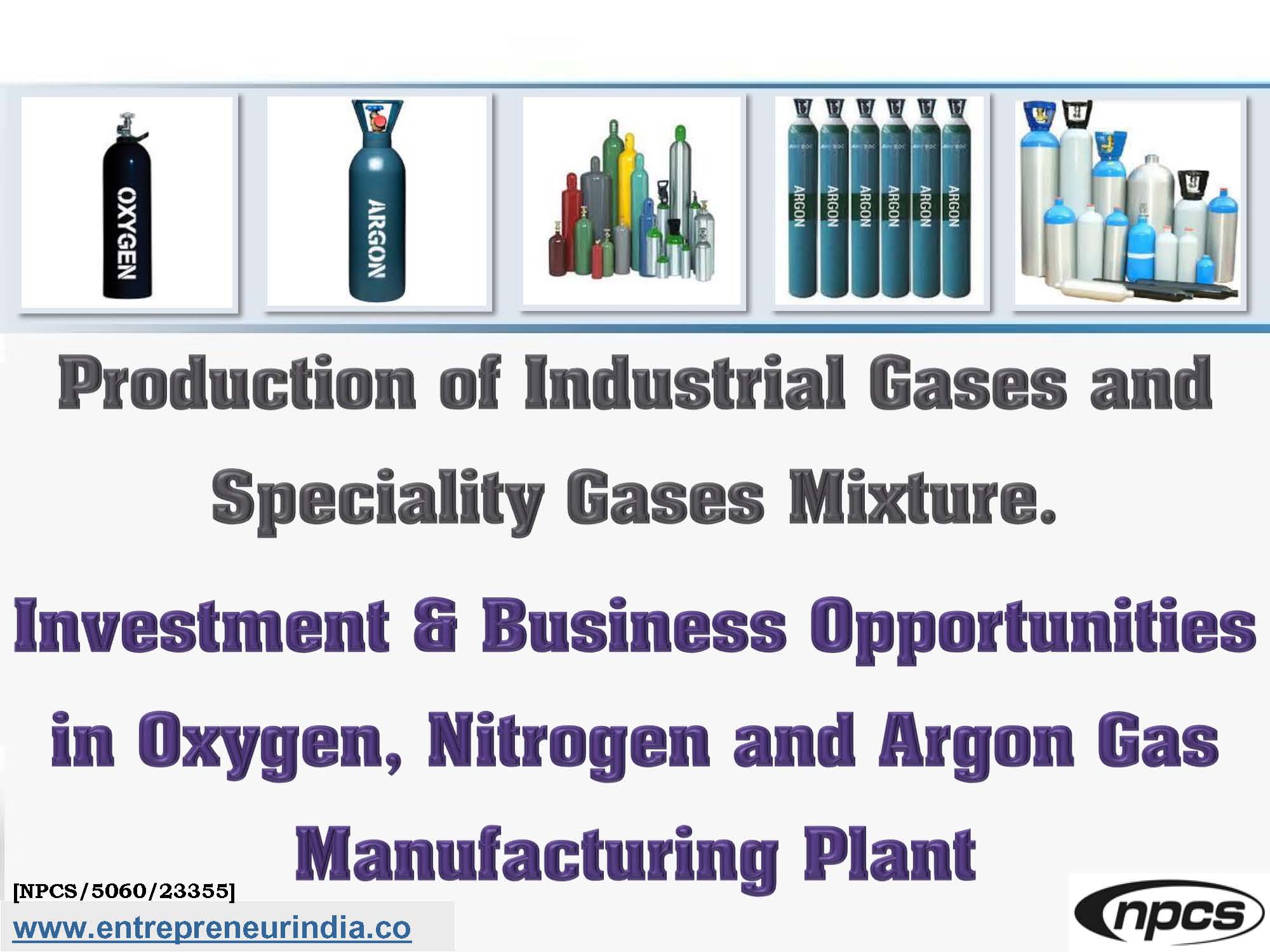
The Industrial Gases and Specialty Gases Mixture market has witnessed rapid expansion in recent years due to its diverse applications across healthcare, manufacturing, food processing, electronics, metallurgy, and scientific research. These gases, often produced with high purity and specific compositions, are essential for modern industrial operations. With growing demand for energy-efficient and sustainable solutions, the need for reliable gas supply, storage, and blending has created a highly profitable and technologically advanced industry segment.
Widening Applications Across Critical Sectors
The use of industrial gases and specialty gases mixtures extends far beyond traditional manufacturing. Sectors such as pharmaceuticals, semiconductors, renewable energy, aerospace, and food preservation rely on these gases for core processes. Increasing investments in infrastructure, automation, and clean energy continue to drive the demand for custom gas solutions, particularly mixtures tailored for specific chemical, thermal, or reactive properties.
What Are Industrial Gases?
Industrial gases are gaseous materials manufactured for use in various industrial processes. The most commonly used include:
Oxygen (O?) – Supports combustion, used in steelmaking, healthcare, and wastewater treatment
Nitrogen (N?) – Used in blanketing, food packaging, and cryogenics
Hydrogen (H?) – Key for refining, fuel cells, and chemical synthesis
Carbon Dioxide (CO?) – Employed in beverage carbonation, welding, and fire suppression
Argon (Ar) – Used as a shielding gas in welding and in inert environments
Acetylene (C?H?) – Commonly used for cutting and welding metals
These gases are produced at high volumes and delivered in compressed, liquefied, or dissolved forms.
What Are Specialty Gases?
Specialty gases are ultra-high purity gases or customized gas mixtures used for precise applications such as:
Calibration gases – For testing instruments in labs and manufacturing
Carrier gases – For chromatography or semiconductor production
Laser gases – In medical and industrial laser systems
Medical gas mixtures – Such as oxygen/nitrous oxide blends for anesthesia
Environmental monitoring gases – For emission testing and air quality checks
Specialty gases require stringent quality control, exact formulation, and advanced filling systems.
Key Raw Materials and Sources
The primary raw materials for producing industrial and specialty gases include:
Air – Separated into nitrogen, oxygen, and argon using cryogenic distillation
Natural Gas or Water – For hydrogen production via steam methane reforming or electrolysis
Carbon Dioxide – Captured from fermentation, ammonia plants, or combustion processes
Other Hydrocarbons and Halogen Compounds – Used in refrigerants and specialty blends
Purity and contamination control are critical in sourcing these raw materials.
Gas Production and Blending Technologies
Modern gas plants use several technologies:
Cryogenic Air Separation Units (ASUs)
Used to extract nitrogen, oxygen, and argon in liquid and gaseous forms at ultra-high purity levels.
Pressure Swing Adsorption (PSA)
Produces nitrogen and oxygen from air by separating components under pressure.
Steam Methane Reforming (SMR)
Converts natural gas into hydrogen and carbon monoxide.
Membrane Separation
Used for separating gases like nitrogen or carbon dioxide from gas mixtures.
Gravimetric and Volumetric Blending
Specialty gases are mixed with strict control to achieve precise concentrations and certifications.
Storage, Packaging, and Distribution
Gas packaging varies based on gas type, pressure, and customer requirement:
High-pressure cylinders (steel/aluminum) for oxygen, nitrogen, hydrogen
Cryogenic tanks for liquid gases
Ton containers for bulk CO? or refrigerant gases
Custom skids and bundles for industrial users
Gas generators and onsite filling plants for large facilities
Proper labeling, safety valves, and gas quality indicators are mandatory for all packaging types.
Regulatory and Safety Compliance
The industrial gases and specialty gases mixture business is highly regulated:
PESO (Petroleum and Explosives Safety Organization) approval for cylinder filling
BIS certification for gas purity and cylinder quality
ISO 17025-compliant lab for gas testing and calibration
CMVR and BIS approvals for medical and food-grade gases
Environmental NOCs for CO? recovery or hydrogen generation plants
Occupational safety standards to protect handling staff and delivery personnel
Strict compliance prevents hazardous leaks, explosions, or contamination.
End-User Industries and Market Opportunities
Major industries consuming industrial and specialty gases include:
Healthcare – Medical oxygen, anesthesia mixtures, sterilization gases
Steel and Metal Fabrication – Cutting, welding, heat treatment
Electronics and Semiconductors – Ultra-pure gases for chip manufacturing
Pharmaceuticals – Nitrogen blanketing, fermentation gases
Food & Beverage – CO? for carbonation, nitrogen for packaging
Automotive – Hydrogen and calibration gases for fuel testing
Renewable Energy – Hydrogen for fuel cells and biogas upgrading
Demand is growing for packaged gases, cylinder tracking, and real-time delivery solutions.
Profitability and Business Model
The industrial and specialty gases business offers multiple revenue streams:
Cylinder filling and distribution
On-site gas generation units (BOO/BOT model)
High-purity gas blending and certification services
Cryogenic liquid supply with tank installations
Turnkey gas pipeline and safety system installations
Margins are higher for specialty and high-purity gases due to customization and precision.
Industrial Gases Margin: 10–20%
Specialty Gases Margin: 30–60%
Break-even: 1.5–3 years depending on setup scale and contracts
Future Trends in Gas Industry
Green Hydrogen Production using renewable sources
Carbon Capture and Utilization (CCU) for sustainable CO? usage
IoT-Enabled Cylinder Monitoring for tracking gas levels and refill schedules
Mobile Filling Units for doorstep industrial gas services
Automated Mixing and Filling Plants with AI calibration
These advancements ensure growth, automation, and safety in the gas supply chain.
Conclusion
The industrial gases and specialty gases mixture business is vital to modern infrastructure, manufacturing, and healthcare. With evolving technology and increasing demand for high-purity, customized gas solutions, this sector offers immense profitability and scalability. Entrepreneurs and manufacturers who focus on precision, compliance, and service reliability can capture a substantial share in both domestic and global markets.
Niir Project Consultancy Services
An ISO 9001:2015 Company
106-E, Kamla Nagar, Opp. Spark Mall,
New Delhi-110007, India.
Email: npcs.ei@gmail.com , info@entrepreneurindia.co
Tel: +91-11-23843955, 23845654, 23845886, 8800733955
Mobile: +91-9811043595
Website: www.entrepreneurindia.co , www.niir.org