
India, with its vast arable land, favorable climate, and centuries-old farming traditions, continues to be one of the most agriculturally rich countries in the world. With rising demand for organic products, processed foods, and sustainable farming techniques, 2025 offers several profitable opportunities for budding entrepreneurs. Agriculture is no longer limited to traditional crop farming—today’s agri-sector integrates technology, exports, and value-added services. This article explores some of the most promising agriculture business ideas in India that can bring high returns with low-to-moderate investment.
Contents
- 1. Best Agriculture Business Ideas in India for 2025
- 1.1. 1. Organic Farming Business
- 1.2. 2. Mushroom Farming
- 1.3. 3. Dairy Farming
- 1.4. 4. Bee Keeping and Honey Production
- 1.5. 5. Agro-Processing Units
- 1.6. 6. Polyhouse or Greenhouse Farming
- 1.7. 7. Plant Nursery Business
- 1.8. 8. Fish Farming / Aquaculture
- 1.9. 9. Hydroponics and Vertical Farming
- 1.10. 10. Livestock Feed Production
- 1.11. 11. Export-Oriented Farming
- 1.12. 12. Custom Hiring Centers (CHC)
- 1.13. Final Thoughts
- 2. Related guides
- 3. More in Agriculture & Allied
Best Agriculture Business Ideas in India for 2025
Whether you are from a rural area, own ancestral farmland, or are simply passionate about the sector, these business ideas can help you capitalize on India’s agricultural boom.
1. Organic Farming Business
Organic farming is gaining momentum as consumers shift towards chemical-free, natural produce. Entrepreneurs can begin on a small scale using vermicomposting and bio-fertilizers to cultivate vegetables, fruits, and pulses. With government subsidies and certification schemes, the startup cost can be reduced. The key to success lies in marketing your organic produce through online platforms, local farmer markets, or tie-ups with organic stores.
Why it works:
Growing demand in urban centers
Premium pricing
Support from the National Programme for Organic Production (NPOP)
2. Mushroom Farming
Mushroom cultivation is one of the most lucrative agriculture business ideas in India due to its low startup cost and high market demand. Oyster, button, and shiitake mushrooms can be grown in climate-controlled environments using agricultural waste as substrate. A single room of 20×20 feet can yield good monthly profits if managed efficiently.
Pro Tip: Attend a short-term training course from an agricultural university before starting to understand environmental control, contamination, and harvest management.
3. Dairy Farming
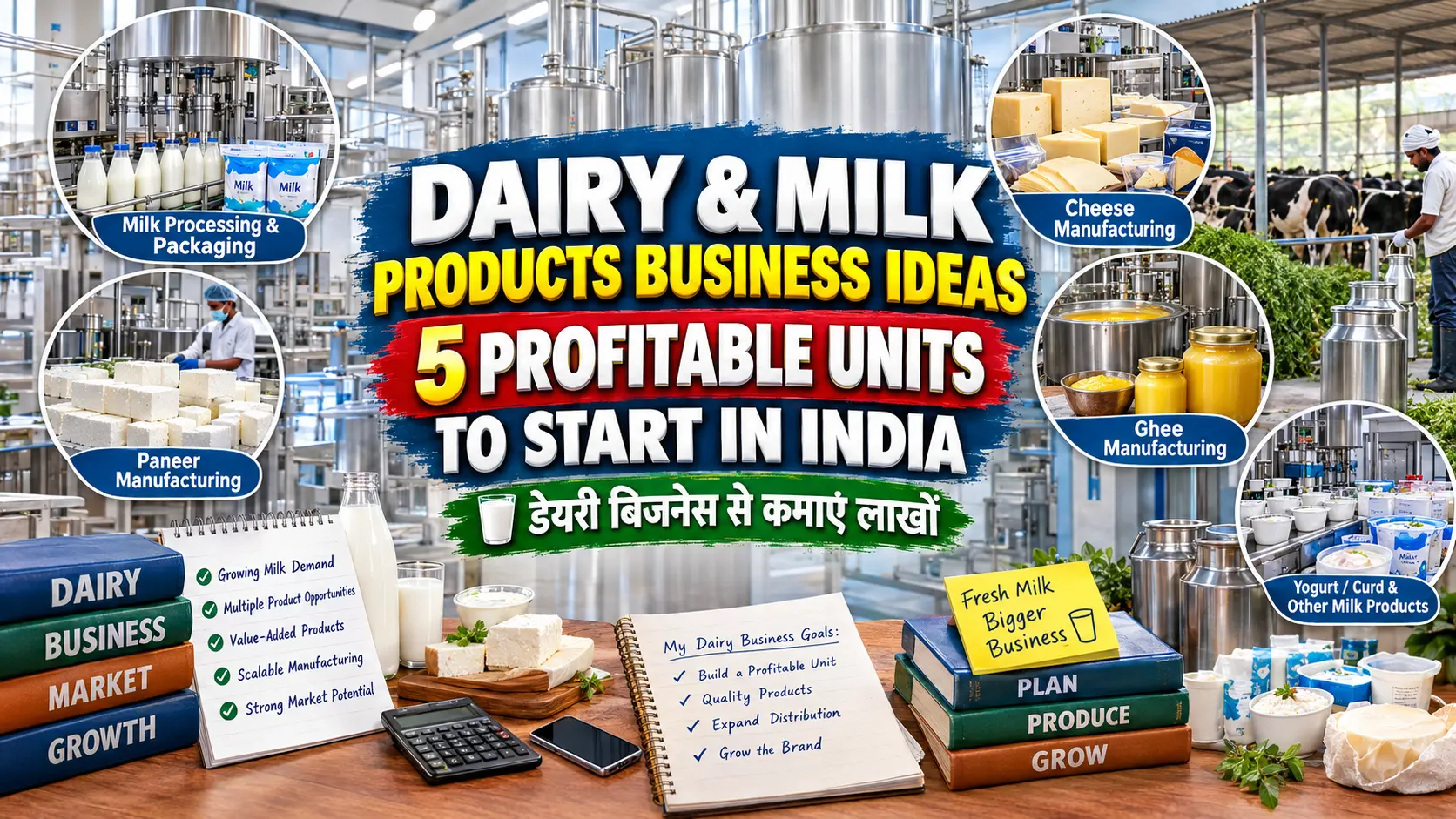
India is the world’s largest milk producer, making dairy farming a traditionally profitable venture. The business involves rearing cows or buffaloes and selling milk, curd, paneer, or even ghee. With rising health consciousness, demand for A2 milk and organic dairy products is growing.
Investment Range: ?3–10 lakhs
Key Requirements: Land, shed, fodder supply, and veterinary care
To stand out in the competitive market, focus on branding and home delivery models in urban zones.
4. Bee Keeping and Honey Production
With minimal capital investment, beekeeping can become a profitable side-business or full-time venture. India’s diverse flora helps in producing multiple types of honey like eucalyptus, mustard, and wild forest honey. The government promotes this business under the “Sweet Revolution” program.
Why choose it?
Export potential
Year-round income
By-products like beeswax can also be sold
Beekeeping works well alongside crops like mustard and sunflower, which helps in pollination and increases crop yield as a bonus.
5. Agro-Processing Units
Processing raw farm produce into consumer products adds great value. Small-scale processing of items like tomato ketchup, mango pulp, spice powders, pickles, or papad can yield high returns. This business is scalable and can start at home with basic machinery.
Examples of profitable agro-processing:
Rice and flour mills
Cold-pressed oil units
Fruit drying and packaging
Ready-to-cook food kits
This is one of the more industrial agriculture business ideas in India, ideal for those who want to mix manufacturing with farming.
See Also: Earn Profits from Rice Husk Ash
6. Polyhouse or Greenhouse Farming
Growing high-value crops like strawberries, cherry tomatoes, or unfamiliar herbs in controlled environments is an emerging trend. Polyhouse farming ensures protection from pests, climate variations, and allows round-the-year production.
Advantages:
High yield from smaller land area
Efficient water and fertilizer use
Crop cycles can be shortened
Initial investment is higher than traditional farming, but returns are significantly better due to higher prices of unfamiliar crops.
7. Plant Nursery Business
A nursery that supplies fruit saplings, decorative plants, medicinal herbs, and vegetable seedlings can be a profitable venture, especially in peri-urban areas. With the growth in landscaping, home gardening, and organic terrace gardens, demand for healthy plant saplings is increasing.
What you need:
Shaded area
Knowledge of propagation
Marketing network with nurseries or retail outlets
You can also start a B2B nursery supplying to corporate parks, real estate developers, or government landscaping projects.
8. Fish Farming / Aquaculture
As meat prices soar and health consciousness rises, demand for protein-rich fish like Rohu, Catla, and Tilapia is surging. Aquaculture can be practiced in ponds, tanks, or even indoor systems with biofloc technology. States like Andhra Pradesh, West Bengal, and Odisha have flourishing fish farming ecosystems.
Start-up Essentials:
Water source
Feed management
Disease control
This is one of the fastest-growing agriculture business ideas in India, supported by government schemes like Pradhan Mantri Matsya Sampada Yojana (PMMSY).
9. Hydroponics and Vertical Farming
Hydroponics is a soil-less method where plants are grown using nutrient-rich water. It’s ideal for urban entrepreneurs with limited space. Though high-tech and capital-intensive, it allows control over nutrient levels, minimizes pests, and ensures faster growth.
Popular crops: Lettuce, kale, spinach, mint, and basil
Market: Gourmet restaurants, online fresh produce platforms, high-end grocery stores
This futuristic method is still evolving but has the potential to reshape agriculture business ideas in India for cities and smart towns.
10. Livestock Feed Production
With the increase in dairy, poultry, and fish farming, there is a booming market for nutritious and affordable livestock feed. Entrepreneurs can manufacture feed from crop residues, grains, and additives. This business not only supports the agri-ecosystem but also generates consistent demand year-round.
Opportunities include:
Poultry feed
Cattle fodder
Fish feed pellets
Adding fortification or herbal supplements can further boost sales.
11. Export-Oriented Farming
India’s spices, basmati rice, herbs, and tea have strong global demand. Export-oriented farming focuses on cultivating produce that meets international standards and has steady overseas buyers. Farmers can collaborate with export agencies or participate in contract farming.
Top export crops:
Turmeric
Ginger
Medicinal herbs like ashwagandha and tulsi
High-aroma basmati rice
Certifications like APEDA registration and HACCP compliance are necessary for this route.
12. Custom Hiring Centers (CHC)
Not all farmers can afford tractors or harvesters. A CHC provides rental services for modern agricultural machinery like rotavators, seed drills, threshers, and drones for pesticide spraying. This business helps small farmers increase productivity while generating profits from machine rentals.
Why CHC works:
Rising mechanization demand
Low competition in rural areas
Government subsidies for machinery purchase
It’s one of the impactful agriculture business ideas in India that supports the broader community while being profitable.
See Also: Small Business Ideas for more Profits
Final Thoughts
With changing food habits, rising health awareness, and global demand for Indian agricultural products, now is the best time to step into the agri-business world. The key is to identify your area of interest, conduct local market research, and take advantage of government schemes. From small-scale ventures like mushroom cultivation to advanced projects like hydroponics, these agriculture business ideas in India are designed to thrive in 2025 and beyond.
Success in agri-business doesn’t always require vast land or heavy investment—it needs innovation, market access, and commitment. So, pick your niche, build your network, and contribute to India’s green economy.