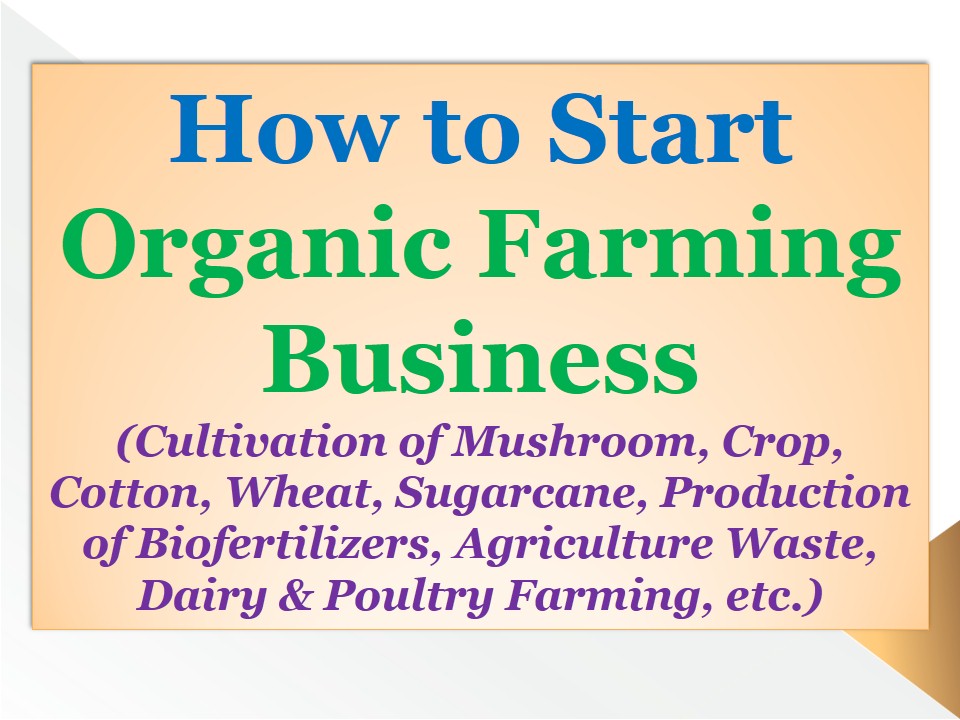
The demand for organic food is growing rapidly across the world. Consumers are becoming more health-conscious and aware of how food is grown. This rising trend has opened new doors for entrepreneurs in agriculture. Starting an organic farming business is not only profitable but also supports health and sustainability.
It allows you to grow crops without harmful chemicals while offering fresh, chemical-free produce to the market. But success in this field depends on planning, commitment, and the right farming practices.
Step-by-Step Guide to Start an Organic Farming Business
To start a profitable organic farming business, you need more than just land and seeds. You must understand the market, soil, crops, and certification process. This step-by-step guide will help you get started with confidence.
See Also – Start Meat Processing Business
1. Understand the Basics of Organic Farming
Before you begin, learn the fundamentals. Organic farming avoids synthetic fertilizers, pesticides, and genetically modified seeds. Instead, it promotes natural compost, crop rotation, green manure, and biological pest control.
This method helps preserve soil health, protect biodiversity, and reduce pollution. Your first goal is to adopt these principles in every part of your farm.
Explore these key practices:
Use natural fertilizers like cow dung, compost, and green leaves
Rotate crops to maintain soil fertility
Use neem oil, ash, and garlic spray to manage pests
Collect and use rainwater for irrigation
Let your soil regenerate before each growing cycle
2. Choose the Right Location and Land
The success of your farm depends heavily on location. Look for land with healthy, chemical-free soil. Avoid plots near polluted rivers or highways. Choose areas that get enough sunlight and rainfall.
Make sure the land has access to irrigation water. If possible, get your soil tested in a lab. The test will help you decide what crops will grow best.
Soil preparation is the next step. Plough the land properly, remove weeds, and add organic compost. The healthier the soil, the better your produce.
3. Select Profitable Organic Crops
Your crop choice will affect your earnings and market reach. Some of the best crops for an organic farming business include:
Vegetables like spinach, carrots, and tomatoes
Fruits like bananas, papayas, and mangoes
Grains like wheat, rice, and millet
Pulses like lentils and chickpeas
Medicinal herbs like tulsi, aloe vera, and ashwagandha
Always choose crops based on soil type, weather, and market demand. Start small with two or three crops before expanding your range.
4. Arrange Capital and Create a Business Plan
Like any other business, organic farming also needs investment. You’ll spend on land, seeds, compost, labor, irrigation, and packaging. Prepare a clear budget to manage your funds.
You can arrange capital through:
Bank loans under agriculture schemes
NABARD subsidies and grants
Farmer-producer organizations (FPOs)
Personal savings or private investors
Prepare a business plan that outlines your farm layout, crop rotation schedule, expected yield, and revenue projections. This plan will guide your daily operations and help in seeking financial support.
5. Get Organic Certification
Without certification, your produce cannot be officially sold as “organic.” In India, the two main certification bodies are:
NPOP (National Programme for Organic Production)
PGS-India (Participatory Guarantee System)
To get certified:
Register your farm
Follow organic methods for at least two years (conversion period)
Maintain farm records and logbooks
Allow regular inspections by authorized agencies
Once certified, you gain trust in the market. Your products can be sold at premium prices both in India and abroad.
6. Build a Compost and Natural Input Unit
Instead of buying compost or bio-inputs, build your own. This reduces costs and ensures the purity of materials.
You can prepare:
Vermicompost using earthworms
Jeevamrut (fermented mix of cow dung, jaggery, and water)
Neem-based pesticides
Panchagavya (a traditional mix of five cow products)
These natural inputs help improve plant health and increase yields over time.
7. Use Technology and Farm Management Tools
Modern tools can help you track your farm’s performance. Use mobile apps to monitor soil moisture, pest attacks, and crop growth.
Install drip irrigation systems to save water. Solar pumps can reduce your electricity bills. You can also use weather alerts and farm management software to plan better.
Technology makes your organic farming business more efficient and sustainable.
8. Hire Skilled Labor or Train Local Workers
Organic farming needs careful handling of crops, compost, and pests. Hire workers with farming experience or train local youth in organic techniques.
Offer regular training sessions to improve skills. A motivated team reduces mistakes and increases productivity.
Good labor management also creates a clean and organized farm that attracts buyers and visitors.
9. Harvest, Pack, and Store Your Produce Properly
Harvest your crops at the right stage. Use clean tools and avoid plastic bags for collection. Handle fruits and vegetables gently to avoid damage.
Pack your produce in eco-friendly boxes or baskets. Label each pack with the crop name, harvest date, and certification number.
If you store your harvest, make sure your storage area is clean, cool, and dry. Proper storage maintains freshness and prevents losses.
10. Sell Through the Right Channels
There are many ways to sell your organic produce:
Local farmers’ markets
Organic grocery stores
Online marketplaces
Farm-to-home delivery apps
Export to foreign markets
Direct sales to restaurants or hotels
Create a strong brand with clear packaging and labeling. Share your farm story through social media. Educated customers trust organic brands that stay transparent and honest.
Building a community around your organic farming business builds loyalty and long-term growth.
11. Promote Sustainability and Eco Practices
As an organic farmer, your responsibility goes beyond growing crops. Use practices that support nature and reduce waste.
You can:
Install rainwater harvesting systems
Recycle farm waste into compost
Avoid plastic completely
Grow trees around your farm
Save local seeds and protect biodiversity
Sustainability not only helps the planet but also adds value to your business. It shows customers that you care about more than profits.
12. Challenges You May Face
Starting an organic farming business comes with a few challenges:
High labor effort compared to conventional farming
Delayed results in the first year
Need for regular inspections and documentation
Limited access to certified inputs
Seasonal weather risks
But with patience and persistence, you can overcome these issues. As soil health improves, your output increases naturally.
13. Opportunities and Growth Potential
The organic market is growing faster than ever. Schools, hospitals, cafes, and export firms all want organic produce. Health-conscious parents and working professionals are ready to pay more for safe, fresh food.
You can expand into:
Organic dairy farming
Organic poultry
Agro-tourism
Farm stay experiences
Value-added products like organic pickles, powders, or juices
Your organic farming business can scale beyond vegetables and fruits. It can turn into a brand that promotes clean living and mindful eating.
See Also – Dyestuff Business
Final Words
Starting an organic farming business gives you more than profits. It gives you purpose, freedom, and a healthy lifestyle. By feeding people chemical-free food, you also restore nature and protect future generations.
Start with clear goals, learn continuously, and stay connected with your customers. Build strong roots just like your crops. Organic farming takes effort, but the rewards are always worth it.