
Oxygen and Nitrogen Gas Production
Oxygen and nitrogen are two of the most abundant gases in the Earth’s atmosphere, making up nearly 99% of the air we breathe. Nitrogen constitutes approximately 78% of the atmosphere, while oxygen makes up around 21%. These two gases are essential not only for supporting life on Earth but also for powering a multitude of industrial, medical, and technological applications. From enabling combustion in blast furnaces to preserving perishable food items and saving lives in hospitals, oxygen and nitrogen are indispensable. Their efficient, cost-effective, and high-purity production has become a cornerstone of industrial progress in modern times. Industrial Processes for Producing Oxygen and Nitrogen Cryogenic Air Separation: Precision at Extremely Low Temperatures The cryogenic air separation process is the most commonly used technique for producing large quantities of oxygen and nitrogen. This method relies on the principle of fractional distillation at extremely low temperatures to separate air into its primary components. Here’s a breakdown of how this intricate yet highly efficient process works: Air Intake and Filtration: Ambient air is drawn into the system and passed through filters that remove dust, moisture, carbon dioxide, and hydrocarbons. These impurities can freeze at low temperatures and disrupt the distillation process. Compression: The clean air is compressed to high pressures, typically using multi-stage compressors with inter-stage cooling systems. Cooling: The compressed air is cooled using heat exchangers. As it cools, it releases energy that is used to chill incoming air—making the system energy-efficient. Liquefaction: The air is cooled further using turbo expanders until it reaches a liquid state, typically at around -200°C. Distillation: The liquefied air is then sent into a double-column distillation unit, where nitrogen and oxygen are separated based on their different boiling points. Nitrogen, which has a lower boiling point (-195.8°C), rises to the top, while oxygen, with a higher boiling point (-183°C), stays at the bottom. Collection and Storage: The separated gases are collected in high-purity storage tanks for industrial or medical use. Cryogenic distillation allows the production of extremely high-purity oxygen and nitrogen gases, often exceeding 99.999% purity, making it ideal for applications in aerospace, pharmaceuticals, electronics, and metallurgical industries. Pressure Swing Adsorption (PSA): Reliable and Cost-Effective PSA technology is a non-cryogenic, energy-efficient process particularly suited for on-site production of oxygen and nitrogen. It operates at ambient temperatures and is ideal for small to medium-scale gas generation. Working Principle: The system compresses ambient air and passes it through beds filled with adsorbent materials. Zeolites selectively adsorb nitrogen molecules, allowing oxygen to pass through for oxygen generation. Nitrogen generation systems use carbon molecular sieves (CMS) to trap oxygen while allowing nitrogen to flow out. Once the adsorbent becomes saturated, the system reduces the pressure and releases the adsorbed gases, regenerating the bed for another cycle. PSA units can produce gases with purities up to: Oxygen: 93%–95% Nitrogen: 95%–99.999% These systems are widely used in hospitals, laboratories, food packaging, and pharmaceutical industries. Vacuum Swing Adsorption (VSA): Energy Efficiency for Lower Flows VSA is a variation of PSA, primarily used for oxygen generation. It operates at a lower pressure and uses a vacuum pump to regenerate the adsorbent material. It is more energy-efficient than PSA but is generally suitable for low-flow applications such as in small clinics, rural hospitals, and portable oxygen units. Although less common for nitrogen generation, VSA offers excellent performance for regions where power costs are a concern and the demand for oxygen is relatively stable. Membrane Gas Separation: Simplicity and Scalability Membrane-based systems use special polymer membranes to separate gases by allowing certain molecules to pass through faster than others. This method is ideal for on-demand, moderate-purity gas production. Here’s how it works: The system compresses air and feeds it through hollow fiber membranes. The membrane selectively permeates oxygen or nitrogen depending on the desired output. The result is a continuous stream of gas with purities ranging from 90% to 99% for nitrogen, and 30%–40% for oxygen. Membrane systems are: Compact and modular Low maintenance Perfect for oil & gas, marine, and fire suppression systems. Electrolysis of Water: Clean but Limited to Oxygen Electrolysis is a clean and precise method of producing oxygen, especially in laboratories, spacecraft, and submarines where cryogenic systems aren’t feasible. How it works: An electric current splits water into hydrogen and oxygen gases. The system collects oxygen at the anode and stores it or uses it on-demand. While electrolysis is energy-intensive and doesn’t produce nitrogen, it offers ultra-high-purity oxygen, free of impurities and suitable for high-tech industries and biomedical applications. Applications of Oxygen and Nitrogen in Everyday Life and Industry Healthcare and Life Support Medical oxygen is critical for patients suffering from respiratory diseases like COPD, COVID-19, or undergoing surgery. Hospitals widely use PSA-based oxygen generators to ensure a continuous and cost-effective oxygen supply. Researchers use liquid nitrogen in cryotherapy, preserve cells through cryopreservation, and transport biological samples with it. Food and Beverage Industry Nitrogen flushing helps in extending the shelf life of snacks, coffee, and other packaged goods by removing oxygen. Oxygen is used in aquaculture systems to maintain the oxygen level in fish farms. Cold storage units use liquid nitrogen for flash freezing fruits, vegetables, and meat products. Steel, Welding, and Metallurgy Oxygen enhances combustion, allowing furnaces to reach higher temperatures for steel and iron production. In oxy-fuel cutting, operators use a mixture of oxygen and acetylene to melt and cut metals. Welders use nitrogen gas as a shielding agent in welding processes to prevent oxidation. Chemical Manufacturing Oxygen supports oxidation reactions in the production of chemicals like ethylene oxide and hydrogen peroxide. Nitrogen is employed for blanketing volatile chemicals, pressurizing reactors, and purging pipelines to prevent explosive reactions. Oil and Gas Exploration Nitrogen gas is widely used for well stimulation, pipeline purging, and enhanced oil recovery. Membrane nitrogen units on offshore platforms help reduce oxygen content in flammable environments, thus preventing fire hazards. Electronics and Semiconductor Industry Ultra-pure nitrogen gas is essential in semiconductor fabrication to maintain inert, contamination-free environments. Engineers use oxygen plasma in photolithography to etch microcircuits
Neem Oil and Neem Cake Production Business
Neem, often referred to as the “village pharmacy,” offers a host of agricultural and medicinal benefits. Neem Oil & Cake are two highly demanded by-products derived from neem seeds, used extensively in agriculture, pharmaceuticals, and cosmetics. With organic farming and sustainable practices gaining momentum worldwide, starting a Neem Oil & Cake production unit is both a profitable and environmentally beneficial venture. Setting Up a Neem Oil & Cake Production Unit: Complete Step-by-Step Guide Starting a Neem Oil & Cake production business requires strategic planning, adequate capital, and the right infrastructure. Below is a complete guide to setting up your unit for optimal results. 1. Market Research & Opportunity Analysis Before launching your unit, conduct detailed market research. Study demand patterns, competitor pricing, potential buyers, and applications of Neem Oil & Cake. The primary consumers include: Organic fertilizer manufacturers Agrochemical producers Cosmetic and pharmaceutical industries Export markets in the EU, USA, and the Middle East By aligning your production capacity with local and international demand, your business can scale efficiently. 2. Legal Formalities & Registration To start legally, secure the following: Business registration (MSME/Udyam certificate in India) GST registration Factory license from the local authority Pollution clearance from the State Pollution Control Board Trademark registration (optional but useful for branding) Make sure you comply with all FSSAI and environmental regulations if your product enters the edible or pharmaceutical sector. 3. Location & Land Requirements Selecting the right location is vital. Look for areas: Near neem tree plantations or suppliers of neem seeds With good transportation and logistics connectivity Where power and water supply are uninterrupted Away from densely populated areas due to potential odour during processing A 2000 to 3000 sq. ft. area is sufficient for a small to medium-scale Neem Oil & Cake unit. 4. Raw Material Procurement The core raw material is neem seeds. These should be: Mature and dry Free from fungal infections Purchased in bulk during peak harvest (April to August) Establishing contracts with neem seed collectors or forest departments ensures a steady supply chain. 5. Production Process Overview The Neem Oil & Cake production involves two main processes: oil extraction and cake formation. a. Cleaning and Drying Seeds are first cleaned to remove dust, debris, and foreign particles. Then they are dried to reduce moisture to below 10%, which helps in increasing oil yield. b. Oil Extraction Oil is extracted using two methods: Cold Pressing: Retains nutritional value, best for cosmetic and pharmaceutical use. Solvent Extraction: Higher yield, better for industrial/agricultural grade oil. A cold press machine with a capacity of 100-200 kg/hour is ideal for small-scale operations. c. Filtration and Storage The crude neem oil is filtered through mesh filters to remove sediments. It is then stored in air-tight containers away from sunlight to prevent oxidation. d. Neem Cake Production The by-product from oil extraction — neem seed cake — is collected, dried, and ground. It is packaged as either powder or pellets. 6. Machinery & Equipment Needed Setting up a Neem Oil & Cake unit requires the following machinery: Neem seed cleaner Seed drying unit Oil expeller or cold press machine Oil filter press Neem cake grinder Packaging machine Storage containers Machinery costs can range from ?15 to ?30 lakh for a mid-sized plant. 7. Packaging and Branding Effective packaging enhances product value and shelf life. Use: Food-grade HDPE bottles or tins for neem oil Laminated pouches or sacks for neem cake Label your products with clear details: composition, usage instructions, batch number, and expiry date. Highlight that your products are organic, pesticide-free, and eco-friendly. 8. Marketing Strategies for Neem Oil & Cake Leverage both online and offline channels: Create a professional website and list your products on B2B platforms like IndiaMART, TradeIndia, and Alibaba Attend agriculture expos and organic product fairs Partner with agro-retailers and government supply chains Offer free samples to farmers and agri-input dealers to generate trials Highlight certifications like USDA Organic or ECOCERT to attract export buyers Utilizing digital marketing, SEO, and social media outreach can position your brand as a leader in the Neem Oil & Cake market. 9. Cost of Setting Up a Neem Oil & Cake Production Unit Here’s a basic breakdown of the estimated cost for a medium-scale unit: Item Cost (INR) Land & Building (Lease) ?5,00,000 Machinery & Equipment ?20,00,000 Working Capital (3 months) ?7,00,000 Licensing & Legal ?1,00,000 Packaging & Branding ?2,00,000 Total Estimated Investment ?35,00,000 Costs may vary depending on your production capacity and location. 10. Profit Margin and ROI The Neem Oil & Cake business yields strong profit margins: Neem oil sells at ?150–?300/litre depending on grade Neem cake fetches ?15–?30/kg You can expect a 30% to 40% gross margin with proper operations and marketing. Break-even typically occurs within 1.5 to 2 years. 11. Challenges and Risk Management Potential challenges include: Fluctuation in raw neem seed availability Seasonal dependency Need for consistent product quality Storage concerns due to the oil’s sensitivity to light and air Mitigate risks by contracting raw material suppliers and investing in quality assurance and proper warehousing. 12. Sustainability and Future Growth With the global organic farming market growing rapidly, the demand for Neem Oil & Cake will continue to surge. Further growth avenues include: Exporting value-added products like neem-based pesticides and cosmetics Expanding into neem leaf powder or neem bark extract manufacturing Collaborating with NGOs promoting sustainable agriculture Investing in R&D and adopting modern extraction techniques will give you a competitive edge. Frequently Asked Questions (FAQs) FAQ 1: What is the neem oil and cake production business? Neem oil and cake production involves extracting oil from neem seeds and processing the remaining seed cake into a valuable by-product. Neem oil is used in agriculture (as a natural pesticide), cosmetics, and pharmaceuticals, while neem cake is an excellent organic fertilizer and soil conditioner. Key Products: Neem Oil: Cold-pressed or solvent-extracted for agricultural, cosmetic, and pharmaceutical use Neem Cake: By-product used as organic fertilizer and pest repellent With organic farming gaining momentum worldwide, neem oil and cake production offers a profitable and environmentally beneficial
Learn How to start Fruits & Vegetables Powder Manufacturing Business in 2026
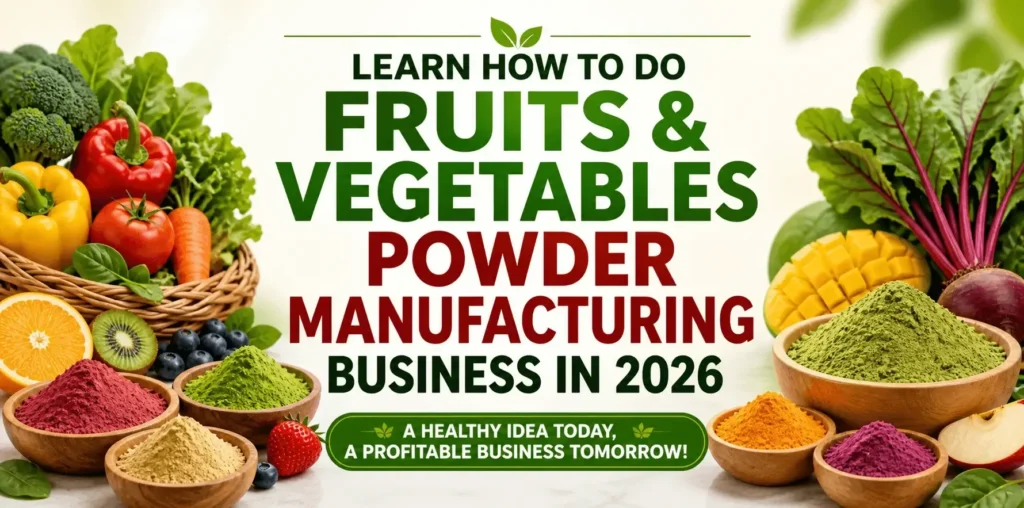
The Fruits & Vegetables Powder Manufacturing industry is rapidly gaining momentum across global markets due to increasing demand for natural and healthy food alternatives. Entrepreneurs and agro-processing businesses are now capitalizing on the nutritional benefits and long shelf life of these powders to tap into health-conscious consumer segments, including fitness enthusiasts, food manufacturers, baby food companies, and cosmetics brands. Comprehensive Guide to Start a Fruits & Vegetables Powder Manufacturing Business Starting a Fruit & Vegetable Powder business requires a well-thought-out approach, combining agricultural knowledge, manufacturing technology, and market strategy. From sourcing fresh produce to packaging and distribution, every step of the process must align with food safety standards, consumer expectations, and profitability goals. Understanding the Market Demand for Fruits & Vegetables Powder The shift toward healthier eating habits has created a substantial market for Fruit & Vegetable Powder. Consumers are increasingly turning to powders due to their convenience, extended shelf life, and rich nutrient content. Industries such as beverages, baby food, bakery, sauces, cosmetics, and dietary supplements rely heavily on these products for natural flavoring, coloring, and fortification. A few of the most popular powders include: Tomato, spinach, beetroot, and carrot powders in savory food manufacturing Banana, mango, apple, and blueberry powders in smoothies, cereals, and desserts Mixed vegetable powders for health supplements and instant soup mixes Handbook on Fruits, Vegetables & Food Processing with Canning & Preservation Sourcing Raw Materials and Managing Supply Chain To begin, it’s essential to establish a reliable supply chain of fresh, ripe, and pesticide-free fruits and vegetables. Partnering with local farmers or operating a small-scale contract farming model ensures consistent quality and quantity. Key sourcing tips: Procure during peak harvest seasons for cost efficiency Establish cold storage or dehydration facilities to minimize spoilage Implement strict quality control to reject overripe or damaged produce Working with organic farmers can also boost your branding efforts, especially when targeting health-conscious or export markets. Manufacturing Process and Equipment Setup Setting up your manufacturing unit requires a structured workflow with minimal nutrient loss during processing. The primary stages include: Washing and sorting – Remove dirt, pesticides, and impurities. Peeling and cutting – Mechanically or manually slice produce for dehydration. Dehydration – Use techniques like freeze-drying, spray-drying, or air-drying based on the fruit or vegetable type. Grinding – Pulverize the dried produce into a fine powder using food-grade grinders. Sieving – Ensure uniform texture and particle size. Packaging – Use moisture-proof, vacuum-sealed pouches to ensure shelf stability. For small to mid-scale operations, equipment like belt dryers, fluid bed dryers, hammer mills, and pouch sealing machines are essential. Investing in automation can reduce labor costs and increase batch consistency. Licenses, Certifications, and Legal Compliance To legally run a Fruit & Vegetable Powder business, the following licenses and registrations are mandatory in most countries: FSSAI License (India) or FDA Registration (USA) GST Registration Trade License from local authorities MSME Registration for availing subsidies and incentives Organic Certification (if applicable) Quality certifications such as ISO 22000, HACCP, and GMP can enhance your brand credibility and facilitate exports. Product Packaging, Branding, and Labeling In the food industry, packaging and branding are just as critical as the product itself. Use eco-friendly, food-grade pouches or containers that are tamper-proof and airtight. Design an attractive, informative label that includes: Nutritional facts Ingredients Shelf life Storage instructions Manufacturing and expiry dates Clear, honest labeling ensures trust and regulatory compliance. Highlighting “No preservatives,” “100% Natural,” or “Organic” can influence purchasing decisions. Food Packaging Technology Handbook Developing Product Range and Target Audience Diversifying your Fruits & Vegetables Powder portfolio helps cater to a broader market. Some suggested categories include: Single-fruit powders (mango, banana, apple) Mixed fruit powders (for smoothies and beverages) Green powders (spinach, kale, broccoli for supplements) Baby food blends Functional powders (beetroot for stamina, moringa for immunity) Target B2B and B2C segments such as: Food manufacturing units Health and wellness product brands Export houses Supermarkets and organic stores Online health product marketplaces Cost Estimation and Profit Margins Setting up a small-scale Fruits & Vegetables Powder unit typically requires an investment between ?20 – ?50 lakhs (India) or $25,000 – $75,000 (globally), depending on automation level and capacity. Breakdown of major cost components: Equipment and setup: 40% Raw material procurement: 25% Labor and utilities: 15% Packaging and branding: 10% Marketing and logistics: 10% Profit margins in this sector can range between 20%–35%, with higher margins on organic and specialty blends. Wholesale B2B supply can yield quicker turnover, while retail or D2C channels provide higher profit per unit. Marketing and Sales Strategies An effective marketing campaign is key to driving awareness and sales. Strategies include: Digital presence: Launch a branded website and eCommerce store Social media campaigns: Showcase benefits and recipes using powders Influencer collaborations: Leverage nutritionists and chefs Local exhibitions and organic trade fairs B2B tie-ups: Approach health food brands, cafés, and exporters Offer free samples, discount coupons, and product bundles to attract new customers. Implement loyalty programs for repeat purchases. Sustainability and Waste Management Embracing sustainability is a major selling point. Utilize rejected fruits and vegetables (still safe for consumption) to reduce food waste. Compost peels and residues, or use them in biofuel generation or animal feed. Adopt energy-efficient drying methods and biodegradable packaging to minimize your environmental impact. Challenges and Risk Management Like any food business, this one comes with its set of challenges: Seasonal raw material fluctuation Storage and humidity control Maintaining consistency in taste and color Meeting global food safety standards for exports Mitigate risks through diversified sourcing, regular quality audits, staff training, and investment in R&D for new product development. Find the most profitable startup for your investment range Growth Potential and Future Trends The global Fruits & Vegetables Powder market is projected to grow at a CAGR of over 6% through 2030, fueled by increasing demand for clean-label and immunity-boosting products. Emerging trends include: Superfood blends with moringa, berries, and spirulina Custom health mixes for fitness enthusiasts Cosmetic-grade powders for natural skincare formulations Instant beverage powders with no added sugar With innovations
Production of Fresh Dips. Dipping Sauce Manufacture
In today’s fast-paced food industry, fresh dips and sauces have become staples in households and commercial kitchens alike. Their ability to enhance flavor profiles while offering convenience has driven a surge in demand. Whether you’re looking to launch a gourmet product line or add value to your food business, understanding the intricate process of manufacturing fresh dips and sauces is essential for consistent quality, safety, and scalability. Comprehensive Guide to Fresh Dips and Sauces Manufacturing Manufacturing fresh dips and sauces combines culinary artistry with scientific precision. It involves ingredient sourcing, recipe formulation, batch consistency, safety protocols, and packaging strategies that ensure product shelf life while retaining freshness. 1. Sourcing High-Quality Raw Ingredients The foundation of a premium fresh dip or sauce is its ingredients. We always begin by establishing relationships with local suppliers who can guarantee: Fresh herbs and vegetables (e.g., basil, cilantro, tomatoes, garlic, onions) Natural preservatives (e.g., lemon juice, vinegar, citric acid) High-grade oils like extra virgin olive oil, sunflower oil, or avocado oil Clean-label additives such as xanthan gum or guar gum for natural thickening Choosing non-GMO, organic, or certified ingredients boosts consumer appeal and reduces the need for synthetic preservatives. 2. Recipe Development and R&D Trials Recipe development is a critical step where flavor, texture, aroma, and color are optimized. We conduct numerous R&D trials to achieve the perfect balance. A successful fresh sauce or dip needs: A balanced pH level for food safety (target between 3.5 to 4.5) Emulsification control to maintain homogeneity Heat treatment compatibility (if using mild pasteurization) Allergen considerations and labeling compliance Popular base recipes include hummus, tzatziki, salsa, guacamole, pesto, ranch, aioli, tahini, and cheese-based dips. Each requires unique equipment settings and formulation adjustments. 3. Equipment Required for Manufacturing The manufacturing of fresh dips and sauces requires food-grade, stainless steel machinery to ensure hygiene and efficiency. A standard production line includes: Vegetable choppers and grinders for preparing raw ingredients High-shear mixers or blenders for uniform mixing Cooking kettles or pasteurizers for heat treatment pH meters and refractometers for quality checks Filling and sealing machines suited for various packaging formats Cold chain systems to maintain freshness post-production We use vacuum mixing systems in certain applications to reduce oxidation and enhance shelf life. 4. Hygiene and Food Safety Protocols Food safety is non-negotiable in the production of fresh dips and sauces. We operate under strict HACCP protocols, which include: Sanitation SOPs for all surfaces and equipment Personal hygiene training for all staff Batch coding and traceability systems Routine microbiological testing for pathogens like Salmonella, E. coli, and Listeria Cold chain management to preserve the freshness during storage and transportation Implementing metal detectors and X-ray machines ensures that no physical contaminants make it to the final product. 5. Emulsification and Texture Optimization Many fresh dips and sauces rely on the stable blending of oil and water-based components. Achieving a consistent emulsion is crucial. We carefully: Control mixing speed and duration Adjust ingredient ratios (oil-to-water) Use natural emulsifiers like egg yolk, mustard, or lecithin Avoid overprocessing, which can break the emulsion and ruin texture Proper emulsification not only improves mouthfeel but also enhances the product’s visual appeal and stability. 6. Natural Preservation Techniques As consumers shift towards preservative-free foods, we use natural preservation techniques that extend shelf life without compromising quality. These include: Acidification using vinegar or lemon juice to control pH Refrigeration or cold pasteurization (HPP – High Pressure Processing) Vacuum sealing to minimize air exposure Modified atmosphere packaging (MAP) to inhibit microbial growth These methods preserve freshness while aligning with clean-label demands. 7. Packaging Design and Material Selection Packaging plays a vital role in protecting fresh dips and sauces from contamination and spoilage. We select packaging based on: Barrier properties (oxygen, moisture) Consumer convenience (resealable lids, single-serve pouches) Sustainability (biodegradable containers, recyclable plastics) Labeling requirements (ingredient list, allergen warnings, nutritional values) Popular formats include PET jars, squeeze bottles, glass containers, and laminated pouches. 8. Shelf-Life Testing and Stability Checks Before launching any batch, we conduct accelerated and real-time shelf-life studies. This ensures that fresh dips and sauces maintain: Sensory quality (taste, aroma, color) Microbial safety Emulsion stability Stability testing under varying temperature and humidity conditions simulates real-world logistics and retail environments. 9. Scaling Up from Small Batches Once the formulation is finalized, we move from pilot to commercial-scale production. Key focus areas during scaling include: Ingredient sourcing at scale Batch consistency monitoring Process automation and line balancing Waste minimization and yield optimization We often implement ERP systems to manage inventory, production schedules, and quality controls efficiently. 10. Regulatory Compliance and Certification We adhere to FSSAI (India), FDA (USA), and EFSA (EU) standards based on target markets. Important certifications may include: ISO 22000 or FSSC 22000 Organic Certification Halal/Kosher Certification USDA Organic or Non-GMO Verified Compliance builds brand trust and opens up retail and export opportunities. 11. Marketing and Distribution Strategy After production, success hinges on how effectively we market and distribute the product. Our strategy includes: Partnering with retail chains and food service companies Creating eye-catching POS displays Developing compelling brand storytelling Offering tasting samples and influencer campaigns Leveraging cold-chain logistics partners Online D2C platforms and gourmet stores are also ideal for niche, high-quality fresh dips and sauces. Conclusion The manufacturing of fresh dips and sauces requires a blend of food science, quality control, and market insight. With the right production processes, safety protocols, and branding strategies, businesses can craft products that meet rising consumer expectations for freshness, flavor, and health consciousness. As demand for gourmet condiments continues to grow, investing in quality manufacturing practices ensures both profitability and brand longevity. Visit the page Select and Choose the Right Business Startup for You for sorting out the questions arising in your mind before starting any business and know which start-up you can plan. We, at NPCS, endeavor to make business selection a simple and convenient step for any entrepreneur/startup. Our expert team, by capitalizing on its dexterity and decade’s long experience in the field, has created a list of profitable ventures for