
A Guide on how to start your own Gypsum Business
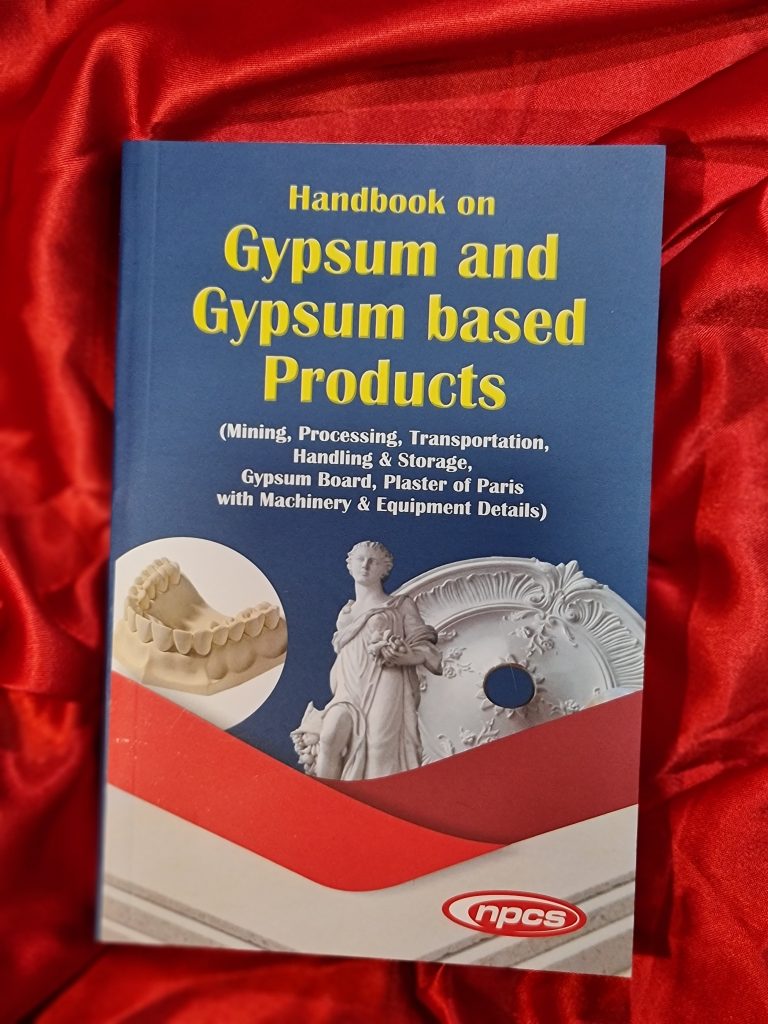
If you’re looking for a highly scalable and industrially relevant opportunity, then it’s time to start your own gypsum business. Gypsum is a mineral used widely in construction, agriculture, cement, and even medical industries. With the real estate and infrastructure sectors booming in emerging markets like India, the demand for gypsum-based products such as plaster of Paris, wall panels, and gypsum boards is on the rise. Low entry barriers, abundant raw materials, and increasing demand make it a profitable segment for entrepreneurs aiming to enter the building materials market. Why Gypsum is a High-Potential Business Gypsum is a naturally occurring mineral composed of calcium sulfate dihydrate, and it serves multiple industrial purposes. In the construction sector, it’s used for producing gypsum boards, plaster, and drywall systems. In agriculture, gypsum is used as a soil conditioner, and in the medical sector, it plays a role in creating surgical molds and dental impressions. When you start your own gypsum business, you’re entering a market with constant, year-round demand from various industries. The increasing adoption of prefabricated construction systems, lightweight building panels, and sustainable construction materials has further driven the use of gypsum-based products. Additionally, since gypsum can be recycled and reused, it fits well into eco-friendly and green construction goals. These factors make the gypsum business not only profitable but also future-proof and aligned with environmental sustainability trends. Various Gypsum-Based Business Models There are several ways to start your own gypsum business, depending on your budget, target market, and technical capabilities: Gypsum Mining and Supply: Extracting raw gypsum and supplying it to industries such as cement and construction. Plaster of Paris Manufacturing: Heating gypsum to produce POP for use in decoration, casting, and construction. Gypsum Board/Sheet Production: Used for false ceilings, interior walls, and partitions. Gypsum Powder for Agriculture: Selling finely ground gypsum to farmers as a soil enhancer and conditioner. Gypsum Moulds and Artifacts: Creating decorative pieces, ceiling medallions, and sculptural products. Each model offers a different investment and returns profile. For first-time entrepreneurs, manufacturing POP or gypsum boards on a small to medium scale is often a good entry point. Manufacturing Process and Machinery If you plan to start your own gypsum business with a manufacturing unit, you need to understand the production process. For Plaster of Paris (POP), the process involves: Crushing the raw gypsum to a fine powder. Heating the powder in a rotary kiln or calciner to remove moisture and convert it into POP. Cooling and grinding the calcined product to uniform fineness. Packaging the final product into bags or containers. For gypsum board production, the process includes: Mixing gypsum with water and additives. Pouring the slurry onto a moving belt lined with paper. Setting, cutting, and drying the boards. Stacking, finishing, and packaging for delivery. Essential machinery includes crushers, calcining kilns, mixers, belt conveyors, board formers, dryers, and packaging equipment. A basic POP manufacturing setup may cost ?12–15 lakhs, while a gypsum board plant can range upwards of ?40–50 lakhs depending on automation level and capacity. Raw Material and Utilities To start your own gypsum business, the primary raw material is gypsum ore, which is widely available in India, especially in states like Rajasthan, Gujarat, and Tamil Nadu. If you’re not mining yourself, you can procure gypsum from authorized mines or industrial by-products such as phosphogypsum from fertilizer plants. Additional materials include: Paper liners (for board production) Additives like starch, foaming agents, and binders Packaging bags for POP Electricity, water, and fuel for calcination and drying Ensure a reliable supply chain and check local availability to minimize transportation and logistics costs. Quality of gypsum directly impacts the strength and whiteness of your end product, so source high-purity gypsum wherever possible. Licensing and Legal Compliance Before you start your own gypsum business, ensure all necessary licenses and permits are in place. These include: Udyam (MSME) registration GST registration Factory license (as per state regulations) Pollution Control Board NOC BIS certification for POP (IS 2547) or gypsum boards (IS 2095) Mining lease (if involved in extraction) Proper compliance is key to building a sustainable and legal business. If you plan to export your products, certifications like ISO 9001, CE marking, or eco-labels can enhance credibility. Market Strategy and Customer Segments Your success in the gypsum sector depends heavily on your go-to-market strategy. After you start your own gypsum business, you’ll need to reach specific buyer segments such as: Construction contractors and real estate developers POP dealers and interior decorators Fertilizer suppliers and agri-input retailers Architects and design studios (for gypsum boards) Medical/dental supply companies (for surgical-grade gypsum) Use a combination of traditional B2B sales, channel partnerships, and modern platforms like IndiaMART, TradeIndia, or even Amazon Business for wider reach. Providing demos, attractive trade discounts, and bulk supply assurance can help in creating long-term relationships. Branding your gypsum products with features like “extra white,” “fast setting,” or “dust-free application” can also create differentiation in a price-sensitive market. Cost Breakdown and Profit Potential You can start your own gypsum business on a small scale with an investment of ?15–20 lakhs for a POP unit or ?40–60 lakhs for a gypsum board plant. Here’s a sample cost structure for a small POP manufacturing setup: Machinery and setup: ?8–10 lakhs Raw materials: ?3–4 lakhs (initial stock) Labor and utilities: ?1.5–2 lakhs/month Marketing and branding: ?1 lakh Licensing, rent, and contingencies: ?2–3 lakhs POP and gypsum boards offer margins of 20–35% depending on scale and branding. A well-run unit can achieve monthly revenues of ?4–6 lakhs in its early phase, with significant growth potential as contracts and distributors increase. Challenges and Risk Mitigation Like any industry, gypsum businesses face challenges such as: Raw material price volatility Competition from low-cost players Transport constraints due to bulkiness Moisture control during storage and packaging These can be mitigated by: Establishing local raw material sources Automating key processes for consistency Maintaining dry storage conditions Focusing on niche applications like decorative gypsum or eco-friendly boards When you start your own gypsum business, risk planning and quality control
Start Producing Sterile Water for Injection in Pharmaceutical Industry
Producing sterile water is a crucial process in pharmaceutical, medical, and laboratory settings where purity and safety are non-negotiable. Sterile water is free from all microorganisms, pyrogens, and particulate matter, making it ideal for injections, wound cleansing, and medical device sterilization. It’s commonly used as a solvent for intravenous drugs or as a diluent for vaccines. Due to its high demand in healthcare and biotech industries, producing sterile water can also be a profitable business opportunity when done under strict compliance and quality control. Importance and Applications of Sterile Water The process of producing sterile water ensures the elimination of all forms of microbial life, including bacteria, spores, and fungi. It is different from purified water, which may still contain non-pathogenic microbes. Sterile water is essential for clinical procedures like injections, dialysis, and neonatal care. It’s also used in pharmaceutical manufacturing, analytical labs, and in cleaning surgical instruments. In hospitals and medical centers, sterile water is typically supplied in sealed ampoules or IV bags to prevent contamination. It is used both independently and as a base for reconstituting medications. This makes it one of the most vital components in modern medical infrastructure. Given its widespread usage, the sterile water production business continues to see growing demand across the globe. Visit this Page for More Information: Start a Business in Pharmaceutical sector Understanding the Production Process The process of producing sterile water involves multiple purification and sterilization steps to ensure it meets pharmacopeia standards (such as USP, BP, or IP). Here’s a typical flow: Water Pre-treatment – Raw water is passed through filters to remove large particles and chlorine. Purification Stage – Techniques like reverse osmosis, deionization, or distillation are used to remove dissolved salts, organic matter, and minerals. Filtration – The water is further passed through micro or ultrafilters to eliminate smaller particles. Sterilization – The final step involves heat sterilization (autoclaving), gamma irradiation, or membrane filtration to remove all microorganisms. Packaging – Sterile water is immediately filled into pre-sterilized containers under aseptic conditions in a cleanroom environment. Maintaining controlled environmental conditions during the packaging phase is critical to avoid post-sterilization contamination. Business Plan: Business Plan on Production of Sterile Water for Injection Equipment Required for a Sterile Water Plant Setting up a sterile water manufacturing unit involves both water purification and aseptic packaging systems. Essential equipment includes: Pre-filtration units (sand filters, activated carbon) RO purification system or water distillation plant Deionization columns (optional for high purity) UV disinfection unit Sterilizers (autoclaves or inline membrane filters) Cleanroom setup with laminar airflow benches Filling and sealing machines (ampoule, bottle, or IV bag fillers) Sterility test equipment (for batch-wise quality check) When you plan on producing sterile water commercially, investing in GMP-compliant, validated machinery is critical. The entire operation should meet WHO, FDA, or national drug control standards to be eligible for supply to hospitals or pharma companies. Compliance and Regulatory Requirements Since producing sterile water directly impacts patient health, it is regulated as a pharmaceutical product in most countries. Key regulatory aspects include: Manufacturing License under the Drugs & Cosmetics Act (for India) Approval from drug control authorities for sterile formulations GMP certification (Good Manufacturing Practice) Sterility and pyrogen testing as per pharmacopeia standards Stability studies and batch-wise quality documentation Sterile water for injection (SWFI) must not contain any added antimicrobial agents or other substances and should meet stringent microbial limits. All production batches must undergo rigorous microbiological, chemical, and endotoxin testing before release. Proper documentation, standard operating procedures (SOPs), and personnel hygiene protocols are essential in maintaining a sterile production environment. Related Feasibility Study Reports: Pharmaceutical, Drugs, Fine Chemicals, Bulk Drug Intermediates Raw Materials and Packaging Options The primary raw material for producing sterile water is purified water meeting preliminary quality standards. Additional inputs include: Pre-sterilized containers (glass ampoules, vials, or plastic bottles) Sealing caps and aluminum crimping lids Nitrogen or inert gas for blanketing (if applicable) Labels, batch stickers, and cartons Packaging types vary based on application. For instance: 5 ml to 100 ml glass ampoules for injection use 500 ml plastic bottles for wound irrigation IV pouches for infusion therapies Bulk sterile water in drums for pharmaceutical blending Each packaging format must undergo validation for sterility, shelf-life, and compatibility with the stored liquid. Read Similar Articles: Pharmaceutical Industry Investment and Cost Estimates A small to medium-scale sterile water manufacturing unit can be set up with an investment starting from ?30–50 lakhs. This covers: Plant machinery and cleanroom setup: ?20–30 lakhs Licensing and certifications: ?3–5 lakhs Initial raw material stock: ?2–3 lakhs Quality control lab: ?3–4 lakhs Working capital and contingency: ?5–7 lakhs High-capacity automated units can cost ?1 crore or more. While the upfront cost is significant, the ROI can be attractive due to premium pricing and high demand in the medical field. Sterile water packs often sell at 5x–10x the cost of production, especially in institutional supply. Market Demand and Distribution Opportunities The demand for sterile water is consistent across hospitals, nursing homes, clinics, pharmaceutical companies, biotech labs, and even cosmetic manufacturing units. With growing healthcare infrastructure in developing nations, the market is expanding rapidly. Distribution options include: Hospital tenders and supply contracts Retail through medical stores and pharmacies Export to developing countries or disaster relief programs Private label manufacturing for pharma brands To scale quickly, you can register with government procurement platforms like GeM or supply to armed forces and government hospitals. Online B2B marketplaces like IndiaMART, TradeIndia, or Alibaba can help secure bulk orders domestically and internationally. Read our Books Here: Pharmaceutical, Drugs, Proteins Technology Handbooks Challenges and Risk Management While the business of producing sterile water is lucrative, it comes with its own set of challenges: High regulatory scrutiny Maintaining aseptic conditions throughout the process Risk of contamination leading to product recall Requirement of skilled technical and QA staff High capital intensity These risks can be mitigated with strict process control, validated equipment, automated sterilization, and continuous training. Regular environmental monitoring and third-party audits also ensure compliance and product safety. Conclusion Producing sterile