
The Only Handbook on Biofuel, Ethanol and Bioenergy Based Products
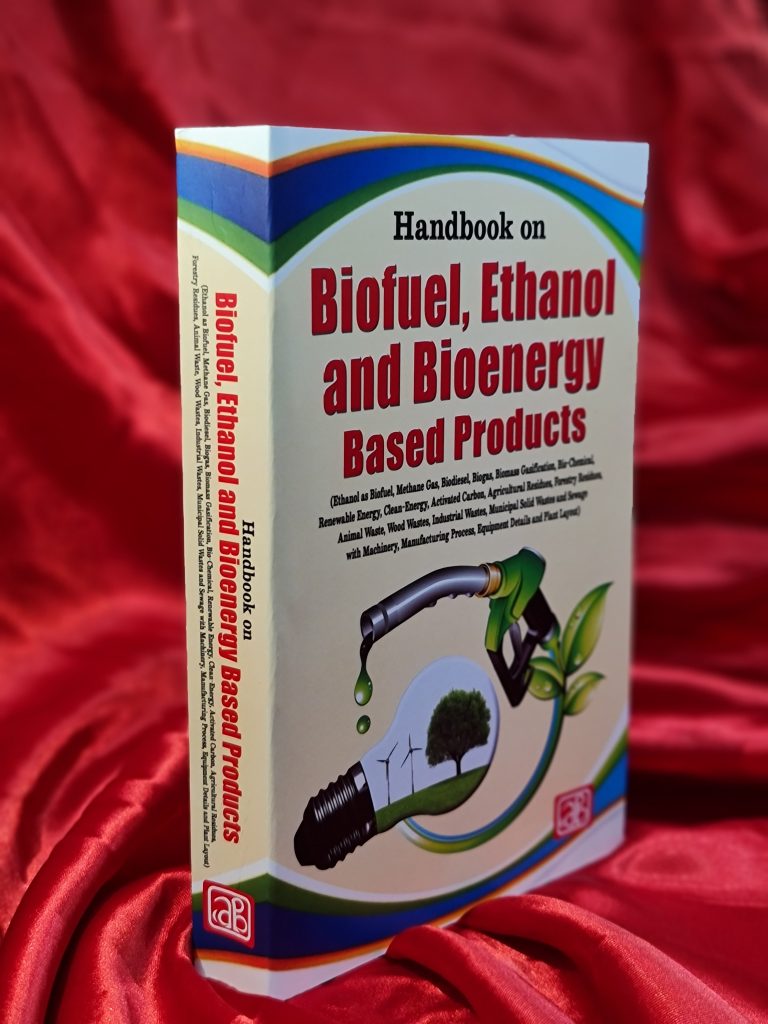
The Handbook on Biofuel, Ethanol and Bioenergy Based Products serves as a vital guide for entrepreneurs, researchers, and industries exploring sustainable energy alternatives. As the global focus shifts toward clean and renewable energy, biofuels and ethanol are taking center stage in energy policy discussions and green technology innovations. This handbook outlines the fundamentals of producing bioenergy products from organic and waste materials, offering deep insights into technologies, processes, market trends, raw material availability, and investment potential. Whether you’re launching a biofuel startup or expanding into ethanol production, this handbook provides a solid foundation for informed decision-making. Overview of Biofuel and Ethanol Technology The Handbook on Biofuel, Ethanol and Bioenergy Based Products dives into the science and engineering behind biofuel production. It explains how biomass—such as agricultural waste, sugarcane, corn, and lignocellulosic material—is converted into ethanol and other liquid biofuels through biochemical or thermochemical methods. Processes like fermentation, transesterification, and pyrolysis are described in detail, enabling readers to understand how different feedstocks impact fuel quality, energy output, and production cost. In addition to ethanol, the handbook explores biodiesel, biogas, and advanced biofuels made from algae and municipal solid waste. Each method’s pros, cons, and technical requirements are outlined for feasibility analysis. The content equips users to design small to large-scale production units while meeting sustainability and regulatory standards. Market Demand and Policy Support One of the highlights of the Handbook on Biofuel, Ethanol and Bioenergy Based Products is its analysis of the rising market demand fueled by climate change concerns, fossil fuel limitations, and governmental push toward energy independence. Countries like India, Brazil, and the United States are setting ambitious ethanol blending mandates, creating a huge need for reliable biofuel manufacturing units. With ethanol blending programs like E20 and global net-zero carbon targets, the demand for bioenergy is set to rise exponentially over the next decade. This handbook includes updated statistics, government schemes, and carbon credit opportunities that impact investment decisions. For instance, in India, the Ethanol Blended Petrol (EBP) program and SATAT scheme for compressed biogas are driving funding and entrepreneurship in this sector. Raw Materials and Feedstock Availability The Handbook on Biofuel, Ethanol and Bioenergy Based Products explains in detail the raw materials used across biofuel variants. For ethanol, the most common feedstocks include sugarcane molasses, corn, rice straw, and sweet sorghum. Biodiesel, on the other hand, is derived from non-edible oils like jatropha, waste cooking oil, or animal fats. The book helps entrepreneurs identify cost-effective and locally available feedstock, their yield per ton, moisture content, and storage requirements. It also outlines pre-processing methods like shredding, drying, or pretreatment required before these materials can be converted into fuel. Proper selection of feedstock is key to reducing operational costs and achieving consistent output. Plant Setup, Machinery, and Cost Estimation Another core section of the Handbook on Biofuel, Ethanol and Bioenergy Based Products covers plant design, equipment selection, and layout planning. It offers sample diagrams and technical specifications of essential machinery including fermenters, distillation columns, bio-digesters, centrifuges, feedstock crushers, and storage tanks. Readers are guid through steps like site selection, effluent treatment planning, fire safety requirements, and environmental clearances. The handbook also provides preliminary cost estimates for setting up small-, medium-, and large-scale biofuel manufacturing plants. Detailed CAPEX (capital expenditure) and OPEX (operational expenditure) breakdowns help in preparing feasibility reports and securing funding from government or private investors. Compliance, Licensing, and Quality Control The Handbook on Biofuel, Ethanol and Bioenergy Based Products also focuses on legal and quality aspects of the industry. It lists required licenses such as environment clearance from pollution control boards, PESO approval for fuel storage, BIS certification, and ethanol supply agreements with oil marketing companies (OMCs). Quality control is vital in biofuel production. Ethanol purity, calorific value, moisture levels, and sulfur content are among the parameters that determine acceptance. The handbook outlines best practices for maintaining product quality, minimizing emissions, and ensuring operational safety, making it a trusted reference for compliance. Financial Viability and Profit Potential The business of biofuels and ethanol is not just environmentally sustainable—it’s economically viable too. The Handbook on Biofuel, Ethanol and Bioenergy Based Products includes financial models that show ROI (return on investment), IRR (internal rate of return), and breakeven points for typical units. It discusses pricing trends, government procurement rates, and subsidy availability. With strong government support and rising fuel prices, biofuel units can generate attractive margins, especially when coupled with by-product revenue from distillers’ dried grains (DDGS), glycerin, or compost. Moreover, the handbook explains how biofuel producers can monetize carbon credits in addition to participating in renewable energy certificates (RECs), thereby further boosting profitability. Export Potential and Global Opportunities In addition to domestic supply, the Handbook on Biofuel, Ethanol and Bioenergy-Based Products highlights international opportunities in exporting biofuels to countries that rely on imports to meet clean energy targets. Specifically, ethanol and biodiesel are in high demand in the EU, Japan, and parts of Africa. Furthermore, the handbook guides readers on export documentation, international quality certifications, trade laws, and shipping logistics. Given this support, with the right quality and pricing, Indian producers can therefore establish long-term supply agreements with global energy companies and traders. Research, Innovation, and the Future The final chapters of the Handbook on Biofuel, Ethanol and Bioenergy Based Products emphasize the importance of innovation in creating next-generation biofuels. It explores developments like cellulosic ethanol, hydrogen-rich bio-oils, and algal biofuels that hold promise for higher energy density and lower environmental impact. The handbook encourages partnerships with academic institutions, participation in green energy accelerators, and investment in R&D labs. Conclusion The Handbook on Biofuel, Ethanol and Bioenergy Based Products is more than a technical guide—it is a roadmap for building a future-proof business aligned with global sustainability goals. It empowers readers with knowledge of processes, regulations, financials, and market dynamics to successfully start or grow a biofuel enterprise. As the world moves away from fossil fuels, bioenergy presents an incredible opportunity to contribute to the green economy while building a profitable and resilient business. Whether you’re a first-time
Guide to Start a Toothpaste Manufacturing Business
To start a toothpaste manufacturing business is to step into one of the most stable and evergreen sectors in the personal care industry. Oral hygiene is a daily essential, and toothpaste is a product used by nearly every household across the world. With growing awareness about dental health, increased consumption patterns, and a wide range of market segments from economy to premium herbal blends, the toothpaste industry offers strong potential for both startups and established manufacturers. Whether you plan to target general consumers, niche herbal markets, or private label clients, the toothpaste business remains highly scalable and rewarding. Market Potential and Industry Overview The demand for toothpaste is consistently high, driven by population growth, rising income levels, and better dental awareness campaigns. In India alone, the oral care market is valued at over ?10,000 crore, with toothpaste contributing nearly 70% of this. Urban consumers are increasingly switching to herbal and natural variants, while rural regions are rapidly catching up in terms of oral hygiene awareness. Globally, people are looking for fluoride-free, whitening, sensitive teeth, and eco-conscious options. When you start a toothpaste manufacturing business, you can cater to multiple niches like ayurvedic, kids’ toothpaste, charcoal-based, or even vegan-friendly products. The low dependency on seasonality and high repeat purchase behavior make this business sustainable with strong cash flow potential. Visit this Page for More Information: Start a Business in Cosmetic Industry Types of Toothpaste Products You Can Manufacture One of the first steps when you start a toothpaste manufacturing business is selecting your product range. The industry offers multiple variants: Fluoridated toothpaste (common for cavity protection) Herbal or ayurvedic toothpaste (with ingredients like neem, clove, babool) Sensitive toothpaste (for pain relief and enamel care) Whitening toothpaste (contains silica or activated charcoal) Kids toothpaste (fluoride-free, fruity flavors) Gel-based toothpaste (aesthetic and smooth texture) Medicated toothpaste (requires pharma license) Your choice will depend on the target demographic, market trends, and your investment capacity. Herbal toothpaste is growing rapidly, especially in export markets, offering a lucrative opportunity if you position your brand right. Read Similar Articles: Cosmetic and Beauty Products Manufacturing Process and Required Equipment The manufacturing of toothpaste involves a carefully controlled process to ensure consistency, texture, and safety. The typical steps include: Weighing and mixing raw materials (binders, abrasives, humectants, and active ingredients) Homogenizing the mixture to a smooth paste Deaerating the paste to remove air bubbles Filling and sealing the tubes or containers Quality testing and packaging To start a toothpaste manufacturing business, you’ll need essential equipment like: Mixing tanks and agitators Vacuum deaerator machines Paste filling machines (automatic/semi-automatic) Tube sealing machines Labeling and batch coding machines Water purification systems (if required) Setting up a small-scale unit can be done in a space of around 1000–1500 sq. ft. For medium- to large-scale production, you will require a more sophisticated setup with cleanroom standards and larger capacity machinery. Read our Books Here: Cosmetics and Beauty Products (Ayurvedic, Herbal) Formulation and Manufacturing Technology Raw Materials and Formulation Toothpaste formulation is the backbone of your product. Some of the key ingredients include: Abrasives: Calcium carbonate, silica Humectants: Sorbitol, glycerin Binders: Sodium carboxymethyl cellulose Surfactants: Sodium lauryl sulfate (SLS) Active agents: Fluoride, clove oil, neem extract, zinc compounds Flavoring: Mint, menthol, cinnamon Preservatives: Sodium benzoate Deionized or purified water To start a toothpaste manufacturing business, ensure all ingredients comply with BIS standards or international safety norms. You can work with a cosmetic chemist or R&D consultant to formulate unique variants. Consider offering herbal or fluoride-free alternatives to cater to health-conscious consumers. Business Plan: Start a Toothpaste Manufacturing Business Licensing, Compliance, and Legal Requirements Since toothpaste falls under the cosmetics category in most regions, you will need to comply with certain regulations. In India, the following licenses and documents are typically required: MSME/Udyam registration GST registration BIS certification (IS 6356 standard for toothpaste) Cosmetics manufacturing license from the Drug Control Department Pollution NOC (if applicable) Factory license and fire safety approval When you start a toothpaste manufacturing business, it’s crucial to adhere to proper labeling guidelines including batch number, ingredients list, expiry date, net quantity, and manufacturer details. If you’re planning exports, additional clearances like FDA, ISO 22716 (GMP), or Halal certification may be needed based on the destination market. Related Feasibility Study Reports: Cosmetics, Perfumery Compounds Packaging, Branding, and Labeling Packaging is one of the key success factors in the toothpaste market. Consumers are drawn to attractive, informative, and easy-to-use packaging. You can choose between: Laminated squeeze tubes Flip-top caps or nozzle caps Plastic or aluminum variants Eco-friendly packaging for sustainable brands Label design should highlight product USPs like “100% Herbal,” “Fluoride-Free,” or “Whitening in 7 Days.” Branding plays a huge role when you start a toothpaste manufacturing business. Choose a memorable brand name, invest in strong visual identity, and create trust through clinical claims or herbal certifications. Private labeling is another avenue where you can manufacture toothpaste for other companies under their brand name. This B2B segment offers great potential for consistent large orders. Cost Estimation and Financial Plan You can start a toothpaste manufacturing business on a small scale with an investment of ?10–15 lakhs. This includes machinery, raw materials, packaging materials, licenses, and working capital. A medium-scale unit may require ?25–40 lakhs or more depending on automation and capacity. Example cost breakdown for a 500 kg/day unit: Machinery and setup: ?8–10 lakhs Raw materials: ?2–3 lakhs (initial stock) Packaging and branding: ?2 lakhs Compliance and documentation: ?1 lakh Marketing and distribution: ?2–3 lakhs Total: ~?15–18 lakhs You can expect gross margins of 30% to 40%, with breakeven achievable in 12–18 months depending on volume and branding strength. Marketing and Distribution Strategy Once your product is ready, the next step is market penetration. Key channels include: General trade (chemist shops, retail outlets) Supermarkets and FMCG distributors Online platforms (Amazon, Flipkart, Nykaa) Dental clinics or wellness centers (for specialized variants) Export opportunities to Gulf, Africa, Southeast Asia Influencer marketing, sample distribution, and strong in-store visibility can help build initial traction. When you start