
Cold Storage, Cold Chain & Warehouse

The cold storage, cold chain, and warehouse industry in India is gaining momentum as the country witnesses rapid growth in agriculture, food processing, pharmaceuticals, and e-commerce. As temperature-sensitive goods become more critical in the supply chain—from fresh produce and dairy to vaccines and frozen foods—the need for reliable cold chain infrastructure has become paramount. India loses over 30% of its perishable agricultural produce due to lack of cold storage facilities and efficient logistics. To reduce this wastage, improve food security, and ensure timely delivery of quality products, both the government and private players are heavily investing in modern cold chain and warehouse solutions. Related Business Plans: Cold storage, Controlled Atmosphere Storage, Multipurpose, Multi-commodity Cold Storage Current Industry Overview India’s cold chain industry is valued at over USD 20 billion and is expected to grow at a CAGR of 14–16%, driven by increasing demand from the food, dairy, seafood, meat, and pharmaceutical sectors. The warehousing industry, including cold storage, is projected to cross INR 2,000 billion by 2027, thanks to booming e-commerce and organized retail. The market is segmented into: Cold Storage Units (stand-alone and integrated) Temperature-Controlled Vehicles (reefers) Cold Chain Warehousing & Logistics Dry Warehouses for goods storage and fulfillment Read our Books Here: Infrastructure, Hospitality, Medical 1. What is a Cold Chain and Why is it Important? A cold chain is a temperature-controlled supply chain used to preserve and transport perishable products. It ensures that food, medicine, and other sensitive goods maintain their required low temperatures from source to destination. Key components include: Pre-cooling facilities at farms Refrigerated storage units Cold transportation (reefer trucks, rail, and air) Pack houses and processing centers Temperature monitoring systems Failure in any part of the cold chain can lead to spoilage, monetary loss, and health risks, especially for food and pharma products. 2. Sectors Driving Demand for Cold Storage in India a. Agriculture & Horticulture India is the second-largest producer of fruits and vegetables globally. However, nearly 30% is wasted due to inadequate cold storage. Cold chains are vital for: Apples, bananas, mangoes Potatoes, onions, and tomatoes Leafy vegetables and mushrooms b. Dairy Industry Milk, butter, cheese, and yogurt are highly perishable. Proper cold storage helps maintain freshness and meet growing demand for value-added dairy products. c. Meat, Poultry & Seafood Frozen meats, processed foods, and seafood need ultra-low temperature preservation. Exporters particularly rely on high-quality cold chain solutions. d. Pharmaceuticals Vaccines, insulin, and life-saving biologics must be kept at specific temperatures. COVID-19 highlighted the urgent need for cold storage in India’s health infrastructure. e. E-Commerce and Retail Online grocery delivery, cloud kitchens, and food startups are increasingly investing in micro-warehouses and last-mile cold delivery. 3. Government Support and Incentives To strengthen the cold chain ecosystem, the Indian government has rolled out several schemes and policies: Pradhan Mantri Kisan SAMPADA Yojana (PMKSY)Provides subsidies for cold storage and agro-processing units. Mission for Integrated Development of Horticulture (MIDH)Supports construction of cold storages and pack houses. PLI Scheme for Food ProcessingEncourages investment in infrastructure for processed foods. 100% FDI allowed under the automatic route for food storage and cold chain infrastructure. TIES and TPCP schemes to develop export-focused cold chain clusters. 4. Technological Advancements in Cold Storage Innovation is transforming the traditional cold chain model. Companies are adopting: Real-time temperature monitoring IoT-based sensors and GPS tracking Automated storage and retrieval systems (ASRS) Energy-efficient refrigeration systems Renewable energy integration (solar-powered cold storages) Digitalization not only improves efficiency but also ensures regulatory compliance in pharma and food safety. 5. Top Players in the Indian Cold Chain & Warehouse Industry Snowman Logistics ColdEX Logistics Future Supply Chain Blue Dart Express Gati Kausar Coldman Logistics National Cold Chain Development Centre (NCCD) Reliance Retail (JioMart warehouses) Many international players are entering the Indian market through partnerships and joint ventures. 6. Challenges in the Cold Chain Sector Despite growth, several obstacles persist in India’s cold storage and warehousing space: High capital investmentSetting up cold chain infrastructure is expensive and time-consuming. Power shortages and high energy costsContinuous electricity is essential for refrigeration but costly in rural areas. Poor rural connectivityMany farm belts lack access to roads, reefer transport, or pre-cooling units. Fragmented supply chainA lack of integration between storage, transport, and retail logistics causes inefficiencies. Shortage of skilled workforceTechnicians trained in refrigeration, automation, and food safety are in short supply. Visit this Page for More Information: Start a Business in Cold storage Industry 7. Opportunities and Future Growth Potential The cold storage, cold chain, and warehouse industry in India is set to witness exponential growth due to the following: Urban consumption riseDemand for ready-to-eat, frozen, and organic food is growing in cities. Shift to organized retailSupermarkets and online grocers are investing in cold supply chains to meet customer expectations. Export opportunitiesIndia’s mangoes, grapes, spices, and shrimp can fetch high prices globally if cold storage is ensured. Pharma cold chainIndia’s growing status as a vaccine and drug manufacturing hub necessitates global-grade cold chains. Agri-tech & startup innovationStartups are developing portable, solar-powered cold storages and AI-based tracking systems. 8. Key Warehousing Hubs in India Several regions are emerging as cold chain and warehouse clusters, such as: NCR (Delhi, Noida, Gurugram) Mumbai and Navi Mumbai Hyderabad Bangalore Ahmedabad Kolkata Chennai Additionally, Tier-2 cities like Nagpur, Lucknow, and Indore are witnessing investment due to their strategic locations. Conclusion The cold storage, cold chain, and warehouse industry in India is no longer just a logistical necessity—it is becoming a strategic pillar of the nation’s food security, healthcare supply chain, and economic resilience. With robust policy support, growing demand across industries, and technological innovation, the sector is poised for unprecedented growth. Investors, entrepreneurs, and technology providers have a golden opportunity to shape the future of India’s supply chain by building efficient, affordable, and eco-friendly cold storage and logistics infrastructure. As consumer expectations rise and global trade intensifies, cold chain development will be critical to ensuring quality, safety, and sustainability. Read Similar Articles: Cold storage See More Links: Start a Business in Asia Start a Business in Potential Countries
Indian Medical Devices Industry
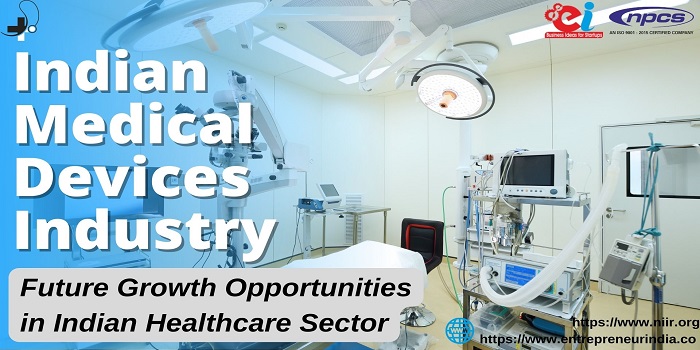
The Indian Medical Devices Industry is one of the fastest-growing segments of India’s healthcare sector. As the country strives toward universal healthcare, technological innovation, and self-reliance under the “Atmanirbhar Bharat” vision, the demand for domestically manufactured and high-quality medical equipment is surging. From diagnostic devices and surgical instruments to wearable tech and high-end imaging systems, the Indian market is witnessing a significant transformation. Currently valued at around USD 11 billion, the industry is expected to grow at a CAGR of 15%, reaching over USD 50 billion by 2030. With strong government support, rising healthcare needs, and increasing FDI, India is positioning itself as a global manufacturing hub for medical devices. Visit this Page for More Information: Start a Business in Healthcare Industry Overview of India’s Medical Devices Sector India ranks among the top 20 global markets for medical devices, but it currently imports over 70% of its requirements. The Indian medical devices ecosystem is evolving from low-value disposables and consumables to high-value, technology-driven equipment. The sector includes: Diagnostic imaging (MRI, CT, X-ray) Consumables (syringes, needles, gloves) Patient aids (hearing aids, pacemakers) Dental products Orthopedic implants Wearable and digital health devices 1. Key Drivers of Growth in the Medical Devices Industry a. Rising Healthcare Infrastructure India is rapidly expanding its healthcare infrastructure with new hospitals, clinics, and diagnostic labs, particularly in Tier-2 and Tier-3 cities. This leads to increasing demand for advanced equipment and devices. b. Growing Medical Tourism India is becoming a global medical tourism destination for affordable and high-quality treatments, which boosts the demand for modern devices across specialties. c. Aging Population & Chronic Diseases Non-communicable diseases (diabetes, heart ailments, cancer) are rising sharply, creating demand for diagnostic, monitoring, and therapeutic devices. d. Government Initiatives Schemes like “Production Linked Incentive (PLI) for Medical Devices,” “MedTech Parks,” and “Make in India” are catalyzing domestic manufacturing. Read Similar Articles: Health Care Sector 2. Government Policy & Regulatory Support a. PLI Scheme for Medical Devices Under this scheme, the government provides financial incentives to eligible manufacturers for producing high-end medical devices such as CT scanners, MRI machines, and ventilators. b. Medical Devices Rules (MDR) 2017 These regulations, amended regularly, classify devices into risk categories (A, B, C, D) and establish quality control mechanisms under CDSCO (Central Drugs Standard Control Organization). c. Dedicated Medical Device Parks India is developing four MedTech parks in Tamil Nadu, Andhra Pradesh, Himachal Pradesh, and Uttar Pradesh to reduce costs and enhance manufacturing capabilities. d. 100% FDI Allowed Foreign Direct Investment is allowed through the automatic route in the manufacturing of medical devices, making India a lucrative destination for global players. Read our Books Here: Infrastructure, Hospitality, Medical, Entertainment, Warehouse, Real Estate, Education, Cold Storage, Cold Chain, Controlled Atmosphere Storage & Rural Godowns 3. Top Domestic and Global Players in India Leading Indian Companies: Trivitron Healthcare Poly Medicure Skanray Technologies BPL Medical Technologies Meril Life Sciences Global Companies with Indian Presence: GE Healthcare Siemens Healthineers Medtronic Philips Johnson & Johnson Abbott These companies are increasingly localizing manufacturing and R&D in India due to rising demand and policy support. Related Feasibility Study Reports: Healthcare and Medical Businesses 4. Startup Ecosystem and Innovation in Medical Devices India is witnessing a wave of health-tech and MedTech startups innovating in areas like: AI-based diagnostic tools Remote patient monitoring Affordable ventilators and oxygen concentrators Wearables and fitness tech 3D printing for custom prosthetics and implants Notable startups include: Niramai (breast cancer screening using AI) Forus Health (portable eye-screening devices) Dozee (contactless health monitoring) 5. Challenges Facing the Indian Medical Devices Industry While the Indian Medical Devices Industry has immense potential, it also faces several challenges: High import dependence on critical diagnostic and imaging equipment Lack of harmonized standards and certification frameworks Limited R&D funding for deep-tech innovation Fragmented manufacturing ecosystem, mostly SME-led Price controls and regulatory ambiguity in some high-value categories Solving these issues will require coordinated policy, investment in infrastructure, and robust private-sector engagement. 6. Key Market Segments and Their Growth Outlook a. Diagnostic Imaging Includes MRI, CT, ultrasound, X-ray machines. Demand is booming in private hospitals, diagnostic labs, and cancer centers. b. Consumables & Disposables IV cannulas, syringes, catheters, PPE, gloves—this segment has seen rapid local production post-COVID-19 and continues to grow due to recurring demand. c. Patient Monitoring & Therapeutic Devices Including ECG, BP monitors, pulse oximeters, ventilators, and infusion pumps. There’s increasing adoption in home healthcare and emergency services. d. Orthopedic and Dental Implants India is a major global exporter of orthopedic implants and is scaling up dental implants due to rising cosmetic and geriatric needs. e. Wearable Devices Smartwatches, fitness bands, ECG trackers—this consumer-driven segment is growing due to lifestyle changes and interest in preventive health. 7. Opportunities for Investment and Manufacturing Make in India Opportunity: Manufacturing low-cost alternatives to imported high-value devices Medical Electronics: Integration of electronics and IoT into devices offers a new frontier for Indian innovation Export Potential: India’s cost advantage can make it a global supplier to Asia, Africa, and Latin America Skill Development: Need for training programs for device maintenance, biomedical engineering, and regulatory compliance Conclusion The Indian Medical Devices Industry is on a transformational journey from an import-dependent market to a self-sufficient, innovation-led global manufacturing hub. Driven by strong demand, enabling policies, and rising investor interest, the sector presents enormous potential for growth, exports, and job creation. For entrepreneurs, manufacturers, and investors, now is the ideal time to enter and expand in this high-impact sector. The future of India’s healthcare—and the quality of millions of lives—depends on how effectively the country develops its medical devices ecosystem. Download PDF: Indian Medical Devices Industry: Future Growth Opportunities in Indian Healthcare Sector Some Useful Links: Government Ministry/Department Central Drugs Standard Control Organization Department of Pharmaceuticals Department for Promotion of Industry and Internal Trade (DPIIT) Ministry of Chemicals & Fertilizers Ministry of Commerce & Industry Ministry of Health & Family Welfare Industry Associations Association of Indian Medical Device Industry (AIMED) Advanced Medical Technology Association (AdvaMed) Association of Diagnostics Manufacturers of India (ADMI) Asia Pacific Medical