
Business Opportunities in Automobile Industry

Visit this Page for More Information: Start a Business in Automotive Industry Suggested Recommendations: Market Research: Complete a thorough market study to understand current demands, market gaps, and competitors. Sustainability: Focus on sustainable production processes and materials due to global sustainability concerns. Collaborate: Work with large-scale automobile companies and distributors to secure a steady client base. Quality Control: Maintain rigorous quality control to gain and establish trust with customers, leading to return clientele and referrals. Constantly Innovate: Invest in research and development to stay ahead of trends and technology. Strategic Planning: Vision: The vision should paint a picture of where the organization would like to see itself in the future. Mission: The mission should highlight the organization’s values, its focus on quality, creativity, and innovation. Business Model: Identify if you will follow a B2B or B2C model. Establish your pricing structure and product distribution method. Target Market: Identifying your target market requires knowing client needs, preferences, and buying behaviors, which differ by region, age, and income. Product Development: Product development involves multiple stages: idea generation, concept development, product design, prototyping, product testing, product launch, and final production. Developing a product involves multiple stages, including idea generation, concept development, design, prototype development, testing, and final production. Product Development Innovation: Continual innovation is necessary to remain competitive. Look for new materials and manufacturing processes to improve product use and sustainability. Design: The design phase involves creating specifications and prototypes, considering aesthetics, functionality, safety, and production costs. Prototyping and Testing: Obtaining a prototype and subjecting it to rigorous testing ensures that the product meets quality and safety standards. Supply Chain Management Procurement: Establish relationships with trustworthy suppliers for high-quality materials at competitive prices. Production: Organize production efficiently to reduce waste and control costs. Lean manufacturing principles can maximize productivity. Logistics: Establish superior logistics for timely deliveries and minimized transportation costs. Quality and Compliance Quality Assurance: Apply quality control mechanisms at each production phase to meet industry benchmarks. Certifications and Compliance: Securing appropriate certifications increases the company’s investment risk and ability to create value. Continuous Improvement: Promote continuous improvement to enhance product quality and daily operations over time. Related Feasibility Study Reports: Automobile Industry Marketing and Branding Brand Identity: Create a brand identity that represents the company and resonates with the target audience. Strategizing Marketing: Develop a marketing strategy that speaks to the target audience and utilizes social, digital, and public relations mediums. Customer Engagement Engage with customers through social media to create brand loyalty and generate positive word of mouth. Sales and Distribution Sales Strategy: Develop a sales strategy that includes training representatives, setting targets, and rewarding performance. Distribution Channels: Use the most effective distribution channels to reach your target audience and optimize the supply chain. Customer Relationship Management (CRM) Implementing CRM can help manage customer touchpoints, increasing customer satisfaction and retention. Customer Service and After-Sales Support Service Excellence: Providing quality customer service is key to long-term relationships and customer retention. Warranty and Repairs: Offering warranties and repairs promotes customer confidence. Feedback Management Actively seeking and addressing customer feedback can help in identifying areas for improvement and enhancing overall customer experience. Sustainability and Environmental Responsibility Eco-Friendly Materials: Using environmentally friendly materials reduces the environmental footprint. Energy Efficient Processes: Implementing energy-efficient manufacturing processes reduces the carbon footprint. Waste Management Developing effective waste management strategies can minimize environmental harm and contribute to corporate social responsibility initiatives. Technological Advancement and Research Development Ongoing research, innovation, and integration of technologies like AI and IoT are critical for success in the competitive automobile market. Research and Development (R&D) A continuous investment in R&D is essential for developing innovative products and solutions, optimizing existing processes, and improving product efficiency and durability. Technological Integration integrating cutting-edge technologies such as Artificial Intelligence, Machine Learning, and Internet of Things can significantly enhance product quality, operational efficiency, and customer satisfaction. Intellectual Property Protecting innovations through patents, trademarks, and copyrights is crucial to safeguard business interests and foster a culture of innovation. Market Trends and Consumer Behavior Understanding market trends and consumer behavior is critical for offering products that align with consumer needs. Market Analysis Regularly analyzing market trends, consumer preferences, and competitive landscape can provide insights into emerging opportunities and potential threats. Consumer Insight Gathering and analyzing consumer feedback, preferences, and buying behaviors can help in refining products, services, and marketing strategies. Trend Adaptation Adapting to changing consumer preferences and market trends is vital to maintaining relevance and achieving long-term success. Skill Development and Workforce Management A skilled workforce is the backbone of any successful manufacturing business in the automobile products industry. Training and Development: Ongoing training can develop employee skills and enhance productivity. Workforce Management: Effective workforce management involves proper staffing, scheduling, and communication. Employee Retention Implementing employee-friendly policies, fostering a positive work culture, and providing growth opportunities can help in retaining talent and reducing turnover. Global Expansion and Market Diversification Expanding globally and diversifying markets can alleviate risks and enhance profitability. International Market Analysis Analyzing international markets involves understanding local demands, preferences, regulations, and competitive landscapes to formulate effective entry strategies. Market Entry Strategies Selecting the right market entry strategy, whether through exporting, licensing, franchising, or establishing local subsidiaries, is crucial to international success. Cultural Adaptation adapting products, services, and marketing strategies to local cultures, tastes, and preferences is essential for international acceptance and success. Risk Management and Contingency Planning Identifying, assessing, and mitigating risks is critical to ensuring business continuity and achieving long-term sustainability. Risk Assessment: Assess operational, financial, and strategic risks to create mitigation strategies. Contingency Planning: Prepare plans for various risk scenarios to ensure continuity during unforeseen events. Insurance and Liability Management Adequate insurance coverage and effective liability management are crucial to protecting business interests and ensuring financial stability. Customer-Centric Innovation and Design Thinking Adopting design thinking can help businesses create innovative, user-friendly products. User-Centric Design Designing products with a focus on user needs, preferences, and experiences can enhance product appeal and customer satisfaction. Customer Feedback and Co-Creation Actively seeking customer feedback and involving them in
Cattle Industry: Exploring the Booming Industry of Cow-Based Products

A-2 Cow Milk Processing: Tapping into Health-Conscious Markets The process of A-2 cow milk and by-products, including butter, ghee, and paneer, represents additional profitable market potential. A-2 Milk, marketed for health and digestibility, appeals to a growing segment of health-conscious consumers. Investing in this market allows a new business to capitalize on a segment of the market that demands food quality and ethical production. Electricity and Bio CNG from Cow Dung: Sustainable Energy Solutions The processing of cow dung for electricity and Bio CNG planning is innovative and environmentally sustainable. The use of cow dung for Biogas reveals the importance of sustainable energy systems and provides evidence of companies sustaining deteriorating levels of fossil energy. For new companies, entering the sustainable energy market means the opportunity for government allocations to sustain energy and the economic market developed around zero-emission energy sources. Innovative Uses of Cow Urine: Phenyl and Cow Urine Distillate Two novel products made from cow urine include phenyl and cow urine distillate (gau mutra ark). These products are targeted to specialty markets interested in organic and Ayurvedic options for mainstream products. The investment in processing and packaging cow urine can open market possibilities for products like gau mutra ark. Mosquito Repellent and Eco-Friendly Products from Cow Dung Products like mosquito repellent coils blend traditional knowledge with contemporary needs. Coils, along with other eco-friendly products made from cow dung (especially folded paper, pottery, and tiles), serve multiple needs for customers in the emerging eco-friendly products market. This absolutely new and untouched industry of products will allow startups/entrepreneurs to innovate while solving environmental problems. Cattle Farming: The Foundation of the Cow Products Industry farming is the backbone of the cow products industry, and ethical cattle farming practices with beef producers will help ensure a more stable supply of products previously mentioned. Cattle farming products can simplify supply chains for the startup industry and create consumer trust within the industry of beef production. Cow Urine Distillate and Concentrate: The Untapped Goldmine Cow Urine Distillate, referred to as Gau Mutra Ark or Kamdhenu Ark, is an investment opportunity like no other. Both traditional medicine and agricultural bio-enhancer uses have created a growing market for this product around the world. Urine Distillate and Concentrate cow products have exploration potential that may soften market access and provide advancement opportunities for new technologies relating to the distillation and packaging of cow products. Cow Urine Processing and Packing: Meeting Modern Standards Cow Urine Processing and Packaging, including cow urine (Gaumutra) for medicinal and agricultural purposes, provide an opportunity for innovation in the industry. Startups can use different modes of processing cow products, generate high sanitation processing, and control animal product sanitation from beginning to end. This has the capacity not only to add value and improve consumer appeal, which considers organic and proven cow urine benefits but also to ensure that their processing and consumable upgrades meet food safety and enhanced health and safety compliance. The Rising Trend of Cow Dung-Based Paper and Tiles Cow dung-based paper and tiles represent integrated sustainability, products, and health-conscious and regenerative experiences. Cow-based products have value-added opportunities in a modern-day enjoyment and utility to the use of discarded products from the livestock sectors. Cow dung-based products represent sustainability and focus on green products while creating a substitute for a generated society while using waste. Entering this market allows startups to partake in eco-friendly development that satisfies a new and growing sector of eco-conscious customers and entire companies. Market Analysis: Understanding Size, Share, Trends Understanding the size, share, and trends in the market is an essential aspect of a startup beginning in the cow products business. Natural and sustainable product demand is destined to increase, so capitalizing on growth trends can be powerful for cow product startups. One of the pillars of market analysis is conducting a full market assessment to determine prospective target demographics, consumer behavior, and define specific product needs for your business strategy. Identified Business Categories:Cow Products, Cow Milk Products, Cow Dung Products, Panchagavya Products, and Cow Urine Products. Related Business Plans: Cow Products, Cow Milk, Cow Dung, Panchagavya & Cow Urine Based Products The Role of Technology in Revolutionizing the Cow Products Industry The startup industry needs technology to innovate the cow products industry. Technology can enhance all aspects, from processing milk and urine to biotechnologies improving cattle farming practices. Startups with a technology orientation can facilitate improving product quality and making the process more efficient. Technology orientation can foster a competitive advantage for your startup. Sustainability: A Core Value in the Cow Products Industry Sustainability is more than a marketing term; it is currently necessitated in the marketplace. Startups with sustainable practices in cattle farming and production processes will appeal to a growing customer segment that identifies as eco-conscious. Sustainability will also ensure your startup’s longevity and conformity to environmental regulations for the future. Ethical Practices: Winning Consumer Trust Ethics in cattle farming and production processes is valued by the customer. More consumers today are aware of animal welfare issues and prefer to use products sourced from producers who maintain a high level of ethical standards. For the startup, this will entail compliance with escalating regulations, following humane treatment of animals, and being more transparent in your company’s operations. Marketing Strategies for the Cow Products Industry Developing effective marketing strategies is a critical component of succeeding in the cow products industry. Startups must concentrate on referring to the distinct attributes of their products, including health benefits, sustainability, and ethical considerations. Leveraging digital marketing platforms, as well as partnering with influencers and thought leaders in the organic and sustainable sectors, can increase visibility and consumer engagement. Read our Book Here: Modern Technology Of Milk Processing & Dairy Products (4th Edition) The Global Potential of Cow Products While cow-based products are well-established in some markets, their opportunity is worldwide. The growing trend for organic and natural products in many parts of the world indicates this segment of the market is growing, providing a larger opportunity
Building a Green Future: Examining the Feasibility and Economic Viability of Bamboo Toothbrushes

Bamboo toothbrushes serve as a sustainable alternative to traditional plastic toothbrushes, which are one of the many causes of plastic waste globally. Traditional plastic toothbrush disposal has increased with the public awareness of having sustainable practices. With the increase in public awareness, manufacturing bamboo toothbrushes has become a viable economic opportunity. This study explores the economic viability of bamboo toothbrushes, emphasizing the importance of assessing the feasibility and techno-economics before developing any new business venture. In this research, we analyze the feasibility and techno-economic availability of operating a bamboo toothbrush manufacturing company. Market Analysis: Within the recent past, the demand for bamboo toothbrushes has been on a steady increase worldwide due to the increased awareness of sustainability and many eco-friendly lifestyle changes globally. According to a study, the global bamboo toothbrush market CAGR is expected to grow at 9.3% between the years 2020–2027. This growth trend highlights the economic viability of bamboo toothbrushes as a promising business opportunity. Furthermore, the survey also indicates that Asia Pacific will have the largest share of the market due to the popularity of eco-friendly products and the presence of many small producers. Related Feasibility Study Reports: Production of Bamboo Toothbrush Basic Material: The main raw material used for producing bamboo toothbrushes is a ramified natural reed known as bamboo. Bamboo is a radically renewable resource with the ability to grow quickly. Furthermore, bamboo is often readily available in many eroded regions of the world at an economic price. Production Process: The process of producing trekking out bamboo toothbrushes is fittingly basic and adaptable and can be readily taken out at a small scale. The Procedure Includes the Adhering to Steps: Bamboo Option as well as Sorting: The initial step in the manufacturing process is the selection of bamboo suitable for use. Bamboo must certainly be solid, straight, and also free from knots or fractures. The bamboo selected is then sorted according to shape and size. Bamboo Cutting as well as Shaping: The sorted bamboo is then cut to their preferred size and shape to create the toothbrush handle. The handle is sanded to get rid of any rough edges and to establish a smooth finish. Placing the Bristles: The next step is to secure the bristles into the handle. The bristles are generally made from nylon; bristles are secured under pressure using a secure handle. Product Packaging: The last phase is packaging toothbrushes. Toothbrushes are typically packaged in compostable or recycled packaging material to maintain their eco-friendly position. Read our Books Here: Bamboo Plantation and Utilization Handbook Machinery and Equipment: The machines and equipment required in the production of bamboo toothbrushes are easily manageable and easily located and obtainable in local stores. To further illustrate the scope of equipment and machines used, we have provided a listing of major machines and machinery required below. Bamboo Cutting Machine Sanding Machine Bristle Insertion Machine Packaging Machine Labour Needs: Manufacturing bamboo toothbrushes could demand limited skilled and unskilled labor. There is work stock that could be at a justifiable rate. Reliable labor can be substituted with currently hired labor or can be filled in-house or outsourced. Expense Evaluation: The necessity and aspects to begin a bamboo toothbrush manufacturing organization will depend on several varying factors including the range of the organization, location, and reasonable costs of materials and equipment. Nevertheless, it is estimated that the total investment for starting a bamboo toothbrush project will range between $10,000-$50,000 in startup costs. Profits Evaluation: The revenues from a bamboo toothbrush production project will, not unavoidably, depend on several variables, including the operation of the infrastructure, price of toothbrushes, and demand. It is, however, acknowledged that small bamboo toothbrush infrastructure can earn upwards of $50,000-$100,000 per year. If the production grows in scale or if new markets are occupied, profit will increase. Techno-economic Feasibility: The techno-economic feasibility of a bamboo toothbrush production project may also be established using a cost-benefit ratio to acknowledge feasibility. The cost-benefit ratio is found by taking the total cost of a project divided by the total profit produced in regard to the project. If the cost-benefit ratio is below 1, the project is classed as economically feasible. In the case of a bamboo toothbrush project, a cost-benefit ratio below 1 for this niche commodity indicates categorical economic feasibility. Because of a generally growing demand for environmental products and the costs of resources and manufacturing, it is easy to see how costs could be lower than a non-renewable resource product like plastic. Read Related Blog: Production Business of Eco-Friendly Bamboo Toothbrush. Most Profitable Business Ideas in Bamboo Industry. Environmental Impact: When comparing bamboo toothbrush products to plastic toothbrush products, bamboo toothbrushes could have a small-scale environmental impact. Bamboo, as a renewable resource, is biodegradable and does not contribute to plastic waste. This is an additive benefit for the toothbrush industry. The natural production of bamboo toothbrushes requires less energy, and emissions are significantly lower than those of plastic toothbrushes. Conclusion: Bamboo toothbrush manufacturing is both an affordable and financially practical business opportunity. There is an increasing demand for sustainable products, and the prices for materials and tools are fairly cheap. The project is expected to have a benefit-to-cost ratio that supports the economic viability of bamboo toothbrushes. In addition, bamboo toothbrushes have a significantly reduced carbon footprint compared to plastic toothbrushes, making them a more ecological option. Thus, creating a bamboo toothbrush manufacturing business demonstrates a responsible and lucrative business investment for environmentally conscious entrepreneurs looking to start their business journey with a sustainable and meaningful venture. Visit this Page for More Information: Start a Business in Bamboo Industry Contact Us
The Complete Book on How to Start a Business in Industrial Gases Industry
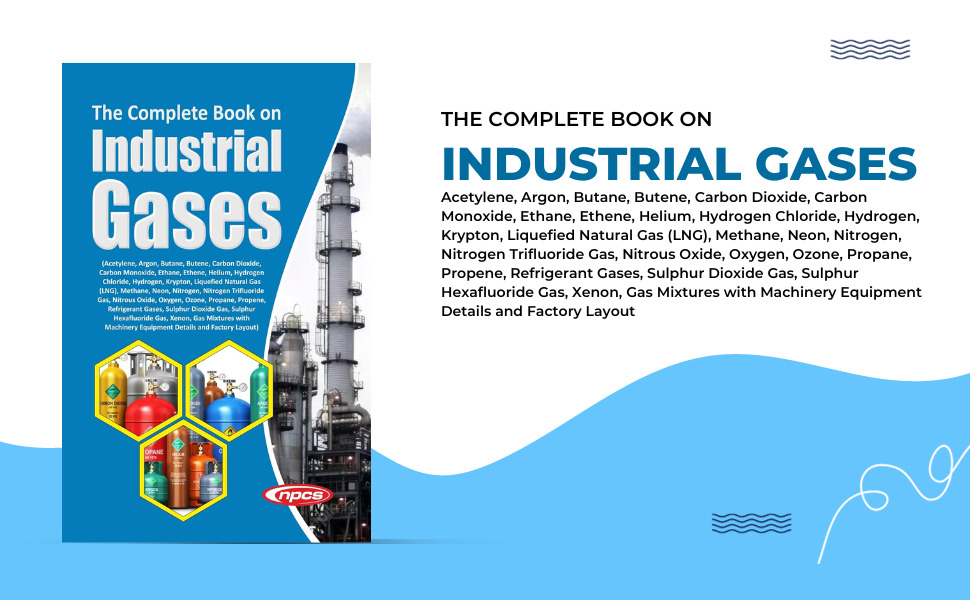
Comprehensive Content Chapter careful examination of a range of gases including Avtion, Argon, Carbide, Gasses, Hydrogen, Nitrogen, Oxygen, to name a few, along with nuanced knowledge about every gas. It also offers a thorough list of gases while highlighting niche areas, in particular our understanding of Liquefied Natural Gas (LNG) and Refrigeration Gasses and their compounds. The text included in-depth knowledge with additional information on how these gases are developed, their properties, and their uses. Each chapter is identified by a gas, demonstrating the characteristics of the gas, procedures of production, and its uses making the information easy and digestible for the reader. Additionally, there are pictures of equipment and vendors’ address and contact information which add to the text as a valuable source in any commercial application. Enlightening and Informative Although this is a list of facts and figures, it hopefully gives a broader context for how gas technologies are changing your industry in providing renewable and sustainable solutions to your work. It provides significant information about gases as well as processes and applications within the industrial gases industry, highlighting complexity and details about industrial gases sector. Read Related Blog : Important Trends to Watch in the Global Market Entrepreneurial Insight This book also provides an overview of business success and opportunities in the industrial gasses industry, emphasizing opportunities for manufacture, retail, and for entrepreneurs. This book offers a comprehensive array of practical information and guidance, from conceptualizing ideas to making equipment purchases, and also acts as a guide for those who wish to embark on their journey in this growing industry. Accessibility and Clarity The well organized, clearly presented company of the content on the web site, combined with in-depth evaluations and an excellent range of practical information, makes this a key resource for both novices and seasoned practitioners in the commercial gases sector. It offers a pathway to those who are eager to delve deeper into this dynamic and important sector of the economy. Related Business Plan: Production of Industrial Gases and Speciality Gases Mixture A Comprehensive Guide This compact, unique publication serves as a comprehensive guide to the world of commercial gases, presenting a treasure trove of information and insights that are needed for anyone who is acting in, or is curious about, this field. It is not just a book in the conventional sense. It is a tool that empowers its readers and members, and gives them the information and insights required to operate and prosper in the turbulent climate of the commercial gases industry. I highly endorse this book to anyone in the commercial gases sector, from an individual as a perspective student, to an experienced professional or owner of a business who wishes to embark into the industry. I believe that you will find, as I did, that this book is a key resource that will provide you with the comprehensive knowledge and practical insights you need to succeed. So pick up your copy of The Complete Book of Industrial Gases and get yourself: an opportunity to enter the world of opportunities in the industrial gases industry! Insightful Illustrations and Practical Details One feature of The Complete Book on Industrial Gases that stands out is the inclusion of practical illustrations and images of machines, which helps to elucidate the application and effectiveness of various gases, as well as their functions within the machines. The book also contains contact information for suppliers, which could serve as a useful impetus for aspiring entrepreneurs and professionals to find contacts and connections in the field. This thoughtful combination of hands-on information, coupled with a thorough treatment of the theory, places this book in a class all of its own as it serves as a reference book in the field of industrial gases. Emphasis on Innovation and Sustainabilizy The book places significant emphasis on the innovative applications of industrial gases, as well as how these innovations are resulting in more sustainable outcomes in various fields. Readers looking to start a business in the industrial gases industry will gain valuable insights into the contributions of gaseous technologies in transforming industries ranging from manufacturing to health, and understand how industrial gases are applied to suit the vastly different needs of each sector. Read Related Blog: What is the Most Used Industrial Gas? A Comprehensive Analysis Educational Value In addition, The Complete Book on Industrial Gases represents a tremendous resource for educational institutions as well. Not only can it be a foundational text for students studying industrial chemistry, chemical engineering or more broadly disciplines of study relevant to industrial gases, it can serve as a complete introduction to industrial gases, that will give students a complete understanding of industrial gases and their applications. The book provides adequate detail to allow a growing culture of learning, innovation and to inspire the next generation of thinkers and makers in the industrial gases field. Economic Perspective From an economic perspective, the book provides an in-depth account of the industrial production of industrial gases, covering not just economic considerations but also market functions within the sector. As a locus, the book serves as a bright guiding sign to amongst capitalists and business owners, spelling out pathways to responsibly informed decision-making and taking advantage of all opportunities within the industrial gas sector. Conclusion The Complete Book on Industrial Gases offers encyclopedic information implicating developments in theory and practice, making it a foundational text in the field of industrial gases. The comprehensiveness of the organization, depth of development, and ease of understanding Visit this Page for More Information: Start a Business in Industrial Gases Industry Contact Us