
Inside India’s Spice Trade: History, Tech & Quality Standards in One Volume
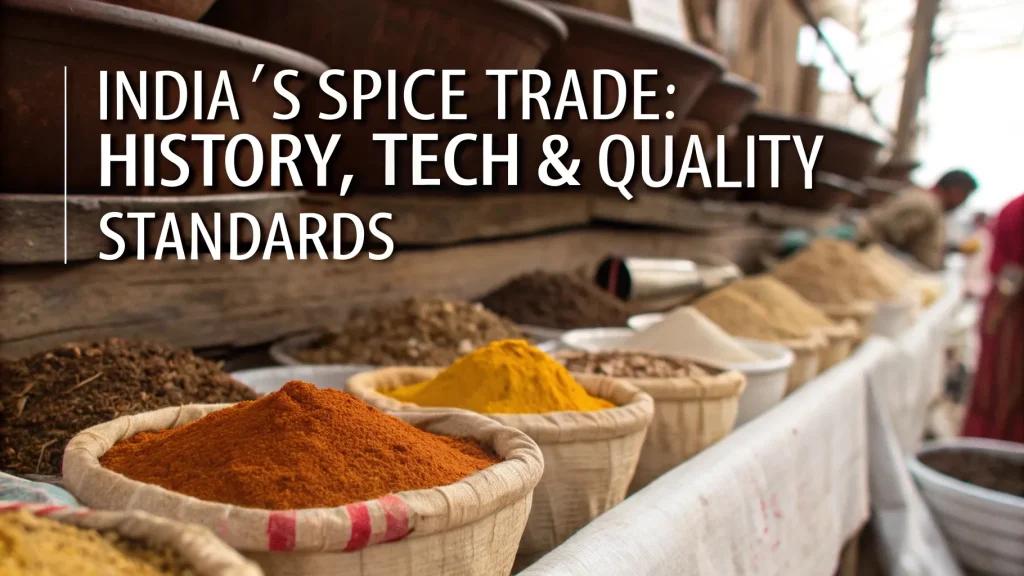
India’s Spice Trade Story: A Journey from Ancient Trade to Global Markets India’s spice trade story began millennia ago, winding through caravan trails and ship-packed harbors. Black pepper, fragrant cardamom, and sweet cinnamon played a role so big that kings sent out envoys and whole fleets just to secure the cargo. Today, that same spirit shines in high-tech processing plants, world-class quality checks, and export pipelines reaching every continent. The NIIR Handbook tells that long tale and presents it in one handy book. It blends time-tested know-how with the latest food-tech tips, making it invaluable to everyone who touches the spice trade from farmers to factory managers to export officers. A Rich Heritage: The Story of Indian Spice Trade For over two thousand years spices built empires and shifted the maps. Port towns like Calicut and Muziris turned into cultural crossroads, welcoming travelers, artists, and scholars along with their pepper sacks. Indian flavors slipped into Egyptian, Greek, and Roman kitchens. Natures perfume also lured European monarchs, launching voyages that opened sea lanes, sparked colonization, and set the wheels of globalization in motion. The NIIR Handbook brings old techniques back to life, showing how early sorting, sun-drying, and simple oil-pressing still guide the machines we use in big mills today. By mixing this know-how with fresh ideas, the guide nudges new business owners to respect the past while looking forward. For Complete Details, Get The Book Here. India Today: Spice Powerhouse and Export Leader India knows spices—walk through a market, and the scent hits you right away. The country grows about seventy-five percent of all spice types on earth and tops export earnings too. Buyers in the United States, the UAE, the United Kingdom, and Germany count on Indias most famous crops—black pepper from Kerala, red chili from Andhra, and golden turmeric from Tamil Nadu. The NIIR book breaks down each state’s weather, harvest time, and shipping routes so readers can see where that strength comes from. It also shows how tiny farmer bags end up in a giant export shipment—and why knowing local land can give a business a global edge. Supply Chain Reality: From Farm Gate to Shipping Port India’s spice supply chain leans heavily on small farmers, many tending fields the size of a city yard. After harvest, their crop moves through local mandis, gets graded, sent to a small mill, and waits in coastal sheds until a ship arrives. Throughout the trip, cleaning, testing, sorting, and repackaging happen one after another—each step is a new chance to add clarity, money, and trust. The NIIR Handbook keeps everyone on the same page. It lays out how to control moisture, stop bugs, and handle spices safely. By digging into truck care, warehouse flow, and shipping red tape, the book gives small and midsize firms tricks to cut waste and save time. Bridging Tradition and Technology Old-school methods—sun-dried turmeric, hand-winnowed pepper—still look and smell amazing, and many growers keep them alive. At the same time, cryogenic grinding, pressurized CO? extraction, and smart filling lines sneak into the process. These machines lock in aroma, kill bad microbes, and give cooks the same bright flavor jar after jar. The NIIR Handbook does a great job of bridging old and new worlds. It tells processors how to keep time-honored methods running while adding modern machines and practices. The payoff is a lineup of high-quality spices that honor tradition yet stand tall on the global market. Related: How to Build a Sustainable Spice Business with Indian Crops Advanced Tech: Preserving Flavor, Safety, and Value Inside its pages, the Handbook explores cutting-edge tools changing the spice business. Take cryogenic grinding. By blasting spices with liquid nitrogen during milling, producers stop heat from stealing aroma—a move that can sell a product. Steam sterilization is another winner; it zaps bacteria in cumin or coriander yet leaves behind the oils that give flavor. For extracting oils and oleoresins, supercritical CO? delivers a strong, solvent-free pull that shoppers and drug-makers are willing to pay extra for. In every section, the book backs its advice with clear drawings, step-by-step numbers, and tip sheets on where to shop. Because of that, both a brand-new start-up and a veteran miller can spend their budget on the right gear rather than guess. Quality Assurance: Modern Testing for the Traditional Aroma Today’s buyers want more than great taste; they demand lab-proof spices. They expect zero Salmonella, tiny pesticide traces, and true volatile oil levels. The NIIR Handbook lays out the must-do tests—from Total Plate Count and aflatoxin checks to GC-MS scans of flavours and debris counts—all done with FSSAI-approved and global methods. It also shares practical tips for teaming with certified labs or building small in-house setups so companies can control quality, save money, and keep customers happy. Regulatory Landscape: Standards You Can Trust India’s food safety structure is strong, resting on several key bodies: FSSAI clears local foods, AGMARK grades farm products, and the Export Inspection Council (EIC) watches shipments. For worldwide sales, firms still follow Codex, HACCP, ISO 22000, and U.S. FDA rules. The Handbook acts like a translator—it speaks regulatory jargon, guiding businesses through SOPs, checklists, record forms, and training documents that tick both Indian and global boxes. By linking local steps to international standards, it lets exporters move through compliance and certification with clear confidence. Digital Disruption in Modern Spice Businesses Spice entrepreneurs today mix age-old know-how with modern tech. Smart farms use sensors to track drying yard humidity, while temperature-controlled trucks send route data straight to logistics apps. Blockchain records a tamper-proof journey from field to shelf, and mobile dashboards keep farmers updated on payments, weather forecasts, and processing times. Though the NIIR Handbook isn’t pure tech manual, it still points the way: it lists the data every farm needs, shows where automation saves time, and nudges owners to blend old methods with new smart tracking. Related: Spice Trade: History, Tech & Quality Standards in One Volume Certifications