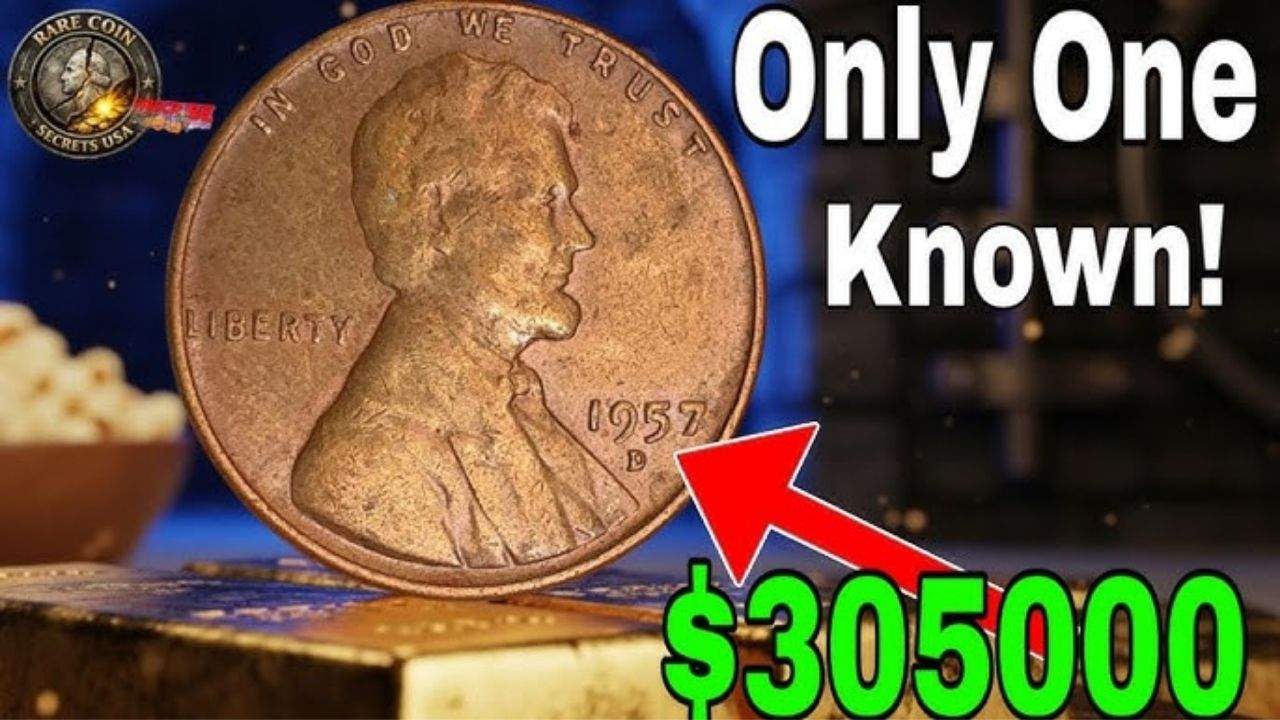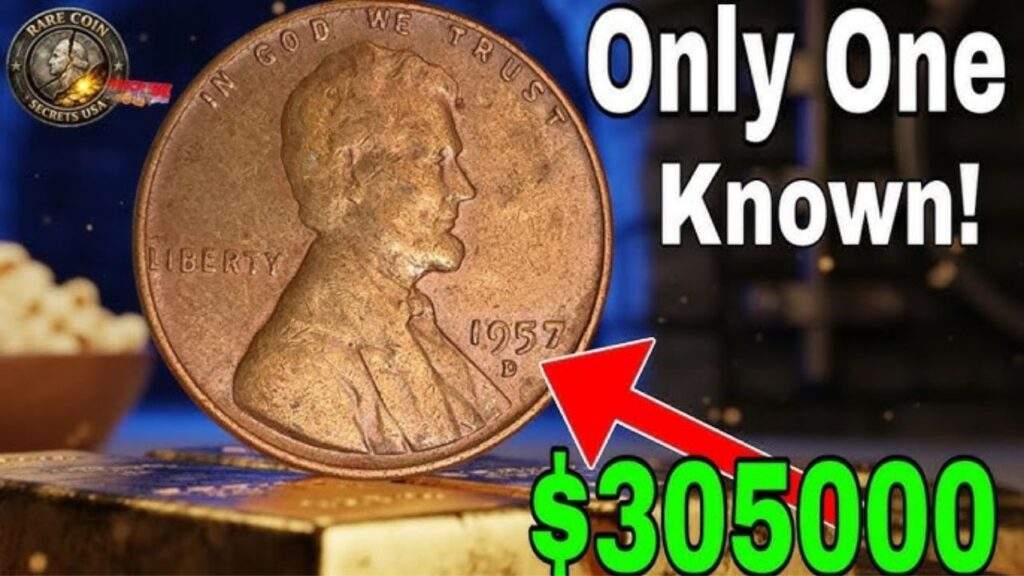

Lincoln Wheat Pennies are among the most collected U.S. coins. Minted from 1909 to 1958, these coins feature Abraham Lincoln on the front and two wheat stalks on the reverse. While most Wheat Pennies are common and worth only a small premium over face value, a few rare dates are highly sought after by collectors and can be worth significantly more depending on their condition and authenticity.
If you recently found a Wheat Penny in an old coin jar, family collection, or pocket change, the first thing you should do is check the date and mint mark. Some of the rarest coins in the series can look almost identical to ordinary pennies at first glance.
Contents
Why are some Wheat Pennies so valuable?
A Wheat Penny’s value depends on several important factors. The date is only one part of the story. Collectors also look at the mint mark, overall condition, rarity, and whether the coin has a genuine mint error.
Coins produced in smaller numbers or those with unusual production mistakes are generally much harder to find. As demand from collectors increases, these rare coins can become much more valuable than ordinary Wheat Pennies.
Check these three dates first
If your Wheat Penny has one of these dates, it deserves a closer inspection.
| Wheat Penny Date | Why Collectors Want It |
|---|---|
| 1909-S VDB | One of the rarest regular-issue Lincoln cents. It was produced in limited numbers at the San Francisco Mint and still carries the designer’s “VDB” initials on the reverse. |
| 1914-D | A key-date coin from the Denver Mint with relatively low production and strong collector demand. |
| 1943 Copper | Most 1943 pennies were made from zinc-coated steel because copper was needed for World War II. A genuine copper 1943 penny is an extremely rare mint error. |
Finding one of these dates does not automatically guarantee a high value. Authenticity and condition must also be verified.
Don’t forget to check the mint mark
The small letter below the date is called the mint mark. It tells you where the coin was produced.
- No mint mark generally indicates Philadelphia for most Wheat Penny years.
- “D” means the coin was struck at the Denver Mint.
- “S” means it was produced at the San Francisco Mint.
- Certain combinations of dates and mint marks are much rarer than others.
For example, a 1909-S VDB is far scarcer than a regular 1909 Philadelphia issue.
Condition makes a big difference
Two coins with the same date can have very different values depending on their condition. Collectors usually pay more for coins that show less wear and retain sharp details.
| Condition | General Collector Interest |
|---|---|
| Heavily Worn | Usually lower value unless extremely rare |
| Fine to Very Fine | Moderate collector demand |
| Extremely Fine | Higher collector interest |
| Uncirculated | Often the most desirable condition |
Professional grading may be worthwhile for coins that appear to be rare or exceptionally well preserved.
What should you do if you find one?
Many people accidentally reduce a coin’s value by cleaning it. Even gentle polishing can remove the original surface that collectors want to see.
- Hold the coin by its edges.
- Never clean or polish the coin.
- Store it in a protective coin holder.
- Compare the date and mint mark carefully before making assumptions.
- Consider professional authentication if you believe the coin is rare.
Are all Wheat Pennies valuable?
No. Millions of Wheat Pennies were produced over nearly five decades, and many common dates remain inexpensive. Most circulated examples are worth only a small premium above one cent. However, key dates, rare mint marks, exceptional condition, and verified mint errors can make certain coins far more valuable to collectors.
That is why checking the date before spending or selling an old Wheat Penny is always a good idea.
A Wheat Penny may look like an ordinary old coin, but a quick look at the date could reveal something much more interesting. The 1909-S VDB, 1914-D, and 1943 Copper cents remain three of the most famous and valuable Lincoln Wheat Pennies ever produced. While most Wheat Pennies are common, these key dates are worth a closer look and, if genuine, may deserve professional evaluation before being sold or added to a collection.