In the fast-evolving entrepreneurial landscape, numerous ventures were regarded as promising in the NPCS Feb 2016 report. As market dynamics continued to undergo transformation, efforts were concentrated on the identification of innovative, sustainable, and scalable startup ideas. These ideas were aimed to be executed by aspiring entrepreneurs and small business owners.
Opportunities spanning from food processing to clean energy and personalized services were systematically examined. Each idea was assessed for feasibility, profitability, and long-term viability. The necessity of understanding business potential across various sectors was realized as urban and rural markets continued to evolve.
Therefore, a shortlisting of startup business ideas was undertaken through the analysis of consumer trends, capital requirements, policy frameworks, and export potential. As a result, guidance was provided to entrepreneurs planning to initiate ventures with confidence.
See Also : Herbal & Ayurvedic Cosmetics
Contents
- 1 Business Landscape in 2016: A Turning Point for Startups
- 2 Recommended Startup Sectors by NPCS February 2016
- 2.1 Food Processing and Agro-Based Industries
- 2.2 Herbal and Natural Product Manufacturing
- 2.3 Biodegradable and Eco-Friendly Packaging
- 2.4 Healthcare and Diagnostics
- 2.5 Plastic and Polymer-Based Products
- 2.6 Chemicals and Industrial Formulations
- 2.7 Livestock Feed and Organic Fertilizer
- 2.8 Renewable Energy and Biomass
- 2.9 Printing and Packaging Services
- 2.10 ICT and Digital Tools for Rural India
- 3 Government Support and Financial Viability
- 4 Conclusion
Business Landscape in 2016: A Turning Point for Startups
The year 2016 was acknowledged as a transformative phase in the startup ecosystem of India and several emerging economies. National initiatives such as “Start-up India” and “Digital India” were introduced. A substantial improvement in the ease of doing business was observed. Growth was specifically noticeable in sectors including agriculture, food, plastics, health care, and technology.
As a result, innovative ventures were prioritized over conventional models. With support from venture capitalists, advanced technologies, and global consumer demand, small startups were empowered to compete effectively. Consequently, NPCS Feb 2016 published a curated list of startup business ideas in February 2016.
Recommended Startup Sectors by NPCS February 2016
Multiple sectors were recognized for offering profitability, scalability, and moderate entry requirements. These included:
Food Processing and Agro-Based Industries
Increased consumption and export of food products were recorded. Therefore, food processing units for ready-to-eat meals, dehydrated fruits and vegetables, spice powders, dairy products, and organic packaging were encouraged. Access to raw materials and rural infrastructure were deemed favorable. Consequently, such businesses were viewed as suitable for semi-urban and rural deployment.
Herbal and Natural Product Manufacturing
The shift in consumer preference toward natural wellness was documented. As a result, herbal cosmetics, Ayurvedic formulations, and essential oils were recommended for manufacturing. Owing to abundant plant resources and minimal environmental risks, these ideas were considered low-risk and regulatory-friendly.
Biodegradable and Eco-Friendly Packaging
Due to environmental concerns, the development of sustainable packaging was emphasized. Businesses manufacturing paper bags, banana leaf plates, and biodegradable utensils were proposed. Adoption by restaurants, supermarkets, and e-commerce logistics firms was projected to increase.
Healthcare and Diagnostics
The healthcare sector was explored as a high-potential area. Local production of syringes, IV bags, blood bags, and pathology equipment was recommended. Due to import dependency, government subsidies, and healthcare policy support, startups in this domain were heavily encouraged.
Plastic and Polymer-Based Products
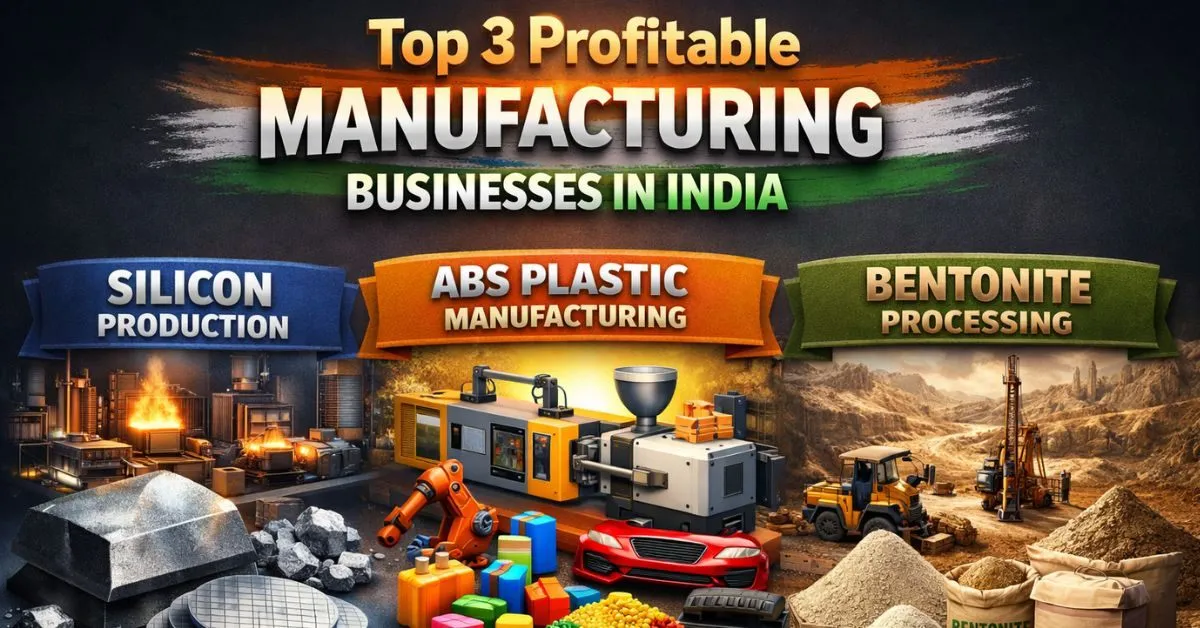
Despite sustainability debates, plastics were identified as essential materials across many industries. Manufacturing units for PET preforms, HDPE containers, films, and laminates were listed. Automation and recycling technologies allowed small-scale operators to enter competitively.
Chemicals and Industrial Formulations
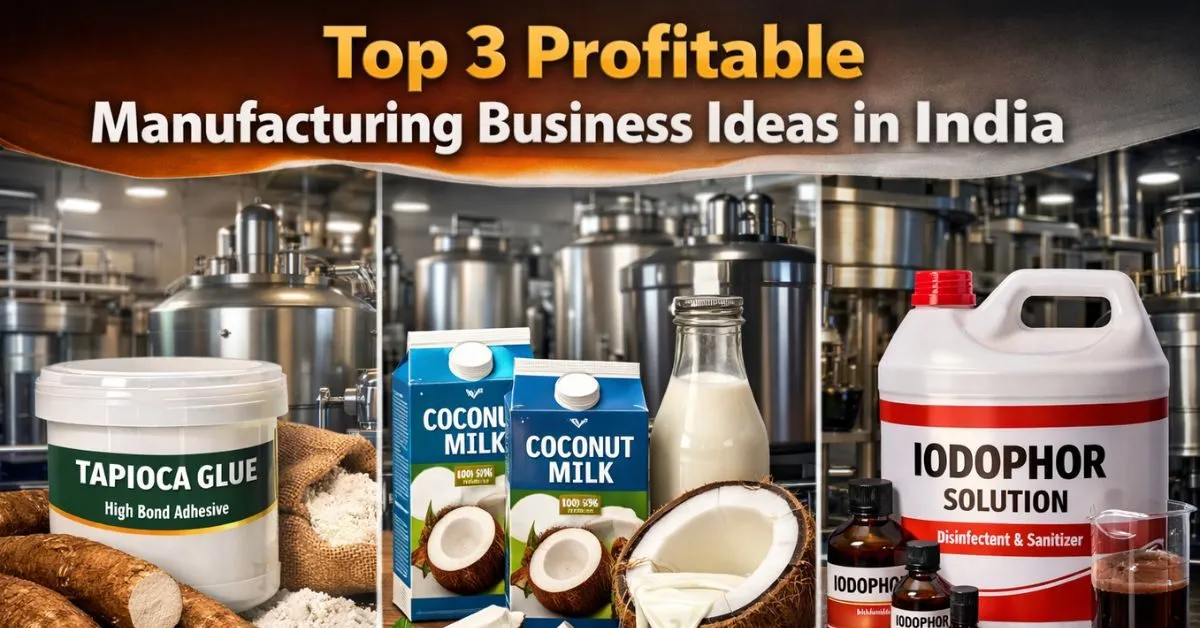
Small businesses engaged in adhesive, lubricant, paint, and emulsifier formulations were suggested. A focus was placed on niche products and localized contract manufacturing. Since indigenous processes were capable of meeting industry demands, capital requirements were minimized.
Livestock Feed and Organic Fertilizer
As agricultural diversification increased, feed and fertilizer businesses were highlighted. Materials like bran, crop residue, and oil cakes were to be used for production. Organic trends and rural raw material access created favorable operating conditions.
Renewable Energy and Biomass
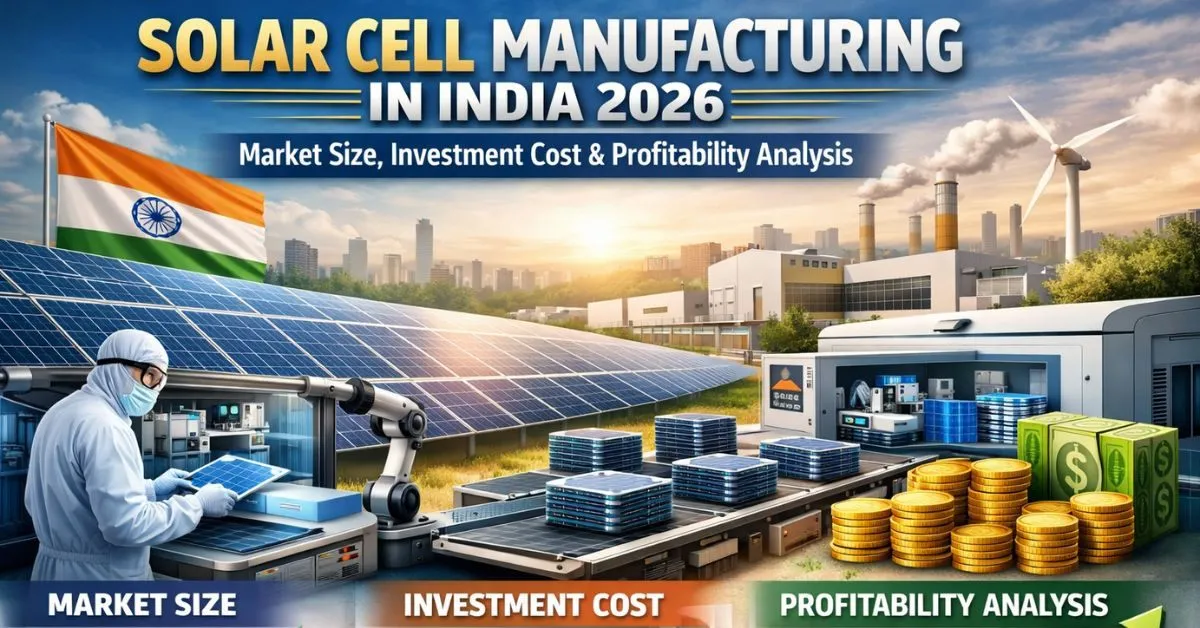
Biomass, biochar, and solar solutions were promoted as decentralized energy sources. Startups working on agri-waste conversion, solar irrigation, and wind-based turbines were featured. These businesses were supported by multiple government subsidy schemes.
Printing and Packaging Services
Due to increased demand from retail and e-commerce sectors, affordable packaging and printing units were supported. Labeling, offset printing, and flexible laminate production units were among those identified. Rapid growth in retail zones ensured stable customer bases.
ICT and Digital Tools for Rural India
Tech-enabled rural businesses such as mobile repair units, e-learning centers, and banking kiosks were proposed. Low overheads and growing digital penetration made this sector ideal for first-time entrepreneurs.
Government Support and Financial Viability
Startup incentives and financial programs were introduced through PMEGP, MUDRA loans, and the Start-up India initiative. Access to capital, training, and mentorship was extended to new entrepreneurs. Incubation centers and business advisory platforms also played key roles. Consequently, many business models proposed in the February 2016 edition became executable with modest funding.
See Also : Coconut Products Manufacturing
Conclusion
The NPCS Feb 2016 edition was recognized as a valuable guide for entrepreneurs aiming to launch scalable and profitable ventures. A range of business ideas was identified through the analysis of trends, sectoral demand, and policy benefits. Recommendations were made across multiple domains, including food processing, packaging, health care, natural products, chemicals, and renewable energy.
It was observed that by utilizing indigenous inputs, adopting efficient production models, and responding to consumer demands, long-term business success could be ensured. Support mechanisms and favorable market conditions further strengthened the viability of these initiatives.
Therefore, the insights provided in NPCS February 2016 are recommended for review by entrepreneurs seeking structured direction and practical inspiration. Through this guidance, ventures can be initiated with strategic clarity and minimized risk.