
How to Set Up a Profitable Fly Ash Bricks Plant

In a globalized world that is more focused on sustainable development, the fly ash bricks plant has become a leading example of green construction. Originating from thermal power plants that are coal-fired products, these bricks do not just reduce the environmental impact of the disposal of fly ash, but also provide greater quality, consistency, and energy efficiency when compared to clay-based units. For entrepreneurs–whether seasoned in the pharmaceutical sector or new to manufacturing–establishing a fly ash bricks plant represents an opportunity to capitalize on a booming market while advancing eco-friendly practices. This article guides you step-by-step through the various aspects of creating profitable operations, beginning with understanding market dynamics and making sure materials are secured, to mastering the process of production as well as ensuring compliance with regulations and preparing your product for longevity. The Business Case for Fly Ash Bricks Fly ash bricks transform industrial waste into an extremely valuable construction material. In contrast to kiln-fired clay bricks their production is energy-efficient and requires little because curing takes place at room temperature. This results in a brick that exceeds or matches the standards of conventional the strength and durability of its compressive properties while decreasing carbon emissions and conserving fertile topsoil. Additionally, their weight is lighter, which reduces transport costs and speeds up the masonry process, which can result in cost savings throughout all stages of the production chain. Pharma-focused entrepreneurs will see similarities between their quality control frameworks as well as the exact management that fly-ash brick manufacturing requires. Laboratory protocols used to test active pharmaceutical ingredients can be repurposed for rigorous material analysis–determining optimal particle sizes, moisture content, and binding characteristics that influence brick performance. This expertise in technology becomes an edge that allows a new player to ensure quality and consistency that will appeal to the largest construction companies and green builders, too. Related: How to Set Up a Profitable Fly Ash Bricks Plant Market Dynamics and Forecast In the coming decade, the market for fly ash bricks is set to grow rapidly due to global urbanization and increased regulation to promote sustainable construction. In India, the fusion of incentives from the government, green building initiatives, and the constant demand for affordable housing is the basis of the forecast Compound Annual Growth Rate (CAGR) of about 12.5 percent between 2025 and 2030. Key infrastructure projects–ranging from metro rail extensions to smart-city developments–mandate the use of eco-friendly building materials, bolstering domestic consumption. Internationally, markets across Southeast Asia, the Middle East as well as Africa are also taking on Fly ash-based bricks. Rapid growth of urban areas in these regions leads to an equal increase in demand globally, with the market predicted to reach 7 billion dollars in 2030, up from USD 3.8 billion by 2024. Competition will be a mix of established brick makers that are shifting towards fly ash blends as well as new small-scale players, making distinctions in the quality of service, product, and positioning of the brand. Raw Material Strategy The core of any efficient fly ash brick plant is a strong process for obtaining raw materials. Fly ash must be procured from thermal power stations which operate within acceptable transport distances – ideally between 50 and 80 kilometers to minimize the logistics cost. The establishment of multi-plant supply agreements is essential to reduce the risk of the varying composition of ash. Consistency in silica and Alumina content, in addition to lower levels of carbon that have not been burned, is the foundation for a reliable brick’s strength and consistency when setting times. Other ingredients like lime and cement act as binding agents, thereby activating the pozzolanic qualities of fly ash, resulting in stabilized calcium silicate and hydrated hydrates. Sand–often required in modest proportions–improves workability and reduces shrinkage, while micro-quantities of gypsum enhance early-age strength development. Monitoring the moisture levels and particle size distribution and chemical impurities in real-time makes sure that every batch meets strict quality standards which allows production to continue without a worry about output that is not in line with specifications. Plant Layout and Workflow Planning a plant layout with seamless material flow and minimal handling improves production efficiency. The pressing zone has to be located centrally and have enough space to accommodate both automated and manual mold-changeover processes. Workers enclose the curing yards with nearby ventilation. They run misting systems and steam?injection rigs to keep humidity at or above 95%, then cure the bricks for 10 to 14 days, depending on conditions. By placing a quality?control lab next to the curing zone, technicians can immediately perform compressive?strength, water?absorption, and dimensional tests and correct any deviations from Indian Standard IS:12894 before proceeding with large?scale delivery. Forklifts or automated vehicles (AGVs) control the stacking and loading process, which ensures speedy turnaround of orders to construction sites or distributors. A careful zoning of raw materials arrival production curing, testing and dispatches not only minimizes cross-contamination, but also reduces the distance that materials travel within the plant, which reduces overall handling costs as well as the possibility of injury. Related: The Complete Book on Cement & Concrete Products Manufacturing Manufacturing Process The production of top-quality fly ash bricks takes place by a series of interlinked processes: Material Batching The accuracy of weighing is crucial. Batching systems equipped with digital load sensors add fly cement, sand, and other additives in exact proportions. Monitoring in real-time of these inputs feeds into a central manufacturing Execution System (MES), which alerts the operator to any deviations that are outside of the tolerances. High-Intensity Mixing After being batched, the materials are placed in the high-shear mixing chamber in which blades or paddles distribute the powders equally. The process can last from between three and five minutes triggering the initial hydration reaction and creating a moldable mass. The integrated moisture sensors control the amount of water added, preventing overwatering or underwatering, which could cause damage to brick’s integrity. Compression Molding The mix is transported through hydraulic presses. Modern presses, with PLC controls
Why Cloud Kitchens Are the Smartest Low?Cost Food Business
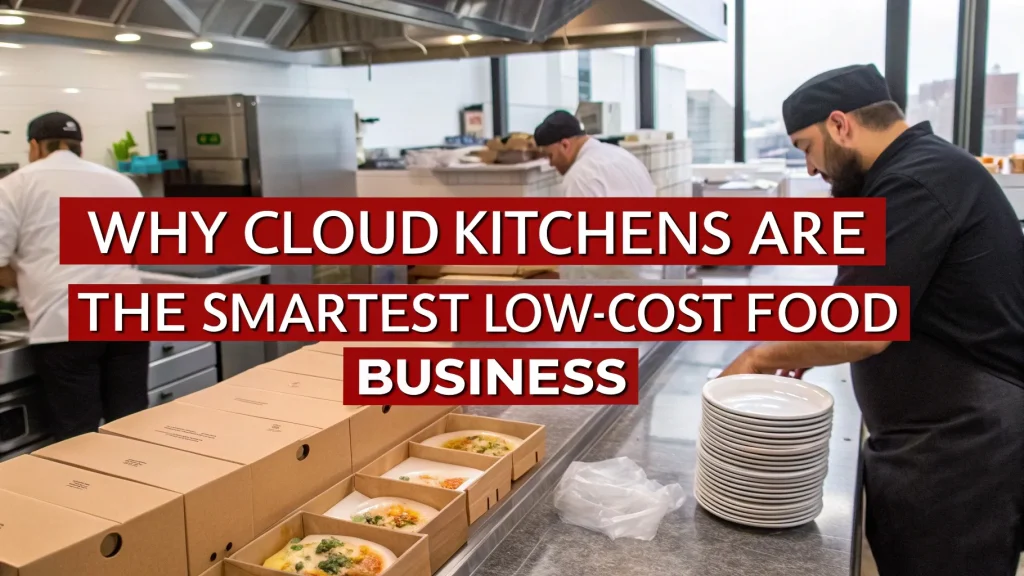
The Food Industry Revolution Without Dine-In Settings In India’s metro areas and even in Tier-II cities, a quiet transformation is happening in the food business. This transformation isn’t accompanied by big billboards or grand celebrations. Rather, it happens from humble industrial offices, cellars, and even shared kitchen workspaces. The reality of cloud kitchens has emerged. This new model not only transforms the way we consume food but also alters the way we set up food businesses in a digital driven economy. Cloud kitchens offer a flexible, smart, and easily scalable solution when compared to traditional restaurants that require a significant investment of capital, expensive real estate, staff, and other resources. For many people, such as home cooks and entrepreneurs in the food processing sector, cloud kitchens provide an efficient way to enter a low-budget expanding market. This article describes, with the help of market data, operational insights, demand forecasts and India’s evolving food economy, why cloud kitchens are the most intelligent low-investment food business of today. Understanding India’s Love for Delivery-First Dining: Current Trends and Market Size The emergence of cloud kitchens stems from urbanization in India. People are busier than ever with 9-5 jobs and the growing gig economy. The rise of food delivery services like Zomato and Swiggy also add to the convenience. Forecast India Cloud Kitchen Market Size and Growth Rate (INR Cr) 2025-2030 Year Estimated Market Size (INR Cr) Annual Growth Rate Key Growth Drivers 2025 ?7,300 Cr 17% Expansion of delivery apps, youth-driven market 2026 ?8,540 Cr 17% Health-focused menus, demand growth from tier-II cities 2027 ?10,000 Cr 17% Aggregator support, cloud catering models 2028 ?11,700 Cr 17% Tech innovation, franchise cloud kitchens 2029 ?13,600 Cr 16% B2B models, industrial-scale commissaries 2030 ?15,500 Cr 14% Regional cuisine expansion, cold-chain logistics This growth pattern suggests expansion towards Indian cloud kitchens catering to tier – II cities. The figure also indicate structural profitability as these businesses operate on a fictional scale. Cloud kitchens can begin and grow gradually, scaling over time without the hefty burdens that come with a physical restaurant. What Makes Cloud Kitchens So Cost-Efficient? Catering tier-ii cities can be more profitable. Opening a restaurant always comes with excessive overheads: expensive rent for shopfronts, décor, front-of-house staff, maintenance and much more. These are non-essential expenditures that can be avoided if a business shifts to food production and delivery only like cloud kitchens do. A cloud kitchen works from an off-site, backend, non-retail location, ranging from 300 to 1000 sq. ft. which includes packaging and processing stations as well as a fully equipped commercial kitchen. As there is no customer waiting area or staff seating area, there is no need for any seating or waiting staff. As a result, these businesses save on rent, labor, design, utilities, and a host of other factors. This is beneficial for new manufacturers looking toward a high-margin business with a small footprint or entrepreneurs who are short on capital. In addition to this, cloud kitchens can rapidly scale and lean start. An entrepreneur can begin with a single-brand kitchen offering health bowls or biryani, and later introduce multi-brand offerings, all from the same kitchen. The flexibility in branding and operations is what makes it a dream model for modern food entrepreneurs. Related: How to Start a Cloud Kitchen in India: Legal, Licensing & Cost Breakdown How a Cloud Kitchen Operates: The Manufacturing Process With respect to industrial operations, cloud kitchens serve as small-scale food manufacturing centers or units designed for efficient output and consistent quality to meet customer demands. As is the case with almost every business, these processes begin with raw materials procurement, which in this case includes meat, vegetables, spices, grains, and even packaging materials. These are procured from wholesalers or B2B sites, and inventory is managed on FIFO basis to reduce wastage. Upon receiving the ingredients, the kitchen adheres to strict SOPs. Recipes have to be sequenced into measurable steps including amounts, cooking temperatures, and time to ensure every order is identical. Depending on the complexity of the menu, some items may be partially pre-cooked in bulk and finished just before serving. Last-mile delivery requires the food to be placed in tamper-evident containers that retain heat. While container type can vary based on the food’s nature (dry vs. gravy, hot vs. cold), preservation of the food’s sensory attributes is crucial. Order intake and processing is fully automated. Orders can be placed via food aggregator applications or the kitchen’s own system. Once completed, orders are monitored for tracking, reviews, and automated feedback loops. In some scenarios, customer data is integrated with CRM tools for advanced menu and delivery experience customization. As we can see, a cloud kitchen is not just a kitchen. It is a tech-enabled, logistics integrated, regulated food manufacturing facility. Licensing & Legal Requirements: Cloud Kitchens Avoid Dine-In Compliance Contactless operations do not exempt cloud kitchens from food and business safety regulations. These food service establishments still require licenses, which are critical for a cloud kitchen’s credibility and legal standing. Understanding these licenses is equally important. Without an FSSAI license, your kitchen will not be recognized as compliant with food safety regulations. Depending on the turnover and scale, one can apply for Basic, State or Central licenses. In addition, FSSAI also refines hygiene standards, food inspection and labeling, and Has mandates to enforce inspections periodically. Moreover, a trade license for the municipality is also required. This ensures that your kitchen is in a commercially zoned area. Furthermore, registration under the Shops and Establishments Act is a prerequisite to formalize your workplace and to access labor and taxation incentives. For those kitchens that exceed a certain area or employ LPG cooking, a Fire NOC becomes essential. Likewise, if the kitchen discharges waste, employs ventilation chimneys, or is environmentally scrutinized, a clearance from the Pollution Control Board may be required. If the business is expecting a turnover above ?20 lakhs (or ?10 lakhs for some northeastern states), a GST registration is mandatory.
Ayurvedic Medicine Business: Step by Step Startup Guide

The Ayurvedic Business medicine field is riding a fresh wave of global interest. As more shoppers look for natural health options, young Ayurvedic brands can blend age-old wisdom with today’s savvy marketing. Still, turning a good idea into a visible label isn’t easy; it calls for clear plans, legal know-how, and solid skills. That’s why the Handbook on Ayurvedic & Unani Medicines with Formulae, Process & Their Uses is quickly becoming a must-have desk reference. For hundreds of new startups, the book has served as steady guide, delivering ready-to-use recipes, shop-floor instructions, and compliance tips that carry an idea from the sketchpad to store shelves. Following its chapters not only gets you up and running; it also gives you the confidence, clear ethics, and lean procedures to grow bigger, faster. here are the step by step guide to start Ayurvedic Medicine Business in India 1. Market Analysis and Defining Your Niche Victory begins with a focused target. New founders often try to own the broad “wellness” space, then disappear in a sea of products. The smarter first step is to choose a tight corner—whether that’s immunity boosters, calm-mind mixes, joint gels, beauty oils, or libido capsules. This is where the handbook really proves its worth. It breaks down remedies by specific health concern, making it easier for founders to pair a new idea with stable, proven demand. A small startup out of Gujarat decided to jump into the stress-management market. Following the handbook’s guide for Brahmi syrups and Chyawanprash, the team tweaked the recipes to suit different age groups. Because of this narrow focus, they crafted clear branding, sharper messages, and a pricing strategy that clicked, boosting both sales and the brand’s presence among busy city workers. Grab your copy today and kick off your Ayurvedic brand 2. Product Development Using Verified Formulations Great ideas are only as good as the proof behind them. This handbook contains more than 300 checked formulas, with notes on every detail—from ingredient weights to how long each herb should steep. These pages read like playbooks, spelling out not just what to use, but also the best solvent, drying method, shelf-life signs, and how much finished product to expect. A Delhi entrepreneur pointed to the Ashwagandha-Shilajit recipe in the guide as his team’s starting point for an energy drink. By sticking to the step-by-step plan—including pH tests and slow heating—he observed the same active compounds in three lab runs. This repeatability assured regulators, impressed taste testers, and kept the product working as promised. 3. Business Setup and AYUSH Compliance You can’t build a successful Ayurvedic business without solid legal groundwork. Choosing to register as an LLP or a Private Limited company gives you credibility and protects your assets. The tougher test, however, comes from the AYUSH licensing team. They want to see plans for your facility, proof of your location, certificates for every staff member, and a clear chain of custody for every herb you use. Our handbook makes that mountain of work feel smaller. It includes ready-to-fill forms, sample floor layouts, and simple reminders so nothing slips through the cracks. One maker in Himachal followed our diagrams and divided his factory into zones for mixing, granulation, drying, and packing. He passed the AYUSH check on his first try and kept ?3 lakh that would have gone to outside consultants. Related: Setting Up an AYUSH?Licensed Ayurvedic Unit 4. Facility Design and Equipment Procurement A well thought-out plant does more than please inspectors; it speeds up production and cuts waste. The handbook shows you how to arrange workstations, keep air and moisture steady, and move products with the least touch. Business owners are told to keep raw material delivery away from the production line, set up temperature-controlled drying rooms, and use food-safe stainless steel machines. The guide even lists specs for pulverizers, granulators, mixers, and packing gear. Following this, a Chennai-based brand squeezed a GMP-compliant setup into just 1,200 sq. ft., runs 20 SKUs, and stays under 2 percent waste. 5. Sourcing Raw Materials: Vendors, Pricing, and Purity Product quality starts at the beginning—literally. Herbs like Guduchi, Amla, Haritaki, and Guggul need to be pure, strong, and picked in an honest way. The handbook breaks down sourcing, shows the difference between wild and farmed, and notes safe microbial counts, moisture levels, and up-to-date price ranges. One Mumbai startup cut ?6 from each bottle of pain-relief oil by switching to a tribal co-op listed in the book, carrying a solid CoA and green practices. The move lightened costs and boosted its image among consumers who care about ethics. Related: Healthcare Industry in India: Investment Opportunities in Healthcare Sector 6. Quality Control and Internal Lab Setup Getting a quality-control lab up and running is a big step for any new Ayurvedic business. It helps make sure that every batch is safe and strong enough to meet customer needs. The handbook lists all the equipment needed—microbe tests, active ingredient checks, pH probes, moisture meters, and stability tests on the final package. One Bengaluru startup followed that guide, bought a basic HPLC system along with a moisture analyzer, and built its QC room. Now it runs tests on every batch in-house, cuts back on costly outside labs, and ships products much faster. Internal results also make it easy to trace each lot and answer customer questions with clear, solid data. Check our projects for more brief information 7. Pilot Batches, Shelf-Life Testing, and Refinement Before launching nationwide, a new brand has to prove that its formulas really work. That proof comes from pilot batches—small test runs made under the same conditions as the full plant—to see how well they yield, how the packaging holds up, and how they stay fresh over time. The handbook walks founders through every step, giving trial plans, logging sheets, and pick-up guides for samples. For example, a small firm in Jaipur rolled out a digestive syrup, but the first batches wound up too sour and
Propylene Glycol and Derivatives: A Strategic Business Idea for Chemical Entrepreneurs
Capitalizing on the Propylene Glycol Opportunity In India’s growing chemical sector, entrepreneurs are on the lookout for products that are high in demand and can be scaled up. One such opportunity is Propylene Glycol which is a colorless odorless hygroscopic liquid. PG has applications across multiple critical sectors from Pharmaceuticals to food processing to cosmetics, plastics, and even automobiles. As the country’s self-reliance in chemicals, increasing domestic demand along with goals of import substitution create strategic and economic value in propylene glycol and its derivatives production. Startups and established businesses looking to venture into specialty or petrochemicals will find investing in propylene glycol manufacturing both technically feasible as well as financially beneficial. This article attempts to analyze the entire value chain of propylene glycol starting from its demand dynamics to its manufacturing processes along with business setup cost estimations and growth potential for Indian entrepreneurs and chemical startups. What Is Propylene Glycol? Another name for PG is 1,2-propanediol which makes it easy to identify Pyopilene Glycope Oxyde s more familiar name. It is an organic compound better known as 1 2 1,2-propanediol produced using pyopilene oxide, adjacent forming part of hybrid hydrocarbons wwith hydrated systems. Its clear syrupy appearance makes it drinkable while also serving several industries directly out of the container making it greatly loved fo its keeping moisture abilities, low toxicity as well as being a good solvent. Propylene Glycol (PG) is offered in two different grades: USP/Pharma Grade: Used in pharmaceuticals, cosmetics, and food manufacturing. Industrial Grade: Utilized in antifreeze, paints, resins, de-icing fluids, and plastics. Furthermore, derivatives such as propylene glycol ethers and polypropylene glycols (PPG) are used more frequently in coatings as well as surfactants, lubricants, and personal care formulations. Market Overview: Propylene Glycol Manufacturing in India Present Demand and Import Reliance In comparison to other countries like the US, China, Germany and South Korea, India heavily relies on imports for PG. This highly import-dependent situation puts a strain on domestic production resulting in an imbalance between supply and demand. As per industry estimates: Greater demand from FMCG, automotive pharma and Construction Sectors is anticipated to boost market demand for PG by 6-8% CAGR. Current consumption sits at ~100000 MT/year with expectations of reaching 150000+ MT by 2030 Over 70% of India’s PG consumption needs are serviced through imports indicating strong potential for domestically produced goods. Due to Government incentives aimed at boosting domestic chemical production under PLI schemes henceforth propylene glycol is recognized as a vital product qualify for reduction of cross-border purchase reliance. Related: How to Start an Allyl Glycolate Manufacturing Business? Applications Driving Demand The uses of propylene glycol in different sectors is it’s versatility: Pharmaceuticals: Propylene glycol is utilized as a solvent for oral, injectable, and topical medications. Food and Beverages: Functions as a humectant, emulsifier, and flavor carrier. Cosmetics and Personal Care: Included in lotions, shampoos, deodorants,and creams. Unsaturated Polyester Resins (UPR): Used predominantly in the marine construction industry. De-icing and Antifreeze Fluids: Used in aviation and vehicles in cold regions. Paints, Inks, and Coatings: Used as solvents and coalescent agents. Having interdependent industries eliminates fluctuations in demand due to economic downfalls. Manufacturing Process Propylene glycol’s primary production is from hydration of propylene oxide (PO), which comes from petrochemical processes using propylene. There are two main routes: Non-catalytic High-Temperature Process This involves water addition via propylene oxide above 200 degree centigrade. Produces mono-, di-, and tripropylene glycols. Most economical for industrial grade PG. Catalytic Low-Temperature Process Uses lower temperature ~150 degrees centigrade with bases/ acid catalysts. Higher selectivity towards MPG makes it easier for food or pharma grade use. These require purification steps such as distillation or vacuum stripping. Primary Raw Inputs: Propylene oxide (main input) Deionized water Catalysts for selective processes By-products: Dipropylene glycol and tripropylene glycol, which have specific uses in fragrances or certain polymers. Considering that propylene oxide is highly flammable, it is important to manage process safety, control exothermic reactions, as well as volatile organic compounds. Capital Investment & Plant Setup The capital required depends on capacity, product grade and technology. Below are estimates for a mid-sized PG manufacturing unit with an annual turnover of 10,000 TPA. Expense Heads: Land & Building: Business site cost is between ?4–6 crore Equipment & Utilities: Utilities will amount to equipment costs of roughly ?10–12 crore. Effluent treatment and safety systems: This system will range from ?1.5–2 crore Process automation & Quality control labs: Labs dedicated to these processes should not exceed ?1.5 crore. Licenses and Regulatory approvals: This expense head ranges from “?50 lakh – 1 crore”. Working capital: for the first six months is approximated between “?4–5 crore”. Bringing the project total close to statistically based estimates of “20-25 crores” in INR. It should be highlighted though that smaller modular plants or those which use other derivatives such as PG ethers, or PPGs may start around 8-12 crores creating more accessible options depending on integration and scale. Regulatory and Compliance Aspects In India, an entrepreneur looking to set up a PG plant must obtain the following: Consent to Establish and Operate from State Pollution Control Boards Approvals pertaining to Hazardous Chemical Storage Compliance with the Factory Act and the Boiler Act Environmental Impact Assessment (EIA) for larger units BIS Certification, which is mandatory for pharma/food-grade PG FSSAI registration for food-grade derivatives For ease in utility access, effluent disposal, compliance management, and other regulatory requirements, the plant site should ideally be in areas such as Dahej chemical clusters or PCPIR, and MIDC estates. Profit Margins and Revenue Potential Revenue potential differs according to buyer segments, grade of product, and input cost: Industrial-grade PG offers gross margins of 12–18% Pharma or food-grade PG can yield higher profit margins between 20%-25% due to heightened demand resulting from greater purity levels. In more niche applications, propylene glycol ethers or polypropylene glycols could derivative would offer even further enhanced returns. Assuming CAPACITY THROUGHPUT OF 10 TPA at 80% utilization , REVENUES SUBJECT TO MARKETING
Understanding Rare Earth Alloys for Product Development
Innovation Through Rare Earth Alloys An innovation breakthrough requires materials with advanced capabilities, anisotropic performance metrics, and enhanced design flexibility. In modern times, the development of lightweight electronics alongside high-torque motors and ultra-sensitive sensors has been greatly aided by advanced Rare earth alloys. These alloys provide significant metallic compounds which require miniaturization during power demands, thermal resistance with minimal degradation during overheating, and functional integration in smart, digital, and green tech ecosystems. Innovation in the chemistry field enables diversification into other disciplines as well. Understanding rare earth alloys for product development furthers empowers R&D units to make strategic material choices that effectively future-proof products. This transformation is guided by Hand Book on Rare Earth Metals & Alloys: Properties Extraction Preparation & Applications which focuses on provided engineering teams along with material scientists and entrepreneurs insight to design next generation devices. Alloys and Their Components Rare earth alloys vis a vis neodymium disprosium samarium or gadolinium elements alongside iron cobalt and boron demonstrate unmatched properties to conventional materials due to unique production magnetic conductive thermal along with luminescent capabilities. Their high performance stems from rare earth elements due to their ability to generate strong magnetic fields, endure intense heat, or enhance charge transfer. These capabilities are advantageous in electronic design. For product developers, this translates to smaller motors and lighter batteries without losing power, reliability, and advanced smart sensors. Related: Production of Ferrous and Non Ferrous Metals and Metal Products How Rare Earth Alloys Enhance Product Capabilities Integrating rare earth alloys into the new model often leads to increased output and greater environmental adaptability. A good example is the powerful compact NdFeB (neodymium-iron-boron) magnets that enable sleeker electric motors. Another example is Samarium-cobalt (SmCo) magnets that corrode less and work at high temperatures which makes them dependable in aerospace and defense systems. Rare earth alloys can boost performance of photonic products, too. Their emission spectra makes europium and terbium-doped alloys useful in displays, lasers, and imaging devices och consumer electronics. With such materials added, a device’s clarity alongside color fidelity improves while battery consumption drops. Industrial Product Categories Use Cases Rare earth materials are essential parts of many modern products. In the automotive sector, they serve in the electric and hybrid vehicle drive systems and also in fuel injection technologies. They help to stabilize sensors as well as increase resilience in avionics for aerospace. Speakers and headsets as well as vibration motors and magnetic storage give electronics further benefits through alloy integration. Medical devices such as MRI machines use advanced tuning and calibration components that contain rare earth materials alongside powerful magnets. Smart grid technologies and wind turbines also incorporate these alloys into their rotating parts and within their signal processing systems making them energy devices as well. Some Common Design Applications Alloy Types Such include among others: Gadolinium based alloys (Gd-based) are useful in neutron capturing which makes it ideal for nuclear reactors while serving other shooter uses like medical imaging. Samarium-Cobalt (SmCo) is widely utilized in high temperature operations hence perfect for military grade electronics made for aviation. Lanthanum-Nickel Alloys have application towards electrodes of batteries and hydrogen storage containers making them rather common within those fields. NdFeB is highly revered due to its strength meaning its found within motors, hard drives and earphones making it one of the most used. The Handbook on Rare Earth Metals & Alloys provides designers with comparison graphs alongside application matrices containing mechanical, thermal along electrical properties allowing better choice tailored for performance sought after. Design Consideration When Utilizing Rare Earth Alloys When utilizing rare earth alloys, product developers need to take into consideration the performance benefits alongside the processing challenges. Many of these alloys exhibit high brittleness and reactivity, which makes them difficult to form, join, or finish. In addition, availability and recyclability must be considered within the larger context of environmental impact and materials efficiency over time. Another opportunity comes with multifunctionality that combinations of several different functions can lead to smaller motors and lighter ones too. Motors can become much smaller and lighter while maintaining (or even improving) performance; sensors can become faster and more responsive; and energy systems can become denser in size while remaining powerful—but only if multidisciplinary cooperation is prioritized between material engineers and product teams as outlined in the handbook. Engineering Requirements and Fabrication Methods In order for engineering teams to fully integrate rare earth alloys into the product, there must be a firm understanding about materials fabrication methods. Some brittle NdFeB alloys oxidize easily which necessitates protective atmosphere or vacuum processing. Common fabrication techniques employed especially for magnet grade alloys are sintering, powder metallurgy, hot pressing. Working with rare earth alloys comes with its own set of difficulties. To sustain accuracy, specialized tools, low feed rates, and coolants are required. To enhance surface stability as well as protection from corrosion, nickel or epoxy layer coatings may be applied. Engineers can access and avoid costly design errors by referring to The Handbook on Rare Earth Metals & Alloys which provides the fabrication parameters alongside quality control guidelines. Integration into Prototyping and R&D Workflows Structured experimentation is a requirement for prototyping with rare earth alloys. This goes beyond just having raw materials accessible as it poses challenges in selection, geometry refinement, environmental assessment and more because every step must account for their properties. Such is the case with product teams working on micro actuators or MEMS sensors who need to ensure that components made using the alloy will withstand extreme thermal and magnetic forces for years to come. The handbook instructs R&D teams for pilot runs by detailing case studies with provided test parameters, measurement protocols, and functional validation benchmarks. Problems in Product Development of Rare Earth Alloy In spite of their performance benefits, rare earth alloys pose significant challenges in their practical use. The most notable are volatility in cost and sourcing limitations. Supply chain disruptions due to limited geography concentration – especially within China- can hinder development
Rare Earth Metals for Manufacturing: Business Handbook
Amidst the growing smart technology, precision engineering, and electric mobility sectors, rare earth metals are quietly becoming essential in powering manufacturing. These metals support industrial innovation as they are used in high-performance magnets and glass polishing among other electronic components, sensors, and green energy equipment. The Handbook on Rare Earth Metals & Alloys – Properties, Extraction, Preparation & Applications will equip manufacturers with all the technical knowledge. It enables a plant designer or an industrial entrepreneur to scale up existing facilities or plan new ones strategically. For anyone planning to incorporate rare earth elements into production models, there’s a handbook titled ‘Rare Earth Metals for Manufacturing’ that captures every detail they need to guide them through the process. How Rare Earth Metals Power The Manufacturing Sector Due to their significant atomic structure differences, REEs possess unique thermal characteristics alongside magnetic and catalytic capabilities which give them unmatchable qualities. In manufacturing these parts are extremely necessary when it comes to miniaturization of devices or making them more efficient when it comes to energy use. The use of rare earth metals, such as neodymium used for electric vehicle motors or cerium in glass polishing, lanthanum for camera lenses, aid manufacturers in achieving new benchmarks seamlessly. Moreover, they are crucial in light-weight components coupled with fast computing and enhanced energy storage solutions. These features strengthen modern-day industrial competition. Rare earth metals find uses in almost all advanced manufacturing sectors. They are critical within automotive industry for hybrid engines and battery systems. In the defense sector, they are incorporated into guidance systems and communication devices. Electronics makers integrate them into capacitors, LEDs and hard drives. Wind turbine producers depend on high-torque magnets made from NdFeB alloys. Even industrial tools like cutting wheels, polishing pads, and catalysts benefit from rare earth additives. Rare earths equipped materials help manufacturers lower waste while increasing profitability by producing more durable and precise components. For Complete Details, Get The Book Here. Understanding the Role of Specific Elements Working with rare earth elements require manufacturers to be abreast with key factors steering various options to process them properly. Highly robust magnets need Neodymium (Nd) and dysprosium (Dy). Cerium (Ce) and lanthanum (La) serve as catalysts alongside polishing agents, augmenting glasses with Yttrium (Y), Europium (Eu) and Terbium (Tb) enrich optical and lighting systems features as well. Each part has a unique industrial purpose. Knowing which metals are crucial to your product range—and how to procure them—applies the technical know-how that gives you a competitive advantage. The handbook also contains detailed profiles and chemical behaviors with application tables for matching manufacturing objectives and rare earth considerations. Market Trends REE Manufacturing Adoption The acceleration in demand is led by magnet manufacturing and applications within the automotive sector. Manufacturing demand for rare earth elements is shifting towards greater adoption, driven by global electrification, automation initiatives, and investment policies in green technology supporting renewables. Some market reports even forecast a CAGR of 8.5% to 12% through 2030 along with further growth outlooks after this period too. Both startups and legacy manufacturers are scouting ways to enhance materials availability like localizing supply chains, developing proprietary in-house refining capabilities, or even directly partnering with rare earth miners novel approaches. Keeping incorporated rare earths into production philosophy early on proved critical for success aligned businesses anticipating emerging demand shifts. Manufacturing Firms Supply Chain Thoughts For manufacturers looking to secure supply of Rare Earth each track presents distinct gainful capabilities configurations needed while standing as strategic priority from a logistical standpoint. Mongraph can be circumspect tough highly centralised pattern focuses around china alongside its over +80 market stake processing containing putitions offer lean vulnerability intérêts steepened forge deliverements price cut volatility üks geopubic dramas. To manage these risks, some companies are increasingly looking for alternative suppliers from India, Australia and North America or forming joint ventures with suppliers. Another growing approach is vertical integration which connects raw material sourcing to processing and in-house alloy formulation. All these trends are analyzed in detail in The Handbook on Rare Earth Metals & Alloys which also includes risk assessment models for supplier diversification while preserving quality assurance across global operations. Business Models Using Rare Earth Metals Incorporating rare earths into a manufacturing business doesn’t have an established framework, instead businesses have various approaches. Some firms focus on final product manufacturing as in the case of magnets, phosphors or fuel cells’ production. In contrast, others serve as intermediate processors by supplying high-purity rare earth oxides, custom alloys or specialized powders to lower-tier customers. The rise of contract manufacturing allows smaller manufacturers to produce specific components based on provided specifications from larger brands that use rare earth materials. Other notable opportunities include consulting and design as well as testing services focused on rare earth integration which fall B2B spaces. Entrepreneurs and manufacturers can select a blueprint from the provided samples that aligns best with their finances, objectives and technical capacities alongside flexible operations and frameworks presented in the handbook. Technical Skills Needed By Manufacturers High-performance manufacturing entails every detail starting from ore mining all the way to blending metallurgical and shaping of components. Rare earth alloys are very specific with regards to oxidation, heating, and overall impurity control. This calls for a highly trained technical staff as well as investment in advanced lab equipment. The Handbook on Rare Earth Metals & Alloys provides an extraordinary balance by including practical guidelines together with process flow charts and suggested tools which address each step of production. With this information at their disposal, manufacturers can optimize defect rates, achieve output consistency, and align with international standards. Related: Production of Ferrous and Non Ferrous Metals and Metal Products Rare Earth Processing: From Ready To Raw Conversion of rare earth metals involves extraction, separation, purification, reduction, and finally alloying for use within manufacturing processes. Typically some multi-stage solvents alongside temperature controlled furnaces are needed. Steps such as the producing of oxides or metals along with final alloy compounds influence both quality and expenditure values significantly. The most ideal strategies
Top 10 High-Demand business ideas for Indian Entrepreneurs in 2025

A passionate entrepreneur with a market vision can strategically plan a new business ideas in 2025. Due to the change in consumer behavior, technological advancements, and government policies promoting self-employment manufacturing, the opportunity to build a successful venture in India is endless. In this guide, we explain the top 10 most successful business ideas to start, Each section offers valuable insights and trending keywords such as “successful business opportunities,” “best business ideas for Indian Entrepreneurs in 2025 to start in India,” and “most profitable manufacturing business.” It emphasizes how NIIR Project Consultancy Services supports your business setup with excellent marketing services. NPCS covers everything ranging from detailed project reports and feasibility studies to strategic insights which help you grow your business. 1. Electric Vehicle Battery Recycling Business Recycling EV batteries has come to be known as one of the most profitable business ideas since the adoption of electric vehicles and the increased concern for environmental legislation. Electric vehicle lithium-ion batteries have an expiration date and produce massive e-waste making their recycling necessary. Currently, the market lacks sufficient support for the industrialized lithium battery recycling plant. For substantial returns, consider starting a recycling plant that processes black mass recovery and extracting metals such as lithium, cobalt, and nickel. Aside from being highly demanding and requiring a level of exceptional technical skills, this undertaking has a significant reward owing to the high international demand for recycled raw materials OEMs and battery manufacturers to facilitate the smooth flow of the supply chain and NPCS gives detailed reports on setting up plants that recover black mass, enabling entrepreneurs to analyze plant design, material costs, effluent treatment plant (ETP) requirements, and profit margins 2. Food Processing and Dehydrated Vegetable Units Food processing has consistently been proven to be a highly resilient recession proof, enduring even the toughest economic downturns. Numerous products like dehydrated vegetables, dried fruits, garlic and onion flakes and even tomato powder are heavily demanded by hotels and food service companies, exporters, and FMCG brands alike. The market is rapidly growing with the rising demand for easy to use cooking ingredients. Dehydrated food items have a significantly longer shelf life, reduced storage difficulties, and great potential for exports, especially to the Middle East, Europe, and the U.S. From an entrepreneurial standpoint, this type of business model ensures consistent demand and repeat business, as well as scalability and government support. For setting up HACCP compliant plants, NIIR Project Consultancy Services provides comprehensive project reports for dry vegetable processing which encompass working capital, machinery, and marketing strategy. 3. Manufacturing of Medical Consumables and Disposable Syringes The pandemic placed a huge importance on the health care infrastructure which created a need for diagnostic kits, urine containers, IV fluids, and most importantly, disposable syringes. India serves as a cost-effective manufacturing hub making it easier to set up new business ideas that cater to medical devices. Syringes are frequently used in clinics, hospitals, and vaccination programs. With the growth of diagnostics chains and health-tech businesses, this demand will grow. The addition of government support funding under the PLI, or Production Linked Incentive Scheme, also increases the viability of this business. NPCS provides solutions for the entire business lifecycle, from developing strategies based on market research to class 10000 cleanroom plant layout schemes. Their services include pricing for machinery, sterilization procedures, and even analyzing market trends. They help fund startups to provide guidance and increase confidence in entering the regulated markets. 4. Herbal Cosmetic Manufacturing India is experiencing an astonishing boom in the herbal and natural skincare sector. Health-focused consumers are increasingly using organic shampoos, essential oils, as well as Ayurveda face masks. There is a growing demand for personal care products produced in India, hence launching a herbal cosmetic venture is one of the best small business ideas. Margins in this sector are very high, with plenty of room for private labeling and exports. It has low barriers to entry in terms of capital outlay, development of formulations, and good packaging design. NPCS prepares herbal products’ soaps, shampoos, and moisturizers business plans based on natural ingredient formulations that include licensing guidance from AYUSH and FDA, feasibility reports, and herbal product manufacturing. 5. Box and Cardboard Container Manufacturing The packaging sector is experiencing rapid growth in tandem with the boom in e-commerce, FMCG, and exports. For safe and eco-friendly shipping, corrugated boxes, duplex board cartons, kraft paper bags, and printed cartons are very important. This is a repeat purchase industry with low promotional spending, creating strong demand for first time investors. With growing concern for the environment, the need for biodegradable and recyclable options also grows. Depending on the budget, a corrugated box manufacturing plant can be established with semi-automatic or fully automatic production lines. NPCS can assist with packaging grade investment feasibility, raw materials costs, machine layout, and process streamlining for various levels of corrugated packaging. 6. Nutraceutical Gummies and Functional Foods Pharma and food industry blend has given birth to a successful segment ‘nutraceuticals’. Over the years, the consumption of health supplements has been greatly transformed by the introduction of gummies enhanced with vitamins, herbal extracts, and probiotics. India’s nutraceutical market is set to cross $18 billion by 2026, with the most innovative and easiest to consume form being gummies. From an entrepreneurship perspective, there is an opportunity to cater to modern health requirements such as immunity, digestion, skin care, and mental wellness. The customer demographic spans across urban millennials and the NPCS reports. NPCS provides extensive project reports for establishing nutraceutical gummies manufacturing units elucidating the food safety regulations, supplier of ingredients, and setting up of machinery. 7. Manufacturing of Solar Panels and Silicon Ingots There has not been a stronger shift towards clean energy than now. There are great opportunities regarding the manufacturing of solar panels at a local level due to the Indian government’s aggressive PM-KUSUM solar scheme and the National Solar Mission. However, even greater opportunities are present in the ‘upstream segment’ which includes manufacturing silicon ingots and solar cells. These parts
Bottling Of Refined Oil, Silica from Rice Husk Ash

The bottling of refined oil and extraction of silica from rice husk ash (RHA) are two critical industrial processes that support the agro-processing and chemical industries, respectively. While refined oil bottling ensures safe, hygienic, and efficient distribution of edible oils, the recovery of high-purity amorphous silica from RHA adds significant value to agricultural waste, making it an eco-friendly and commercially viable venture. Understanding Refined Oil Bottling: Process and Technology 1. Oil Refining Overview Refined oil undergoes multiple stages including degumming, neutralization, bleaching, dewaxing, and deodorization. The final product is clear, odorless, and free from impurities, suitable for human consumption. Post-refining, bottling is a crucial step to maintain quality and extend shelf life. 2. Bottling Line Infrastructure A modern edible oil bottling line typically includes: Automatic Bottle Unscrambler – Aligns and feeds bottles into the production line. Oil Filling Machine – Utilizes piston or flowmeter technology for accurate filling. Cap Sealing Machine – Ensures tamper-evident sealing. Labeling System – Applies labels with product information, batch number, and expiry date. Packing Station – Automates carton packing for bulk shipment. 3. Types of Bottles Used in Refined Oil Bottling PET Bottles: Lightweight, transparent, and recyclable. HDPE Containers: Preferred for larger volumes due to durability. Glass Bottles: Used for premium oils with aesthetic packaging requirements. Related Business Plan: Silica from Rice Husk Ash 4. Quality Control in Bottling Process Refined oil is tested for: Peroxide Value Free Fatty Acids (FFA) Color and Clarity Sealing Integrity Proper bottling reduces oxidative degradation, maintains nutritional quality, and ensures compliance with FSSAI or international food safety standards. Silica from Rice Husk Ash: A Valuable Industrial Product Rice Husk Ash (RHA): A Sustainable Silica Source Rice husk, an agricultural waste, comprises 15-20% silica content. Upon combustion, it transforms into rice husk ash, rich in amorphous silica—a valuable raw material used in rubber, paints, pharmaceuticals, and ceramics industries. Process of Extracting Silica from RHA Collection and Pre-treatment of RHAThe ash is collected from controlled combustion of rice husk, ensuring the presence of non-crystalline silica. Acid LeachingThe ash is treated with hydrochloric or sulfuric acid to remove metallic impurities like Fe, Al, Ca, and K. Washing and FiltrationNeutralization with deionized water is conducted until the pH stabilizes around 7.0. Filtration removes insoluble residue. Alkaline ExtractionRHA is mixed with sodium hydroxide (NaOH) at elevated temperatures (~90°C), converting silica to sodium silicate. Silica PrecipitationBy acidifying the sodium silicate solution (using H2SO4 or HCl), gelatinous silica is precipitated. Drying and PulverizingThe silica gel is washed, dried at 100–120°C, and ground into a fine white powder. Visit this page for more information: Start a Business in Rice Husk-Based Products Industry 3. Properties of RHA-Derived Silica Purity > 95% Surface area: 200–400 m²/g Particle size: 20–100 nm (nano-silica) Amorphous phase stability 4. Applications of Extracted Silica Rubber reinforcement (tyres, footwear) High-performance concrete Pharmaceutical excipients Desiccants Personal care and cosmetics Synergistic Industrial Model: Edible Oil and Silica Plants Several agro-industrial zones can benefit by co-locating refined oil bottling units and RHA silica plants, leveraging: Common energy infrastructure Shared waste management systems Circular economy models Example: Husk combustion residues from oil processing mills can directly feed silica plants, cutting raw material costs and lowering environmental impact. Read our book here: Manufacture of Value Added Products from Rice Husk (Hull) and Rice Husk Ash (RHA) (2nd Revised Edition) Sustainability and Economic Impact 1. Environmental Benefits Waste Reduction: Utilizing rice husk, a commonly burned agricultural waste. Energy Efficiency: Use of bio-based fuels for combustion. Emission Control: Modern incinerators ensure minimal release of particulate matter. 2. Economic Advantages Value Addition to Agricultural Byproducts Increased Rural Employment Import Substitution for High-Grade Silica Low Capital Investment for Modular Plants Challenges and Solutions in Implementing These Processes 1. Technical Challenges Maintaining consistent combustion temperature for amorphous silica. Ensuring oil filling machine calibration for high viscosity oils. Solution: Use of PLC-controlled systems and real-time process monitoring. 2. Market Barriers Lack of awareness about RHA silica potential. Volatility in edible oil market prices. Solution: Government support via subsidies, startup incubation, and market linkage schemes. 3. Quality Assurance Consistent product testing, certification, and compliance with: ISO 22000 for edible oil ISO 9001 & REACH for silica Read our Book Here: Handbook on Modern Packaging Industries (2nd Revised Edition) Future Trends and Innovations Nano-silica development for high-end electronics and biomedical uses. Automated AI-driven oil bottling lines for predictive maintenance and reduced downtime. Integration with IoT and cloud systems for remote monitoring and smart logistics. Conclusion The bottling of refined oil and extraction of silica from rice husk ash represent two powerful examples of how agro-industrial innovation can enhance both economic and environmental outcomes. From ensuring food-grade oil distribution to transforming waste into high-purity silica, these sectors offer high scalability, sustainability, and profitability when executed with precision and compliance. For in-depth industrial project reports, feasibility studies, and detailed technical consultancy related to refined oil bottling, silica from rice husk ash, and numerous other manufacturing and processing sectors, we highly recommend visiting –> NIIR Project Consultancy Services. Their extensive database and expert guidance can help you turn your ideas into profitable ventures. Contact Us
Start Semiconductor Manufacturing Plant in India
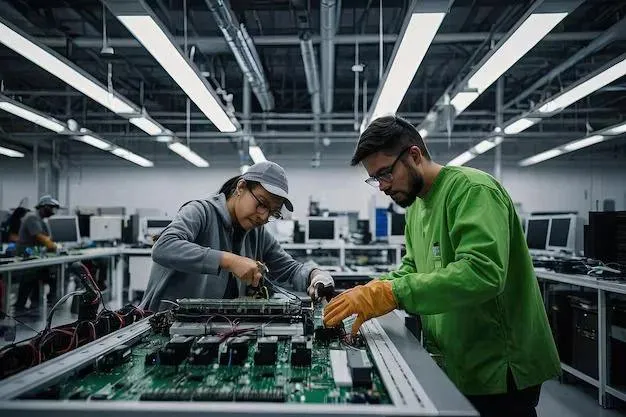
Getting a semiconductor manufacturing plant going in India is no small task and requires large scale of investment, strategic planning and requisite talent workforce. However, with the Indian Central government focused on ‘Make in India’ and also semiconductor demand soaring globally, Bengaluru has lots of potential here. You can establish the ground an effective venture in cloud-based semiconductor manufacturing, by adapting your methodologies to these opportunities. Now, we shall move on by delving into the far complex aspects of how to set up a semiconductor fabrication plant in India. Read our Books Here Visit: Best Industry for Doing Business Read Similar Articles: STARTUP BUSINESS In-depth Planning for Market Positioning Knowing where you stand in the marketplace is crucial for your plant. You could target the low-end market, which primarily focuses on producing common semiconductors in high volumes, or the premium market, which is driven by the most current modern technology as well as advancement. It’s required to understand your clients’ demands, competitor offerings, as well as existing market fads to identify your market placing accurately. Further analysis on investment requirements Aside from the apparent costs for land, building and construction, as well as tools, there are various other costs to consider. These can consist of recurring expenditures like resources, labor, energies, research and development, and upkeep. Do not fail to remember the expense of obtaining the essential licenses as well as licensing charges for the technology used in your plant. Functional expenses, including the cost of electrical energy, water, as well as specialized gases, are specifically substantial. A big semiconductor plant can take in substantial quantities of water as well as electrical power daily, so be sure to factor in these expenditures. Importance of Cleanroom Design and Maintenance Cleanrooms in a semiconductor plant are environments with a low degree of environmental pollutants like dust, air-borne germs, aerosol fragments, and also chemical vapors. The layout as well as maintenance of these cleanrooms are essential since even a minute fragment can trigger considerable flaws in the semiconductor production procedure. Air shower access, High-Efficiency Particulate Air (HEPA) filters, and also consistent surveillance of the environment are among the required cleanroom demands. Adherence to Environmental Regulations Semiconductor manufacturing plants are understood to produce significant waste as well as can cause considerable ecological effect. For that reason, these plants need to comply with strict ecological regulations connected to air emissions, water discharge, as well as contaminated materials disposal. Besides, semiconductor manufacturing eats vast amounts of water, and effective water monitoring and recycling systems must remain in place. R&D and Innovation Rapid technical innovations are a consistent in the semiconductor market, as well as without a solid focus on research and development, any kind of supplier could swiftly become obsolete. Consequently, a considerable part of the investment ought to be directed towards R&D. Tying up with universities, establishing dedicated R&D departments, or entering into calculated partnerships with global modern technology leaders could be advantageous. Supply Chain Management Rapid technical innovations are a constant in the semiconductor market, and without a solid focus on research and development (R&D), any supplier could swiftly become obsolete. Accordingly, a major portion of the investment required to start a semiconductor manufacturing plant should be allocated to R&D. Establishing dedicated R&D departments, forming strategic partnerships with global technology leaders, or aligning with universities can significantly enhance innovation capabilities and long-term competitiveness. Intellectual Property Protection Semiconductor fabrication is highly technical in its nature — and with that comes the need to safeguard your intellectual property (IP). Whether it is your production process, the design of your chips or innovation in your plant. Feasibility Study Reports: Detailed Project Reports Risk Management To start a semiconductor manufacturing plant is to venture into a highly complex and capital-intensive industry. It entails various risks—from fluctuating market demands and technological challenges in production to evolving regulatory landscapes and intense cost pressures. A detailed threat management strategy is essential. This involves identifying potential threats, assessing their impact, developing mitigation strategies, and continuously monitoring them. Proactive risk management not only safeguards operations but also ensures long-term sustainability and competitiveness in the semiconductor sector. Continuous Improvement In the highly competitive semiconductor sector, the quest for renovation should be ruthless. This could be in the form of enhancing making effectiveness, lowering waste, increasing item high quality, or enhancing employee safety. Lean as well as Six Sigma techniques can be utilized to promote a culture of constant renovation in your plant. Conclusion Establishing an Indian semiconductor manufacturing plant is not only a complex task but also costly. However, with the perfect preparation along with funding and partnerships together using a group, this is still an established target. Today, more than ever before semiconductors carry a lot weight in the technology driven world, we live making it one of those industries with immense potential. As you start your semiconductor manufacturing plant, remember that success in this space goes far beyond mastering technology. It’s about deeply understanding the market, forging strong partnerships, remaining agile, and consistently driving innovation and improvement. Building a resilient organization means navigating today’s complex challenges while positioning yourself for tomorrow’s opportunities. Most importantly, it’s about developing a product that, though invisible to most end-users, forms the backbone of the modern digital world. Contact Us What are the key steps to start a semiconductor manufacturing plant in India? Starting a semiconductor plant requires deep market research, choosing the product focus (such as microprocessors, memory chips, or integrated circuits), and creating a detailed business plan outlining operations, marketing, and finance strategies What location factors should entrepreneurs consider for a semiconductor facility? Choose a site with strong infrastructure, access to skilled labor, proximity to suppliers and customers, reliable utilities like power and ultra?pure water, and good transport links. Industrial parks and electronics clusters may offer benefits. What approvals and regulatory requirements apply to semiconductor plants in India? In India, approvals are needed from the Ministry of Electronics and Information Technology (MeitY), Ministry of Environment, Forest
Top Small Business Startup Ideas for MSME Entrepreneurs in Uttarakhand

Uttarakhand is emerging as one of the most promising destinations for MSME entrepreneurs in Uttarakhand. With its diverse geography, rich cultural traditions, and strong support from both the central and state governments, the region offers unmatched opportunities for individuals looking to start a new venture. Whether in the hills or plains, the state is ripe with potential for sustainable and scalable small business startup ideas. This guide dives into the most practical and profitable startup opportunities for MSMEs, carefully selected to align with the region’s resources, demographics, and market demand. Small Business Startup Ideas for MSME Entrepreneurs in Uttarakhand Organic Farming and Eco-Agribusiness For MSME entrepreneurs in Uttarakhand, organic farming stands out as a low-investment, high-return business. The fertile valleys and clean water sources make the region ideal for: Organic vegetable and fruit cultivation Herbal and medicinal plant farming Local produce-based food processing Agri-tourism and farm stays Under schemes like the Paramparagat Krishi Vikas Yojana, the government offers financial and training support to small farmers transitioning to organic practices. Eco-Tourism and Homestay Development As eco-conscious travelers increasingly seek sustainable options, MSME entrepreneurs in Uttarakhand can tap into: Eco-lodges, riverside camps, and village homestays Adventure sports like trekking, camping, paragliding Guided cultural and heritage tours Yoga and wellness retreats With tourist hotspots like Rishikesh, Nainital, and Chopta drawing attention, small business startup ideas in tourism offer excellent ROI and employment opportunities for locals. Herbal Product Manufacturing and Ayurveda Uttarakhand’s natural biodiversity is a goldmine for entrepreneurs interested in herbal, ayurvedic, and wellness-based businesses. MSMEs can explore: Herbal teas, oils, and balms Natural cosmetics and personal care Ayurvedic medicine packaging B2B bulk supply to spas and health centers The National AYUSH Mission provides various incentives for setting up manufacturing units, making this an ideal domain for health-conscious MSMEs. Handloom, Handicrafts, and Rural Art Promotion Traditional crafts like Aipan art, woollen handloom weaving, copperware, and wood carving represent Uttarakhand’s rich heritage. MSMEs can build: Artisan cooperatives and online marketplaces Boutique stores targeting tourists Workshops and DIY craft kits for schools and corporates Export-ready collections with international appeal Promoting local culture through e-commerce and exhibitions can convert passion into profits for aspiring MSME entrepreneurs in Uttarakhand. Poultry, Dairy, and Livestock Businesses With growing urbanization and increasing demand for protein-rich food, animal husbandry is a solid business model for rural MSMEs. Profitable options include: Small-scale dairy farms with milk processing Poultry and egg production units Goat farming and meat supply Distribution of organic dairy products Government subsidies under NABARD and Dairy Entrepreneurship Development Scheme (DEDS) reduce startup costs significantly. Mushroom Cultivation Units For areas with limited arable land, mushroom farming offers high profits in small spaces. MSMEs can initiate: Polyhouse-based mushroom growing Fresh and dried mushroom packaging Mushroom-based ready-to-eat snacks Training centers for aspiring farmers This venture is particularly popular among educated youth looking for innovative small business startup ideas in agriculture. Solar Energy and Green Tech Solutions Power reliability remains a challenge in many remote parts of Uttarakhand. This opens the door for MSME entrepreneurs in Uttarakhand to invest in: Solar panel installation and maintenance services Solar water pumps for farms Off-grid solar solutions for rural homes Energy consulting for resorts and schools Supportive policies under PM-KUSUM and Solar Park Schemes make green tech one of the most scalable startup categories. Beekeeping and Honey Product Manufacturing Beekeeping is a traditional yet increasingly lucrative business. MSMEs can take this forward by launching: Organic honey brands with traceable origins Products like beeswax candles, soaps, and balm Online subscription models for honey delivery Training hubs for rural self-help groups The National Beekeeping & Honey Mission (NBHM) promotes apiculture through funding and quality certification assistance. Packaged Water and Beverage Bottling Uttarakhand is blessed with clean natural springs and snow-fed rivers. Entrepreneurs can bottle this purity by creating: Natural mineral water brands Herbal-infused bottled beverages Portable water stations in tourist spots Contract bottling services Targeting eco-conscious urban buyers with biodegradable packaging can set your MSME apart. Digital Services and Remote Tech Solutions With rising internet penetration, digital MSMEs can thrive even in the remotest towns. Promising ventures include: Website development for local businesses Social media management and SEO services Freelance graphic design and content creation Online consulting for students, startups, and farmers These small business startup ideas require minimal upfront investment, yet offer excellent flexibility and global market access. Fruit Processing and Agro-Industry Uttarakhand is a major producer of apples, litchis, plums, and apricots. Instead of selling raw produce, MSME entrepreneurs can process and package them into: Jams, jellies, squashes, and chutneys Fruit pulps for ice cream and bakery use Dehydrated fruit snacks Cold storage and transportation services The PMFME (Pradhan Mantri Formalization of Micro Food Processing Enterprises) scheme provides funding and branding support. Skill-Based Coaching and Education The education sector in Uttarakhand is ripe for transformation. MSME entrepreneurs can consider: Online and offline coaching centers Job-focused skill development institutes Spoken English and IT training courses Career counseling and exam prep services With the push for Digital India and NEP 2020 reforms, there’s massive demand for quality, skill-based education in Tier-2 and Tier-3 towns. Local Cuisine Cloud Kitchens and Food Delivery People everywhere are exploring regional flavors, making local cuisine a huge opportunity for MSMEs. Business ideas include: Kumaoni and Garhwali food cloud kitchens Frozen meals and ready-to-cook packs YouTube channels or Instagram-based food vlogs Online ordering with delivery partnerships Combining tech with tradition helps build strong brands that appeal to both locals and foodies across India. Travel Content Creation and Influencer Marketing Uttarakhand’s stunning vistas offer rich content opportunities. MSMEs in this niche can build platforms for: Travel vlogging and monetized content Drone photography and nature documentaries Influencer-led tours and reviews Affiliate-based travel booking services This low-investment model is perfect for passionate creators and storytellers. Conclusion With a unique blend of natural resources, government incentives, and cultural richness, Uttarakhand is an excellent ground for MSME entrepreneurs. By choosing the right small business startup ideas, entrepreneurs can not only generate sustainable income but also contribute to the region’s economic growth and employment