
Phenolic Resins Production Business
Phenolic resins are synthetic polymers obtained by the reaction of phenol with formaldehyde. These resins are widely used in coatings, adhesives, laminates, insulation, and molding compounds, making them vital in industries such as automotive, electronics, construction, and aerospace. The global demand for phenolic resins is steadily growing due to their excellent thermal stability, high mechanical strength, and resistance to moisture and chemicals. Entrepreneurs and investors looking to enter the chemical manufacturing sector will find phenolic resins manufacturing to be a profitable and sustainable business opportunity. Overview of the Phenolic Resins Manufacturing Business Phenolic resins manufacturing involves both technical knowledge and strategic planning. The business process requires adherence to strict safety protocols and environmental regulations due to the involvement of hazardous chemicals like phenol and formaldehyde. Broadly, phenolic resins can be classified into two types: resol resins (prepared under basic conditions) and novolac resins (prepared under acidic conditions). Both types have different industrial uses and production methods. Market Potential and Industry Scope The global phenolic resins market is projected to grow significantly over the next decade. With applications in various end-user industries such as electronics, construction, and automotive, the demand for heat-resistant and flame-retardant materials is on the rise. Asia-Pacific, especially countries like India and China, is leading in terms of consumption due to their expanding manufacturing bases. Entering the phenolic resins manufacturing segment now can offer a competitive edge and long-term profitability. Key Steps to Start Phenolic Resins Manufacturing Starting a phenolic resins manufacturing unit requires a structured approach covering aspects such as market research, feasibility analysis, business planning, licensing, and setting up the production facility. Below is a step-by-step guide: 1. Conduct Market Research Understanding the demand and supply dynamics, target industries, customer base, and pricing trends is essential. Research about existing manufacturers, their product portfolios, distribution channels, and geographical presence. 2. Prepare a Detailed Business Plan Your business plan should include: Executive Summary Business Objectives SWOT Analysis Marketing Strategy Financial Projections Risk Assessment Operational Model Highlight your USP—such as offering high-purity resins, customizable grades, or eco-friendly production techniques. 3. Choose the Right Location Location is crucial in phenolic resins manufacturing due to safety and logistics. Choose an industrial area with proximity to raw material suppliers, good infrastructure, waste disposal facilities, and transportation networks. Ensure the area is compliant with environmental norms and zoning laws. 4. Obtain Necessary Licenses and Approvals Starting a phenolic resins manufacturing business requires several statutory approvals and clearances. These include: Factory license GST registration Pollution control board clearance (CPCB or SPCB) Fire safety certificate Hazardous waste management license Directorate of Industries approval Consult a legal expert or industry consultant to ensure all regulatory compliances are met. 5. Invest in Plant Setup and Machinery The machinery setup for phenolic resins manufacturing includes: Reaction vessels (stainless steel) Heating systems Cooling systems Storage tanks Filtration units Vacuum systems Distillation columns Depending on your production capacity, the capital investment can range from ?2 crores to ?10 crores. Focus on automation and safety features in your plant design to improve efficiency and reduce human risk exposure. 6. Source Raw Materials Major raw materials required are: Phenol Formaldehyde Methanol Sodium hydroxide or hydrochloric acid (for pH control) Catalysts Ensure reliable supply contracts with verified chemical vendors to maintain uninterrupted production. 7. Hire Skilled Workforce Phenolic resins manufacturing is a chemical-intensive process that needs trained professionals. Your team should include: Chemical engineers Safety officers Machine operators Quality control analysts Environmental compliance personnel Also, conduct periodic training programs on safety, process optimization, and quality standards. 8. Set Quality Control Standards Maintaining consistent quality is vital in the phenolic resins industry. Set up a robust quality assurance laboratory equipped with spectrometers, viscometers, pH meters, and thermal testing equipment. Follow ISO certifications for quality management (ISO 9001) and environmental safety (ISO 14001). 9. Implement Safety and Waste Management Protocols Handling hazardous chemicals requires strict safety norms. Equip your plant with fire-fighting systems, personal protective equipment (PPE), emergency response plans, and chemical neutralization units. Partner with authorized hazardous waste management agencies for disposal. 10. Marketing and Sales Strategy Build a strong network of industrial buyers, OEMs, and distributors. Attend industrial expos and use digital platforms like LinkedIn, trade portals, and B2B websites for lead generation. Offering technical support and timely delivery can give your brand a competitive edge. You can also provide custom formulations or specialty phenolic resins to meet unique industrial applications, such as resins for aerospace or medical-grade equipment. Financial Aspects of Phenolic Resins Manufacturing The profitability of phenolic resins manufacturing depends on factors such as plant capacity, raw material cost, operational efficiency, and market penetration. Here’s a rough financial outline: Initial Investment: ?3 to ?10 crores (depending on plant size and automation) Working Capital Requirement: ?50 lakhs to ?1 crore Break-even Point: Typically within 2 to 3 years Gross Profit Margin: 25%–35% Net Profit Margin: 10%–18% Government subsidies and tax benefits under schemes like the MSME Credit Guarantee Scheme or Make in India initiative may help reduce initial financial burden. Challenges and Risk Mitigation Like any manufacturing business, phenolic resins manufacturing also faces challenges: Price volatility of phenol and formaldehyde Regulatory changes in hazardous chemical handling Competition from global manufacturers High operational costs for pollution control Mitigate risks by diversifying your product range, optimizing supply chain logistics, and investing in energy-efficient technologies. Also, explore options to produce eco-friendly phenolic resins using bio-based phenol alternatives, which can open new market segments. Sustainability and Environmental Considerations With growing environmental awareness, industries are under pressure to reduce their carbon footprint. Incorporate sustainable practices like: Recycling process water Using green energy sources Reducing VOC (Volatile Organic Compound) emissions Offering bio-based phenolic resins Such initiatives can improve brand perception and attract environmentally conscious clients. Conclusion Phenolic resins manufacturing is a highly promising industrial venture with immense scope in the evolving global economy. With the right planning, regulatory compliance, and market strategy, it is possible to build a successful and scalable business. As industries seek high-performance materials for diverse applications, the demand for phenolic resins is bound
Book on Epoxy Resins Technology
Epoxy resin has long been a cornerstone in industries like construction, electronics, automotive, aerospace, and marine due to its excellent adhesive strength, chemical resistance, and mechanical properties. With increasing demand for durable and versatile materials, the interest in mastering epoxy resin formulation has surged among manufacturers, researchers, and DIY enthusiasts alike. A comprehensive epoxy resin formulation book that is industry-approved can be an invaluable asset in this journey, offering tested and reliable recipes, real-world applications, and troubleshooting insights. Understanding the Basics and Importance of Epoxy Resin Formulation Epoxy resin is a thermosetting polymer that cures when combined with a hardening agent (typically amines or anhydrides). The formulation process requires balancing multiple components such as resins, hardeners, accelerators, plasticizers, pigments, fillers, and additives to achieve specific performance characteristics. The formulation process is both a science and an art. Each ingredient affects curing time, viscosity, toughness, thermal resistance, and UV stability. Therefore, a standardized epoxy resin formulation book, especially one approved by industry professionals, becomes essential. It bridges the knowledge gap for beginners while offering deep insights for seasoned formulators. These books often include chapters covering basic principles, raw materials, stoichiometric calculations, mixing methods, storage conditions, and safety protocols. Additionally, they highlight variations for different industrial applications such as coatings, adhesives, composites, encapsulations, and flooring systems. Key Features of an Industry-Approved Epoxy Resin Formulation Book An ideal epoxy resin formulation book should not just be a collection of recipes. Instead, it must function as a detailed guide that provides: Material SpecificationsIt should define different types of epoxy resins (e.g., bisphenol-A, novolac, aliphatic), curing agents (polyamines, polyamides, acid anhydrides), and functional fillers (e.g., silica, mica, calcium carbonate) used in formulations. Step-by-Step FormulationsFormulas should be broken down into exact ratios, mixing procedures, and recommended conditions. Industry-approved books often include data sheets, rheological charts, and time-temperature-transformation (TTT) diagrams for practical understanding. Application-Specific RecipesWhether you’re making high-performance adhesives, electrical encapsulants, or UV-resistant coatings, application-based chapters make it easy to develop customized solutions. Troubleshooting and Quality ControlUnderstanding what went wrong in a batch is crucial. These books help users diagnose common issues like poor adhesion, brittleness, incomplete cure, and yellowing. Compliance and Environmental SafetyA modern epoxy resin formulation book will highlight REACH, RoHS, and VOC compliance guidelines, alongside safe handling practices and waste disposal norms. Case Studies and Industrial ExamplesCase studies showing real-world use, product development pipelines, and industry benchmarks allow readers to benchmark their own results. Formulation Software GuidanceSome advanced books integrate formulation software tools to automate calculations and predict outcomes based on resin-hardener ratios and environmental factors. Why Formulation Mastery Matters in the Epoxy Resin Industry Mastering epoxy resin formulation is essential for maintaining consistency, achieving desired physical properties, and enhancing product longevity. For industries like aerospace or electrical insulation, even the slightest deviation from formulation standards can cause catastrophic failures. Moreover, as industries move toward greener and more sustainable solutions, formulators must consider bio-based resins, waterborne systems, and low-VOC additives. An updated and industry-approved book will include these new advancements, helping businesses stay competitive and compliant. In the DIY and crafting community, precise formulations are equally vital. Crafters working with river tables, jewelry, and artwork need to control clarity, curing speed, bubble formation, and UV resistance. A formulation guide gives them the tools to experiment without compromising quality. Selecting the Right Epoxy Resin Formulation Book With a multitude of books available, choosing the right one requires considering the following: Author Credentials: Look for books written by chemists, polymer scientists, or industry consultants. Endorsements: Industry-approved books often come with certifications or endorsements from chemical associations or resin manufacturers. Format: Some books offer printed versions, while others come as digital downloads or interactive PDFs with embedded videos and tutorials. Updates: Choose a book that includes regular updates on formulation trends and raw material innovations. Some of the most recommended books in the field include: “Formulating Epoxy Systems for Industrial Applications” by Dr. Rakesh M. Sinha “The Epoxy Resin Handbook” by M.G. Patil and A. Bhowmick “Advanced Epoxy Formulations: Techniques for Industrial Chemists” by BASF Research Group Each of these books presents a different layer of expertise, from beginner-level guides to advanced formulations involving nanocomposites and smart polymers. Common Epoxy Resin Formulations from the Book An industry-approved epoxy resin formulation book often shares tried-and-tested recipes, such as: 1. Structural Adhesive Resin Resin: Bisphenol-A Epoxy (100 parts) Hardener: Polyamide (50 parts) Filler: Talc (30 parts) Accelerator: Tertiary amine (1 part) Additive: Silane coupling agent (1 part) 2. Clear Casting Resin (DIY Use) Resin: Aliphatic epoxy (100 parts) Hardener: Cycloaliphatic amine (40 parts) UV stabilizer: 2 parts Defoamer: 0.5 parts 3. High-Temp Coating Epoxy Resin: Novolac epoxy (100 parts) Hardener: Phenalkamine (60 parts) Ceramic filler: 25 parts Flow modifier: 1 part Each formulation will also suggest proper curing times (typically 24-72 hours), recommended ambient temperature, and mixing procedures to avoid air entrapment. Opportunities and Innovations in Epoxy Resin Formulations As of 2025, there is a significant push toward innovations in the epoxy resin sector. Some emerging trends that are being featured in updated formulation books include: Bio-Based Epoxy Resins: Derived from soybean, glycerol, or lignin to replace petroleum-based feedstock. Nano-Reinforced Formulations: Integration of carbon nanotubes or graphene to enhance strength, conductivity, and heat resistance. Smart Epoxies: Resins that respond to external stimuli (temperature, light, pH) for self-healing or sensing applications. Low-Temperature Curing Systems: Essential for electronics and composites where heat application is limited. An industry-approved epoxy resin formulation book ensures that you stay ahead in the game by incorporating these next-gen materials into your formulation pipeline. Final Thoughts Formulating epoxy resin isn’t just about mixing chemicals—it’s about achieving performance, safety, and sustainability. Whether you’re a formulator in a manufacturing plant, a chemist developing new solutions, or a DIY enthusiast working on creative projects, having access to a reliable and industry-approved epoxy resin formulation book will set you up for success. By mastering the art and science of formulation through a well-researched book, you ensure that each batch you create is optimized for durability, performance, and compliance. In an
Construction of Bungalow
Constructing a bungalow is a dream for many Indian families, offering a unique combination of privacy, luxury, and architectural freedom. With the real estate market constantly evolving, understanding the updated bungalow construction cost in India for 2025 is essential before embarking on this major investment. From material prices to labor costs, and from permits to design choices, various factors influence the total budget. This article explores all the critical aspects affecting bungalow construction and provides a practical overview for homeowners and investors alike. Key Factors Affecting Bungalow Construction Cost in India When estimating the bungalow construction cost, it’s important to remember that prices can vary widely based on several parameters. Here’s a comprehensive look into each factor influencing your total expenditure: 1. Location Location significantly impacts construction costs in India. Building a bungalow in a metro city like Mumbai, Delhi, or Bengaluru will cost more than in Tier-2 or Tier-3 cities. Urban areas demand higher labor wages, permit fees, and sometimes even land development charges. For instance, in cities like Delhi or Hyderabad, the cost of construction per square foot can range from ?2,000 to ?3,500, whereas in smaller towns, the same might be achieved within ?1,500 to ?2,200 per square foot. 2. Design and Architecture The architectural complexity of your bungalow plays a vital role in determining its cost. A minimalistic 2BHK single-floor design will be far more economical than a duplex with ornate interiors, modern facades, high ceilings, and smart home integrations. Custom-designed bungalows by reputed architects can increase the budget by 10-20% due to exclusive planning, 3D modeling, and premium material selection. 3. Material Quality and Price Trends (2025) The cost of materials like cement, steel, bricks, wood, plumbing fittings, electrical wiring, and finishing items has risen slightly in 2025 compared to previous years. Here’s a rough estimate: Cement (per 50kg bag): ?390–?420 Steel (per kg): ?65–?75 Bricks (per 1,000 units): ?8,000–?10,000 Sand (per ton): ?1,200–?1,800 Tiles and flooring: ?60–?250 per sq.ft depending on design Electricals and plumbing: ?200–?400 per sq.ft for mid-range materials Thus, material choice drastically affects your final bungalow construction cost. 4. Labor Charges and Contractor Fees In 2025, labor charges have increased marginally due to inflation and rising demand. Labor typically accounts for 25% to 35% of total construction costs. For instance: Masons: ?600–?900/day Carpenters: ?700–?1,000/day Plumbers & Electricians: ?500–?900/day Opting for a turnkey contractor can also influence the cost. Most contractors in India charge between 10% to 20% of the total construction cost as their fee. 5. Type of Bungalow The bungalow construction cost also depends on the type and size of the structure: Standard Bungalow (G+1): ?1,800 to ?2,500/sq.ft Luxury Bungalow: ?3,000 to ?5,000/sq.ft Eco-friendly/Smart Bungalow: ?3,500 to ?6,500/sq.ft An average 2,000 sq.ft bungalow can cost anywhere between ?36 lakhs to ?1.3 crore depending on finishes and features. 6. Foundation and Soil Condition The type of soil on your plot affects the depth and complexity of the foundation. Rocky or marshy soils may require deep piling and extra waterproofing, increasing your bungalow construction cost by 5–15%. 7. Government Approvals and Taxes Before construction begins, various approvals are needed from municipal authorities. These include: Plan approval fees Conversion charges (if agricultural land is used) Environmental clearances (in specific zones) Development charges and utility connections All these may add ?100–?300 per sq.ft to your total budget. 8. Interior Finishing and Landscaping Interior design and finishing contribute significantly to the overall bungalow construction cost. Premium modular kitchens, imported tiles, designer lighting, and wardrobes can push the price by ?500–?1,000 per sq.ft. Don’t forget outdoor landscaping like gardens, fountains, driveways, and boundary walls which may cost another ?3–?10 lakh based on size and design. Average Cost Breakdown (2025) Component Approximate Cost Range (? per sq.ft) Structure (Core Building) ?1,000 – ?1,600 Electrical and Plumbing ?200 – ?400 Flooring and Tiling ?100 – ?250 Painting and Polishing ?80 – ?200 Interior and Fixtures ?300 – ?1,000 Landscaping and Exteriors ?150 – ?300 Total Estimated Cost (Standard Bungalow): ?1,800 – ?3,500 per sq.ft For a 2,000 sq.ft bungalow: ?36 lakh – ?70 lakhFor a 3,000 sq.ft premium bungalow: ?90 lakh – ?1.5 crore+ Tips to Reduce Bungalow Construction Cost Choose a Reputed Turnkey Contractor – They offer bundled services which can lower total cost. Use Locally Sourced Materials – Reduces transportation charges and supports local economy. Opt for Minimalistic Design – Straight lines and simpler roof structures are cost-efficient. Plan Efficient Layouts – Avoid unnecessary walls and corridors to optimize space and cost. Build in Phases – Construct in stages if budget is tight. Shell structure first, interiors later. Final Thoughts The bungalow construction cost in India in 2025 depends heavily on your location, design preferences, and material quality. With average rates hovering between ?1,800 and ?5,000 per sq.ft, it’s vital to prepare a detailed cost estimate before beginning construction. Collaborate with experienced architects and civil engineers to avoid budget overruns and ensure high-quality output. Whether you’re building a cozy single-floor bungalow or a grand duplex, being informed about current trends and prices will help you make smarter financial decisions. With proper planning and timely execution, your dream bungalow in India can become a reality in 2025 without burning a hole in your pocket. Visit the page Select and Choose the Right Business Startup for You for sorting out the questions arising in your mind before starting any business and know which start-up you can plan. We, at NPCS, endeavor to make business selection a simple and convenient step for any entrepreneur/startup. Our expert team, by capitalizing on its dexterity and decade’s long experience in the field, has created a list of profitable ventures for entrepreneurs who wish to diversify or venture. The list so mentioned is updated regularly to give you a regular dose of new emerging opportunities. Contact Us
Coverall (Boiler Suits)
In today’s industrial and manufacturing environment, safety is paramount. Whether it is the construction sector, oil and gas fields, automotive workshops, or chemical plants, professionals are often exposed to hazardous conditions that demand proper protective gear. One such essential gear is the coverall boiler suit. Known for its durability, comfort, and comprehensive coverage, the coverall boiler suit has evolved over the years to not only offer maximum protection but also ensure ease of movement and comfort during long hours of work. It serves as a barrier between the worker and dangerous materials, ensuring both safety and professionalism in high-risk workplaces. Importance of Coverall Boiler Suits in Industrial Safety A coverall boiler suit is more than just a piece of clothing—it’s a critical component of personal protective equipment (PPE). These suits are designed to protect workers from harmful substances like chemicals, flames, heat, electric arcs, and sharp objects. Unlike regular uniforms, boiler suits cover the entire body, including arms and legs, leaving minimal skin exposed. This full-body protection is particularly essential for welders, mechanics, chemical handlers, and construction workers. In high-risk environments, a minor lapse in safety can lead to severe injuries or long-term health issues. The coverall boiler suit helps mitigate these risks by offering a layer of resistance against hazards. With options such as fire-retardant fabric, chemical-resistant coating, and waterproof linings, these suits are tailored for specific needs across industries. Moreover, coveralls also prevent contamination, which is critical in sensitive sectors like pharmaceuticals or food processing, where hygiene is as important as safety. Comfort is another key factor. Workers often wear these suits for extended periods, making breathability and fit vital considerations. Modern coverall boiler suits are ergonomically designed with ventilation panels, lightweight yet durable materials, and adjustable closures, ensuring that the wearer remains comfortable without compromising on safety. This balance of protection and comfort significantly boosts worker efficiency and morale. The Evolution of Coverall Boiler Suits Over time, coverall boiler suits have undergone significant transformation in terms of material, design, and functionality. Initially, boiler suits were heavy and cumbersome, often causing discomfort. However, innovations in textile technology have introduced materials like flame-retardant cotton blends, Nomex, and Kevlar, which are not only protective but also breathable and flexible. Design upgrades have also played a pivotal role in enhancing usability. Zipper closures have replaced traditional button styles for better sealing, while pockets with secure flaps add convenience for carrying tools. Reflective tapes are now standard for improving visibility in low-light conditions. These advancements have made coverall boiler suits more worker-friendly while retaining their core purpose of protection. In many cases, companies now personalize coverall boiler suits with branding and color codes to indicate job roles or departments. This not only fosters a professional image but also helps with quick identification, contributing to better site organization and emergency response. Furthermore, eco-consciousness is making its way into PPE. Some manufacturers are now producing coverall boiler suits using sustainable materials or offering recycling programs for worn-out suits. This shift reflects the industry’s growing commitment to environmental responsibility. Industry-Specific Applications The versatility of the coverall boiler suit makes it suitable for a wide range of industries: Construction and Infrastructure: With dust, debris, and heavy machinery all around, workers require protection against abrasions and sharp tools. Durable and reinforced suits serve this purpose effectively. Oil & Gas Industry: Exposure to flammable gases and liquids makes fire-retardant suits mandatory. These suits often feature anti-static properties and are designed to meet global safety standards like NFPA and ISO. Chemical Industry: Suits with chemical-resistant coatings and sealed seams are essential in this sector. These prevent skin contact with corrosive or toxic substances. Automotive and Mechanical Work: Mechanics benefit from oil-resistant and tear-resistant coveralls that protect against grime and accidental spills while offering easy mobility. Food Processing and Pharmaceuticals: In these hygiene-sensitive sectors, sterile, single-use or washable coverall boiler suits prevent contamination and maintain cleanliness. Each sector demands specific functionalities, and manufacturers now offer customization based on the client’s industry, ensuring that every suit is purpose-built and regulation-compliant. Choosing the Right Coverall Boiler Suit Selecting the appropriate coverall boiler suit involves assessing the risks associated with the job. Here are some criteria to consider: Material Type: Cotton blends offer comfort, while synthetic materials like polypropylene or PVC provide better chemical resistance. Fire Retardancy: For environments with fire hazards, choose suits certified for flame resistance. Breathability: Lightweight, breathable fabrics help workers stay cool in hot conditions. Durability: Reinforced stitching, high GSM fabric, and abrasion resistance are crucial for rugged jobs. Visibility: Reflective tapes and high-visibility colors are essential for outdoor or night work. Fit & Design: Adjustable cuffs, zippers, and elasticated waists improve fit and ease of movement. Compliance: Make sure the suit adheres to safety standards like ISO 11611, ISO 11612, EN 1149, or ASTM depending on the industry. Employers should always invest in high-quality, certified suits and provide proper training on how to wear and maintain them. Regular inspections and timely replacements ensure ongoing protection. Maintenance and Lifespan Proper maintenance of a coverall boiler suit is vital to retain its protective qualities. Most suits come with manufacturer instructions detailing the appropriate washing temperature, drying method, and storage guidelines. Ignoring these can degrade fire resistance, compromise fabric strength, or reduce the effectiveness of chemical coatings. For reusable suits, ensure they are inspected after each use. Look for signs of wear such as fabric thinning, seam fraying, or malfunctioning zippers. If any part of the suit is compromised, it should be replaced immediately. For single-use suits, disposal should follow proper waste management protocols, especially if the suit was exposed to hazardous substances. Maintaining a stock inventory of suits and rotating them helps prolong their lifespan while ensuring availability in emergencies. Investing in proper storage facilities such as lockers or hangers also reduces unnecessary wear and tear. Cost Consideration and Value While high-quality coverall boiler suits may come with a higher upfront cost, their long-term value cannot be overstated. Better protection leads to fewer workplace accidents, reduced compensation claims, and
Start an NC Thinner Manufacturing Business Plant in 2026
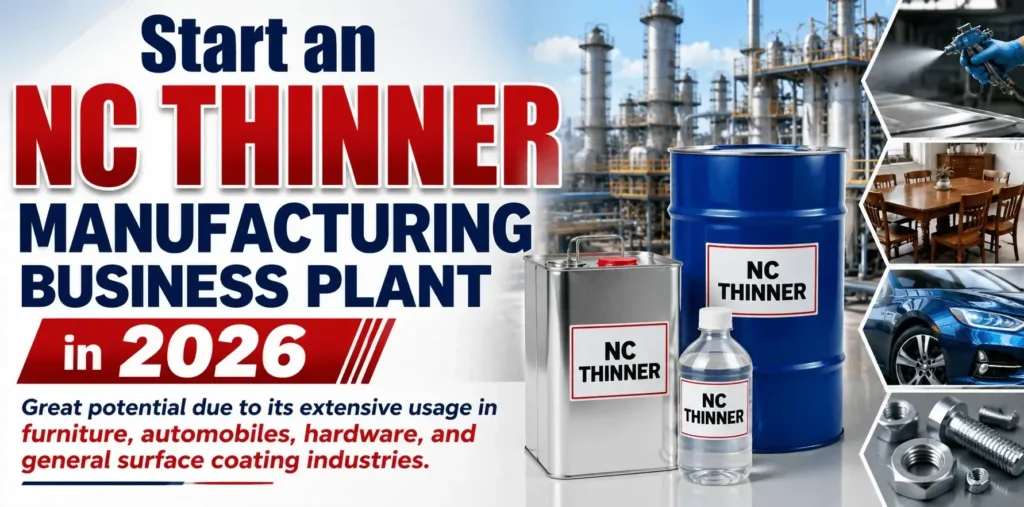
Starting a manufacturing business that caters to the growing demand of the paint and coating industry is a smart entrepreneurial move in today’s rapidly expanding industrial sector. One such high-demand product is NC thinner, which is widely used as a solvent to dilute nitrocellulose-based paints, lacquers, and varnishes. It plays a vital role in achieving the desired viscosity for smooth application and optimal drying time. The NC thinner manufacturing business offers great potential due to its extensive usage in furniture, automobiles, hardware, and general surface coating industries. Why Start an NC Thinner Manufacturing Business? India’s construction and automobile sectors are growing at a substantial rate, and so is the paint and surface finishing industry. This growth has led to increased demand for solvents like NC thinner. Entrepreneurs looking for a cost-effective and scalable business idea should consider entering the NC thinner manufacturing business. The business requires moderate capital investment, a manageable level of technical knowledge, and relatively easy regulatory compliance, making it accessible to new manufacturers. The NC thinner manufacturing business also enjoys an evergreen demand, as its primary application is in finishing products, which are used in new constructions, renovations, and product maintenance. It is also essential for spray painting and brush painting jobs. Additionally, NC thinner acts as a cleaner for paintbrushes and spray equipment, making it a dual-utility product. Market Potential and Industry Demand The NC thinner market is closely tied to the paint and coatings industry, which in India is projected to grow at a CAGR of over 7% in the coming years. With the increase in infrastructure development and housing projects, demand for paints—and therefore, NC thinners—is expected to rise proportionately. Small paint manufacturers, auto workshops, furniture polishers, and general hardware stores are constant buyers of NC thinner. Thus, starting an NC thinner manufacturing business presents an excellent opportunity to tap into this consistent demand. Many businesses seek local suppliers to reduce procurement time and costs, so manufacturing units located in industrial or semi-urban zones often enjoy an edge due to proximity and competitive pricing. Raw Materials and Formulation Process The production of NC thinner primarily involves the blending of various solvents in precise proportions. Common raw materials include: Toluene Acetone Butyl Acetate Methyl Ethyl Ketone (MEK) NC-based Resins (optional) Ethyl Alcohol The process of making NC thinner is relatively straightforward. It involves measuring, blending, and filtering the solvents to achieve a clear and homogeneous solution. The final product must meet the standards of quick drying, proper dilution capability, and low residue after evaporation. A small-scale NC thinner manufacturing business can begin operations with a mixing tank, solvent-resistant containers, measuring equipment, a filtration unit, and appropriate storage infrastructure. All raw materials must be stored safely, considering their flammability. Licensing and Legal Compliance Starting an NC thinner manufacturing business in India involves obtaining several licenses and permissions, especially since the raw materials involved are flammable and fall under hazardous substances. Key requirements include: Company Registration (as LLP, Pvt. Ltd., or Proprietorship) Trade License from local authorities GST Registration Factory License (if operating on a larger scale) No Objection Certificate (NOC) from the State Pollution Control Board Fire Department clearance Explosive License from PESO (Petroleum and Explosives Safety Organization), depending on scale It is highly recommended to consult legal advisors or experts to ensure full compliance with central and state-specific regulations. Setting Up the Manufacturing Unit To start your NC thinner manufacturing business, selecting the right location is crucial. Industrial areas with easy access to transportation and raw material supply chains are ideal. Your unit should have a well-ventilated area for mixing and blending, chemical-resistant flooring, proper drainage systems, and strict safety protocols, including fire extinguishers and spill kits. The equipment required includes: Stainless steel or HDPE mixing tanks Agitators or stirrers Solvent measuring and dispensing system Filtration system Bottling and packaging machinery Storage drums or barrels Staff training is essential to ensure safe handling of solvents. Adequate use of PPE (gloves, safety glasses, aprons) should be mandatory in your manufacturing facility. Cost of Starting the Business The initial investment in an NC thinner manufacturing business depends on the scale of operations. A small unit with a daily capacity of 500–1000 liters may require ?8–15 lakhs, while a medium-scale unit might need up to ?30 lakhs or more. Cost breakup includes: Land/Lease or rent for the factory unit Machinery and equipment Raw materials (initial stock) License and registration fees Safety equipment and fireproof infrastructure Labor and staff salaries Marketing and branding By opting for efficient machinery and locally sourced raw materials, the production cost per liter can be minimized, making the business highly profitable over time. Packaging and Branding The packaging of NC thinner should be both practical and compliant with safety standards. Use high-quality, leak-proof HDPE containers or metal drums of varying sizes (500 ml, 1 liter, 5 liters, 20 liters, etc.). Proper labeling with safety instructions, batch numbers, manufacturing date, and storage guidelines is mandatory. A strong brand presence and product reputation can drive recurring sales. To build brand value in the NC thinner manufacturing business, focus on consistent quality, fast delivery, competitive pricing, and customer service. Offering customization in viscosity or solvent strength for specific clients can also enhance customer loyalty. Marketing and Distribution Strategy Marketing plays a vital role in the success of your NC thinner manufacturing business. Traditional distribution channels such as hardware stores, paint shops, automobile workshops, furniture manufacturers, and wholesalers are your key targets. Strategies to promote your product: Appoint local distributors and retailers Provide trade margins and volume discounts Offer free samples or initial trial packs Create a basic website and list your product on trade portals like IndiaMART, TradeIndia, and Justdial Run local ads in industrial magazines or directories Attend industrial expos or B2B events related to paints and coatings With a well-thought-out marketing strategy, your business can scale quickly, especially if your product proves reliable and cost-effective. Profitability and Growth Potential The NC thinner manufacturing business can be highly profitable due to relatively low production costs
Book on Pig Farming and Pork Processing
Pig farming and pork processing have emerged as vital components of the global agribusiness landscape. Whether you’re a smallholder farmer aiming to scale up or a curious entrepreneur exploring the meat industry, having the right information at your fingertips can make all the difference. The Pig Farming and Pork Processing Book – Expert Guide is a comprehensive manual designed to equip readers with actionable insights and technical know-how for starting, managing, and scaling a successful piggery and pork business. With rising global demand for pork and processed meat products, this guide is more relevant than ever. Pig Farming and Pork Processing: A Growing Opportunity Pig farming, also known as piggery, is one of the most profitable livestock ventures in agriculture. Due to pigs’ ability to grow quickly and reproduce in large numbers, they are an attractive option for farmers seeking fast returns. Coupled with modern pork processing techniques, pig farming offers a dual revenue stream—fresh meat and value-added pork products such as bacon, ham, sausages, and salami. The Pig Farming and Pork Processing Book – Expert Guide delves into the entire lifecycle of pig farming, from selecting breeds to processing meat for the market. It’s an essential resource for anyone looking to understand the intricacies of this sector. Let’s explore the vital aspects covered in this expert guide: Understanding Pig Breeds The success of a pig farming business begins with choosing the right breed. Different pig breeds are suited for different environments and purposes. Some of the most commonly farmed breeds include: Large White: Excellent for both meat and bacon production. Landrace: Known for their mothering abilities and high-quality carcass. Duroc: Prized for its lean meat and fast growth rate. Hampshire: Muscular pigs suitable for commercial meat production. The guide offers detailed descriptions and comparative charts to help farmers select the most appropriate breed for their geographic and commercial requirements. Pig Housing and Infrastructure Pigs require a well-ventilated, dry, and clean environment. Good housing not only improves health but also increases weight gain and reduces mortality. The book provides detailed architectural layouts, ventilation methods, flooring types (slatted vs. concrete), and drainage systems for optimal hygiene and productivity. It also includes cost estimates to help in budgeting. Feeding and Nutrition Proper nutrition is the backbone of profitable pig farming. The guide explains the different types of feed required at various growth stages—starter, grower, finisher, and breeder diets. It also covers: Feed formulation recipes Feed conversion ratios (FCR) Importance of vitamins and minerals Water management strategies By following the guidelines in the Pig Farming and Pork Processing Book – Expert Guide, farmers can improve feed efficiency and achieve better weight gains, ensuring maximum profitability. Health and Disease Management Diseases are a major threat to pig farming operations. The book includes a comprehensive section on disease identification, prevention, and treatment. It outlines vaccination schedules, biosecurity protocols, and quarantine measures. Common pig diseases discussed include: Swine Fever Foot and Mouth Disease Respiratory Infections Worm Infestation The guide also offers natural and antibiotic treatment options, enhancing decision-making for organic and conventional farmers alike. Breeding and Reproduction Reproductive efficiency is crucial in pig farming. The guide walks readers through: Mating systems (natural vs. artificial insemination) Heat detection techniques Gestation management Farrowing crate design Piglet care and weaning practices With these insights, readers can develop a reproductive plan that maximizes litter size and weaning success rates. Waste Management and Environmental Considerations Pig farms generate a significant amount of organic waste, which, if not managed properly, can lead to environmental degradation. The book teaches eco-friendly waste disposal systems such as: Biogas production from pig waste Composting methods Effluent treatment systems Sustainable practices reduce the environmental footprint of the farm while also creating additional revenue opportunities. Pork Processing: From Farm to Fork The pork processing section of the Pig Farming and Pork Processing Book – Expert Guide is an eye-opener for those looking to diversify their income. It includes: Slaughtering and dressing procedures Hygiene and food safety protocols Meat cutting and packaging Preservation techniques: freezing, curing, smoking Equipment and machinery for small to mid-size processing units Moreover, the guide emphasizes value addition by teaching how to create popular products like bacon, sausages, and ham—thus increasing profitability and consumer appeal. Licensing and Regulatory Compliance Entering the meat industry requires strict adherence to food safety standards. The book outlines all necessary licenses, government certifications, and quality assurance programs, including: FSSAI (India) USDA (USA) ISO 22000 standards HACCP implementation It also explains how to create standard operating procedures (SOPs) for traceability and quality control in pork production. Marketing and Business Planning Even the best farming operations can fail without a proper marketing strategy. This section of the guide teaches: How to identify target markets Branding and packaging strategies Building relationships with retailers, hotels, and meat shops Using e-commerce and social media to drive pork product sales Creating a solid business plan with projected ROI Sample case studies are included to provide real-world context and inspiration. Financial Planning and Profitability Finally, the Pig Farming and Pork Processing Book – Expert Guide gives detailed cost and income projections for small, medium, and large-scale operations. This includes: Capital investment breakdown Operating cost estimation Revenue and profit margins Breakeven analysis The financial tools provided help readers assess risk, estimate ROI, and secure loans or grants. Conclusion The Pig Farming and Pork Processing Book – Expert Guide is not just a manual; it’s a roadmap to sustainable success in a fast-growing industry. It integrates scientific knowledge, real-life farming practices, and business intelligence to offer a holistic view of the piggery and pork processing sector. Whether you’re looking to raise pigs, start a processing unit, or expand an existing setup, this book will guide you every step of the way. As the global appetite for pork continues to grow, those who invest in education and preparedness will lead the future of the industry. Make the smart move—equip yourself with the knowledge and tools provided in this expert guide. Visit the page Select and Choose the Right Business
Battery Projects Automobile Batteries
In the evolving realm of electric vehicles and sustainable transportation, automobile battery technology stands as the linchpin for innovation, efficiency, and growth. As global emissions targets tighten and fossil fuel alternatives gain prominence, the race to develop the next-generation automobile battery has taken center stage across R&D institutions, startups, and major automotive players alike. Revolutionizing Mobility: Top Automobile Battery Technology Projects 1. Solid-State Battery Innovation One of the most groundbreaking areas in automobile battery advancement is the solid-state battery. Replacing the traditional liquid or gel-based electrolytes with solid materials, these batteries offer significantly higher energy density, enhanced safety, and faster charging times. Toyota, in collaboration with Panasonic, is spearheading commercial-level development, while startups like QuantumScape are making remarkable strides in addressing scalability and durability challenges. These batteries promise to double the range of EVs and eliminate flammability risks associated with lithium-ion cells. 2. Lithium-Sulfur Battery Projects Lithium-sulfur (Li-S) batteries have attracted massive interest due to their potential to deliver up to five times the energy density of conventional lithium-ion batteries. Companies such as OXIS Energy and researchers at the University of Michigan are leading efforts to tackle the cycle life limitations. The cathode materials in Li-S batteries are less toxic and more environmentally friendly, offering another major benefit in sustainable automobile battery development. 3. Tesla’s 4680 Battery Cell Breakthrough Tesla’s internal 4680 battery cell design represents a leap in automobile energy technology. These cylindrical cells are larger, more thermally efficient, and cheaper to produce. Tesla’s vertically integrated battery supply chain, paired with structural battery pack design, significantly reduces vehicle weight and production complexity, translating to increased automobile battery performance, range, and safety. 4. Cobalt-Free Battery Chemistry Cobalt mining has long been associated with environmental degradation and human rights concerns. To address this, companies like BYD and CATL are moving towards cobalt-free lithium iron phosphate (LFP) chemistries. These batteries are safer, more stable, and less expensive to produce. While slightly lower in energy density, ongoing innovation is narrowing this gap while enhancing sustainability. 5. Battery Swapping Infrastructure Projects While the majority of EVs rely on plug-in charging, battery swapping offers a fast, scalable alternative. Pioneered in India and China by players like NIO and Sun Mobility, this concept allows a depleted automobile battery to be replaced with a fully charged one in minutes. Standardization and automation are key to its success. Governments in Asia are supporting pilot programs, signaling a promising future. 6. Graphene-Enhanced Battery Projects Integrating graphene into battery design dramatically boosts conductivity and reduces weight. Companies such as Real Graphene USA and Nanotech Energy are advancing projects aimed at commercializing graphene-based automobile batteries. The results are batteries with shorter charging times, longer lifespan, and higher power output—especially beneficial for high-performance EVs and commercial vehicles. 7. Recycling and Second-Life Battery Applications As EV adoption accelerates, end-of-life automobile battery management becomes critical. Projects focused on battery recycling and second-life applications are gaining momentum. Redwood Materials and Li-Cycle are leading innovations in recovering lithium, cobalt, and nickel from used cells. Simultaneously, used EV batteries are being repurposed for stationary energy storage, reducing waste and maximizing resource use. 8. AI-Driven Battery Management Systems (BMS) Battery efficiency is not only about chemistry—it’s also about intelligence. AI-driven Battery Management Systems use real-time data and predictive algorithms to monitor and optimize performance, extend battery life, and prevent failures. Startups like Twaice and established firms like Bosch are integrating machine learning into BMS to ensure optimal temperature control, charge cycles, and fault prediction. 9. Ultra-Fast Charging Technologies Range anxiety remains a barrier to EV adoption. Projects focused on ultra-fast charging aim to overcome this by delivering 300-500 km of range in under 10 minutes. StoreDot’s silicon-based battery, for instance, has shown promising results, while networks like IONITY in Europe are deploying high-power DC chargers. Such developments make automobile battery systems more user-friendly and commercially viable. 10. Hydrogen Fuel Cell Hybridization While not a conventional automobile battery, hydrogen fuel cells represent a complementary energy solution. Hybrid systems that combine batteries with hydrogen cells are emerging in long-range transport and heavy-duty applications. Toyota’s Mirai and Hyundai’s NEXO are prime examples of this synergy. Projects in this space aim to balance power density and refueling speed with the benefits of battery technology. 11. Sodium-Ion Battery Exploration Sodium-ion batteries present a promising alternative to lithium-based systems, especially for cost-sensitive markets. Abundant and easy to source, sodium enables the production of low-cost batteries without sacrificing much performance. CATL and Faradion are spearheading pilot projects expected to impact the commercial EV segment and small-format automobile battery usage. 12. Structural Battery Integration A futuristic but fast-developing project involves turning a car’s chassis into a load-bearing battery pack. By embedding batteries within structural components, automakers can save space and reduce weight. Tesla and Volvo have hinted at developments in this direction. Structural batteries reduce the need for heavy frames, improving energy efficiency and vehicle performance. 13. Thermal Management and Safety Engineering Thermal runaway is a critical concern in high-energy batteries. Projects addressing advanced thermal management using phase-change materials, liquid cooling systems, and heat pipes are essential. Companies like Mahle and Valeo are investing in research to improve the safety and reliability of automobile battery systems, particularly in hot climates and high-load scenarios. 14. Wireless Battery Charging Projects Convenience is key for EV mass adoption. Wireless charging projects are experimenting with inductive charging pads embedded in roads or parking lots. WiTricity and Electreon are at the forefront, aiming to create seamless energy top-ups without cables. This innovation allows batteries to be charged even during driving, especially beneficial for public transportation fleets. 15. Quantum Battery Concepts Still in the early stages, quantum batteries propose instant energy charging using quantum entanglement. While mostly theoretical today, universities and quantum computing firms are researching how this technology could eventually redefine automobile battery storage, eliminating limitations related to charge times and energy loss. Conclusion The global push for cleaner transportation is accelerating technological advancements in automobile battery systems. From revolutionary chemistries like lithium-sulfur and solid-state cells to intelligent BMS, battery
Paper, Pulp and Paperboard Production from Bamboo
As environmental concerns rise and sustainable alternatives to wood-based paper become essential, bamboo pulp & paperboard emerges as a revolutionary solution. With its fast growth rate, minimal water requirements, and regenerative capability, bamboo is a highly renewable raw material that offers lucrative opportunities for entrepreneurs in the paper industry. Establishing a bamboo pulp & paperboard production unit not only supports green initiatives but also positions businesses at the forefront of an evolving eco-conscious market. Comprehensive Overview of the Bamboo Pulp & Paperboard Manufacturing Process The process of manufacturing bamboo pulp & paperboard involves multiple intricate steps, each crucial in determining the final product’s quality. It begins with raw bamboo harvesting, followed by chipping, pulping, washing, bleaching, and board formation. The key stages include: 1. Bamboo Harvesting and Preparation:Bamboo is typically harvested after 3–4 years of growth when it achieves optimal fiber strength. The culms are then cleaned and chipped into small sizes using mechanical chippers. Proper seasoning is essential to reduce moisture content and prevent fungal growth. 2. Pulping Process:There are primarily two pulping methods for bamboo – chemical pulping and mechanical pulping. Chemical pulping, such as the Kraft process, is preferred for producing high-strength pulp. It involves cooking bamboo chips with chemicals like sodium hydroxide and sodium sulfide under high pressure. This removes lignin and frees cellulose fibers. 3. Washing and Screening:The resultant pulp is washed thoroughly to eliminate residual chemicals and screened to remove oversized particles and undigested bamboo fragments. Clean pulp improves the consistency and strength of the paperboard. 4. Bleaching:To produce a high-brightness pulp, bleaching is performed using eco-friendly agents such as hydrogen peroxide. Bamboo pulp has a natural light color, so it requires less bleaching compared to wood pulp, reducing environmental impact. 5. Paperboard Formation:The pulp is then processed into paperboard using a Fourdrinier or cylinder machine. Water is drained out, and the pulp mat is pressed, dried, and calendared to form smooth, uniform sheets. Different grades of bamboo pulp & paperboard can be produced depending on GSM requirements and surface finish. 6. Finishing & Packaging:The final boards are trimmed, cut to size, and packaged for shipping. Quality control measures are applied to ensure consistency, surface integrity, moisture content, and strength. Key Advantages of Bamboo Pulp & Paperboard Business 1. Sustainability and Rapid Growth Cycle:Bamboo matures within 3–5 years, far faster than trees that may take decades. Its ability to regenerate after harvest makes it an exceptional choice for sustainable paper production. 2. Low Environmental Footprint:The entire lifecycle of bamboo – from growth to pulping – emits less CO? and uses fewer chemicals, especially when modern, green bleaching techniques are employed. 3. Increasing Global Demand:Eco-conscious brands, packaging manufacturers, and paper industries are shifting towards bamboo-based materials, leading to exponential growth in demand for bamboo pulp & paperboard. 4. High Fiber Quality:Bamboo fibers offer excellent tensile strength, tear resistance, and printability. This makes bamboo paperboard ideal for use in packaging, printing, and high-end stationary. Setting Up the Manufacturing Unit Establishing a bamboo pulp & paperboard unit requires meticulous planning across infrastructure, machinery, manpower, and regulatory compliance. 1. Location Selection:Choose a site close to bamboo plantations or bamboo procurement zones to reduce logistics cost. Availability of water and proximity to transport facilities is crucial. 2. Machinery and Equipment:Essential equipment includes: Bamboo chipper and washer Digester for chemical pulping Washing and screening systems Bleaching plant Paperboard formation machine Drying and calendaring units Cutting, trimming, and packaging units Modern setups also include effluent treatment systems (ETPs) and dust/fume extractors to meet environmental standards. 3. Capital Investment:Depending on scale and automation level, the initial investment can range from ?3 crores to ?15 crores. This includes land, construction, machinery, working capital, and utility setup. 4. Skilled Workforce:Hire experienced process engineers, machine operators, quality control analysts, and logistics personnel. Technical training ensures smooth operations and minimal wastage. 5. Government Approvals & Licenses:Comply with environmental clearances, industry norms, and obtain licenses such as: Factory license Pollution control board clearance GST registration MSME registration BIS certification for quality standards Marketing and Distribution Strategies 1. Product Segmentation:Offer diverse grades of bamboo pulp & paperboard tailored to different applications such as: Folding cartons Rigid box board Writing paper Printing board Kraft board for packaging 2. B2B Tie-ups:Forge partnerships with printing presses, packaging firms, and FMCG companies. Supply agreements with large corporations ensure consistent demand. 3. Export Opportunities:Countries in Europe and North America are key markets due to strict environmental regulations. Position your brand as a green, sustainable supplier to attract global buyers. 4. Digital Branding and SEO:Maintain a professional website showcasing your eco-credentials, production capabilities, and certifications. Invest in SEO with keywords like bamboo pulp & paperboard to drive traffic and inquiries. Financial Projections and Profitability 1. Operating Costs:Major expenses include raw bamboo procurement, chemicals, electricity, labor, and maintenance. Efficient process optimization and waste recycling can lower costs substantially. 2. Revenue Models:Revenue is earned through sale of: Unbleached bamboo pulp Bleached bamboo pulp Finished paperboards Customized packaging boards 3. ROI Estimates:With proper plant utilization and consistent order flow, ROI can be expected within 3–5 years. Government subsidies and green financing can further improve financial viability. Challenges and Risk Mitigation 1. Bamboo Sourcing Fluctuations:Ensure long-term contracts with bamboo growers. Consider backward integration by investing in bamboo cultivation. 2. Water & Energy Usage:Install water recycling and solar power systems to reduce operational costs and ensure sustainability. 3. Regulatory Scrutiny:Stay compliant with environmental norms to avoid penalties. Regular audits and certifications enhance brand trust. Future Outlook and Innovation Opportunities The shift toward plastic-free packaging and sustainable paper solutions opens exciting opportunities for innovation in the bamboo pulp & paperboard sector. Bio-based coatings, water-resistant boards, and printable biodegradable films are areas ripe for R&D investment. Embracing digital manufacturing, AI-based process controls, and circular waste utilization can position your brand as a leader in the global green manufacturing space. Conclusion Venturing into the bamboo pulp & paperboard production business is more than a profitable industrial move — it is a commitment to sustainable development. With increasing demand, favorable policies, and
Bromelain Enzyme Production from Pineapple Stems
Bromelain, a natural proteolytic enzyme extracted predominantly from the stems of pineapples (Ananas comosus), is widely valued across pharmaceutical, food processing, cosmetics, and nutraceutical industries. With an increasing global demand for plant-based therapeutic enzymes, the Bromelain enzyme industry is projected to expand significantly in 2025 and beyond. In this comprehensive guide, we outline the technical, operational, and business facets of starting and managing a successful Bromelain enzyme manufacturing facility. Comprehensive Overview of Bromelain Enzyme Production Process Understanding the Bromelain Enzyme Bromelain enzyme is a mixture of thiol endopeptidases and other components like phosphatases, glucosidases, peroxidases, and cellulases. Its anti-inflammatory, anti-edematous, anti-thrombotic, and fibrinolytic properties make it highly desirable in medical and therapeutic fields. In food industries, it is used as a meat tenderizer, protein digestant, and clarifying agent in beverages. The production of this versatile enzyme requires stringent adherence to quality and safety protocols to preserve enzymatic activity and purity. Raw Material Procurement and Selection The foundation of Bromelain enzyme manufacturing lies in sourcing high-quality pineapple plants—especially the stem, which contains the highest enzyme concentration. For commercial manufacturing, it’s crucial to partner with large-scale pineapple plantations. The stem waste generated after fruit harvesting can be effectively utilized, promoting sustainability and reducing raw material costs. Key selection criteria include: Pineapple maturity (should be fully ripened) High stem-to-fruit ratio varieties Low pesticide content Consistent year-round supply Extraction and Clarification Process The initial stage involves mechanical crushing and homogenization of pineapple stems. The pulp is then subjected to filtration or centrifugation to remove fibrous material. This crude extract is rich in enzyme activity but requires further clarification. The clarification steps include: pH adjustment (optimal at 5.5–7.0) using buffer solutions Cold filtration to remove insoluble materials Addition of flocculants for enhanced separation Maintaining a cold environment throughout ensures the active Bromelain enzyme proteins do not denature. Enzyme Precipitation and Concentration Researchers commonly use ammonium sulfate for salt precipitation to concentrate and purify the enzyme. This step involves gradually increasing the salt saturation to allow enzyme proteins to precipitate without denaturing. Subsequently, the precipitated enzyme is: Resuspended in buffer Dialyzed to remove salt and impurities Concentrated using ultrafiltration membranes Technicians then use advanced techniques like spray drying or lyophilization (freeze drying) to obtain powdered Bromelain enzyme, which offers higher shelf life and stability Quality Control and Activity Testing Bromelain enzyme activity is measured in GDU (Gelatin Digesting Units) or FCC PU (Food Chemicals Codex Papain Units). It is essential to maintain batch consistency through: Enzyme activity assay SDS-PAGE for purity verification Microbiological testing Heavy metal and pesticide residue analysis Only batches that meet pharmacopeial or food-grade standards are approved for packaging and distribution. Packaging and Storage The final Bromelain enzyme product is typically packaged in: HDPE containers for bulk use Aluminum foil pouches for retail supply Vacuum-sealed vials for pharmaceutical-grade use Ideal storage conditions include: Temperature: Below 25°C Humidity: Below 30% Protection from UV light and oxidation Proper storage extends shelf life up to 24 months without significant activity loss. Market Scope and Industrial Applications of Bromelain Enzyme Pharmaceutical and Nutraceutical Applications Doctors and researchers use bromelain’s anti-inflammatory and mucolytic properties in various treatments. Post-operative healing formulations Osteoarthritis treatments Respiratory therapies Digestive enzyme supplements Its inclusion in nutraceutical blends is growing rapidly due to the global inclination toward plant-based and alternative medicine solutions. Food and Beverage Industry The Bromelain enzyme plays a vital role in: Meat tenderizing, especially in processed meat Beer clarification, preventing haze Bakery, where it improves dough rheology Protein hydrolysis, for producing bioavailable peptides The FDA recognizes it as a GRAS (Generally Recognized As Safe) ingredient, making it immensely versatile. Cosmetic and Skincare Industry In the skincare and cosmetic industry, Bromelain enzyme is used for: Exfoliation, to remove dead skin cells gently Anti-inflammatory treatments, reducing puffiness and acne Enzyme peels, replacing harsher chemical peels Its natural origin and hypoallergenic profile make it suitable for sensitive skin care products. Investment, Setup, and Machinery Requirements Setting up a medium-scale Bromelain enzyme production plant in 2025 involves the following estimated costs: Component Estimated Cost (INR) Land & Building (5000 sq ft) ?80–100 lakhs Machinery & Equipment ?60–80 lakhs Utility Setup (Power, Water) ?10–15 lakhs Lab & Quality Testing Facility ?25 lakhs Working Capital (6 months) ?40–50 lakhs Total Investment ?2.5–3.5 Crore Essential machinery includes: Stem shredders and homogenizers Centrifuges and filtration units Spray dryer or freeze dryer Dialysis and ultrafiltration units Stainless steel storage tanks GMP-grade packaging units Regulatory Compliance and Certifications To manufacture and export Bromelain enzyme, the following certifications and regulatory approvals are essential: FSSAI License (India) GMP Certification ISO 22000:2018 for food safety US FDA Registration for exporting to North America Halal/Kosher certifications depending on target markets MSDS and COA for every batch Compliance with REACH and CLP norms is also necessary for exporting to the EU. Global Export Opportunities and Demand Forecast In 2025, the global market for Bromelain enzyme is set to surpass USD 65 million, driven by strong demand in: USA Germany Japan Brazil South Korea Top importing industries include: Nutraceutical companies Functional food manufacturers Biopharmaceuticals producers Enzyme formulators Trade fairs, online B2B portals, and contract manufacturing partnerships can drive exports for new entrants in this field. Conclusion The Bromelain enzyme industry represents a high-potential niche in 2025, combining green chemistry, biotechnology, and increasing demand for functional and plant-derived products. By following a robust and scientifically sound manufacturing protocol, investing in the right infrastructure, and adhering to international standards, manufacturers can carve out a lucrative position in this rapidly growing sector. Visit the page Select and Choose the Right Business Startup for You for sorting out the questions arising in your mind before starting any business and know which startup you can plan. We, at NPCS, endeavor to make business selection a simple and convenient step for any entrepreneur/startup. Our expert team, by capitalizing on its dexterity and decade’s long experience in the field, has created a list of profitable ventures for entrepreneurs who wish to diversify or venture. We regularly update the list to give you a
Ethylene Glycol Manufacturing Industry
The ethylene glycol manufacturing sector has emerged as a vital component of the global chemicals industry. With rapid industrialization, increased automotive demand, and expanding infrastructure development, the market for ethylene glycol continues to witness impressive growth worldwide. This versatile organic compound, commonly produced from ethylene via oxidation to ethylene oxide and subsequent hydration, plays a key role in numerous industrial and commercial applications. Global Growth and Market Size of Ethylene Glycol Manufacturing The ethylene glycol manufacturing industry has experienced substantial growth in recent years, driven by rising demand for polyester fibers, polyethylene terephthalate (PET) resins, and antifreeze products. According to market analysts, the global ethylene glycol market size was valued at approximately $33 billion in 2023 and is expected to grow at a CAGR of 5.5% from 2024 to 2030. Asia-Pacific dominates the global market, accounting for over 60% of total consumption, primarily due to significant textile production and automotive manufacturing in countries like China, India, South Korea, and Japan. Applications Driving the Ethylene Glycol Sector Ethylene glycol manufacturing is closely tied to several major downstream applications. The largest segment is polyester fiber production, which accounts for nearly 45% of total demand. Ethylene glycol is a fundamental raw material in the manufacture of polyethylene terephthalate (PET), which is used extensively in the textile and packaging industries. Another major application is automotive antifreeze and coolant fluids, where monoethylene glycol (MEG) is widely used due to its excellent thermal properties and low freezing point. Additionally, ethylene glycol serves as a heat transfer agent in heating, ventilation, and air conditioning (HVAC) systems, and is also found in deicing fluids for aircraft and runways. The compound is further employed in the chemical intermediate segment, contributing to the production of various solvents, paints, adhesives, and inks, making it indispensable in diverse industrial settings. Key Players and Regional Production Hubs Major global and regional players dominate the ethylene glycol manufacturing landscape and directly influence production capacities and pricing. Leading companies in this sector include: Dow Chemical Company (USA) Shell Chemicals (Netherlands) SABIC (Saudi Arabia) Reliance Industries Limited (India) Mitsubishi Chemical Corporation (Japan) BASF SE (Germany) China holds a commanding position in global production with its well-integrated petrochemical complexes and aggressive expansion strategies. India is also strengthening its presence with companies like Reliance and Indian Oil Corporation investing in capacity additions to meet domestic and export market needs. Middle Eastern producers benefit from access to abundant natural gas feedstock, enabling cost-efficient ethylene oxide and glycol production, particularly in Saudi Arabia, Qatar, and the UAE. Production Process and Technological Advancements The most common process in ethylene glycol manufacturing involves the oxidation of ethylene to ethylene oxide, followed by its hydration to yield monoethylene glycol (MEG), along with smaller amounts of diethylene glycol (DEG) and triethylene glycol (TEG). Technological innovation has played a crucial role in improving process efficiency, product yield, and environmental sustainability. Companies are increasingly adopting Shell’s OMEGA process (Only MEG Advantage), which delivers up to 99% MEG yield while minimizing by-products. This not only reduces energy consumption but also improves operational profitability. Other emerging technologies include bio-based ethylene glycol production derived from renewable sources such as corn, sugarcane, or cellulose. Companies exploring green chemistry are gaining traction due to rising environmental regulations and sustainability commitments. Market Trends and Dynamics Several pivotal trends are shaping the future of ethylene glycol manufacturing: Sustainability Initiatives: With increasing emphasis on green chemistry, companies are investing in renewable ethylene glycol production to reduce dependence on fossil fuels and minimize carbon emissions. Digitalization and Automation: Process control systems and advanced analytics are enhancing plant productivity and minimizing downtime. Supply Chain Optimization: Geopolitical tensions and post-pandemic recovery have led to restructuring of global supply chains, prompting manufacturers to diversify sourcing and logistics strategies. Regulatory Changes: The global industry is adapting to new environmental norms such as the EU REACH regulations, and U.S. EPA guidelines related to emissions and chemical safety. Challenges Faced by the Industry Despite its growth, the ethylene glycol manufacturing sector encounters several challenges: Feedstock Price Volatility: Since the industry depends heavily on ethylene, fluctuations in crude oil and natural gas prices impact profitability. Environmental Concerns: Disposal of waste and emissions associated with ethylene glycol manufacturing require robust waste treatment systems to comply with environmental laws. Global Trade Disruptions: Tariff barriers, trade wars, and transportation costs can restrict smooth supply chain operations. Opportunities and Investment Potential The future of ethylene glycol manufacturing is bright, particularly in emerging economies with booming textile and automotive sectors. Increasing demand for recyclable and lightweight PET bottles, coupled with government initiatives to promote infrastructure and construction, will further stimulate market expansion. Additionally, the push towards bio-based chemical manufacturing presents lucrative investment opportunities for companies willing to adopt greener technologies. Collaborations between petrochemical giants and biotech firms are already paving the way for innovative, sustainable solutions. Venture capital and private equity firms are showing increased interest in the chemical manufacturing domain, with ethylene glycol as a focal area due to its high demand elasticity and diverse application profile. Conclusion: A Robust and Evolving Sector The ethylene glycol manufacturing industry continues to thrive on the back of expanding end-user industries, technological advancements, and strategic investments. Its global relevance in textiles, automotive, packaging, and construction positions it as a cornerstone of industrial growth. As sustainability and innovation take center stage, the sector is evolving to meet modern environmental and economic challenges head-on. For stakeholders, investors, and policymakers, staying attuned to market dynamics, regulatory frameworks, and new technologies will be essential to harness the full potential of this versatile chemical compound. Visit the page Select and Choose the Right Business Startup for You for sorting out the questions arising in your mind before starting any business and know which startup you can plan. We, at NPCS, endeavor to make business selection a simple and convenient step for any entrepreneur/startup. Our expert team, by capitalizing on its dexterity and decade’s long experience in the field, has created a list of profitable ventures for entrepreneurs who wish to diversify or venture.