
New Toyota Hilux 2026: Price, Specs, Features & Global Review Revealed
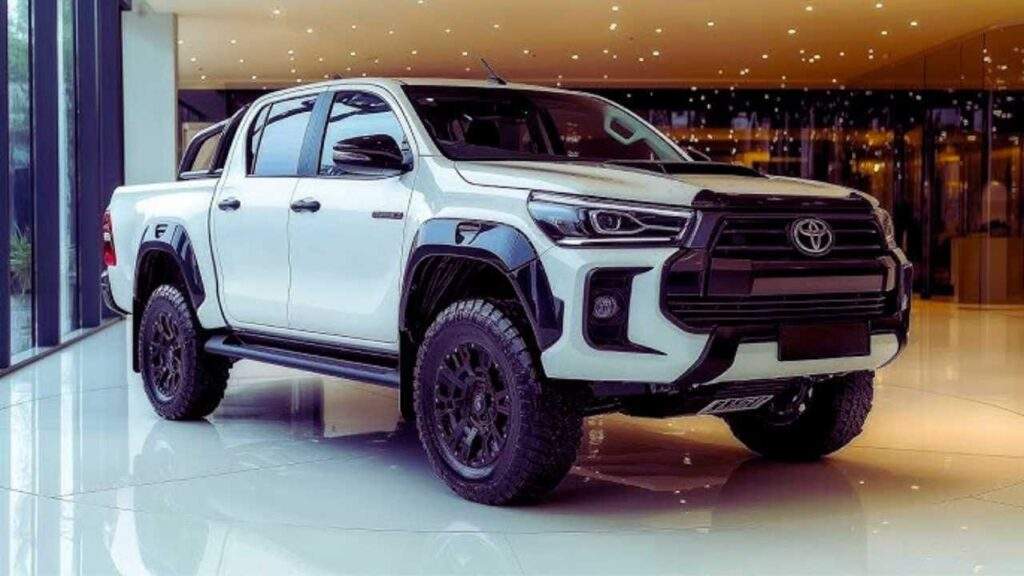
Toyota has officially launched the all-new ninth-generation Hilux in India, giving its popular pickup truck a major update for 2026. The new model brings a tougher design, a more modern cabin, more technology and improved safety equipment while keeping the familiar 2.8-litre diesel engine. For Indian buyers, the new Hilux is available in three automatic variants, with prices starting at ₹31.99 lakh ex-showroom. Toyota says bookings opened on July 28, 2026, with deliveries beginning from the second week of August. 2026 Toyota Hilux price in India The new Hilux is available in three variants. Unlike the earlier model, the new India-spec pickup is currently offered with an automatic gearbox across the three listed variants. Variant Drivetrain Gearbox Ex-showroom price GX 4X2 4WD not included 6-speed automatic ₹31.99 lakh GX 4X4 4WD 6-speed automatic ₹33.69 lakh VX 4X4 4WD 6-speed automatic ₹36.69 lakh Toyota’s official launch information confirms the starting price of ₹31.99 lakh and the three-variant lineup. The 4X4 GX costs ₹1.70 lakh more than the 4X2 GX, while the top VX 4X4 sits ₹3.70 lakh above the entry model. These are ex-showroom prices, so the final on-road price will be higher after registration, insurance and other charges. 2.8-litre diesel engine and performance The 2026 Hilux continues with a 2.8-litre BS6 Phase 2 diesel engine for India. Toyota lists maximum output at 150 kW, which is about 204 PS, while peak torque is rated at 500 Nm. The engine is paired with a six-speed automatic transmission. The 4X4 versions also get a proper four-wheel-drive system with H4 and L4 ranges, making the pickup suitable for difficult terrain and off-road driving. The 500 Nm torque figure is particularly important for a pickup because strong low-speed pulling power helps when carrying loads, climbing steep surfaces or driving over loose ground. Toyota has also equipped the Hilux with an Electronic Differential Lock and Downhill Assist Control. These features are designed to give the driver better control when the vehicle is being used away from normal roads. Exterior design gets a major change The new Hilux looks noticeably different from the previous-generation model. Toyota has given it a wider and more upright front end, a large grille, a sculpted bonnet and stronger body lines. The new design is intended to make the pickup look tougher without losing the basic Hilux character. The vehicle also gets modern lighting and redesigned front and rear sections. Toyota describes the design theme as “Cyber Sumo,” but the company has clearly stated that this is only a descriptive design theme and not a new model name or separate brand. The new model also gets fresh alloy wheels and a choice of six exterior colors, including Super White, Platinum Pearl White, Attitude Black+, Emotional Red, Sulphur Metallic and Ash. Interior is much more modern One of the biggest changes is inside the cabin. The new Hilux gets a more modern dashboard with a 12.3-inch infotainment display. Wireless Apple CarPlay and Android Auto are available, while Toyota’s i-Connect connected features add more technology to the cabin. The driver also gets a 7-inch combination meter, while voice controls and an eight-speaker audio system are included in the equipment list. The cabin has also been designed to offer more everyday comfort. Toyota lists soft-touch finishes, smart storage areas, a tilt-and-telescopic steering wheel and 60:40 split rear seats. The top version adds more premium equipment, making the new Hilux less basic than the older model. Features available on the new Hilux The 2026 Hilux gets a much longer list of technology and convenience features than the previous model. The top-spec equipment is aimed at making the Hilux more comfortable for daily use while retaining its work and off-road abilities. Safety gets a big upgrade Toyota has added several safety features to the new Hilux. The India-spec model gets seven SRS airbags, Vehicle Stability Control, ABS with Brake Assist, ISOFIX child-seat mounting points and an impact-absorbing body structure. The vehicle also gets a Panoramic View Monitor, front and rear parking sensors and TPMS. These features can be especially useful because a large pickup can be harder to judge when parking or moving through tight spaces. The new Hilux is therefore not only about engine power and off-road ability. Toyota has also focused on making the vehicle easier and safer to use every day. 4X2 or 4X4: which one makes more sense? The new Hilux gives Indian buyers a choice between 4X2 and 4X4 versions. The ₹31.99 lakh GX 4X2 is the entry point and may make more sense for buyers who mainly want the Hilux’s pickup bed, road presence and Toyota ownership experience but do not regularly drive off-road. The GX 4X4 costs ₹33.69 lakh, which is only ₹1.70 lakh more than the 4X2. For buyers who actually plan to use the truck on rough roads, mud, steep surfaces or trails, the 4X4 system provides a much stronger reason to spend the extra money. The VX 4X4 is aimed at buyers who want the most equipment and a more premium experience. What makes the Hilux different from a normal SUV? The biggest difference is the body design and purpose. The Hilux uses a pickup layout with a separate cargo bed behind the passenger cabin. This gives owners the ability to carry equipment, tools and other loads that would be difficult to fit inside a normal SUV. The body-on-frame design also supports its rugged character and off-road ability. However, the same features that make the Hilux tough can make it less practical than a normal SUV for some families. Its size, pickup-bed layout and driving character are better suited to buyers who actually need a pickup or want its unique lifestyle appeal. Global model and India-spec model The ninth-generation Hilux made its global debut in November 2025 and is being sold in different forms depending on the market. Globally, Toyota has expanded the Hilux family with different powertrain choices, including an electric version that is part of the new generation’s international strategy. The India-spec model,
UK Free Bus Pass 2026: New Rules, Eligibility and What Pensioners Need to Know

The rules for getting a free bus pass in the UK are changing in 2026, but the change does not apply in the same way everywhere. In England, eligibility for an older person’s bus pass is linked to State Pension age, which is gradually increasing from 66 to 67. Scotland, Wales and Northern Ireland have different rules, with free older-person travel generally available from age 60. For pensioners and people approaching retirement, the most important point is to check the rules for the nation where they live rather than assuming that everyone in the UK gets a free bus pass at the same age. What Is the Free Bus Pass? An older person’s bus pass allows eligible people to travel free on qualifying local bus services. In England, the scheme is part of the English National Concessionary Travel Scheme, while Scotland, Wales and Northern Ireland operate their own arrangements. The main change affecting people in England in 2026 is connected to the increase in State Pension age. The State Pension age is moving from 66 to 67 between 2026 and 2028, and the eligibility age for the English older person’s bus pass follows the State Pension age. The UK government provides an official service where residents can check when they become eligible for free bus travel and find their local council’s application information: GOV.UK older person’s bus pass service England Free Bus Pass Rules in 2026 For people living in England outside London, the basic rule is that you can apply for an older person’s bus pass when you reach State Pension age. This applies to both men and women. Because State Pension age is increasing during the 2026 to 2028 period, some people will become eligible later than people who reached the qualifying age under the previous timetable. The change does not mean that every pensioner suddenly loses a bus pass. If you already qualify for an older person’s pass, the increase in State Pension age does not normally take away your existing entitlement. The change mainly affects people who have not yet reached the qualifying age. The State Pension age timetable shows that the increase from 66 to 67 is being introduced gradually rather than happening for everyone on one day. Birth date State Pension age 6 April 1960 to 5 May 1960 66 years 1 month 6 May 1960 to 5 June 1960 66 years 2 months 6 June 1960 to 5 July 1960 66 years 3 months 6 July 1960 to 5 August 1960 66 years 4 months 6 August 1960 to 5 September 1960 66 years 5 months 6 September 1960 to 5 October 1960 66 years 6 months 6 October 1960 to 5 November 1960 66 years 7 months 6 November 1960 to 5 December 1960 66 years 8 months 6 December 1960 to 5 January 1961 66 years 9 months 6 January 1961 to 5 February 1961 66 years 10 months 6 February 1961 to 5 March 1961 66 years 11 months 6 March 1961 onward during the transition 67 The exact date you become eligible should always be checked using the official State Pension age calculator because eligibility is based on your date of birth rather than simply being “over 66.” Who Can Get a Free Bus Pass at Age 60? The rules are different outside England. Wales, Scotland and Northern Ireland have separate concessionary travel schemes. In these parts of the UK, older people can generally qualify from age 60, although the pass name, application process and travel conditions are different. UK nation or area General older-person eligibility England outside London State Pension age London From age 60 for the 60+ London Oyster photocard, subject to its conditions Wales From age 60 Scotland From age 60 Northern Ireland 60+ SmartPass from age 60 This difference is one of the most important things to understand about the phrase “UK free bus pass.” There is not one single national age rule covering every part of the United Kingdom. London Has a Different Rule People aged 60 or over who live in London may be able to apply for a 60+ London Oyster photocard. This allows free or discounted travel on public transport in London, subject to the conditions of the scheme. The London arrangement is separate from the normal England-wide older person’s bus pass. This means a 60-year-old living in London should not assume they have to wait until State Pension age before receiving any concessionary travel benefit. The 60+ London scheme provides a separate option for eligible London residents. However, the 60+ London Oyster photocard is not the same thing as an England-wide older person’s bus pass, and its travel area and conditions are different. Scotland Free Bus Travel at 60 Scotland has one of the clearest age-based rules for older people’s free bus travel. People aged 60 or over who live in Scotland can qualify for free bus travel through the National Entitlement Card scheme. The scheme is also available to certain disabled people who meet the relevant conditions. For older people, the key age is 60 rather than State Pension age. This means the increase in the UK State Pension age does not automatically move the Scottish free bus travel age from 60 to 67. Wales Free Bus Pass Rules People living in Wales can generally apply for a concessionary travel pass from age 60. The Welsh scheme is separate from the English scheme, so the change in England’s State Pension-linked eligibility does not mean Welsh residents have to wait until State Pension age. Eligible Welsh residents can use their concessionary travel pass on qualifying bus services under the rules of the Welsh scheme. People approaching age 60 should check the application process with their local authority because the pass is issued through the relevant local system. Northern Ireland SmartPass Rules Northern Ireland also has its own concessionary travel system. People aged 60 and over can apply for a 60+ SmartPass. Northern Ireland also has a Senior SmartPass for
PM Kisan Yojana 24th Installment 2026 | ₹2000 की 24वीं किस्त किस तारीख से जारी होगी?

प्रधानमंत्री किसान सम्मान निधि योजना की 23वीं किस्त 20 जून 2026 को जारी हो चुकी है। अब किसानों की नजर 24वीं किस्त पर है और सबसे बड़ा सवाल यही है कि ₹2,000 की अगली किस्त आखिर किस तारीख को खाते में आएगी। अभी तक केंद्र सरकार ने 24वीं किस्त की कोई फाइनल तारीख घोषित नहीं की है। इसलिए सोशल मीडिया पर चल रही किसी भी निश्चित तारीख को सरकारी घोषणा नहीं माना जा सकता। 23वीं किस्त की आधिकारिक जानकारी के अनुसार 20 जून 2026 को 9.44 करोड़ से अधिक किसानों को ₹18,880 करोड़ से ज्यादा की राशि DBT के जरिए भेजी गई थी। PM Kisan की 24वीं किस्त कब आएगी? PM-KISAN के तहत पात्र किसान परिवारों को साल में कुल ₹6,000 मिलते हैं। यह रकम ₹2,000 की तीन किस्तों में दी जाती है। किस्तें सामान्य तौर पर चार महीने के अंतराल में जारी होती हैं। 23वीं किस्त 20 जून 2026 को जारी हुई थी। इसी भुगतान चक्र को देखते हुए 24वीं किस्त अक्टूबर 2026 के आसपास आने की उम्मीद की जा सकती है। लेकिन यह केवल संभावित समय है, फाइनल तारीख नहीं। सरकार जब तारीख घोषित करेगी, तभी उसे अंतिम माना जाएगा। जानकारी स्थिति योजना प्रधानमंत्री किसान सम्मान निधि 23वीं किस्त 20 जून 2026 23वीं किस्त की राशि ₹2,000 24वीं किस्त अभी आधिकारिक तारीख घोषित नहीं संभावित समय अक्टूबर 2026 के आसपास सामान्य वार्षिक सहायता ₹6,000 24वीं किस्त में कितने रुपये मिलेंगे? सामान्य रूप से पात्र किसान को 24वीं किस्त में ₹2,000 मिलेंगे। PM-KISAN की निर्धारित सहायता ₹6,000 सालाना है, जिसे तीन बराबर किस्तों में दिया जाता है। इसलिए ₹4,000 या ₹5,000 की कोई अतिरिक्त राशि सभी किसानों को मिलने की बात अभी सरकारी तौर पर घोषित नहीं हुई है। अगर किसी किसान की कोई पिछली पात्र किस्त किसी कारण से अटक गई हो, तो उसका मामला अलग हो सकता है। ऐसे भुगतान को 24वीं किस्त के साथ मिलने की संभावना संबंधित रिकॉर्ड और पात्रता पर निर्भर करेगी। 24वीं किस्त के लिए किन बातों का ध्यान रखें? किसानों को अपनी PM-KISAN जानकारी समय रहते जांच लेनी चाहिए। सरकारी रिकॉर्ड में e-KYC, भूमि से जुड़ी जानकारी और बैंक खाते से संबंधित सत्यापन में समस्या होने पर भुगतान प्रभावित हो सकता है। सरकारी रिकॉर्ड से जुड़ी समस्याओं के कारण PM-KISAN की किस्त नहीं मिलने की शिकायतें भी दर्ज हुई हैं। मई 2026 की एक सरकारी समीक्षा रिपोर्ट में किस्त न मिलने से संबंधित शिकायतों में e-KYC, NPCI मैपिंग और आधार तथा भूमि रिकॉर्ड के बीच नाम की समस्या जैसे कारण सामने आए थे। PM Kisan Beneficiary Status कैसे देखें? किसान PM-KISAN के आधिकारिक पोर्टल पर जाकर अपनी लाभार्थी स्थिति और भुगतान से जुड़ी जानकारी देख सकते हैं। पोर्टल पर उपलब्ध Beneficiary List में भी नाम की जांच की जा सकती है। 11 अगस्त 2026 को PM-KISAN पोर्टल पर लाभार्थी सूची उपलब्ध थी। अगर 24वीं किस्त से पहले आपकी जानकारी में कोई गलती दिखाई देती है, तो उसे संबंधित विभाग या बैंक के माध्यम से ठीक कराने की कोशिश करें। केवल सोशल मीडिया पर वायरल होने वाली तारीख के आधार पर किसी एजेंट को पैसे न दें। 23वीं किस्त से क्या पता चलता है? 23वीं किस्त का भुगतान 20 जून 2026 को हुआ था। सरकार के अनुसार इस किस्त में ₹18,880 करोड़ से अधिक की राशि 9.44 करोड़ से ज्यादा किसानों को सीधे बैंक खातों में भेजी गई। इनमें 2.18 करोड़ महिला किसान भी शामिल थीं। इससे यह स्पष्ट है कि PM-KISAN का भुगतान DBT व्यवस्था के जरिए किया जा रहा है और पात्र किसानों के बैंक खातों में राशि सीधे भेजी जाती है। हालांकि अगली किस्त की तारीख हर बार पहले से तय मान लेना सही नहीं है, क्योंकि अंतिम रिलीज डेट सरकार की घोषणा से ही तय होती है। क्या 24वीं किस्त की फाइनल डेट आ गई है? नहीं। अभी 24वीं किस्त की फाइनल तारीख की सरकारी घोषणा नहीं हुई है। अक्टूबर 2026 को संभावित समय इसलिए माना जा रहा है क्योंकि 23वीं किस्त जून 2026 में जारी हुई थी और योजना में सामान्य तौर पर लगभग चार महीने के अंतराल पर किस्त दी जाती है। लेकिन अक्टूबर की कोई खास तारीख, जैसे 5 अक्टूबर, 10 अक्टूबर या 15 अक्टूबर, अभी आधिकारिक रूप से घोषित नहीं की गई है। PM Kisan Yojana की 24वीं किस्त का इंतजार कर रहे किसानों के लिए फिलहाल सबसे महत्वपूर्ण बात यह है कि ₹2,000 की अगली किस्त की फाइनल तारीख अभी सरकार ने घोषित नहीं की है। 23वीं किस्त 20 जून 2026 को जारी हुई थी, इसलिए 24वीं किस्त अक्टूबर 2026 के आसपास आने की संभावना है। किसान अपनी e-KYC, बैंक खाते, आधार से जुड़ी जानकारी और भूमि रिकॉर्ड की स्थिति पहले से जांच लें। 24वीं किस्त की सही तारीख सामने आने पर केवल सरकार की आधिकारिक घोषणा को ही अंतिम जानकारी मानें।
Yamaha R15 V5 2026: Expected Price, Mileage, Features, Specs & Latest Updates
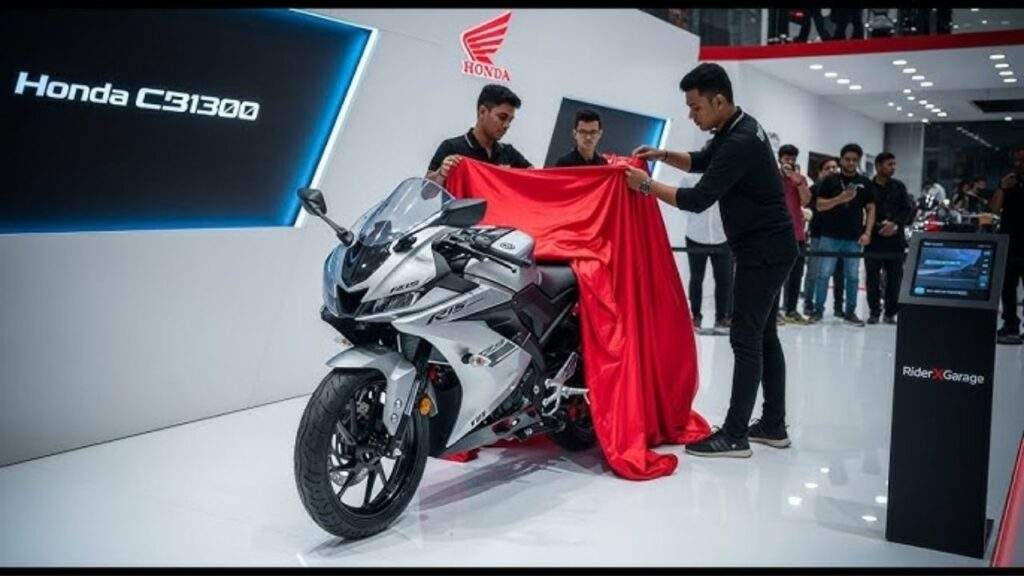
The Yamaha R15 V5 is one of the most talked-about upcoming sports bikes among Indian motorcycle buyers. The R15 series has built a strong reputation for its sharp styling, sporty handling, efficient 155cc engine, and racing-inspired design. However, there is one important point to clarify first: as of August 2026, Yamaha has not officially launched the R15 V5 in India or confirmed its final price, specifications, mileage, or launch date. Most information circulating online about the R15 V5 is based on expectations and unofficial reports. The currently available R15 lineup in India includes models such as the R15S, R15 V4, and R15M. These existing models give us a good idea of what Yamaha could improve if it eventually introduces the next-generation R15. Has Yamaha officially launched the R15 V5? No. Yamaha Motor India has not officially announced the launch of an R15 V5 in India as of August 2026. Several online reports have suggested possible launch dates, new features, and specifications, but these should not be treated as confirmed information until Yamaha makes an official announcement. Information Current Status Yamaha R15 V5 Not officially launched India launch date Not announced Official price Not announced Official mileage Not announced Current R15 generation R15 V4 and R15M Engine in current R15 155cc What engine could the R15 V5 use? The current R15 V4 uses a 155cc liquid-cooled, single-cylinder engine with Variable Valve Actuation technology. It produces 18.4 PS of maximum power and 14.2 Nm of peak torque. The engine is paired with a six-speed gearbox and is one of the main reasons the R15 remains popular among buyers looking for a sporty motorcycle that can also be used for daily riding. Yamaha has not confirmed whether the R15 V5 will use the same engine or receive a revised version. Specification R15 V4 R15 V5 Engine 155cc Not confirmed Engine type Liquid-cooled, single-cylinder Not confirmed Maximum power 18.4 PS Not confirmed Maximum torque 14.2 Nm Not confirmed Gearbox 6-speed Not confirmed VVA technology Yes Not confirmed Expected design changes If Yamaha introduces the R15 V5, the biggest visual changes could come through the fairing, lighting, graphics, wheels, and aerodynamic design. The current R15 already has a sharp racing-inspired appearance, so a future generation may focus on refinement rather than a complete styling revolution. Possible changes could include: These are expectations rather than confirmed R15 V5 features. Expected mileage There is currently no official mileage figure for the Yamaha R15 V5. Some online reports claim that the upcoming bike could deliver more than 50 kmpl, but Yamaha has not confirmed such a figure. Real-world mileage would also depend on riding style, traffic, road conditions, maintenance, rider weight, and speed. The existing R15 V4 is reported to deliver around 51 kmpl under certain testing conditions, although actual mileage can vary considerably in everyday riding. Therefore, buyers should not treat claims such as 55 kmpl or 60 kmpl for the R15 V5 as confirmed figures. Expected features and technology The current R15 V4 already comes with a strong technology package. Depending on the variant, buyers can get features such as traction control, dual-channel ABS, Bluetooth connectivity, a digital instrument cluster, and a quickshifter. The R15M offers an even more premium equipment package. If Yamaha develops an R15 V5, improvements could focus on connectivity, instrumentation, rider assistance, and electronic features. Possible Feature R15 V5 Status LED lighting Expected Digital instrument cluster Expected Bluetooth connectivity Possible Traction control Possible Dual-channel ABS Expected Quickshifter Possible Smartphone connectivity Possible None of these additional R15 V5 features should be considered confirmed until Yamaha releases official specifications. Expected price of Yamaha R15 V5 The price of the R15 V5 has not been announced because Yamaha has not officially launched the motorcycle. For reference, Yamaha’s existing R15 models are positioned in the premium 150cc sports-bike segment. In May 2026, Yamaha increased prices across the R15 range, with the R15 V4 positioned at roughly ₹1.71 lakh to ₹1.76 lakh ex-showroom in Delhi, depending on the variant. Model Approximate Ex-Showroom Price R15S Around ₹1.57 lakh R15 V4 Around ₹1.71-1.76 lakh R15M Around ₹1.86-1.96 lakh R15 V5 Not officially announced If a new-generation R15 V5 is introduced with additional technology and equipment, its price could be higher than the current R15 V4. However, Yamaha has not provided an official price estimate. Performance expectations The R15 has traditionally focused on sporty handling rather than simply chasing maximum engine power. Its lightweight design, six-speed gearbox, riding position, liquid-cooled engine, and VVA technology give it a strong performance-oriented character. A future R15 V5 could receive improvements to suspension tuning, chassis balance, braking hardware, aerodynamics, and electronics. However, there is currently no verified information confirming a major increase in engine output. Should you wait for the R15 V5? If you need a motorcycle now, the current R15 V4 and R15M already offer a strong combination of performance, styling, safety, and technology. Waiting makes more sense for buyers who specifically want a next-generation model and are not in a hurry to purchase. Once Yamaha officially announces the R15 V5, buyers will be able to compare its price and features directly with the existing R15 range. It is better to avoid making a purchase decision based only on social media claims about an unconfirmed launch date or specification. Yamaha R15 V5 vs current R15 V4 The biggest difference would likely be the generation of the motorcycle rather than a complete change in its basic character. Area R15 V4 Expected R15 V5 Engine 155cc VVA Not confirmed Power 18.4 PS Not confirmed Gearbox 6-speed Not confirmed Styling Racing-inspired Expected to be updated Safety Dual-channel ABS, traction control on applicable variants Expected to improve Technology Digital display and connectivity on applicable variants Expected to improve Price Officially available Not announced Final verdict The Yamaha R15 V5 2026 remains an anticipated motorcycle rather than an officially launched model in India. Yamaha has not yet confirmed its launch date, price, mileage, engine specifications, or final feature list. The current R15 V4 already offers a 155cc
2026 Toyota Innova Crysta – Next-Gen MPV with Luxury & Power | Full Review & FINALLY LAUNCHED
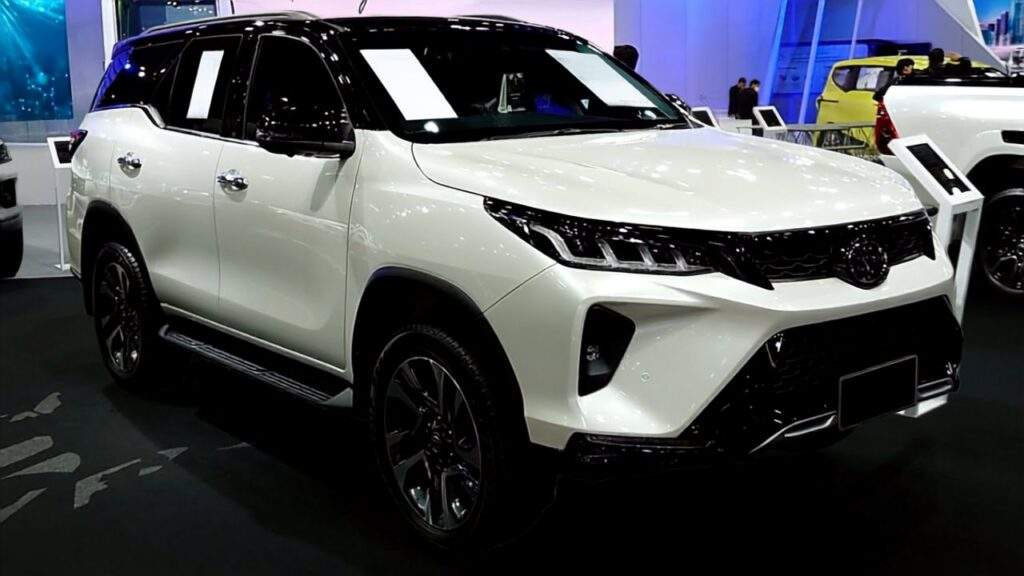
The 2026 Toyota Innova Crysta has officially arrived in India with a fresh update for the new model year. Toyota has kept the familiar diesel-powered MPV formula but added styling changes, new interior touches and a few useful features. The updated Innova Crysta starts at Rs 19.72 lakh ex-showroom and goes up to Rs 26.63 lakh for the top ZX variant. Despite the new model year, this is not a completely new-generation Innova Crysta. It is an updated version of the existing Crysta with changes to its design, cabin and equipment. 2026 Toyota Innova Crysta Price Toyota has increased the price of the Innova Crysta for 2026. The MPV continues to be available in 7-seat and 8-seat versions, depending on the variant. The base GX 7-seater starts at Rs 19.72 lakh ex-showroom, while the top ZX 7-seater is priced at Rs 26.63 lakh ex-showroom. Variant Seating 2026 Ex-Showroom Price GX 7-seater Rs 19.72 lakh GX 8-seater Rs 19.77 lakh GX+ 7-seater Rs 21.15 lakh GX+ 8-seater Rs 21.20 lakh VX 7-seater Rs 24.93 lakh VX 8-seater Rs 24.98 lakh ZX 7-seater Rs 26.63 lakh The final on-road price will be higher because it depends on registration charges, insurance, taxes and other costs applicable in the buyer’s location. What Has Changed on the 2026 Innova Crysta? The 2026 update is mainly focused on making the existing Innova Crysta look fresher and adding some features that buyers expect in a premium MPV. Toyota has updated parts of the exterior, including the grille and bumper design. The changes are not dramatic, but they give the vehicle a slightly newer appearance without changing its familiar overall shape. The cabin has also received new styling details. Toyota has added a different interior theme with copper-colored trim and wood-pattern elements. The changes include: The basic shape of the Innova Crysta remains familiar, so existing fans of the model will immediately recognize it. Interior Gets a More Premium Feel The Innova Crysta has always been known for its spacious cabin, and the 2026 model continues with the same basic interior layout. For the updated model, Toyota has focused on improving the visual feel of the cabin rather than completely redesigning it. The new upholstery and trim details give the interior a more premium appearance. The cabin is still designed around family use, with multiple seating options and plenty of space for passengers. The 7-seat version provides a more traditional premium MPV layout, while the 8-seat version is aimed more at buyers who need to carry more people. The third row remains one of the main reasons buyers choose the Innova Crysta. It is designed to be more useful for adults than the cramped third rows found in many smaller SUVs and MPVs. New Wireless Charger and TPMS One of the most useful changes for 2026 is the addition of a wireless phone charger. This allows compatible smartphones to be charged without connecting a charging cable. It is a small feature, but it can be useful for people who spend a lot of time traveling. Toyota has also added a tyre pressure monitoring system, commonly called TPMS. The system can help the driver keep track of tyre pressure and identify pressure loss. Correct tyre pressure is important for handling, tyre life and fuel efficiency. These additions do not transform the Innova Crysta, but they make the equipment list more up to date. Engine and Performance The 2026 Toyota Innova Crysta continues with the familiar 2.4-liter diesel engine. The engine produces around 148 bhp and 343 Nm of torque. It is paired with a 5-speed manual transmission. Toyota has not introduced a new engine or automatic gearbox with this 2026 update. Specification 2026 Innova Crysta Engine 2.4-liter diesel Fuel type Diesel Maximum power About 148 bhp Maximum torque 343 Nm Transmission 5-speed manual Seating 7 or 8 seats Drive type Rear-wheel drive Claimed fuel economy Up to about 15 kmpl The diesel engine remains one of the main reasons the Innova Crysta continues to attract buyers who regularly travel long distances. The strong torque also suits a large MPV carrying several passengers and luggage. No Automatic Gearbox in the 2026 Crysta One major point buyers should know is that the 2026 Innova Crysta continues with a manual gearbox. This may disappoint buyers who want the convenience of an automatic transmission, especially for city driving. Toyota offers automatic and hybrid technology in the Innova Hycross, but the Crysta continues to follow a different formula. The Crysta is still aimed at buyers who value its diesel engine, rear-wheel-drive layout, strong road presence and long-distance touring ability. Safety Features Safety remains an important part of the Innova Crysta package. The updated model continues to offer features such as airbags, anti-lock braking with electronic brake-force distribution, brake assist, vehicle stability control and hill-start assist. The equipment can vary depending on the variant, so buyers should check the exact safety list for the version they plan to purchase. The higher variants offer more equipment, while the lower variants are focused more on value and practicality. Exterior Design The 2026 Innova Crysta does not receive a completely new body design. Instead, Toyota has made smaller changes to keep the MPV looking fresh. The front grille has been redesigned, while the front and rear bumpers have also received updates. The overall profile remains almost unchanged. This is understandable because the current Crysta design has become strongly associated with the Innova name. The large body, high roofline and long wheelbase continue to give it a traditional MPV appearance. The vehicle is available in several exterior colors, including options such as white, silver, black and bronze depending on the variant and market. Space and Seating One of the biggest strengths of the Innova Crysta remains its interior space. The 7-seat version uses captain-style second-row seating, giving passengers a more comfortable and premium setup. The 8-seat version uses a bench-style second row and is better suited to buyers who regularly need to carry more passengers. The third row
2026 Toyota Tacoma: King of Off-Road – Features, Mileage & Price
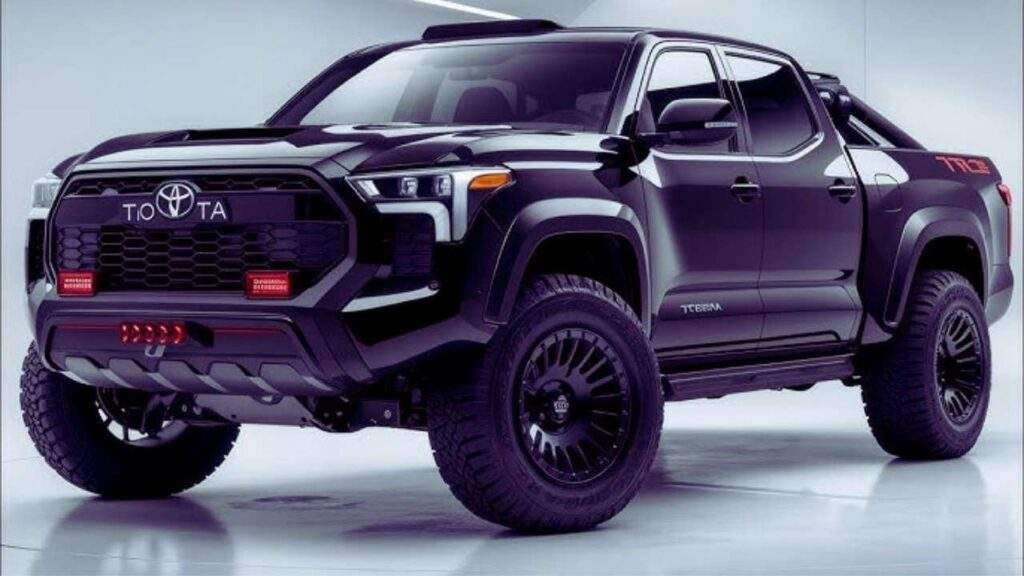
The 2026 Toyota Tacoma continues to be one of the most capable midsize pickup trucks available in the U.S. market. Toyota has kept the rugged character of the Tacoma while offering turbocharged gasoline power, an available i-FORCE MAX hybrid system, advanced off-road hardware, modern cabin technology, and several purpose-built trims. For 2026, the Tacoma starts at $32,445 MSRP before destination, taxes, registration, and other charges. At the other end of the range, the highly equipped TRD Pro and Trailhunter versions push the price above $60,000. Powerful engine options for different buyers The 2026 Tacoma offers two main powertrain choices. The standard setup is a 2.4-liter turbocharged four-cylinder i-FORCE gasoline engine, while selected models are available with Toyota’s i-FORCE MAX 2.4-liter turbocharged hybrid powertrain. The hybrid system combines the turbocharged engine with an electric motor to provide significantly more power and torque than the standard setup. Toyota lists up to 326 horsepower and 465 lb-ft of torque for the i-FORCE MAX powertrain. Powertrain Key Details i-FORCE 2.4L turbocharged gasoline engine i-FORCE MAX 2.4L turbocharged hybrid Maximum Power Up to 326 hp Maximum Torque Up to 465 lb-ft Transmission 8-speed automatic or available 6-speed manual Drive 4×2 or 4×4 depending on configuration The standard engine is aimed at buyers who want a traditional pickup, while the i-FORCE MAX is particularly attractive for customers who want stronger acceleration, higher torque and better fuel economy. Fuel economy and mileage Fuel economy varies considerably depending on the engine, drivetrain, cab configuration and trim. Toyota’s published EPA estimates show that the standard Tacoma can achieve up to 21 mpg city and 26 mpg highway in certain configurations. The TRD Off-Road, for example, is rated at 18 mpg city and 23 mpg highway. The hybrid versions can reach 22 mpg city and 24 mpg highway on several trims, while the Limited i-FORCE MAX is rated at 23 mpg city and 24 mpg highway. 2026 Tacoma Trim Estimated City/Highway MPG SR 20/26 mpg SR5 21/26 mpg TRD PreRunner 20/24 mpg TRD Sport 20/24 mpg TRD Off-Road 18/23 mpg Limited 20/23 mpg TRD Sport i-FORCE MAX 22/24 mpg TRD Off-Road i-FORCE MAX 22/24 mpg Limited i-FORCE MAX 23/24 mpg Actual fuel consumption can vary with driving conditions, payload, tires, weather and driving style. Built for serious off-road driving The Tacoma’s biggest strength is its off-road capability. Toyota offers several versions designed specifically for drivers who spend time away from paved roads. The TRD Off-Road adds specialized suspension equipment, while the high-performance TRD Pro uses FOX shocks and other hardware designed for demanding terrain. The Trailhunter is aimed at overlanding and comes with equipment designed for extended off-grid trips. These systems help the Tacoma maintain traction and control when driving over rocks, mud, sand and other difficult surfaces. Trailhunter and TRD Pro are the top off-road choices Toyota offers two particularly serious off-road versions of the Tacoma: Trailhunter and TRD Pro. The Trailhunter focuses heavily on overlanding. It includes Old Man Emu suspension equipment, a high-mounted air intake, rock rails and an ARB steel rear bumper with recovery hooks. The TRD Pro uses FOX internal-bypass shocks and IsoDynamic Performance front seats designed to improve comfort over rough terrain. The two models therefore have slightly different personalities. Trailhunter is more focused on carrying equipment and traveling off-grid, while TRD Pro is aimed more directly at high-performance off-road driving. Modern interior and advanced technology The Tacoma is not just about rugged capability. Toyota has also given the pickup a modern cabin with available digital displays and a large infotainment system. An available 12.3-inch digital gauge cluster provides information for navigation, audio, safety systems, towing and off-road functions. Higher trims can also be equipped with a 14-inch multimedia touchscreen supporting features including wireless Apple CarPlay compatibility and navigation. Other available equipment includes: The Multi-Terrain Monitor can provide different camera views around the truck, helping the driver see obstacles that may otherwise be difficult to spot from the driver’s seat. Towing and utility features The Tacoma is designed to work as well as play. Toyota offers several towing technologies, including Trailer Backup Guide with Straight Path Assist, an integrated trailer brake controller and Blind Spot Monitor coverage that can extend to a trailer when properly equipped. Hybrid Tacoma models also come standard with a 2,400-watt onboard AC inverter, which can provide power to equipment in the bed or inside the cabin. This is particularly useful for camping, outdoor work and overlanding. 2026 Toyota Tacoma price The 2026 Tacoma lineup covers a wide price range. The entry-level SR starts at $32,445, while the most expensive versions cost more than $60,000 before additional costs. Trim Starting MSRP SR $32,445 SR5 $36,535 TRD PreRunner $39,035 TRD Sport $40,315 TRD Off-Road $42,715 TRD Sport i-FORCE MAX $47,235 TRD Off-Road i-FORCE MAX $47,535 Limited $53,470 Limited i-FORCE MAX $56,795 Trailhunter $63,650 TRD Pro $64,650 These are Toyota’s listed base MSRPs and do not represent the final amount a buyer will pay after destination charges, taxes, registration, dealer charges and optional equipment. Which Tacoma is right for you? The best Tacoma depends on how you plan to use the truck. Someone looking for an affordable pickup for everyday driving may find the SR or SR5 more suitable. Buyers who regularly travel on trails can move toward the TRD Off-Road, while serious enthusiasts may prefer the TRD Pro. For buyers who want stronger performance along with improved fuel economy, the i-FORCE MAX versions offer an attractive middle ground. The Trailhunter is particularly suited to people who want to turn their Tacoma into an overlanding vehicle. Verdict The 2026 Toyota Tacoma remains a strong choice for buyers who want a midsize pickup with genuine off-road ability, modern technology and multiple powertrain options. Its available 326-hp i-FORCE MAX hybrid, capable off-road trims, advanced camera systems and useful towing technology make it more versatile than a basic work truck. With a starting price of $32,445 and EPA-estimated fuel economy reaching 26 mpg highway in certain configurations, the Tacoma offers a useful balance between
2026 Ford Puma First Look – Better Tech, Sharper Looks, Same Fun
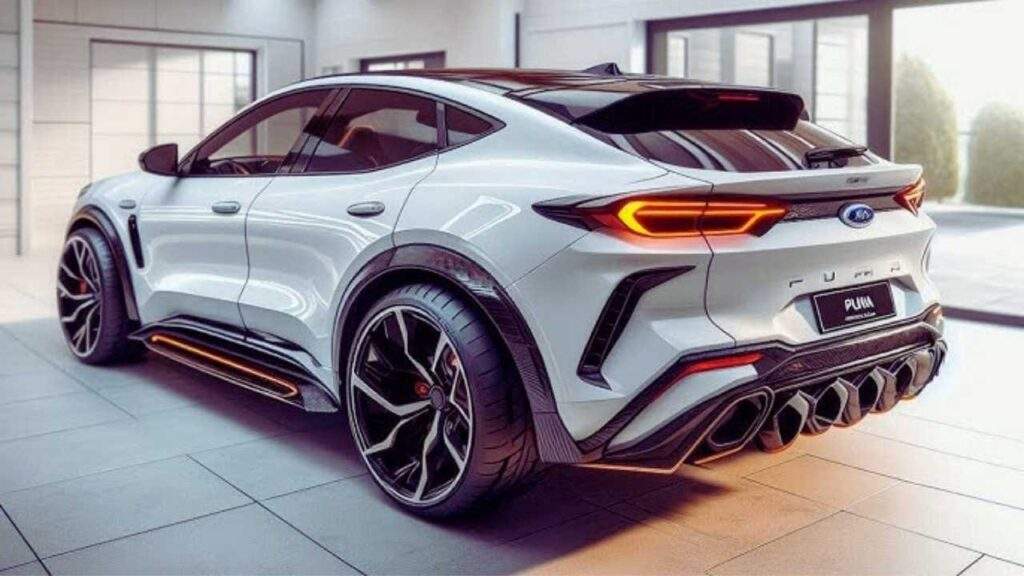
Ford just pulled the wraps off the refreshed 2026 Puma, and the little crossover that’s been stealing hearts in Europe (and quietly winning over a few fans here through gray-market imports) looks ready to raise the bar again. Bigger screens, cleaner styling, more power options, and that playful driving feel Ford refuses to let die — here’s everything we know so far. Sharper on the Outside The 2026 Puma gets a full front-end makeover that brings it in line with the latest Ford family face. The grille is wider and lower, the LED headlights are slimmer and now come standard with matrix tech on higher trims, and there’s a new full-width light bar that glows when you unlock the car. Out back, the taillights are connected by a thin red stripe, and ST-Line models get a more aggressive diffuser and bigger exhaust tips. Ford says every body panel except the roof is new, but you’d be forgiven for thinking it’s just a heavy facelift — the proportions are still perfectly Puma. A Tech Leap Inside Step inside and the changes are impossible to miss. The old 8-inch touchscreen is gone. In its place sits a 12.8-inch central display running the latest SYNC 5 system, plus a 12.3-inch digital gauge cluster that’s standard across the board. Wireless Apple CarPlay and Android Auto are now truly wireless, over-the-air updates are faster, and there’s a new Alexa Built-in feature that actually works offline for basic commands. The steering wheel is new, the seats have more side bolstering on ST-Line and Titanium models, and Ford finally added a proper wireless charging pad that can handle bigger phones. Same Fun, More Choices Under the Hood The big news is that the pure-gas 1.0-liter EcoBoost lives on, now with 48-volt mild-hybrid assistance across the lineup for smoother stop-start and a tiny boost in city mileage. Power stays in the 123-153 hp range depending on tune, but throttle response feels snappier thanks to updated software. For the first time, a full hybrid option joins the party — borrowing tech from the Euro-spec Kuga — with around 180 total system horsepower and legitimate 60+ mpg potential on the European cycle. A proper all-wheel-drive version finally exists too, though it’s tied to the hybrid and only available in colder markets. And yes, the ST is still coming. Ford only showed the regular Puma this time, but spy shots confirm a 2026 Puma ST with close to 200 hp, a louder exhaust, and those gorgeous bucket seats. Still the Driver’s Compact Crossover Ford keeps bragging that the Puma is still the best-handling car in its class, and early drives on pre-production cars back that up. The chassis is 15 percent stiffer, the steering is quicker off-center, and the optional adaptive dampers actually make a difference this time. The trick MegaBox storage cubby under the cargo floor is deeper now, and the rear seats still fold almost completely flat — something a lot of bigger crossovers still can’t manage. The 2026 Ford Puma proves you don’t need to go big to have fun. It looks sharper, packs way more tech, offers greener powertrains, and somehow still feels like the cheeky hot-hatch-in-SUV-clothing that made us fall for the original. If Ford ever decides to bring it to the States officially, the Fiesta and Focus faithful will line up overnight. The little Ford that could just got a whole lot better. Bring on the twisty roads.
Ford Torino GT – The Ultimate Muscle Machine and Classic Style, Modern Fury
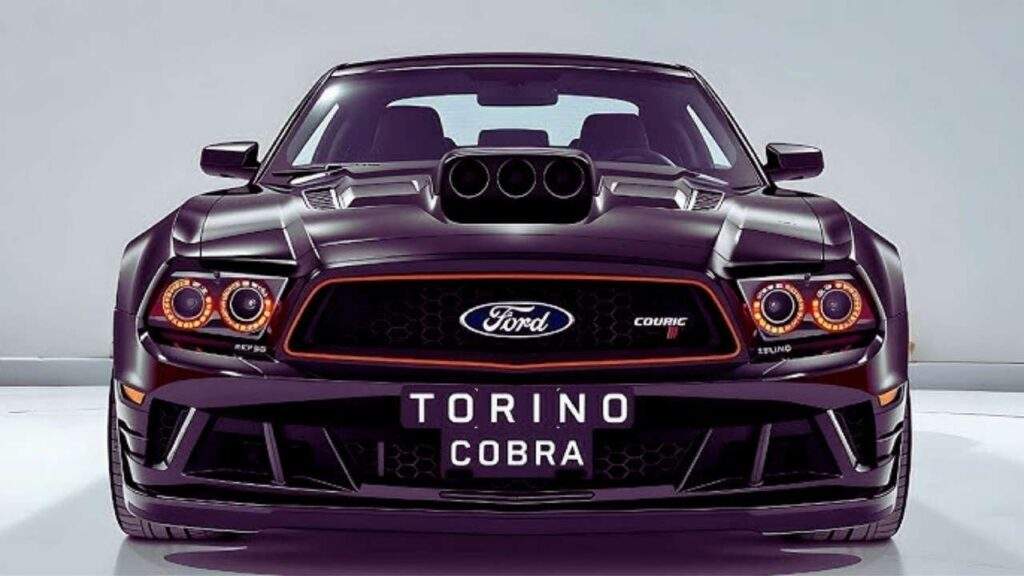
The Ford Torino GT has etched itself into American automotive lore as the pinnacle of 1970s muscle – raw, unapologetic power wrapped in sleek, aggressive lines that turned heads and scorched quarter-miles. Fast-forward to 2026, and Ford\’s revival breathes new life into this legend, fusing that timeless style with cutting-edge fury that delivers supercar thrills without losing the soul of a Detroit bruiser. Starting around $55,000 for the base GT, this reborn icon packs up to 900 hp in its top trim, blending retro charm with modern tech for a drive that\’s as addictive on canyon roads as it is civilized for daily jaunts. Born from the Fairlane platform in 1968, the Torino GT quickly evolved into a muscle car heavyweight, outpacing rivals like the Chevelle and Charger with its aerodynamic fastback and optional big-block V8s. The 2026 version honors that heritage on a stiffened, lightweight chassis derived from the Mustang\’s DNA, measuring about 193 inches long – nimble yet commanding, with a low-slung profile that screams performance from every angle. Classic Style That Captures the Era\’s Essence The 2026 Torino GT\’s design is a masterful nod to its \’70s roots, with sculpted lines and bold proportions that evoke the original\’s NASCAR-inspired aggression, but refined for today\’s roads. It\’s got that wide-body stance (74 inches across) without feeling bloated, blending the original\’s blackout hood and side stripes with carbon-fiber accents for a look that\’s equal parts museum piece and track weapon. Slide up to a modern Challenger, and the Torino GT holds court as the sleeker, more agile throwback with undeniable presence. Interior – Nostalgic Comfort with Driver-Centric Smarts Inside, the cabin strikes a perfect balance between old-school muscle vibes and contemporary luxury, creating a cockpit that\’s supportive for hard launches yet plush for long hauls. The minimalist dash keeps controls within easy reach, with durable materials that nod to the era\’s vinyl toughness but feel premium today. It\’s not overflowing with gadgets, but the pistol-grip shifter option and optional wood accents make it feel like a high-end cruiser disguised as a hot rod. Powerful V8 Engine – Modern Fury in Every Rev At the heart of the 2026 Torino GT is a V8 lineup that channels the original\’s big-block bravado, supercharged and turbo-tuned for explosive output that rivals exotics. The exhaust note? A guttural rumble that builds to a symphony at redline, complete with active valves for street-legal snarls or track-day howls. It\’s tunable too, with cold-air intakes and ECU flashes pushing boundaries, all while cylinder deactivation keeps it EPA-friendly on cruises. Trim Levels & Pricing (U.S. expected) Ford\’s straightforward three-trim approach builds from accessible muscle to collector-grade fury, keeping the V8 ethos alive without endless options. AWD adds $3,000, and limited-run Heritage Editions could nudge prices to $90k with exclusive retro paints. Every trim gets a 5-year/60,000-mile warranty, positioning it as a value beast against pricier Mustangs. Tech & Performance – Fury Meets Everyday Usability This Torino isn\’t frozen in time – it\’s loaded with smart features that enhance the muscle without diluting the fun, from track telemetry to seamless connectivity. The chassis shines with a shortened wheelbase for agile turns and staggered shocks to tame axle hop, making it a canyon carver that feels lighter than its 3,800-pound curb weight suggests. It\’s fury on demand – eco mode for commutes, track mode for weekends. The Muscle Icon Reborn for a New Generation The 2026 Ford Torino GT isn\’t just a revival; it\’s the ultimate evolution of American muscle, marrying classic style that stops hearts with modern fury that ignites them. From its V8 thunder to the seamless blend of nostalgia and innovation, it captures everything that made the original legendary while delivering thrills that feel light-years ahead. If you\’re chasing that perfect mix of heritage and horsepower – the kind that turns drives into events – the Torino GT is your ticket. Ford\’s betting big on this fury, and after one burnout, you\’ll be hooked for life.
2026 Cadillac Motorhome Unveiled: The Luxury Road Warrior Redefining Travel
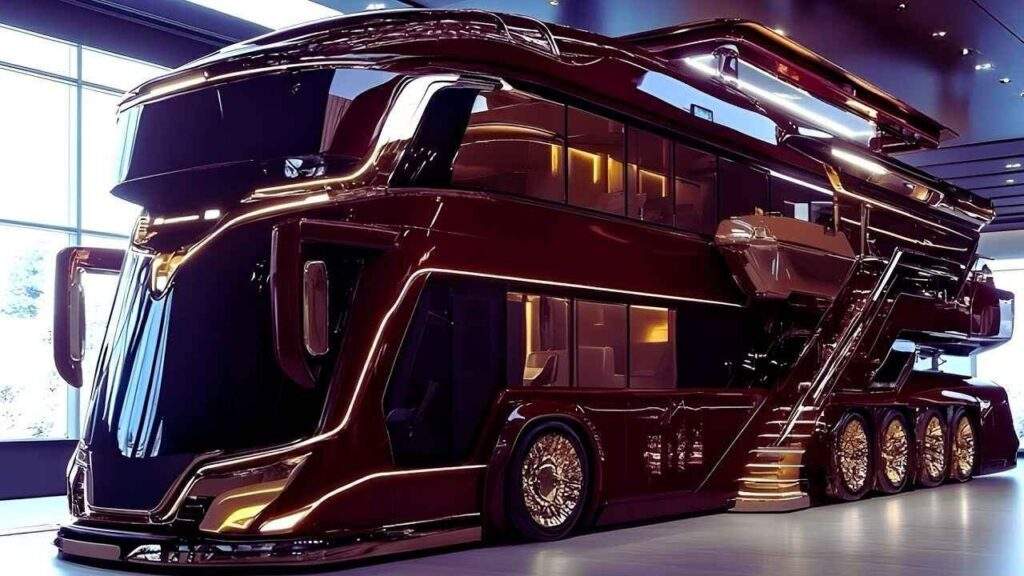
Cadillac has always been about turning heads with over-the-top luxury, but the 2026 Motorhome takes that ethos on the road—literally. Unveiled just weeks ago, this 40-foot beast blends the brand\’s signature swagger with RV practicality, promising a five-star hotel experience that can chase sunsets across the continent. Hybrid power, smart tech that feels like sci-fi, and enough space to host a small wedding—here\’s your first deep dive into what could be the ultimate escape pod for the elite adventurer. A Bold Exterior That Screams Cadillac Right off the bat, the 2026 Cadillac Motorhome doesn\’t look like your typical boxy RV—it\’s got that sleek, aerodynamic vibe straight out of a concept car showroom. The massive chrome grille up front is unmistakable, flanked by slim LED headlights that sweep back like eagle wings, and the whole body rides on a reinforced aluminum frame that\’s light yet tough enough for light off-road jaunts. Panoramic windows wrap around the sides, electronically tinted for privacy or views on demand, and retractable steps pop out when you park, making entry feel more yacht than camper. Cadillac designers call it \”rolling sculpture,\” and from the renderings, it\’s clear this thing will turn every rest stop into a photo op. Power and Efficiency for the Long Haul Under the skin, the Motorhome packs a hybrid punch that\’s equal parts muscle and mindfulness. The base setup pairs a 6.2-liter V8 with electric assist for a total of 550 horsepower—enough to tow 10,000 pounds of boat or trailer without breaking a sweat—while a full EV mode handles quieter stretches on its massive 200-kWh battery. Expect real-world range pushing 400 miles on a charge, with DC fast-charging adding 100 miles in under 15 minutes. Adaptive air suspension smooths out bumps, and all-wheel drive is standard, so whether you\’re highway-hopping or dipping into national parks, it handles like a dream. For the eco-conscious luxury set, there\’s a plug-in hybrid variant that sips just 18 mpg combined in gas mode, making cross-country treks less guilt-ridden. Inside: A Smart Palace on Wheels Step through those power-sliding doors, and it\’s like entering a high-rise condo that moves. The open-plan layout sleeps up to eight, with a king-size master suite aft complete with memory-foam mattress and rainfall shower, plus a full galley kitchen boasting induction cooktops and a wine fridge. Leather everywhere, walnut accents, and ambient lighting that shifts with your mood—it\’s Cadillac\’s take on glamping, dialed to 11. And don\’t get us started on the smart home vibes: Adjust the blinds, preheat the oven, or even monitor tire pressure from your phone before you roll out of bed. Tech That Makes Travel Effortless Cadillac loaded this rig with enough gadgets to make tech bros jealous. Super Cruise hands-free driving works on 750,000 miles of mapped roads, so you can sip espresso while the Motorhome pilots itself. Augmented reality overlays on the dash show traffic or points of interest, and the surround-view system includes thermal imaging for nighttime wildlife spotting. Safety\’s covered too, with automatic emergency braking, lane-keeping that actually works, and even drone-launch capability from the roof for scouting campsites ahead. The whole setup runs on Cadillac\’s latest infotainment, with over-the-air updates ensuring your Motorhome stays cutting-edge without a trip to the dealer. Still the Pinnacle of Refined Adventure What sets the 2026 Cadillac Motorhome apart isn\’t just the bells and whistles—it\’s how they all work together to erase the hassles of road life. The chassis is stiffer than most competitors for better stability, the hybrid system seamlessly switches modes without drama, and storage is genius-level, with slide-out compartments for bikes or kayaks. It\’s built for families, digital nomads, or anyone tired of airport lines, proving luxury doesn\’t have to stay parked. The 2026 Cadillac Motorhome isn\’t just redefining travel—it\’s making the case that the journey should feel as indulgent as the destination. With its powerhouse hybrid guts, opulent interior, and tech that borders on magic, this road warrior proves Cadillac can conquer the RV world without losing an ounce of class. If you\’re dreaming of ditching the daily grind for horizons unknown, this could be the chariot that makes it happen—assuming your wallet\’s as bold as your wanderlust.
Gold Sacagawea vs. Bicentennial Quarter – Which Circulating Treasure Tells America’s Story Best?

The Gold Sacagawea Dollar and the Bicentennial Quarter are two of the most meaningful circulating coins in American history. Each one represents a different chapter of the nation’s story, and collectors often debate which coin carries deeper cultural value. Both coins were made for everyday use, yet each became an unexpected symbol of American identity. A Coin Honoring an Iconic American Guide The Gold Sacagawea Dollar, first released in 2000, celebrates Sacagawea, the young Shoshone woman who guided the Lewis and Clark Expedition. The golden color makes the coin stand out instantly, giving it a warm, historic appearance. The design is calm, respectful, and uplifting, showing Sacagawea carrying her son, Jean Baptiste. Many Americans feel this coin highlights the role of Indigenous people in shaping the nation. The Sacagawea Dollar represents the strength and resilience of early American history, giving a face to a story often left untold. A Patriotic Classic That Celebrated 200 Years of Freedom The Bicentennial Quarter, released in 1976, honors the 200th anniversary of America’s independence. With its drummer-boy reverse and “1776–1976” dual date, the coin instantly became one of the most collected circulating coins ever made. Its design reflects national pride during a moment of celebration, reminding the country of its founding values and long-standing freedom. The Bicentennial Quarter feels energetic, patriotic, and full of American spirit, making it a beloved piece of everyday history. Comparing Two Icons of American Culture Both coins tell powerful stories, but they highlight different parts of the country’s past. The Sacagawea Dollar focuses on early exploration and Indigenous contributions. The Bicentennial Quarter celebrates the birth of a nation and the unity of its people. One carries a warm golden glow, while the other stands out with a bold patriotic design. Comparison overview Coin Historical Focus Key Symbolism Gold Sacagawea Dollar Lewis and Clark Era Exploration and Indigenous strength Bicentennial Quarter America’s 200th Anniversary Patriotism and national pride The two coins complement each other, showing how America was built through both cultural diversity and shared national identity. Which Coin Tells America’s Story Best? The answer depends on what part of America’s story resonates most. The Sacagawea Dollar speaks to heritage, resilience, and the importance of Indigenous history. The Bicentennial Quarter tells the story of a united America celebrating its founding and growth. Many collectors feel both coins are important because together they represent the full journey of the nation. Each coin carries meaning far beyond its face value, making them true circulating treasures. The Gold Sacagawea Dollar and the Bicentennial Quarter stand among the most meaningful coins in U.S. circulation. One honors a remarkable woman whose courage shaped exploration, while the other celebrates 200 years of independence and unity. Whether you prefer the golden tribute to Sacagawea or the patriotic energy of the Bicentennial Quarter, both coins proudly tell America’s story in their own unique way.