
How to Start a Cold Storage Business in India
In India’s growing economy, cold storage plays a vital role in reducing food wastage, maintaining the integrity of pharmaceuticals, and enabling timely deliveries for e-commerce. From milk produced in rural dairy farms to vaccines shipped from pharmaceutical hubs to frozen food catering to urban populations, cold chain infrastructure is a need of the hour. In this article, we will explore the business potential, necessary technical setup, market relevance, and legal considerations involved in operating a cold storage business. The Importance of Cold Storage in Today’s India India generates more than 300 million metric tons of perishable food every year. Unfortunately, almost 30–40% of this food is wasted due to the lack of cold chain systems. This situation is detrimental not only to the farmers and food prices, but is a huge loss to food security. In addition to this, the rising demand for pharmaceuticals, frozen food, and e-grocery services is further increasing the need for controlled climate storage. The scope of cold storage now extends beyond rural supply chains. Today, it is an integral part of a myriad of sectors such as agriculture, seafood, pharmaceuticals, and fast-moving consumer goods. Related: How to Start a Profitable Cold Storage Business Key Aspects of Cold Storage Storage Units A sufficient cold storage environment, controlling temperature and weather conditions, along with an efficient cooling system forms the basis of the operations in cold storage facilities. The systems ensure that there is no spoilage, bacterial growth, or damage to the products due to changes in temperature. Temperature and humidity regulation, along with efficient circulation and stacking, is crucial in advanced facilities. Additionally, the advanced facilities incorporate enhanced real time tracking systems that boosts energy and inventory management. Classification Of Cold Storage According to a Cold Storage Facilities India, there are three primary classifications. Private cold storage are owned by organizations such as food processors and pharmaceutical manufacturers for in-house use. Public or third-party storage are owned by third parties that rent the storage spaces to traders, exporters, and wholesalers. Emerging as a versatile option, flexible or hybrid cold storage systems are a combination of both and offer several compartments for different temperature settings. Such systems are very useful for companies that deal in mixed products such as meat, dairy, and vaccines or need them for e-commerce deliveries. Relevance of Different Sectors In the agricultural sector, cold storage plays a pivotal role in minimizing post-harvest losses. Some of the leading states that have pioneered the use of climate-controlled storage facilities are Maharashtra for grapes, Himachal Pradesh for apples, and Punjab for potatoes. Meanwhile, the seafood and meat sectors rely on freezing equipment for quality control and to reduce spoilage-related losses. In the pharmaceutical industry, the storage of vaccines, APIs, and biologics requires facilities with proprietary temperature controls, which are increasingly being used. E-commerce and grocery stores also require cold storage for the final logistical steps in densely populated metros like Delhi, Mumbai, and Bengaluru. Related: Cold Chain Project Opportunities Market Size and Forecast The cold storage market in India is estimated at ? 715 billion and projected to reach ? 1,500 billion by 2027, growing at a CAGR of 14.8%. Increased consumption of perishables, organized retail expansion, and a greater focus on exports in the pharmaceutical and seafood sectors are driving this growth. Additionally, infrastructure aid like the PM Kisan SAMPADA Yojana is improving access to subsidies, making cold storage a pragmatic investment for small and mid-size entrepreneurs. Choosing The Right Location Choosing the correct site for your facility is one of the most important decisions. The site should ideally be close to production or consumption centers, for example, Nashik for grapes, Lucknow for potatoes, and Kochi for seafood. Along with saving on transportation costs, this will reduce operational costs too. The presence of uninterrupted power, water, and other utilities, along with weather conditions and the availability of skillful labor, also impacts the long-term prospects of cold storage. Designing and Building Your Facility An ideal cold storage structure incorporates insulated PUF panels and can be based on pre-engineered building (PEB) models, which allow for quicker and cheaper construction. Depending on the scale, refrigeration systems can be either ammonia-based for industrial-sized facilities or Freon-based for smaller operations. Each temperature zone within the facility is meant to store goods within a plus or minus range. For instance, +5°C for dairy and fruits, and 18°C or lower for seafood and certain meats. Along with these, the facility should also have automated door systems, proper drainage, and humidity control to maintain product safety and quality. Technology and Automation Today’s cold storage facilities incorporate modern technologies like IoT sensors for real-time monitoring of temperature and humidity, automated compressors for efficient power usage, and backup power systems like diesel generators and solar panels. Management, control, and metering systems for energy management can considerably lower electricity expenses, which is a major expense for such facilities. Integrated systems for inventory, billing, and customer interactions boost service levels and help manage large-scale cold storage operations seamlessly. Operations and Human Resources Managing a cold storage facility requires trained personnel who specialize in handling perishables, refrigeration systems, and sanitation. Daily inventory management, scheduled preventive maintenance, quality-control checks, and safety drills showcase rigorous operational discipline. Staff trained in HACCP, ISO, or WHO-GMP standards, especially in food and pharma, improves compliance and company reputation. Operators are able to provide additional services such as re-packaging and labeling, which help diversify the customer base and increase margins. Cold Storage Categorized by Use Case Businesses usually sort their cold storage by different commodities. Multi-commodity storages deal with multiple goods together, servicing different seasons and customer segments and catering to different seasons and customer segments. Pharma cold rooms have to follow strict WHO-GMP guidelines, making them sterile with all surveillance done in real time, and with continuous temperature checking. Licensing and Legal Regulations Cold storage units that deal with food have to register with the Food Safety and Standards Authority of India (FSSAI), making them legally able to store food. Some of the
Start These 15 Industrial Businesses in 2025 with High Growth
Introduction As technology continues to progress at an incredible pace and the world market continues to evolve, Industrial Businesses bring new innovative startup ideas for new and ambitious entrepreneurs. Although the industrial field is viewed as capital-intensive and more traditional, segments of manufacturing and industrial services are open to innovation and offer new investment opportunities for those who are skilled and strategic thinkers. In this detailed article, we will provide new business opportunities and market prospects on 15 different industrial products. Examples are pet foods, school bags, and specialized industrial products, ethylene furnace coils and cell-free sample collection tubes. Based on the results, we will provide concrete suggestions for business leaders. We will provide critical insights for innovative and ambitious entrepreneurs to take an active role in building new sustainable on emerging business niches. The goal of this article is to provide a clear, strategic industrial roadmap, encouraging needed in the industrial sector. 1. Pet Food: An Expanding Industry Fostered by Humanization and Premiumization The global market for pet food is a well-developed and growing industry driven by the increasing humanization of pets and evolving consumer readiness to spend on specially designed and high-quality nutrition. The market size is estimated to be around USD 130.8 billion in 2024 and is expected to grow to USD 192.8 billion by 2033. This represents a Compound Annual Growth Rate (CAGR) of roughly 5.8% yearly from 2025 to 2033. Major trends and drivers include humanization of pets, premiumization, expanding e-commerce business, and a focus on sustainability and functional, health-oriented ingredients. Start-up opportunities include niche formulations and pet food incorporating sustainable and novel proteins, direct-to-consumer (D2C) models, and specialized supplements. Pet Food Market Share by Product Classification Classification Market Share Dry Food 45% Wet Food 30% Treats & Snacks 20% Others 5% 2. Wet Ground Mica Powders: Niche Market Opportunities Abound for Diverse Industrial Applications Wet Ground mica powder is a specialized industrial mineral product due to the unique properties it possesses, such as its excellent lamellar structure, high aspect ratio, chemical inertness, as well as thermal stability. This market for Wet Ground Mica Powders is valued to be 150 million dollars in 2024 and is estimated to reach 210-212.49 million dollars by 2032-2033, showing a growth rate of 4.5% CAGR from 2026. This is primarily used in Paints and Coatings, Plastics and Rubber, Cosmetics, and Construction Materials. Startups can target specialized grades, sustainable sourcing, and Application-specific formulations. 3. Galvanized Steel Fabrication Structures for Solar Panels: The Backbone of Renewable Energy Solar Panel Mounting Structures: Welded and Galvanized Steel Structures are important solar panel mounting structures, as they are strong, do not rust easily, and are not expensive. The mounting structures market for solar panels operated worldwide is projected to grow from 13.1 billion dollars to 43.7 billion dollars from 2024 to 2033, and will reach a 12 percent growth from 2024 to 2033. There is a global need for solar energy, growth in the construction industry, as well as structural integrity and affordability, which is driving the demand. Some of the opportunities for entrepreneurs include mounting structure servicing, systems servicing, and modular system servicing. Related: Production of Galvanized Steel Wire 4. WPC Panels: These are easy-to-use, eco-friendly Panels for the Plywood Wholesalers and Retailers With the rise of construction projects worldwide, there are new plywood retailers selling plywood globally to satisfy the consumer demand. This will enhance the Wooden plywood industry cores of the refurbished plywood, eco plywood, as well as other plywood materials. The benefits these new suppliers will experience stem from the rising demand brought to them from construction projects, the growth of the economy, and eco-friendly alternatives to wood adopted by consumers. 5. High-Pressure Laminates (HPL): Durable and Aesthetic Surface Solutions Versatile and durable surfacing materials utilized in furniture and interior design, High-Pressure Laminates (HPL) are projected to increase in demand. The global HPL market was valued at approximately $8.17 billion in 2024 and is projected to reach $11.64 billion by 2034, growing at a CAGR of 5.2% from 2025 to 2034. Factors spurring demand include construction growth, durability, design versatility, and hygiene. Custom HPL designs, specialized products, and prefabricated components present growth opportunities. 6. Copper Tubes Used in HVAC: Essential for Efficient Climate Control Copper tubes are indispensable in HVAC systems due to their thermal conductivity and corrosion resistance. The global copper pipes and tubes market, including HVAC, was estimated at $22.52 billion in 2023 and is projected to reach $42.62 billion by 2030, growing at a CAGR of 7.9% from 2025 to 2030. Startups can focus on specialized copper tube manufacturing, custom fabrication, and recycling. Related: Copper Powder by Electrolytic Process Manufacturing Plant 7. School Bags: Always In Demand In Expanding Educational Sectors An emerging trend demonstrates school bags to be a perpetual necessity, with the global market for lift bags being valued at 23.48 billion USD in 2024 and 30.19 billion USD in 2030, with a CAGR growth of 4.3% from 2025 to 2030. Emphasis on student demographics, design, and fashion ergonomics drives demand. Potential demand streams include health and ergonomics-focused bags, smart bags, and sustainable production insulated bags. 8. Cricket Balls: The Crafter of the Game Cricket Balls are the heart of the game, with the global market for the product being valued at 255.2 million USD in 2023 and is expected to reach 336.48 million USD by 2029, with a CAGR of approximately 5.4% from 2022 to 2029. Premium-grade ball manufacturing, training balls, and customization are avenues for exploration for start-ups. 9. Sustainability in Sports Equipment: The Recycling of Old Cricket Balls Recycling old cricket balls is important for the environment, and it also transforms waste into resources. Its methods include material separation, leather recycling, and cork and rubber recycling, although ball construction is multi-material. The market is in its early phases, but it is growing. Regulations require it, and consumers prefer sustainable products. There are chances in collection and processing, the manufacturing of up-cycled products, and in collaboration with sports
Unlocking Growth in India’s Emerging High-Purity Nicotine Market: NPCS Launches Definitive Market Research Report on USP Grade Nicotine (2025–2034)
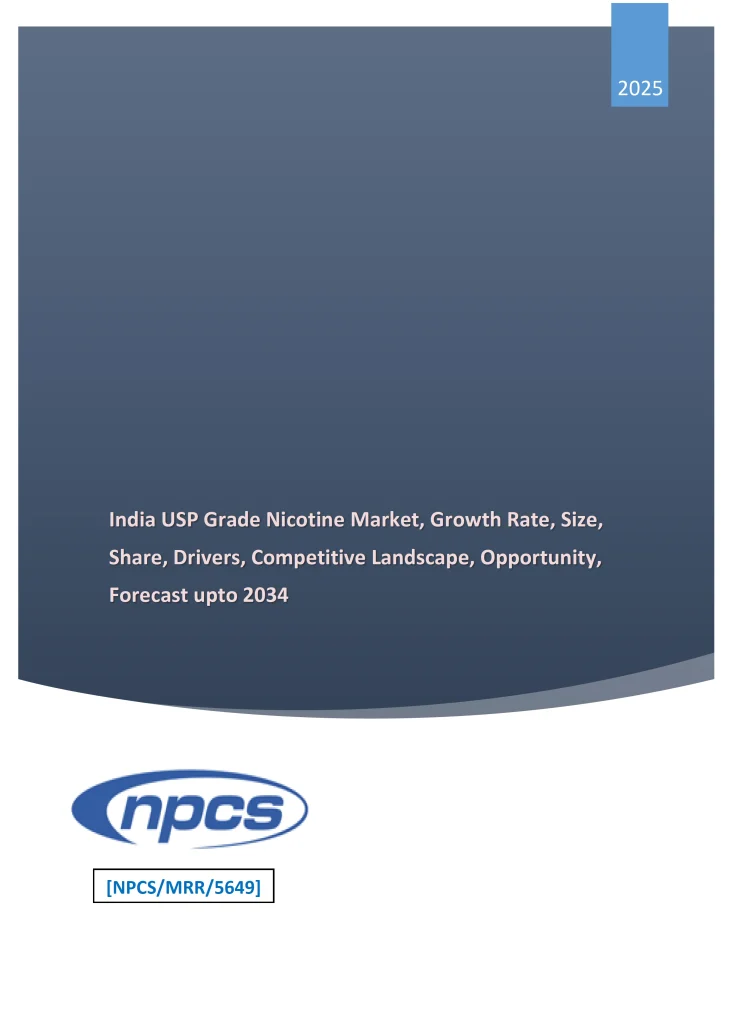
New Delhi, July 2025 — With increasing health awareness, regulatory changes, and booming demands for nicotine replacement therapy, India is poised to become a leader in the production of high-purity USP grade nicotine. Niir Project Consultancy Services has launched a comprehensive report based on data to address this potential opportunity. “India USP Grade Nicotine Market: Growth Rates, Size, Share and Drivers: Competitive Landscape and Forecast Up to 2034” This comprehensive market research report provides a strategic resource that is essential for manufacturers, investors, and healthcare companies. It also serves as a valuable tool for industry consultants, policymakers, and other stakeholders who are looking to gain clarity on a rapidly evolving niche. This report, based on primary and secondary research of extensive scope, identifies key market drivers, challenges, and opportunities in India’s multimillion-dollar pharmaceutical-grade nicotine market. A Market Overview of a Rapidly Growing Industry According to NPCS, the Indian USP Grade Nicotine Market was valued at USD 25.82 million in 2024. It is projected to grow with a robust growth rate of 7.70% to reach USD 52.14 million by 2034. This growth is driven by: What Makes This Report Unique? This report, unlike generic global market reviews, provides detailed, region-wise analyses of the Indian market. It also includes detailed projections for consumption, production, and growth across East, West, and Central India. Highlights of the Report: Why the Market Matters Nicotine USP meets United States Pharmacopeia standards. It is used widely in: India is one of the world’s largest tobacco producers and has a unique position to take advantage of its agricultural resources, technical expertise, and market knowledge to dominate this value-added sector. Until now, however, the lack of clear data and market insight has prevented many investors from investing confidently in this space. NPCS fills this gap with the most authoritative, practical, and useful guide for those interested in entering or expanding into this niche. Detailed Application Analysis The report offers actionable insights, such as: Each category includes trend graphs and data on consumption volumes, forecasts of value, and forecasts of future values. Geographic Hotspots: Regional Insights The study focuses on regional differences, including market performance, consumer patterns, and competitive dynamics. The supply chain capacity of each region, the production trends, and demand projections for that area are all meticulously described. View our Handbooks Industry Leaders and Competitive Landscape The report includes detailed profiles of India’s top USP Nicotine producers, including: The profiles include: This information is useful for anyone interested in the dynamics of partnership and competition, whether you are a buyer or a supplier. Regulatory, Export & Market Challenges NPCS provides a complete overview of: The reader is better prepared to make business decisions that are compliant with the data-backed analysis of policy and market dynamics. Who Should Read This Report? This report is a valuable resource for: Why NPCS? Niir Project Consultancy Services (NPCS) has over 20 years of experience in delivering high-quality market intelligence, feasibility reports, and DPRs for more than 10,000 projects. NPCS has an ISO 9001:2015 certification and a pan-India team of economists, technologists, and business analysts. NPCS has a track record of identifying emerging industry opportunities and empowering its clients with accurate data, reliable insights, and strategies that are ready for implementation. Order Your Copy Today The India USP Grade Nicotine Market Report 2025–2034 is now available in PDF format, featuring all tables, graphs, and company data. Contact: Email: info@niir.org Website: www.niir.org Buy our research report by clicking here Tap Into India’s Emerging Nicotine Opportunity This report is much more than just a report. It’s a launchpad for a pharmaceutical niche with high growth and little exploration. This NPCS report is a valuable resource for anyone seeking to establish a business that can thrive in the future. It covers everything from strategic planning to investment decisions.
How to Start a Profitable Vermicompost Business

The international demand for sustainable agricultural methods, soil restoration, and waste recycling has accelerated the growth of the vermicompost business. Vermi composting used to be considered a low-tech rural venture, but it’s transforming into a scalable, organized business opportunity, especially in regions like India, where organic agriculture, horticulture, and waste management are national priorities. Entrepreneurs in the manufacturing or agri-input industry will make the most of establishing a vermi compost unit, not only for the return on investment but also because of its low entry barrier and alignment with climate-resilient practices. This guide provides critical industry trends and analyses, along with the production model, key raw materials, and their potential applications. Why Vermi Compost Is a Profitable Business in 2025 The use of compost and vermicompost in modern agriculture has been increasing along with the demand for organic inputs. Vermicomposting not only diverts organic waste but also provides nutrient-rich compost to farmers. In contrast, it’s much more effective in comparison to chemical fertilizers, which take a lot of time to break the soil and improve its structure, aeration, and water retention. The demand stems from three main forces: The organic farming boom – In India, the area of certified organic farming has increased vermi compost production tremendously over the past five years. Sustainable waste disposal – The use of decentralized organic waste processing systems funded by local governments is accelerating the use of vermicomposting. Export and horticulture sectors – Specifically, these sectors deal with high-value crops which include fruits, vegetables, and spices that need to be supplemented with premium-quality organic fertilizers to meet international standards for residues. Other than agriculture, vermicompost is gaining popularity for use in landscaping, urban gardening, and floriculture. This creates opportunities for industrial entrepreneurs to tap into numerous niche markets and at the same time aid in the environmental recovery. Related: How to Start a Profitable Vermicompost Business Market Demand, Growth Forecast, and Industry Outlook According to multiple agricultural and market intelligence reports, the Indian organic fertilizer market — of which vermi compost is a significant section — is forecasted to grow at a CAGR of 7–9% from 2025 to 2030. Furthermore, the rise in awareness in the farming community, along with government schemes under Paramparagat Krishi Vikas Yojana (PKVY) and the push towards Zero Budget Natural Farming (ZBNF), is increasing adoption on a holistic level. The market is also witnessing: Growing Interest from Urban Cooperatives and Eco-Villages Contract Farming Companies and FPOs (Farmer Producer Organizations) Shifting into Export-Oriented Horticulture and Spice Farms that are going organic Small-scale units in urban and peri-urban areas are selling packaged vermicompost to retail outlets for balcony gardens, nurseries, and organic food brands. These add-on segments are further diversifying the revenue streams for the producers. Why is Vermi Composting a Feasible Manufacturing Business Vermi composting is biologically driven, modular, and less complex. Unlike chemical fertilizers, which need heavy machinery, composting only needs organic material, composting organic waste, and certain species of worms, specifically Eisenia fetida or Eudrilus eugeniae. Both the compost feedstock and the market for vermicompost are scalable. The venture can start from a small modular setup of 1-2 acres, which can then be upgraded to a semi-automated production unit that has the capability to dry, sieve, and package. Continued agricultural waste supply (kitchen, garden, dairy, etc.) guarantees consistent production in output. This type of business also follows the principles of the circular economy by transforming waste into value-added resources, alleviating landfill burdens, and fostering sustainable agronomy. In agro-industrial areas, poultry, dairy, food processing, and even sugar mills offer ready streams of byproducts, which can be utilized as raw materials, thus lowering procurement expenses and improving margins. Manufacturing Process: Waste Transformation to Nutrient-Rich Compost Nutrient-rich humus can be obtained through the vermi composting process which involves the cultivation of earthworms on organic waste, which increases the value of the waste. 1. Pre-Treatment of Waste Cow dung, vegetable peels, and residue from crops, as well as leaves, are pre-processed by gathering and partially decomposed for around 10-15 days. This pre-emptive step yields compost that worms can consume. 2. Bedding and Layering Dried leaves and sand are also called coarse substrates and are important for enhancing the drainage as well as the aeration of the compost. Thus, a layer of this material is added as the base. On top of this, layer the pre-treated waste and earthworms. 3. Worm Processing and Composting To begin with, worms and their castings make up the main vermicompost feed dunked in 45–60 day cycles. They go through an aerobic stretching process that maintains a 60–70% moisture level. 4. Compost Extraction and Sieving When the compost reaches the desired dark granular structure, the earthworms can be extracted and reused through light or sieving techniques. Any lumps that have formed will be removed in the sieving step, and the finished product will be kept until packaging. 5. Product Packaging and Holding The finished product can be kept in bulk or 5-25kg bags until sent to retail stores and garden centers. Marking and labeling have a big impact on B2B customers. An additional value product can be made from the compost, called vermi-wash. This is a liquid extract enriched with bio-enzymes. Related: How to Start a Profitable Vermicompost Business Essential Features and Raw Material Sources Effectiveness can be improved by finding a place with direct access to composting agriculture or livestock zones. Consistent streams of organic waste products Labor and capital for manual sorting Effective road access for the inbound and outbound materials Valuable sources of raw materials may include: Dairy cow dung Organic materials from fruit and veggie mandis Poultry and agro-waste from sugarcane fields Sludge from food processing facilities (post-removal of non-organics) Key Operational and Regulatory Challenges and Solutions Focusing on the system failures of a specific vermi compost business can lead to a variety of opportunities. However, entrepreneurs should be aware of certain operational and regulatory hurdles. Inefficient Management of Waste Quality: However, churning organic waste
India UK FTA Vision of 2035: Startups can cash in on the $120 billion trade pact

India-UK Vision 2035 The India UK FTA Vision 2035 lays out a roadmap for deepening and diversifying bilateral cooperation in trade, technology, and education. The Vision, which is anchored in a Comprehensive Strategic Partnership (CSP), highlights mutual commitments to sustainable growth, creating jobs, and leading the world in light of rapid technological and environmental change.This evolving partnership offers entrepreneurs and startups in the manufacturing and industrial sectors the opportunity to earn millions of dollars by 2025. It is driven by export targets and sectoral market growth as well as policy support from both sides. India’s Export Achievements and Targets Record Merchandise Exports India’s merchandise imports exceeded the US$400 billion target set by the Ministry of Commerce and Industry in FY 2021-22.In FY 2022-23, non-petroleum exports and those that do not include gems and jewellery grew from US$315.64 to US$320.23 billion despite global headwinds.These figures reflect India’s resilience in exporting and indicate attractive prospects for startups, particularly those who are involved in manufacturing segments like textiles, engineering products, and chemicals. Bilateral Trade Growth The bilateral trade in goods and services between India and the UK has increased from less than US$30 billion (in 2013) to almost US$60 billion (by 2024).With the ratification of the Comprehensive Economic and Trade Agreement (CETA) and ongoing Free Trade Agreement negotiations, this trajectory is set to accelerate–potentially doubling over the next five years.This is a warning to entrepreneurs that they should orient their product design, standards of quality, and supply chain towards the UK market’s needs. For more information, you can check our Handbooks Sectoral Market Size Opportunities in 2025 1. Renewable Energy and Clean Technology Market Size and Forecast Solar modules, wind turbines, and energy storage system components are in high demand as the UK strives to reach 70% renewable electricity by 2030.India’s National Green Hydrogen Mission aims to produce 5 million tonnes of clean hydrogen by 2030. This would represent a market opportunity of US$8-10 billion in electrolyzers and related systems between 2025-2027. (Govt. of India, Ministry of New and Renewable Energy Annual Report, 2023-24). Startup Insights Component Manufacturing: Precision cast for turbine blades and polymer films for solar panels. Energy Storage: Battery assembly and recycling capability. Green Hydrogen: Small electrolysis units for industrial clusters. 2. Advanced Materials and Critical Minerals Market Size and Forecast The global semiconductor materials market is expected to reach US$80 billion in 2025. India and the UK will collaborate on niche markets such as photoresist substrates and specialty gases.Both governments are focusing on secure sourcing and processing of critical minerals (lithium, Cobalt). Startup Insights Material Synthesis: nano-coated powders as electrodes. Recycling Technologies: Urban Mining of Electronic Waste for Precious Metals Supply Chain Solutions: Blockchain-enabled traceability of conflict-free minerals. 3. Life Sciences and Pharma Intermediates Market Size and Forecast India’s pharmaceutical trade was valued at US$25 billion in FY2023-24. The UK accounted for US$2 billion of that amount (Govt. of India, Ministry of Commerce & Industry, Annual Report 2023-24).The global specialty chemical market is projected to reach US$940 billion by 2025. This represents a growth rate of 5.2% CAGR (Government of India, Ministry of Chemicals & Fertilisers, Annual Report 2022-23). Startup Insights API Intermediates: Synthesis of high-purity pharmaceutical intermediates to UK GMP standards. Biotech Tools: Customized consumables and reagents for diagnostics and genomics. Contract Manufacturing: High-value, small-batch manufacturing services for niche therapies. 4. Digital Manufacturing and Industry 4.0 Market Size and Forecast India’s digital manufacturing industry is expected to reach US$70 billion by 2025. This market will be driven by IoT integration and robotics (NITI Aayog annual report 2022-23).The UK Industrial Strategy focuses on investing PS900 million in advanced manufacturing research until 2027. Startup Insights Retrofitting legacy machines with IoT sensors, cloud analytics and other smart technologies. Additive Manufacturing: Metal 3-D printing services for rapid prototypes and small-batch manufacturing. Digital twins: Platforms for simulation and process optimization, such as in the automotive and aeronautical sectors. For more information, you can check the Project Report The Strategic Pillars of Startup Success Trade Agreements: Enhanced Access to Markets Once fully ratified, the India-UK CETA will reduce tariffs and nontariff barriers to goods and services. This will benefit sectors like textiles, leather, and engineering goods. Startups should consider: Map Tariff Lines – Identify the product categories that will be given preferential access. Comply Early: Align your quality certification (ISO and CE marking) with UK standards. Joint platforms: Attend JETCO (Joint Economic and Trade Committee) events to explore and network. Collaboration in Technology and Research India and the UK are jointly funding R&D for AI, quantum computing, and semiconductors under Vision 2035’s Technology Security Initiative. The following are some of the opportunities: Consortia formation: pooling resources with UK Universities for grant proposals. IP Frameworks: How to structure co-development agreements so that patents are protected in both jurisdictions. Pilot Projects: Deploying prototyping in UK testbeds to develop smart manufacturing and urban solutions Climate Finance and Green Growth Climate Partnership: aims to mobilize US$50 billion in climate finance before 2035. Early windows for green bonds and blended finance as well as public-private partnerships are available. Startups can: Green Energy Projects – Secure funding to bridge the viability gap for solar or wind farm projects ESG Advisory Services – Offers compliance and reporting assistance to ESG-inclined investors. Circular Economy Solutions: Develop waste-to-value processes eligible for green incentives. Actionable Insights for Entrepreneurs Market Research & Forecasting For granular data on exports and growth rates by sector, consult the Ministry of Commerce Annual Reports. Use trade databases (DGFT, WTO statistics, and WTO EXIM) to track changes in tariffs under CETA. Feasibility and Techno-Economic Evaluations Align business model with Vision 2035’s pillars – green growth, advanced materials, and life sciences. Identify niche gaps in the UK value chain. Partnerships & Funding To co-finance the pilot and scaling-up phases, explore UK Innovate grants and British International Investment Facilities. Regulatory & Certification Compliance Expect UK REACH for chemical exports, CE/UKCA certification for industrial equipment, and UK GMP guidelines. Which business to start? How to choose a business idea?
Top 10 Profitable Pesticides and Insecticides to Manufacture
The agriculture sector in India is the foundation of the economy, providing food to more than 1.4 billion people and sustaining the lives of people in rural areas. As pressure mounts to boost yields on crops and to manage pests sustainably, demand for efficient agrochemicals, specifically Pesticides and Insecticides, has seen steady growth. Entrepreneurs who want to venture into this field can profit from an extremely competitive and recession-proof market that provides both global and domestic opportunities. This article focuses on some of the most successful Pesticides and Insecticides that are available for production in India in light of the current trends in the market as well as the patterns of crop usage and demand for exports. Each product is of strategic importance to Indian agriculture as well as global supply chains. They also offer an opportunity for small- as well as large-scale players. Understanding Market Demand and Growth in Agrochemicals The Indian Agrochemical industry is set to grow at a compound annual rate (CAGR) between 8 and 10 percent through 2029. Pesticide use in India is currently at 0.6 kg/ha, which is lower that the average global which suggests significant growth potential. The government of India’s constant determination to double farmers’ earnings and ensuring food security is accelerating the use of high-quality crops protection products. India is also gaining recognition as a manufacturing hub in the world for insecticides, pesticides, and technical grade, exporting them to Latin America, Southeast Asia as well as Africa. Additionally, several patent-pending molecules from multinational companies are now off-patent, allowing the doors to lucrative possibilities for Indian companies to reverse engineer and create generic chemicals. Let’s look at the most profitable items that are worth making in this growing sector. 1. Chlorpyrifos Chlorpyrifos is an organophosphate with a broad-spectrum insecticide that is widely used in paddy, cotton, sugarcane, and groundnut farming. It affects the insect’s nervous system and is extremely efficient against insects like termites, bollworms, and stem borer. Despite the restrictions placed on it by regulatory authorities in a few Western countries, it is popular throughout Asia and Africa and ensures constant demand for Indian producers, especially to export. 2. Imidacloprid Imidacloprid is a neonicotinoid insecticide is gaining popularity due to its systemic effect and its low toxicity to humans. It is highly effective in battling sucking insects like jassids, aphids and whiteflies. The fact that it is water-soluble permits it to be quickly absorbed by plants and provide long-term protection. It is extensively used in vegetable crops, horticultural cotton, rice, and cotton and is a key product on both export and domestic markets. 3. Cypermethrin Cypermethrin, a synthetic pyrethroid insecticide used to manage the lepidopteran range of beetles and pests. It is popular because of its fast knock-down and integration with integrated pest management (IPM) methods. Cypermethrin can be found in the household and in agricultural application for pest control. The wide use of this molecule allows it to be a profitable chemical to make. 4. Lambda-Cyhalothrin Lambda-Cyhalothrin is a different pyrethroid recognized for its efficacy with a low dose. It is mostly employed in rice, wheat vegetables, cotton, and farming to combat caterpillars armyworms and other chewing insects. It has a wide global market because of its dual application in crop protection and vector control. The molecule’s versatility, its low toxic, and the fact that it has been approved by regulatory agencies make it a desirable product for Indian agricultural chemical manufacturers. 5. Acephate Acephate is an insecticide made of organophosphate that works both systemically and by contact. It is extensively used to control chewing and sucking insects in crops such as the brinjal, chili and cotton paddy, and chili. What is what makes Acephate an effective choice is its rapid degradation in the environment as well as its relatively low toxic residual. The eco-friendly nature of the product increases its popularity among progressive farmers and buyers from around the world. 6. Monocrotophos While it is prohibited or restricted in many countries, Monocrotophos continues to see significant use in the developing world due to its efficiency and low cost. In India it is utilized to cultivate crops such as sugarcane, cotton, as well as pulses. The product is a delicate one that requires care and a strict compliance system, however its popularity across Asia and Africa guarantees a consistent market. Manufacturers who adhere to safety protocols can make use of this product as a high-margin item. Related: How to Start a Contract Manufacturing Business in Agrochemicals 7. Carbendazim (Fungicide-Insecticide Combo) Carbendazim, which is primarily a fungicide it is often used in conjunction with insecticides to provide broad-spectrum protection. The reason it is included in this list is because of its synergistic usage in formulations such as Carbendazim and Imidacloprid and Carbendazim with Cypermethrin. These premixed formulas are now appreciated by farmers due to their ease of use and efficiency. Making combination products improves the value of the portfolio and also helps to satisfy the specific needs of each region. 8. Deltamethrin Deltamethrin is a pyrethroid of the third generation that is particularly efficient against mosquito larvae and agricultural pests. It is widely used for both household and farm pest control. It’s highly regarded for its residual action as well as its security profile. This dual use is a viable manufacturing option, particularly in the case of agri-inputs and the public health market. 9. Fipronil Fipronil is an insecticide containing phenylpyrazole, which works by blocking GABA-gated chloride channels that are present in insects. It is used extensively in treatments for seed sprays for foliar or soil treatments. Its ability to control termites, rootworms, and stemborers in crops like sugarcane, maize, as well as soybean makes it a popular choice for commercial farming. Fipronil is also utilized in household and veterinary products, which offer cross-sectoral growth potential. 10. Pretilachlor (Herbicide-Insecticide Use in Combinations) Pretilachlor is principally an herbicide used to prevent the emergence of new plants; however, its combination with insecticides such as fipronil or chlorpyrifos provides greater protection of
How to Start a Corrugated Box Business in India: Step-by-Step Guide

In an age where pharmaceuticals, e-commerce and FMCG, consumer electronics and industrial shipping are increasing at an unprecedented rate, the humble corrugated box is quietly becoming one of the essential elements of India’s packaging and logistics ecosystem. Corrugated box business, renowned for their durability, strength and recyclability, are the core of the delivery of products across all industries. For entrepreneurs who want to start their own businesses and entrepreneurs in industrial ventures, this is an exciting opportunity. Establishing a corrugated box manufacturing company not only taps into the growing market but also creates a viable and relatively stable industrial business. This thorough guide will walk you through the fundamentals of starting a corrugated-box manufacturing company in India. It will cover industry demand, market expansion, manufacturing processes and steps that can aid entrepreneurs to evaluate this business possibility effectively. Why Corrugated Boxes Matter in India’s Growing Economy Corrugated boxes are light, sturdy, robust, and cost-effective packaging solutions. They are the ideal choice for secondary and primary packaging in a variety of industries. They’re particularly popular in the realm of e-commerce and pharmaceuticals, as well as refined food products, automobile parts, and electronic components. With India growing into an important center for manufacturing in the country and exports, and the need for secure, environmentally-friendly, sustainable, and custom packaging is set to grow. The trend towards online shopping and digital supply chains and delivery on the doorstep has dramatically increased the size of the market for corrugated boxes. Today, brands are also focusing on environmentally friendly packaging and corrugated boxes are recyclable and biodegradable, a clear advantage over foams and plastics. Related: Profitable 4-Color Printed Corrugated Box Business in India Market Overview and Demand Forecast Corrugated packaging sales in India have been growing steadily in the last decade. According to research conducted by industry experts it was estimated to be around four million dollars by the year 2023 and is predicted to surpass 75,000 crore in 2028 increasing at an annual compound annual growth rate (CAGR) of between 10 and 12 percent. This growth is fueled by the growing popularity of online platforms and logistics startups, FMCG development, as well as rising exports from sectors like apparel, electronics and pharmaceuticals. The Indian government’s campaign for “Make in India,” improvements to the warehouse infrastructure and the digitalization of supply chains are important factors. The rise of organized pharmaceutical and retail exports has led to a long-term need for premium corrugated packaging. In addition, as more companies are shifting to environmentally friendly packaging in line with ESG standards Corrugated boxes market is becoming increasingly seen as an eco-friendly business opportunity. Types of Corrugated Boxes and Market Segmentation Corrugated boxes are customizable by the thickness, ply, shape, and strength, based on the packaging needs of the customer. In India the most frequently utilized variants are 3-ply, 5-ply, 7-ply, and 5-ply corrugated boxes. Seven- and five-ply boxes are more sturdy and appropriate for industrial goods that weigh more or items that are fragile. Urban centers dominate the market in terms of the demand for retail packaging and e-commerce and rural areas are getting closer because of the growth of last-mile delivery and distribution centers for rural areas. Step-by-Step Guide to Starting the Business In order to start a corrugated box manufacturing plant in India, there are a number of fundamental steps that must be taken. They range from deciding on the best location to purchasing raw materials and establishing automated or semi-automatic production lines. The typical process begins with a feasibility study and site plan. Selecting an industrial zone that is close to transportation hubs, logistics clusters, or warehouse parks will help cut down on delivery costs and guarantee a constant supply of kraft papers, which is the most basic raw material. Other components include adhesives, sewing wires, printing ink, and liners. The next step is to obtain the necessary permits, including registration of the factory and GST and environmental control boards clearance, and registration with the labor department. Parallelly, decisions must be made regarding the scale of production–small-scale, mid-sized, or fully automated–and the type of corrugated machinery to be procured. The training of employees in sheet feeding and rotary cutting, slotting, creasing, printing and gluing are also essential, particularly for setups that don’t utilize the latest technology in automation. Establishing the basic quality control process to test the moisture content and GSM (grams per square meter) of kraft paper box compressive strength, as well as the ECT (edge crushed test) will ensure that your product stays in the market. Manufacturing Process Outline The process of making corrugated boxes consists of a mix of thermal, mechanical, and printing processes that are semi-automatic, manual or completely automated. The process begins with the kraft paper passing through a corrugating machine, where it is heated before being pressed between rollers to create the fluted (wavy) sheet. The final step involves drying or pressing to create an ideal shape for the boxes and increase their strength then packaging and bundling for delivery. The quality of the process is crucial in the durability of the box and also satisfaction with the customers. Quality Control and Standards Compliance If you want a corrugated packaging manufacturing business to thrive, keeping a tight quality control is vital. Standards established by Indian Institute of Packaging (IIP) or the Bureau of Indian Standards (BIS) frequently serve as standards for durability, burst resistance as well as moisture levels. In industries like food packaging and pharmaceuticals, the compliance with safety and hygiene protocols is also a requirement. Regular checks of the quality of raw materials the strength of corrugation, as well as glue bonding, are essential. In time, testing laboratories as well as digital load testing could be added to provide customized box ratings based on customer requirements, particularly in supply contracts for B2B. Related: Paper Manufacturing Industry Logistics, Warehousing, and Client Servicing This requires investing in efficient warehousing, dispatch scheduling and routing optimization. A clear procedure for ordering, sample production cycles, delivery windows can
How to Set Up a Profitable Fly Ash Bricks Plant

In a globalized world that is more focused on sustainable development, the fly ash bricks plant has become a leading example of green construction. Originating from thermal power plants that are coal-fired products, these bricks do not just reduce the environmental impact of the disposal of fly ash, but also provide greater quality, consistency, and energy efficiency when compared to clay-based units. For entrepreneurs–whether seasoned in the pharmaceutical sector or new to manufacturing–establishing a fly ash bricks plant represents an opportunity to capitalize on a booming market while advancing eco-friendly practices. This article guides you step-by-step through the various aspects of creating profitable operations, beginning with understanding market dynamics and making sure materials are secured, to mastering the process of production as well as ensuring compliance with regulations and preparing your product for longevity. The Business Case for Fly Ash Bricks Fly ash bricks transform industrial waste into an extremely valuable construction material. In contrast to kiln-fired clay bricks their production is energy-efficient and requires little because curing takes place at room temperature. This results in a brick that exceeds or matches the standards of conventional the strength and durability of its compressive properties while decreasing carbon emissions and conserving fertile topsoil. Additionally, their weight is lighter, which reduces transport costs and speeds up the masonry process, which can result in cost savings throughout all stages of the production chain. Pharma-focused entrepreneurs will see similarities between their quality control frameworks as well as the exact management that fly-ash brick manufacturing requires. Laboratory protocols used to test active pharmaceutical ingredients can be repurposed for rigorous material analysis–determining optimal particle sizes, moisture content, and binding characteristics that influence brick performance. This expertise in technology becomes an edge that allows a new player to ensure quality and consistency that will appeal to the largest construction companies and green builders, too. Related: How to Set Up a Profitable Fly Ash Bricks Plant Market Dynamics and Forecast In the coming decade, the market for fly ash bricks is set to grow rapidly due to global urbanization and increased regulation to promote sustainable construction. In India, the fusion of incentives from the government, green building initiatives, and the constant demand for affordable housing is the basis of the forecast Compound Annual Growth Rate (CAGR) of about 12.5 percent between 2025 and 2030. Key infrastructure projects–ranging from metro rail extensions to smart-city developments–mandate the use of eco-friendly building materials, bolstering domestic consumption. Internationally, markets across Southeast Asia, the Middle East as well as Africa are also taking on Fly ash-based bricks. Rapid growth of urban areas in these regions leads to an equal increase in demand globally, with the market predicted to reach 7 billion dollars in 2030, up from USD 3.8 billion by 2024. Competition will be a mix of established brick makers that are shifting towards fly ash blends as well as new small-scale players, making distinctions in the quality of service, product, and positioning of the brand. Raw Material Strategy The core of any efficient fly ash brick plant is a strong process for obtaining raw materials. Fly ash must be procured from thermal power stations which operate within acceptable transport distances – ideally between 50 and 80 kilometers to minimize the logistics cost. The establishment of multi-plant supply agreements is essential to reduce the risk of the varying composition of ash. Consistency in silica and Alumina content, in addition to lower levels of carbon that have not been burned, is the foundation for a reliable brick’s strength and consistency when setting times. Other ingredients like lime and cement act as binding agents, thereby activating the pozzolanic qualities of fly ash, resulting in stabilized calcium silicate and hydrated hydrates. Sand–often required in modest proportions–improves workability and reduces shrinkage, while micro-quantities of gypsum enhance early-age strength development. Monitoring the moisture levels and particle size distribution and chemical impurities in real-time makes sure that every batch meets strict quality standards which allows production to continue without a worry about output that is not in line with specifications. Plant Layout and Workflow Planning a plant layout with seamless material flow and minimal handling improves production efficiency. The pressing zone has to be located centrally and have enough space to accommodate both automated and manual mold-changeover processes. Workers enclose the curing yards with nearby ventilation. They run misting systems and steam?injection rigs to keep humidity at or above 95%, then cure the bricks for 10 to 14 days, depending on conditions. By placing a quality?control lab next to the curing zone, technicians can immediately perform compressive?strength, water?absorption, and dimensional tests and correct any deviations from Indian Standard IS:12894 before proceeding with large?scale delivery. Forklifts or automated vehicles (AGVs) control the stacking and loading process, which ensures speedy turnaround of orders to construction sites or distributors. A careful zoning of raw materials arrival production curing, testing and dispatches not only minimizes cross-contamination, but also reduces the distance that materials travel within the plant, which reduces overall handling costs as well as the possibility of injury. Related: The Complete Book on Cement & Concrete Products Manufacturing Manufacturing Process The production of top-quality fly ash bricks takes place by a series of interlinked processes: Material Batching The accuracy of weighing is crucial. Batching systems equipped with digital load sensors add fly cement, sand, and other additives in exact proportions. Monitoring in real-time of these inputs feeds into a central manufacturing Execution System (MES), which alerts the operator to any deviations that are outside of the tolerances. High-Intensity Mixing After being batched, the materials are placed in the high-shear mixing chamber in which blades or paddles distribute the powders equally. The process can last from between three and five minutes triggering the initial hydration reaction and creating a moldable mass. The integrated moisture sensors control the amount of water added, preventing overwatering or underwatering, which could cause damage to brick’s integrity. Compression Molding The mix is transported through hydraulic presses. Modern presses, with PLC controls
Small Scale Manufacturing Companies that Have High Margins of Profit
Why High-Margin Small Scale Manufacturing is a Smart Move for Indian Startups In the ever-changing landscape of Indian business, manufacturing on a small scale manufacturing has been quietly emerging to be one of the more reliable and viable ways to create wealth. While service companies often struggle with the demands of clients and a growing digital market, manufacturing allows you to have the ability to control production price, branding, and identity. The most significant game changer lies in manufacturing facilities that can provide large profit margins, even with minimal or no investment. These are business models in which the cost of input is small, but if you have the appropriate packaging, branding, or targeting your market, you could be charging an additional price. This article explores exactly those kinds of businesses—high-margin, small-scale manufacturing ideas that are best suited for 2025 India. No matter if you’re a first generation homemaker, entrepreneur, retired professional, or a founder of a startup who wants to diversify their business, this guide can help you choose the right product to build or sell and grow without fear. The Rising Power of Small Scale Manufacturing in India The Indian economy is shifting wheels towards value-creation through self-manufacturing. The central government’s efforts with Make in India, MSME incentives and PLI programs enable micro enterprises to benefit from subsidies for machinery and digital sales infrastructure along with export-related incentives. Furthermore, Indian consumers themselves are changing. They are now actively looking for: Alternatives that are sustainable, environmentally-conscious and sustainable Personal care that is chemical-free and made by hand Locally-sourced health products Small-batch food items and craft products Products that are value to the cultural or Ayurvedic worth These tendencies create opportunities for those who make high-quality, niche products in a smaller size. By removing the middlemen and selling products directly to customers, the profit margins could be over 40% to 60%. Let’s find out which options offer high ROI while requiring minimal initial inputs. Related: Small Scale Business Ideas That Make High Profit 1. Designer Candles and Aroma Products Candles have advanced far beyond Diwali or even prayer. Nowadays, urban consumers purchase fragrant candles as part of their daily routines of health, as part of their decorating their homes or as thoughtful gifts. The cost for making a candle could be as low as Rs30–Rs50 using paraffin candles and essential oils. If the candle is packaged properly and with a logo, the retail price ranges between Rs200 and Rs500. In addition, aroma diffusers and wax melts and reed sticks can become part of your line of products. This is a segment where brand storytelling—natural, handmade, meditative—can multiply your margins. 2. Herbal Soaps and Natural Skincare Handmade soap production is among the most lucrative home-based business ventures at the moment. Urban customers are leaving the mass-market soaps for soaps that are: Free of parabens and SLS Constructed from charcoal, neem and coconut or goat milk Wrapped in zero-waste packaging The manufacturing process consists of the use of cold-processed soap bases or glycerin, as well as vital oils, exfoliants made from natural ingredients and molds. With a strong packaging and a specific positioning (e.g., “for acne-prone skin” or “for babies”), soaps are sold for between Rs120 and Rs250 per bar, and the cost of production is kept below Rs40. The addition of face masks, balms and bath salts could make a wellness line from a kitchen-sized unit. 3. Organic and Infused Honey Packaging India’s honey production is booming. However, what’s lacking is branding and value. Honey that is collected from beekeeping and tribal clusters is filtered, then tested and packed for retail. Infused varieties (ginger, cinnamon, and tulsi) are highly sought-after by: Health-conscious families Ayurveda enthusiasts Presenting customers with gifts Although raw honey can be sold at a wholesale price of Rs150 per kilogram, the 250ml glass jar may cost between Rs250 and Rs350. With stunning labels and QR code tracking, the margins are staggering. 4. Gourmet Masala Blends and Spice Mixes From biryani masala to chaat masala, India’s love of spices is timeless. Many homes are shifting away from the open market for spices, and are looking for safe, genuine, reliable, and trustworthy blends. If you are able to combine traditional recipes with contemporary branding, you could make a niche in masalas. For example, “Gujarati Garam Masala” or “Pahadi Bhuna Jeera Powder” is a nod to pride in the region and traditions. Packing them in stand-up pouches with zip locks as well as recipes written on their back provides the distinction. Cost of manufacturing is fairly minimal, and these pouches can cost between Rs80 and Rs200 for 100–250g. Related: Booming Business of Trading Of Spices 5. Natural Floor Cleaners and Eco Detergents Another unnoticed revolution is taking place in cleaning products. As people become more health-conscious and pet-friendly, demand for non-toxic, herbal floor cleaners is increasing. They can be produced using bio-enzymes, neem extracts, lemon oil, as well as scent. A 500ml bottle that will cost between Rs20 and Rs30 to make is available for sale at a price of Rs100–Rs150. Niche marketing plays an important role in this. By highlighting “Safe for Pets,” “Child-Friendly,” or “100% Biodegradable” you can market your product at a premium price using a minimum of manufacturing processes. 6. Dry Snacks and Regional Namkeen Snacking isn’t only a habit anymore, it’s an everyday thing. People from diaspora and urban communities are seeking: Roasted, low-oil snacks Millet, makhana or other millet-based snacks Locally-inspired items such as Banarasi, Rajasthani, Bikaneri, or Kerala banana chips Dry snack products can be created using roasting pans, spice coating machines, and vacuum sealers. With FSSAI-compliant packaging and compliance, even small-scale producers can offer their products to trading stores, e-commerce platforms, and subscription boxes for snacks. Profits increase significantly when you develop a story-driven brand—e.g., “Heirloom Recipes from Grandma’s Kitchen.” 7. Reusable Cotton Bags and Eco Packaging The transition from plastic packaging to sustainable ones has resulted in a multi-crore market. Making drawstring bags,
Tata Chemicals Sodium Bicarbonate Success: Manufacturing Process

Why Sodium Bicarbonate Is More Than Just Baking Soda Sodium bicarbonate commonly recognized as baking soda–is far more than a household item. It is a crucial ingredient in a myriad of industrial applications, including water treatment, pharmaceuticals combustion suppression as well as flue gas scrubbing the production of food and beverages in addition to animal feed. Tata chemicals constant demand across all industries has resulted in it being one of the strongest and versatile chemical products available. However, turning this compound into a lucrative business is more than just knowing the applications. It requires expertise in the design of processes and the environment, regulation compliance and positioning for the market. Tata Chemicals, soda ash India’s leading player in this field has set the standard with its integrated production processes, customized products, as well as a a global perspective. This article gives a comprehensive review of Tata’s manufacturing process and, most importantly, it outlines ways that small and micro-businesses in India could replicate the model and establish the own sodium bicarbonate manufacturing units, with the strategic assistance from NIIR Project Consultancy Services (NPCS). Tata Chemicals: Building a Brand Around a Simple Molecule Tata Chemicals didn’t just start making sodium bicarbonate. It revolutionized the product within the Indian industrial environment. From the beginning of production of soda ash in Mithapur, Gujarat, Tata established an integrated value chain vertically using its own soda ash as the main base material for sodium bicarbonate. Based on this the company grew into new markets with product differentiation. In the case of Medikarb(tm), Medikarb(tm) was launched as the first Indian pharmaceutical grade sodium bicarbonate, produced under strict GMP conditions to be used in dialysis, injections and critical medical care. In Europe, Tata’s EcoKarb(r) took shape as a sustainable, low-carbon bicarbonate made using carbon capture technology–targeting industries with strong environmental mandates. The thing that makes Tata’s strategy so inspiring is the way it elevates the basic product into branded segmentsed, differentiated products. Entrepreneurs can learn an important lesson from this It’s not about creating more; it’s about creating intelligent. The Manufacturing Process: Controlled Chemistry Meets Industrial Precision The primary reaction involved in sodium bicarbonate production is chemically easy: Na?CO? + CO? + H?O ? 2 NaHCO? However, carrying out this process on a large scale — especially in the case of the purity of food or pharmaceuticals is an extremely complex manufacturing, process design and engineering and quality control. Tata starts with soda ash that is combined with water to create the Slurry. This slurry goes into the carbonation tower, which is then exposed to CO2 purified at a controlled pressure and temperature. When CO2 interacts with the sodium carbonate in the reactor, it is precipitated out in crystals. The crystals are gathered by centrifugation. They are thoroughly washed to get rid of any remaining mother liquor and then drying in high-temperature air dryers and then sorted according to size and the purity. The best grades are stored in sterile, pharmaceutical-grade surroundings with complete traceability of the batch. In their European plant, Tata goes a step further. The CO2 utilized for carbonation is absorbed from their boiler flue gasses using sophisticated carbon capture techniques. This reduces emissions, but also improves the quality of product and makes it appealing to buyers who are environmentally conscious. In the production of pharmaceutical products such as Medikarb(tm) Medikarb(tm) is a company that uses GMP protocols that include controlled environments, air filtered, along with stainless steel machines in order to keep sterility and hygiene in check. What appears to be a simple flow on paper is actually, a complex procedure that enables flexible, compliant and top quality outputs. For those who are new to the business, developing an efficient and modular production line based upon these concepts can bring significant potential in the niche market. Related: How to Start a Sodium Carbonate Manufacturing Business? Real-World Applications: The Versatile Demand Landscape The multi-sector utility of sodium bicarbonate guarantees constant market demand, which makes it a low-risk investment from a perspective of market entry. In pharmaceuticals, it’s utilized for dialysis solution, injections and formulations of antacids. Within the food and drink industry, it serves as an leavening agent as well as a pH stabilizer. Water treatment facilities use the product to reduce acidic waste. Industrial and thermal power plants as well as boilers make use of sodium bicarbonate in the flue gas desulfurization system. It is also employed in the fight against fire and in animal nutrition. This diversification protects the sodium bicarbonate industry from the effects of economic instability. It also permits product segmentation with each grade focusing on a particular sector, each with its specific pricing structure, margins and packing needs. For Indian companies This means that there’s not only one product available to sell. There are many markets to be served with various pricing models and certification requirements. Market Outlook: A Five-Year Growth Snapshot Here’s a quick overview of expected demand for sodium bicarbonate as well as opportunities for growth, both internationally in India: Year Global Demand (MMT) India Demand (Lakh Tonnes) Key Growth Sectors 2025 5.2 5.5 Pharma, Water Treatment 2026 5.6 6.1 Food Processing, Flue Gas Cleaning 2027 6.0 6.7 Pharma Exports, Clean Energy 2028 6.5 7.3 Green Manufacturing, Animal Feed 2029 7.1 8.0 ESG-focused Buyers, Industrial Automation India has historically relied on imports for pharma grade bicarbonate. With the increasing demand for injectables and dialysis particularly in tier 2 and 3 cities, production locally is essential, offering startups an exciting chance to replace imports. Furthermore the thermal power and cement industries are being pressured to implement emission-control measures, increasing the demand for bicarbonate used in SO2 scrubbing as well as flue gas treatment. What Can New Entrepreneurs Learn from Tata’s Model Ratan Tata’s leadership is focused on the long-term creation of value sustainable development, the quality of products. These principles are deeply and ingrained in Tata Chemicals’ approach to manufacturing. The company first views compliance as more than a box to check but rather as