
How to Start the Potassium Permanganate Production Industry?
The Potassium Permanganate Production Industry plays a vital role in serving a diverse range of sectors, including water treatment, pharmaceuticals, chemical manufacturing, and agriculture. As an essential oxidizing agent, potassium permanganate (KMnO?) is widely utilized for disinfecting drinking water, removing iron and hydrogen sulfide from groundwater, bleaching textiles, and even in treating certain skin infections. The global demand for this chemical compound is experiencing steady growth, fueled by increasing urbanization, stringent water purification standards, and expanding industrial applications. For entrepreneurs and businesses looking to enter the specialty chemical space, the Potassium Permanganate Production Industry offers lucrative potential. Its growing domestic and international market, relatively stable raw material sources, and value-added use cases make it a promising business opportunity, especially under the MSME sector. Visit this Page for More Information: Start a Business in Chemical Industry Projects Industry Overview and Market Trends The global potassium permanganate market is anticipated to grow at a CAGR of over 5% during the next five years. This growth is being driven by rising awareness about safe drinking water, expanded usage in wastewater treatment plants, and new industrial applications. Countries such as India, China, and Brazil are emerging as key consumers due to infrastructure development and stricter environmental regulations. In water treatment alone, potassium permanganate is used as an oxidizer to remove contaminants like manganese, iron, and sulfur. It is also used in aquaculture, metal surface treatment, and as a medical antiseptic, giving producers a broad customer base to serve. Related Business Plan: Chemicals (Organic, Inorganic, Industrial) Raw Materials Required for Potassium Permanganate Production The key raw materials required for the Potassium Permanganate Production Industry include: Manganese Dioxide (MnO?) – Usually derived from manganese ore Potassium Hydroxide (KOH) – Used in the fusion process Air or Other Oxidizing Agents – For oxidation during roasting These materials undergo multiple chemical processes involving oxidation and crystallization to create high-purity potassium permanganate crystals or powder. Read Similar Articles: CHEMICAL INDUSTRY Manufacturing Process Overview The production of potassium permanganate involves the following key steps: Fusion: Manganese dioxide is mixed with potassium hydroxide and heated in a furnace to form potassium manganate (K?MnO?). Oxidation: The manganate is further oxidized using air or chlorine to convert it into potassium permanganate. Crystallization: The resultant solution is cooled, and potassium permanganate crystals are separated. Drying and Packaging: The final product is dried and packed according to industrial or consumer-grade specifications. This multi-step process requires precise control of temperature, pH, and oxidizing conditions to ensure consistent quality and purity. Related Feasibility Study Reports: Chemicals (Organic, Inorganic, Industrial) Projects Infrastructure and Equipment Needed Setting up a production unit for potassium permanganate requires: Rotary Kilns/Furnaces for the fusion process Reaction Tanks and Crystallizers Filtration Systems and Centrifuges Drying Chambers Storage Tanks and Silos Pollution Control Equipment to manage emissions and effluents An industrial plot with good power supply, safety systems, and chemical handling infrastructure is essential. The initial investment for a mid-scale plant may range from ?2 crore to ?10 crore depending on production capacity. Read our Books Here: Chemical Technology (Organic, Inorganic, Industrial), Fine Chemicals Licensing and Regulatory Compliance Given the chemical nature of the product, several permissions and compliances are necessary: Consent to Establish and Operate (from Pollution Control Board) Hazardous Chemical Handling Registration MSME/Udyam Registration Factory License Fire Safety Certificate REACH Compliance (for exporting to the EU) Adherence to environmental standards is critical, especially concerning waste gas and water discharge. Applications and End-User Industries The Potassium Permanganate Production Industry serves multiple downstream industries, such as: Water and Wastewater Treatment: Removal of contaminants and algae control. Pharmaceuticals: Used in ointments and antiseptic solutions. Textile Industry: Acts as a bleaching agent. Organic Synthesis: For oxidation reactions. Metal Finishing and Electronics: Surface cleaning and treatment. This diversity in application safeguards producers from reliance on a single sector, offering resilience and wider sales potential. Export Opportunities and Global Trade Potassium permanganate has a strong export market, particularly in: Africa – For water treatment and agriculture Middle East – In water desalination plants Southeast Asia – In manufacturing and medical industries South America – For municipal and industrial water purification By meeting international quality standards like ISO, REACH, and SGS certifications, Indian manufacturers can access these lucrative markets. Marketing and Distribution Strategy Marketing in the Potassium Permanganate Production Industry requires both B2B and institutional outreach. Some strategies include: Direct Sales to Municipal Authorities Partnerships with Water Treatment Companies Industrial Chemical Distributors B2B Portals like IndiaMART, TradeIndia, Alibaba Participating in Global Chemical Trade Fairs Creating a strong technical profile, offering flexible packaging, and ensuring timely supply are essential to building long-term client relationships. Profitability and Business Potential The potassium permanganate industry offers: Stable Demand in essential sectors High Profit Margins due to specialized use Scalability of production with demand Support under Government MSME schemes Import substitution potential by serving domestic industries With proper quality assurance and compliance, this can be a long-term and highly profitable business. Conclusion The Potassium Permanganate Production Industry represents a highly promising business opportunity within the chemical manufacturing domain. With widespread applications, rising global demand, and a focus on clean water and hygiene, this industry offers entrepreneurs and MSMEs a chance to tap into a sustainable and growth-oriented market. By setting up a compliant, high-quality production facility, manufacturers can secure steady domestic contracts and expand into lucrative global markets. Niir Project Consultancy Services (NPCS) prepares multiple project reports on different segment one of the project report by NPCS is Potassium Permanganate – Manufacturing Plant, Detailed Project Report, Profile, Business Plan, Industry Trends, Market Research, Survey, Machinery, Raw Materials, Feasibility Study, and Investment Opportunities. The detailed project report by NPCS covers all the important aspects of a business from analyzing the market, confirming availability of various necessities such as plant & machinery, raw materials to forecasting the financial requirements. The project reports are not only used in India but worldwide by engineers, project consultants & industrial consultancy firms. You can get the project reports from the official site of NPCS. Click here to send your queries/Contact
September 2022 Entrepreneur India Monthly Magazine
The Entrepreneur India Monthly Magazine continues to be a leading source of business insights, innovative ideas, and investment-worthy ventures, and the September 2022 edition stands out as a comprehensive guide for budding entrepreneurs and seasoned business owners alike. This edition has garnered wide attention for its in-depth coverage of India’s most promising startup sectors, government support schemes, and detailed project profiles across diverse industries. Whether you are exploring the MSME sector, agribusiness, manufacturing, or service-based startups, this issue provides expert-curated strategies and data-driven market analysis that help unlock business opportunities across India. At a time when economic resilience and self-reliance are being encouraged through initiatives like “Atmanirbhar Bharat” and the expansion of MSMEs, the Entrepreneur India Monthly Magazine serves as a bridge between innovative ideas and real-world implementation. It enables entrepreneurs to take informed decisions and align their vision with market demand, profitability, and sustainability. Highlights from the September 2022 Issue The September 2022 Entrepreneur India Monthly Magazine brings together a rich blend of industry news, government policies, success stories, and investment ideas. Some key highlights include: Special Report on the Growing Electric Vehicle MarketThis feature presents a complete overview of EV manufacturing in India, investment requirements, and top opportunities in battery recycling, charging infrastructure, and spare parts. MSME Growth Outlook 2022–2025Detailed insights on how micro, small, and medium enterprises are reshaping the economy and benefitting from PLI schemes, Mudra loans, and digital transformation. Project Profiles for 20+ Business IdeasThe magazine provides a breakdown of startup cost, raw materials, expected ROI, and market potential for businesses like bamboo furniture, paper cups, ayurvedic cosmetics, and edible cutlery. Startup Case StudiesFeaturing real entrepreneurs who scaled their businesses from scratch—highlighting challenges, financial planning, and marketing techniques used to succeed. Detailed Project Reports for Emerging Business Opportunities This issue is packed with ready-to-execute project reports that cover: Bio CNG and Organic Fertilizer Units Solar Panel and PV Cell Assembly Plants Ready-to-Eat Food Manufacturing Honey Processing and Packaging Ayurvedic Medicine and Personal Care Products These projects are detailed with feasibility analysis, market demand, profit margins, and government incentives. Such content has helped thousands of aspiring business owners and MSME investors find viable entry points into competitive markets. Focus on Sustainability and Green Business In line with India’s commitment to environmental sustainability, the magazine highlights eco-conscious ventures such as: Biodegradable Packaging Production Waste to Energy Projects Eco-Friendly Detergents and Cleaners Water Purification and Rainwater Harvesting Technologies The Entrepreneur India Monthly Magazine integrates environmental responsibility into entrepreneurship, emphasizing profitability alongside planet-friendly practices. Expert Columns and Economic Analysis The September 2022 issue features: Guest Columns by Industry Leaders on navigating post-pandemic business environments. Economist Insights on inflation trends, startup funding, and sector-wise performance metrics. Policy Updates related to GST, export-import regulations, and sector-specific government grants. This level of detailed, expert-backed content ensures readers not only learn business ideas but also grasp the macroeconomic implications shaping those industries. Government Schemes and Support Information To empower new business setups, this edition sheds light on: Credit Guarantee Fund Trust for Micro and Small Enterprises (CGTMSE) SIDBI’s Assistance for Small Businesses Technology and Quality Upgradation Schemes Export Promotion Schemes under DGFT Readers gain a step-by-step understanding of how to apply for these schemes, eligibility criteria, and documentation required. The Entrepreneur India Monthly Magazine acts as a toolkit for making entrepreneurship more accessible and less risky. Why This Edition is a Must-Read The September 2022 Entrepreneur India Monthly Magazine is especially valuable for: First-time entrepreneurs needing structured guidance Investors scouting sectors with the highest ROI Students and researchers analyzing market trends MSMEs aiming to scale with the help of technology and policy incentives By combining innovation with practicality, the magazine remains an indispensable asset for anyone in India’s entrepreneurial ecosystem. Where to Access and Subscribe The Entrepreneur India Monthly Magazine is available in both print and digital formats, accessible via official portals such as: www.niir.org Amazon Kindle & Flipkart Print Editions Subscription models with NIIR Project Consultancy Services Monthly and annual subscription options are available with discounts for bulk orders or institutional access. Conclusion The Entrepreneur India Monthly Magazine for September 2022 is more than just a publication—it is a roadmap for sustainable and profitable entrepreneurship. With its data-backed insights, comprehensive project reports, and real-world case studies, it is the perfect starting point for anyone looking to launch, scale, or diversify their business in today’s competitive landscape. If you want to read more information about how to boost traffic on your Website just visi We ensure that commercial initiatives and extensions take place at NPCS, but only in the right Business and at the right price. Business Ideas Covered in this Issue: Download Magazine Here: September 2022 Entrepreneur India Monthly Magazine NIIR PROJECT CONSULTANCY SERVICES An ISO 9001:2015 Company ENTREPRENEUR INDIA 106-E, Kamla Nagar, Opp. Mall ST, New Delhi-110007, India. Email: npcs.ei@gmail.com info@entrepreneurindia.co Tel: +91-11-23843955, 23845654, 23845886 Mobile: +91-9097075054, 8800733955 Website: https://www.entrepreneurindia.co https://www.niir.org Contact Us
Why has the demand for bottled water increased?
The demand for bottled water has witnessed an extraordinary rise in recent years, becoming one of the fastest-growing segments in the global beverage industry. Consumers around the world are increasingly shifting toward bottled water as their preferred source of hydration, owing to concerns about tap water quality, convenience, health consciousness, and evolving lifestyle preferences. According to market research, the global bottled water market is expected to exceed $400 billion by 2030, reflecting strong and consistent consumer demand. In urban centers, rural areas, and even tourist destinations, bottled water is now seen not just as a necessity, but as a trusted, safe, and premium product. This upward trajectory in the demand for bottled water has spurred massive investments from FMCG giants, startups, and MSMEs alike. In many regions, bottled water has overtaken carbonated drinks, thanks to its perceived purity, minimal additives, and alignment with wellness trends. Visit this Page for More Information: Start a Business in Water Industry Understanding the Surge in Bottled Water Demand The steady growth in the demand for bottled water is driven by a complex blend of health, social, and environmental factors. Consumers are more informed than ever about contaminants in municipal water supplies and are willing to pay for a safer, more reliable alternative. Related Business Plan: Water Industry Health and Safety Concerns about Tap Water One of the primary reasons for the increased demand for bottled water is public distrust in the quality of tap water. In developing nations, infrastructure for water purification may be outdated or insufficient, leading to contamination with bacteria, heavy metals, or chemicals. In urban areas too, aging pipelines and industrial pollution contribute to inconsistent water quality. Consumers prefer bottled water as it offers tested and sealed protection, ensuring safety from waterborne diseases. Read Similar Articles: WATER INDUSTRY (DISTILLED WATER) Lifestyle Changes and On-the-Go Convenience As the pace of life accelerates, especially in urban and semi-urban regions, convenience becomes a key consideration. Bottled water offers a grab-and-go solution for hydration, available everywhere—from supermarkets to roadside vendors, gyms, offices, and airports. Its portability and easy availability have made it the preferred option for working professionals, students, travelers, and fitness enthusiasts. Click here to send your queries/Contact Us Increased Awareness of Hydration and Wellness Another major factor behind the surging demand for bottled water is the increasing public awareness of the importance of hydration. Modern consumers associate bottled water with fitness, detox, and beauty. Influencers, health coaches, and medical experts continue to advocate drinking 2–3 liters of water a day, further reinforcing bottled water’s presence as a daily essential. Moreover, many brands now offer mineral-rich, alkaline, spring, and flavored water, catering to niche health-conscious segments, which has expanded bottled water’s appeal beyond basic hydration. Related Feasibility Study Reports: Packaged Drinking Water With Pet Glasses (250 Ml) Rising Disposable Incomes and Urbanization The growth of middle-class income and urban living across countries like India, China, Brazil, and Indonesia has contributed significantly to the demand for bottled water. With higher spending power, consumers are willing to pay for premium bottled water, especially those with added minerals or enhanced filtration processes. Urban dwellers often have limited access to clean drinking water in workplaces, transit points, or rented homes, making bottled water a reliable and practical choice. Read our Books Here: Packaging Industry Tourism, Travel, and Outdoor Events Tourism and outdoor activities are key contributors to bottled water consumption. Tourists, especially international travelers, tend to avoid local tap water and rely entirely on packaged drinking water. Similarly, large-scale outdoor events, festivals, sports tournaments, and adventure activities see heightened bottled water sales due to lack of infrastructure for clean drinking water. This seasonal and event-based consumption has been a consistent booster for the bottled water industry globally. Brand Trust and Aggressive Marketing The bottled water industry has seen aggressive marketing and branding campaigns that emphasize purity, origin (Himalayan, spring, glacial), and health benefits. As a result, customers view bottled water not just as water, but as a lifestyle choice. Premium bottled water brands also cater to the luxury segment, with glass bottles, designer packaging, and curated mineral blends. This premiumization has further increased the perceived value and demand for bottled water. Environmental and Recyclable Packaging Innovations Contrary to earlier years when plastic use was a concern, the industry has responded with eco-friendly packaging solutions. Brands are investing in biodegradable bottles, recyclable plastics, and refillable packaging systems. These innovations reassure environmentally conscious consumers and help reduce guilt associated with single-use plastic, further boosting the demand for bottled water. Support from Government Regulations and Certification Stringent quality norms, BIS certifications (in India), and global safety standards have built consumer confidence in bottled water. Government approval and mandatory labeling also make it easier for consumers to verify purity levels, mineral content, and safety parameters. Additionally, water vending kiosks and public-private partnerships in tier-2 and tier-3 towns are increasing access to affordable bottled water in rural markets. Pandemic Influence and Post-COVID Precautions The COVID-19 pandemic led to increased health hygiene awareness, resulting in a spike in packaged water sales. Consumers avoided using shared water dispensers or public fountains, shifting preference to sealed bottled water. Even post-pandemic, this cautious behavior has persisted in schools, hospitals, airports, and workplaces. Conclusion The rapid rise in the demand for bottled water reflects a blend of modern consumer expectations: health, safety, convenience, and lifestyle. This surge is expected to continue, driven by innovation in packaging, expansion into rural markets, and increasing preference for healthier alternatives to sugary beverages. For businesses and investors, the bottled water industry presents a lucrative, stable, and scalable opportunity aligned with global wellness trends. Click here to send your queries/Contact Us Reasons for Buying NIIR Report: Our research report helps you get a detailed picture of the industry by providing an overview of the industry along with the market structure and classification. Our report provides market analysis covering major growth driving factors for the industry, the latest market trends and the regulatory framework of the industry. Our Report provides an analysis and
Bicycle Manufacturing Business Investment Opportunities
The surge in eco-conscious living, urban mobility solutions, and personal health awareness has triggered an immense Bicycle Manufacturing Business Investment opportunity worldwide. As cities grow more congested and people become more aware of climate change and lifestyle diseases, bicycles have emerged as a simple yet powerful answer. From traditional models to electric variants, the demand for bicycles is accelerating globally—and investors are paying close attention. The bicycle industry is projected to reach over USD 80 billion by 2030, fueled by innovation, government support, and a rising middle-class population. In India, the demand is further supported by rural connectivity needs, a push for green mobility, and increasing fuel prices. Whether it’s basic utility bikes, performance-driven cycles, or smart connected bicycles, the manufacturing business opens up a range of high-potential opportunities for entrepreneurs, SMEs, and even global investors. The Bicycle Manufacturing Business Investment sector is no longer just about pedals and chains—it’s about driving the future of personal transportation. Visit this Page for More Information: Start a Business in Bicycle Industry Global Growth Potential of Bicycle Manufacturing The global bicycle market is expanding at a CAGR of over 6% per year. Countries like China, India, Germany, the Netherlands, and the USA are at the forefront, with electric bicycles (e-bikes) driving a major portion of this growth. With rising demand for last-mile connectivity, shared mobility platforms, and health-focused commuting options, the Bicycle Manufacturing Business Investment offers long-term profitability and societal impact. Rising Health and Environmental Awareness Governments and citizens alike are prioritizing healthier, sustainable lifestyles. With more people turning to cycling as an exercise and commuting tool, the demand for quality bicycles is on the rise. Urban pollution and traffic congestion have turned bicycles into an attractive solution, further pushing the growth of the industry. Consumers now prefer eco-friendly alternatives over petrol-based transport, and bicycles lead this transformation. Investment in this space means not only profit, but active contribution to climate change mitigation and public health improvement. Government Support and Infrastructure Push In countries like India, the government’s focus on creating smart cities, dedicated cycling tracks, and incentivized electric vehicles creates a strong business case for Bicycle Manufacturing Business Investment. Initiatives such as FAME-II (Faster Adoption and Manufacturing of Electric Vehicles) and various state-level mobility policies include subsidies and funding for bicycle infrastructure. Additionally, NGOs and urban development agencies are pushing cycling as a primary commuting option, particularly for women, students, and delivery personnel. This institutional support ensures long-term demand for both manual and e-bicycles. Related Business Plan: Bicycle Industry: Bicycle Spare Parts Diverse Product Segments and Market Niches The bicycle market is highly versatile, offering scope for multiple manufacturing segments: Standard Utility Bicycles – High-volume demand in rural and semi-urban areas Mountain Bikes and Sports Cycles – Popular among youth and fitness enthusiasts Electric Bicycles (E-Bikes) – Rapidly growing category with huge urban potential Cargo and Delivery Bicycles – Rising with the e-commerce and food delivery sectors Kids and Toy Bicycles – Evergreen category with consistent demand Investors can choose to specialize in one niche or build a diversified manufacturing portfolio to cater to multiple markets. Each segment offers scalable and sustainable business models. Read Similar Articles: E- VEHICLE PROJECTS Affordable Manufacturing and Export Potential India and Southeast Asia offer cost-effective manufacturing environments due to lower labor costs, availability of raw materials, and access to skilled technicians. The availability of ancillary units—like those producing frames, tires, brakes, pedals, and gears—makes supply chain management efficient and cost-controlled. This makes Bicycle Manufacturing Business Investment a strategic move for those looking to not only serve domestic demand but also expand to Africa, the Middle East, and parts of Europe. Exports of Indian-made bicycles are increasing steadily, particularly to developing nations. Click here to send your queries/Contact Us Technology Integration and Innovation Scope The modern consumer expects more than just a two-wheeled ride. Integrated features like GPS tracking, Bluetooth connectivity, smartphone apps, pedal-assist motors, and digital dashboards are now becoming standard in high-end bicycles. Investing in R&D or partnering with IoT and electronics firms can open up higher margins through smart bicycle manufacturing. Startups that blend mobility tech with cycle manufacturing are attracting venture capital and angel investments, showing the sector’s innovation potential. Related Feasibility Study Reports: Bicycle And Cycle Rickshaw Manufacturing Low Entry Barrier and Scalability Setting up a bicycle manufacturing unit—particularly for standard models—requires relatively low capital compared to automotive or heavy engineering ventures. A small-scale unit can be launched with an investment as low as ?25–50 lakhs, while a medium-scale unit with modern equipment may require ?1–2 crores. Once established, the business is easily scalable. New product lines, customized models, and bulk OEM contracts can grow the company’s size and revenue quickly, making it an ideal opportunity for MSMEs and entrepreneurs. Job Creation and Societal Impact Investing in bicycle manufacturing is not just a profit-driven venture—it contributes to rural employment, skill development, women empowerment (especially in assembling and painting units), and healthier communities. By creating an accessible mode of transport, entrepreneurs can improve mobility for millions, especially in areas where public transportation is limited or non-existent. Moreover, this industry has minimal environmental impact, making it a model for sustainable industrialization under the Make in India initiative. Conclusion The rising tide of urban mobility, green transportation, and health awareness makes Bicycle Manufacturing Business Investment one of the most timely and future-proof ventures today. Backed by low setup costs, strong market demand, and export potential, it offers a compelling opportunity for entrepreneurs and industrial investors alike. With the right technology, market segmentation, and production strategy, bicycle manufacturing can deliver high returns while contributing to a cleaner and fitter world. Read our Books Here: BOOKS & DATABASES Niir Project Consultancy Services (NPCS) is a team of highly experienced engineers, planners, specialists, financial experts, economic analysts, and design specialists who prepare the project reports on different segments you can get the project report on Bicycle Manufacturing. The data provided in project reports are assessed multiple times with the help of industry players. The report not only
How to start Manufacturing Business of Fatty Alcohol?
The manufacturing business of fatty alcohol is a highly profitable and industrially essential venture that continues to grow in demand globally. Fatty alcohols are long-chain alcohols derived from natural fats and oils or petrochemical sources. These versatile compounds are used extensively in the production of surfactants, personal care products, lubricants, detergents, and even pharmaceutical intermediates. With increasing environmental consciousness and the shift toward bio-based ingredients, the demand for natural fatty alcohols is surging. This trend presents a golden opportunity for entrepreneurs and investors looking to capitalize on a sustainable and scalable chemical manufacturing business. Setting up a manufacturing business of fatty alcohol not only ensures participation in a billion-dollar global industry but also allows room for diversification into multiple sectors. As industries shift toward renewable, green chemistry, and biodegradable raw materials, the importance and value of fatty alcohol production only continue to rise. Related Business Plan: Alcohol Understanding the Fatty Alcohol Industry The global fatty alcohol market size was valued at over USD 5.5 billion in 2023 and is expected to grow at a CAGR of 4.2% through 2030. Fatty alcohols are increasingly replacing petroleum-based chemicals in soaps, emulsifiers, cosmetics, and detergents due to their biodegradable nature. Read Similar Articles: ETHANOL AND ALCOHOL INDUSTRY What Are Fatty Alcohols and Where Are They Used? Fatty alcohols are aliphatic alcohols with carbon chains typically ranging from C6 to C22. They are derived primarily from: Natural sources like palm oil, coconut oil, tallow Synthetic sources via Ziegler or oxo process from petrochemical feedstocks Applications include: Detergents and surfactants Personal care and cosmetics (creams, shampoos, lotions) Textile and leather processing Lubricants and plasticizers Pharmaceutical excipients Their emulsifying, thickening, and spreading properties make them indispensable across industries. Production Process of Fatty Alcohols The manufacturing business of fatty alcohol involves several key stages based on the source: 1. Natural Route (from triglycerides): Hydrolysis of fats and oils to produce fatty acids Hydrogenation of fatty acids under high pressure and temperature using catalysts (typically nickel) to yield fatty alcohols 2. Synthetic Route: Ziegler Process: Oligomerization of ethylene followed by oxidation and hydrogenation Oxo Process: Hydroformylation of olefins followed by hydrogenation Natural fatty alcohols are gaining more market share due to their sustainability and biodegradable nature, especially in the personal care and green cleaning markets. Click here to send your queries/Contact Us Machinery and Infrastructure Needed Setting up a fatty alcohol manufacturing unit requires: Hydrogenation reactors Fat splitting columns Distillation and separation units Pressure vessels and heat exchangers Storage tanks for feedstocks and products Pollution control systems Basic infrastructure includes: Factory area (minimum 4000–5000 sq. ft.) Reliable electricity and water supply Fire safety and exhaust systems Quality control lab and packaging units Automation and process monitoring tools can greatly enhance efficiency and safety. Related Feasibility Study Reports: Alcohol From Tapioca Starch Raw Materials Required Depending on the production method, raw materials may include: Coconut oil or palm kernel oil (for natural fatty alcohols) Ethylene and catalysts (for synthetic methods) Hydrogen gas Catalysts like nickel or copper-chromite Solvents for purification (if needed) Most raw materials are readily available in chemical and agro-industrial supply chains, especially in countries like India, Indonesia, Malaysia, and China. Cost Estimation and Investment The manufacturing business of fatty alcohol can be started at a small to medium industrial scale with a capital investment of ?1.5 to ?3 crore, depending on production capacity and level of automation. Cost components include: Land and building: ?30–40 lakhs Machinery and setup: ?60–90 lakhs Working capital and raw materials: ?50–80 lakhs Licensing and environmental clearances: ?10–15 lakhs Return on investment is typically achievable within 2–3 years with a well-structured marketing and distribution strategy. Read our Books Here: Alcohol and Alcohol Based Industries Profitability and Market Demand Fatty alcohols are high-value commodities with consistent demand in B2B markets. Pricing depends on chain length, purity, and source. On average: The selling price ranges between ?100–?250 per kg Profit margins can range from 20–35% Major clients include FMCG manufacturers, cosmetics brands, detergent producers, and pharma companies Establishing contracts with these sectors ensures long-term stability and recurring income. Licensing and Regulatory Approvals To run a compliant fatty alcohol production unit, the following approvals are essential: Factory License under Factories Act Consent from State Pollution Control Board Hazardous Chemicals Storage approval (if using synthetic feedstock) Explosive & Fire Department Clearance Drug license (if supplying to pharma sector) Proper waste treatment systems, emission controls, and safety protocols are also mandatory. Challenges and Solutions Common challenges: Managing high-pressure hydrogenation safely Fluctuations in feedstock (natural oils) prices Regulatory hurdles for hazardous materials Solutions include: Using modern, explosion-proof reactor systems Sourcing from reliable, long-term vendors Investing in compliance consulting for smooth approvals Quality assurance and a consistent supply chain are critical to maintain product standards and customer trust. Opportunities for Expansion Once the fatty alcohol unit is operational, further business expansion opportunities include: Value-added products: like fatty acid esters, surfactants, emulsifiers Private label cosmetics manufacturing Export of refined fatty alcohols to markets like Europe, Africa, and the Middle East Green chemical production using natural inputs for niche eco-friendly brands Demand for green surfactants and natural cosmetic ingredients continues to surge, making this business scalable and future-proof. Conclusion The manufacturing business of fatty alcohol is not only profitable but also aligns with the growing trend of sustainable, eco-friendly industrial production. With applications across a wide array of sectors and a global demand curve that continues to rise, this business promises consistent returns, market relevance, and expansion potential. Whether you’re an MSME looking to diversify or an industrialist seeking to venture into green chemicals, fatty alcohol production offers a smart, rewarding path forward. Niir Project Consultancy Services (NPCS) provides detailed Project Report, Business Plan for Manufacturing Plant, Start-up Ideas, Business Ideas for Entrepreneurs, Start up Business Opportunities, entrepreneurship projects, Successful Business Plan, Industry Trends, Market Research, Manufacturing Process, Machinery, Raw Materials, project report, on various segments. A lot of engineers, project consultant & industrial consultancy firms in India and across the globe have taken benefit from the project report provided
Is RMC Business Profitable?
The RMC Business Profitable opportunity is one of the fastest-growing and highly scalable segments within the construction industry. RMC, or Ready-Mix Concrete, is a tailor-made concrete mixture manufactured in a batching plant under controlled conditions and then delivered to construction sites in transit mixers. With urbanization at its peak, infrastructure development becoming a national priority, and real estate booming across tier-1 and tier-2 cities, the demand for high-quality, ready-to-use concrete has reached unprecedented levels. This makes the RMC business profitable and sustainable in both the short and long term. Contractors, builders, and government agencies increasingly prefer ready-mix concrete over site-mixed alternatives due to its uniform quality, cost-efficiency, and time-saving benefits. Entrepreneurs and investors looking for high-volume turnover, steady market demand, and scalable growth can confidently venture into the RMC segment. Why the RMC Business Is Highly Profitable The global RMC market was valued at over USD 650 billion in 2023 and is projected to reach USD 1 trillion by 2030, driven by large-scale urban development projects, smart cities, and government infrastructure missions. In India alone, the RMC industry is growing at a CAGR of 9–11% annually. Visit this Page for More Information: Start a Business in Construction Industry What Is RMC (Ready-Mix Concrete)? Ready-Mix Concrete (RMC) is a blend of cement, water, aggregates (gravel, sand, crushed stone), and additives prepared in a plant as per the required grade and delivered directly to construction sites. Key benefits: Consistent and high-quality output Reduces labor and storage costs on site Minimizes construction delays Environmentally friendly and sustainable Related Business Plan: Construction & Building Materials How the RMC Business Works The RMC business operates in two main models: On-site batching plant: Setup at large projects for constant supply Commercial batching plant: Serves multiple construction sites in a region Steps in the RMC process: Raw materials are procured and stored in silos Batch mixers prepare concrete as per order specifications Loaded into transit mixers with GPS for delivery Delivered to site with slump testing and quality control Read Similar Articles: CONSTRUCTION & BUILDING MATERIALS PROJECTS Market Demand and Target Clients The demand for RMC comes from various sectors, such as: Residential and commercial real estate projects Infrastructure (roads, bridges, flyovers) Government and PSU construction Industrial buildings and plants Precast concrete product manufacturers Builders prefer RMC to avoid labor management, ensure quality, and speed up construction timelines. Click here to send your queries/Contact Us Initial Investment and Setup Cost To start a profitable RMC business, one requires: Land (minimum 1–2 acres near urban or industrial areas) Batching Plant Equipment (?1–1.5 crore) Transit Mixers (?18–25 lakh per vehicle) Weighbridges and QC Lab (?15–25 lakh) Raw Material Inventory (cement, aggregates, admixtures) Estimated Total Investment: ?2.5 to ?4 crore for a medium-capacity setup Profit Margins in RMC Business Profitability depends on plant capacity, delivery radius, and order volume. Production cost per m³: ?3,200–?3,600 Selling price per m³: ?4,200–?4,800 Gross profit per m³: ?800–?1,200 A medium plant producing 100 m³/day can earn a monthly profit of ?20–25 lakhs Once fixed costs are recovered, operational profits grow significantly with volume. Related Feasibility Study Reports: Construction & Building Materials Projects Licensing, Certifications, and Compliance To run an RMC plant legally and safely, one must acquire: Factory license under local authorities Consent from Pollution Control Board Environment Clearance if required ISO 9001:2015 and RMC Capability Certification (optional, for credibility) Municipal and zoning permissions Following safety, emission, and noise pollution norms is critical for long-term operations. Read our Books Here: Cement, Asbestos, Ceramics, Bricks, Limestone And Construction Materials Manufacturing Technology Challenges in RMC Business and Their Solutions 1. Logistics & Transit Delays:Concrete must be used within 90 minutes of mixing. Use GPS-tracked transit mixers and plan delivery schedules smartly. 2. Quality Control:Use automated batching, computerized controls, and in-house labs to maintain consistency. 3. Raw Material Price Fluctuations:Sign long-term vendor contracts to ensure stable pricing. 4. High Initial Capital:Can be addressed through bank loans, equipment leasing, or partnership models. Expansion Opportunities Once your RMC plant reaches stability, you can scale profitably by: Adding more plants in high-growth zones Introducing precast concrete products like blocks, beams, and panels Providing on-site plant solutions for mega projects Partnering with government Smart City and PMAY (Pradhan Mantri Awas Yojana) schemes Conclusion The RMC business profitable opportunity stands out as a solid industrial venture with high return potential, recurring demand, and opportunities for scale. As the construction ecosystem becomes more tech-driven and quality-focused, ready-mix concrete will be indispensable for real-time, efficient, and eco-friendly project execution. Entrepreneurs investing in RMC today are not just building concrete structures but paving their way toward a future-proof, recession-resilient business. Click here to send your queries/Contact Us Reasons for Buying NIIR Report: Our research report helps you get a detailed picture of the industry by providing an overview of the industry along with the market structure and classification. Our report provides market analysis covering major growth driving factors for the industry, the latest market trends and the regulatory framework of the industry. Our Report provides an analysis and in-depth financial comparison of major Players / Competitors. Our Report provides indispensable buyers’ data with their company financials as well as the contact details, which can be an important tool in identifying the target customers. Our report provides forecasts of key parameters which help to anticipate the industry performance. We use reliable sources of information and databases. And information from such sources is processed by us and included in the report. See More Links: NIIR PROJECT CONSULTANCY SERVICES, DELHI An ISO 9001:2015 Company ENTREPRENEUR INDIA 106-E, Kamla Nagar, Opp. Mall ST, New Delhi-110007, India. Email: npcs.ei@gmail.com info@entrepreneurindia.co Tel: +91-11-23843955, 23845654, 23845886 Mobile: +91-9097075054, 8800733955 Website: https://www.entrepreneurindia.co Contact Us
August 2022 Entrepreneur India Monthly Magazine
The August 2022 Entrepreneur India Monthly Magazine marked a crucial milestone in the entrepreneurial landscape of India. As the economy began gaining momentum post-pandemic, this edition of the magazine focused on innovative, scalable, and sustainable business opportunities for startups, MSMEs, and aspiring entrepreneurs. With the Indian startup ecosystem entering a new phase of maturity and diversification, the magazine served as a strategic knowledge resource, empowering readers with sharp business insights, real-time industry analysis, funding trends, and inspirational success stories. This particular issue featured high-growth sectors such as green energy, agri-tech, e-commerce, and smart manufacturing, while also providing readers with practical tips on raising capital, building digital brands, and optimizing supply chains. For micro, small, and medium enterprises (MSMEs), the August 2022 edition emerged as a blueprint for scaling operations, innovating business models, and aligning with government initiatives like Atmanirbhar Bharat and Make in India. A Snapshot of the August 2022 Edition The August 2022 Entrepreneur India Monthly Magazine offered readers a comprehensive understanding of the evolving business climate in India through over 120 pages of well-curated content. Featured Industry Reports and Trends In the magazine’s core section, special coverage was given to: Startup funding slowdown & strategic survival tips The emergence of climate-tech startups India’s shift towards circular economy-based businesses Digital transformation in traditional MSME sectors The feature on India’s expanding EV (Electric Vehicle) ecosystem was particularly impactful, showing real-world success cases of entrepreneurs building profitable ventures through battery recycling, charging station franchising, and EV spare parts manufacturing. Top 10 Profitable Business Ideas Showcased This edition became widely read due to its section on top business opportunities, particularly for MSMEs. Ideas featured included: Organic food processing units Waste-to-energy startups Plant-based protein manufacturing Cold chain logistics for agriculture Modular kitchen manufacturing Ayurvedic cosmetics production Cloud kitchen franchise models Biofertilizer and vermicompost production E-learning content development B2B digital marketplaces for local artisans Government Schemes and Startup Incentives The magazine also dedicated an informative segment to government policies and support schemes available to small businesses: Credit Guarantee Fund Trust for Micro and Small Enterprises (CGTMSE) Startup India Seed Fund Scheme (SISFS) MUDRA Loan Schemes Production Linked Incentive (PLI) Schemes By simplifying eligibility and application procedures, the edition empowered first-time entrepreneurs and rural innovators to step forward with confidence. Investor Insights and Capital Raising Advice The August 2022 edition brought in exclusive commentary from angel investors and venture capitalists who shared: Key focus sectors for funding Traits they look for in startup founders Red flags in business models Preferred geographies and ticket sizes for funding It also outlined effective pitch deck structures, valuation strategies, and the rising role of equity crowdfunding for small-ticket innovators. Inspirational Entrepreneurial Journeys A recurring highlight in Entrepreneur India Magazine, the August issue featured interviews with disruptive entrepreneurs, including: A woman-led startup that scaled a DIY organic soap business to exports An IIT graduate who transformed his village into a solar micro-grid zone A Tier-2 city startup founder who built an AI-powered HR platform These stories underscored the rise of Bharat entrepreneurs who are leveraging local problems to build globally competitive solutions. Practical How-To Guides and Tools For execution-oriented readers, the magazine delivered high-value content in the form of: Step-by-step guides on company registration, GST filing, FSSAI licensing Digital marketing hacks for local brands How to automate inventory in retail and eCommerce Best apps and tools for solopreneurs Such tactical content turned theory into action for thousands of micro and small business owners across India. The Role of Entrepreneur India Magazine in MSME Development Entrepreneur India Monthly Magazine has played a pivotal role in shaping India’s startup and MSME narrative. The August 2022 edition, in particular, stood out for: Providing sector-specific blueprints Highlighting sustainability-focused businesses Promoting decentralized innovation from small towns Encouraging inclusive entrepreneurship across genders and age groups It helped readers understand that entrepreneurship is no longer confined to metros or elite backgrounds. With the right idea, digital access, and policy support, anyone can create impact and wealth. Conclusion The August 2022 Entrepreneur India Monthly Magazine is not just a publication but a roadmap for anyone looking to build, grow, or fund a business in India’s transforming economy. Whether you’re an aspiring founder, an MSME unit owner, or an ecosystem enabler, this edition offered a 360-degree lens on opportunities, challenges, and strategies for sustainable business growth. We ensure that commercial initiatives and extensions take place at NPCS, but only in the right Business and at the right price. Business Ideas Covered in this Issue: Download Magazine Here: August 2022 Entrepreneur India Monthly Magazine NIIR PROJECT CONSULTANCY SERVICES An ISO 9001:2015 Company ENTREPRENEUR INDIA 106-E, Kamla Nagar, Opp. Mall ST, New Delhi-110007, India. Email: npcs.ei@gmail.com info@entrepreneurindia.co Tel: +91-11-23843955, 23845654, 23845886 Mobile: +91-9097075054, 8800733955 Website: https://www.entrepreneurindia.co https://www.niir.org Contact Us
How to Start Ethanol Production Plant – A Booming Business
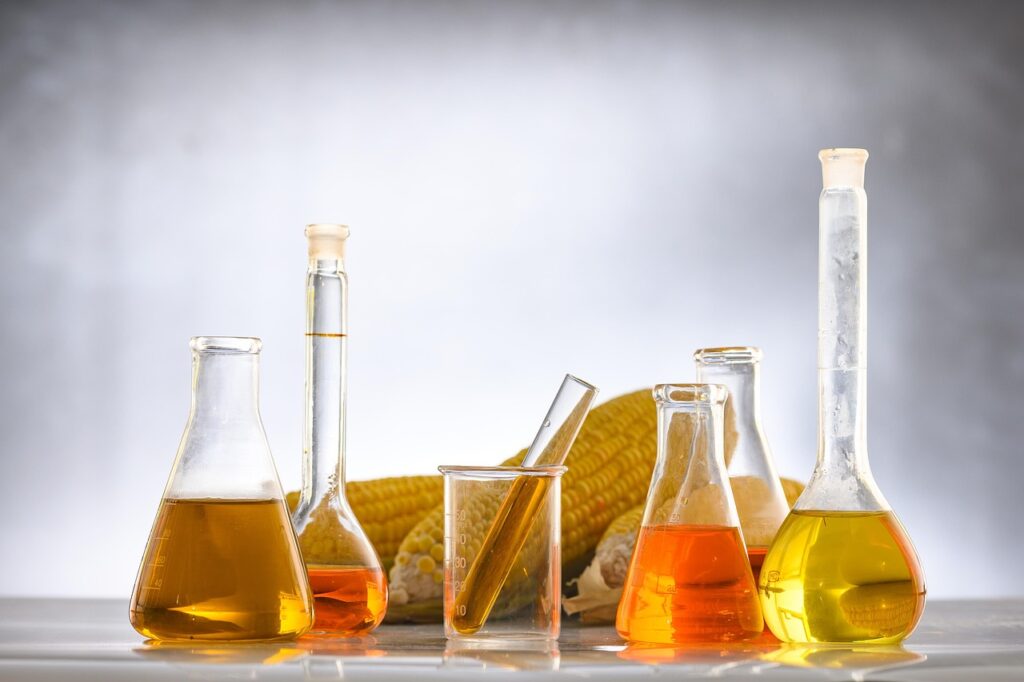
The decision to start an ethanol production plant in today’s energy-driven world presents a lucrative and eco-conscious business opportunity. With the Indian government pushing hard for ethanol blending programs and green fuel alternatives, ethanol has become a high-demand commodity in various sectors such as fuel, pharmaceuticals, chemicals, and beverages. The surge in the use of ethanol as a biofuel alternative to petrol has created a favorable environment for investors and entrepreneurs to tap into this industry. As per the Ethanol Blended Petrol (EBP) programme initiated by the Indian government, the country aims to achieve 20% ethanol blending with petrol by 2025, up from the current 12%. This presents massive room for expansion in domestic production capacity. Establishing an ethanol plant not only supports environmental sustainability but also offers high ROI, government subsidies, and long-term scalability. Let’s explore the comprehensive path to setting up an ethanol production plant. How to Start Ethanol Production Plant Successfully To start an ethanol production plant, one must focus on raw material sourcing, plant setup, licensing, technology integration, and market linkage. Here’s how. Visit this Page for More Information: Start a Business in Ethanol Industry Understanding Ethanol and Its Types Ethanol, also known as ethyl alcohol or grain alcohol, is a clear, colorless, flammable liquid produced through the fermentation of sugars by yeast or via chemical synthesis. It exists in various grades for different industries: Fuel Grade Ethanol (blended with petrol) Industrial Ethanol (used in paints, solvents, etc.) Pharmaceutical Grade Ethanol (used in drugs and sanitizers) Beverage Grade Ethanol (used in alcoholic drinks) Related Business Plan: Ethanol Manufacturing as Bio-Fuel Raw Materials Used in Ethanol Production There are two primary feedstock categories used in ethanol production: Sugar-Based Raw Materials: Sugarcane juice Molasses (by-product of sugar manufacturing) Starch-Based Raw Materials: Maize (corn) Broken rice Wheat Sorghum With the availability of agricultural waste and grains, India offers a rich resource base for consistent feedstock supply. Read Similar Articles: ETHANOL AND ALCOHOL INDUSTRY Ethanol Production Process The basic steps involved in the ethanol production process are: Fermentation: Raw material sugars or starches are fermented using yeast to produce ethanol. Distillation: The alcohol is separated and concentrated from the fermented mixture. Dehydration: Water is removed to achieve anhydrous ethanol (99.9% purity). Blending & Storage: The final ethanol is stored in tanks and dispatched for various uses. Modern ethanol plants use automated distillation columns, enzymatic hydrolysis, and zero liquid discharge (ZLD) systems for environmental compliance. Click here to send your queries/Contact Us Land, Machinery & Setup Requirements To start an ethanol production plant, consider the following setup essentials: Land Requirement: Minimum of 2–3 acres (near agricultural zones or sugar mills) Plant Capacity: Small (30 KLPD), Medium (60–100 KLPD), or Large (>250 KLPD) Key Machinery: Feedstock handling system Fermenters Distillation columns Evaporators & Dehydrators Boilers and power systems Effluent treatment plant Estimated Investment: Small plant (30 KLPD): ?25–30 crore Medium plant (60 KLPD): ?50–70 crore Related Feasibility Study Reports: Production Of Ethanol (ethyl Alcohol) From Broken Rice, Maize & Wheat Licenses and Government Approvals Starting an ethanol plant involves multiple clearances: Pollution Control Board clearance Fire and Safety License Explosive License (for fuel-grade ethanol) Factory license Drug License (if producing pharma-grade ethanol) FSSAI (for beverage ethanol) Excise duty registration Environment Clearance (EC) for plants above 30 KLPD Also, the Government of India offers capital subsidies up to 50% under the Ethanol Interest Subvention Scheme for new distilleries and expansion projects. Read our Books Here: Handbook on Biofuel, Ethanol and Bioenergy Based Products Profitability of Ethanol Production Business The profitability depends on plant capacity, raw material cost, and ethanol selling price. Production cost per liter: ?38–42 Selling price (to OMCs): ?60–65 per liter (fixed by govt.) Profit margin: ?15–20 per liter A 60 KLPD plant can generate over ?25–30 crores in annual revenue with EBITDA margins between 18%–25%. Challenges in Ethanol Business While the sector is booming, challenges include: Raw material price volatility (especially corn or molasses) Water-intensive process (requiring advanced ETPs) High capex for initial setup Transportation logistics for ethanol delivery However, with proper backward integration (own sugar mill or grain supply) and automation, these risks can be mitigated. Future Scope and Market Demand The Indian ethanol market is expected to reach USD 12 billion by 2030, with most demand coming from: Oil Marketing Companies (OMCs) for blending with petrol Pharma manufacturers Paint and solvent industries Alcoholic beverage brands India has a current deficit of over 2.5 billion liters of ethanol annually, making it a ripe market for new entrants. Conclusion The push towards biofuels and green energy has opened new doors for entrepreneurs looking to start an ethanol production plant. With government support, rising demand, and a structured policy framework, this business promises high returns, environmental impact, and national energy security. Whether you are an agro-entrepreneur, industrial investor, or infrastructure player, entering the ethanol production industry now can position you for long-term growth and profitability. Click here to send your queries/Contact Us Reasons for Buying NIIR Report: Our research report helps you get a detailed picture of the industry by providing an overview of the industry along with the market structure and classification. Our report provides market analysis covering major growth driving factors for the industry, the latest market trends and the regulatory framework of the industry. Our Report provides an analysis and in-depth financial comparison of major Players / Competitors. Our Report provides indispensable buyers’ data with their company financials as well as the contact details, which can be an important tool in identifying the target customers. Our report provides forecasts of key parameters which help to anticipate the industry performance. We use reliable sources of information and databases. And information from such sources is processed by us and included in the report. See More Links: Contact Us
Profitable Manufacturing Business Ideas for uPVC and CPVC Pipes
India’s ever-growing demand for durable plumbing, irrigation, and construction materials has significantly boosted the business of uPVC and CPVC pipes. These plastic-based piping solutions are now replacing traditional metal pipes due to their superior performance, corrosion resistance, cost-effectiveness, and longevity. With the government’s push toward smart cities, sanitation infrastructure, and rural water supply schemes, the market for plastic pipes has witnessed an annual growth rate of over 10%. This makes the business of uPVC and CPVC pipes not only scalable and profitable but also a strategic investment in the long run. Setting up a manufacturing unit for uPVC (Unplasticized Polyvinyl Chloride) and CPVC (Chlorinated Polyvinyl Chloride) pipes can serve multiple sectors including real estate, agriculture, and industrial processing. Whether you are a new entrepreneur or an established player looking to diversify, this business model offers opportunities with a healthy return on investment, supported by rising demand and robust supply chains. Click here to send your queries/Contact Us Overview of uPVC and CPVC Pipe Manufacturing The business of uPVC and CPVC pipes revolves around the extrusion molding process using polymer resin and additives. uPVC is widely used in cold water applications, sewage systems, and electrical conduits, while CPVC is designed to handle hot water and corrosive chemicals, especially in industrial and residential plumbing. Click here to send your queries/Contact Us Market Demand and Industry Growth India’s plastic pipe market was valued at ?30,000 crore in FY 2023 and is projected to surpass ?50,000 crore by FY 2028. The largest contributors include: Housing & Real Estate: Driven by increasing urbanization Agriculture: Irrigation pipes, borewells, and drip systems Industrial Use: Chemical-resistant pipelines in factories Water Supply Projects: Rural and municipal infrastructure uPVC holds a larger share of around 65%, while CPVC is growing rapidly at 14–15% CAGR due to high temperature tolerance and chemical resistance. Visit this Page for More Information: Start a Business in Pipe and Tubes Industry Raw Materials Required The raw materials necessary for this business include: uPVC Resin (K-value ~67) CPVC Compound Additives like stabilizers, lubricants, processing aids Calcium Carbonate (as a filler in some cases) Color Masterbatches All materials are available through local suppliers and chemical importers, especially in industrial zones like Gujarat, Maharashtra, and Tamil Nadu. Related Business Plan: Plastic (HDPE, PVC, UPVC and RCC) Pipes Manufacturing Process The production of uPVC and CPVC pipes generally involves the following steps: Material Mixing: Raw materials are dry-blended in high-speed mixers. Extrusion: The compound is melted and shaped into pipe through dies. Calibration & Cooling: Pipes are sized, cooled in vacuum tanks, and water baths. Haul-off & Cutting: Pipes are pulled and cut to standard lengths. Quality Testing: Pressure tests, impact tests, and dimension checks are conducted. Stacking & Packing: Pipes are bundled and prepared for dispatch. Automated extrusion lines ensure high efficiency and consistent quality. Read Similar Articles: PIPES AND TUBES BASED PROJECTS Machinery and Equipment Needed To start the business of uPVC and CPVC pipes, you’ll need: Twin screw extruders (for both uPVC and CPVC) High-speed mixers Vacuum sizing tanks Cooling tanks Haul-off units Pipe cutters Socketing/belling machines Testing equipment Investment Estimate: Small unit (capacity 300 kg/hr): ?1–1.5 crore Medium unit (600–800 kg/hr): ?2–3.5 crore Large-scale unit: ?5 crore+ Land requirement ranges from 8,000 sq. ft. to 30,000 sq. ft., depending on scale. Download PDF: Manufacturing Business of uPVC and CPVC Pipes Licensing & Compliance You’ll need the following registrations and approvals: Udyam MSME registration GST Registration Pollution Control Board NOC Factory License Bureau of Indian Standards (BIS) certification ISO certification (optional but recommended for credibility) CPVC and uPVC pipes are standardized under IS 4985, IS 13592, and IS 15778 by BIS. Related Feasibility Study Reports: PIPE & TUBES Projects Profit Margin and Return on Investment The profitability in the business of uPVC and CPVC pipes is quite attractive: Production cost per kg: ?70–?90 Market selling price: ?110–?150 per kg Gross margin: 25%–40% Annual ROI: 35%–50% (with good market penetration) A plant producing 1,500–2,000 tons/year can achieve annual revenues of ?20–30 crore. Applications and Customer Segments Your target markets include: Real Estate Developers – for building water supply and waste systems Plumbing Contractors – for new constructions and renovations Municipal Corporations – for drainage and water supply tenders Agricultural Suppliers – for irrigation solutions Retail Distributors – across hardware stores and construction suppliers Expanding into overseas markets such as the Middle East, Africa, and Southeast Asia is also possible, given rising construction activity. Challenges and Opportunities While opportunities are immense, consider these challenges: Intense competition from established brands BIS certification delays Volatility in raw material prices (especially PVC resin) Capital-intensive setup However, opportunities in government infrastructure projects, affordable housing, and smart city initiatives far outweigh these challenges if managed efficiently. Conclusion With an expanding construction sector, strict quality norms, and increasing consumer awareness, the business of uPVC and CPVC pipes is one of the most profitable and scalable manufacturing opportunities in India. By investing in the right machinery, obtaining necessary certifications, and targeting diverse customer segments, entrepreneurs can establish a sustainable and high-growth venture in this field. Read our Books Here: Handbook on Steel Bars See More Links: Contact Us
Manufacturing Plant of Red Chili Oleoresin | Red Chili Oleoresin Production Business
The global spice and flavoring market is booming, and one product that stands out in both demand and profitability is Red Chili Oleoresin. Extracted from dried red chilies, this concentrated compound contains the pungent and coloring principles of chili—capsaicin and capsanthin—used extensively in the food, pharmaceutical, and cosmetic industries. The growing popularity of ethnic cuisine, increased processed food consumption, and demand for natural colorants and flavor enhancers have made the Red Chili Oleoresin Production Business a highly lucrative opportunity for entrepreneurs and MSMEs alike. With India being the world’s largest producer and exporter of chili, setting up a red chili oleoresin unit offers a competitive edge in raw material availability, export potential, and government incentives. If strategically executed, this venture can yield high returns, sustained demand, and global recognition. Visit this Page for More Information: Start a Business in Spices Industry. Understanding Red Chili Oleoresin Production Oleoresin is a natural extract that captures both the essential oils and resins of red chili, offering the full flavor and heat in a concentrated form. The Red Chili Oleoresin Production Business involves solvent extraction, filtration, evaporation, and packaging—making it a chemical-based food processing business with immense scalability. Market Demand and Industry Insights The global oleoresin market is projected to reach USD 2.5 billion by 2027, with chili oleoresin accounting for a significant share. India alone exports over 20,000 tons annually, with major demand from: Food processing companies Hot sauce and seasoning manufacturers Pharmaceutical and pain relief product companies Cosmetic producers (for warming balms and creams) Countries like the USA, UK, Germany, and UAE are top importers of Indian chili oleoresin. Related Business Plan: Spices and condiments, Indian Kitchen Spices, Masala Powder Raw Materials Required Dried Red Chilies (Teja, Byadgi, and Sannam varieties preferred for high capsaicin and color content) Solvents like hexane or ethanol Stainless steel containers and extractor tanks Filter media and evaporation systems Reliable sourcing from Andhra Pradesh, Telangana, Karnataka, and Madhya Pradesh ensures year-round supply of high-quality red chilies. Download PDF: Plant of Red Chili Oleoresin Production Red Chili Oleoresin Manufacturing Business Plant Manufacturing Process Grinding: Dry red chilies are cleaned and ground to powder. Solvent Extraction: Chili powder is mixed with a solvent to extract oleoresin. Filtration: The extract is filtered to remove residues and impurities. Evaporation: Solvent is removed via distillation or vacuum evaporation. Standardization: The oleoresin is adjusted for desired capsaicin and color levels. Packaging: Final product is packed in food-grade containers, ready for bulk sale or export. This process requires compliance with food safety and solvent recovery norms to maintain hygiene and minimize environmental impact. Read Similar Articles: SPICES Machinery and Equipment Needed To launch the Red Chili Oleoresin Production Business, you need: Chili powder grinder Solvent extraction unit Filtration system Evaporator (vacuum-based preferred) Stainless steel storage tanks Bottling/packing equipment Fume hoods and exhaust system for safety Estimated Investment: Small-scale setup: ?30–50 lakhs Medium-scale plant: ?1–1.5 crores Large-scale export unit: ?2 crores+ Land requirement: 2,000–10,000 sq. ft depending on plant size and automation level. Related Feasibility Study Reports: Manufacturing Of Red Chilli Oleoresin Legal Compliances and Certifications Ensure you acquire: FSSAI License for food-grade production MSME/Udyam registration Factory License Pollution Control Board NOC Export-Import License (IEC Code) ISO 9001 / HACCP Certification (for export credibility) If solvents like hexane are used, additional licenses from the Excise Department and Safety Boards may be required. Profitability and ROI The Red Chili Oleoresin Production Business offers attractive profit margins: Production cost per kg: ?800–?1,000 Export price per kg: ?1,200–?2,000 (depending on capsaicin content) Gross profit margin: 35%–60% Break-even: 12–18 months (for medium-scale unit) You can earn ?1–2 crore in annual revenue with a processing capacity of 200–300 tons of chili per year. Read our Books Here: Spices And Condiments Cultivation Applications and Target Markets Chili oleoresin is widely used in: Food products: Soups, sauces, pickles, spice blends Pharmaceuticals: Topical pain relief creams, heat patches Cosmetics: Warming lotions and hair growth serums Animal Feed: As a natural growth promoter Textile and Leather: For natural dyeing and finishing You can supply to domestic processors, exporters, or build your own international client base through B2B platforms. Challenges and Mitigation Solvent safety: Use explosion-proof equipment and solvent recovery systems Export regulations: Comply with country-specific food and chemical norms Quality fluctuations: Source chilies from verified aggregators to maintain consistency Environmental concerns: Treat effluents and fumes per PCB guidelines Conclusion India’s dominance in chili production and the rising global appetite for natural food ingredients make the Red Chili Oleoresin Production Business a high-potential opportunity for MSMEs. Whether catering to domestic demand or tapping into exports, this business offers long-term sustainability, exceptional margins, and vast scalability. With a focused approach and technical know-how, you can establish a profitable enterprise in the growing oleoresin industry. Click here to send your queries/Contact Us See More Links: Contact Us