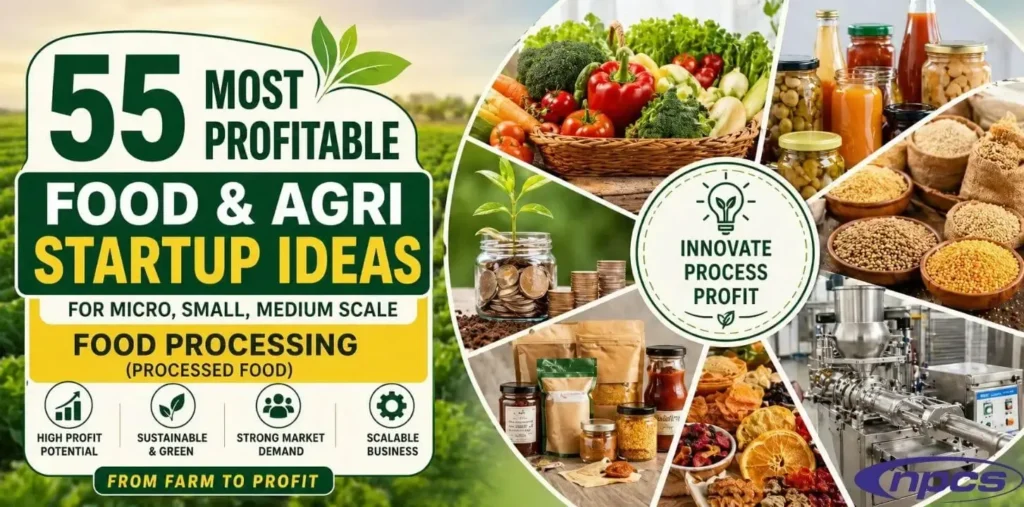
Which Businesses are the Most Promising?

In today’s fast-paced, innovation-driven world, entrepreneurs are constantly searching for most promising business opportunities that not only offer sustainable profitability but also future-proof potential. With evolving markets, changing customer behavior, and the digital revolution at its peak, it has never been more important to identify business models that are agile, scalable, and relevant. Emerging Business Ideas that Define the Future of Entrepreneurship 1. Green and Sustainable Product Manufacturing Consumers are becoming increasingly environmentally conscious. This shift has created lucrative openings in sustainable product businesses—from biodegradable packaging to eco-friendly personal care items. Entrepreneurs who innovate in creating reusable, recyclable, or compostable goods are not only contributing to environmental protection but also building trust and loyalty among modern consumers. Focus sectors include: Bamboo-based household products Compostable food containers Solar-powered appliances Eco-friendly clothing lines These ventures not only align with ESG goals but also receive incentives from governments in the form of subsidies and tax benefits, making them some of the most promising business ventures today. 2. Health Tech Startups The global health crisis has catalyzed innovation in health technology, making this industry one of the most investment-attractive. Whether it’s telemedicine, AI-based diagnostics, or wearable health monitoring devices, there is a growing appetite for technology that makes healthcare more accessible and efficient. Prominent areas for entry: Mobile health apps Remote patient monitoring AI-powered health analytics Mental wellness platforms This sector is driven by a strong demand curve, government backing, and an ever-expanding target market that includes aging populations and tech-savvy millennials. 3. Personalized Online Education Platforms As the traditional education system undergoes transformation, edtech startups that offer personalized, skill-based, and on-demand learning have emerged as game changers. Platforms that utilize adaptive learning algorithms, gamification, and community-driven learning models are gaining popularity across all age groups. Key niches to explore: K-12 tutoring apps Test prep platforms (UPSC, GRE, SAT) Corporate learning portals Niche courses in finance, coding, AI, and entrepreneurship The global online education market is expected to exceed $400 billion by 2030, securing it as a most promising business domain. 4. Subscription Box Services Subscription-based business models have exploded in popularity due to their predictability and consumer convenience. Whether it’s gourmet snacks, beauty products, wellness kits, or even pet supplies—there’s a niche subscription service for virtually every interest. Lucrative segments include: Organic snacks and beverages Wellness and self-care packages Books and stationery for niche readers Art and craft kits for kids Entrepreneurs can leverage D2C distribution and social media marketing to build cult followings and generate recurring monthly revenue streams. 5. AI-Powered SaaS Tools for SMEs Small and medium-sized enterprises are increasingly adopting AI-powered SaaS solutions to streamline operations, improve customer engagement, and enhance decision-making. Businesses that develop easy-to-integrate platforms for CRM, payroll, inventory, or marketing automation are solving real pain points. High-potential ideas: AI customer support bots Automated invoicing software Workflow optimization tools Data visualization dashboards The stickiness of SaaS products ensures steady revenue while offering tremendous scope for scaling and upselling. 6. E-commerce Niches with Hyperpersonalization While general e-commerce is competitive, niche marketplaces that offer hyper-personalized products are carving out profitable markets. This includes made-to-order fashion, customized fitness regimes, and personalized home décor. Examples worth exploring: Personalized jewelry and accessories AI-curated fashion subscriptions Custom furniture design platforms Tailored fitness and nutrition programs Such businesses benefit from deep customer engagement, high average order values, and excellent word-of-mouth traction. 7. Urban Farming and AgriTech Innovations Urbanization has created a pressing need for sustainable food systems, giving rise to urban farming and agri-tech solutions. Startups using hydroponics, vertical farming, and drone-based crop monitoring are being welcomed as the future of food. Prominent trends: Rooftop vegetable farming Smart irrigation systems AI-based crop monitoring apps Direct farm-to-fork delivery models Not only does this support local food production, but it also addresses global food security concerns, making it one of the most promising business ventures in years to come. 8. Remote Work Infrastructure Services As remote work becomes normalized, businesses that offer services to support this transition are in high demand. These include coworking spaces in smaller towns, virtual office assistants, cybersecurity solutions, and remote employee engagement platforms. Opportunity zones: Virtual HR and payroll services Project collaboration tools Digital nomad travel packages Online coworking and networking communities This model thrives on B2B partnerships and high-value subscription packages, with minimal overhead costs. 9. Content Creation and Creator Economy Platforms The rise of influencers, streamers, podcasters, and independent creators has opened up a booming industry around content monetization. Entrepreneurs can build tools that help creators with analytics, audience engagement, monetization, and content distribution. Promising verticals: Creator management SaaS tools Micro-subscription platforms Marketplace for NFTs and digital collectibles AI-powered content editing and scheduling apps This growing segment capitalizes on the booming creator economy and offers repeat customers with long-term value. 10. Digital Finance and Fintech Services Fintech continues to disrupt traditional banking and investment services. From UPI apps to crypto platforms, the digitization of financial services is not only irreversible but also ripe for new entrants. This is one of the most promising business areas for tech-savvy entrepreneurs. Key business models: Digital-only neobanks Peer-to-peer lending platforms AI-based credit scoring Micro-investment and robo-advisory services Fintech startups are attractive to VCs and enjoy strong user adoption due to high convenience and low entry barriers. 11. Ethical and Sustainable Fashion Labels Consumers, especially Gen Z and millennials, are increasingly supporting brands that prioritize ethics and sustainability. Fashion startups that use organic materials, fair trade labor, and transparent supply chains are creating strong brand identities and customer loyalty. Ideas to pursue: Upcycled or recycled clothing lines Rent-a-fashion platforms Vegan leather goods Inclusive sizing and adaptive clothing With growing awareness around fast fashion’s environmental impact, this niche holds significant promise and global scalability. 12. Specialized Logistics and Last-Mile Delivery As e-commerce and hyperlocal delivery surge, there’s a significant need for specialized logistics solutions. From cold chain services to drone-based delivery systems, logistics tech is a growing and underexplored field. Top opportunities: Cold storage delivery for food and medicine Green logistics with electric vehicles Delivery

Book on Manufacture of Pan Masala, Tobacco and Tobacco Products

The Pan Masala & Tobacco Manufacturing industry has witnessed exponential growth in India and several neighboring countries over the last few decades. With increasing demand, evolving consumer preferences, and a vast distribution network, this sector presents a lucrative opportunity for entrepreneurs and manufacturers alike. From sourcing raw materials to establishing production lines, navigating the regulatory environment, and ensuring quality standards, this guide provides a comprehensive overview of everything you need to know. Understanding the Pan Masala & Tobacco Manufacturing Industry The Pan Masala & Tobacco Manufacturing sector primarily deals with the formulation, production, packaging, and distribution of smokeless tobacco and non-tobacco mouth fresheners. Pan masala typically includes areca nut (supari), slaked lime, cardamom seeds, and catechu. When combined with tobacco, it becomes gutkha. Despite regulatory restrictions in some states, the market remains substantial due to consumer demand and the cultural legacy of these products. Raw Materials and Ingredients A successful Pan Masala & Tobacco Manufacturing unit relies on the availability and quality of raw materials. These include: Areca Nut (Supari): Sourced predominantly from the southern states of India. Tobacco Leaves: Nicotiana tabacum is the most commonly used species, with variations based on flavor and strength. Cardamom, Catechu, Lime: Essential flavoring and binding agents. Perfumes and Spices: Proprietary blends create brand uniqueness. Sweeteners and Colorants: Used to enhance taste and appearance. Procurement must be streamlined with verified suppliers to ensure consistency in production quality. Production Process The manufacturing process of pan masala and tobacco products involves several intricate steps to ensure the final product is hygienic, flavorful, and compliant with health standards. Cleaning and Grading: Raw materials are cleaned to remove dirt and impurities. Drying and Roasting: Areca nuts are roasted to a precise temperature for crispness. Blending: Tobacco or non-tobacco ingredients are mixed with spices and flavors in accurate proportions. Flavoring: Essential oils and aromatic agents are added to elevate sensory appeal. Packaging: Products are packed in moisture-resistant pouches using automated machines, maintaining hygiene and extending shelf life. Experts recommend using automation and the latest machinery to ensure high output, consistent quality, and minimal wastage. Regulatory Compliance and Licensing Multiple regulatory frameworks govern the Pan Masala & Tobacco Manufacturing business in India. FSSAI License: For food-grade products like non-tobacco pan masala. Central Excise Registration: Mandatory for tobacco-containing products. Pollution Control Clearance: Due to the environmental impact of production. GST Registration: For tax compliance. BIS Standards and Packaging Label Rules: For health warnings and statutory information. It is imperative to stay updated on regulatory changes, especially since pan masala and gutkha face scrutiny in various states due to health concerns. Market Analysis and Target Demographics The demand for Pan Masala & Tobacco Manufacturing products primarily stems from both rural and urban populations. A large section of consumers includes middle and lower-income groups due to affordability and availability. However, premium segments are also evolving, offering higher margins for flavored, herbal, and imported products. Marketing strategies should focus on: Brand Loyalty: Consumers tend to stick to familiar tastes. Distribution Networks: Retail shops, pan kiosks, and wholesale markets play a key role. Advertising Restrictions: Comply with national bans on tobacco advertising; instead, use surrogate marketing techniques carefully. Setting Up a Manufacturing Unit Establishing a Pan Masala & Tobacco Manufacturing plant requires attention to infrastructure, compliance, and efficiency. Below are critical components: Location: Industrial zones with easy logistics access are ideal. Machinery: Mixers, dryers, slicers, and automated packaging machines. Workforce: Skilled and trained personnel to manage production and quality control. Storage Facilities: Well-ventilated, dry areas for raw material and finished product storage. Quality Control Lab: For routine inspection of product safety, moisture content, and consistency. Initial investment can range from ?25 lakh to ?1 crore depending on scale, automation, and product range. Cost Structure and Profitability The profitability of Pan Masala & Tobacco Manufacturing depends on volume, cost management, and branding. Typical costs include: Raw Material Cost: 30-40% of the total. Labor and Utilities: 15-20%. Packaging and Transportation: 10-15%. Licensing and Compliance: One-time and recurring fees. Marketing and Branding: Varies with scale. With efficient operations, ROI can be expected within 12-18 months. Key Challenges and Risk Mitigation This industry faces numerous challenges such as: Regulatory Restrictions: State-wise bans and labeling mandates. Health Backlash: Growing awareness and activism against tobacco. Counterfeit Products: Compromising brand value and consumer trust. To mitigate these risks: Diversify Products: Include herbal or tobacco-free pan masala. Invest in Quality Assurance: Maintain consistent standards. Build a Strong Distribution Chain: Ensure availability and brand presence. Future Outlook and Opportunities Despite increasing regulation, the Pan Masala & Tobacco Manufacturing sector shows growth potential due to: Rural Market Penetration: Expansion in tier 2 and 3 cities. Premiumization: Demand for premium, flavored, and export-quality products. Export Potential: Countries like UAE, Nepal, Bangladesh, and African nations offer solid demand for Indian-origin products. Entrepreneurs can also explore opportunities in contract manufacturing, private labeling, and exports. Best Practices for Success To thrive in the Pan Masala & Tobacco Manufacturing business: Maintain Ethical Standards: Transparency, hygiene, and truthful labeling. Leverage Technology: Automate to reduce labor dependency and error. Engage in R&D: Innovate flavors and reduce harmful content. Focus on Sustainability: Adopt eco-friendly practices and packaging. Comply with Legal Norms: Regular audits and consultations with legal experts. By following these strategies, manufacturers can not only survive but thrive in this evolving marketplace. Visit the page Select and Choose the Right Business Startup for You for sorting out the questions arising in your mind before starting any business and know which start-up you can plan. We, at NPCS, endeavor to make business selection a simple and convenient step for any entrepreneur/startup. Our expert team, by capitalizing on its dexterity and decade’s long experience in the field, has created a list of profitable ventures for entrepreneurs who wish to diversify or venture. We update the list regularly to give you a steady stream of new and emerging opportunities. Contact Us

Milk & Dairy Processing Business Ideas

As consumer awareness continues to shift towards healthy, organic, and locally produced foods, the Milk & Dairy industry stands tall as one of the most lucrative and sustainable agribusiness sectors for 2025. Whether it’s traditional dairy processing or innovative value-added products, entrepreneurs are identifying tremendous opportunities in this space. Lucrative Opportunities in the Milk & Dairy Industry The Milk & Dairy sector offers an incredible spectrum of business models ranging from small-scale artisanal production to large industrial operations. With a rising demand for health-conscious alternatives and growing urban consumption, there’s never been a better time to explore diversified avenues in dairy processing. 1. Organic Milk Production Unit Consumers are increasingly favoring organic milk, free from antibiotics, synthetic hormones, and chemicals. Launching an organic dairy farm requires stringent adherence to organic feeding practices, natural grazing, and ethical animal treatment. By focusing on quality and certification, producers can command premium prices in urban and export markets. Key Features: Requires organic certification High-profit margins Strong market among health-conscious and elite consumers 2. Paneer and Cheese Processing Plant The demand for paneer (cottage cheese) and gourmet cheeses is rapidly expanding in India and globally. Setting up a medium-scale paneer and cheese production facility can be a high-return investment. The Indian palate, traditionally inclined towards paneer, is now opening up to mozzarella, cheddar, gouda, and other western varieties. Revenue Opportunities: Retail sales to supermarkets and restaurants Contract manufacturing for branded companies Export to niche ethnic markets 3. Flavored Milk and Milkshake Bottling Unit Youth-centric, convenient, and highly palatable, flavored milk and ready-to-drink milkshakes are soaring in popularity. With vibrant packaging and extended shelf life, these beverages cater well to busy urban lifestyles. Investing in UHT processing, aseptic packaging, and exciting flavors like strawberry, coffee, vanilla, and chocolate can set your brand apart. Advantages: Fast-moving consumer product Strong branding opportunities Year-round sales potential 4. Ghee (Clarified Butter) Manufacturing Business Ghee, a staple in Indian households, Ayurveda, and gourmet cooking, continues to be a high-demand product. A Milk & Dairy business focusing on traditional and artisanal ghee processing can capture both domestic and international buyers. Premium categories like cow ghee, A2 ghee, or flavored herbal ghee offer superior margins. Production Tip: Focus on sourcing high-butterfat milk Use slow-cooking techniques to enhance aroma and flavor Opt for glass or eco-friendly packaging to target the premium segment 5. Ice Cream Production Facility Ice cream remains an evergreen favorite among all age groups. Entrepreneurs can choose between budget-friendly soft-serve stalls or industrial-scale manufacturing of premium brands. Innovative offerings such as low-fat, vegan, or probiotic ice creams are trending and tapping into new customer bases. Success Strategies: Partner with cafes and parlors Launch seasonal and limited-edition flavors Leverage social media to create viral dessert trends 6. Milk Powder and Infant Formula Unit Milk powder and infant nutrition products have strong demand in both B2B and B2C channels. A processing unit to convert liquid milk into powder using spray drying technology is capital-intensive but highly scalable. Regulatory compliance and precision are key in this segment, especially for infant and medical nutrition. Market Edge: Long shelf life High export potential B2B supply to food processing and confectionery companies 7. Cultured Dairy Products: Yogurt, Lassi, Buttermilk With wellness trends rising, fermented dairy like probiotic yogurt, Greek yogurt, lassi, and buttermilk are enjoying surging demand. These products can be made on a small or large scale with excellent scope for regional flavor variations. Startup Potential: Affordable setup with local sourcing Seasonal product customization Expanding appeal among fitness and health consumers 8. Value-Added Butter and Cream Processing Butter, table cream, and whipped cream are vital dairy derivatives with extensive uses in household cooking, baking, hotels, and restaurants. A unit that processes and packages fresh cream and butter can cater to institutional buyers and retail chains. Operational Considerations: Need for cold storage and transport B2B alliances with bakers and caterers Flavored butters (garlic, herb, chili) are a growing niche 9. Specialty A2 Milk and Breed-Based Milk Products A2 milk, derived from indigenous cow breeds like Gir or Sahiwal, is considered healthier and easier to digest. Consumers are willing to pay a premium for breed-specific milk, which is seen as superior in nutritional value. A2 ghee, curd, and paneer also carry high market value. Growth Factors: Strong brand narrative and storytelling Targeting urban families and children Government subsidies for indigenous breeds 10. Milk Vending and ATMs Milk ATMs are smart vending machines dispensing chilled milk to urban customers, reducing packaging waste and promoting fresh delivery. These are gaining traction in Tier 1 and Tier 2 cities. This model requires a tie-up with local dairy farms and is ideal for entrepreneurs seeking low-overhead businesses. Why It Works: Convenient and eco-friendly Can be deployed in gated communities, markets, schools Digital payment enabled for easy access Support Services and Ancillary Dairy Businesses Beyond direct milk processing, there are several allied services entrepreneurs can venture into within the Milk & Dairy industry: Cold Chain Logistics: Ensuring temperature-controlled transport for perishable dairy items. Dairy Farm Equipment Leasing: Milking machines, chilling tanks, packaging systems. Veterinary and Nutrition Services: For animal health and milk yield optimization. Dairy Consulting and Certification Services: For farms seeking FSSAI and organic licenses. Digital Transformation in Dairy Modern Milk & Dairy businesses must embrace digital tools for process efficiency, traceability, and customer engagement. Key digital trends in 2025 include: IoT-enabled milk quality monitoring Blockchain traceability for ethical sourcing E-commerce platforms for direct-to-consumer sales Mobile apps for farm-to-door delivery tracking Challenges and Solutions in Dairy Entrepreneurship Despite the opportunities, the Milk & Dairy industry faces challenges like fluctuating milk prices, fodder scarcity, and regulatory hurdles. However, solutions exist: Fodder banks and hydroponic systems to manage feed Digital milk procurement apps to ensure fair pricing to farmers Public-private partnerships for cold chain infrastructure Conclusion The Milk & Dairy industry in 2025 presents a wealth of profitable business ideas for aspiring entrepreneurs. From organic milk and artisan cheese to milkshakes, ghee, and milk powder, the sector is evolving rapidly with changing consumer

Production of Polyester Fiber from Corn/Starch.

Corn fibre, also known as PLA (Polylactic Acid) fiber, has emerged as one of the most promising eco-friendly alternatives to synthetic fibers like polyester. As environmental concerns grow globally, corn fibre manufacturing has positioned itself at the forefront of sustainable textile innovation. This revolutionary biodegradable fiber, derived from renewable resources such as corn starch or sugarcane, provides not only environmental benefits but also commercial viability. Understanding the Corn Fibre Manufacturing Process The corn fibre manufacturing process is an elegant convergence of biotechnology, polymer science, and industrial engineering. The entire chain begins with corn, but ends with a highly functional, biodegradable, and market-ready fiber ideal for textiles, packaging, and more. 1. Harvesting and Processing Corn Starch The process starts with non-edible corn varieties, rich in starch content. The corn is harvested and then milled to separate the starch from the rest of the plant material. This starch, primarily composed of glucose, becomes the raw feedstock for producing lactic acid – the precursor to corn fibre. 2. Fermentation into Lactic Acid Once the glucose is extracted, it is subjected to fermentation using specialized bacteria. In a controlled environment, these microorganisms metabolize the sugars and convert them into lactic acid. This natural fermentation process is highly efficient and environmentally friendly, producing minimal toxic waste. 3. Polymerization to Produce PLA The lactic acid is then chemically polymerized into Polylactic Acid (PLA). This is achieved through a process called condensation polymerization, where monomers of lactic acid link together to form long polymer chains. The result is a resin-like substance – PLA – which serves as the base material for fiber production. 4. Melt Spinning into Fibers Next, the PLA resin is melted and extruded using a technique called melt spinning. This process involves heating the PLA until it becomes a viscous liquid, which is then forced through tiny holes (spinnerets) to create continuous filaments. Once extruded, these filaments are cooled, stretched, and wound onto spools. 5. Drawing and Crimping The freshly spun fibers are then subjected to drawing, a mechanical stretching process that aligns the polymer molecules and enhances the fiber’s strength. Subsequently, the fibers undergo crimping, where they are textured into a wavy form to increase bulk and improve their textile properties. 6. Cutting and Baling After crimping, the fibers are cut into staple lengths, making them suitable for spinning into yarn or blending with other fibers. Finally, the staple fibers are baled and packaged, ready for shipment to textile manufacturers. Advantages of Corn Fibre in Modern Industry Corn fibre’s properties provide compelling advantages across various industries: Biodegradability: Corn fibre decomposes in industrial composting environments within months, reducing plastic pollution. Breathability and Softness: Fabrics made from corn fibre are breathable, soft, and skin-friendly, making them ideal for clothing and home textiles. Thermal Insulation: PLA fibers offer superior heat retention, making them excellent for insulation in jackets and blankets. Low Environmental Impact: Unlike traditional polyester, which is petroleum-based, corn fibre is derived from renewable resources. Market Opportunities for Polyester Fiber Alternatives As sustainability becomes a mainstream demand, businesses are shifting toward bio-based fibers. Corn fibre manufacturing presents lucrative opportunities in: Textile Industry: Ideal for sportswear, casual wear, children’s clothing, and innerwear due to its natural feel. Packaging Sector: PLA films and wraps made from corn fiber are now replacing single-use plastics. Medical and Hygiene Products: Due to its biocompatibility and breathability, PLA is used in wipes, surgical gowns, and masks. By capitalizing on the global demand for sustainable alternatives, entrepreneurs entering this market can benefit from high ROI and government support schemes encouraging green technology. How to Start a Corn Fibre Manufacturing Business Venturing into the corn fibre manufacturing business involves technical knowledge, financial investment, and strategic planning. Here’s how we approach it step-by-step: Step 1: Feasibility Analysis and Market Research Before setting up, conduct a comprehensive market survey to understand: Current demand trends Key players and pricing Export opportunities Local availability of raw materials (corn) A feasibility study will also help determine the investment scale and potential ROI. Step 2: Business Registration and Licensing Set up your entity by registering as a Private Limited Company, LLP, or Proprietorship, based on the business model. Obtain necessary licenses such as: Pollution Control Board NOC Factory License GST Registration Import-Export Code (if targeting global markets) Step 3: Machinery and Equipment Core machinery required includes: Starch extraction unit Fermentation reactors PLA polymerization plant Melt spinning machines Crimping and cutting systems Ensure all equipment is sourced from certified and reliable manufacturers, preferably with post-sales support and automation features for higher output. Step 4: Location and Infrastructure Select a site close to corn-producing regions to reduce transportation costs. The facility should have: Adequate power supply Water treatment systems Waste disposal mechanisms Space for storage and packaging Step 5: Skilled Workforce and Training Hire skilled personnel in biochemical engineering, polymer processing, and machine operations. Provide training on safety procedures, quality control, and equipment handling. Investment and Profitability Outlook The capital required to set up a medium-scale corn fibre manufacturing plant ranges from ?5 crore to ?20 crore depending on the capacity and level of automation. Operating costs include: Raw material procurement Electricity and water Labor and maintenance Transportation and logistics Profit margins in this segment can range between 20% to 30%, especially if you establish tie-ups with textile mills or export markets. Government incentives on green manufacturing, such as subsidies under MSME schemes, further improve profitability. Challenges and Risk Management While the industry is promising, new entrants must prepare for: High initial investment Technological expertise requirement Competition from cheaper synthetic alternatives Need for constant R&D for product innovation To overcome these, adopt strategies such as vertical integration, branding the eco-value proposition, and building partnerships with sustainable fashion brands. Future Outlook of Corn Fibre Industry With rising global concern over microplastics and synthetic textile waste, the corn fibre manufacturing industry is poised for exponential growth. By 2030, biopolymer-based textiles are expected to capture a significant portion of the synthetic fiber market. Innovations in corn fibre blending and dyeing, coupled with circular

Men & Women Undergarment Manufacturing Business

The undergarment manufacturing industry is one of the most consistently growing sectors in the global textile and apparel market. As consumer awareness about comfort, design, and hygiene continues to rise, the demand for quality innerwear across all demographics is reaching new heights. From men’s briefs and boxers to women’s lingerie and children’s innerwear, undergarments are a staple product with year-round demand, offering excellent business potential. Comprehensive Guide to Starting an Undergarment Manufacturing Business Understanding the Undergarment Market Potential In today’s fashion-conscious and comfort-driven world, undergarment manufacturing represents a dynamic business with sustainable scalability. Globally, the market is forecasted to grow at a CAGR of over 6% in the coming years. The Indian innerwear market alone is projected to surpass USD 11 billion by 2025, with women’s lingerie accounting for a significant share. The rise in disposable incomes, shifting lifestyle preferences, e-commerce penetration, and awareness around intimate hygiene have collectively turned undergarments from basic necessities into lifestyle products. With new brands and private labels emerging rapidly, the sector provides opportunities for manufacturers aiming for both local and international reach. Types of Undergarments You Can Manufacture Diversity in product offerings plays a major role in the success of a undergarment manufacturing business. Some of the most popular categories include: Men’s Innerwear: Briefs, trunks, boxers, vests, thermal wear Women’s Innerwear: Bras, panties, camisoles, shapewear, maternity wear, bralettes Kids’ Innerwear: Gender-neutral and age-specific designs, cotton vests, underwear sets Specialty Products: Sports bras, seamless underwear, moisture-wicking fabrics, bamboo fabric wear By specializing in niche products or offering a wide range of categories, manufacturers can cater to varied market segments. Key Steps to Establish Your Manufacturing Unit To launch a successful undergarment manufacturing venture, a strategic approach is essential. Here are the critical steps to set up your business: 1. Market Research and Business Planning Start with in-depth research on the target audience, competitive landscape, price points, and supply chain models. Decide whether you want to manufacture for your own brand or act as an OEM (original equipment manufacturer) for established labels. Develop a robust business plan with projected financials, machinery investment, raw material procurement, sales strategy, and break-even analysis. 2. Business Registration and Legal Formalities Register your business entity (Proprietorship/LLP/Pvt Ltd) and obtain the required licenses: GST Registration Udyam (MSME) Registration Factory License (if applicable) Trademark registration (for your brand) Adhering to labor laws and environmental norms is also crucial. 3. Selecting the Right Location and Infrastructure Choose a location with adequate access to labor, transportation, and raw materials. Ideally, a semi-urban or industrial area will help keep rental and operational costs low. Ensure the facility has space for: Cutting and stitching units Washing and drying section Quality control and inspection Storage and packaging Office administration 4. Procuring Machinery and Equipment Machinery required for undergarment manufacturing depends on the scale and type of production. Common machines include: Flatlock and overlock machines Zigzag sewing machines Elastic attaching machines Button and hook attaching tools Fabric cutting tables Steam ironing setup Automated or semi-automatic setups can improve efficiency and reduce human errors. 5. Raw Materials and Fabric Selection High-quality, skin-friendly fabrics are vital for customer retention. Cotton, spandex, modal, nylon, polyester blends, and bamboo fabrics are commonly used. Sourcing from reliable suppliers ensures consistency and quality. Elastic bands, hooks, padding, lace, and accessories also form a large part of the input inventory. 6. Skilled Manpower and Training Hiring experienced tailors, cutting masters, quality control professionals, and packaging workers is crucial. For long-term sustainability, invest in training and upskilling programs to maintain high production standards. 7. Quality Control and Compliance Maintaining uniform quality standards is non-negotiable. Regular inspections, size accuracy, seam strength checks, and comfort tests are essential. Compliance with hygiene and safety standards boosts brand reputation. For exports, adherence to international certifications such as ISO, OEKO-TEX, and GOTS (for organic wear) is important. Branding, Packaging, and Marketing Strategy The undergarment business thrives on trust, comfort, and branding. A memorable brand identity, consistent quality, and stylish packaging enhance customer loyalty. Product Branding and Positioning Decide on your brand persona: are you targeting luxury, mid-range, or budget-conscious consumers? Your logo, tagline, and visual presentation should align with your brand’s voice. Packaging Essentials Attractive yet functional packaging protects the product and influences buying decisions. Use eco-friendly materials to appeal to environmentally conscious buyers. Digital Marketing and Sales Channels A strong online presence is indispensable for success in undergarment manufacturing. Consider the following channels: Own eCommerce Website: Showcase your collections with size guides and customer reviews. Online Marketplaces: Amazon, Flipkart, Myntra, etc., offer wide reach. Social Media: Leverage Instagram, Pinterest, and Facebook for visual marketing. Influencer Collaborations: Partner with micro-influencers and fashion bloggers. Offline Retailers: Distribute through multi-brand outlets and specialty lingerie stores. SEO-optimized product listings, ad campaigns, and retargeting strategies will help attract and retain customers. Cost Structure and Investment Estimate An approximate cost breakdown to start a small to mid-sized undergarment manufacturing business is as follows: Cost Component Estimated Cost (INR) Factory Setup & Rent ?5,00,000 – ?10,00,000 Machinery and Equipment ?10,00,000 – ?15,00,000 Raw Materials (Initial Stock) ?5,00,000 – ?8,00,000 Labor and Staff Salaries ?2,00,000 – ?4,00,000 Branding & Marketing ?3,00,000 – ?6,00,000 Miscellaneous Expenses ?2,00,000 – ?3,00,000 Total Investment: ?25,00,000 – ?45,00,000 (approx.) With proper planning, the business can break even within 12–18 months and offer ROI upwards of 25% annually. Challenges in the Industry Though lucrative, undergarment manufacturing also poses challenges such as: Fluctuating raw material costs Managing diverse size standards Intense competition from big brands Handling returns and defective pieces in e-commerce Mitigating these challenges requires agile supply chain management and consistent innovation. Future Scope and Expansion Opportunities The future of undergarment manufacturing lies in: Sustainable Fabrics: Organic cotton, bamboo, recycled polyester Smart Innerwear: Thermoregulating, odor-control fabrics Custom Fit Solutions: AI-based size predictions, made-to-order services Global Exports: Supplying to emerging markets and luxury brands Scalability can be achieved through franchise models, collaborations, and vertical integration. If you’re looking to enter a high-demand, high-repeat industry with moderate investment and huge growth potential, undergarment manufacturing could be

Optical Fibre Manufacturing Industry.

In an era defined by digital connectivity and data transmission, the optical fibre manufacturing industry has emerged as a cornerstone of global telecommunications and data infrastructure. From internet backbones and submarine cables to medical instruments and industrial applications, optical fibre plays a crucial role in enabling high-speed, high-capacity communications. Current Landscape of Optical Fibre Manufacturing Industry The optical fibre manufacturing sector has witnessed robust growth, driven by the rapid expansion of internet services, the proliferation of smart devices, and the increasing demand for faster and more reliable communication networks. As 5G networks roll out globally and cloud computing continues its upward trajectory, the demand for optical fibre is expected to escalate significantly in the coming years. What is Optical Fibre and Why is it Vital? Optical fibre is a thin, flexible strand of pure glass or plastic that transmits light signals over long distances. These fibres are bundled into cables and are capable of transmitting large volumes of data at the speed of light, with minimal loss. This capability makes them indispensable in telecommunications, where high-speed data transmission is paramount. Key advantages of optical fibres include: High bandwidth and data-carrying capacity Low signal attenuation and interference Lightweight and space-efficient cable structure Enhanced security for data transmission Overview of the Manufacturing Process Optical fibre manufacturing involves a highly technical and precise process to ensure signal clarity, strength, and durability. The process can be divided into the following major stages: 1. Preform Fabrication The manufacturing begins with the creation of a glass preform. This cylindrical glass rod serves as the template for drawing the fibre. There are several methods for preform fabrication, including: Modified Chemical Vapor Deposition (MCVD) Outside Vapor Deposition (OVD) Vapor Axial Deposition (VAD) In each method, gaseous chemicals like silicon tetrachloride (SiCl?) and germanium tetrachloride (GeCl?) react in the presence of oxygen and heat to deposit glass layers, forming the core and cladding of the fibre. 2. Fibre Drawing Once the preform is ready, it is heated in a furnace to temperatures exceeding 2000°C. The molten end of the preform is drawn downwards into a thin fibre strand. As it cools, it retains the precise core-cladding structure of the original preform. The drawing process is controlled with extreme precision to ensure uniform diameter—typically around 125 microns. 3. Coating and Curing The freshly drawn fibre is coated with one or more protective polymer layers to guard against moisture, physical damage, and microbending. These coatings are cured using ultraviolet (UV) light to ensure durability without compromising flexibility. 4. Testing and Quality Assurance Every metre of fibre undergoes rigorous quality checks, including: Attenuation testing Tensile strength evaluation Microbending and macrobending loss assessments Geometrical measurements for diameter and concentricity Authorities approve only fibres that meet stringent international standards like ITU-T G.652 or G.657 for commercial use. 5. Cabling and Packaging After testing, optical fibres are bundled into cables, which may include additional protective layers, strength members, and moisture barriers depending on their intended application—whether underground, aerial, or submarine installations. Key Players and Manufacturing Hubs Leading companies in the global optical fibre manufacturing industry include: Corning Inc. (USA) Prysmian Group (Italy) Fujikura Ltd. (Japan) Sumitomo Electric Industries (Japan) Sterlite Technologies (India) Major manufacturing hubs have emerged in countries such as China, India, Japan, the USA, and South Korea, leveraging their domestic demand and export potential. Market Trends and Innovations The optical fibre manufacturing landscape is rapidly evolving. Some of the major trends shaping the future of the industry include: 1. Shift Towards Bend-Insensitive Fibres With increased use in confined indoor environments and FTTx deployments, bend-insensitive fibres (e.g., ITU-T G.657) are gaining traction. These fibres maintain signal strength even when bent at tight angles. 2. Green Manufacturing Practices Environmental regulations and sustainability goals have prompted manufacturers to reduce carbon footprints by adopting: Low-emission furnaces Efficient gas recycling systems Water conservation techniques 3. High Fibre Count Cables To meet the rising bandwidth demand, manufacturers are developing ultra-high fibre count cables—sometimes exceeding 6,000 fibres per cable—for hyperscale data centres and telecom backbones. 4. Integration with 5G and IoT Networks The deployment of 5G networks and expansion of IoT devices necessitate a robust optical fibre backbone to handle the sheer volume of data traffic. This integration is creating unprecedented demand for high-performance, low-latency optical networks. Challenges in the Industry Despite its promising growth trajectory, the optical fibre manufacturing industry faces several challenges: Volatility in raw material costs, especially for specialty gases and rare earth elements Capital-intensive setup, requiring substantial investment in machinery and R&D Technical skill shortage in some regions, affecting the quality and pace of production Geopolitical and trade tensions impacting global supply chains Overcoming these challenges requires continuous innovation, upskilling of the workforce, and strategic partnerships across the value chain. Opportunities for Investment and Expansion As nations invest in smart cities, digital infrastructure, and broadband-for-all initiatives, the market for optical fibre continues to expand. Some of the most promising opportunities include: Emerging markets in Africa and Southeast Asia, where internet penetration is still growing 5G-enabled industrial automation, requiring high-capacity, ultra-low latency fibre networks Cloud and data centre connectivity, which demands redundant, high-speed optical links Healthcare and military-grade fibre applications, where data integrity and speed are critical Future Outlook of Optical Fibre Manufacturing The future of optical fibre manufacturing is bright, with the global market projected to exceed USD 20 billion by 2030. As digital transformation deepens across sectors, fibre optics will continue to form the spine of modern communication. Manufacturers must focus on: Agile production systems Intelligent process automation Customized solutions for diverse applications Innovation, cost-efficiency, and adaptability will be the key pillars driving competitiveness and growth in the industry. Contact Us

Food Processing Business in India

India’s food processing sector is one of the largest in the world and continues to grow rapidly due to increasing demand for packaged foods, urbanization, rising incomes, and export potential. The country is blessed with abundant agricultural resources, which makes it a promising hub for food entrepreneurs. With a growing middle class and evolving dietary preferences, the time has never been better to explore food processing business ideas in India. Understanding the Scope of Food Processing Business in India The food processing industry in India plays a pivotal role in linking Indian farmers to the consumers. According to reports, India processes only about 10% of its agricultural output, leaving immense room for growth and innovation. With support from the Indian government through subsidies, financial aid, and initiatives like “Make in India,” setting up a food processing unit has become more accessible for entrepreneurs. Below are some of the top food processing business ideas in India that offer high growth potential, scalable models, and promising returns on investment. 1. Ready-to-Eat (RTE) Food Manufacturing With the increase in working-class professionals, students, and nuclear families, there is an ever-growing demand for convenient food options. Ready-to-eat meals such as curries, biryanis, noodles, gravies, and soups are in demand in both domestic and export markets. By investing in this segment, entrepreneurs can tap into a profitable niche. Why it’s profitable: Long shelf life with retort packaging. Export potential to the Middle East, USA, and Europe. Strong demand in urban Indian households. 2. Spice Processing and Packaging Unit India is known as the “Land of Spices,” being one of the largest producers and exporters of spices globally. Starting a spice processing business involves drying, grinding, blending, and packaging spices like turmeric, chili, cumin, coriander, etc. Why it’s profitable: Consistent demand throughout the year. High export value. Low investment and scalable business. 3. Fruit Pulp and Juice Processing With the availability of seasonal fruits like mango, guava, pineapple, and orange, setting up a fruit pulp and juice processing unit can be a lucrative food processing business idea. The final product can be used in beverages, ice creams, jams, and bakery items. Why it’s profitable: Year-round market in retail and hospitality sectors. Export opportunities. Can start with moderate investment. 4. Flour Milling Business (Wheat, Rice, and Multigrain) With the increasing preference for packaged and hygienically processed staples, starting a flour milling business can be a great idea. Consumers now prefer ready-packaged wheat flour, rice flour, and multi-grain flour instead of grinding at local mills. Why it’s profitable: Daily use product in every household. Demand from bakeries and food industries. Low marketing cost due to essential nature. 5. Pickle Manufacturing Unit Pickles are an integral part of Indian cuisine, and the domestic and export markets for pickles are thriving. You can specialize in traditional regional pickles or innovate with new flavors and packaging. Why it’s profitable: Strong emotional connect with Indian consumers. Low-cost ingredients. Long shelf life and scope for branding. 6. Dairy Products Processing India is the largest producer of milk globally. Starting a unit for processing dairy products like paneer, ghee, curd, flavored milk, and cheese offers massive scope. This sector also has heavy government support under schemes like PM FME and MIDH. Why it’s profitable: High and constant demand. Possibility of multiple product lines. Strong domestic market base and export potential. 7. Bakery Products Manufacturing The demand for bakery products like bread, cakes, biscuits, and cookies is ever-growing. Starting a bakery production unit, either small-scale or industrial, is one of the most popular food processing business ideas in urban and semi-urban areas. Why it’s profitable: Easy entry and low capital requirement. High consumption in schools, offices, and homes. Opportunity for creative products and branding. 8. Frozen Food Processing With lifestyle changes and urban working culture, there is growing popularity for frozen parathas, cut vegetables, French fries, kebabs, momos, and more. Starting a frozen food unit involves refrigeration, freezing, and packing, which may require medium to high investment. Why it’s profitable: Long shelf life and easy transportation. Suitable for both domestic and export markets. Rapidly growing category in modern retail. 9. Herbal and Organic Food Products Consumers are increasingly leaning towards health and wellness. Products like organic pulses, cold-pressed oils, herbal teas, gluten-free snacks, and millet-based food are in high demand. Why it’s profitable: Premium pricing opportunity. Growing eCommerce sales for health-conscious customers. Scope for export to health-centric markets. 10. Papad and Snack Food Manufacturing Traditional snacks like papads, namkeens, banana chips, bhujia, and murukku are popular across India. These items are easy to produce and have a consistent market in rural and urban areas alike. Why it’s profitable: Low setup cost. Easy to sell through kirana stores, supermarkets, and online. Potential for women-led or SHG-based enterprises. 11. Tomato Processing Unit (Ketchup, Puree, Sauce) Tomato-based products have high domestic consumption and export demand. Setting up a tomato processing unit to make ketchup, puree, and sauces can be a smart food processing business idea, especially in tomato-producing states. Why it’s profitable: Tomatoes are widely available and inexpensive. High shelf-stable products. B2B and B2C market opportunities. 12. Jam, Jelly, and Marmalade Production With the increasing popularity of bakery items, bread spreads such as jam and marmalade are witnessing a steady rise in demand. Seasonal fruits can be preserved and processed into sweet spreads for year-round consumption. Why it’s profitable: Simple production process. Kids and adults both form major customer base. High margins due to low raw material costs. Government Support & Schemes Entrepreneurs exploring food processing business ideas in India can take advantage of several government initiatives: Pradhan Mantri Formalisation of Micro Food Processing Enterprises (PM FME) Mega Food Park Scheme Operation Greens NABARD Food Processing Fund These schemes offer subsidies, loans, and technical support to new businesses. Key Tips for Success in Food Processing Industry Follow FSSAI and ISO guidelines: Food safety is paramount. Invest in quality packaging: Packaging ensures hygiene, shelf life, and branding. Focus on branding and digital marketing: Creating a unique identity helps long-term

Water Soluble Fertilizer Manufacturing Industry

Agriculture has always been a cornerstone of India’s economy, and with the ever-growing need to enhance productivity and crop quality, the demand for efficient nutrient solutions is soaring. Among these, Water-Soluble Fertilizer has emerged as a popular choice among modern farmers due to its quick absorption, minimal wastage, and ability to meet crop-specific nutrient demands. Entrepreneurs looking to enter the agrochemical sector can find excellent opportunities in starting a water-soluble fertilizer business. This article outlines everything you need to know to start and succeed in this lucrative venture. Understanding Water-Soluble Fertilizer and Market Potential Water-Soluble Fertilizer is a type of fertilizer that dissolves easily in water and is absorbed quickly by plants through fertigation or foliar application. It allows farmers to control the nutrient composition delivered to plants, ensuring maximum efficiency in nutrient uptake. These fertilizers are ideal for high-value crops such as fruits, vegetables, and flowers, which require precise nutrition for optimal growth. The global and Indian markets for water-soluble fertilizers have witnessed consistent growth. The Indian water-soluble fertilizer market is expected to grow at a CAGR of over 6% during the next few years. This rise is driven by increasing awareness about efficient agricultural practices, government support for fertigation techniques, and a shift toward precision farming. Entrepreneurs with a solid business plan, technical knowledge, and marketing strategies can tap into this expanding market with promising returns. Step-by-Step Guide to Starting a Water-Soluble Fertilizer Business 1. Conduct Market Research and Feasibility Study Before launching your water-soluble fertilizer business, conduct a thorough market analysis. Understand the specific needs of farmers in your target region—what crops are commonly grown, the climatic conditions, irrigation methods used, and existing suppliers. Evaluate your competition, pricing models, and customer pain points. Feasibility studies should assess the availability of raw materials, potential manufacturing partners or equipment suppliers, and logistics for distribution. This groundwork will help you design a product range that meets local demand efficiently. 2. Decide on Business Model and Product Range You can either set up a manufacturing unit to produce your own brand of Water-Soluble Fertilizer or become a distributor/retailer for established brands. While manufacturing offers higher profit margins and brand control, it requires significant investment in plant, machinery, and licensing. Alternatively, the trading model offers quicker entry and lower capital requirements. If you opt to manufacture, decide on your product formulations. Common types include: NPK (Nitrogen, Phosphorus, Potassium) blends like 19:19:19 or 13:40:13 Micronutrient mixes (Zinc, Iron, Manganese, etc.) Specialized formulas for different crops (horticulture, floriculture) Work with agricultural scientists or consultants to design formulations that match the local crop and soil needs. 3. Legal Compliance and Licensing Starting a Water-Soluble Fertilizer business in India requires specific registrations and licenses. These include: FCO Registration (Fertilizer Control Order) from the Department of Agriculture Pollution Control Board Consent for manufacturing units Factory License and Shop & Establishment Act registration GST Registration Trademark registration for your brand, if applicable Ensure your production complies with the Fertilizer (Control) Order standards to avoid legal issues and product rejection in the market. 4. Set Up Manufacturing Facility (If Applicable) If you are setting up a manufacturing unit, choose a location with good connectivity to raw materials and target markets. Your facility should include: Mixing and blending equipment Pulverizers and granulators (if making granulated WSF) Quality control lab Packing and labeling machinery Storage area for raw materials and finished goods Invest in quality testing equipment to ensure every batch meets standard specifications. High product quality builds long-term trust among farmers and retailers. 5. Source Raw Materials and Machinery For manufacturing Water-Soluble Fertilizer, you will require raw materials such as urea, ammonium phosphate, potassium nitrate, micronutrients, chelating agents, etc. Build relationships with reliable chemical suppliers for consistent and timely delivery. Choose semi-automatic or fully automatic machinery based on your scale. You can also consider turnkey plant suppliers who provide complete setup solutions, including formulation assistance. 6. Develop Packaging and Branding Packaging plays a vital role in the agrochemical industry. Use high-quality, moisture-proof, and durable packaging to maintain product integrity. Common pack sizes are 1 kg, 5 kg, and 25 kg, depending on your target farmer segment. Branding should reflect trust, quality, and productivity. Include clear dosage instructions, crop suitability, and application methods on the label. Launch your product with a unique name and a professionally designed logo to stand out in a competitive market. 7. Build a Strong Distribution Network To ensure market reach, develop a robust distribution network comprising: Agro dealers and input retailers Agri co-operatives and societies E-commerce platforms (B2B and B2C) Direct-to-farmer models via field agents Offer attractive margins and training to channel partners. Organize farmer awareness programs, demos, and field trials to build credibility. Consistent product availability and on-ground support can significantly boost your brand presence. 8. Hire Skilled Personnel For a successful Water-Soluble Fertilizer business, hire the right team. Key roles include: Agronomists and technical experts for formulation and farmer guidance Quality control and lab analysts Production staff Sales and field marketing personnel Supply chain and logistics managers Ensure your team undergoes regular training on product knowledge, application techniques, and customer service. 9. Marketing and Promotion Strategies Marketing is critical to building brand identity and trust in the agricultural sector. Effective strategies include: Participating in agricultural fairs and expos Conducting farmer field days and soil health camps Distributing free samples for trial Publishing educational content (videos, brochures) in local languages Partnering with agri influencers and Krishi Kendras Leverage digital marketing channels like WhatsApp groups, YouTube, and Facebook pages that target farming communities to enhance your reach. 10. Ensure Continuous Product Innovation Agriculture is constantly evolving, and so are the needs of farmers. Innovate regularly by introducing: Crop-specific customized formulations Water-soluble biofertilizers Organic-certified WSF products Environmentally friendly packaging solutions Stay in touch with farmer feedback, agricultural research updates, and market trends to remain relevant and competitive. Investment, Profit Margin, and ROI Starting a small-scale Water-Soluble Fertilizer manufacturing unit may require an investment of ?20–?50 lakhs, including land, machinery, licenses, raw materials, and working capital. Larger

Liquid Urea-Formaldehyde Resin Manufacturing Industry

In the fast-evolving industrial chemical sector, Liquid Urea Formaldehyde Resin holds a significant position due to its extensive applications and economic production process. Known for its strong adhesive properties, cost-effectiveness, and rapid curing capabilities, this synthetic resin is a staple in wood-based industries, especially in plywood, particle board, and medium-density fiberboard (MDF) manufacturing. As demand for engineered wood products continues to grow, the market for Liquid Urea Formaldehyde Resin remains robust, making it a promising venture for entrepreneurs and manufacturers alike. Understanding the Liquid Urea Formaldehyde Resin Manufacturing Process The production of Liquid Urea Formaldehyde Resin involves a relatively straightforward chemical reaction between urea and formaldehyde, two inexpensive and widely available raw materials. This exothermic reaction typically occurs in the presence of a catalyst and under controlled temperature and pH conditions. The resulting resin is a viscous, water-soluble liquid that, when cured, forms a hard, durable, and thermosetting polymer. Raw Materials Required Urea (CO(NH?)?): A nitrogen-rich organic compound, urea acts as a hardener in the resin formation. Formaldehyde (HCHO): A colorless, pungent gas dissolved in water, commonly used in a 37%-50% aqueous solution known as formalin. Catalysts and Additives: Acid catalysts like formic acid, ammonium chloride, or sulfuric acid are used to initiate and control the polymerization reaction. Manufacturing Steps Methylolation Stage: The initial stage involves the mixing of formaldehyde and urea in a molar ratio typically ranging between 1.8:1 and 2.5:1. The mixture is heated at 50–70°C under alkaline conditions (pH 7.5–8.5). This step results in the formation of methylolureas through a nucleophilic addition reaction. Condensation Stage: The mixture is then acidified (pH 4.5–5.5) using an appropriate acid catalyst. The temperature is raised to 80–95°C, initiating the condensation reaction. This leads to the formation of linear or branched polymer chains, increasing the molecular weight of the resin. Cooling and Stabilization: Once the desired viscosity and molecular weight are achieved, the mixture is cooled rapidly. Stabilizers or buffering agents may be added to enhance storage stability. Quality Testing and Packaging: The finished Liquid Urea Formaldehyde Resin is subjected to quality checks, including viscosity, pH, solid content, and gel time. It is then packaged in airtight containers for storage and transportation. Machinery and Equipment To ensure high efficiency and consistency, manufacturers require the following essential machinery: Reactor Vessel: Usually made of stainless steel with jacketed heating and stirring mechanisms. Heating System: Steam or electric-based heating units for temperature control. Cooling System: Chillers or cooling jackets to quickly reduce temperature post-reaction. Control Panel: For monitoring pH, temperature, and reaction timing. Storage Tanks and Filling Machines: For packaging the final product safely. Applications of Liquid Urea Formaldehyde Resin Liquid Urea Formaldehyde Resin is extensively used in: Plywood and Laminated Board Production: Acts as a strong adhesive between veneers. Particleboard and MDF Manufacturing: Binds wood particles or fibers under heat and pressure. Paper Industry: Enhances wet strength of paper products. Textile Industry: Improves wrinkle resistance and finishing quality. Foundry Industry: Used in core binding applications. Benefits of Using Liquid Urea Formaldehyde Resin Low Cost and High Yield: Inexpensive raw materials and efficient manufacturing make it economical. Fast Curing: Reduces processing time in wood panel production. High Bond Strength: Provides excellent adhesion and durability. Customizable Properties: Can be tailored by adjusting urea/formaldehyde ratio and additives. Low Viscosity: Allows easy handling and penetration into porous surfaces. Environmental and Safety Considerations Although many industries widely use Liquid Urea Formaldehyde Resin, they must actively manage environmental and health risks, especially those related to formaldehyde emissions. Emission Control: Minimize the formaldehyde content and ensure compliance with E0/E1 standards. Ventilation Systems: Install exhaust and ventilation systems in manufacturing units. Protective Equipment: Workers should use gloves, masks, and goggles while handling chemicals. Waste Management: Follow proper disposal protocols for chemical waste to avoid contamination. Licensing and Regulatory Compliance Before starting a Liquid Urea Formaldehyde Resin manufacturing unit, compliance with regulatory bodies is mandatory: Environmental Clearance: Approval from the State Pollution Control Board (SPCB). Factory License: As per the Factories Act, 1948. GST Registration: For commercial operations and interstate transactions. Hazardous Chemicals Management: Adhere to rules under the Manufacture, Storage, and Import of Hazardous Chemicals Rules, 1989. Market Trends and Future Outlook Rising demand from the construction and furniture sectors is driving steady growth in the Liquid Urea Formaldehyde Resin market. Several key trends are shaping the industry: Eco-friendly Formulations: Manufacturers are developing low-emission resins to meet environmental norms. Smart Adhesives: Research is ongoing in improving the bonding performance through nanotechnology. Export Potential: Countries in Southeast Asia and Africa are emerging as major importers of resin-based adhesives. Investment and Profitability Starting a small-scale Liquid Urea Formaldehyde Resin manufacturing plant requires moderate investment, primarily for equipment, raw materials, and setup. Here is a simplified estimate: Initial Investment: ?20–30 lakhs (small scale) Monthly Raw Material Cost: ?5–8 lakhs Gross Profit Margin: 20–30% depending on market rates and scale Breakeven Period: Typically within 12–18 months under optimal production Challenges in Resin Manufacturing Despite the opportunities, this business presents several challenges. Fluctuating Raw Material Prices: Prices of urea and formaldehyde can be volatile. Stringent Emission Regulations: Compliance adds to operational costs. Limited Shelf Life: Requires quick utilization or proper storage. Technological Updates: Constant need for machinery upgrades to stay competitive. Tips for Success Focus on Quality: Maintain strict quality control throughout production. Customer Network: Establish partnerships with plywood manufacturers, furniture makers, and distributors. Innovate: Invest in R&D to develop advanced resin formulations. Stay Updated: Keep track of industry regulations and market trends. Digital Marketing: Promote your product through B2B platforms and industry expos. Conclusion Liquid Urea Formaldehyde Resin manufacturing is a viable business opportunity for entrepreneurs seeking entry into the chemical or wood adhesive sector. Its widespread applications, cost-effective production, and consistent market demand make it a profitable venture. With the right infrastructure, safety protocols, and strategic planning, one can establish a successful manufacturing unit and contribute to various downstream industries. As environmental awareness rises, the future also points toward greener formulations, giving scope for innovation and sustainable growth in this field. Visit the page

Butene-1 Manufacturing Industry

The global chemical industry continues to expand with innovation and demand, and Butene-1 Manufacturing stands at the intersection of performance polymers and advanced petrochemicals. As industries such as packaging, automotive, and construction accelerate their demand for high-quality polyethylene and copolymers, Butene-1 has emerged as a key raw material due to its excellent comonomer properties. This article explores the Butene-1 Manufacturing industry in 2025, diving into its process, demand dynamics, global players, and strategic investment insights. Understanding the Butene-1 Manufacturing Process Butene-1 is a linear alpha-olefin primarily used as a comonomer in the production of linear low-density polyethylene (LLDPE) and high-density polyethylene (HDPE). It is produced through several methods, with the most prominent being the separation from crude C4 streams during the refining process or via the ethylene dimerization route. In the ethylene dimerization process, ethylene molecules undergo oligomerization in the presence of catalysts (typically nickel-based), yielding Butene-1 with high selectivity. This method is favored for its efficiency, control over isomer formation, and purity. The separated product is further refined through distillation to meet industrial-grade standards. The refining of C4 streams—byproducts of naphtha cracking—also provides a source of Butene-1. However, the rise in ethane-based crackers, particularly in North America, has impacted the availability of C4 byproducts, thereby pushing the industry towards alternative routes like on-purpose production. Applications of Butene-1 The versatility of Butene-1 in enhancing flexibility, impact resistance, and strength in plastics has cemented its role in polymer industries. Around 70% of Butene-1 produced globally is consumed in LLDPE production, where it acts as a comonomer to alter the crystallinity and mechanical properties of the polymer. This is particularly vital in stretch films, flexible packaging, and agricultural applications. Another significant use is in HDPE production, where Butene-1 improves environmental stress crack resistance (ESCR) and durability. It also finds niche applications in the manufacture of specialty chemicals and resins. Global Market Trends in 2025 The Butene-1 Manufacturing sector is experiencing a transition, propelled by changes in feedstock availability, environmental regulations, and shifting regional demands. In 2025, Asia-Pacific leads the consumption chart, driven by high growth in China and India’s packaging and construction industries. Simultaneously, the Middle East continues to emerge as a manufacturing hub due to abundant feedstock and state-backed industrial investments. The United States, although a mature market, is exploring expansions in shale-based feedstock utilization and export-driven Butene-1 production strategies. The current global capacity of Butene-1 is estimated at around 2 million metric tons per year, with projections indicating a 5% CAGR over the next five years. Key producers include SABIC, Shell Chemicals, LyondellBasell, INEOS, and Indian Oil Corporation. These companies invest heavily in catalyst innovation and sustainability-centric processes. Raw Material and Feedstock Analysis The core raw material for Butene-1 Manufacturing is ethylene, derived either from petroleum naphtha cracking or ethane steam cracking. While ethane cracking is cheaper and cleaner, it produces fewer co-products like C4s, impacting supply. As a result, companies are increasingly turning to on-purpose technologies like metathesis and dimerization to ensure secure Butene-1 production. The volatility of crude oil and natural gas prices directly affects ethylene and, subsequently, Butene-1 economics. Integrated petrochemical players manage this risk by maintaining vertical integration across the hydrocarbon value chain. Environmental Impact and Regulations With global attention turning toward decarbonization, the Butene-1 Manufacturing industry is also under pressure to adopt sustainable practices. Regulatory bodies in Europe and North America are tightening emission norms and waste discharge standards. In response, companies are modernizing plants with closed-loop water systems, energy-efficient reactors, and zero-flaring policies. Green chemistry initiatives are also gaining traction. Research is ongoing into bio-based alternatives for Butene-1 using biomass-derived ethylene, although scalability and cost remain challenges. Nevertheless, industry leaders acknowledge that long-term viability will increasingly depend on ESG compliance and carbon footprint minimization. Investment and Business Opportunities in 2025 Butene-1 Manufacturing offers compelling opportunities for investors, particularly in emerging economies. Governments in India, China, and the Middle East are supporting downstream petrochemical projects through subsidies, land grants, and policy incentives. Setting up a Butene-1 plant requires significant capital expenditure, typically ranging from USD 100 million to USD 300 million for mid-sized facilities. However, the return on investment is robust, especially when integrated with polyethylene production or adjacent petrochemical units. Joint ventures with global players, access to feedstock via long-term supply contracts, and licensing of proven catalytic technologies can reduce the financial burden and technical risk. Startups can explore niche segments such as high-purity Butene-1 for specialty polymers or bio-based derivatives, aligning with the global shift toward sustainable manufacturing. Additionally, innovation in catalysis, process control automation, and waste valorization holds significant promise. Challenges in Butene-1 Manufacturing Despite its potential, the Butene-1 Manufacturing industry faces several hurdles. Feedstock price fluctuation, high capital intensity, technological complexity, and regulatory compliance are key concerns. The shift towards circular plastics and potential bans on certain packaging types may also impact demand. Moreover, the availability of skilled technical workforce and modern infrastructure becomes critical, especially in developing regions. Partnerships with research institutions and continuous workforce training programs are essential for maintaining competitive advantage. Future Outlook Looking ahead, Butene-1 Manufacturing is set to evolve into a more technology-driven, sustainable, and globally diversified industry. While traditional uses in polyethylene production will continue to dominate, the development of new applications in performance elastomers, specialty adhesives, and biodegradable plastics could diversify demand. Digital transformation through AI-based process optimization, real-time analytics, and predictive maintenance will further improve efficiency and reduce operational downtime. Moreover, plant automation and modular plant construction will make small-scale Butene-1 manufacturing more feasible and profitable. Conclusion The Butene-1 Manufacturing industry in 2025 represents a blend of traditional petrochemical strength and emerging sustainability-focused innovation. With its critical role in modern polymer production and growing demand across Asia and the Middle East, the sector offers substantial opportunities for established players and new entrants alike. However, success will depend on strategic integration, innovation, and a forward-looking approach to environmental responsibility. As demand for flexible packaging, consumer goods, and industrial polymers continues to rise, Butene-1 will remain indispensable. Investors and manufacturers who embrace technology, sustainability,