
Gold Sacagawea vs. Bicentennial Quarter – Which Circulating Treasure Tells America’s Story Best?

The Gold Sacagawea Dollar and the Bicentennial Quarter are two of the most meaningful circulating coins in American history. Each one represents a different chapter of the nation’s story, and collectors often debate which coin carries deeper cultural value. Both coins were made for everyday use, yet each became an unexpected symbol of American identity. A Coin Honoring an Iconic American Guide The Gold Sacagawea Dollar, first released in 2000, celebrates Sacagawea, the young Shoshone woman who guided the Lewis and Clark Expedition. The golden color makes the coin stand out instantly, giving it a warm, historic appearance. The design is calm, respectful, and uplifting, showing Sacagawea carrying her son, Jean Baptiste. Many Americans feel this coin highlights the role of Indigenous people in shaping the nation. The Sacagawea Dollar represents the strength and resilience of early American history, giving a face to a story often left untold. A Patriotic Classic That Celebrated 200 Years of Freedom The Bicentennial Quarter, released in 1976, honors the 200th anniversary of America’s independence. With its drummer-boy reverse and “1776–1976” dual date, the coin instantly became one of the most collected circulating coins ever made. Its design reflects national pride during a moment of celebration, reminding the country of its founding values and long-standing freedom. The Bicentennial Quarter feels energetic, patriotic, and full of American spirit, making it a beloved piece of everyday history. Comparing Two Icons of American Culture Both coins tell powerful stories, but they highlight different parts of the country’s past. The Sacagawea Dollar focuses on early exploration and Indigenous contributions. The Bicentennial Quarter celebrates the birth of a nation and the unity of its people. One carries a warm golden glow, while the other stands out with a bold patriotic design. Comparison overview Coin Historical Focus Key Symbolism Gold Sacagawea Dollar Lewis and Clark Era Exploration and Indigenous strength Bicentennial Quarter America’s 200th Anniversary Patriotism and national pride The two coins complement each other, showing how America was built through both cultural diversity and shared national identity. Which Coin Tells America’s Story Best? The answer depends on what part of America’s story resonates most. The Sacagawea Dollar speaks to heritage, resilience, and the importance of Indigenous history. The Bicentennial Quarter tells the story of a united America celebrating its founding and growth. Many collectors feel both coins are important because together they represent the full journey of the nation. Each coin carries meaning far beyond its face value, making them true circulating treasures. The Gold Sacagawea Dollar and the Bicentennial Quarter stand among the most meaningful coins in U.S. circulation. One honors a remarkable woman whose courage shaped exploration, while the other celebrates 200 years of independence and unity. Whether you prefer the golden tribute to Sacagawea or the patriotic energy of the Bicentennial Quarter, both coins proudly tell America’s story in their own unique way.
2026 Toyota Century: A Rival to Rolls-Royce, Breaking All Limits
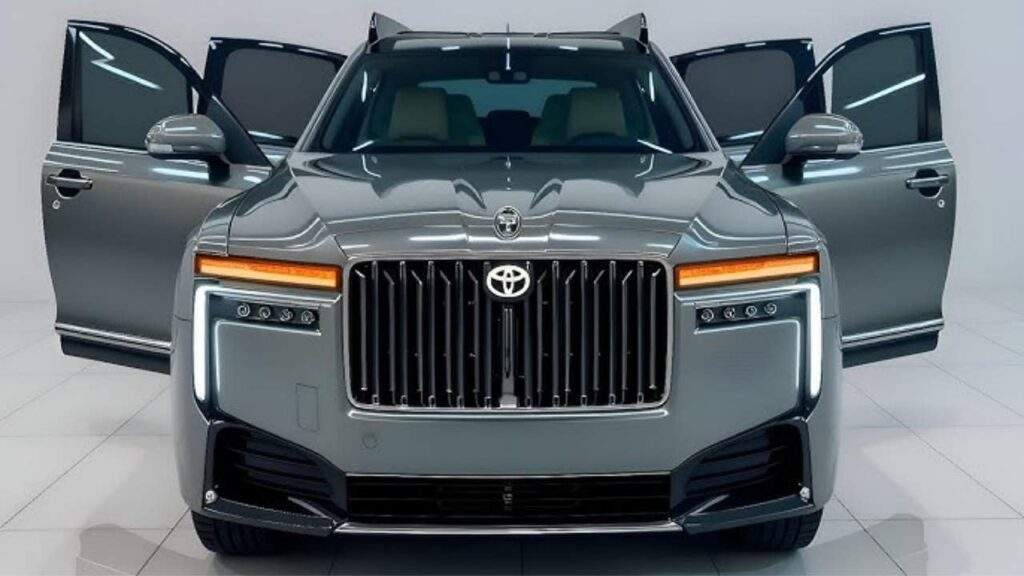
The legendary Toyota Century is returning in 2026 with a bold mission—to challenge the world of ultra-luxury cars dominated by Rolls-Royce and Bentley. This new generation pushes boundaries in design, comfort, performance, and prestige, marking Toyota’s strongest step into the elite luxury class. A Luxury Design Philosophy Like No Other The 2026 Century embraces a timeless, royal design approach. Its presence is calm, elegant, and powerful without being flashy. The signature boxy silhouette remains but is reshaped with modern lines, sharper detailing, and a more upscale stance. Every panel, curve, and accent aims to reflect supreme craftsmanship. Toyota uses premium materials, hand-finished elements, and a design language that speaks luxury instead of shouting it. A Rear-Seat Experience Built for VIPs The core philosophy of the Century is simple: the rear passenger is the true owner. Inside, the 2026 model transforms into a private lounge. Ultra-soft seating, expanded legroom, and soundproofing create a silent space designed for executives and leaders who demand nothing less than perfection. Hybrid Power for Smooth and Silent Performance Instead of roaring engines, the Century focuses on smoothness. Its next-gen hybrid system delivers a powerful yet whisper-quiet driving experience. Instant torque, graceful acceleration, and refined handling make long-distance travel feel effortless. The powertrain is built to offer strength without disturbing the calm interior atmosphere. Advanced Technology Hidden Behind Simplicity Toyota integrates high-end technology throughout the vehicle but hides it under a minimalist design philosophy. The dashboard is clean, the screens blend with the cabin, and the controls are intuitive rather than overwhelming. Connectivity, driver-assist features, and intelligent systems all work quietly in the background to support a safe and luxurious journey. Unmatched Comfort and Ride Quality The 2026 Century uses advanced suspension engineering to deliver a ride that feels almost floating. Whether driving through city streets or long highways, the cabin remains stable, quiet, and relaxing. Noise, vibration, and harshness levels are reduced to near zero, giving the Century a signature travel experience few cars can match. A Serious Challenger to Rolls-Royce While Rolls-Royce focuses on classic British luxury, Toyota approaches luxury through precision engineering and understated elegance. The 2026 Century stands out by offering: • Royal comfort • Hybrid smoothness • Japanese craftsmanship • Exceptional reliability This unique combination allows the Century to compete in a segment long dominated by European brands. Built for Those Who Value Substance Over Show The Century has always been a symbol of dignity, not flashiness. The 2026 version stays true to this identity, attracting buyers who want true luxury without needing to impress with aggressive styling or exaggerated features. It represents status through refinement and quality. The 2026 Toyota Century is more than just a luxury car—it’s Toyota’s masterpiece. With its serene design, powerful hybrid performance, and unmatched comfort, it stands proudly as one of the few vehicles capable of challenging Rolls-Royce on its own turf. For those who value elegance, craftsmanship, and engineering excellence, the new Century is a world-class choice.
2027 GMC Hummer EV 2X Review | New Luxury Electric Beast Revealed
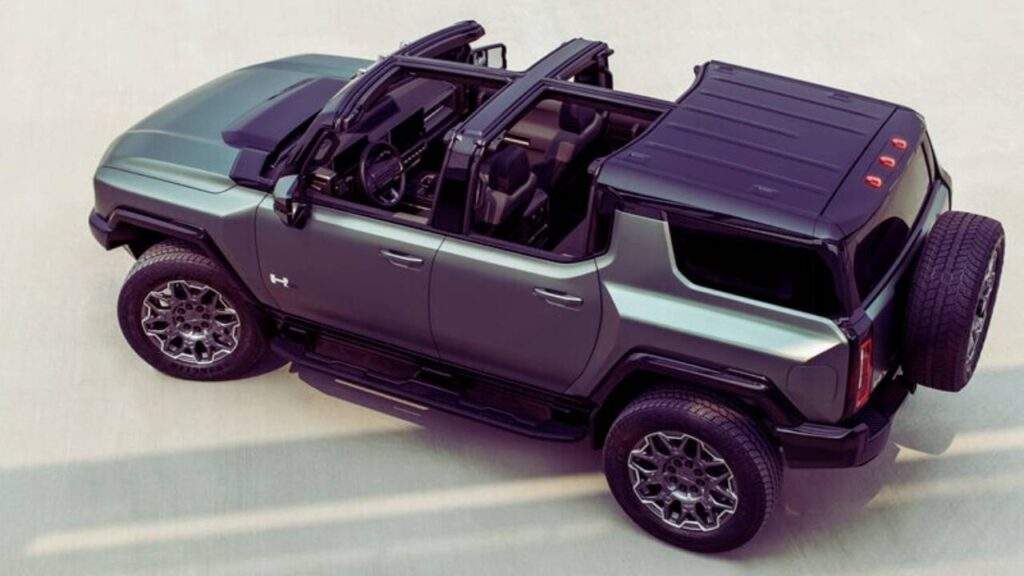
The 2027 GMC Hummer EV 2X arrives as one of the boldest electric SUVs on the market. Known for its enormous presence, luxury features, and thrilling electric performance, this model stands out as a true next-generation beast. Here is a complete breakdown of what the Hummer EV 2X brings to the table. A Powerful New Chapter for the Hummer The 2027 Hummer EV 2X represents GMC’s vision of combining extreme capability with modern electric power. This upgraded version delivers high performance, premium comfort, and futuristic technology. It continues the Hummer legacy but in a cleaner, smarter, and far more advanced form.The SUV is designed for drivers who want adventure, strength, and luxury all in one package. Bold Exterior with a Futuristic Identity The exterior of the Hummer EV 2X keeps its massive truck-like stance but adds refined styling touches. The sharp lines, large body panels, and signature front lighting make it instantly recognizable.Key exterior highlights include: Premium Interior with High-Tech Comfort Inside, the 2027 Hummer EV 2X focuses on both luxury and functionality. The cabin is spacious, bold, and filled with modern elements that enhance the driving experience.Interior strengths include: Advanced Technology for Modern Driving GMC packs the EV 2X with advanced technology designed to improve navigation, comfort, and safety. The SUV includes smart features that help drivers enjoy both daily travel and off-road adventures.Tech highlights include: Impressive Electric Power and Performance The 2027 Hummer EV 2X delivers the kind of power expected from a Hummer, but now through electric motors. It offers quick acceleration, strong torque, and smooth driving performance.Drivers can expect: Off-Road Confidence with Electric Innovation Even with advanced luxury features, the EV 2X doesn’t forget its off-road heritage. It includes systems designed to handle rough terrain, steep climbs, and challenging conditions.The off-road capability offers: Smooth Ride with Everyday Comfort Despite its size and strength, the 2027 Hummer EV 2X manages to deliver a smooth and comfortable ride. The suspension setup is tuned to absorb bumps and provide a stable feel on highways and city streets.The daily driving experience includes: A Luxury Electric Beast for 2027 The 2027 Hummer EV 2X stands out as a bold and luxurious electric SUV. With premium features, incredible performance, and modern tech, it represents the next step in GMC’s electric journey. It brings power, style, and capability to drivers who want something unique and exciting. The 2027 GMC Hummer EV 2X is a luxury electric beast built for drivers seeking strength, style, and modern technology. Its powerful electric performance, rugged design, premium interior, and advanced features make it a standout in the electric SUV world. For those looking for a bold and futuristic ride, the Hummer EV 2X delivers everything expected from a next-gen GMC.
Found a Wheat Penny? These 3 Dates Could Make It Worth Much More

Lincoln Wheat Pennies are among the most collected U.S. coins. Minted from 1909 to 1958, these coins feature Abraham Lincoln on the front and two wheat stalks on the reverse. While most Wheat Pennies are common and worth only a small premium over face value, a few rare dates are highly sought after by collectors and can be worth significantly more depending on their condition and authenticity. If you recently found a Wheat Penny in an old coin jar, family collection, or pocket change, the first thing you should do is check the date and mint mark. Some of the rarest coins in the series can look almost identical to ordinary pennies at first glance. Why are some Wheat Pennies so valuable? A Wheat Penny’s value depends on several important factors. The date is only one part of the story. Collectors also look at the mint mark, overall condition, rarity, and whether the coin has a genuine mint error. Coins produced in smaller numbers or those with unusual production mistakes are generally much harder to find. As demand from collectors increases, these rare coins can become much more valuable than ordinary Wheat Pennies. Check these three dates first If your Wheat Penny has one of these dates, it deserves a closer inspection. Wheat Penny Date Why Collectors Want It 1909-S VDB One of the rarest regular-issue Lincoln cents. It was produced in limited numbers at the San Francisco Mint and still carries the designer’s “VDB” initials on the reverse. 1914-D A key-date coin from the Denver Mint with relatively low production and strong collector demand. 1943 Copper Most 1943 pennies were made from zinc-coated steel because copper was needed for World War II. A genuine copper 1943 penny is an extremely rare mint error. Finding one of these dates does not automatically guarantee a high value. Authenticity and condition must also be verified. Don’t forget to check the mint mark The small letter below the date is called the mint mark. It tells you where the coin was produced. For example, a 1909-S VDB is far scarcer than a regular 1909 Philadelphia issue. Condition makes a big difference Two coins with the same date can have very different values depending on their condition. Collectors usually pay more for coins that show less wear and retain sharp details. Condition General Collector Interest Heavily Worn Usually lower value unless extremely rare Fine to Very Fine Moderate collector demand Extremely Fine Higher collector interest Uncirculated Often the most desirable condition Professional grading may be worthwhile for coins that appear to be rare or exceptionally well preserved. What should you do if you find one? Many people accidentally reduce a coin’s value by cleaning it. Even gentle polishing can remove the original surface that collectors want to see. Are all Wheat Pennies valuable? No. Millions of Wheat Pennies were produced over nearly five decades, and many common dates remain inexpensive. Most circulated examples are worth only a small premium above one cent. However, key dates, rare mint marks, exceptional condition, and verified mint errors can make certain coins far more valuable to collectors. That is why checking the date before spending or selling an old Wheat Penny is always a good idea. A Wheat Penny may look like an ordinary old coin, but a quick look at the date could reveal something much more interesting. The 1909-S VDB, 1914-D, and 1943 Copper cents remain three of the most famous and valuable Lincoln Wheat Pennies ever produced. While most Wheat Pennies are common, these key dates are worth a closer look and, if genuine, may deserve professional evaluation before being sold or added to a collection.
Top 5 Most Valuable Mercury Dimes Worth a Fortune – Check If You Have One!
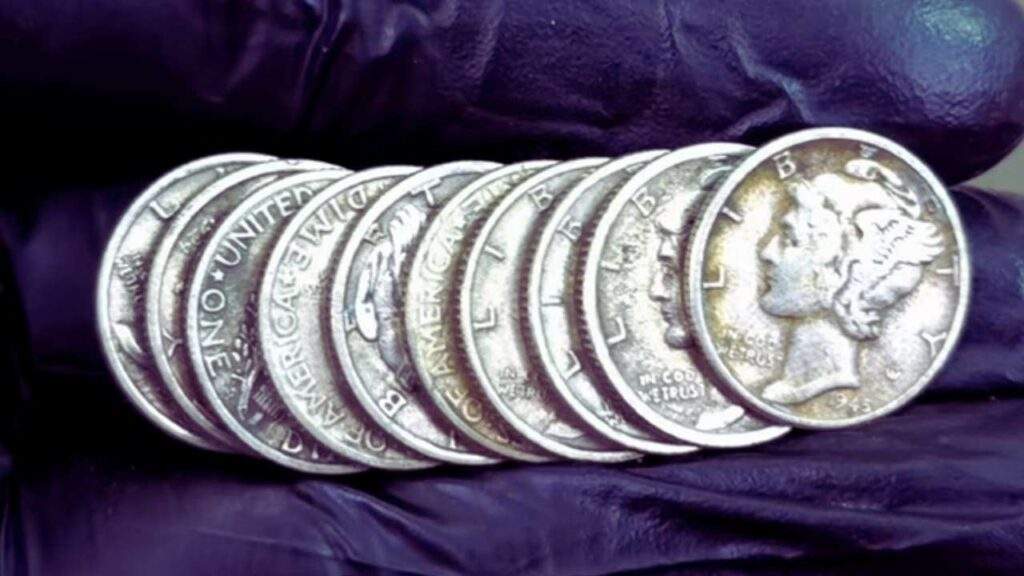
The Little Coin That Could Make You Rich Many people in the United States have old coins lying around at home without knowing their real value. One of those hidden treasures could be the famous Mercury Dime. These small silver coins, minted between 1916 and 1945, were once used in everyday life. But today, some of them are worth hundreds of thousands of dollars. Collectors are paying huge amounts for rare versions of these dimes, especially those in perfect condition or with minting errors. The History Behind the Mercury Dime The Mercury Dime, also known as the Winged Liberty Head Dime, was designed by Adolph A. Weinman. It got the name “Mercury” because the image of Liberty on the coin looks like the Roman god Mercury, who wore a winged hat. These coins were made mostly of silver, and they became very popular among collectors due to their elegant design and historical value. After 1945, the U.S. Mint replaced them with the Roosevelt Dime, but Mercury Dimes still hold a special place in the hearts of coin lovers. Why Are Some Mercury Dimes Worth So Much? Not every Mercury Dime is valuable. The reason some are worth a fortune is because of their rarity, mint marks, or production errors. Coins that were produced in small numbers or have a special mint mark like “D” for Denver or “S” for San Francisco can be worth thousands. Coins in excellent condition with no scratches or damage are even more valuable. Collectors look for unique coins that are difficult to find, and when they do, the price can go sky high. Here are the top 5 most valuable Mercury Dimes ever discovered: Year Mint Mark Estimated Value 1916-D Denver $200,000+ 1921 Philadelphia $80,000+ 1921-D Denver $60,000+ 1942/41 Overdate Error $30,000–$100,000 1931-S San Francisco $25,000+ How to Check If You Have One If you think you might have a Mercury Dime, don’t ignore it. First, check the year printed on the coin. Then, look at the small letter near the base of the torch on the back — that’s the mint mark. The “D” and “S” mint marks usually make a coin more valuable. Also, examine the coin for any unusual markings or errors, like numbers overlapping or letters that look doubled. If you find something rare, get it checked by a certified coin dealer or grading service. They can confirm its authenticity and give you a proper value estimate. What Makes Collectors Pay So Much Collectors are willing to spend huge amounts on rare Mercury Dimes because they are pieces of American history. These coins represent an important era, from World War I to World War II, when the U.S. economy and culture were rapidly changing. For many collectors, owning a rare Mercury Dime is not just about money it’s about preserving a small part of that history. Over the years, some of these dimes have sold for more than luxury cars and even houses at major coin auctions. A Small Coin with Big Value It’s amazing to think that a tiny dime once worth just ten cents can now be worth hundreds of thousands of dollars. Many people have found valuable Mercury Dimes in old piggy banks, coin jars, or family collections. So before you spend your loose change, take a closer look. You might be holding a rare treasure that could change your life. The Mercury Dime proves that even the smallest things can have the biggest surprises hidden inside them.
Forget Rolls-Royce – The New 2026 Toyota Century Is on Another Level
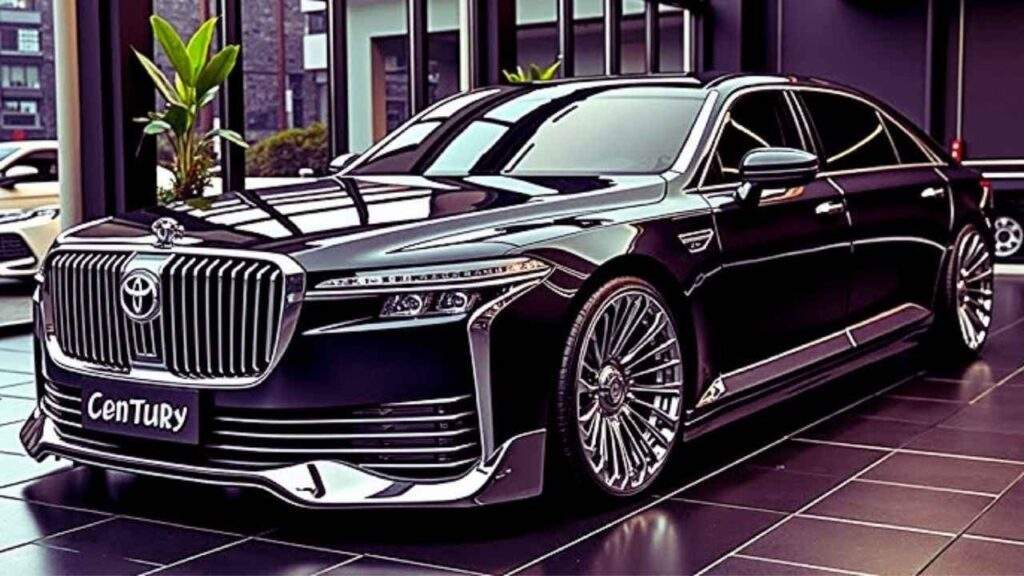
A New Symbol of Japanese Luxury The automotive world is buzzing with excitement as Toyota unveils its ultimate flagship the 2026 Toyota Century. Often called Japan’s answer to Rolls-Royce and Bentley, the new Century is redefining what true luxury means. But unlike its flashy European rivals, the Century represents a quieter kind of prestige one built on craftsmanship, serenity, and understated excellence. Toyota has taken everything it has learned about engineering and comfort and poured it into a car that doesn’t just transport you it pampers you. Elegance in Every Detail The 2026 Toyota Century makes an immediate impression with its elegant yet commanding design. The car features a bold, upright stance, an enormous chrome grille, and meticulously sculpted lines that exude confidence and refinement. Every inch of the exterior reflects Japanese artistry, from the hand-polished paintwork to the soft curvature of the body panels. Unlike most luxury sedans that scream for attention, the Century whispers sophistication. It’s designed not to show off wealth, but to define taste. Luxury That Redefines Comfort Step inside the new Century, and you’re greeted with an interior that feels more like a private suite than a car cabin. Toyota has focused on creating an environment of absolute serenity. The rear seats recline almost flat, with built-in footrests, massage functions, and even a mini entertainment center. High-grade wool or optional hand-stitched leather upholstery surrounds you, while the thick carpeting and acoustic insulation block out every trace of road noise. Soft ambient lighting and a panoramic sunroof enhance the peaceful atmosphere. It’s clear that the Century is designed for those who prefer to be chauffeured rather than drive. Hybrid Power, Effortless Performance Under the hood, the 2026 Toyota Century features an advanced plug-in hybrid powertrain that balances performance and efficiency. The car is powered by a 3.5-liter V6 engine paired with an electric motor, producing a combined output of around 400 horsepower. The hybrid system delivers whisper-quiet performance, allowing the Century to glide effortlessly through city streets and highways alike. Smooth acceleration, minimal vibration, and seamless gear shifts make every journey feel like floating on air. Toyota’s advanced suspension technology ensures that even the roughest roads feel perfectly smooth from the back seat. Specification Details Engine Type 3.5L V6 Plug-in Hybrid Power Output Approx. 400 hp Transmission Automatic (E-CVT) Drive Type All-Wheel Drive Mileage Around 30 MPG Combined (Hybrid Mode) Seating Capacity 4 (Executive Lounge Setup) Estimated Price $180,000 – $200,000 (USD) Launch Year 2026 Technology With a Human Touch The 2026 Century comes equipped with Toyota’s most advanced suite of technologies, but in a way that feels intuitive rather than overwhelming. The infotainment system features dual screens for passengers, voice command support, and high-end sound systems tuned for ultimate clarity. The driver’s cockpit includes a digital display, adaptive cruise control, lane-keeping assist, and night vision for enhanced safety. Despite its technological prowess, Toyota has maintained the traditional essence of craftsmanship wood inlays, hand-fitted panels, and controls that feel mechanical rather than digital. This balance of modernity and tradition gives the Century its distinctive charm. A Rival Beyond Rivals While Rolls-Royce and Bentley are often associated with Western luxury, the Toyota Century represents something more refined Japanese dignity. It’s not about showing off but about showing restraint, not about excess but about experience. Each car is partially hand-built by master artisans known as Takumi, who dedicate time and precision to ensure every detail meets perfection. In Japan, the Century has long been the choice of emperors, prime ministers, and business magnates and the 2026 model carries that legacy forward with pride. In Conclusion The 2026 Toyota Century isn’t trying to outshine Rolls-Royce it’s redefining what luxury means altogether. It delivers power without noise, comfort without compromise, and prestige without pretension. In an era where luxury cars often chase attention, the Century stands apart by offering something timeless: peace, perfection, and presence. For those who value quiet sophistication over loud status, the 2026 Toyota Century truly is on another level.
New 2026 Toyota Corolla Revealed: Fresh Look, Premium Features and A Price Many Can Still Afford
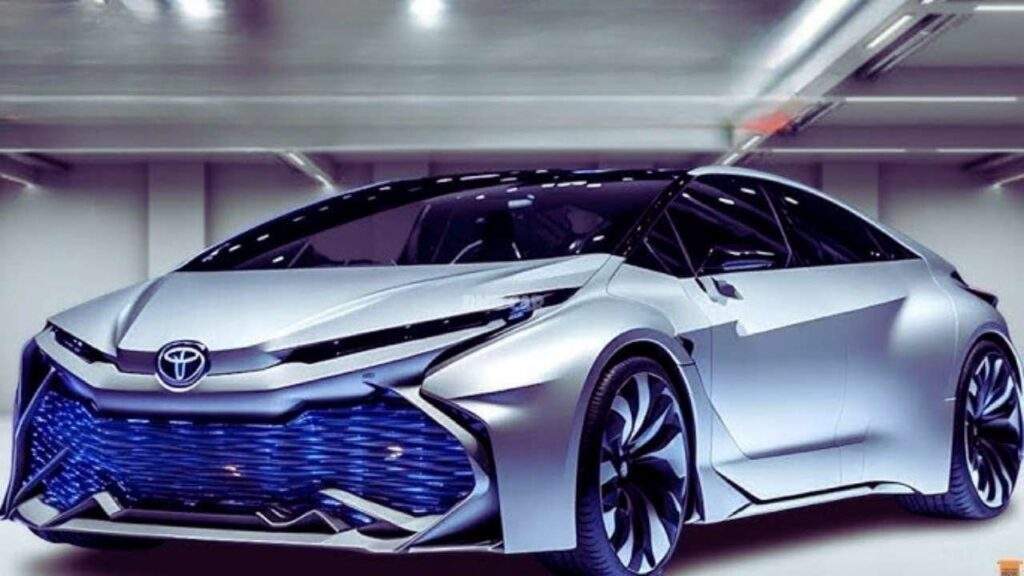
Toyota Gives Its Best-Selling Car a Big Upgrade Toyota has officially revealed the 2026 Toyota Corolla, and the company says it is one of the biggest updates the model has received in years. The new design, fresh technology, and stronger fuel efficiency are aimed at younger buyers as well as families looking for a reliable car at a fair price. The Corolla has been one of the UK’s favourite models for decades, and Toyota hopes this new version will continue that success as competition in the small car market grows. The 2026 model will arrive in UK showrooms early next year. Bold New Look With a More Modern Style The first thing people will notice about the 2026 Corolla is its new bold design. Toyota has given the front a wider grille, slimmer headlights, and a sharper overall shape. The rear has also been updated with new tail lights and a cleaner bootline. The car looks more sporty than before but keeps the simple and practical style that Corolla drivers expect. Toyota says it wants the new design to attract younger drivers who want something stylish but not too flashy. Several new colour options will also be available, including a deep blue and a metallic grey that are already getting attention online. Premium Interior and Better Technology Inside, the 2026 Corolla feels more premium than previous versions. The dashboard has been redesigned to look cleaner and easier to use. Toyota has added softer materials, a larger touchscreen, and a more modern digital display behind the steering wheel. Wireless Apple CarPlay, Android Auto, and upgraded voice controls come as standard on all trims. The company also says cabin noise has been reduced by using new sound-damping materials, making long drives quieter and more comfortable.Here is a look at some key interior upgrades: Stronger Hybrid Performance and Better Fuel Savings The 2026 Corolla will continue to use Toyota’s well-known hybrid system, but engineers have made the engine smoother and more efficient. Drivers should see quicker response when accelerating and improved fuel savings during city travel. Toyota says the updated hybrid unit will be available in both 1.8-litre and 2.0-litre options, giving buyers a choice based on power or economy. The company expects many UK drivers to choose the 1.8-litre hybrid, as it offers strong mileage and low running costs. Affordable Price Despite Premium Features Despite the upgrades, Toyota is keeping the Corolla at a price many people can still afford. The starting price in the UK is expected to be close to the current model, making it one of the more affordable premium-feel hybrids on the market. Toyota says customer feedback played a key role in the decision, as many households are already dealing with higher fuel and living costs. The brand wants the Corolla to remain a top choice for those looking for value as well as comfort. Model Expected Starting Price 2026 Corolla 1.8 Hybrid Around £25,000 2026 Corolla 2.0 Hybrid Around £28,000 A Strong Contender for 2026 Car Buyers With its bold new design, premium interior, and improved hybrid performance, the 2026 Toyota Corolla is shaping up to be one of next year’s most appealing small cars. Early reactions from dealers and buyers are positive, especially from people who want modern features without paying luxury prices. As Toyota continues to focus on reliability and efficiency, the new Corolla looks ready to keep its place as one of the UK’s favourite cars in the years ahead.
2026 Plymouth Roadrunner Returns: A Modern Muscle Legend Reborn
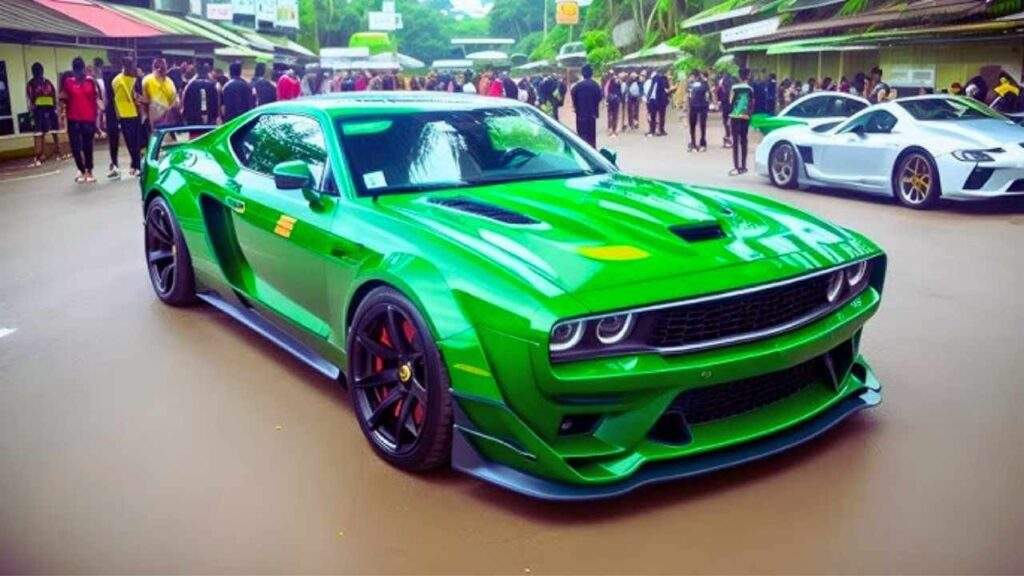
The Plymouth nameplate has been silent for decades, but the 2026 Roadrunner is rewriting history with a bold comeback. This new model blends old-school muscle attitude with modern engineering, giving classic-car fans and new-age drivers something to celebrate. It’s powerful, aggressive, and built to bring back the golden era of American muscle. A Legendary Name with a New Identity The 2026 Roadrunner carries the iconic fastback silhouette but updates it with sharper lines, wider fenders, and a more aerodynamic profile. It’s clearly inspired by the original model, yet its modern LED lighting and sculpted front fascia give it a futuristic attitude. From every angle, it looks like a machine built for speed. A Powertrain Built for Serious Muscle Fans Plymouth’s revival wouldn’t be complete without real performance. The new Roadrunner is expected to feature a high-output twin-turbo V6 or a naturally aspirated V8, depending on the trim. Torque delivery is quick, acceleration is aggressive, and the soundtrack stays true to classic muscle DNA. Even the suspension tuning leans toward a sportier feel. Modern Tech Wrapped in Classic Style Inside the cabin, Plymouth mixes nostalgia with innovation. The dashboard features retro-inspired touches while offering advanced digital displays and driver-assist systems. Navigation, performance data, smartphone connectivity, and customizable drive modes all come standard, making the car old-school in spirit but modern in convenience. Performance Meets Everyday Practicality Despite its muscle focus, the 2026 Roadrunner offers a surprisingly comfortable ride. The seats are supportive, visibility is improved, and interior space is more generous than many sports cars. Drivers get the power they want and the usability they need, whether on a highway cruise or a quick city trip. Why the Roadrunner’s Comeback Matters The return of this legendary model brings excitement back to the American muscle segment. With performance upgrades, improved technology, and a bold new design, the Roadrunner is positioned to compete with modern sports cars while keeping its classic identity alive. The 2026 Plymouth Roadrunner isn’t just a revival it’s a statement. Strong performance, sharp styling, and a blend of past and future make it one of the most exciting American cars returning to the market. For muscle-car lovers, it\’s more than nostalgia; it’s a modern icon reborn.
Toyota Camry 2026 – Stylish Hybrid Sedan with Impressive Mileage and an Affordable Price
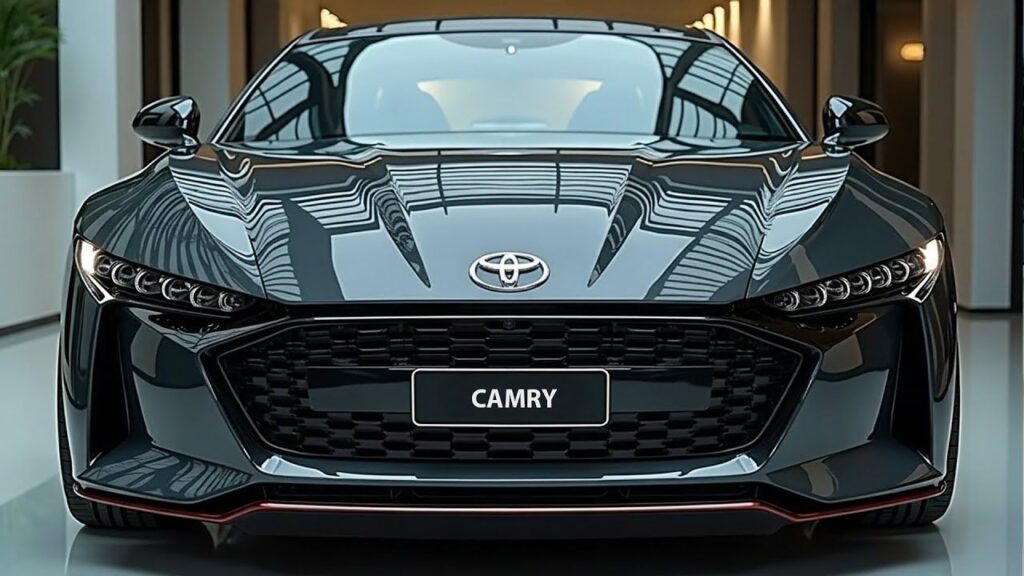
The Toyota Camry 2026 continues to stand out as a practical choice for buyers who want a stylish sedan with hybrid technology, strong performance, and excellent fuel economy. Toyota has kept the Camry focused on efficiency while giving it a modern design, a comfortable cabin, and useful technology. For 2026, the Camry is sold with a hybrid powertrain in the U.S. market, while the Indian-market Camry also continues with Toyota’s 2.5-liter strong-hybrid system. Pricing is very different between countries, so buyers should not assume that the U.S. starting price is the same as the price in India. Toyota Camry 2026 Gets a Modern Hybrid Powertrain One of the biggest reasons to consider the 2026 Camry is its hybrid system. Toyota has moved the Camry to an all-hybrid lineup in the U.S., combining a gasoline engine with electric motors to improve fuel economy without requiring the owner to plug the car into a charger. The U.S.-market Camry uses a 2.5-liter four-cylinder engine paired with Toyota’s fifth-generation hybrid system. Depending on the version, the total system output reaches up to 232 net combined horsepower. In India, the Camry uses a 2.5-liter Dynamic Force gasoline engine and Toyota’s strong-hybrid system. The Indian model is rated at a total maximum output of 230 PS. Specification 2026 Toyota Camry Engine 2.5-liter 4-cylinder petrol Hybrid system Strong hybrid U.S. maximum output Up to 232 hp India maximum output 230 PS Transmission e-CVT Seating capacity 5 Drive system Front-wheel drive or AWD in selected markets Impressive Mileage Is One of Its Biggest Strengths Fuel efficiency is where the Camry really separates itself from many traditional midsize sedans. The 2026 U.S.-spec Camry LE achieves up to 51 mpg combined under EPA testing. Toyota lists the LE at 52 mpg city and 49 mpg highway. Other trims have lower ratings because of their larger wheels, equipment, and different setup. All-wheel-drive versions are also available in the U.S. market, giving buyers another choice without giving up the benefits of hybrid technology. U.S. Camry version EPA-estimated combined mileage LE FWD Up to 51 mpg LE AWD Up to 50 mpg SE/XLE/XSE FWD Up to 46-47 mpg Selected AWD trims Up to 46 mpg Actual mileage will depend on driving style, traffic, weather, road conditions, and vehicle use. Stylish Exterior Design Toyota has given the latest Camry a much more modern appearance compared with older generations. The front end features slim LED lighting, a wide lower grille, and a clean, sporty shape. The side profile has a low-slung sedan design, while the rear uses slim tail lamps and a wider-looking stance. Higher trims can add larger alloy wheels and sportier exterior details. The Camry is designed to look more athletic without losing the clean appearance expected from a family sedan. Comfortable and Technology-Focused Interior Inside, the 2026 Camry combines a simple dashboard layout with modern technology. The cabin is designed for five passengers and provides a comfortable environment for both daily driving and longer trips. Depending on the trim, buyers can get features such as a large touchscreen, digital driver display, wireless smartphone connectivity, wireless charging, heated front seats, and premium audio. Higher trims offer more upscale materials and additional comfort equipment. Large Toyota Audio Multimedia touchscreen Wireless Apple CarPlay and Android Auto Wireless smartphone charging Available JBL premium audio system The XLE trim adds features such as a 12.3-inch touchscreen and leather-and-microfiber-trimmed heated front seats in the U.S. market. Safety Features Safety is another major part of the Camry package. Toyota includes its Toyota Safety Sense driver-assistance technology as standard equipment on the U.S.-market car. The system combines several features designed to help the driver detect potential hazards and maintain better control. Safety technology Availability Toyota Safety Sense Standard Pre-Collision System Available Lane Departure Alert Available Dynamic Radar Cruise Control Available Lane Tracing Assist Available Automatic High Beams Available Blind Spot Monitoring Available on selected trims Rear Cross-Traffic Alert Available on selected trims Exact safety equipment can vary by market and trim. Toyota Camry 2026 Price The Camry’s price depends heavily on the country. In the United States, the 2026 Toyota Camry starts at $29,600 MSRP for the LE trim before applicable taxes, fees, and other charges. Higher trims cost more, with the XSE starting at $36,000 in the current U.S. lineup. In India, the Camry is positioned as a much more premium sedan. Toyota India’s current listed ex-showroom price starts at ₹47,48,200. Market Starting price United States $29,600 MSRP India ₹47.48 lakh ex-showroom Seating 5 Powertrain Hybrid The U.S. and Indian cars should not be compared only by converting currencies because equipment, taxes, import costs, local manufacturing, and market positioning are different. Indian Toyota Camry 2026 Specifications The Camry sold in India uses Toyota’s 2.5-liter Dynamic Force petrol engine combined with a strong-hybrid system. The gasoline engine produces 187 PS and 221 Nm, while the hybrid system raises total maximum output to 230 PS. Power is sent through an e-CVT transmission. India-spec Camry Specification Engine 2.5L Dynamic Force Petrol Petrol engine output 187 PS Petrol engine torque 221 Nm Total hybrid output 230 PS Transmission e-CVT Hybrid battery Lithium-ion Seating 5 Fuel tank 50 liters Wheelbase 2,825 mm Length 4,920 mm The Indian model also gets EV driving mode and multiple driving modes, including Eco, Normal, and Sport. Is the 2026 Camry Affordable? Whether the Camry is affordable depends on the market and the buyer’s budget. In the United States, the $29,600 starting MSRP makes the Camry relatively accessible for a midsize hybrid sedan, especially considering that hybrid technology is standard. In India, the situation is different. With an ex-showroom price of more than ₹47 lakh, the Camry is clearly positioned as a premium sedan rather than an affordable family car. However, its hybrid powertrain can help reduce fuel use compared with a similar-size conventional petrol sedan, particularly in city driving where the electric system can do more of the work. Driving Experience The Camry is designed more for smooth and comfortable driving than for aggressive performance. The hybrid
2026 New Subaru Baja Revealed: Smart Pickup Truck with Powerful Engine, High Tech Features and Rugged Design

The idea of a 2026 new Subaru Baja pickup is attracting a lot of attention in 2026, but there is an important point buyers should know before believing the headlines. Subaru has not officially revealed or launched a 2026 Baja pickup truck. The company has discussed the possibility of a future compact pickup, but there is currently no confirmed production model, official price, engine specification, launch date, or final design for a 2026 Subaru Baja. That means many specifications being shared online, including exact horsepower figures, prices, release dates, and detailed feature lists, should be treated as speculation rather than confirmed information. Is the 2026 New Subaru Baja Really Revealed? No. As of August 2026, Subaru’s official 2026 lineup includes models such as the Outback, Forester, Crosstrek, Solterra, Uncharted and Trailseeker, but there is no production Baja pickup listed in the current lineup. There is, however, a real reason behind the renewed Baja discussion. In early 2026, Subaru Australia General Manager Scott Lawrence said the company was discussing the possibility of a monocoque-style ute with Subaru Corporation. He did not announce a production vehicle or confirm that it would be called Baja. So, the idea of a Subaru pickup is not completely made up, but calling it an officially revealed “2026 Subaru Baja” would be inaccurate. What Was the Original Subaru Baja? The original Subaru Baja was a compact four-door utility pickup sold for the 2003 through 2006 model years. It combined a passenger-car-style cabin with a small open cargo bed and all-wheel drive. The Baja was based on Subaru’s Legacy/Outback family and was designed for people who wanted some pickup practicality without moving to a traditional large truck. Original Baja Details Model years 2003-2006 Body style Four-door compact utility pickup Seating 4 passengers Drive All-wheel drive Standard engine 2.5L horizontally opposed 4-cylinder Turbo option 2.5L turbocharged Boxer engine Production ended 2006 The original Baja became a distinctive part of Subaru’s history, and its unusual combination of car-like driving and pickup utility has helped keep interest in a possible comeback alive. What Could a New Subaru Pickup Look Like? If Subaru eventually approves a new compact pickup, the company would have several reasons to take a different approach from the original Baja. A modern Subaru pickup would likely need to work as both a daily vehicle and an outdoor adventure machine. Subaru already has strong experience with all-wheel-drive vehicles and rugged Wilderness models, so a future pickup could potentially use some of that technology and design thinking. However, these are possibilities rather than confirmed specifications. A future model could potentially feature: A four-door cabin with seating for five A practical open cargo bed Standard or available all-wheel drive Rugged body protection and higher ground clearance Modern driver-assistance and infotainment technology Until Subaru officially announces the vehicle, none of these features should be considered final. What Engine Could Power a Future Baja? There is currently no confirmed engine for a new Subaru Baja. Subaru’s existing lineup provides some clues about the company’s available powertrain technology. For example, the 2026 Outback uses a 2.5-liter naturally aspirated Boxer engine with 180 horsepower, while higher-performance versions use a 2.4-liter turbocharged Boxer engine producing 260 horsepower and 277 lb-ft of torque. A future Subaru pickup could potentially use an engine from the company’s existing lineup, but Subaru has not confirmed that either of these engines will be used in a Baja successor. Possible powertrain direction Current status 2.5L Boxer engine Available in current Subaru models 2.4L Turbo Boxer Available in higher-performance Subaru models Hybrid powertrain Used in selected Subaru models Electric powertrain Already used in Subaru’s EV lineup Baja engine Not officially announced This distinction is important because online articles often present an estimated engine as if Subaru has already confirmed it. Could It Get Subaru’s Famous AWD System? All-wheel drive would make a lot of sense for a future Subaru pickup, especially because Subaru has built much of its reputation around its Symmetrical All-Wheel Drive system. The current 2026 Outback, Crosstrek and Forester lineups use standard Symmetrical All-Wheel Drive, while Subaru’s electric Trailseeker also uses standard all-wheel drive. A future pickup could therefore be well suited to snow, dirt roads, camping trips and light off-road use. But Subaru has not yet confirmed the drivetrain layout for any future Baja replacement. High-Tech Features Could Be a Major Part of the New Truck If Subaru brings a pickup to market, modern technology would likely be an important part of the package. The company’s current vehicles already offer features such as large touchscreen displays, wireless smartphone integration and advanced driver-assistance systems. The redesigned 2026 Outback, for example, gets a standard 12.1-inch touchscreen, a 12.3-inch digital instrument cluster and upgraded EyeSight Driver Assist Technology. A future pickup could use similar technology, potentially including a modern infotainment system, smartphone connectivity, digital displays and advanced safety systems. But again, these should be viewed as reasonable possibilities rather than confirmed Baja equipment. Could There Be a Rugged Wilderness Version? A Wilderness version would fit naturally with the idea of a Subaru pickup. Subaru already uses the Wilderness name for more adventure-focused models. The 2026 Outback Wilderness, for example, gets a turbocharged 260-horsepower Boxer engine, 9.5 inches of ground clearance, a front skid plate, all-wheel drive and upgraded off-road technology. A future pickup could potentially follow a similar formula with increased ground clearance, tougher suspension components, protective body cladding, all-terrain tires and additional off-road driving modes. There is no confirmed Baja Wilderness model at this time. What About Price and Release Date? This is another area where online claims should be treated carefully. Subaru has not announced an official starting price or production date for a new Baja. There is also no confirmed 2026 model-year launch schedule for a Subaru pickup. Information Current status 2026 Baja official launch Not confirmed Production status Not confirmed Starting price Not announced Engine Not announced Horsepower Not announced Towing capacity Not announced Cargo-bed size Not announced Official name Not confirmed The discussion from Subaru Australia