
From Local Suppliers to Global Impact: How Building Materials Suppliers Are Innovating for the Future
The growth of India is rapid and has lots to rely on strong and innovative material supply. Trusted building materials suppliers are helping cities build better homes, roads, and offices. Not only are these suppliers shaping local projects, they’re also impacting around the world. Our Books The Complete Book on Construction Materials The Complete Book on Ferrous, Non-Ferrous Metals The Role of Building Materials Suppliers in Modern Construction Building materials suppliers play a critical role in every construction project. It links builders, architects, and developers with the correct building materials. Without them, construction would be slow and expensive. They deliver smooth material supply, which makes projects keep on track. They don€™t just supply materials€”top material suppliers do more. The guide builders to eco-friendly alternatives and employ modern technologies. These suppliers see that their materials meet global standards of safety and durability. They produce products that make buildings stronger and more energy efficient, from bricks to steel to insulation and everything in between. Innovations in Sustainable Building Materials Green Concrete An innovative green material of recycled products is green concrete. Nonetheless, it’s still kinder ??? regular old concrete, as it produces fewer carbon emissions. Which makes it ideal for sustainable building. Many building materials suppliers now focus on delivering green concrete for modern projects. Green concrete uses fly ash and recycled aggregates or other Eco-friendly materials. Stronger and a more environmentally friendly construction. Recycled Steel Steel is an important building material. Making steel requires a lot of energy. Up to 75% of energy use is saved with recycled steel. Leading building materials suppliers now provide recycled steel for local and global projects. Steel recycled is as strong as new steel but requires less in the way of resources. They help builders save costs while helping to reach sustainability goals. Bamboo as a Building Material Bamboo is becoming a popular building material. It is lightweight, Eco-friendly, and fast-growing. Bamboo is available with construction, interiors, and furniture manufacturers at reliable material suppliers. Bamboo done right is perfect for modern homes and sustainable infrastructure projects. Insulated Concrete Blocks Insulating concrete blocks keeps a building cool in summer and warm in winter. They are energy efficient and electricity cost effective. Many building materials suppliers now offer these blocks to help reduce energy use. In India€™s hot climate, these blocks are especially useful. To reduce the reliance on air conditioning, they make homes comfortable. Solar Reflective Materials Buildings stay cool with the help of solar reflective materials that help to reflect heat. On roofs, walls, and pavements, they are great. Trusted material suppliers in India are now offering solar reflective tiles and paints. These materials decrease energy use and reduce cooling costs. Our Project Reports Iodine Granules from Iodine Powder Manufacturing Start a Business of Particle Board From Rice Husk A Business Plan for Wood Plastic Composite (WPC) The Impact of Building Materials Suppliers on Local and Global Markets Building materials suppliers serve local markets and contribute to global projects. Their innovations speed up, make safer, and make greener construction. They are used in the very big schemes of skyscrapers, highways, and smart cities. Supporting Local Projects In India, many building materials suppliers focus on meeting local needs. Affordable and durable materials for housing and infrastructure are what they offer. They help to finish the projects on time by guaranteeing smooth material supply. Expanding to Global Markets Now Indian material suppliers reach global markets. They send unfriendly and high-quality building works to other countries. These include recycled steels, fly ash bricks, and bamboo products. They compete with international suppliers through sustainability. For example, the Middle East is an example of fly ash bricks exported from India for energy-efficient buildings. Such exports indicate the increasing role of Indian suppliers in the world market. Technology and Innovation in Material Supply Technology is helping building materials suppliers become more efficient. Tracking systems and online platforms ensure the availability of material supply in quick time. Now builders can order materials online and check when deliveries are coming. Smart Inventory Systems Smart inventory systems are used today by modern material suppliers to control stock. The systems help delay products from being available. Material Supply Online Platforms At the moment, many suppliers sell quality products through online platforms. Materials can be browsed through, compared in price, and easily ordered. It€™s also time-saving and delays the project. Delivery Tracking Tracking systems to track the deliveries are now offered by suppliers. It makes for better transparency, and materials get there on time. Also Read Is HP Board Manufacturing Profitable? How to Setup Industrial Township Benefits of Choosing Reliable Building Materials Suppliers: Choosing the right building materials suppliers is important for every project. Here are the benefits of working with trusted suppliers: High-Quality Products: Materials are based on safe and durable materials from trusted suppliers. Timely Material Supply: Materials arrive when needed, and suppliers are indeed reliable. Sustainable Solutions: Wood, steel, and fly ash bricks are Eco-friendly building materials they offer. Cost Savings: Using innovative materials reduces long-term costs to the builders. Global Standards: From its leading suppliers, AEON provides products that meet the international safety and quality standards. Builders working together with trustworthy suppliers can put more of their concentration on completing projects without interruptions. The Future of Building Materials Suppliers: Innovating and being sustainable is the future of construction. Building materials suppliers are leading this change. They are devising new ways to make materials both Eco-friendly and energy efficient. They also use technology to offer better material supply and delivery to address this. The suppliers will power smart cities and sustainable housing projects in India. The Indian construction market is expected to reach a $1 trillion by 2030. The success of this growth will depend on innovative material suppliers who are providing sustainable and high-quality solutions. Also Read Construction Material Business Ideas Guide for Success in Construction Material Business Building Materials for Construction Now materials are being chosen by builders that reduce energy use and pollution. There are more products, like green
Green Construction Materials: A Key to Building Sustainable Cities in the Future
Urban centers show rapid expansion in every part of our planet now. Building materials suppliers must now meet the demand for sustainable construction products as urban areas develop. Building materials suppliers help cities progress toward sustainable development. They deliver superior construction supplies for residential buildings offices and transportation networks. Our environmental outcomes depend on material selections made today. India’s expanding city areas and increasing population require us to adopt green construction methods. Our building materials partners help us develop efficient smart cities that respect the environment. Why Green Construction Matters Green construction involves selecting environmentally protective products and construction strategies. These building methods help get rid of excess material and lower air contamination. The building process becomes both energy and water efficient through these practices. Finding dependable material suppliers benefits green construction projects. The Indian construction sector uses close to 40% of the nation’s total energy. Our industry should choose energy-efficient quality products. Research shows buildings made from sustainable materials decrease construction carbon emissions twenty percentage points. The Role of Building Materials Suppliers in Green Construction Green construction success depends heavily on material suppliers. They link building projects with suitable materials. The necessary materials have to be environmentally safe, long-lasting plus premium in quality. Top suppliers make sure eco-friendly materials reach the market in large quantities. They deliver required supplies to projects without delay. Reliable suppliers provide: Sustainable Building Materials: Building elements including bamboo, reclaimed steel metal and fly ash blocks support environmentally safe construction. They resist damage over time and create minimal disposal problems. Energy-Efficient Products: Insulated concrete blocks installed in buildings lower energy requirements. Quality Products: Suppliers our customers trust deliver materials that satisfy every quality and safety requirement. Building materials suppliers let builders pick eco-friendly options without project schedule concerns. Discover the best eco-friendly materials needed to build a sustainable world. Top Green Construction Materials for a Sustainable Future Bamboo Bamboo grows quickly to serve as an alternative for standard wood construction. The material resists damage better than others but remains easy to handle and environmentally friendly. Building materials suppliers today provide bamboo as an eco-friendly option for purchase. Bamboo works as a top material for building homes and creating both furniture and indoor spaces. Recycled Steel Building construction uses steel more than any other material. Steel production requires substantial energy consumption. The reuse of steel material leads to energy conservation of up to 75 percent. Using recycled materials lowers the need to extract raw materials from the ground. High-profile suppliers now offer recycled steel products specifically for environmentally-friendly construction. Fly Ash Bricks They make fly ash bricks through coal waste recycling. They are strong, lightweight, and affordable. Building with these bricks needs less water and cement levels. Building materials suppliers all over India actively market fly ash bricks due to their environmental benefits. Our Books The Complete Book on Construction Materials The Complete Book on Ferrous, Non-Ferrous Metals Insulated Concrete Blocks Insulated concrete blocks create better energy performance in buildings. These blocks automatically provide the right temperature for residences throughout the year. The blocks decrease dependency on temperature control devices. Leading suppliers supply insulated blocks that comply with green quality requirements. Recycled Glass Recycled glass is another sustainable option. It is used for tiles, countertops, and windows. The material decreases waste volume while making building exteriors visually stunning. Building materials suppliers make sure this eco-friendly product reaches the market. Solar Reflective Roof Tiles Solar tiles deflect sunlight to help buildings stay naturally cool. They save energy and lower electricity bills. Indian material suppliers have added many environmental-friendly tile options to their product listings. Our Project Reports Iodine Granules from Iodine Powder Manufacturing A Business Plan for Wood Plastic Composite (WPC) Benefits of Green Building Materials Environmental Benefits Green building materials reduce pollution and waste. They help conserve natural resources. For example, bamboo grows quickly, while recycled steel cuts the need for mining. Energy Savings Using green materials can reduce energy use in buildings. Insulated blocks and solar tiles save electricity. With the support of reliable building materials suppliers, these products are easy to access. Cost Savings While green materials may cost more upfront, they save money in the long run. They last longer and need fewer repairs. They also cut down energy bills. Improved Health Eco-friendly building materials produce less dust and toxins. This creates safer and healthier homes. Trusted material suppliers offer materials that meet health and safety standards. The Role of Building Materials Suppliers in India’s Urban Future India’s cities are growing fast. By 2030, over 60% of the population will live in urban areas. This calls for smarter construction practices. Building materials suppliers play a big part in shaping this future. They provide the tools needed for sustainable growth. With trusted material suppliers, builders can: Reduce construction waste. Use quality products that save energy. Build long-lasting homes and offices. Reliable material supply ensures that green projects stay on track. This helps cities grow without harming the environment. Also Read Is HPL Board Manufacturing Profitable? Manufacturing Business of Polycarboxylate Ether (PCE) How to Choose the Right Building Materials Suppliers Building material suppliers impact project success so make good selections. Builders require suppliers who deliver premium environmentally sustainable materials. Here are a few tips to choose the best: Check Product Quality: Buy materials only from certified suppliers who stand behind their product standards. Focus on Sustainability: Search for companies that create environmentally friendly construction materials. On-Time Material Supply: Projects stay on their planned schedule when suppliers deliver materials at the right time. Customer Reviews: Research supplier ratings and client feedback before making your selection. The Future of Green Construction in India To build India’s future construction must use sustainable methods. Builders need dependable suppliers who provide environmentally friendly materials. The Indian government has launched actions to support eco-friendly construction work. The Green Building Code policies along with eco-friendly construction benefits drive builders to pick green construction materials. The construction industry will increase its projects that reduce waste and improve energy performance in future
The Rise of Cement Manufacturing in India: Trends and Innovations in Building Materials
India experienced fast construction sector development during recent decades. Cement manufacturing drives the development of this area. New building materials suppliers in India are making the nation a center for creative and eco-friendly construction projects. New technology helps us create better products more quickly today. This post shows how building materials suppliers change the construction industry and explains the reasons behind their success. The Growth of Cement Manufacturing in India India ranks second among nations in global cement production. This industry enables extensive construction of both public and residential facilities. In construction projects building materials cement ranks as crucial. As cities and rural locations develop more areas need more building materials. India’s cement factories expanded their production from 2020 through 2024. More people moving to cities make suppliers of building materials an essential part of development. The suppliers meet building needs throughout the nation by providing basic supplies. New manufacturing methods deliver better quality materials with extended lifespans and lower waste production. Our Books The Complete Book on Construction Materials The Complete Book on Ferrous, Non-Ferrous Metals Key Trends Driving Cement Manufacturing Sustainable Production Methods Sustainability is a key trend in cement manufacturing. Companies now focus on reducing carbon emissions. New techniques use alternative fuels and raw materials. This shift allows material suppliers to offer eco-friendly quality products. Such innovations attract builders who want greener solutions. Technological Advancements Modern technology has changed cement manufacturing in India. Advanced machinery produces better building materials in less time. Automation helps building materials suppliers improve production efficiency. Smart sensors also ensure consistent quality products. With these advancements, builders trust Indian material suppliers for their projects. Growth of Green Cement Green cement represents a new technology that protects the environment. This product production takes fewer resources and uses recycled materials. Building materials suppliers make green cement available to their market. The product matches worldwide quality requirements and advances sustainable progress. More people and companies want ready-mix concrete in India. More Indian construction projects now prefer to use ready-mix concrete. The ready-mix concrete system saves project time and pays less for worker wages. Material suppliers ship this product right to construction projects. Projects finish quicker when builders use pre-made building elements. Building materials suppliers make ready-mix concrete available throughout India. Affordable Housing Projects The Indian government builds homes that everyone can afford. The official program has boosted the need for construction supplies. Material suppliers offer affordable building materials for these construction projects. Quality products help suppliers build strong homes that will stand the test of time. Our Project Reports Iodine Granules from Iodine Powder Manufacturing Start a Business of Particle Board From Rice Husk A Business Plan for Wood Plastic Composite (WPC) The Role of Building Materials Suppliers in India’s Development Building materials suppliers connect manufacturers to construction companies and individuals. They play a crucial role in the supply chain. These suppliers ensure that builders get the right material supply for their projects. Suppliers now focus on delivering quality products quickly. They also work to meet the rising demand for sustainable building materials. Many building materials suppliers partner with global companies to introduce advanced solutions in India. Their role helps the construction industry keep up with modern trends and innovations. The Need for Reliable Material Suppliers As the construction sector grows, reliable material suppliers become even more important. Builders need consistent and high-quality material supply for their projects. Without dependable building materials suppliers, projects can face delays or low-quality results. Trusted suppliers offer competitive prices, timely delivery, and durable quality products. Their services ensure that buildings meet safety and environmental standards. By providing superior building materials, suppliers help India build a stronger future. Also Read Is HPL Board Manufacturing Profitable? How to Setup Industrial Township Innovations in Indian Building Materials India’s focus on innovation drives the development of new building materials. Modern materials are lightweight, durable, and eco-friendly. Examples include fly ash bricks, recycled concrete, and advanced insulation materials. These innovations come from both manufacturers and material suppliers. Suppliers now provide smart building solutions to improve energy efficiency. For example, heat-reflective materials reduce indoor temperatures and save energy costs. Innovations like these help building materials suppliers meet the needs of modern builders. Smart Supply Chains The rise of digital tools has transformed how material suppliers operate. Online platforms allow suppliers to connect with customers easily. Builders can order building materials online and track deliveries in real-time. This system improves transparency and reduces delays. Suppliers also use data analytics to predict customer demands. They ensure that essential material supply reaches construction sites on time. These smart supply chains help suppliers deliver better services and quality products. Future of Building Materials in India The construction industry in India shows promising development ahead. More people will need sustainable building materials that save time and money. Building materials suppliers will lead the transition of India’s construction industry. Focus on Green Buildings People throughout India increasingly choose green buildings for their projects. The buildings embrace eco-friendly material sources while using less power for operations. Construction businesses count on building materials suppliers to offer them green cement and recycled building resources. Suppliers must advance their products when market needs grow. Strengthening Infrastructure India’s construction projects depend on dependable material providers to complete work on schedule. Building quality roads bridges and airports across the nation needs premium construction supplies. When suppliers and partners work well together they deliver needed materials to help the nation prosper. The Importance of Choosing the Right Building Materials Suppliers Builders must choose trustworthy building materials suppliers to ensure success. Reliable suppliers provide quality products that meet industry standards. They also ensure smooth material supply without delays. Builders can save time and money by partnering with the right suppliers. For businesses looking to start or expand in the building sector, platforms like NIIR Project Consultancy Services offer excellent opportunities by expert consultancy services. They provide consultancy and project guidance to help businesses grow in India’s thriving construction industry. Also Read Construction Material Business Ideas Guide for Success in
How Building Materials Suppliers Are Shaping the Future of Sustainable Construction

Our current era demands high commitment to sustainability above all else. Our buildings generate substantial damage to the environment. Building materials suppliers take charge in this situation. They are changing how we build homes and offices. Improved building materials from these suppliers enable the development of sustainable and secure construction projects. We will show how building material suppliers make construction more sustainable. Also Read Is HPL Board Manufacturing Profitable? How to Setup Industrial Township The Increasing Demand for Manufacturing Business of Polycarboxylate Ether (PCE) What Are Building Materials Suppliers? Building materials suppliers help construction teams by offering construction supplies. Building material suppliers offer construction essentials including bricks cement steel wood among other materials. A material supplier delivers superior quality building products to construction professionals. The supplier keeps material stocks at levels needed to satisfy customer requirements. Today, these suppliers are not just sellers. They are leaders in building a greener future. Why Sustainability Matters in Construction In developing buildings the construction industry depends heavily on water supply as well as energy and natural materials. Our current methods hurt the environment. Building sustainably lowers how much waste and pollutants we create. It also saves resources for the future. Our environmental impact declines when we select sustainable materials for construction. The use of bamboo and recycled steel makes green construction possible. How Building Materials Suppliers Promote Green Construction Providing Eco-Friendly Building Materials Suppliers are offering new and eco-friendly building materials. These materials reduce pollution and waste. Examples include recycled concrete, green bricks, and low-energy glass. They are stronger, better, and safer for the planet. For example, recycled steel reduces energy use by 75%. Many building materials suppliers now focus on providing such quality products. Builders can use these materials for stronger buildings that last longer. Supporting Renewable Material Supply Sustainable construction needs renewable materials. These materials come from nature and are easy to replace. For instance, bamboo grows quickly and works as a great substitute for wood. Building materials suppliers ensure the material supply of such renewable resources. They source these materials responsibly. This helps builders use green materials without harming nature. Reducing Carbon Footprints The production of construction materials can produce a lot of carbon dioxide. For example, cement production is a big contributor. Today, many building materials suppliers are reducing their carbon footprints. They are improving production methods to lower emissions. For example, green cement uses less energy and emits less carbon. Also Read Construction Material Business Ideas Guide for Success in Construction Material Business Building Materials for Construction Innovative Trends Led by Building Materials Suppliers Use of Recycled Materials Building materials suppliers are pushing for recycled materials. For instance, recycled concrete can replace regular concrete. It saves resources and reduces waste. Recycled glass and plastic are also used in construction. These materials are strong, affordable, and eco-friendly. Smart Materials Smart materials are new, innovative products that improve building quality. These materials adapt to temperature, weather, and more. For example, self-healing concrete fixes cracks on its own. Many  Suppliers are investing in such quality products. These materials help build safer and longer-lasting buildings. Prefabricated Materials Prefabrication is a growing trend in India. These materials reduce waste and save time during construction. Many material suppliers now focus on this method. It makes construction easier and more sustainable. Focus on Energy Efficiency Energy-efficient materials help buildings save power. Examples include insulation products, energy-efficient glass, and solar tiles. Building materials suppliers are promoting these products. They make buildings cooler in summer and warmer in winter. This reduces energy bills and saves resources. Role of Building Materials Suppliers in India’s Green Future India is growing fast. The country needs homes, schools, and offices for its people. Sustainable construction is key to meeting these needs without harming the planet.  Suppliers are driving this change.Suppliers are helping builders use the right materials for this growth. They are creating a better balance between development and nature. Examples of Sustainable Materials Popular in India Bamboo: A renewable, strong, and eco-friendly material. Recycled Steel: Saves energy and reduces waste. Fly Ash Bricks: Made from industrial waste; reduces pollution. Green Cement: Produces fewer carbon emissions during production. Government Support and Industry Partnerships The Indian government promotes sustainable construction through policies. Programs like GRIHA and LEED certifications encourage green building. Many building materials suppliers work with the government to meet these goals. They provide builders with certified eco-friendly materials. Our Project Reports Iodine Granules from Iodine Powder Manufacturing: A Profitable Business Opportunity for Startups Start a Business of Particle Board From Rice Husk A Business Plan for Wood Plastic Composite (WPC) Challenges Faced by Building Materials Suppliers Even as green building expands companies face key limitations in this area. Getting environmentally safe materials comes with a high expense for suppliers. Suppliers must teach builders how to use new green products. A number of builders stick to traditional materials because they help save money. However, suppliers are solving these problems. The suppliers provide green building resources at low prices. They also train builders and contractors. The learning programs help people throughout the supply chain choose sustainable options. The Future of Sustainable Construction in India The future of construction is green. Building materials suppliers will play a key role in this future. By offering better material supply, they will help India grow responsibly. New materials and smart technology will make buildings safer and greener. Our Books The Complete Book on Construction Materials The Complete Book on Ferrous, Non-Ferrous Metals Conclusion: Partner with the Right Building Materials Suppliers Your sustainable construction project begins with choosing the best partner for the job. Building material suppliers are helping us create environmentally friendly construction solutions. They supply quality eco-friendly materials along with smart building products and renewable resources. Builders have options to select materials that will decrease pollution while protecting natural resources. As a builder or contractor begin progressing toward sustainability now. Explore NIIR Project Consultancy Services product offerings and services today. Our experts help you with superior methods to upgrade sustainability and efficiency in your
The Role of Textile Printing in Shaping the Future of Fashion and Interior Design
Textile printing is always vital to the fashion and interior design industries. In time, this technique has evolved to the modern-day methods of creativity. One of the roles that textile printing plays is in expressing style and innovation through the use of textiles in how they are used. In this blog, we’ explore how textile printing is redefining the boundaries of fashion and interior design. To help see how these techniques impact the worlds of fashion and printing, we’ explore some of the latest printing methods, like digital textile printing, screen printing, and block-printed fabrics. What is textile printing? Textile printing is the art of colouring fabric in some designs. Various techniques are used to design the fabric so that it is uniformly covered with the desired pattern. This art form has come a long way from ancient blocks used for block-printed fabrics to modern digital textile printing. Our main goal is to produce exciting and high-quality textiles for clothing, upholstery, and other design purposes. Today there are many printing methods for different needs. Screen printing, roller printing, and transfer printing are among these, all of which can produce unique effects on textile fabrics. One method is preferred for a certain fabric and other design requirements, and the other has its own set of advantages. What Popular Textile Printing Techniques Exist? Although a large number of textile printing techniques can be broadly categorised under traditional and modern techniques, some of the most popular ones will let’s take a closer look at. Screen Printing Screen printing is one of the oldest and one of the most reliable printing methods because it involves pressing ink through a screen onto the fabric. Many use it for bold designs, and it’s a favourite for the production of t-shirts and fashion accessories. The method is suitable for polyester fabric since the colour is vibrant and durable. Digital Textile Printing Digital textile printing has changed the industry. That’s its quick turnaround + high-quality print. Unlike traditional printing with leads on digital textile printing, it prints straight on fabric using a water-based ink. It is particularly well known as a method that, with little waste, makes intricate designs and thus is both environmentally friendly and economically viable in the long run. Roller Prints Engraved rollers are used in this technique of printing fabric. Roller prints are ideal for large-area fabric production because you can cover large areas of fabric quickly. However, roller printing is more prevalent in industrial settings, and for that reason, it provides a consistent, smooth finish that is extremely suitable as a mass-producible fashion item. Also Read Textile Industry. Cotton Fabric Manufacturing Business Uttar Pradesh’s Push Towards Textile and Apparel Industry Block-Printed Fabrics For centuries, artisans have been using wooden blocks to handprint fabric. With block printing, intricate and unique patterns are generated in this traditional technique. Block printing is a slower process, but it does allow for artistic exploration your machine would never be able to capture. Transfer Printing In the case of transfer printing, for example, designs are printed first on special paper using ink and transferred to fabric using heat. The technique works well with polyester fabric and fabricated other synthetics. Particularly used in fashion and sportswear for full-colour graphics, transfer printing is very popular. How Textile Printing Influences Fashion Textile printing is a game changer in the fashion industry. To be in style, designers do use various printing techniques to make fabrics. With digital textile printing, we can innovate in ways that were previously unavailable in fabric design. With traditional methods, designers could manipulate only simple patterns or gradients, but not photographic prints or complex pattern combinations, and now they have that possibility. Project Reports Manufacturing of Disposable Personal Protective Equipment (PPE) Kit HDPE PP Woven Sacks Spinning Mill Business | Most Profitable Textile Spinning Business Business Plan for Polyester Textured Yarn from Used Pet Bottle Fabric printing makes it possible for fashion brands to show their creativity; printing fabric allows them to bring out all their ideas on the paper. Today you can see most of the fashion collections with block prints, roller prints, and digital prints, which give extra glamour to the garment. A digital textile printing example would be to reproduce photographs or art onto fabric so that designers can explore the extent of boundary-pushing art that can be applied to fabric. Additionally, it provides smaller fashion brands with a cost-effective means to produce personalised designs in a low volume. These changes mean that all this, in turn, means fashion is becoming rather more personalised and diverse. Sustainability in Fashion In addition, Fabric production has increased use of cleaner, water-based ink and digital printing. These print processes used chemicals, and they consumed a lot of water, but the modern print process uses fewer chemicals and is so much easier to go green for brands. Textile Printing in Interior Design. Textile printing’s reach is far beyond fashion into interior design. There is a vast use of printed fabric in furniture, curtains, and home decor. These materials can be printed with intricate designs; therefore, interior designers can create customised, unique decor for clients. Of course, one of the popular trends is using textile printing to create statement upholstery pieces. Interior designers can express a certain style by working with printed fabric, from bold floral patterns to minimalist geometric designs. That plain polyester fabric can be turned into an eye-catching feature in any room by textile printing. Personalized Home Decor Textile printing is now bringing personalised home decor within reach of many more people. With digital textile printing, designers can print custom patterns or complete custom fabrics. That’s helped a lot with creating one-of-a-kind things: cushions, bed covers, and wallpaper. Also, it is used to generate eco-friendly products. Sustainability is now a given in interior design and in the printing of portfolios and books. Water-based ink and digital methods cut the amount of waste and chemicals used in traditional printing methods. Our Books Modern Technology of Textile Dyes &
The Evolution of Textile Printing: From Traditional Methods to Digital Innovation
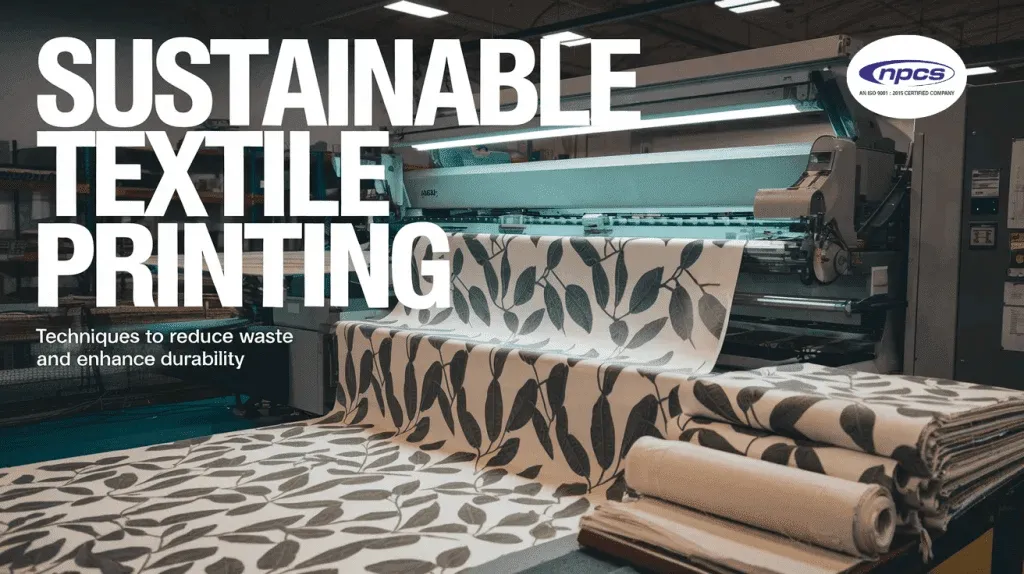
Textile printing has progressed since its early history. Today, it has become one of the most important parts of the world textile industry and is used to make beautiful and functional designs for fables. A user increasingly conspired embroidery and systematically developed from natural techniques of textile printing to modern digital techniques. This transformation helps make the process faster, more efficient, and designs of higher quality. In this blog, we will discover the history of textile printing and how it has changed. In this, we will look at traditional printing methods, the birth of digital textile printing, and how they are changing the industry. Let’s dive in! What is textile printing? Textile printing is the art or technology of applying colour and designs to fabric using various principles. The aim is to make patterns or designs on textiles such as cotton, polyester, or silk. Hand printing with wooden blocks or rollers had traditionally been done by printing manually; however, with modern technology, these techniques have either been replaced or improved by machines. Today, textile printing is becoming common in fashion, home decor, and industrial products. The designs are uniformly over the fabric by using different printing methods. They can be simple or they can be complex, just based on the technique you use. Traditional textile printing methods: Textile printing was done by hand for centuries. In the following, we take a quick look at several of the traditional methods that helped to get us to where we are today, modern printing. Block Printing One of the oldest printing methods in history is block printing. In this technique, we cut designs on wooden blocks and press them on the fabric dipped in dye. The fabric is replicated in a repetitive manner with the design. Many times we see block-printed fabrics being used in traditional Indian clothing like sarees and scarves. The design runs very detailed; you can notice the handmade look of the fabric. Roller Prints Traditional printing is done by roller printing. Such a technique is using engraved rollers rather than wooden blocks. The engraved rollers are held in a central cylinder, and the design is transferred onto the fabric. The results can be produced faster than block printing, and continuous patterns can be produced, running the length of a long run of fabric. Commonly, rolled prints are used for the mass production of a printed fabric. Screen Printing There is another traditional method of textile printing—screen printing. In this technique, a stencil (or screen) is created with a desired pattern. That screen is then shoved through the ink (with a squeezer). This is a still-used technique for more intricate printing, and it is used particularly for printing on T-shirts, bags, and other things. Also Read Textile Industry. Cotton Fabric Manufacturing Business Uttar Pradesh’s Push Towards Textile and Apparel Industry Textiles: Project Opportunities in Gujarat The rise of digital textile printing The year is recent, and digital textile printing enters the stage to make the old textile industry born again. Digital textile printing is different from traditional methods, where water-based ink and advanced technology are used to print the designs on fabric directly. We’ll look at the benefits and its innovations. Precision and Detail One of the main advantages of digital textile printing is its accuracy. Unlike stencils or blocks, digital printing uses a computer to tell the printer what to do. This enables very detailed designs and intricate grey scales that can’t be achieved using other techniques. Digital printing is also more flexible. It can print in polyester fabric or cotton fabric without any additional tools and in any colour or design. Designers have the luxury of new and creative ideas by allowing this flexibility. Efficiency and Speed The digital textile printing is faster than other methods. You do not need to make screens, stencils, or engraved rollers. Directly onto the fabric, the printer saves time, and there is no waste. It is just perfect for small batch production or customised designs. Digital textile printing’s other advantage is that it uses water-based ink, which is a more eco-friendly ink than the inks used in traditional printing methods. It has consequently helped in reducing pollution and waste in the textile industry. Customization and Short Runs Digital textile printing makes it possible to print designs on demand. That is, customers can order small quantities of custom-designed fabrics. Large minimum orders are typical of traditional printing methods, while digital printing enables long runs—and even some limited quantity production. This opens up new opportunities for businesses and designers to make new and special products without large inventories. Reduced Environmental Impact With everyone focusing on sustainability, digital textile printing is an attractive option. It reduces water consumption, energy use, and chemical waste. It also gets rid of the need to print screens, stencils, and gum tragacanth, as with traditional methods. Our Books Modern Technology of Textile Dyes & Pigments (2nd Revised Edition) Handbook on Textile Auxiliaries, Dyes and Dye Intermediates Technology The Complete book on Natural Dyes & Pigments Modern Technology of Paints, Varnishes & Lacquers (3rd edition) Innovations in Textile Printing: What’s Next? Textile printing is becoming part of the world. So, let’s see some of the interesting developments in the industry that will definitely lead to the future of the industry. Dye Sublimation Printing done by dye sublimation is a technique through which cloth receives dye by heat. This process helps make the ink a gas and has it bond with the fibres of the fabric. Use for printing on polyester fabrics and dye sublimation often gives very bright, lasting colours. One of the best ways to print fabric is with this method because the prints are high quality, don’t bleed, and don’t fade easily, and it’s particularly popular for sportswear, flags, and banners. This vibrant colour and durability make it a good selection for the frequent use of repetition items. Also Read Start Flourishing Business of Manufacturing Readymade Garments (T-Shirt). How to start a clothing manufacturing business? The Textile and
The Evolution of Textile Printing: From Traditional Methods to Digital Innovation

Textile printing has undergone a greater evolution than in its early days. Nowadays, this process is one of the industries’ most important parts; it helps make beautiful and convenient designs on fabrics. Textile printing has gone from the manual to another international aspect from these traditions. The process has become faster, more efficient, and capable of producing higher-quality designs. In this blog, we shall look into the history of textile printing. In this, we will be discussing the advantages of traditional printing methods, new digital textile printing, and its impact on the industry. Let’s dive in! What is textile printing? Textile printing is the application of colour or designs to fabric using many techniques. The aim is to produce patterns or designs on textiles such as cotton, polyester, or silk. Printing used to be done by hand with wooden blocks or rollers, but now we’ve replaced (or supercharged) that with machines. Textile printing has found its way in fashion, home décor, and as industrial products. There are designs covering the fabric that have different printing methods or ways of doing it. The technique used determines how simple these designs can be, or complex. Traditional textile printing methods Textile printing was done by hand for centuries. So let’s explore a glimpse of the traditional methods that marked the foundation of modern printing. Also Read Textile Industry. Cotton Fabric Manufacturing Business Uttar Pradesh’s Push Towards Textile and Apparel Industry Indian Textile Market and Business Scope for Entrepreneurs Top Opportunities in Technical Textile Sector Block Printing Block printing is one of the oldest printing methods known to history. The technique uses wooden carvings to drill designs onto, then dye them, and use the design as a frisket to ‘ink’ onto the fabric. The fabric is designed as a repetitive transfer of the design. Traditional Indian clothing sarees and scarves use block-printed fabrics. The design is usually extremely detailed and gives the fabric an incredibly handmade look. Roller Prints It is a more developed version of traditional printing. The technique uses engraved rollers instead of wooden blocks. Using a central cylinder providing the engraved rollers, the design is transferred onto the fabric. It is faster than block printing, and it can make continuous patterns along a long run of fabric. For the mass production of printed fabrics, roller prints are used very frequently. Our Books Modern Technology of Textile Dyes & Pigments (2nd Revised Edition) Handbook on Textile Auxiliaries, Dyes and Dye Intermediates Technology The Complete book on Natural Dyes & Pigments Modern Technology of Paints, Varnishes & Lacquers (3rd edition) Screen Printing Another traditional method of textile printing is screen printing. Another technique uses the stencil (or screen) to have the desired pattern. The squeegee pushes the ink through the screen and onto the fabric. Another print technique that offers more complex designs than block printing is this one and is still commonly used to print on T-shirts, bags, and the like. The Rise of Digital Textile Printing Recently, digital textile printing has significantly transformed the textile industry. Digital textile printing is different from traditional printing in that it uses water-based ink and advanced technology to directly print designs on to fabric. Now’s where we explore the benefits and innovation of that new approach. Precision and Detail Precision is one of the main advantages of digital textile printing. Unlike stencils or blocks, digital printing is controlled by a computer when information is sent to the printer. By letting you use very detailed designs and patterns, they also make it impossible for us to achieve with other methods. Digital printing is also more flexible. Without additional tools, it can print polyester fabric or cotton fabric in any colour or design. It is a great flexibility for designers to practice with new and creative ideas. Efficiency and Speed These methods of printing are faster than the traditional methods of printing. You don’t need to draw screens, stencils, or engraved rollers. It prints directly onto fabric so the bits of paper waste and wasted time are saved. Digital printing is ideal for small batch production or customised design since this makes printing kind. This digital textile printing is also a benefit because water-based ink is used instead of traditional inks, which are less eco-friendly. That’s why it reduces pollution and waste in the textile industry. Project Reports Manufacturing of Disposable Personal Protective Equipment (PPE) Kit Spinning Mill Business | Most Profitable Textile Spinning Business Business Plan for Polyester Textured Yarn from Used Pet Bottle Customization and Short Runs Digital textile printing enables the printing on demand. Small quantities of fabric customers can order is what this means. The digital printing, on the other hand, is more flexible since it has no minimum order required and allows you to print anything, as well as long runs or even single pieces. This has allowed new business and designer opportunities to open to create unique products without the requirement of keeping large inventories. Reduced Environmental Impact With the world’s stepped-up sustainability efforts, digital textile printing is an attractive way to replace traditional approaches. Digital printing cuts water use, energy, and waste generation. But it also does away with the need to print screens, stencils, and gumtragacanth that traditional methods rely on. Digital textile printing is an eco-friendly choice in fabric production due to these innovations. Innovations in Textile Printing: What’s Next? Textile printing is still evolving around the world. In fact, let’s look at some of the really innovative things that are making the industry come alive. Dye Sublimation This dye sublimation printing technique is a process of transferring dye to the fabric through heat. By allowing the ink to become a gas and then bond with the fibres of the fabric in the printing process, this enables it. Printing on polyester fabrics using dye sublimation is common and will result in vibrant, long lasting prints. This is a very popular method for sportswear, flags, and banners, as you get very good-quality prints that don’t fade easily. That
Challenges in Textile Exports: Overcoming Barriers and Increasing Competition
There are plenty of growth opportunities in this world of textile exports, and countries like India are doing very well. Despite so many challenges, exporters find it difficult to navigate this competitive and complex market. Indian textile companies must overcome these to thrive in the global marketplace. In this blog, I will explore some of the key challenges for textile exports and some strategies to overcome them. Key Challenges in Textile Exports High Production Costs and the Lack of Infrastructure The high cost of production is one of the biggest challenges that the textile exports sector of India is facing. All of these factors make the manufacturing even more expensive through expensive raw materials, labour costs, and a lack of advanced technology. Yet this is proving a downfall for Indian textile companies, as it is too difficult for them to take on other low-cost countries like China and Bangladesh. Furthermore, the Indian textile industry normally lacks the required infrastructure. Secondly, the production and delivery processes are slowed down by a lack of proper transport, storage, and supply chain systems in many regions. This translates directly to the ability to satisfy global buyer demands on time. Also Read Textile Industry. Cotton Fabric Manufacturing Business Uttar Pradesh’s Push Towards Textile and Apparel Industry Textiles: Project Opportunities in Gujarat Indian Textile Market and Business Scope for Entrepreneurs Top Opportunities in Technical Textile Sector Applicable complex export regulations and tariffs Regulatory hurdles also face Indian textile exports. Yet India is a big exporter of textiles and garments, and one that must contend with the advance of complex export regulation rules. The customs procedures, duty structures, and tariffs such countries impose must be known to exporters. If paperwork or documentation is miscalculated, it results in delays and delays in business relationships. In addition, global tariffs and traded barriers are a major obstacle in the way of Indian exporters. These tariffs make it more difficult for exporters to charge competitively for their products. Secondly, the benefits of free trade agreements (FTAs) between other countries to Indian textile and apparel exports may not always be the same. Quality Standards and Certification Indian textile exports have to meet the high quality standards as they are looking to make inroads into international markets. But there is an inconsistent quality control across regions. Poor standards and uniformity of production often mean that the Indian textiles produced are subpar and can damage the international reputation of them. For example, countries such as the U.S. and European Union have very strict ways of operating with the product and have certain guidelines, such as safe and ethical manufacturing of their products as well as sustainability. However, for these quality standards to be met consistently by Indian exporters to gain trust and grow their share in these markets, this needs to be done. Our Books Modern Technology of Textile Dyes & Pigments (2nd Revised Edition) Handbook on Textile Auxiliaries, Dyes and Dye Intermediates Technology The Complete book on Natural Dyes & Pigments Modern Technology of Paints, Varnishes & Lacquers (3rd edition) Competitors from Other Countries The textile sector was on a competitive basis. India competes very stiffly with other countries such as China, Bangladesh, and Vietnam, which are also key exporters of textiles and garments for India. But these countries provide lower production costs, advanced technologies, and better infrastructure than India. Indian exporters need to differentiate themselves to succeed. If they focus on premium quality, innovative design, and sustainable production, they can have a unique position in the global market. According to textile manufacturers, building a strong export strategy can be achieved through collaboration with organisations like the Export Promotion Council. Supply Chain Disruptions The supply chain is vital for the textile and apparel exports sector. Sadly, textile exports are poorly aligned with supply chain disruptions. The delivery schedule is often delayed due to factors like global supply chain, raw material shortage, and transportation delay. In the last few years, the COVID-19 pandemic highlighted the fragility of global supply chains. With India recovering from these effects of the pandemic, the textile industry has to adapt to it, meaning strengthening of the domestic supply chain and expanding of the supplier base. Project Reports Manufacturing of Disposable Personal Protective Equipment (PPE) Kit HDPE PP Woven Sacks Spinning Mill Business | Most Profitable Textile Spinning Business Business Plan for Polyester Textured Yarn from Used Pet Bottle Strategies to Overcome the Challenges in Textile Exports: Place a bet on Technology and Innovation Upgradation to new technologies can help Indian textile exporters in reducing cost & improving quality. Automation, digital printing, on the other hand, and artificial intelligence can be used to increase efficiency in manufacturing processes. A reduction in the impact of high labour costs on the competitiveness of the Indian textile companies is possible by increasing the efficiency of production. Finally, they are also growing in demand for a variety of technical textiles, including performance fabrics and smart textiles. However, to avail of these advantages, innovators, Indian exporters can embrace these innovations to create higher profit margins by tapping into new markets. Focus on regulatory process To overcome the challenge of complex export regulations, Indian textile exports must partner with the Confederation of Indian Textile Industry (CITI) and the Exports Promotion Council. Exports can also benefit from these organisations to help ensure that they remain on top of the regulations and know how to be compliant. The process will be made simpler to the extent that documentation, customs clearance, and export licensing will be eased. For example, countries like the U.S. and the EU need to be certified to have textiles meet specific environmental and labour standards. Indian exporters can also access high-value markets that want premium brands of products when they meet these requirements. Focus on Sustainability The global textile market is today largely governed by the idea of sustainability. More and more buyers from all over the world are searching for textiles based on eco-friendly and sustainable production. After all, Indian textile exporters can
How Textile Exports Can Leverage Free Trade Agreements for Growth
Indian textile exports industry is important for Indian economy. With a long history in textile and garment export as a major foreign exchange source, India has become one of the world’s largest exporters of textiles and garments. Nevertheless, there are a lot of challenges for textile exporters in India in the global market. Free Trade Agreements (FTAs) have proven to be the single best way to overcome these challenges. This blog explores how textile exporters can use FTAs to increase their growth and diversify into new export markets. Understanding textile exports and free trade agreements The term textile exports is concerning the sale and shipping of textiles, fabrics, and cloth from a country to a further country. India is one of the top textile and apparel exporters in the world. India has been playing a crucial role as a part of the worldwide supply chain to fulfil the global desire for fashion, home textiles, and technical textiles. Free Trade Agreement (FTA) means the negotiation or agreement between two or more countries that seeks to demilitarize trade barriers. There can be ??? barries, like tariffs and quotas, and other restrictions. FTAs are agreements between countries that agree to reduce trade barriers and make it easier to export products to the countries. For textile exporters, even FTAs can be used as a powerful device to enhance their competitive advantage in international markets. How Textile Exporters Benefit from FTAs: Lower Costs In Transit, Import Taxes and Tariffs The reduction or elimination of tariffs and taxes on exports is one of the most important advantages of FTAs. According to the Confederation of Indian Industry (CII), the India-ASEAN FTA allowed Indian textile exports to grow by 20 to 25 percent after its introduction. Cheap exports of textiles through lower tariffs make them increasingly affordable to foreign buyers, who are likely to be interested in buying. When Indian exports of textiles and apparel have zero or low tariffs in the destination markets, either because of free trade agreements or zero tariffs, exporters can price competitive. In areas like textiles and garments where there is fierce price competition, particularly so. Our Books Handbook on Textile Auxiliaries, Dyes and Dye Intermediates Technology Modern Technology of Paints, Varnishes & Lacquers (3rd edition) Market Access and New Opportunities The appeal of an FTA is because it opens new markets to textile exporters. FTAs remove the barriers to trade, which allows businesses to go into countries that were hard to do business with before. For instance, the India-MERCOSUR FTA allows Indian exporters of textiles to gain access to Latin America’s markets, in which Indian textile demand is increasing. These agreements give opportunity for growth. Since the Indian textile and apparel exports enjoy trading with its partners, the volume of sales may get enhanced. In addition, FTAs provide preferential treatment, including an advantage to Indian textile exporters against competitors from other countries that don’t have FTAs. Supply Chain strengthening Are there improvements in the supply chain for textile exporters under international free trade agreements? Raw material sourcing is much easier in many FTAs that come with easy sourcing for raw materials. In other cases, the FTA’s between, for example, the India and Korea FTA enable Indian textile exporters to source garments and other material at cheaper rates. It minimises the production cost and heightens the efficiency of the textile and apparel exports in India. In addition, FTAs relieve logistics by making shipments of textiles abroad easier and faster. It makes the Indian textile industry more competitive. The Many Investment Opportunities FTAs will help divert FDI to the textile sector. By doing so and signing FTAs, countries communicate to investors that the market is stable and anything is available for business. Therefore, foreign companies may be more readily attracted into the Indian textile industry, resulting in better infrastructure, technology, and business opportunities. For instance, the India-Japan FTA has caused an investment in the Indian textile manufacturing sector. And that has enabled textile exporters to increase the quality of their products and, in some cases, to adopt more sophisticated manufacturing methods so they can compete on the world market. Enhanced Competitiveness FTAs also reduce the playing field to some degree, making it even more level for textile exporters. FTAs reduce trade barriers, allowing smaller exporters to compete against larger, well-known companies. These agreements make it possible for textile exporters to expand into new regions, add to their product offering, grow their business, and improve their market share. Information on trade agreements, market conditions, and how FTAs can be leveraged to the benefit of exporters is provided by the Exports Promotion Council. It remains easy for Indian textile exporters to capture the benefits of FTAs. Major FTAs Benefiting Textile Exports from India India-ASEAN FTA It is true that the India-ASEAN FTA has been one of the most successful agreements for the exports of Indian textiles and apparel. India’s textile exports to ASEAN countries have grown manifold since its implementation. This agreement gives Indian textile exporters reduced tariffs in the markets of Indonesia, Malaysia, Singapore, and Thailand. India-EU FTA Another important trade agreement of Indian textile exporters is the India-EU FTA. Indian textiles and garments are among the largest markets for the EU, and this FTA has enabled reducing tariffs and facilitating market access. Indian textile and apparel exports face lower import duties in the main European markets, easing exporters’ ability to make sales. Project Reports Manufacturing of Disposable Personal Protective Equipment (PPE) Kit HDPE PP Woven Sacks Spinning Mill Business | Most Profitable Textile Spinning Business Business Plan for Polyester Textured Yarn from Used Pet Bottle India-US FTA The India-US FTA helps India fend off the growing threat of a reduction in imports from China to the Indian textile sector in the global textile supply chain. India’s largest textile export market is the US. Among them, textile exporters will have easier access to the US market and fewer restrictions under this agreement. India-Australia FTA Indian textile exporters will benefit from the India-Australia FTA. The
Navigating the Global Textile Exports Market: A Guide for Manufacturers
In countries like India, where the textile sector contributes significantly to the economy, the creation of the global textile exports market presents the manufacturers with exciting opportunities. Manufacturers can exploit a growing demand for high-quality textiles on the international market with the appropriate strategies. This guide provides two things: the dynamics of the global market and practical advice on how to successfully navigate the labyrinth of textile export. What Are Textile Exports? Textiles and garments involve the export of textiles and garments from one country to another. What are included are all kinds of materials and materials used in the production of clothing of all sorts and related products used in international trade. Textile and apparel exports are a big part of the economy for countries like India. The Indian textile industry is the largest in the world in generating employment, production, and foreign exchange earnings. Key Factors Influencing Textile Exports However, textile exports are heavily dependent on several factors. These include production quality, pricing, market demand, and international regulations compliance. It is important for manufacturers that aim to expand their business abroad to understand these factors. How to understand the global demand Textiles have become a product in demand globally, especially in emerging markets. Fashion, technology, and the preferences of consumers are driving the demand for textiles and the garments they produce. To stay on top of the textile export market, manufacturers need to be updated on these trends. In countries like the U.S., EU, and Japan, high-quality fabrics and apparel demand keeps rising. Countries in Africa and Asia are also showing growing demand for textiles. Its essential to understand these regional preferences and create your product offering based on that. The Function of Exports Promotion Councils Many of our clients have export promotion councils; they benefit greatly from exporting to international markets. They provide a variety of services, from market research to assisting in negotiating trade agreements. For instance, the Textile Export Promotion Council facilitates textile exports in India. These councils should be paired with manufacturers to understand export regulations, market entry strategies, and key trade fairs. Deploying these resources allows manufacturers to reach new markets as well as compete with competitors. Our Books Modern Technology of Textile Dyes & Pigments (2nd Revised Edition) Handbook on Textile Auxiliaries, Dyes and Dye Intermediates Technology The Complete book on Natural Dyes & Pigments Modern Technology of Paints, Varnishes & Lacquers (3rd edition) Strong Supply Chain Build A good, reliable supply chain for textile exports is one of the most crucial things. An effective supply chain will deliver products on time and reduce costs. The textile sector needs for smooth operations to be most efficiently transported, warehoused, and managed with respect to inventory. A robust domestic supply chain helps India’s textile and apparel exports. Nevertheless, manufacturers are closely competing to improve this chain to get better. Technology for better measuring can be invested in tracking, monitoring, and managing processes. Utilizing Technological Progress The textile export market is becoming increasingly technology-driven on a global scale. Automation, digital printing, and AI-based design tools could make costs go down and product quality get better in textile manufacturing. With these advancements, companies can meet the devoured demand for fast fashion and custom textiles. Furthermore, digital platforms and e-commerce support manufacturers’ ability to interact with end buyers around the world. Using these technologies, manufacturers can reach farther and simplify export processes. Regulatory Compliance and Standard The texture regulation and standard for textile exports in different countries are different. This includes product safety, all the way up to environmental impact. If manufacturers fail to comply with these standards, penalties or shipment rejections may occur. The Confederation of Indian Textiles Industry (CITI) deals with both government bodies as well as itself to promote textile growth in India according to established standards. If your products meet these regulations, this will make it easy for you to market in the international markets. How to Enter the Global Textile Exports Market It’s easy to be intimidated by the prospect of entering the global textile export market, but the right approach can see manufacturers achieve. Here’s a step-by-step guide on how to enter this lucrative market: Conduct Market Research You need to know the market dynamics in the countries you wish to export to before you actually start exporting. Find out research factors like local consumer preferences, currently earning competitors, and market size. For one example, a customer may want textiles or garments that differ from those in North America for demand in Europe. You can use reliable data and insights to know which markets are the best for your products. Free access to such data present in many export promotion councils can make you take the right decision. Project Reports Manufacturing of Disposable Personal Protective Equipment (PPE) Kit HDPE PP Woven Sacks Spinning Mill Business | Most Profitable Textile Spinning Business Business Plan for Polyester Textured Yarn from Used Pet Bottle Develop a Competitive Product Only high-quality products at competitive prices are enough to make textile exports a success. Know what international customers need. For example, eco-friendly fabrics or easy-to-maintain fabrics may be a preferred choice by many buyers. Product development can provide you with a competitive advantage in the market. You can read more on how you offer unique value propositions, such as high-quality woven fabric or anti-bacterial material, which can set you apart from the competition. Pouring resources into relationships with international buyers Strong relationships with international buyers are a vital part of long-term international textile export success. Networking with the global buyers, connecting with textile buyers and manufacturers in online platforms like textile manufacturers and textile buyers market. Indian textile industry trade shows are one of the best places to demonstrate your product to an international audience. These will allow you to find out about market requirements and what to offer them. Start and join Trade Agreements and Export Programs There are a lot of countries that have free trade agreements with other countries that reduce barriers