
Industrial Gas Applications: A Deep Dive into Their Widespread Utility

Industrial gases play a vital role in numerous industries consisting of healthcare, production, and also chemical sector, standing for a dynamic and important market. They have functional applications varying from enhancing process efficiency to preserving item top quality. A feasibility as well as techno-economic practicality research is essential to recognize the possible chances and also challenges in investing in the commercial gas sector. Common Uses Industrial gases like oxygen, nitrogen, as well as carbon dioxide are made use of in diverse applications. Oxygen is vital in steel manufacturing as well as medical care; nitrogen is crucial for food conservation as well as chemicals, and also co2 finds its uses in drink carbonation and oil healing. Feasibility and Techno Economic Viability Study Purchasing the industrial gas sector needs a thorough analysis of financial viability as well as technical feasibility. With an enhancing demand for commercial gases, particularly in arising markets, recognizing the technical subtleties, financial ramifications, and also return on investment is important. Why Invest in this Manufacturing Industry Trends and Analysis The global industrial gases market is witnessing growth, owing to the rising need in various industries. Advancements of technology and growth in end-use applications, are driving forces propelling the expansion of industrial gas market. The increasing demand for clean energy sources also contributes to the expansion of this sector. Visit this Page for More Information: Start a Business in Industrial Gases Industry SWOT Analysis Profitability Analysis Given the revenue generation, operating expense and net profit margins are very important for analysts to evaluate before they decide on owning a stock. High profitability is seen in the sector, driven by longstanding demand and a variety of industrial gas applications. But large shifts in raw material prices and operating expenses can affect that profitability. Global Expansion and Localization Keeping in mind that global expansion is crucial to entering emerging markets, but at the same you have to localize what users wish to see – norms over time bracket and customer preferences. To serve varied markets efficiently, a middle-of-the-road stance is essential as regulators, community vibes and even consumer habits differ from region to region. Supply Chain Supply chain in the industrial gas sector includes, purchase-production-circulation and logistics area which is very important. A streamlined supply chain minimizes threats related to supply disruptions as well as boosts operational efficiency. Branding and Marketing Branding elevates the viewed worth of products, while advertising and marketing approaches enhance exposure as well as consumer involvement. Reliable branding and advertising are indispensable for placing in open markets as well as are essential components for success in the commercial gas industry. Regulatory Changes and Industry Compliance Strings need to be regulatory compliant and change frequently requiring flexibility. Failure to comply can have legal ramifications and damage brand reputation. Following governing changes and also making sure that conformity is kept up to date. Technological Innovation Innovations in innovation lead to the development of new applications and boost operational efficiency. It is because modern technologies ought to be Sophisticated by integrating First-rate and secondly-amount innovations, marketers can continue in the world of business. Future Opportunities Industrial gas remains an exciting sector with growth potential, especially in emerging markets and developing new applications. Rising demand for healthcare services and clean energy sources also make this sector of the economy more attractive going forward. Feasibility and Techno-Economic Viability Economic Viability This is about whether it will be adequate to provide financial stability and profit when investing in such industrial gas production. Economic viability assessment is important as production units require substantial capital investment and have variable operational costs. Technological Feasibility It is very important to have a proper tech study done on the available as well required technology for industrial gas production. It also depends upon the scale of an industry being a small or big unit, and to determine how much ease more awesomely we can produce industrial gases, its quality control parameters, whatever it will meet the industrial standard. Global Expansion and Localization: Detailed Overview Global Expansion Companies will need to reach the individual segments far more than they have now, in order to include them within their clientele and expand into emerging markets. Successful global expansion requires an understanding of regional market dynamics, consumer preferences and local competition. Localization Strategies Because strategies such as forging local partnerships, abiding by regional norms and adapting products to be more amenable with natives are vital. And this means businesses are being absorbed in local ecosystem, leading to consumer faith and loyalty towards brands. In-depth Supply Chain Analysis Supply chain management is significant, meaning it must have been planned and arranged in the best strategic way. It covers from the procurement of raw materials, manufacturing development up to warehousing, distribution and logistics line, it is making certain you are timely available in responsive industrial gases product delivery arena. As a result, we need to streamline the process in which human interventions are fed. Branding and Marketing Strategies Branding and marketing are synonymous of creating brand value for delivering consumer engagement. Using market research in order to identify customer expectations and industry specifications allows the company to raise brand awareness, its overall presence on the market. Regulatory Changes and Compliance: Comprehensive Insight The regulatory landscape for producing and distributing industrial gases is in a state of constant change. These can range from environmental law, health and safety regulation, internal policies on quality management systems or product compliance. To not only avoid any legal actions but also brand image, it is crucial to regularly audit and adhere to these standards. Technological Innovation and its Impact By incorporating the latest technologies, industrial gas production is undergoing a transformation. Technological advancements in purification, compression and distribution systems are driving the market witnessed to burgeoning growth attributes with significant returns on investment. Keeping up with developments in the tech world is key to make sure that we are staying relevant, and meeting the future requirements of our markets. Deep Dive into Profitability Analysis Understanding the earnings streams,
Future Viability of Indian Agrochemicals: A Techno-Economic Feasibility Assessment

India is a mostly agricultural country, with agriculture audit for over 16% of the country’s GDP and also using nearly 43% of the labor force. The agricultural market deals with plenty of obstacles, including reducing water sources, lowering land performance, in addition to increasing need for food to feed a broadening population. To fulfill these needs, the Indian farming market must invite new developments and also advancements to improve performance as well as make certain food safety and security as well as protection. One such enticing technique is the growth of the agrochemical market. In this 3000-word blog site, we will find the usefulness as well as techno-economic feasibility of the Indian agrochemical market. We will certainly explore the marketplace’s development licensed operators, its possibility for technology, the environmental as well as regulative troubles, as well as also the basic financial impact on India’s farming area. Visit this Page for More Information: Start a Business in Agrochemicals Industry The Indian Agrochemical Market A Review The agrochemical market makes up items such as fertilizers, pesticides, herbicides, and also fungicides, which assist enhance plant return as well as additionally premium. The farming industry in India has actually been going with a whole lot of growth off late as well as the agrochemical market over there is likewise no various, many thanks to aspects such as populace rise, raising recognition among farmers and federal government initiatives targeted at enhancing farming efficiency. The Indian agrochemical market, by marketing research, is expected to increase at a compound yearly growth price (CAGR) of around 7.5% in between 2021, as well as 2026. While this can be due to things like: Expanding Demand for Food With a quickly expanding populace as well as enhancing unrecyclable incomes, the need for food is anticipated to boost in India hence needing more productivity in agriculture. Technical Developments Progression of cutting-edge chemicals along with precision cultivation strategies can improve plant turnouts as well as likewise help the med overcomes the obstacles connected to environment modification, bloodsuckers and also condition. Federal Government Initiatives A few of the programs released by the main government with a goal at increasing farming effectiveness & advertising ideal farming methods consist of Pradhan Mantri Krishi Sinchayee Yojana (PMKSY) and also Rashtriya Krishi Vikas Yojana (RKVY). Innovation in the Indian Agrochemical Market Technology in the Indian agrochemical market can be observed throughout many domain names, including item improvement, accuracy farming methods, in addition to electronic systems. Some circumstances of cutting-edge growths in the agrochemical sector consist of: Nanotechnology-Based Agrochemicals Scientists are implementing nanotechnology-based agrochemical formulations that possess the capacity to strengthen its performance and simultaneously decrease the ecological effect of agrochemicals. These nano formulations can improve the solubility and absorption price of activated ingredients, making it possible for decreased dosages as well as minimizing the opportunities for chemical leaching. Biostimulants A biostimulant is a natural based product which contains organic or all-natural ingredients that are known to boost plant growth, vigor and overall health. Boosting biofertilizers just as well as biostimulants, it instead contributes to the initiation of urban farming and control on agrochemical fertilizers. Accuracy Farming Modern technologies such as remote noticing, drones and variable-rate innovation can assist the cultivation sector utilize agrochemicals extra effectively along with reducing their ecological impact. Environmental and also Regulative concerns The Indian agrochemical market is controlled by several eco-friendly as well as regulative concerns such as: Environmental Problems Such excessive use agrochemicals might result in dust wear and tear, water air pollution along with damage to non-target living beings. This kind of concerns can be addressed though the cut off green agrochemicals together with promotional code of bundled infestations operations (IPM) measures. Regulatory Difficulties The Indian agrochemical industry encounters tough policies to guarantee the protection and efficiency of agrochemical products. In India, the control of use of agrochemicals would come under one or the other regulatory authorities such as the Central Insecticides Board & Registration Board (CIBRC) for registration, import, manufacture and sale etc. This process of legislation can also be lengthy as well as intricate, resulting in delays in product approvals and market access. Read our Book Here: The Complete Technology Book on Chemical Industries Related Feasibility Study Report: Chemicals (Organic, Inorganic, Industrial) Projects Imitation Products The Indian agrochemical market has actually been coming across the issue of replica as well as spurious products, which not only impact the sector’s reputation but also position dangers to farmers as well as the setting. Strengthening governing systems and also enhancing understanding amongst farmers can aid curb this problem. Techno-Economic Feasibility of the Indian Agrochemical Market The techno-economic usefulness of the Indian agrochemical market can be reviewed by examining many variables, such as market possibility, financial investment possibilities, and additionally the monetary result on the farming area. Market Ability Increasing population, enhancing consumption level as well as focus on lasting agriculture provides significant scope for growth in the Indian agrochemical marketplace. Additionally, the goal to double the income of farmers by 2022 is an additional prospects factor for agrochemicals growth. Financial Investment Possibilities The Indian agrochemical sector presents appealing financial investment possibilities for both domestic and also foreign gamers. All these have actually made the Make in India project to attract a number of agrochemical company to set up manufacturing bases in India. In addition, the federal government has actually provided numerous inspirations, such as tax vacations as well as additionally subsidized financings, to prompt financial investment in the agrochemical field. Economic Result on the Farming Industry The fostering of agrochemicals can considerably enhance crop returns as well as additionally help attain food security and safety and security in India. It can also add to the total monetary improvement of the nation by enhancing the earnings of farmers and also creating employment possibility in the agrochemical market. The Highway Ahead Barriers and Opportunities The Indian agrochemical market is positioned for development, however it furthermore comes across several barriers that require to be addressed to make certain long-term development. Lasting Use Agrochemicals Encouraging
Exploring Opportunities in Concrete and Cement Sector: A Guide for Startups

The building market is fast moving, and as such, the demand for new items like concrete, cement, along with associated materials in the industry, continues to grow rapidly. This article goes in-depth into the opportunities in the concrete and cement sector, highlighting the lucrative possibilities that exist within this field. It aims to enable startups to understand why they should be investing in such a resilient and massive industry. PCC Electric Poles: A High-Demand Market A High-Demand Market Pre stressed Concrete (PCC) electric posts stand for a significant segment in the building materials market. With their toughness and reduced upkeep, these posts are significantly liked over standard wood or metal posts. This transition offers an exciting opportunity for startups to establish themselves within a market of constant necessity, fueled by global urbanization and infrastructure development. AAC Blocks: Revolutionizing Building Materials The construction products sector has been witnessing a major shift ever since the introduction of Autoclaved Aerated Concrete (AAC) blocks. Light in weight & having highest strength makes these blocks suitable for modern day construction with imposing versatility of thermal insulation, fire protection and energy efficiency. A clear and growing market can be expected for startups getting into AAC blocks production, especially in areas where sustainable building practices are gaining attention. Polymer Modified Cementitious Tile Adhesives: Enhancing Durability The tile adhesive market is witnessing a shift towards polymer-modified cementitious adhesives. These adhesives offer better strength, flexibility, and moisture resistance, making mega-polymers ideal for residential and commercial use. It is this niche market which can allow for a startup to focus on one aspect of the greater construction industry, but not lose out in terms of demand. Visit this Page for More Information: Start a Business in Construction Industry Concrete Blocks and Ready Mix Concrete: The Backbone of Construction Concrete blocks and ready-mix concrete become the backbone of any construction industry. Both of these propositions are more relevant than ever with construction increasing under the demand, to be cost-effective and faster. The wide market place which is not wringed yet and with the freshness of new ideas in deliverance services as well for product Sustainability requirements can be mobilized by Startups. Precast Concrete Compound Wall: A Growing Trend The appeal of precast concrete for compound walls is rapidly growing due to its cost-effectiveness and quick installation. This market provides startups with a chance to cater to a market looking for fast and reliable building and construction options, specifically in metropolitan and semi-urban areas. Cement Roofing Tiles: Combining Aesthetics and Functionality Incorporating Visual Appeals and Capability Cement roof floor tiles supply a visual yet functional service for contemporary structures. This segment allows startups to discover a market that values both the aesthetic allure and the durability of roofing products. With the ideal technology, there’s capacity for considerable development in this niche area. Portland Cement: The Evergreen Product The Evergreen Item Portland concrete continues to be a fundamental material in the building market. While the traditional roots are an identity, there is room for manufacturing performance and ecological sustainability innovation. By focusing on these aspects, start-ups can differentiate in a solid market. Asbestos Cement Corrugated Sheet: Navigating Challenges Health risks from asbestos have caused a decline in its use and manufacture of asbestos cement corrugated sheets. Startups have a key opportunity to create renewable, healthier alternatives that match benefits amid a major market shift. Cement from Rice Husk: An Eco-Friendly Innovation Making cement from rice husk is an experimental method to make green building materials. Thus, this sphere not only brings sustainable solution, but also solves waste management problem. Related Business Plans: Construction & Building Materials Innovative Use of Cement in Infrastructure: A Lucrative Avenue New engineering methods need original, cost-effective products to replace traditional materials for global infrastructure projects. Cement is very essential to these projects as it provides strength and durability. Startups can meet this demand with specialized cement mixes for high-stress bridges and earthquake-resistant buildings. It allows them to tap into a specific sector while also helping the development of infrastructure technology. Green Cement: Pioneering Sustainable Construction Sustainability is now one of the conditions that are imperative in construction. Green Cements Today, the most obvious emerging area in which there is a high potential for utility, though still largely unrealized by state-of-the-art cements. With investment in green cement production, startups will be at the forefront of a climate conscious market that appeals to expanding consumer and business interests for ecofriendly construction solutions. Fiber Cement: Durable and Versatile Fiber-reinforced cement is a durable, elegant composite material that enhances and transforms your living space. This is used for several applications, right from your roof to siding. As a startup you can get into fiber cement production in an industry that recognizes quality, last-longing materials. One more field for innovating is regarding textures, colors and forms so that the solutions become increasingly customized to customers. Self-Healing Concrete: The Future of Construction Bacteria or other agents that can repair cracks make self-healing cast concrete a leading-edge construction material. Sustainable material that repairs concrete cracks, reducing maintenance costs and extending structural lifespan. This an opportunity for startups to become part of the next revolution in construction industry. Read our Book Here: The Complete Book on Construction Materials Customized Cement Solutions for Specialized Applications Construction projects vary, and the need for cement to be tailored depending on its intended application is increasing. Other startups focus on creating custom cement mixes for particular needs for instance, marine use, chemical-resistance structures or low-temperature applications. This not only serves the unique requirements of customers but also keeps the startup different from a market full-scale product. Sustainable Cement Manufacturing Processes Cement manufacturing Cement is highly energy and CO2 intensive how could we decarbonize this? This area holds great potential for startups to create more sustainable manufacturing solutions for this material. This might include the use of renewable energy, carbon capture technologies to reduce emissions or designing manufacturing in a way that creates minimal waste. Collaborative Ventures in Cement and
Opportunities: Starting Own Journey in the Thinners & Solvents Industry

The chemical industry is an integral part of the international economic climate, and also the demand for thinners and solvents gets on the increase. These products are vital for countless industrial applications such as paint, coverings, adhesives, printing inks, cleaning products, and pharmaceuticals. With an increase in the demand for these products, it is indispensable to evaluate whether manufacturing of thinners and solvents would be feasible or techno-economically viable. On the other hand, a comprehensive study on market competitors and global Clinical Data Analytics industry analysis is provided in this article. Visit this Page for More Information: Start a Business in Paint Industry Over the past few years, it has been observed that the global market for thinners and solvents is growing at a rapid pace on account of increasing industrialization coupled with expanding urban population base along with rising per capita income levels across major developing & developed economies. The global high-intensity sweeteners market is expected to grow from USD 22.3 billion in 2021 to USD 32.4 billion by the end of the year, according to a new report on Reportlinker.com. Asia-Pacific is the largest market in mounting ton pads with a share of around 40% globally. The Fast pace of industrialization in China, India, and Korea has increased the demand for thinner & solvent. And there is a massive market in North America & Europe due to growing industries and demand for non-harmful, bio-based solvents. Trends and Analysis Read our Books Here: Paints, Varnishes, Lacquers, Spirit Varnishes, Solvents, Thinners And Surface Coatings The global thinners and solvents market has experienced significant growth in recent years, driven by increasing industrialization, rapid urbanization, and a growing middle-class population. The market size was valued at USD 22.3 billion in 2021 and is projected to reach USD 32.4 billion by 2028, registering a CAGR of 5.4% during the forecast period (2021-2028). The Asia-Pacific region dominates the market, accounting for around 40% of the global share. Rapid industrialization in countries like China, India, and South Korea has led to an increased demand for thinners and solvents. North America and Europe also have a significant market share due to the presence of well-established industries and increasing demand for eco-friendly and bio-based solvents. By capitalizing on future opportunities such as increased demand for green solvents, expansion in emerging markets, innovation, and focusing on niche markets, companies can strengthen their position in the market and pave the way for long-term success. Over the past several months, our team has been committed to creating a comprehensive and engaging piece of work that not only embodies our vision and passion but also serves as a resource that we believe will be invaluable to our readers. Manufacture of Thinners & Solvents (Properties, Uses, Production, Formulation with Machinery Details) 2nd Edition is an extension of our blog, delving deeper into the subjects we’ve only had the opportunity to briefly explore in our blog posts. It offers further insights, more nuanced discussions, and a plethora of concepts we’ve discussed. We’ve curated the content with great care and attention to detail to ensure that the book complements our existing resources, offering a richer, more detailed exploration of the topics at hand. Businessmen and entrepreneurs might benefit from obtaining detailed reports from NPCS (Niir Project Consultancy Services), and they soon recognize this through resource sales. Following are few justifications for purchasing NPCS report: In conclusion, NPCS report is really valuable for identifying a sector, decision-making and launching any product into the market or investment strategy. Contact Us
How to Start a Bamboo and Bamboo-Based Products Industry

Since bamboo grows fast and requires little water as well as pesticides it is quite a sustainable product. This makes it possible to harvest without hurting the origin system of the plant therefore enabling it recoup promptly. The bamboo is much superior. While typically compared to oak and maple hardwood, bamboo grows in half the time making it ideal for a multi of applications. Bamboo is a building material, furniture item, article of clothing or kitchenware With a broad range of applications it is an incredibly versatile material that opens up loads off possibilities for both innovation and product diversification. Visit this Page for More Information: Start a Business in Bamboo Industry Related Feasibility Study Report: Production of Eco Friendly Bamboo Based Products: Tissue Paper, Paper Bags & Plates Read our Book Here: Bamboo Plantation and Utilization Handbook Visit the page Select and Choose the Right Business Startup for You for sorting out the questions arising in your mind before starting any business and know which start-up you can plan. We, at NPCS, endeavor to make business selection a simple and convenient step for any entrepreneur/startup. Our expert team, by capitalizing on its dexterity and decade’s long experience in the field, has created a list of profitable ventures for entrepreneurs who wish to diversify or venture. The list so mentioned is updated regularly to give you a regular dose of new emerging opportunities. Businessmen and entrepreneurs might benefit from obtaining detailed reports from NPCS (Niir Project Consultancy Services), and they soon recognize this through resource sales. Following are few justifications for purchasing NPCS report: In conclusion, NPCS report is really valuable for identifying a sector, decision-making and launching any product into the market or investment strategy.
Exploring Profitable Ventures: Top Chemical Business Ideas

The chemical industry unfolds as a galaxy of prospects for intelligent entrepreneurs. Based on thorough market analysis and promising development prospects, this sector offers bold opportunities for growth and innovation. In this article, we present the Top Chemical Business Ideas along with long-lasting factors every entrepreneur should consider when entering this dynamic field. CPW is a chemical player, with flexibility (capacity wise) closer to gamechangers. Its need covers from PVC compounding to metalworking fluids, making it a financially rewarding focal point for service. The rise in polyurethane manufacturing puts Propylene Oxide in the spotlight. This substance’s expansive usage in vehicle and building and construction markets indicates a successful venture for start-ups. A Market growing Harness the growing need for Formic Acid, prevalent in farming and leather handling. Its flexibility ensures a stable market, encouraging investment. The Strengthened Foundation of Industry Study the Carbon Black sector, important in tire and rubber production. Its global market performance illustrates a safe and rewarding service wager. A Foundation Chemical With its vital function in textiles and food industries, Antarctic Acetic Acid provides a stable market. Its crucial nature spells consistent demand. Preserving Profit As a food preservative, Calcium Propionate ensures shelf stability in bakery products. This necessity in food preservation opens doors to enduring profitability. Visit this Page for More Information: Start a Business in Chemical Industry Projects Protecting Profit As a food preservative, Calcium Propionate makes sure shelf stability in bakeshop items. This necessity in food preservation opens doors to enduring earnings. Priming Success The preparation of metals for coating necessitates . Their essential function in manufacturing cycles creates a compelling business proposition. The innovative recovery of Fe2O3 & TiO2 from bauxite waste presents an eco-friendly niche. This environmentally green approach aligns well with market trends. A Bright Business Prospect Hydrogen Peroxide is used for disinfection and bleaching, resulting in a growth direction. After conducting research what it worth investing in is odor treatment chemical since its multiple domain usage. Citric Acid Monohydrate, with formulating effervescent drinks, pharmaceuticals or detergent to be so common the world over use of this material gives it something approaching global status. This technology is now essential across industries, making it a smart choice for any new company. Metal pretreatment chemicals greatly influence the quality and lifespan of metal products. They play a vital role in dozens of manufacturing processes and represent an attractive industrial opportunity. A unique method recovers Fe?O? and TiO? from bauxite waste, solving environmental issues and enabling recycling profits. This puts startups in a sweet spot where they can benefit from the two-fold gains of economy and ecology. Related Feasibility Study Reports: Chemicals (Organic, Inorganic, Industrial) Projects The properties of hydrogen peroxide make it a versatile agent, used for antiseptic and even paper bleaching. This variety of application across sectors makes into a business that is looking at broader and growing horizons. Especially, for the startups thinking to enter into chemical industry should definitely understand and recognize its potential. Market trends show strong growth potential and ample room for innovation in a flourishing future. The return on pride: where investment meets need over time. Investing in chemical business ideas simply because they make the list for Good Society is not only about current demand, but also forward positioning our money towards and within an architectural element of modern manufacturing/production. This is why these chemical parts will remain an important part in numerous industrial processes for the foreseeable future as long we continue to live in a global economy. Those who invest wisely, then will be out in front of an industry that’s likely to grow for years to come. Chemical business is not a new business this can say as it’s an age-old adage; it’s too much of strategic planning for most profitable and sustainable future. Utilizing the different applications of Formic Acid, mainly in Agriculture and Natural Leather exposes it to untapped opportunities for start-ups. That it is a vital preservative and anti-bacterial bodes well for its role in appealing to health/ingredient-conscious consumers, paving the way for evolving market positioning. Profitable Tone Within the area of pigments, Carbon Black continues to extend. It is this essential role as an input into the manufacture of inks and paints, even tires making it a cyclical proxy for economic growth on both sides — industrially produced goods markets or consumer ones. Acquiring Carbon Black production is not practically offering an item; it involves becoming crucial to a big collection of markets. Read our Books Here: Chemical Technology (Organic, Inorganic, Industrial), Fine Chemicals The Acid Test of Profitability The complex nature of Glacial Acetic Acid, utilized in food, pharmaceuticals, and fabrics, makes it a useful endeavor. Its steady demand curve and the essential function in synthetic fibers and plastics production underscore a clear message: integrity equals profitability. The Component for Success As a preservative, Calcium Propionate has a preservative top quality that is crucial to the baking sector. Its role in inhibiting mold or bacteria development translates into a vital component to success! It is a required and omnipresent piece of the market for capitalists. Widespread usage in foods, beverages, and pharmaceuticals of Citric Acid Monohydrate points to strong market stability. This essence is more about taste than ingredients—an enticing alternative revenue stream for chemical industry entrepreneurs. The market for Metal Pretreatment Chemicals, which are essential in the coating and finishing sector of manufacturing provides an apt testimony to how solutions that help prepare surfaces by clean them up before assembly will always be required. Here lies an opportunity that is as much about substance as it is about surface. The innovative recovery of valuable compounds like Fe2O3 & TiO2 from bauxite residue is more than a business idea. Rather, it lends its name to a green eco-friendly if you will approach to resource recovery. The bleaching, disinfecting properties & as a raw material for manufacturing other chemicals are some of the distinctive uses where Hydrogen Peroxide becomes a go-to solution for venturing companies. One of
Cold Chain Project Opportunities

In the moment’s busy and worldwide adjoined frugality, the applicability of dependable cold chain and temperature-controlled force chain systems can not be overemphasized. This assiduity offers economic openings for launch-ups and established associations likewise, as they play an essential part in colorful sectors, particularly in husbandry and medicinals. We will research in-depth why you should buy these works, focusing on request dimensions, share, fashions and analysis The Growing Demand for Cold Chain Logistics in India India has over a billion populations and with an extending frugality, cool chain logistics is discovering a favorable response. This is substantially driven by the demand to move disposable goods similar as food and medicines throughout huge ranges while keeping their high quality and integrity. Purchasing this position not only uses a blowing request still likewise adds to minimizing food destruction and perfecting healthcare payload. Inventions in Controlled Atmosphere Cold Storage Regulated air freezer is changing exactly how subject to spoiling effects are stored. By specifically managing the terrain within storehouse systems, the service life of products is significantly extended. This advancement is particularly critical for countries with warm surroundings or those that bear to keep produce for expansive ages. The specialized developments in this field give an encouraging occasion for investment, with the eventuality for high returns. The Strategic Importance of Warehouse Cold Storage Storehouse cold store is an integral part of the force chain, specifically for products that call for particular temperature setups. Advanced freezer centers could be a game-changer for the institutions that can afford to store massive quantities of perishable goods. Most of this is expected to grow to increase, and that’s a great company for anyone wanting for buying future-proofing request. Enhancing Agriculture Storage with Cold Chain Results Husbandry is the foundation of several profitable situations, and the combination of freezer results can vastly enhance the effectiveness and profitability of this request. Cold store centers guarantee that agrarian yield is kept fresh from ranch to table, dwindling putridity and perfecting food safety and security. The growing transnational crowd and the succeeding rise in food need make this an eye-catching field for investment. Staking on Market Trends in Cold Chain Logistics The transnational request for cool chain logistics is fleetly evolving, driven by patterns similar as the rise in shopping, enhanced consumer recognition concerning the top quality of perishable products, and advancements in invention. For startups and established gamers in the sector, understanding and benefiting from these fashions is necessary. By espousing innovative ultramodern technologies like IoT (Internet of effects) for real-time shadowing and AI-driven analytics for anticipating conservation, businesses can gain a competitive edge. The Financial Viability of Cold Chain Investments Financial viability are another of the vital factors why investors are switching to request for cool chain and temperature-controlled force. This mix of boosting requirement for these results higher all right the expansion of worldwide trade of disposable particulars create a request ripe for purchase.. Likewise, government sweats and aids in numerous nations indeed more enhance the good aesthetics of this field, offering fiscal provocations and backing for brand-new gambles. Cold Chain’s Role in Global Healthcare Cold chain logistics, one of the most vital in healthcare cannot be underestimated now as the world grapples with issues of vaccine distribution and when transporting biological or clinical products that often require specific conditions. Creation of transnational centers for disease control, internationally makes the argument to shut it down; a cooler shack perhaps description in a public health care setting. Purchasing this position not only offers fiscal returns yet likewise contributes vastly to public health and well-being. The Impact of Cold Storage on Food Security Food protection is a transnational concern, and effective cold storehouse results play a vital part in addressing this problem. By lowering food destruction and making sure the safe storehouse space and transport of food products, cold storehouse centers add to the stabilization of food force chains. This not just has a favorable influence on global food safety and security yet also opens up financially satisfying chances for services in this request. Advancements in Agriculture Storage Technologies Technology in husbandry storage space systems, particularly those including trend-setting chilly chain options, are making it possible for tilling yield to be protected as well as supplied in a manner that is nothing short of transformational. These improvements are not only boosting the capability of warehouse space however likewise increasing the caliber of farming items. Investment in these inventions uses the binary advantage of using a growing request and adding to the advancement of lasting agrarian practices. The Cold Chain Logistics Way To Sustainability Sustainability is a key concern in today’s service environment, and cool chain logistics boots maintainable methods within the entire plan. By enhancing transportation paths, dwindling power input in storehouse centers, and minimizing food profusion, the chilly chain assiduity goes to the center of lasting growth. Services that invest in green cool chain results are well-deposited to satisfy the growing need for environmentally responsible ways. The Community of Cold Chain and E-Commerce The rise of ecommerce, specifically in the food and medicinal diligence, has developed a swell in demand for dependable chilly chain logistics. This harmony between e-commerce and cool chain services inventories immense openings for services to introduce and expand their services. By giving effective, temperature-controlled delivery options, companies can deal with the expanding consumer demand for high quality and benefit. Regional Market Analysis: Openings and Challenges A original analysis of the cold chain request discloses varied possibilities and obstacles. In establishing areas, the absence of frame offers both a difficulty and a chance for fiscal investment in structure durable cold chain systems. On the other hand, created requests use a more competitive geography, with possibilities depending on specialized invention and service isolation. The Part of Government Programs in Shaping the Assiduity Civil government programs play an essential part fit the cold chain and temperature-controlled force chain sector. Laws regarding food safety and security, pharmaceutical transport, and ecological criteria straight affect exactly how associations operate in
Starting a Profitable Printing Technology Business

For centuries, printing has been one of the main industries in global manufacturing landscape, due to its variety of modern technologies. In this fast-moving technical evolution, and changing market dynamics of today, it is essential to realize the viability of buying into this market with techno-economic soundness. This short article will explore the numerous facets of the printing industry, consisting of market size, share, patterns, and also future opportunities, in addition to a comprehensive SWOT evaluation of balanced out, flexo, gravure, display, digital, and also 3D printing, in addition to book binding and also CTP (Computer System to Plate). The sector of the global printing market has been worth billions of dollars since 2023, with a CAGR of about 2.1%. Increased demand for packaging and also labels specifically in the FMCG as well as shopping fields additionally played significant duty in this growth. In addition, the electronic printing market alone is predicted to get to $28.85 billion by 2023, underlining the rapid adoption of electronic technologies in this sector. Visit this Page for More Information: Start a Business in Printing Industry Several trends are shaping the future of the printing industry: Clearly, the printing industry has an all-around nature which makes it suitable to any existing sector including packaging services, publishing companies, and various manufacturing projects. This includes faster turnaround time and high-end printing because, thanks to the continuous digital revolution, these wraps can be customized quickly with outstanding results. Problems to face such as the rising costs of material and other difficulties related to traditional print techniques. Additionally, the shift to digital media for many industries could diminish the market for printed products. Growth Markets offer significant expansions in the printing business. This sector is also supported by increasing personalized and on-demand print demand as well as possibilities presented from 3D printing. The biggest threats are the growing environmental regulations in respect of print practices and competition with digital media. The industry is also at risk of being disrupted by technologies like AR and VR. Digital printing technology, enabling high-quality, customized prints in small turn-around times, the industry is expected to excel. The emerging 3D printing industry, especially with regard to manufacturing, also points towards significant developments. Demand for high quality books, along with productivity in production is also expected to fuel the book binding and CTP segment. Due to the such techno economic factors, this industry is also a part of investing framework. Read our Books Here: Printing Technology How it works—The most traditional form of printing, offset print produces consistent high-resolution imagery and is best suited for large volume print jobs. Digital printing remains faster and more flexible than letterpress, however. It still remained a significant sector of the printing industry, especially for high-volume newspaper and magazine printing. Flexography is an evolved form of letterpress and specifically related to the modern methods used in packaging with high quality print on plastic foils, polymer morphology and other soft substrates. Flexo is perfect for larger print runs because we create flexible photopolymer printing plates in under 2 hours and use rapid-drying inks, allowing us to print at high speeds and keep costs low. It is the highest quality printing process for full-color archival papers Mainly used to print products in high volume such as newspapers, magazines, mail order catalogues, etc. Unfortunately, it is less cost-effective for short runs because of the high initial setup costs. It is a versatile form of printing that can be applied to a wide range of substrates such as paper, paper towels, toilet paper, tils, cloth, Matels. Generally, this is a method for producing thousands of copies of high-quality images, like t-shirts, posters or signage. But it is not so good for high-resolution, detailed images or small runs. At the cutting edge of the industry, digital printing is capable of achieving new levels in speed and quality, as well as customization. We can print in both small and large runs, allowing us to offer on-demand printing and personalization. Digital printing: The biggest battle with digital printing is the initial capital investment in machinery and technology. Additive manufacturing, more commonly known as 3D printing, is a fast-growing and adaptable market with applications ranging from prototypes to fully manufactured end products. The solution to most trends is the invention of 3D printing, a game-changer in healthcare, auto industries and aerospace where cost-effective and on-demand production are now possible. The main problems are that the technology is expensive and requires a certain amount of know-how. Book binding and CTP are one of the major segments in the printing industry. Making it a tech-savvy investment, modern CTP technology. Book binding may be a venerable craft but it also rides the wave of current demand for top-quality, personalized books. We, at NPCS, endeavor to make business selection a simple and convenient step for any entrepreneur/startup. Our expert team, by capitalizing on its dexterity and decade’s long experience in the field, has created a list of profitable ventures for entrepreneurs who wish to diversify or venture. The list so mentioned is updated regularly to give you a regular dose of new emerging opportunities. Businessmen and entrepreneurs might benefit from obtaining detailed reports from NPCS (Niir Project Consultancy Services), and they soon recognize this through resource sales. Following are few justifications for purchasing NPCS report: In conclusion, NPCS report is really valuable for identifying a sector, decision-making and launching any product into the market or investment strategy. Contact Us
Starting a Profitable Sterile Water for Injection Business
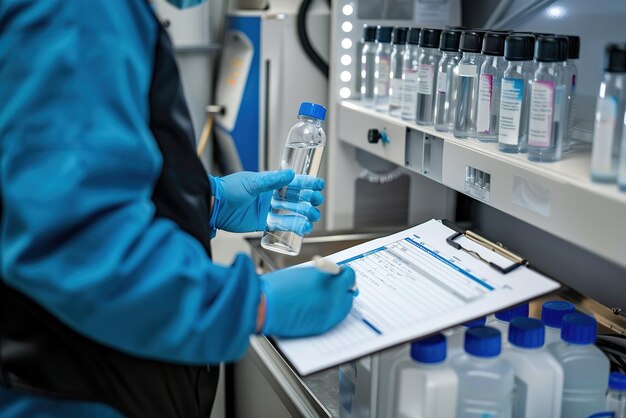
Visit this Page for more Information: Start a Business in Pharmaceutical sector The worldwide SWI market was worth around $500m in 2023 and therein document, Grand View Research study predicts (with a CAGR of 6.7% to 2030). A main chauffeur of this development is the raising demand for parenteral drugs due to the rising frequency of chronic illness such as diabetes and also cancer cells. Furthermore, with the worldwide population aging, the need for SWI is expected to additional rise, developing a profitable possibility for possible investors. The SWI market is specified by numerous emerging patterns, consisting of the boosting choice for single-use technologies, the surge of outsourcing, as well as the growing fostering of environment-friendly production practices. These fads, subsequently, are developing a vibrant market atmosphere that provides substantial growth chances for sector players. Related Business Plan: A Business Plan for Sterile Water for Injection A host of factors, such as the costs of raw materials, manufacturing, and companies’ pricing power, affect the profit margin of the SWI enterprise. On the one hand, it is an expensive business but on the other side when compared to industry demand for SWI and premium pricing these products attract makes it hugely profitable. Benefits for the SWI industry The global expansion presents enormous growth potential for the SWI sector. The healthcare sector and the dissolvable sutures market are growing rapidly due to rising healthcare expenditure in Asia-Pacific, Latin America and other emerging markets fueled by increasing awareness of advanced wound care management. Nonetheless, expanding operations worldwide will require tailoring products and services to meet local needs and legislative compliance Raw material suppliers, manufacturers of the SWI industry, general distributors and end users. An efficient and effective supply chain is one of the keys to success in the industry – an absolute must as safe storage and handling of SWI products can be strict. It is a very important thing in SWI industry, branding and marketing. At the same time, companies need to be building strong brands around these principles of quality and safety and ensuring their key messages are getting through to healthcare providers and patients. The promise of SWI as an oral agent active against resistant pathogens should lend itself to very compelling marketing and so efforts should center on the efficacy, safety of this approach. The SWI sector is also one of the most regulated, with standards for product quality and safety overseen by institutions such as the U.S. Food and Drug Administration (FDA) or European Medicines Agency (EMA) But now in this industry regulatory compliance goes to next level its not just an obligation anymore, but a competitive advantage. By showing a clear commitment to regulatory compliance, companies can position themselves as trustworthy for healthcare providers and patients alike. This significant risk is due to adverse changes in regulations (increased compliance costs, disruptions in ops). Read our Book Here: Handbook on Active Pharmaceutical Ingredients (API), Drugs & Pharmaceutical Products Technology Innovation a Key Growth Catalyst in SWI Industry New manufacturing technologies, including single-use and automation will enable reduced cost and improved quality combined with enhanced productivity. In addition, the rise of digital technologies like big data and AI is facilitating better supply chain management as well as more focused marketing campaigns. The SWI industry is characterized by a high level of competition, with many major MNCs and small players fighting for market attention. The major competitors of the company itself are Baxter International, B. Braun Melsungen, Pfizer, etc. It is the extensive product portfolios, ubiquitous global presence and strong brand recognition that set these companies apart. Over the next decades, SWI is expected to be a critical growth sector. The increasing need of SWI for reconstitution in the manufacture of biopharmaceuticals is a very lucrative growth opportunity. Moreover, increase within the healthcare industries in rising markets will present profitable alternatives for global expansion. And third, the continuous technological innovation in the sector, particularly within green production area, offers opportunities for companies to enhance their sustainability claims and competitive advantage. Related Feasibility Study Report: Production of Sterile Water for Injection Investing in the SWI production market needs mindful consideration of a number of elements. Similar to any type of financial investment, it is necessary to assess the prospective returns versus the threats included. At the same time, entering the SWI manufacturing sector also has a number of pitfalls, and some techniques to mitigate these are shown: The manufacturing part of SWI offers significant investment opportunities given the growing global demand, rapid growth in emerging markets, and technological advancements. However, it also presents several challenges, including regulatory compliance, expensive operations and tough competition. Thus, a techno-economic feasibility study at this scale will play an important role to decide on investment in the financial sector. For these means, investors need to evaluate the market dynamics, productivity capacity and associated threats in order to take advantage of the opportunities that exist within the SWI market and contribute to shaping the global health care landscape. We, at NPCS, endeavor to make business selection a simple and convenient step for any entrepreneur/startup. Our expert team, by capitalizing on its dexterity and decade’s long experience in the field, has created a list of profitable ventures for entrepreneurs who wish to diversify or venture. We update the list regularly to give you a steady stream of new emerging opportunities. Businessmen and entrepreneurs might benefit from obtaining detailed reports from NPCS (Niir Project Consultancy Services), and they soon recognize this through resource sales. Following are few justifications for purchasing NPCS report: In conclusion, NPCS report is really valuable for identifying a sector, decision-making and launching any product into the market or investment strategy. Contact Us
Starting Own Insulin Syringe Production Venture

The production of insulin syringes is a crucial appearance in the health care market and also plays an essential function in diabetes treatment. This post dives into the urgency and techno-economically practical purchase of the insulin syringe production industry. We will explore various aspects, consisting of market size, trends, SWOT evaluation, earnings, international expansion, supply chain obstacles, branding, regulatory conformity, technical advancements, and competitor evaluation. Furthermore, we will certainly resolve frequently asked questions and future opportunities in this industry. Visit this Page for More Information: Start a Business in Medical Disposables Industry Market Size and Trends: A Glimpse into the Insulin Syringe Industry The global market for insulin syringes has actually seen significant growth in recent years. The main reason behind this rise is said to the worldwide escalating incidence of diabetic problems. The demand for insulin syringes is directly proportional to the diabetic person population, which has been on a stable rise. Moreover, advancements in syringes and rise in public awareness about the monitoring of diabetes mellitus further fuels the market growth. Among the various players in insulin syringe market, it is a fragmented landscape. Trends in the market indicate a move towards more convenient, low-cost and safer syringe designs. Demand for prefilled and disposable syringes It enables to reduce the risk of infection and provides ease of use along with increase safety. This will be a trend that is expected to continue and which will help define market features in the future. According to published market forecasts, the insulin syringe industry will continue its developmental path next year. This advancement is driven by continuous r&d, leading to more ingenious and efficient syringes. Moreover, the growing diabetic population in developing economies supports an increasing market demand. SWOT Analysis and Profitability: Navigating the Business Landscape Pros and cons of the insulin syringe market The insulin syringe market has multiple advantages, such as an unmet need for diabetes mellitus, innovative technology, a rise in health care policies on a global scale. In spite of its stamina’s, the market faces difficulties such as pricing pressures, rigorous regulatory needs, and competition from alternative diabetes mellitus administration methods like insulin pens and pumps. Opportunities in this market are bountiful, specifically in establishing areas where diabetes mellitus is ending up being increasingly prevalent. The evolving landscape of syringe technology may provide the opportunity for industry and healthcare providers to partner in this area. Potential changes in laws or regulations, particularly those increasing the costs of manufacturing, may also reduce profitability and increase competition against the insulin syringe industry. Expansion internationally means different market requirements and regulatory environments. Business will require to readjust their techniques to fit different local demands, yet maintaining thing quality and price. This includes the act of modifying products and coming up with different marketing techniques in individual local markets. This is necessary in attending the unique healthcare needs and social nuances and boosting market penetration. Effective supply chain tracking is important for guaranteeing on-time distribution and maintaining top quality of goods. This includes enhancing logistics, inventory handling and navigating global trade complexities. Branding, Marketing, and Regulatory Compliance A powerful brand name recognition is vital when products can be easily recognizable in an open market. Some of this includes emphasizing quality, safety and ease of use, as well as using the best communication techniques. We need proven advertising and marketing methods — the benefits of the product, safety compliance in accordance with all standards, technological features. Collaborations with medical professionals (or other healthcare experts )lift brand integrity as well. In the health care market, governing conformity is one of the most important aspects. Companies have to keep up with modifications in regulations and make certain that their products meet all lawful demands. Technological Innovation: The Path Forward Manufacturing of more reliable, efficient and simpler to utilize insulin needles depend upon technological improvement. It is composed of research on products, design, and function. An extensive rival analysis helps to comprehend market fads, determine voids and also strategy as necessary. The two most important are Watch for what your competitors are doing and continuous internal innovation to always maintain a lead. The following part of the report includes an overview of the global Insulin Syringe market based on key offerings in new drug applications, drug development, and ultimate return on investment. Given that the aforementioned production methods are only successful on a laboratory scale, future directions in insulin syringe manufacture are promising -for example further exploitation of eco-friendly products like the sugar derived monomers and policy formulation for disposal regulation, developing smart syringes and their integration into an electronic health system. Technological Innovation in Insulin Syringe Production: A Deep Dive Careful choice in the selection of materials used for syringe production is very important for safe handling and performance. Trends today indicate a movement towards products that are durable and antiallergenic as well as ecological. The research study of eco-friendly plastics and cutting-edge polymers suggests a far better way for producing syringes without endangering the safety and also is making high-grade possible. It is a big leap forward in medical technology, smart syringes. The syringes are equipped with dose memory and auto time-stamping functions to enhance patient compliance and monitoring. These developments are poised to play an important role as diabetes mellitus care moves toward more integrated management. A growing trend is to connect insulin syringes with e-health and fitness platforms. Connecting syringes with smart phone applications as well as health and wellness surveillance systems enables individuals in addition to medical companies to far better follow diabetes issues. This digital connectivity also opens up methods for customized medicine and data-driven therapy methods. Competitor Analysis and Market Positioning An extensive evaluation of rivals is important to recognize market positioning. This entails studying their item offerings, market approaches, and technological improvements. Following rivals’ actions helps in recognizing market spaces and potential areas for development. To gain a competitive edge, business have to concentrate on one-of-a-kind selling proposals such as sophisticated modern technology, exceptional quality, and