
The Complete Technology Book on Vermiculture and Vermicompost (Earthworm) with Manufacturing Process
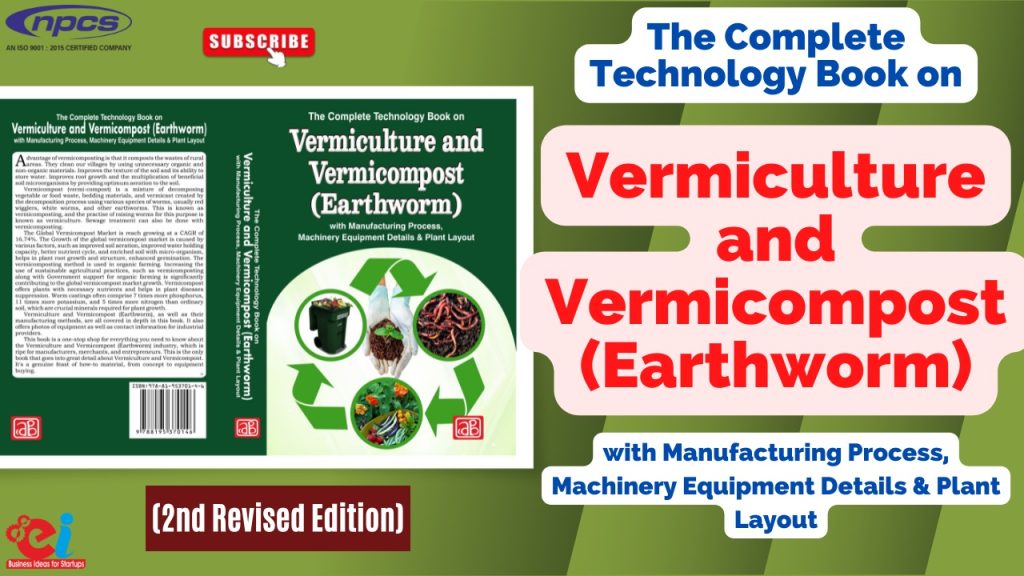
Introduction to Vermiculture Vermiculture is the scientific process of breeding and raising earthworms for the purpose of converting organic waste into nutrient-rich compost, often referred to as vermicompost. This natural method not only reduces waste but also produces one of the most effective fertilizers for agriculture, gardening, and landscaping. The “Vermiculture Technology Book” and earthworm compost guide provide an in-depth understanding of the science, equipment, and processes needed to successfully harness the power of worms. In a world increasingly focused on sustainability, vermiculture offers a green solution to manage organic waste and improve soil health. Whether you are a farmer, gardener, environmentalist, or educator, exploring vermiculture can transform your organic waste management approach and significantly enhance soil fertility without chemical inputs. Benefits of Vermiculture Organic Waste Management One of the most significant advantages of vermiculture is the efficient recycling of organic waste. Food scraps, paper, and agricultural residues that would otherwise end up in landfills can be turned into compost. Vermiculture aids in reducing the volume of waste while producing an eco-friendly product. Soil Enrichment Vermicompost, the by-product of vermiculture, is a powerful soil conditioner. It increases microbial activity, improves soil structure, enhances water retention, and provides essential nutrients such as nitrogen, phosphorus, potassium, and trace elements. This makes it an ideal supplement for both organic and conventional farming. Environmental Sustainability Vermiculture technology plays a vital role in reducing environmental pollution. It minimizes the need for chemical fertilizers, lowers methane emissions from decomposing organic waste, and enhances carbon sequestration through healthy soil practices. Economic Viability Besides ecological benefits, vermiculture is profitable. Households, schools, and commercial farms can generate income by selling earthworms and vermicompost. The “Vermiculture Technology Book” guides users on how to establish a commercial venture through small or large-scale setups. The Science Behind Vermiculture Earthworm Biology At the core of vermiculture is the earthworm, especially species like Eisenia fetida (red wigglers) and Eudrilus eugeniae (African nightcrawler). These worms consume organic matter and excrete nutrient-rich castings. They reproduce rapidly under the right conditions, making them ideal for composting purposes. Composting Process The process begins by setting up a bin filled with bedding materials like shredded newspaper, coconut coir, and peat moss. Organic waste such as vegetable scraps, coffee grounds, and eggshells are added regularly. Over time, worms digest this waste, turning it into dark, crumbly vermicompost. This compost is rich in plant-growth hormones and beneficial microbes. The entire process, from raw waste to finished compost, typically takes 2–3 months, depending on the scale and conditions such as temperature, moisture, and food supply. Setting Up a Vermiculture Unit Choosing a Location The ideal location for a vermiculture system is a shaded, well-ventilated area protected from extreme weather. Indoor systems work well in cooler climates or urban homes, while outdoor units are ideal for farms and gardens. Selecting Earthworms Not all worms are suitable for composting. Compost worms like Eisenia fetida are best because they feed aggressively on decaying organic material and adapt well to bin environments. The “Vermiculture Technology Book” offers insights into selecting the right worm species based on climate and composting needs. Bin Design and Bedding Worm bins can be made from wood, plastic, or concrete. They must have proper drainage and ventilation to prevent foul odors and anaerobic conditions. The bedding should remain moist but not soggy—similar to the texture of a wrung-out sponge. Feeding the Worms Feed worms with non-greasy vegetable and fruit peels, grains, and paper products. Avoid meat, dairy, and oily foods as they attract pests and create odor problems. Feed in small amounts initially and increase quantity as the worm population grows. Vermiculture Maintenance Tips Moisture and Temperature Maintain moisture levels between 60-80% and temperature between 15°C to 25°C. Too much moisture can drown worms, while dryness slows their activity. The earthworm compost guide suggests misting the bin lightly and covering it with a breathable fabric to retain humidity. Harvesting Vermicompost Compost can be harvested once most of the bedding has turned dark and crumbly. One method is to push compost to one side of the bin and add fresh food to the other side. Worms will migrate toward the food, allowing easy collection of compost. Controlling Pests and Odors If maintained properly, vermiculture bins should not produce foul smells or attract pests. Overfeeding, poor ventilation, or the inclusion of inappropriate waste can lead to problems. Regular monitoring and adjusting feeding habits can resolve most issues. Vermiculture Applications in Agriculture Home Gardening Home gardeners can use vermicompost to grow healthier plants with fewer chemicals. It improves potting mix, boosts flower production, and enhances fruit quality. Organic Farming Organic farmers benefit from vermiculture by reducing reliance on synthetic fertilizers. The compost acts as both a soil amendment and a slow-release fertilizer, making it a sustainable alternative in certified organic systems. Horticulture and Landscaping Nurseries, landscapers, and greenhouses use vermicompost to promote faster seed germination, better root development, and disease resistance. The “Vermiculture Technology Book” includes specific formulas and ratios for mixing compost with other growing media. Vermiculture and Climate Change Mitigation Vermiculture contributes to climate change mitigation by reducing greenhouse gas emissions from organic waste decomposition. Instead of releasing methane in landfills, waste is aerobically processed by worms. Additionally, enriched soils store more carbon, thus supporting global efforts for carbon sequestration. Educational and Social Value Schools and institutions use vermiculture projects as educational tools to teach students about ecology, biology, and sustainable agriculture. Community vermicomposting units encourage civic participation, waste reduction, and environmental awareness. The “Vermiculture Technology Book” provides curricula and step-by-step guides tailored for different age groups and educational levels, making it a valuable resource for educators. Key Challenges in Vermiculture While vermiculture is highly beneficial, it also faces several challenges: Temperature Sensitivity: Worms are sensitive to extreme heat and cold. Pest Management: Improper feeding can attract rodents and flies. Market Access: Newcomers may struggle to find consistent buyers for compost or worms. Education Gap: Lack of knowledge and awareness can lead to failure in vermiculture attempts. Overcoming these challenges requires proper