
Preserving Prosperity: Starting a Meat and Poultry Products Manufacturing Business

The production market of meat and poultry preservation, is experiencing durable growth. With a consistent increase in the international population and also rising consumption of meat and chicken products, the industry is poised for expansion. This article explores the market dimension, share, and trends, and provides an extensive SWOT evaluation, and profitability evaluation, as well as insights into worldwide development, localization, supply chain, branding as well as advertising, regulatory changes as well as market compliance, technological development, rival evaluation, and also future chances. Market Size, Share and Trends The meat as well as fowl preservation sector has actually shown considerable development over the past couple of years. According to Market Research Future, the marketplace size is anticipated to reach $263.46 billion by 2027, expanding at a CAGR of 6.4% during the forecast period 2021-2027. The increasing need for ready-to-eat and processed meat products as a result of altering lifestyles and also eating habits, specifically in creating nations, is driving the sector’s development. The marketplace share distribution varies among areas. The United States and Canada holds a significant share due to high meat intake and advanced conservation strategies. Asia-Pacific is anticipated to witness a quick development price due to raising non reusable revenue, urbanization, as well as the expanding meat market. Visit this Page for More Information: Start a Business in Export Oriented Units Business SWOT Analysis Strengths The industry’s strengths include a broad customer base, established market presence, and advanced preservation technologies. Adding organic and natural preservatives to meet some of the health-leader consumers is another area into which Nestlé should expand. Weaknesses The industry is confronted by health issues that stem from the consumption of processed meats and poultry. Additional weaknesses are high operational cost, strict regulations and vulnerability to fluctuations in prices of raw materials. Opportunities The opportunities include diversifying into developing markets, rising demand for convenience food and ability to chemical-free preservation techniques. Threats The rise of vegan and vegetarian diet trends, coupled with growing awareness about the negative health risks related to excessive consumption of preserved meats by consumers are poised as challenges. On top of that, a volatile market filled with unpredictable variables like erratic prices for meat and shifts in regulation can deal mean hits to the sector. Related Business Plans: Export Oriented Units, Projects (100% EOU) Profitability Analysis Nevertheless, with increased demand and cost-effective processing technologies in place the sector remains profitable. Profit margins are higher with innovative strategies, efficient supply chains and brand position completely in perpetuity. Global Expansion and Localization The next frontier Early-Stage VC Series — Emerging markets opening up for global expansion Using strategies that accommodate the needs and requirement of local population can increase market penetration as well consumer acceptance. Supply Chain The industry has a supply chain with multiple stages ranging from the acquisition of raw material to delivery. Scalable supply chain management has the potential to lower operational costs, increase efficiency and generate profits. Branding and Marketing For the business to succeed, branding and marketing strategies are key. Brands who highlight their distinct ingredient list (organic) or special methodology of preservation are able to attract that higher price point and gain repeat customers. Regulatory Changes and Industry Compliance Regulatory change presents both opportunities and obstacles. Compliance with rigorous food safety regulation is required, adding to operational costs. However, they also raise the bar which might effectively exclude firms that cannot and will not comply. Technological Innovation The industry is seeing a lot of technological innovation happening. Newer preservation methods like high-pressure processing and cold plasma lengthen the shelf life of products, improve food safety (thus serving as a distinguishing factor in the competitive arena), but need careful fine-tuning. Competitor Analysis It is a very competitive industry with Tyson Foods, Smithfield and JBS being the major companies. Innovative companies supplemented with good product quality and brand identity, can set themselves apart from the rest to a point where they no longer need worry about other reacting. Read our Books Here: Grow Rich By Starting your Own Business Future Opportunities Future prospects for the industry include entering new global markets such as emerging economies, creating value-added products and meeting continued consumer demand for natural, antibiotic-free meat production. Preservation Technologies: The Competitive Edge Emergence of advance preservation technologies is revamping the future potential of meat and poultry preservation industry. Frontrunners like Modified Atmosphere Packaging (MAP) and Vacuum Skin Packaging (VSP)s not only bolster the longevity of meat products but also enhance their visual design, which in turn diverts consumer appeal translating sales. Those brands that successfully implement these technologies ahead of fellow stragglers will have a considerable head-start in their respective markets. Still, they are significantly reducing the cost of production and helping in streamlining the process making things pretty affiliated with profitability. Regulatory Environment: A Double-Edged Sword As regards the market of meat and poultry preservation, regulatory environment is a blessing as well as curse. In this light, stricter regulation results in better overall food safety standards which can only be a good thing for the industry. On the flip side, they drive up businesses’ operational costs because companies need to buy more expensive equipment and invest in new processes just to comply with these regulations. But companies that navigate this maze of regulation can use it to their advantage. Brands that position themselves as compliant and supplementary to the standards can develop trust with consumers, leading to a positive brand perception. Supply Chain Management: A Key to Profitability Profitability depends on efficient supply chain management in the meat and poultry preservation sector. The supply chain spans from sourcing raw materials through distributing the final product For this reason, any supply chain inefficiencies or interruptions can bite into a business’s profits big time. Advanced solutions: These warehouse management methods boost the cash flow savings and operational efficiency of their business as well, paving a better way to attend market changes with minimized risks in place. And this not only adds to profit but also serves as a
Production of Ethyl Acetate Feasibility and Techno Economic Viability Study, Why Invest in this Manufacturing Industry

Ethyl acetate, a low-toxicity, and very volatile ester plays a critical role in numerous markets consisting of food, cosmetics, pharmaceuticals, and especially in coatings and also adhesives. The worldwide demand for this solvent is growing progressively, which makes investing in its manufacturing an eye-catching proposal. During this short article, I will certainly analyze the viability and also prospects of the ethyl acetate manufacturing sector. Visit: Start a Business in Ethyl Acetate Production Why Invest in the Ethyl Acetate Manufacturing Market? Market Dimension as well as Share According to recent reports, the global ethyl acetate market is forecast to be $5.04 billion by 2028 and expecting a CAGR of 4.7% from in between estimation time period ranging from year 2021 till 2028. This remarkable development is sustained by raising demands from end-user markets, specifically from the emerging economies. Asia-Pacific holds the lion’s share in the global market as a result of the robust growth of its pharmaceutical and flexible product packaging markets. Trends and Evaluation Several elements drive the market trend for ethyl acetate. Amongst these, the surge popular for adaptable product packaging options sticks out. Ethyl acetate’s phenomenal solvency and also fast-evaporating buildings make it a popular option for formulating inks made use of in flexographic and rotogravure printing. In addition, the increasing pharmaceutical sector is likely to boost the demand for ethyl acetate, as it is extensively used as an extraction solvent in lots of pharmaceutical procedures. Besides, increasing consumer choice for reduced poisoning and environmentally friendly solvents is steering the marketplace in the direction of sustainable development. SWOT Analysis Strengths Ethyl acetate’s versatility throughout several markets is its key stamina. Its broad application range, integrated with its low poisoning as well as biodegradability, lines up with the enhancing international fad towards sustainable as well as eco-friendly remedies. Weaknesses The production expense of ethyl acetate is heavily depending on basic material prices, particularly ethanol. Any changes in the ethanol market may influence the earnings of ethyl acetate makers. Opportunities Arising markets, specifically in Asia-Pacific, existing considerable possibilities. Increasing urbanization, automation, and changes in the direction of flexible packaging are aspects that are likely to increase ethyl acetate demand. Risks The schedule of replacements such as methyl ethyl ketone (MEK) as well as toluene can present a danger. Furthermore, regulatory modifications aiming to limit VOC emissions might affect the sector. Productivity Evaluation Buying ethyl acetate production is extremely rewarding considering the growing market and the high gross margin generally associated with chemical production. However, success undergoes various aspects such as resources costs, power expenses, and conformity with ecological regulations. Worldwide Expansion and Localization Worldwide growth right into emerging markets like Asia-Pacific and South America can bring about substantial service development. It is important to take on localization methods that deal with particular regional demands as well as abide by local regulative standards. Supply Chain An efficient supply chain is crucial in the chemical manufacturing sector. Strategic partnerships with resources suppliers, developments in logistics, as well as timely circulation will certainly make sure business connection as well as client satisfaction. Branding as well as Marketing Branding plays a critical duty in the chemical industry, where depend on as well as dependability are extremely important. Solid branding incorporated with targeted marketing methods can result in substantial market infiltration and also client loyalty. Regulative Modifications and Market Conformity Ethyl acetate manufacturers need to comply with countless guidelines regarding production, handling, and also disposal. Conformity with these norms is not only lawfully mandatory but likewise vital for maintaining business credibility and customer depend on. Technical Development Advancements in manufacturing modern technology, such as the catalytic manufacturing of ethyl acetate, can lead to cost performances. Investment in R&D for developing environmentally friendly production approaches could provide competitive advantages. Furthermore, the adoption of digital innovations can cause far better functional effectiveness and process optimization. Rival Analysis The ethyl acetate market is very affordable with several key players such as INEOS, Eastman Chemical Firm, as well as Celanese Corporation. Business should recognize their rivals’ approaches and also perform routine affordable analysis to preserve a leading placement out there. Future Opportunities The ethyl acetate market is teeming with possibilities. The ongoing trend in the direction of environmentally friendly and also low-toxicity solvents is most likely to enhance ethyl acetate demand. Besides, the growth of end-user sectors, especially in arising economic climates, will contribute to market development. There is also an untapped capacity in the use of ethyl acetate as a biofuel additive. Investment in R&D could open new applications for ethyl acetate, therefore creating additional need. Technical advancement in production methods, focusing on power effectiveness and lower exhausts, might likewise open up brand-new opportunities. Service Methods For any type of business considering access or growth in the ethyl acetate industry, crafting robust company methods is paramount. Differentiation Method Distinguishing oneself out there via distinct worth propositions can be a reliable method to attract a details customer section. For example, embracing even more lasting and environmentally friendly production techniques can attract eco-conscious customers and services. Read our Book Here: The Complete Technology Book on Chemical Industries Cost Leadership Approach Business can additionally consider an expense leadership approach by improving operational efficiency to provide products at lower expenses. This could involve buying advanced innovations that decrease power consumption or exploring more economical raw materials without endangering item top quality. Market Penetration and also Development Method Passing through existing markets extra deeply or going into brand-new markets can result in company development. For example, Asia-Pacific’s blossoming sectors existing considerable chances for market growth. The Role of Study & Growth Financial investment in Research Study & Growth (R&D) is crucial to innovation and staying affordable in the market. The potential to develop brand-new applications of ethyl acetate or to improve its production procedure is enormous. Companies secure their lead in technological developments and maintain competitive advantage by acquiring R&D. Market Conformity and Honest Considerations It is critical to stay market compliant as a chemical manufacturer. This is not only with regard
Production of L-Lysine Hydrochloride from Corn: A Comprehensive Analysis

L-Lysine Hydrochloride Production, an important amino acid that secures numerous biochemical features and protein synthesis in the body. Although It is also naturally occurring in food items, but rising demand for it such as drugs and pet feed etc. Corn is the best and sustainable way to produce this high demand of L-Lysine Hydrochloride, economically. Feasibility and Techno-Economic Viability Study As a result of Glucose, Lysine (fermentation) is generated from Corn that makes it an outstanding raw material for the fermenting process of food supplementation. Recent developments in microbial fermentation strategies using certain pressures of germs have made it possible for efficient conversion of corn’s glucose to L-Lysine Hydrochloride. In regards to costs, corn-based manufacturing commonly becomes cheaper contrasted to synthetic techniques or extraction from other sources. Why Invest in this Manufacturing Industry? SWOT Analysis Strengths Sustainable production making use of corn. Established demand in different sectors. Technical innovations helping with economical manufacturing. Weaknesses Reliance on corn costs. Technical obstacles in particular areas. Manufacturing can be affected by seasonal variability of corn crops. Opportunities Climbing demand in arising markets. Prospective for expanding right into high-value pharmaceutical segments. Technology in fermentation strategies. Threats Competitors from synthetic L-Lysine Hydrochloride Production makers. Fluctuations in global corn production. Strict policies and conformity standards in particular markets. Profitability Analysis Production of L-Lysine Hydrochloride Production from corn has actually experienced better earnings margins as a result of technological innovations and scaled production. The persisting need from established fields guarantees a stable revenue stream. Global Expansion and Localization Although North America and Europe are the primary producers there is significant scope in corn-growing Asian markets as well for consumption with a growing livestock sector. Nevertheless, companies must individualize operations based on regulatory standards and regional corn production cycles. Supply Chain This way, all year long nothing is lacking in corn. Local partnership with farmers, embracing sustainable farming practices and spending for storage infrastructure are important. Branding and Marketing This eco-conscious portion is catching for Marketing L-Lysine Hydrochloride Production fabricated from corn as feasible and natural product. Marketing strategies: Uses And advantages in Animal Feed / Health Supplements & Pharmaceuticals. Regulatory Changes and Industry Compliance In this case, production will be mostly safe, though it is dependent on local laws. While these steps may aid in maintaining compliance and increasing export activity, it is important to stay well informed about current international business laws especially if expanding your reach into new markets. Technological Innovation The investment in R&D is constant and, over time, the fermentation process can become more efficient meaning that yield will increase whilst this production cost decreases. Competitor Analysis The fact that L-Lysine Hydrochloride Production is produced through corn-based solutions plays to the strengths of some manufacturers, but synthetic methodologies and other sources remain competition. Turning more is about hyper-innovation, cost optimization and reaching the market. Visit this Page for More Information: Start a Business in Chemical Industry Projects Future Opportunities The developing health and wellness industry creates many opportunities for the growth of L-Lysine Hydrochloride Production products, from nutraceuticals to more niche pharmaceutical applications. Raw Material Sourcing and Sustainability A more common plant would be corn, which thrives on vast climate ranges and can exist in a number of zones found throughout the North America or Africa. It’s a profusion of the richest L-Lysine raw material almost inexhaustible. Ensuring the sustainably sourced L-Lysine is a key factor in determining profitability and longevity of production. Collaborating with local farmers, incentivizing no-pesticide farming methods and getting into long-term contracts means a steady stream of quality corn. Manufacturing Process Overview Corn is converted into L-Lysine Hydrochloride via several processes: Related Business Plans: Chemicals (Organic, Inorganic, Industrial) Cost Structure and Financial Implications This is crucial for any capitalist or stakeholder to identify the price framework. Major costs are comprised of raw materials which is essentially corn, fermentation infrastructure, labor, utilities, governing compliance and logistics. Economies of range play an essential function: as production scales up, the per-unit price of L-Lysine production goes down dramatically. Technological Developments Biotechnological advancements are forming the L-Lysine market. Genetic modifications of microbial pressures to boost their efficiency, computer-controlled fermentation processes, and advanced filtration techniques are several of the developments. Embracing these modern technologies can supply companies an one-upmanship on the market. Human Resources and Skill Development A competent labor force is the backbone of L-Lysine manufacturing. Basic training in microbial fermentation, QA and machine operations. A purchasing organization must invest in ongoing coaching and training to maintain the site quality and efficiency. Consumer Perspective and Branding Insights The shift of consumer sentiment natural products and materials is undeniable. If L-Lysine Hydrochloride Production is from corn, using the only green and natural could be accepted by brand demand policy, Labels explaining the source and manufacturing methods can make customer rely on. Global Markets and Localization Strategy There are indeed different national requirements as well as some variations of compliance standards. For example, organic products could have highest importance in Europe while Eastern markets would be more interested about prices. Adaptation of the item to local tastes, and also compliance with regional guidelines is crucial for globalization. Risk Management Just like in any industry, the L-Lysine sector has its share of risks from volatile corn prices to sudden regulatory changes. Strong risk management practices with diversification of corn supplies and monitoring regulatory changes are potential solutions to these difficulties. Feedback and Continuous Improvement By including feedback from multiple constituencies whether it be consumers, distributors or even employees; each perspective can provide a unique approach. Revising and improving production processes, marketing tactics, and growth plans accordingly would mean that the company remains agile through constant feedback. Application and Research Insights In addition to its known uses in animal feed and nutraceuticals, L-Lysine Hydrochloride Production may have applications beyond the familiar. Early research suggests that it may be useful for increasing calcium absorption, thereby assisting in osteoporosis prevention. Exploring those niche sectors can open pathways to new revenue. Navigating Competition Cost-efficiency is one, as are the
2026 Best Profitable Chemical Business Ideas to start

The chemical industry is a keystone of contemporary economic situations, contributing to a vast range of fields from farming to drugs. So, 2026 is become the best year to start new business as like this Profitable Chemical Business Ideas to start mentioned in this guide. Buying the chemical service is a critical relocation as a result of the market’s extensive growth, technical developments, and the continual need for profitable chemical business products is growing. 2026 Profitable Chemical Business Ideas to Start Assaying Gold It has a great utility, from jeweler to electronics. Assaying solutions make sure pureness and structure requirements, vital for both professions and commercial use. Gold Salt Manufacturing Gold salts are used in medication for rheumatoid joint inflammation therapy. As the populace ages, the need for such treatments is expected to rise, offering a successful particular niche for start-ups. Synthetic Camphor Tablets The use of camphor in pharmaceuticals, food and religious ceremonies keeps the market constant. This allows profitable chemical business startups to produce it on a large scale without problems related the natural consumption of camphor. Stearic Acid Production Stearic acid is a waxy material that finds applications in cosmetics, soaps & detergent and lubes. Its versatility in various applications makes it a stable investment. Metol Production Metol is a developing agent used in photographic developers. Despite the digital shift, niche markets like art photography and film-based photography maintain demand. Zinc Brightener Manufacturing Made use of extensively in electroplating, zinc brighteners are critical for vehicle, home appliance, and hardware markets, which rely on steel ending up. Sodium Aluminate Production This profitable chemical business is important in water treatment and paper manufacturing. With raising ecological regulations, the demand for efficient water treatment chemicals is on the increase. Calcium Nitrate Manufacturing Used as a fertilizer, calcium nitrate is integral to farming. With the international focus on food protection, fertilizer manufacturing is an encouraging method. Antimony Trioxide Production As a fire retardant, antimony trioxide is important in making electronic devices, fabrics, and plastics, markets that are seeing consistent growth. Visit this Page for More Information: Start a Business in Chemical Industry Projects Dough Moulded Compound (DMC) Manufacturing DMC is utilized in electric applications and various appliances, benefiting from the surge in electronic device usage. Why Choose These Business Ideas? Strategic Importance Numerous chemicals these are the obvious is required to generators for most marketers, delivering a widespread and also resistant client base. High Demand All proposed ideas address a very large and expanding market opportunity — signifying high profit potential. Technological Integration Breakthroughs in profitable chemical business ideas in manufacturing sector can enable new ways to make chemicals with lower environmental impact, lowering the barrier of entry for startups. Sustainability Companies able to deliver a more sustainable approach to producing chemicals are expected to receive improved regulatory treatment and market backing. Market Size, Share, Trends, and Industry Analysis Market Size and Share The global chemical market is massive, amounting to trillions of dollars in valuation. Knowing the size and weight within the chemical sector of each niche market is essential. As an aside, the gold assay market is a relatively tiny segment of the amount of metal traded (but provides significant value) and stearic acid serves a larger but still broad use in many products. Trends Sustainability, and digitalization are the themes people talk about widely. Bio-based and recyclable materials are also coming into play. Increasingly, they are also being replaced in some industries by digital tools for functions ranging from supply chain optimization to predictive maintenance and process automation. Analysis This is why a SWOT (Strengths, Weaknesses Opportunities Threats) analysis could be helpful for each the profitable chemical business sector. For example, the strength of the sodium aluminate market lies in the growing need for clean water, while the threat might be the volatility in raw material prices. Electrolytic Manganese Dioxide Production: Analyzing Techno-Economic Feasibility Future Opportunities Biodegradable Chemicals The push for environmentally friendly materials opens possibilities in developing naturally degradable chemicals that can change typical toxins. Renewable Raw Materials The use of renewable basic materials is coming to be extra preferred, and start-ups that can source or create chemicals from these materials will be well-positioned for future development. Why Choose These Business Ideas? High Margin Potential Much of these chemicals, such as gold salts and antimony trioxide, are specialty chemicals with high margin capacity as a result of their specific applications and the complexity of their manufacturing procedures. Regulatory Support Governments globally are sustaining the profitable chemical business market through subsidies and tax benefits, particularly for eco-friendly chemistry initiatives. Related Business Plans: Chemicals (Organic, Inorganic and Industrial) Technological Advancements With the advent of new technologies, start-ups can accomplish extra effective production processes that reduce costs and waste, improving competitiveness. Steps for Startups to Enter the Chemical Industry Market Research Before starting the business, clear market research should be conducted to know what is being demanded where with good competition and current scenario of regulatory requirements for particular chemical. Business Planning Prepare detailed business plans covering the entire gamut of the company, including but not limited to: Business Model Capital Requirements Production Setup Marketing Plan. Compliance and Safety Adhere to local as well international safety and environmental laws which are very strong in case of chemical raw materials. Networking Establish relationship with the industry and vendors / customers. Participate in trade shows, become a member of associations related to your niche and also remain updated about the latest trends in that market. Innovation Continuous investment in R&D to innovate and enhance products. Initial Assessment Perform a space evaluation to understand where the marketplace does not have and what your organization can supply. This can entail item quality, delivery speed, cost-effectiveness, or customer support. Resource Acquisition Secure the necessary sources, including resources, experienced labor, and innovation. Doing important connections with reliable suppliers as well as employing knowledgeable personnel will absolutely be essential. Scale and Expansion Go small and go for quality and scalability. Once you have proven the business
Profitable HDHMR Board (High-Density High Moisture Resistance) Manufacturing Business Idea

One can easily say that manufacturing High-Density High Moisture Resistance (HDHMR) boards is a sunrise industry for startups and entrepreneurs in the blazing field of manufacturing, especially when it is related to construction or furniture. Niir Project Consultancy Services (NPCS), through its reliable market research reports, provides reports for every need of new entrants in this industry. Understanding HDHMR Boards  This makes them the perfect material used for areas prone to moisture and humidity. The HDHMR boards are being more preferred over the conventional wood material and other composites these days for their inconsequential weaknesses like warping, swelling, etc. due to their enhanced stability & sturdiness they provide along with a hassle-free everyday routine., as this does not require maintenance of any extent if formwork is relocatable. Market Demand and Growth Drivers Increasing use of sustainable and resilient building materials worldwide is driving the demand for HDHMR boards. The increase in real estate and commercial infrastructure, as well as considering figures and logic,. With the improvement of quality and properties, HDHMR boards are regarded as a type of engineered wood that can replace solid wood together with plywood or other types in some applications. Cost Analysis and Investment Establishing an HDHMR board manufacturing plant involves substantial capital investment. Key costs plant with press and cutting machine for metal binding (fibre raw materials, adhesives & resins), moisture resistance-enhancing technology. If you are considering large tax shelter investments, remember that the costs of such schemes will always be high in comparison to standard fees and charges but must irrespective of any first-year losses brought forward from previous acquisitions yield a longer-term return on investment. Such things as scale of production, operational efficiency, and availability of locally sourced inputs all play an inherent part in how profitable Snowy Owl is. Revenue Streams and Profit Margins HDHMR board manufacturing can be cost-effective, but only if several prerequisite conditions are met: Product Quality and Innovation When sold with a premium, high-quality boards manufactured to international standards fetch better top-line margins. Market Positioning and Sales Strategy Good marketing & distributor channels can effectively increase sales volume. Operational Efficiency Reducing costs would mean streamlining production processes and minimising waste while increasing profitability. Challenges and Risks This industry has a lot of potential, but there are numerous tasks that these prospective entrepreneurs must take into account: Market Competition There is potential competition from existing players as well as other emerging materials. Raw Material Prices Price volatility in key raw materials is a potential material cost structure and profit margin-related risk. Regulatory Compliance You can also incur additional costs ensuring compliance with environmental or safety regulations. NPCS Services for Entrepreneurs To help start-ups minimise their upfront costs in experimenting with this promising sector, NPCS offers the following entrepreneurial services: Detailed Project Reports Detailed Project Reports Entrepreneur India provide comprehensive project reports that cover all the aspects of business, from analyzing the market to confirming availability of various necessities such as plant & machinery and raw materials to forecasting the financial requirements. Market Research We use market intelligence to discover trends, customer tastes, competitor analysis, etc. Technical Consultancy Our dedicated technical team helps you set up production in compliance with the most recent technology and quality standards. Related Business Plans: Construction & Building Materials Scalability and Expansion of HDMR Boards Ideally, a startup in the manufacturing of HDHMR boards is the one that now has been equipped with scalable production. More demand led to both increased production volumes and improved quality and variety of goods. Use of the latest manufacturing technologies will significantly improve productivity and allow different types of boards to be produced for furniture, construction, or interior design businesses. Sustainability Practices The environmental sustainability also has a significant impact on consumer preferences. HDHMR boards are made of recycled wood fibres, already meaning fewer to no waste. Businesses can improve their market standing and conform to stringent environmental regulations by vertical integration with sustainable solutions like bio-composites, eco-friendly resins, or promoting an energy-efficient manufacturing process. Eco-Certifications Certifications such as FSC (Forest Stewardship Council) or PEFC (Program for the Endorsement of Forest Certification). Waste Management Installing systems for recycling waste and utilising the byproducts elsewhere in industry can bring us even further towards a circular economy model. Diversification Potential This type of approach can be strategic to spread the risk associated with market fluctuations. Options for HDHMR board manufacturers: Product Variants In thicknesses ranging from 6-40 mm, sizes up to other measurements needed for specific applications and grades of resistance, HDHMR boards offer a wide range of uses. New Markets Broader arrays (e.g., geographic expansion or entering other industries such as the automotive macro-trend) where moisture resistance characteristics are of value can enable new revenue paths to be explored. Read our books here: Cement, Asbestos, Ceramics, Bricks, Limestone And Construction Materials Manufacturing Technology Strategic Partnerships Strategic partnerships with suppliers, technology providers, and distribution networks can offer a competitive edge. Such collaborations will benefit in pricing of raw materials, technology adoption, or expanding the market through overnight establishment. NPCS NPCS, through its knowledge bank of industrial project-based consultancy, comprehensive reports, and business plans, provides the much-needed guidance to set up new projects such as HDHMR Board manufacturing. For that, we also bring together with NPCS their detailed reports, which take you from your project commencement to its completion. With the knowledge of us, you can easily start working on this chain. and eventually help yourself in succeeding in more expansion in your business. Starting a business with NPCS lays the groundwork for long-term expansion and competitive success. Also Read Manufacturing Business Ideas Conclusion Entering the HDHMR board manufacturing industry is not an easy feat for entrepreneurs and startups. But the higher stakes of demand, financial reward, and opportunities for sustainability or innovation might say otherwise. For those who are seeking guidance on how to get a detailed project report and set up outdoor advertising market entry, NPCS devotes itself. When done right and following the correct method, HDHMR board manufacturing
Revolutionizing the Dairy Industry: A Guide to Value-Added Milk Manufacturing

Introduction Milk is a fundamental food in our day-to-day life for countless individuals around the globe. Milk has long been viewed as a generic item and is one of the most frequently used property products. This is where the chance lies for those looking to launch a production solution for value-added milk products: by producing unique, superior products that offer consumers something distinctive, providers can capitalise on a broadening market for premium milk products and also produce a successful, long-lasting company. Starting a manufacturing service for value-added milk manufacturing things is a sensible decision from numerous aspects. Visit this page for more information: Start a Business in Dairy & Milk Processing Industry To begin with, a growing demand for those goods. The fact is, consumers have progressively leaned toward healthy and balanced, all-natural, in addition to premium food offerings over the last few years, and this fad has just started. For producers, this shift in buyer behaviour offers the chance to deliver items that fulfil these wants and secure an area for themselves from a crowded marketplace. Second, it is considerably simpler to obtain the required sources, suppliers, as well as flow networks to get a new solution off the ground as a result of the dimension and also reputation of the dairy items company. Furthermore, the dairy industry is snugly regulated, which assists to ensure item quality as well as safety. Additionally, by levelling the playing field for newbies, this method makes it easier for them to compete against developed gamers. Third, various types of value-added milk manufacturing items can be created, consisting of cheese, yoghurt, butter, and lotion. Read Similar Article: MILK & DAIRY PRODUCTS Business Models and Strategies for Success in Value-Added Dairy Products This recommends that there is a possibility for a range of company designs, from little operations to substantial, industrial-scale producers. Whatever type of company you choose to introduce, there is most likely a product and also a market that will definitely satisfy your demands. Quality needs to be prioritised in order to generate value-added milk manufacturing products successfully. Customers are willing to pay even more for costly items, and also a dedication to top quality will certainly assist set your products apart from those of your competitors. Many approaches, such as utilizing premium components, performing strict quality control treatments, and making financial investments in one of the most recent technologies and also strategies, could assist attain this. Concentrating on branding and also advertising is similarly as crucial as emphasizing high quality. Constructing a strong brand identity will certainly aid to raise consumer loyalty as well as also acknowledgment, and additionally reliable marketing will aid to broaden your clients and likewise increase your company. Licensing, Legal, and Safety Regulations Entering the dairy industry requires a strong understanding of legal compliance and food safety. Typical Requirements: FSSAI (India), FDA (US), or EU food safety registration Factory setup approvals and hygiene certifications Labeling regulations (nutrition facts, allergens) Periodic quality and safety audits Infrastructure and Equipment Requirements Starting a dairy manufacturing unit involves significant setup planning: Essential Equipment: Pasteurizers and homogenizers Fermentation tanks for yoghurt Churners for butter production Packaging machines for different SKUs Cold storage and refrigeration systems Workforce and Skill Requirements You will need both skilled and semi-skilled labor: Food technologists to ensure consistency and quality Machine operators to run production lines Quality control personnel Logistics and warehousing staff Effective Marketing Strategies and Supply Chain Considerations for Dairy Businesses A range of platforms, consisting of social networks, advertising and marketing, public connections, and also influencer advertising, can be used to attain this. The supply chain is an essential element to take into account when releasing a producing business for value-added milk manufacturing items. Structuring connections with representatives who can give the quantities and high quality of milk you need is necessary if you want to ensure a reputable and also consistent supply of high-quality milk for your company. You must thoroughly understand the rules and guidelines related to the milk industry. Regional or local requirements can also impact your company. Choosing the right product to focus on is crucial when launching a business for value-added milk manufacturing items. Cheese, yoghurt, butter, and lotion are a few of the most common choices, and each one has its very own distinctive collection of potentials and challenges. Read our book here: Modern Technology of Milk Processing & Dairy Products (4th Edition) Popular Value-Added Dairy Products: Cheese, Yoghurt, Butter, and Cream Cheese is an ideal product for both retail and foodservice markets. It comes in various styles and flavors and has a long shelf life. However, making cheese can be time-consuming and requires specialized equipment and knowledge. Yoghurt is a popular food among health-conscious customers. It is easy to make, nutritious, and available in various flavours and textures. Yoghurt can be packed in convenient, single-serving containers. Despite a shorter shelf life, yoghurt requires precise temperature control to maintain quality. However, butter production is complex, requiring specialised equipment and expertise. Regardless of the product you choose, thorough research is crucial. Ensure there is demand for your product and that you have the necessary resources and expertise. This may involve consulting industry experts, conducting market research, attending trade shows, and building a professional network. Government Schemes and Funding Assistance (India-focused Example) In India, several government initiatives support the dairy industry: Dairy Entrepreneurship Development Scheme (DEDS) National Dairy Plan (NDP) Pradhan Mantri Formalisation of Micro Food Processing Enterprises (PM-FME) Subsidized loans and equipment grants Success Stories to Learn From Case Study 1: Amul – India’s Dairy Giant Started as a cooperative, Amul scaled through consistent quality, mass outreach, and strong branding. Case Study 2: Epigamia – Urban Yogurt Innovation Targeted millennials with Greek yoghurt and innovative packaging in urban markets. Conclusion Beginning a making company for value-added milk manufacturing products is a smart move for people wanting to capitalise on increasing demand for premium quality, cost-effective milk items. It is possible to produce a profitable as well as lasting service in
Setting up Semiconductor Manufacturing Facilities: A Comprehensive Guide on Feasibility and Techno-Economic Viability
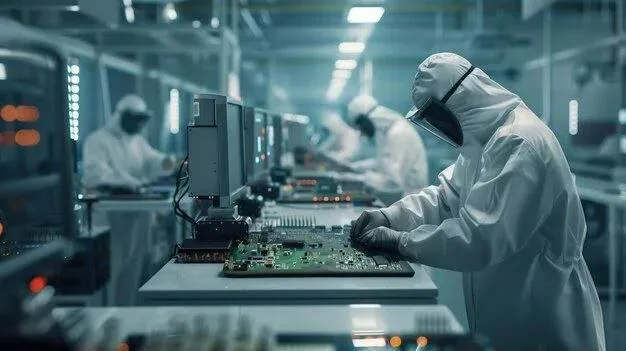
The semiconductor industry has observed an extraordinary surge in the 21st century because of the rapid growth sought after for digital devices worldwide. This sector, the backbone of modern electronic economies, is poised to chart a stable development trajectory in the years to find. The demand for investing in semiconductor manufacturing centers is extra essential than ever before, provided its indispensable duty in numerous markets, consisting of technology, medical care, auto, defense, and telecoms. The expediency of setting up semiconductor manufacturing facilities depends on a range of elements, mostly the geographical area, schedule of proficient labor, infrastructure, resources, as well as the target audience. The techno-economic viability of the configuration primarily relies on the potential ROI, approximated operational expenses, preliminary financial investment outlay, and total economic wellness of business. The cost of establishing a semiconductor manufacturing facility can be excessively high, considering the advanced infrastructure, advanced machinery, and also the requirement for cleanroom settings to reduce contamination. Though the initial capital expenditure is high, profits could be large in the future as silicon chips are needlessly increasingly nationally during this digital period. Visit: Best Industry for Doing Business The global semiconductor market size was valued at $726.33 billion in 2021, as well and it is anticipated to reach $1,014. The global leading players in this market are Intel, Samsung, TSMC and Qualcomm respectively with a handsome percentage of overall production volume. Patterns reflect a rising desire in electric cars, IoT devices, smartphones and AI driving marketplace limits for semiconductors. A SWOT analysis provides an overall view of the environment around you and can help in understanding your strengths, weaknesses as well as opportunities out there that maybe waiting for you to explore or threats lurking over. Mapping profitability linearly on the parameters of production volume, product diversification and cost-efficiency. The initial cost is generally high that pans over years and rarely converted to profits but in the long term. The rest of the tasks can be outsourced for more profitability. For relevance in specialized markets, Consumer behavior can be understood locally or providing solutions that cater to the regional preferences. However, a global expansion strategy is equally important to diversify the customer base and reduce risks for depending on one market. The semiconductor supply chain is complex and highly globalized. It’s critical to manage supply chain risk by maintaining strategic reserves of raw materials, diversifying suppliers, and improving supply chain visibility. Creating a brand that stands for innovation and reliability can help companies thrive in this competitive market. By so doing, this would enable you to appeal for the target segments positively and construct a convincing value proposition. Read our Books Here Environmental sustainability, labor laws, trade policy and data security are non-negotiable essentials. Finally, unforeseen regulatory changes can disrupt the plan and force to be flexible. Each update may require further R&D investments due to faster changing technology landscape. All of these innovations are redefining the landscape for semiconductors, while things like nanotechnology and quantum computing will redefine it further. Monitoring the strategies, market shares and technology insights of competitors helps to make more informed business decisions. Intel, TSMC and Samsung are some of the key players into constraints. The industry is anticipated to grow significantly in the future; however, there are some untapped opportunities waiting over where they have applied or integrated like AI, IoT and electric vehicles. Moreover, growing digitalization worldwide will continue to support the consumption of semiconductors. Semiconductor Design and Fabrication — Introduction : Well, previously we had an overall view on how a semiconductor manufacturing facility could be set up so now this section would give rather deep in the issues that plague those industries which have the sure-shot potential to turn things around themselves if provided with opportunity. As reviewed formerly, setting up a semiconductor production center involves a lot of risk as well as commitment. The highly specialized nature of the innovation requires a high capital investment in acquiring or creating the required equipment and also building the framework. Furthermore, the requirement for maintaining rigorous standards in regards to cleanliness, ecological problems, and also safety regulations better complicate the arrangement process. Frequent technology shifts need constant updates and also substitutes of tools, which can lead to a steady stream of high prices with time. Furthermore, there is likewise the obstacle of working with and also preserving a skilled labor force. The need for very educated specialists who can develop, produce, and fix semiconductor gadgets typically goes beyond supply, producing a challenge for firms wanting to enter or expand in this market. Read Similar Articles: STARTUP BUSINESS Despite these difficulties, the semiconductor sector remains ripe with potential. As more markets end up being digital and also reliant on electronic devices, the demand for semiconductors maintains increasing. Furthermore, as digital gadgets come to be much more energy-efficient and effective, there will certainly be a consistent need for innovative semiconductors that can sustain these improvements. And also as more nations invest in constructing their technology markets, there will certainly be growing demand for semiconductors locally, offering even more opportunities for makers. Growth Branding: Marketing Has A Key Role In The Semiconductor Market The overall image of a brand that stands for progress and credibility, plus quality can have considerable influence on the success of an enterprise. At the same time, critical marketing can help firms identify segments to target, understand those markets better and create effective communication vehicles. When it pertains to international development, manufacturers should not just focus on offering their items in various markets yet likewise on establishing manufacturing facilities in various regions. This localization strategy can aid alleviate dangers related to provide chain disruptions and profession limitations. Feasibility Study Reports: Project Consultancy, Reports & Profiles Compliance with ecological laws, labor regulations, trade policies, as well as data safety and security requirements is obligatory for semiconductor producers. Businesses also need to be prepared for the same and vary their processes as laws keep on changing suddenly. Semiconductors is an industry going through
Setup Own Glass Fiber Reinforced Polymer (GFRP) Rebar Manufacturing Unit
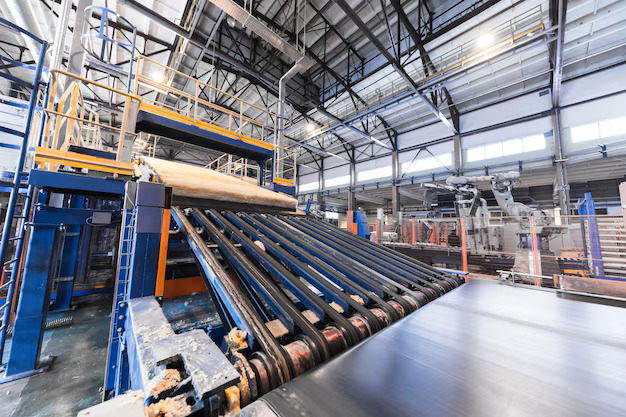
The construction industry is undergoing a transformation driven by the growing need for sustainability, efficiency, and innovation. Traditional materials like steel, although dominant for decades, are increasingly being questioned for their limitations—particularly in terms of corrosion and environmental impact. In this evolving landscape, Glass Fiber Reinforced Polymer (GFRP) Rebar is emerging as a superior alternative. Stronger, lighter, and resistant to corrosion, GFRP is quickly gaining attention as the future of concrete reinforcement. Entrepreneurs and industrialists who recognize the potential of this material early on can position themselves at the forefront of a high-growth sector. Why GFRP Rebar is a Disruptive Innovation in Construction Steel rebar has long been the standard reinforcement material in concrete construction, but its vulnerability to corrosion leads to maintenance challenges, structural degradation, and costly repairs. GFRP rebar, made from continuous glass fibers embedded in a polymer matrix, offers a transformative solution. Unlike steel, it does not rust, even in aggressive environments such as coastal regions, sewage treatment plants, or industrial facilities. This significantly extends the life of concrete structures and reduces the total cost of ownership. Moreover, GFRP is remarkably lightweight—up to 75% lighter than steel. This makes it easier to transport and handle on construction sites, ultimately reducing labor costs and improving installation efficiency. It also boasts excellent tensile strength, often exceeding that of steel, and performs exceptionally well under dynamic loads, making it ideal for use in seismic zones and critical infrastructure. From a sustainability standpoint, GFRP manufacturing has a lower environmental footprint compared to steel production, aligning with the global movement toward green building practices. Global Market Trends and Entrepreneurial Opportunities The global market for GFRP rebar is expanding rapidly. According to a report by Grand View Research, the market is projected to grow to USD 7.2 billion by 2027. This surge is driven by the increasing adoption of eco-friendly materials in construction, government initiatives promoting sustainable development, and the need for longer-lasting infrastructure. Countries across Asia, the Middle East, Europe, and North America are witnessing a rise in demand for durable and low-maintenance construction materials. For entrepreneurs, this presents a golden opportunity. GFRP rebar is still a relatively new entrant in many regional markets, allowing first movers to establish a strong foothold and gain brand recognition. Additionally, the field is ripe for innovation. Despite the growing demand, the technology used to manufacture GFRP rebar has remained largely unchanged for decades. This opens the door for forward-thinking entrepreneurs to enhance manufacturing processes, improve product formulations, and develop specialized rebar variants tailored to niche applications. Key Advantages of Starting a GFRP Rebar Manufacturing Facility Starting a GFRP rebar manufacturing business offers numerous advantages beyond just tapping into market demand. One of the most important is the early mover advantage. Since GFRP is still in the early stages of mass adoption, setting up a facility now gives you the chance to build market share before the space becomes highly competitive. There’s also the potential for continuous innovation. Entrepreneurs can explore improvements in resin formulations, automation in pultrusion processes, or even the development of hybrid products. Furthermore, many governments are actively supporting sustainable construction technologies through tax incentives, grants, and infrastructure investment plans, which can significantly reduce the financial burden of launching a new manufacturing unit. Planning and Setting Up Your GFRP Rebar Plant Before entering the GFRP rebar market, conducting comprehensive market research is essential. Start by analyzing construction trends in your target region. Is there a growing demand for sustainable infrastructure? Are developers, engineers, or government bodies specifying GFRP in tenders or projects? Also, identify your potential competitors—study their pricing strategies, production capacity, product specifications, and geographic reach. This will help you find your niche, whether that’s in certain diameters, custom designs, or industry-specific applications. Once you’ve completed your market research, the next step is to create a detailed business plan. This should include an executive summary that outlines your vision, target market, and business objectives. Your plan must also cover the production model, from sourcing raw materials like glass fiber and resin to selecting the appropriate machinery such as pultrusion systems, curing ovens, and cutting equipment. Additionally, factor in the staffing needs, training requirements, and projected production capacity. Your marketing and sales strategy should focus on educating your target audience—primarily construction companies, contractors, and government bodies—on the benefits of GFRP rebar. This can be achieved through participation in trade shows, online campaigns, direct outreach, and collaboration with architects and civil engineers. Your financial projections should be based on realistic scenarios, taking into account initial capital expenditure, operational costs, expected revenue, and break-even timelines. Manufacturing and Operational Considerations Setting up a GFRP rebar manufacturing unit involves choosing the right production technology. The two most common methods are pultrusion and filament winding, with pultrusion being the preferred option for producing straight, high-volume rebar. Selecting the right equipment is critical, as it impacts product quality, consistency, and energy efficiency. It’s important to invest in high-quality machines and to establish partnerships with reliable suppliers of raw materials. A successful GFRP rebar operation must also emphasize quality control. Implement stringent inspection protocols for incoming raw materials and finished products. Products should comply with national and international standards such as ASTM, ACI, or ISO, depending on your target market. Employee safety is also paramount; workers should be trained on handling chemicals and machinery, and provided with appropriate personal protective equipment (PPE). Navigating Legal, Environmental, and Financial Aspects Like any manufacturing venture, a GFRP rebar plant requires multiple regulatory approvals. These typically include business registration, environmental clearances, zoning permissions, and manufacturing licenses. Engaging with local authorities early in the planning phase can streamline these processes. In terms of funding, you may need to approach banks, venture capitalists, or angel investors, especially for large-scale operations. A strong, research-backed business plan will significantly increase your chances of securing capital. Environmental considerations are increasingly important. Fortunately, GFRP production is relatively eco-friendly, particularly when using low-emission resins and recyclable inputs. By aligning your plant with environmental standards and certifications, you not only reduce
Silica from Rice Husk Ash: The Future of Sustainable Material Production
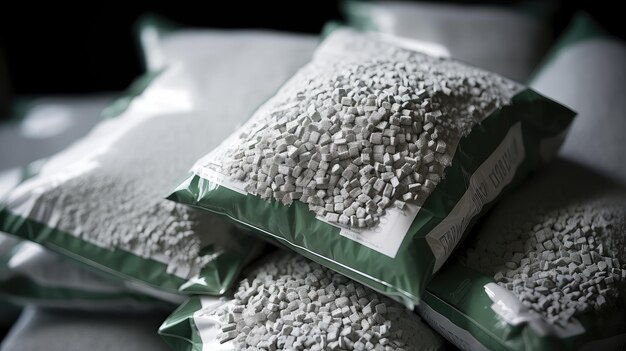
Rice husk, a bountiful farming by-product, is often treated as waste. Nonetheless, its high silicon material makes it a prospective source for silica production. This write-up explores the feasibility as well as techno-economic practicality of making silica from rice husk ash (RHA). Production of Silica from Rice Husk Ash The production of silica from RHA involves shedding the husk under controlled problems to transform the natural components into ash, leaving the silica web content behind. The ash is after that processed through acid leaching and rainfall to detoxify the silica. This process, relatively simple and also economical, transforms waste into a valuable product, providing a sensible option to conventional methods of silica production. Feasibility and Techno-Economic Viability Study An assessment of the feasibility as well as economic stability of generating silica from RHA thinks about factors such as basic material accessibility, procedure performance, investment, operational costs, as well as prospective returns. Rice husks would be abundant all year-round with rice a staple food in many parts of the world, which renders this task doable. Furthermore, with its basic manufacturing and also affordable price together with growing need for silica ensures a financial viability. Market Size, Share, Trends, Analysis As of 2023, the global silica market is anticipated to reach USD 11.5 billion. The use of silica in varied sectors like construction, pharmaceutical, as well as electronics has fueled this market growth. The sustainable method of creating silica from RHA, lowering carbon footprint and also advertising round economy, is poised to record a considerable market share because of raising recognition and also stringent environmental regulations. Visit this Page for More Information: Start a Business in Rice Husk Based Products Industry SWOT Analysis Profitability Analysis The productivity of silica manufacturing from RHA is very encouraging as a result of the affordable of resources and the high demand for the product. Furthermore, government rewards for waste-to-value initiatives can additionally improve profitability. Global Expansion and Localization The widespread availability of rice husks makes this venture viable in many regions, especially in Asia where rice production is high. Localization strategies can be implemented to tailor the production process to local conditions and resources, boosting local economies while reducing environmental impact. Supply Chain, Branding and Marketing The supply chain for this process is very simple — it requires rice husks as an input and produced silica at output. Branding and marketing can make consumers aware of the fact that, even though it costs a little extra initially swimming pool covers are a very sustainable product to use which creates in effect first mover advantage by positioning itself as ideal for customers who put their faith into those businesses whose ethics go beyond just meeting rules. Regulatory Changes and Industry Compliance The growing focus on waste management and sustainability in general has been achieved through changes to legislation that is more favorable for these types of companies. But manufacturers must still comply with all applicable regulations, including those related to waste disposal and the environment. Technological Innovation Furthermore, with improvements in technology the production process can be automated to produce greater efficiency and quality. For example, the comprehension of systems managing combustion conditions may allow for better reproducibility in terms of product quality during production. Competitor Analysis Any other manufacturer of silica is much less sustainable and cost efficient than making it from RHA; thus, there lies the potential market advantage. And as more companies might follow in their footsteps, operators must continue to evolve and improve. Future Opportunities Salt Beheading of RHA, In Theory: Silica and its Possibilities The plant has capacity to cater growing demand for high-purity silica driven by end-user market particularly in electronics and pharmaceutical industries which is an encouraging sign going forward. In addition, the fact that its production process aligns with sustainability goals positions it well for green financing and incentives from government environmental organizations. Silica from RHA could also help to prolong the shelf life of fruits, and with an increasing emphasis on sustainability circular economy initiatives silica produced from this feedstock may be more desirable route for companies looking to become eco-friendly. This could be refined further to produce types of silica with specific architectures for industrial requirements. Advancements in other technologies such as AI and machine learning could also help to enhance the manufacturing process, meaning that costs can be reduced even further while a higher quality product is produced more consistently. This could be an opportunity for silica to enter new markets and be utilized as a product, thereby increasing the market size of it leading higher revenues. The World Beyond: An Evolving Manufacturing Landscape While the world evolves, industry is in a difficult spot; there are sustainability requirements and profit margin factors fighting for place on one hand. The new era of sustainable and profitable manufacturing is possible because from then onward it became practical to produce silica through rice husk ash. In doing so, it fits directly within the wheelhouse of a circular economy and encourages resource efficiency over wasteful consumption. Strategic Implementation Crucial for success in this endeavor is the strategic execution. Locating important areas where rice husks are more plentiful, ideally concentrated in significant reaping locations would reduce logistical carbon emissions related to transportation as well. Working with local rice farmers and mills, they could reliably source the raw material to help stimulate rural economies as well as developing partnerships within these communities. Creating an efficient and sustainable supply chain could enhance profitability while reducing environmental impact. This includes establishing effective collection, transportation, and storage systems for rice husks and implementing energy-efficient methods in the production process. Strategic partnerships with organizations committed to sustainability, such as environmental NGOs and green finance institutions, could also contribute to the project’s success. These partnerships could also provide funding, build credibility and reinforce the brand’s perception as an eco-conscious business. Expanding Horizons The possibility for worldwide expansion is huge. Silica production through rice husk ash; unbound market in Asia — The largest producer Given the growing
Start an Industrial Paint Manufacturing Business – Business Ideas
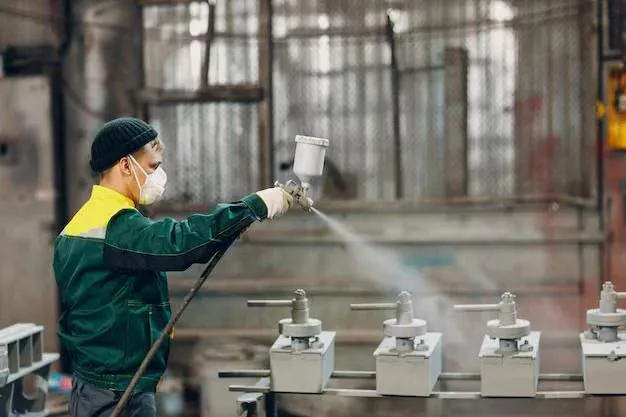
Industrial Paint Manufacturing Business is growing in India. A commercial paint production company is a rewarding attempt for business owners that want to make it huge in the ever-growing need of high-quality paint items. Now, in this particular guide, you will receive the exact knowledge required to begin a business in the paint-producing industry. Why Entrepreneurs Should Consider This Business The commercial paint production industry provides a lot of room for aspiring entrepreneurs due to several reasons. Everything about the building and construction as well as production markets depends heavily on excellent-quality industrial paints for safety in addition to visual objectives. Further, rising infrastructure development and industrialisation worldwide require continuous supply of paints & coatings. It offers a potentially lucrative return on investment for entities that enter the market. Manufacturing Process Industrial paint is a complex product, and as such, the production process in manufacturing industrial paint should be completed with great care to make sure you get high-quality performance. It typically includes: Raw Material Procurement Good-quality raw materials pigments, binders, solvents, additives, etc are significant to making good paints. Mixing and Dispersion The raw materials are then mixed, homogenised, and dispersed to prepare a uniform mixture so that the colour and texture are consistent throughout. Grinding and Milling The mixture is then processed with grinding and milling to the desired particle size and granulometry. Additives and Stabilization Different types of additives are blended with this paint to increase its properties, potency, drying time, performance, and resistance to environmental agents. Quality Control We apply strict quality control practices at every stage to ensure the consistency and durability of our products. Visit this page for more information: Start a Business in Paint Industry Machinery Details You require quite a few specialised machines to establish an industrial paint manufacturing plant, such as: Mixing and Blending Equipment A means to efficiently mix the minerals from which products are made. Dispersion Machines To get the best pigment distribution. Grinding Mills It decrease particle size and make the paint smoother. Filling and Packaging Machinery To efficiently pack the finished products. Total Cost Estimate Degree of Plant Optical Paint Manufacturing plant construction total cost is estimated Full plant Price Related factors such as the scale, location and selection of equipment But in general, one would ballpark between $500k and $1 million for a mid-sized facility. Rate of Return and Breakeven Point You may stand to make a significant return for your investment with the industrial paint manufacturing business Entrepreneurs generally see ROI in the second or third year that they have had been doing business and achieve the breakeven point during first year. Government Overview There is nothing complicated with the regulatory landscape when you want to start manufacturing in this industry. Product safety, labelling, and environmental regulations are common ways in which governments try to enforce standards. Compliance with such legislation is important for a thriving business. Related Business Plan: INDUSTRIAL Paintings Market Outlook The industrial paint market in India and across the globe is expanding owing to factors like infrastructure development, automotive production rates surging, and a growth momentum for the construction sector. Quality products and exploring export opportunities is a great opportunity for entrepreneurs. Global industrial coatings market size reached USD 87.19 billion in 2022 The market will retain a steady progress pace, growing at 2.5% CAGR from 2023 to 2030. Industrial coatings find wide-ranging utility across varied industries, including automotive, electronics, aerospace oil & gas drilling and production; mining, and marine offshore supply vessel fabrication, among others. Especially automotive and refinish finishes stand apart as prominent sectors within the industrial finishes industry. Important Consideration The accessibility of knowledgeable aerospace designers, machinists, and labourers, coupled with the climbing trend of air travel, has actually motivated considerable investments in the United States aerospace market. Additionally, enhanced recognition regarding vehicle paint security, particularly for treating damages and scratches on automobile surface areas, has actually added to market development. Moreover, the increasing customer base in the Middle East and Asia Pacific areas, driven by climbing disposable incomes, is expected to create raised demand for commercial finishing’s across numerous end-use industries throughout the projection period. The packaging market additionally contributes to the favourable momentum of the industrial finishing market, specifically in applications like caps & closures and containers. Upcoming Future Prospects The industrial paint manufacturing industry has a bright future. Technology advances, growing environmental concerns, and the move to green coatings offer new potential for innovation and expansion within this sector. Understanding the Industrial Paint Manufacturing Industry Industrial paint manufacturing is a competitive industry. An entrepreneur must know his market, customer needs, and the latest industrial trends to succeed in the field. And of course, be open to market research and new ideas or technologies that can help you in the long run. Legal Considerations When setting up an industrial paint manufacturing business, having a keen understanding of the various legal aspects is important. Your day-to-day, whether that be sourcing through compliance regulations, including but not limited to needed permits and environmental statutes (or when you change the actual stuff), needs a framework for managing those changes and addressing innovative product formulations if they build competitive boundaries. Location and Infrastructure Location: The location of the manufacturing unit you are planning to start is one significant factor. Raw materials, transport, and the ability to find an ideal infrastructure are three preconditions that ultimately determine how productive your business can be as well as its operating costs. Quality Assurance Workflow management is crucial in the commercial paint manufacturing industry to maintain a consistent helmsmanship quality. Performing top-quality checks as well as exercising routine testing ensures your items satisfy the ideal levels of customer expectations. Watch Video: Paint Testing Methods | Testing of Paints | Paint Industry Innovation is Key One of those driving forces in the realm is development. For this reason, entrepreneurs need to focus on preparing research and development-based innovational green performance other paint products unique in the market. Also Read: Business Ideas of Construction Materials