
Organic Farming: Types, Method, Pros and Cons

TheTypes of organic farming include relying on green manure, composts, biological pest control mechanisms, and crop rotation to produce crops, animal products, and other consumables. Organic-based agricultural practices promote cycling of resources towards conservation of biodiversity and ecological control. In addition, the primary aspects of organic farming include the use of green manure, cover crops and other plant materials, animal manures, and soil rotation to interrupt the habitats of pests and diseases, improve soil fertility, and maximize the biological activity of soils. In other words, it tends not to allow any sort of synthetic chemical fertilizer, antibiotic, herbicides or pesticides . Thus, in fact, organic farming aims at producing fibers, grains, vegetables, flowers, fruits, foods, and animal products such as milk, eggs and meats in the most natural way. Related Article: Organic Farming and Biofertilizer Production Objective of Organic Farming Organic farming has possible advantages : Generate genetic diversity Initiate use of natural pesticides Cultivation of Soil at Proper Time Maintain and Improve Soil Condition and Fertility Control for pests, diseases and weed Types of Organic Farming Pure This completely depends on the use of organic manures and bio-pesticides neglecting the inorganic chemicals and pesticides. Integrated This incorporates integrated nutrient management; this is integrated pest management. It is that type of farming where one grows crops with the available natural resources. Furthermore having the complete nutritive value and also manages to prevent the crop or plants. Related Book: The Complete Technology Book on Biofertilizer and Organic Farming (Potash, Greenhouse Farming, Hydroponic Farming, Pellet Fertilizer, Seaweed Fertilizer, Biogas with Manufacturing Process, Machinery Equipment Details) 3rd Edition Method of Organic Farming Soil management After its harvest, there is nutrient depletion and degradation of the soil. This metheod taps the beneficial bacteria present in animal manure. These microorganisms make nutrients in the soil more productive and fertile. Weed management Weed is an offshoot or unwanted plant that grows either in the farm or agricultural field. Organic agriculture focuses on the prevention of weeds but not totally eradicating the weeds. The most widely used weed management techniques are: Mulching: Mulching is a method of applying plastic or plant residues on the soil surface to prevent the growth of weed or Weeding by Mowing or cutting: Where there is removal of weeds of top growth. Crop diversity Monoculture is the practice used in the agriculture fields where we harvest and cultivate only type of crop in a particular place. Recently, polyculture has come in existence, where we harvest and cultivate kinds of crops, to meet increasing crop demand and produce the required soil microorganism. Controlling other organism There are both useful and harmful organisms in the agricultural farm which affect the field, So, we need to control the growth of such organisms to protect the soil and the crops. In addition, we can do this by the use of herbicides and pesticides that contain fewer chemicals or are natural. Related Book: Manufacture of Biofertilizer and Organic Farming (2nd Edition) Principle of Organic Farming Principle health: Organic agriculture must contribute to the health and well-being of soil, plants, and animals, human beings all within one earth. The principle of ecological balance: Organic farming must also be modeled on the ecology as a living ecological system. Moreover, the methods must fit the ecological balance and cycle. Principle of fairness: Organic farming really gives a quality life and would help in reducing soil infertility. Principle of care: Organic agriculture should be carried out in a very prudent and responsible manner for the present and future generations and for the environment. Pros of Organic Farming 1) High nutrition values Organic foods supply higher nutrition contents as compared to conventional agriculture food products since organic foods do not contain any form of modified constituents. Time is given to develop natural conditions of growth before being eaten into empty stomachs. 2) Better taste Besides the nutrition, this also delicious tasting minerals, sugar structures in organic foods are developed mature crops grow long enough. It has been proven that the natural organic and environment-friendly farming techniques are behind the much-touted improved taste of organic food products. In fact, organic fruits and vegetables have much superior-tasting properties over those of conventional-grown. 3) Improved human health Organic products are safest in comparison to all other food products for consumption by human beings. Organic products are nutritional-rich, chemical-free, and free from any form of modifications. standards put very strict requirements to ensure every product labeled organic is organic in production and processing to pronounce products really free of synthetic chemical components and produced genetically by technology. 4) Environmental sustainability Achieving enormous mileage in environmental sustainability is what every country dreams for and can partly be realized through organic farming. According to research, organic farming can have excellent mechanisms to improve ecological health, biodiversity, and biological cycles that sustain better lifestyles for the environment. The primary objectives of organic farming encompass soil management and conservation, maintaining the nutrient cycle, promoting ecological balance, and conserving biodiversity. This is the dream in every nation in the world: achieving great sustainability mileage for the environment. In additon, This partly can be made by organic farming. Research shows that organic farming fashion dynamic systems of ecological harmony, biodiversity, and biological cycles. 5) Food security This has always been an imbalance between demand and supply food, which has been consistently driven by climate change and poor farming methods that lead to less crop production. Put no reservations, since starvation surrounds so many people in this world, for it is now a general global phenomenon. There lacks safe and nutritious food to satisfy both food preferences and dietary needs for a healthy and active life. Project Report on: Biofertilizer Cons of Organic farming 1) The Diminished productivity in the long-term The goal of modern world agriculture is great productivity. Although organic farming promises better and healthier produce, it would, however, be short-term in benefits since it excludes massive forms of input like
The Role of Eco-Friendly Packaging in Reducing Carbon Emissions
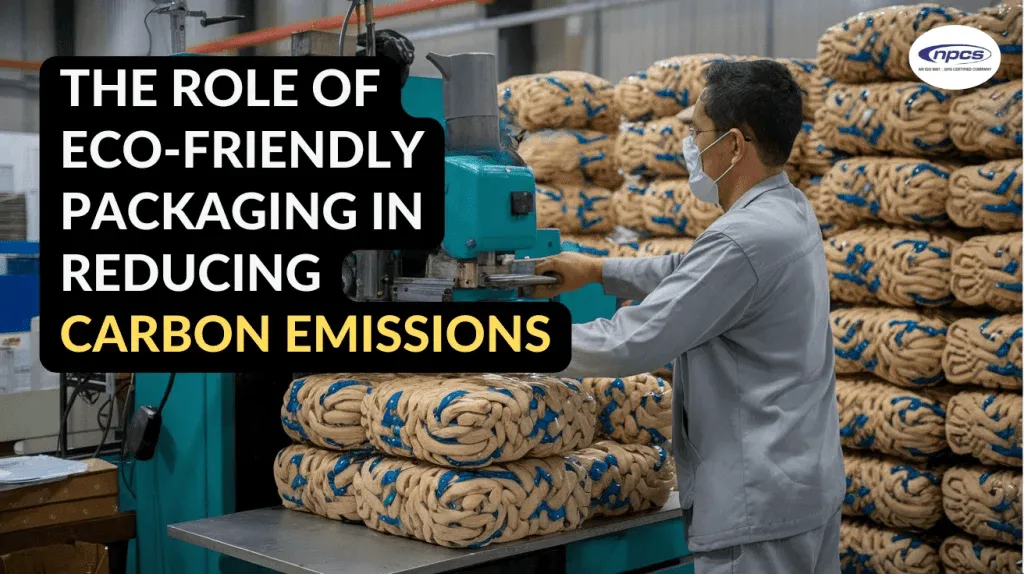
With the emergence of climate change in his world, businesses tend to look for means of making the environmental effect minimal. Adopting eco-friendly packaging would be one of the most effective means of reducing carbon footprints. This is quite relevant for almost all industries, from food to e-commerce. Sustainable packaging significantly reduces carbon emissions. Therefore, this article covers how many eco-centric business approaches, such as that of sustainable packaging, can help reduce footprints while benefiting businesses in the long run. Why Eco-Friendly Packaging Matters for Carbon Emissions Such packaging materials usually act as the major source of waste and emissions in the world today. Approximately 10 percent of global greenhouse gas emissions are reported to come solely from plastic waste, according to a report from the World Economic Forum. Alternative packaging materials, such as plastic, styrofoam, and unrecyclable cardboard, cause more harm to nature in addition to their production and disposal methods by carrying high carbon footprints. Thus, there is potential for small and big businesses to engage in its course in carbon footprint reduction. Eco-friendly packaging will substantially reduce the environmental burden by ensuring that packaging materials are of renewable, biodegradable, or recyclable origin. That makes it essential in every sustainable business strategy. Also Read: 50 Green Business Ideas for Aspiring Entrepreneurs 1. Eco-Friendly Packaging Materials and Their Impact Types of Eco-Friendly Packaging Materials One of the major ways by which eco-friendly packaging can significantly help reduce carbon footprints is through the use of eco-friendly materials. Here, let us discuss some of the most common eco-friendly materials and their goodness-the facts that follow: Biodegradable packaging. Biodegradable packaging is derived from plant material such as cornflour, mushrooms, or seaweeds and analogously disappears from the environment by itself. This is the notable advantage over standard plastic, which takes hundreds of years to biodegrade. This provides companies with a very effective means of cutting down on the long-term environmental damage and carbon footprint caused by the products they sell. Our Project Reports: A Business Plan for Bio-Degradable Plastic Polymer from Corn A Business Plan for Solar Panel Recycled Materials Packaging produced out of recycled materials, be it paper, plastic, or glass, reduces significantly the carbon emissions involved in their production. The greatest reduction in raw materials saves energy and diminishes the carbon footprint due to packaging production. Minimalist Lightweight Packaging And one possible avenue that businesses could explore in terms of sustainability would be those that would use minimalist packaging, which is to say, less material is used in packaging and therefore light weight. This would significantly reduce raw material input for that packaging as well as the energy consumption in transporting it. Lightweight packaging translates to less fuel used during shipping and hence lower emissions. And it would bring down production costs and waste. Bioplastics Bioplastics are plant-based materials, producing an alternative to petroleum-based plastics. These materials are sourced from renewable plants such as corn, sugarcane, or potatoes. Bioplastics, often compostable or recyclable, are not completely environment-friendly, but they are much better than petroleum-based plastics in terms of reducing carbon footprint. Bioplastics can play a significant role in mitigating plastic pollution and the emission of greenhouse gases. Also Read: Best Eco-Friendly Products, Projects & Ideas for Startups 2. The Benefits of Switching to Eco-Friendly Packaging Switching to eco-friendly packaging will provide an endless number of benefits, including environmental and business advantages. Some of them include: Decrease in Greenhouse Gas Emissions An example of environmentally-friendly packaging is the material that needs less energy, has a lesser environmental effect, and is considered cost-efficient by consistent costs in the overall performance. Ellen MacArthur Foundation has stated that if the whole packaging industry goes to sustainable packaging, CO2 will reduce by 70% by 2050. Reduce Waste Traditional packaging materials contribute a lot to landfills and ocean waste pollution, particularly pollution caused by single-use plastics. On the other hand, recyclable and biodegradable options for eco-friendly packaging provide a solution that waste disposal can reuse or decompose naturally, thus minimising the environmental burden. Saves Cost in the Future The main investment cost to meet eco-friendly packaging requirements; however, it is a future trend worth many benefits in the end. By using recycled materials or decreasing the amount produced, companies reduce the costs involved in production. Environment sustainability fines and regulations from continued use of non-sustainable materials will also be avoided through sustainable packaging. Brand Image and Customer Loyalty Consumers are all eco-ethics-orientated these days. Nielsen’s survey stated that 73 out of 100 worldwide consumers surveyed would really spend an extra dollar on products that are sustainable. By adapting an eco-friendly business plan, companies could give an uplifted brand identity and sales from green customers, as well as the possibility of customer loyalty increasing. Then, journey to huge dividends and high profit can be made. Regulatory Compliance As governments worldwide impose stricter regulations on packaging waste and carbon emissions, it becomes increasingly important to remain compliant in this area. In Europe, for instance, there are regulatory demands for the use of recyclable and biodegradable packaging materials. By their changeover to eco-friendly packaging, companies are thus complying with these regulations, avoiding the possibility of penalties, and adding value to the economy by making it sustainable. Also Read: Set-Up your own EV Charging Stations 3. Case Studies of Businesses Successfully Using Eco-Friendly Packaging Case Study 1: Unilever Particularly when it comes to sustainable packaging, Unilever has already committed itself to great bounds in reducing its carbon footprint. The company wants all plastic packaging to be recyclable, reusable, or compostable by 2025, and it has initiated products in cardboard packs—whole supply chain sustainably sourced—whose help is accounting for the emissions reductions. Case Study 2: Coca-Cola Coca-Cola intends to make 50% of its packaging from recycled materials as of 2030, while in the same scope, the company reduced the size and weight of
How SMEs Can Implement Low-Cost Carbon Footprint Reduction Strategies

Small and medium-sized enterprises (SMEs) are destined to be of great importance when it comes to managing climate change. While big corporations usually have some resources to use when injecting sustainability into their processes, SMEs feel they don’t have the budget or manpower to adopt carbon footprint reduction strategies. In fact, many low-cost practices can help SMEs go green and benefit their bottom line. The paper describes possible practical and cheap eco-friendly business ideas for carbon footprint reduction and can be adopted by any SME. 1. Start with Energy Efficiency Federal funds can cover about 60% of the cost for small or medium enterprises in energy efficiency improvements. According to the US Department of Energy, businesses can reduce their energy use up to 30% by adopting energy-efficient practices. Simple Energy-saving Tips: Switch to LED lighting: Replace incandescent or fluorescent lighting with energy-efficient LED bulbs; this is a very inexpensive investment that pays off in great dividends in energy savings. Upgrade to energy-efficient appliances: Get appliances that have high energy ratings. For example, energy-efficient air conditioners, heaters, and office appliances usually lower electric bills and cut steam in the environment. Switch off appliances when not in use: All lights, electronics, and machinery should be switched off when not in use. Motion-sensor lights or smart plugs can be installed to do that automatically. Such measures reduce energy bills and help the environment because, where the requirement for energy is diminished, the carbon footprint is automatically reduced. Also Read: Set-Up your own EV Charging Stations 2. Embrace Remote Work and Reduce Travel Transportation has, in fact, and Transportation is, way more of a contributor to the carbon footprint of an SME than any other activity. A significant portion of emissions is generated from commuting and business travel. In this age of technology, however, it has also become possible for employees to work from home, hence greatly reducing the driving-to-work distance and, thus, the employees’ carbon footprint reduction. Benefits of remote work: Cut transportation emissions: Allowing employees to work from home reduces the amount of driving done in their day-to-day lives. Thus, emissions are greatly cut down. Reduction of operation costs: Possible: cuts down on space utilisation, and hence saving on rents, utilities, etc. Virtual meetings: Online or physical meetings can be avoided through video conferencing tools like Zoom and Google Meet, which encourages the SMEs to further reduce travelling for business reasons, thus reducing carbon emissions. For that matter, moving to the remote and hybrid work model is not only an environmentally friendly thing to do, but such a move can also increase employee satisfaction and reduce overheads. Also Read: Best Eco-Friendly Products, Projects & Ideas for Startups 3. Optimize Waste Management Waste management is yet another prime area where SMEs can impact their carbon footprint. Waste reduction towards landfills saves resources and, at the same time, reduces methane emissions—a more potent greenhouse gas. Cost-Effective Waste Reduction Strategies Recycling: Establish an office recycling program for paper, plastic, and glass. Employees should be encouraged to separate their waste and dispose of it properly. Digital documentation: Move towards being entirely paperless by adopting digital modes of communication, invoice sending, and document storage. Composting: Food waste for organisations with on-site cafeterias can be composted for a considerable reduction in landfill-bound waste. These waste management strategies are thus endorsed as business ideas for green purposes and also lower disposal costs while improving the green image of the company. 4. Adopt Sustainable Procurement Practices Two important avenues are sustainable sourcing and sustainable procurement, which can greatly reduce the carbon footprint of an organization. Such steps can break even for small businesses when they partner with suppliers that produce or employ sustainable practices and resources. Procurement strategies include: Buy local: Sourcing from local suppliers will thus help SMEs by saving transportation and shipping costs from abroad. Eco-friendly materials: For manufacturing or packaging businesses, opting for recycled or biodegradable materials can reduce the environmental impacts. Work with certified sources: Partnering with suppliers that have, let us say, Fair Trade, FSC, or ISO 14001 certification (Environmental Management) would mean that an organisation can depend on its suppliers and partners to fulfil environmental standards. Not only would this aid in reduced emissions, but it also helps the reputation of your company in the minds of eco-conscious consumers. Our Project Reports: A Business Plan for Bio-Degradable Plastic Polymer from Corn A Business Plan for Solar Panel Also Read: 50 Green Business Ideas for Aspiring Entrepreneurs 5. Invest in Green Certifications It is absolutely one of the best ways for SMEs to demonstrate commitment toward reducing the carbon footprint by obtaining a green certification. While some are costly, there are many cheap or sometimes completely free certifications available to smaller businesses. The most sought-after green certifications Energy Star: Certification helps organisations realise and practice the energy-efficient way of doing business. Green Business Bureau (GBB): A tiered certification that businesses use to assess and improve their sustainability. B Corporation Certification: High-performance, accountability, and transparency standards of social and environmental performance are met through this certification. Such certifications do not only give the businesses credibility but also help attract customers, who tend to prefer sustainable companies in their purchasing decisions. 6. Encourage Sustainable Transportation Options For SMEs with an entrenched workforce that supports full-time commuting, such sustainable transportation options will further add value as a low-cost way to carbon footprint reduction for business. Low-cost transport models: Bike-to-work initiative: Bike racks with incentives for employees to come to work by bicycles will decrease transportation emissions and improve the health of employees. Carpooling or ridesharing: A carpooling system or ridesharing can cause fewer vehicles to travel down the roads. Electric Vehicle (EV) Incentives: If most of their cars are company-owned, adopting electric vehicles leads to lower long-term fuel expenses and lower emissions. Such transport alternatives are not just reducing greenhouse gases but will also
Top 10 Emerging Green Business Ideas for Aspiring Entrepreneurs
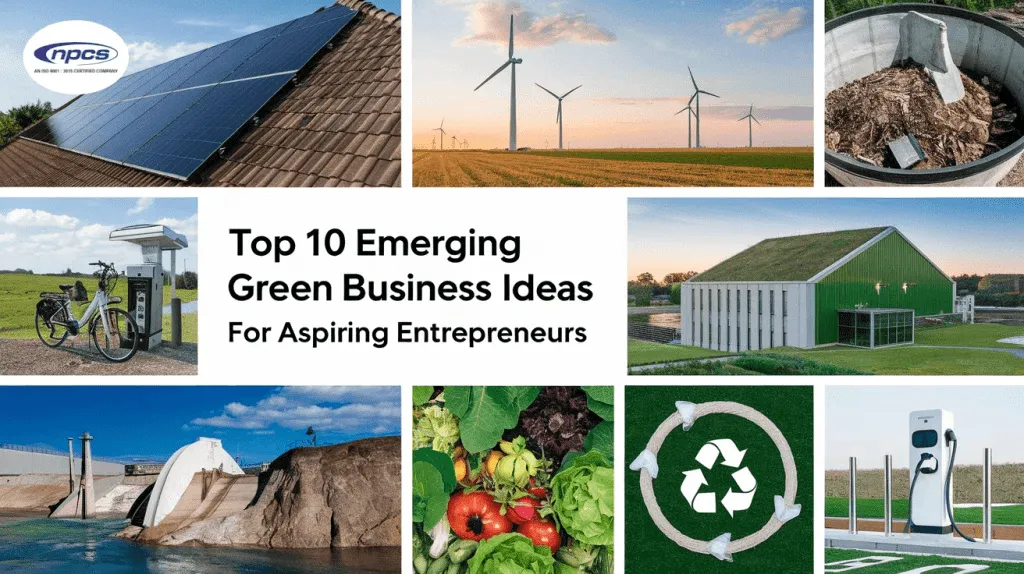
With the world advancing towards green sustainability, eco-friendly business ideas are not left behind and have penetrated every industry segment. Today’s entrepreneurs are generally not interested in profits only but also want to benefit the environment. If you are looking at cashing into this market, here are some eco-friendly business ideas that have a bright promise of making good profits while satisfying environmentally concerned individuals. This article discusses some of the exciting options available to the aspiring entrepreneur passionate about sustainability and carbon footprint reduction. 1. Sustainable Packaging Solutions In this consumer-dominated age, the escalating waste from packaging has become such a matter of great concern among environmentalists. Conventional plastic packaging, on the other hand, contributes to the filling up of landfills and polluted water bodies, as well as air, but the advent of greener alternatives keeps students at school. And green entrepreneurs can fill up the gap in this new trend with business lines like biodegradable bags, reusable containers, or packaging materials made from recycled products. It has also made businesses carbon-neutral and, at the same time, addressed consumer needs to provide environment-friendly products. For instance, the brands EcoEnclose and Noissue are seizing this increasing trend towards sustainable packaging, and any new commerce can similarly adopt this trend by supplying customised solutions to various industries. Also Read: Top Biodegradable FMCG Packaging Startups 2. Solar Energy Installation and Consulting The global revolution giving way to the replacement of fossil fuels by renewable sources is by far the most significant movement toward carbon footprint minimization. Solar energy has become available through much affordability, making it a lucrative business opportunity for entrepreneurs in addition to offering solar panel installation services, consultancy services, and sales of solar energy systems. According to the International Renewable Energy Agency (IRENA), by the end of the decade, solar energy would contribute about 60% to global renewable energy generation. Clean energy options are manifesting a growing spirit of new business opportunity thriving in the sector. 3. Organic Farming and Urban Gardening Organic farming is among the best eco-friendly business ideas for a world where more consumers open their arms to organic and local produce. Urban farming and vertical gardening quickly gripped metropolitan areas that couldn’t cater to much ground space. Entrepreneurs can now start a small-scale organic farm or offer gardening services for urban folks as a business opportunity for increasing demand for fresh, chemical-free food. Such initiatives encourage reduction of carbon footprints because they do away with long-distance food transportation and promote sustainable farm practices. Try setting up community-supported agriculture (CSA) programs for your community, or create farmers’ markets to sell your goods. Our Project Reports: A Business Plan for Bio-Degradable Plastic Polymer from Corn A Business Plan for Solar Panel 4. Electric Vehicle (EV) Charging Stations The spike in demand for charging infrastructure has coincided with the rise of electric vehicles. This is setting up a pretty great green business idea that is going to grow to unforeseen heights within the next few decades. For instance, apart from reducing the carbon footprint of traditional gasoline-powered vehicles, this business idea promises long-term returns for all those who embraced entrepreneurship since it will increase as more people come into the world of electric vehicles. The IEA projects that nearly 230 million electric cars will be on the roads around the world by 2030, behind which charging stations are going to shoot. It becomes a really interesting proposition for budding entrepreneurs to invest in and contribute to the green revolution. Also Read: Set-Up your own EV Charging Stations 5. Eco-Friendly Clothing and Fashion Brands The fashion industry continues to be one of the largest emissive industries in the entire world, with standard textile waste levels and excessive water consumption. To stand against this norm, sustainable fashion brands use organic, recycled, or upcycled materials to manufacture their clothes and other items. Business entrepreneurs can start eco-friendly garment lines based on sustainable production methods, fair wages for workers, and an insignificant impact on the environment. In this space, brands like Patagonia and Stella McCartney are already paving the way ahead of other new entrants, even though renewal sources are still burgeoning. Hence, creating a new business related to the market that caters to eco-conscious minds is an opportunity to earn a profit and at the same time reduce the environmental impact of the fashion world. Also Read: Best Eco-Friendly Products, Projects & Ideas for Startups 6. Green Construction and Eco-Friendly Home Solutions Sustainable living spaces are on the rise, so the construction industry keeps moving toward greener buildings and energy-efficient designs. This is a great encouragement for entrepreneurs to set up eco-businesses in the area of environment-friendly construction and green building solutions such as energy-efficient home insulation, sustainable building materials, or designing houses that consume less energy. According to the World Green Building Council, buildings contribute about 39% of total global carbon emissions, thus making the green building sector an important component in carbon footprint reduction. By entering this field, entrepreneurs would not only be able to make a significant contribution towards the environment but would also be impacting the economy. 7. Eco-Friendly Cleaning Services Most conventional cleaning agents have harmful chemicals that affect both humans and the environment in general. Starting a green cleaning business using non-toxic, biodegradable, and natural products would include homeowners and businesses that want to lessen their impact on the earth, among many other customers. According to a report by Grand View Research, the market for global green cleaning products would be worth USD 11.9 billion by 2025, largely because of the increased awareness of environmental sustainability. There is a clear chance for an entrepreneur to better capitalise on this opportunity by introducing green cleaning services that promote a healthy, green way of living. Also Read: 50 Green Business Ideas for Aspiring Entrepreneurs 8. Waste Management and Recycling Services A million and more several tonnes go to