
How Textile Exports Can Leverage Free Trade Agreements for Growth
Indian textile exports industry is important for Indian economy. With a long history in textile and garment export as a major foreign exchange source, India has become one of the world’s largest exporters of textiles and garments. Nevertheless, there are a lot of challenges for textile exporters in India in the global market. Free Trade Agreements (FTAs) have proven to be the single best way to overcome these challenges. This blog explores how textile exporters can use FTAs to increase their growth and diversify into new export markets. Understanding textile exports and free trade agreements The term textile exports is concerning the sale and shipping of textiles, fabrics, and cloth from a country to a further country. India is one of the top textile and apparel exporters in the world. India has been playing a crucial role as a part of the worldwide supply chain to fulfil the global desire for fashion, home textiles, and technical textiles. Free Trade Agreement (FTA) means the negotiation or agreement between two or more countries that seeks to demilitarize trade barriers. There can be ??? barries, like tariffs and quotas, and other restrictions. FTAs are agreements between countries that agree to reduce trade barriers and make it easier to export products to the countries. For textile exporters, even FTAs can be used as a powerful device to enhance their competitive advantage in international markets. How Textile Exporters Benefit from FTAs: Lower Costs In Transit, Import Taxes and Tariffs The reduction or elimination of tariffs and taxes on exports is one of the most important advantages of FTAs. According to the Confederation of Indian Industry (CII), the India-ASEAN FTA allowed Indian textile exports to grow by 20 to 25 percent after its introduction. Cheap exports of textiles through lower tariffs make them increasingly affordable to foreign buyers, who are likely to be interested in buying. When Indian exports of textiles and apparel have zero or low tariffs in the destination markets, either because of free trade agreements or zero tariffs, exporters can price competitive. In areas like textiles and garments where there is fierce price competition, particularly so. Our Books Handbook on Textile Auxiliaries, Dyes and Dye Intermediates Technology Modern Technology of Paints, Varnishes & Lacquers (3rd edition) Market Access and New Opportunities The appeal of an FTA is because it opens new markets to textile exporters. FTAs remove the barriers to trade, which allows businesses to go into countries that were hard to do business with before. For instance, the India-MERCOSUR FTA allows Indian exporters of textiles to gain access to Latin America’s markets, in which Indian textile demand is increasing. These agreements give opportunity for growth. Since the Indian textile and apparel exports enjoy trading with its partners, the volume of sales may get enhanced. In addition, FTAs provide preferential treatment, including an advantage to Indian textile exporters against competitors from other countries that don’t have FTAs. Supply Chain strengthening Are there improvements in the supply chain for textile exporters under international free trade agreements? Raw material sourcing is much easier in many FTAs that come with easy sourcing for raw materials. In other cases, the FTA’s between, for example, the India and Korea FTA enable Indian textile exporters to source garments and other material at cheaper rates. It minimises the production cost and heightens the efficiency of the textile and apparel exports in India. In addition, FTAs relieve logistics by making shipments of textiles abroad easier and faster. It makes the Indian textile industry more competitive. The Many Investment Opportunities FTAs will help divert FDI to the textile sector. By doing so and signing FTAs, countries communicate to investors that the market is stable and anything is available for business. Therefore, foreign companies may be more readily attracted into the Indian textile industry, resulting in better infrastructure, technology, and business opportunities. For instance, the India-Japan FTA has caused an investment in the Indian textile manufacturing sector. And that has enabled textile exporters to increase the quality of their products and, in some cases, to adopt more sophisticated manufacturing methods so they can compete on the world market. Enhanced Competitiveness FTAs also reduce the playing field to some degree, making it even more level for textile exporters. FTAs reduce trade barriers, allowing smaller exporters to compete against larger, well-known companies. These agreements make it possible for textile exporters to expand into new regions, add to their product offering, grow their business, and improve their market share. Information on trade agreements, market conditions, and how FTAs can be leveraged to the benefit of exporters is provided by the Exports Promotion Council. It remains easy for Indian textile exporters to capture the benefits of FTAs. Major FTAs Benefiting Textile Exports from India India-ASEAN FTA It is true that the India-ASEAN FTA has been one of the most successful agreements for the exports of Indian textiles and apparel. India’s textile exports to ASEAN countries have grown manifold since its implementation. This agreement gives Indian textile exporters reduced tariffs in the markets of Indonesia, Malaysia, Singapore, and Thailand. India-EU FTA Another important trade agreement of Indian textile exporters is the India-EU FTA. Indian textiles and garments are among the largest markets for the EU, and this FTA has enabled reducing tariffs and facilitating market access. Indian textile and apparel exports face lower import duties in the main European markets, easing exporters’ ability to make sales. Project Reports Manufacturing of Disposable Personal Protective Equipment (PPE) Kit HDPE PP Woven Sacks Spinning Mill Business | Most Profitable Textile Spinning Business Business Plan for Polyester Textured Yarn from Used Pet Bottle India-US FTA The India-US FTA helps India fend off the growing threat of a reduction in imports from China to the Indian textile sector in the global textile supply chain. India’s largest textile export market is the US. Among them, textile exporters will have easier access to the US market and fewer restrictions under this agreement. India-Australia FTA Indian textile exporters will benefit from the India-Australia FTA. The
Navigating the Global Textile Exports Market: A Guide for Manufacturers
In countries like India, where the textile sector contributes significantly to the economy, the creation of the global textile exports market presents the manufacturers with exciting opportunities. Manufacturers can exploit a growing demand for high-quality textiles on the international market with the appropriate strategies. This guide provides two things: the dynamics of the global market and practical advice on how to successfully navigate the labyrinth of textile export. What Are Textile Exports? Textiles and garments involve the export of textiles and garments from one country to another. What are included are all kinds of materials and materials used in the production of clothing of all sorts and related products used in international trade. Textile and apparel exports are a big part of the economy for countries like India. The Indian textile industry is the largest in the world in generating employment, production, and foreign exchange earnings. Key Factors Influencing Textile Exports However, textile exports are heavily dependent on several factors. These include production quality, pricing, market demand, and international regulations compliance. It is important for manufacturers that aim to expand their business abroad to understand these factors. How to understand the global demand Textiles have become a product in demand globally, especially in emerging markets. Fashion, technology, and the preferences of consumers are driving the demand for textiles and the garments they produce. To stay on top of the textile export market, manufacturers need to be updated on these trends. In countries like the U.S., EU, and Japan, high-quality fabrics and apparel demand keeps rising. Countries in Africa and Asia are also showing growing demand for textiles. Its essential to understand these regional preferences and create your product offering based on that. The Function of Exports Promotion Councils Many of our clients have export promotion councils; they benefit greatly from exporting to international markets. They provide a variety of services, from market research to assisting in negotiating trade agreements. For instance, the Textile Export Promotion Council facilitates textile exports in India. These councils should be paired with manufacturers to understand export regulations, market entry strategies, and key trade fairs. Deploying these resources allows manufacturers to reach new markets as well as compete with competitors. Our Books Modern Technology of Textile Dyes & Pigments (2nd Revised Edition) Handbook on Textile Auxiliaries, Dyes and Dye Intermediates Technology The Complete book on Natural Dyes & Pigments Modern Technology of Paints, Varnishes & Lacquers (3rd edition) Strong Supply Chain Build A good, reliable supply chain for textile exports is one of the most crucial things. An effective supply chain will deliver products on time and reduce costs. The textile sector needs for smooth operations to be most efficiently transported, warehoused, and managed with respect to inventory. A robust domestic supply chain helps India’s textile and apparel exports. Nevertheless, manufacturers are closely competing to improve this chain to get better. Technology for better measuring can be invested in tracking, monitoring, and managing processes. Utilizing Technological Progress The textile export market is becoming increasingly technology-driven on a global scale. Automation, digital printing, and AI-based design tools could make costs go down and product quality get better in textile manufacturing. With these advancements, companies can meet the devoured demand for fast fashion and custom textiles. Furthermore, digital platforms and e-commerce support manufacturers’ ability to interact with end buyers around the world. Using these technologies, manufacturers can reach farther and simplify export processes. Regulatory Compliance and Standard The texture regulation and standard for textile exports in different countries are different. This includes product safety, all the way up to environmental impact. If manufacturers fail to comply with these standards, penalties or shipment rejections may occur. The Confederation of Indian Textiles Industry (CITI) deals with both government bodies as well as itself to promote textile growth in India according to established standards. If your products meet these regulations, this will make it easy for you to market in the international markets. How to Enter the Global Textile Exports Market It’s easy to be intimidated by the prospect of entering the global textile export market, but the right approach can see manufacturers achieve. Here’s a step-by-step guide on how to enter this lucrative market: Conduct Market Research You need to know the market dynamics in the countries you wish to export to before you actually start exporting. Find out research factors like local consumer preferences, currently earning competitors, and market size. For one example, a customer may want textiles or garments that differ from those in North America for demand in Europe. You can use reliable data and insights to know which markets are the best for your products. Free access to such data present in many export promotion councils can make you take the right decision. Project Reports Manufacturing of Disposable Personal Protective Equipment (PPE) Kit HDPE PP Woven Sacks Spinning Mill Business | Most Profitable Textile Spinning Business Business Plan for Polyester Textured Yarn from Used Pet Bottle Develop a Competitive Product Only high-quality products at competitive prices are enough to make textile exports a success. Know what international customers need. For example, eco-friendly fabrics or easy-to-maintain fabrics may be a preferred choice by many buyers. Product development can provide you with a competitive advantage in the market. You can read more on how you offer unique value propositions, such as high-quality woven fabric or anti-bacterial material, which can set you apart from the competition. Pouring resources into relationships with international buyers Strong relationships with international buyers are a vital part of long-term international textile export success. Networking with the global buyers, connecting with textile buyers and manufacturers in online platforms like textile manufacturers and textile buyers market. Indian textile industry trade shows are one of the best places to demonstrate your product to an international audience. These will allow you to find out about market requirements and what to offer them. Start and join Trade Agreements and Export Programs There are a lot of countries that have free trade agreements with other countries that reduce barriers
How Sustainable Textile Design is Reshaping the Fashion Industry
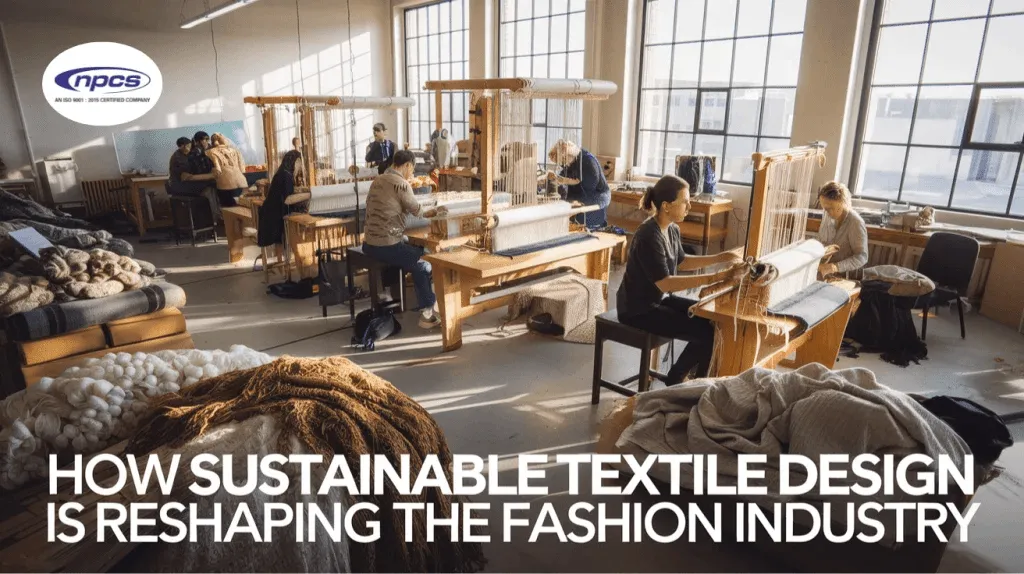
That’s a huge revolution in the fashion industry. This change is the focus of sustainable textile design. People are making every effort to live an eco friendly lifestyle as the consumers are becoming more conscious. In turn, designers and manufacturers produce textiles not only for their looks but also because they are made with the environment in mind. Through this blog, I will show you how textile design is changing, and how fashion industry is changing to more sustainable methods. What is Sustainable Textile Design? The Textile design is the pattern, texture, structure (including the arrangement of color and the forms and lines used to create that pattern) created. Traditionally this has been focused around quality measured by aesthetics. Nevertheless, environmental responsibility provides an important new dimension of sustainable textile design. What this translates to is using renewable resources, decreasing waste, and having production process that is done in a way that has zero impact on the planet. Organic cotton, bamboo and hemp; these are the materials are used in invention of eco friendly cotton design, which are comparatively less in need of water and pesticide compared to the usual crops. Designers experimenting with fabric scraps and recycled plastic bottles are also looking at innovative fibres. Sustainable approaches are beginning to define the latter one with time. Key Trends in Sustainable Textile Design: 1. Use of Organic and Recycled Materials: The use of organic and recycled materials is one of the biggest trends in sustainable textile design. Many clothing collections are going with organic materials such as organic cotton, linen, or wool. Growing these materials without harmful pesticides or synthetic fertilisers makes them healthy for the environment. But recycled textiles are increasingly being used by the fashion industry as well. Textile design was first done with materials made from recycled polyester formerly plastic bottles which is now a regular ingredient. It allows us to lessen our plastic waste in landfills and oceans while still providing fashion with high-quality, durable fabrics. And the lead here is being taken by companies like Patagonia and Adidas for utilising recycled materials in their collections as well. Our Books Modern Technology of Textile Dyes & Pigments (2nd Revised Edition) Handbook on Textile Auxiliaries, Dyes and Dye Intermediates Technology The Complete book on Natural Dyes & Pigments 2. Innovative Fabric Finishing Technologies: Textile design is also sustainable with regards to how fabrics are treated and finished. Most fabric finishing is done using toxic chemicals and water-consuming processes. However, thanks to recent developments in fabric finishing technologies, high-quality finishes are no longer required to come with a bad environmental impact. New processes, such as waterless dyeing, using less water and fewer chemicals, slash the environmental ‘footprint’ of textile design. Additionally, companies are also opting for more eco-friendly dyes made out of natural substances, thus making it some more environment-friendly. 3. Biodegradable Fabrics: Their Role Another exciting one, a new textile design that pushes toward the biodegradable. The result of this breakdown in natural time decreases the amount of textile waste making it way to landfills. For instance, pineapple leaves, coconut husk etc., can make eco friendly fabrics which are easy to decay. That’s important considering the fashion industry alone is one of the world’s most polluting industries. According to the United Nations, 92 million tons of waste is produced by the fashion industry every year. Integrating biodegradable materials into the textile design is an effort to reduce this waste with the long term ambition of making fashion sustainable. 4. Textiles for Circular Fashion and Recycling Circular fashion is also another major theme being worked on in the sustainable clothing design. The idea is to develop a system that depends on remaking textiles and garments instead of throwing them away. This means thinking about the clothings end of life recycling as you design it up. For example, H&M is now taking programs on spearheading where the customers return old clothes to be processed into new fibres. In this, the fashion industry is interestingly tasked to design textiles considering circularity, this will help it minimise its dependence upon virgin resources and move towards a more sustainable production model. Old clothes are to be broken down into new fibers as textile recycling technologies are developed. It extends beyond simply reducing waste, and cutting the need for any new raw material. Project Reports Manufacturing of Disposable Personal Protective Equipment (PPE) Kit HDPE PP Woven Sacks Spinning Mill Business | Most Profitable Textile Spinning Business Business Plan for Polyester Textured Yarn from Used Pet Bottle 5. Ethical Production Practices The whole 10 yards is not enough to make something a sustainable textile design. Additionally, it includes ethical production practices. Today, many sustainable fashion brands have gone to great lengths to ensure that their employees are being paid fairly and do not do so in unsafe conditions. In addition, they’re following the route of social responsibility by backing up local artisans and small scale manufacturers. This is a trend transforming the fashion industry and now ethical production is being demanded. Consumers armed with an appetite for brands that adhere to environmental sustainability and ethical conduct are on the hunt for brands. What resulted from this was clothes being designed by the designers, being produced socially responsibly. The Impact of Sustainable Textile Design on the Fashion Industry Thats not a trend anymore but changing the fashion industry in general. Consumers are becoming ‘green aware’ and in some cases will pay a premium for green clothing, and across the world consumers are showing more interest in buying clothes that have less environmental impact. This has created huge demand of sustainable fabrics and eco friendly fashion practice. Moreover, designers are starting to realize that sustainability will attract a new generation of fashion savvy consumers. Brand’s innovativeness increase and they have a tighter customer relationship. Meanwhile sustainable textile design is giving birth to new business models. Thats why brands are trying to do things with lower material, less waste, and making products you can use again
The Role of Technology in Modern Textile Design: From CAD to 3D Printing
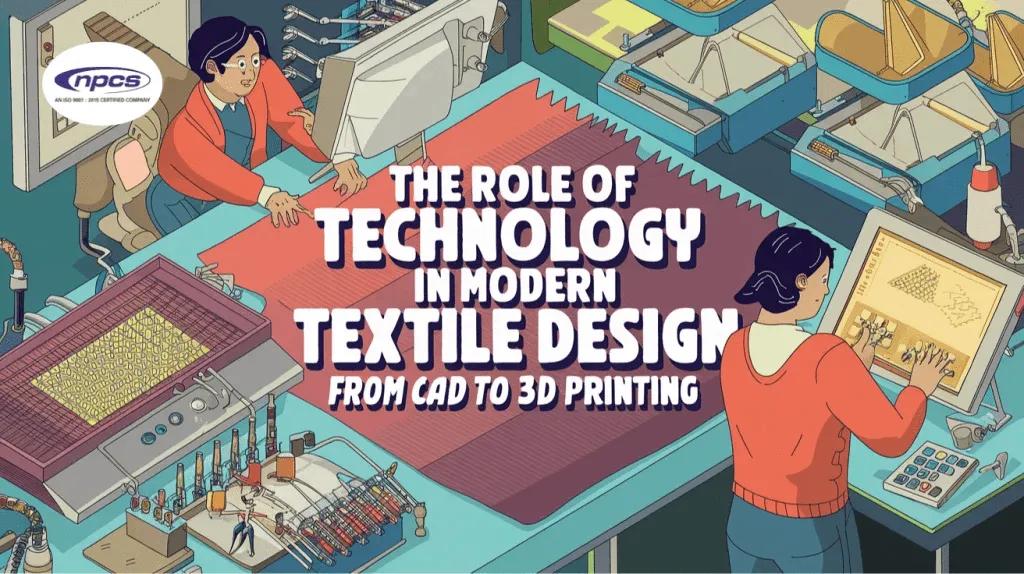
The textile design has developed over the years. Thanks to the new technologies, fabrics and patterns are now created quicker, more precisely and more creatively than ever. The other day, designing textiles was more hands on and today we are seeing digital tools and tools and machines. In this blog, we will seek to explore the role of technology in the textile design and the way forward as innovations ranging from CAD to 3D printing is changing the industry. What is Textile Design? Textile design is the art of putting patterns, textures, and colour to fabric. To design these patterns, designers use a number of methods. Some methods are traditional, for example, hand drawing or hand weaving, and others are modern technology. Textile design now occupies a large position in the field of fashion, interior decoration, and industrial usage. Technology is helping to make the process quicker and more accurate—whether it’s creating the latest fashion trends or designing fabrics for automobile upholstery. The Evolution of Textile Design Technology Before the technology, textile designing needed basic tools, such as paper, pencil, and a manual weaving machine. But the computer-aided design (CAD) software changed the game! Designers produced detailed patterns and designs on a computer thanks to CAD. What just changed was just the beginning. With technology growing, so did the tools that designers had access to. These days 3D printing is making its mark in the textile design world. 1. Textile Design CAD Software CAD software is probably one of the most important tools of the 21st century in textile design. Thus, it enables the designers to design high-precision digital designs. CAD software allows for the designer to rapidly experiment with colours, patterns, and textures, which is neither time-consuming nor prone to error like the hand-drawn design. Textile design with CAD can be up- or down-scaled. So manufacturers can create patterns and fabrics of different sizes. It also enables the machine to optimally lay out the designs on the fabric roll and therefore reduce waste during the production. Naturally, CAD is used in different industries, for example, fashion, home textiles, and industrial textiles. One of the great advantages of using CAD in textile design is that it permits more creativity. This allows designers to test out complex patterns, try new colour combinations, or see how a fabric will appear when printed or woven. CAD software also cuts back on the time it takes to produce designs, making it easier to realise designs as fast as possible. Our Books Modern Technology of Textile Dyes & Pigments (2nd Revised Edition) Handbook on Textile Auxiliaries, Dyes and Dye Intermediates Technology The Complete book on Natural Dyes & Pigments Modern Technology of Paints, Varnishes & Lacquers (3rd edition) 3D Printing: A Game Changer in Textile Design 3D printing has rapidly emerged as a mainstay of textile design in recent years. Unlike other methods, which involve weaving or knitting or printing patterns on fabric, 3D printing directly prints three-dimensional fabrics out of digital designs. With this technology, designers are able to create complicated textures and patterns that were impossible by pure traditional means. There are many advantages of 3D printing in textile design. First, its flexibility in design is improved. Fabric designs that look and work great can be developed—shapes and textures impossible or very lengthy to make with regular methods. Second, 3D printing has the advantage of being able to produce quick prototypes, which can then be tested before moving to mass production. Also, technical textiles can be made by 3D printing for industrial use. These textiles can be designed to perform particular functions (strength, flexibility, even heat resistance). This provides more ground for industries such as aerospace, automotive, and medical textiles. Utilisation includes 3D-printed fabrics in the automotive industry, for example, such as lightweight car seats or interior panels. In the medical world, 3D-printed textiles can help pattern, for example, custom-fit prosthetics or wound dressings. 3. Textile Printing Technology Textile printing technology also made great progress, besides CAD and 3D printing. As this method has become common for printing high-quality designs on fabric, digital textile printing has come of age. Digital printing, unlike traditional ones, has the ability to do more precision and more details of designs. Ink is directly printed by the printer onto the fabric. There are many benefits to digital textile printing as compared to traditional methods. The eco friendly way to grow seeds is that it reduces the use of water and chemicals. Also, it is possible to design smaller production runs, which is exactly what is desired for custom or on order work. For instance, in the fashion industry, trends change quite quickly, and the designer is in need of creating small lots of fabric with unique patterns. Project Reports Manufacturing of Disposable Personal Protective Equipment (PPE) Kit HDPE PP Woven Sacks Spinning Mill Business Business Plan for Polyester Textured Yarn from Used Pet Bottle 4. AI and Automation in Textile Design Artificial intelligence is also beginning to be used to design the textile. By using inputs of color trends, customers preference, and material performance, AI can be used to create patterns. Designers may use AI to predict what designs will be popular, and stay ahead of the trends. In addition, the production process itself is being automated to accelerate the creation of textiles. There are automated weaving machines, and robotic cutting tools that can speed and accuracy production. Especially in large scale manufacturing the time and cost efficiency are important basis. Also Read Textile Industry. Cotton Fabric Manufacturing Business Uttar Pradesh’s Push Towards Textile and Apparel Industry Textiles: Project Opportunities in Gujarat How Technology Is Shaping the Future of Textile Design: Increasingly, technological advancements will shape the future of textile design. Just as CAD and 3D printing are improving, new tools are much more powerful for designers. Through these tools we will be able to make textiles that look amazing but are also functional and sustainable. Sustainable Textile Design Sustainability is one of the biggest trends in
Top Textile Design Trends for 2025: What Manufacturers Need to Know

Things change quickly in the world of textile design. Heading into 2025, the textile industry is finding its prospective trends. To keep up with these trends and to meet the consumers needs, manufacturers must stay in the race. Textile design has lots of exciting possibilities, from sustainability to new technologies. As you can see, this blog will explore the top textile design trends of 2025. They will also help manufacturers know what is ahead of them and prepare in the way needed to tackle the changing market. So, lets talk about the future of textile design. 1. The Rise of Sustainable Textile Design : One of the most important factors of the textile industry is sustainability. The days of textile design will in the next decade increasingly begin to reflect the reduction of environmental impact. To continue surviving, manufacturers will have to opt for more eco friendly materials and production process. Models of textile sustainable design are the organic cotton, hemp and recycled fibers. Additionally, they eliminate waste and are eco friendly. Makers are also making biobased fabrics that are biodegradable or that go back into the environment safely and recyclable. Knowing the environmental impact of products they purchase is their belief. More than 70 percent of consumers want sustainable products, according to Textile Exchange. This is going to incentivise manufacturers to discover new and innovative ways of making gorgeous and ecologically friendly textile design. Tip for Manufacturers: By 2025, consumers will want us to invest in sustainable materials and in ecological production techniques. 2. Digital Textile Design: Printing and Customisation: The Future One of the other trends you can expect in 2025 is digital textile design. Manufacturers are now able to generate unique, custom patterns and designs with digital printing technology. Due to this technology, textiles that are very detailed, bright, and uniquely personalised can be produced. Digital textile design is also highly efficient, as it’s one of the key benefits. Digital printing also is different from traditional methods, since it requires less setup time and resources. It reduces the high costs that are applied in the traditional printing methods, enabling manufacturers to print smaller batches of customised fabrics. This means that this technology enables manufacturers to respond to consumer demand for personalised products and fulfils sustainability. Tip for Manufacturers: Redefine production, customising products and offering them to your customer at a lower cost with digital textile design. For faster and more efficient production, take advantage of technologies such as direct-to-fabric printing. Our Books Modern Technology of Textile Dyes & Pigments (2nd Revised Edition) Handbook on Textile Auxiliaries, Dyes and Dye Intermediates Technology The Complete book on Natural Dyes & Pigments Modern Technology of Paints, Varnishes & Lacquers (3rd edition) 3. Smart Textile Design: Functionality Meets Fashion In 2025, an explosion of smart textiles will lead to the future of textile design. In addition to aesthetics, these textiles are meant to be more than just decorative you can make them do specific things. Smart textiles can be exposed to environmental stimuli such as heat, pressure, or moisture, and they will respond. For instance, the design of sportswear textiles is beginning to incorporate fabrics that enable a wearer to monitor their body temperature or heart rate. The tiny sensors embedded in the fabric integrate to achieve this. Further, the textiles used in medical applications might also include fabrics with colours that change in response to exposure to certain chemicals or toxins. By 2025, the appropriated demand for smart textiles is anticipated to expand significantly. It is estimated that the smart textiles market is expected to be at $5.2 billion by 2025, according to MarketsandMarkets. Fad trend manufacturers who embrace this trend will be able to produce high-function, innovative products. Tip for Manufacturers: Smart textile designs are researched and developed to offer products with added value. Think of the integration of technologies in textiles performing specific functions, e.g., for health monitoring or energy generation. Project Reports Manufacturing of Disposable Personal Protective Equipment (PPE) Kit HDPE PP Woven Sacks Spinning Mill Business | Most Profitable Textile Spinning Business Business Plan for Polyester Textured Yarn from Used Pet Bottle 4. Textiles with Enhanced Durability and Performance: By 2025, the design of textiles will be centred around the enhanced durability and performance. Textiles’ ability to withstand everyday wear and tear and protection from the elements; this is what consumers want. It includes water-resistant, UV-resistant, scratch-resistant, and fire-resistant textiles. Outside and sports brands throughout use fabrics intended to be even tougher, pleasant, and breathable. High tensile strength and good absorption capacity fabrics will be in great demand. With strength and comfort (but no nonsense), these textiles can be used in activewear and outdoor gear. However, manufacturers will also be looking at new textile treatments to make fabrics more durable. Clothing and textiles used in the medical environment will be particularly suited to finishes that are anti-bacterial. Tip for Manufacturers: Design textiles that can and are prepared to work in hard circumstances. Upgrade your fabrics with strength, comfort, and functionality technologies. 5. The Return of Retro Textile Design: Returning retro-inspired patterns and colours is one of the most exciting trends in textile design for 2025. Fashion and interior textiles are being made nostalgic with designs from the ’70s, ’80s, and ’90s. And these designs come loaded with bold geometric patterns, bright colours, and vintage motifs. This trend can be utilised by the manufacturers who experiment with the current colour combos and patterns of the past. Provided, though, the key to success will lie in marrying retro elements with a modern combination of materials and production techniques. The fusion will result in unique designs, timeless designs, appealing to older as well as younger consumers. Tip for Manufacturers: Work on vintage patterns and colours while using modern textile techniques in manufacture. In 2025, with the fashion and home decor markets, retro designs will be the trend. 6. 3D Textile Design: Building the Future of Fabric Construction Soon, there will be 3D textile design in 2025. This is
Industrial Textiles for Environmental Sustainability: Whats Next?
The textile industry is a large part of the global economy. But it’s long been attacked for its environmental impact. Industrial fabrics are a defined type of fabric specifically created for industrial use. Structurally, these textiles are used for conveyor belts, woven fabrics, and flat belts used in machinery and are also used as movables in these products. At a time when industries are growing, industrial textiles are becoming increasingly more sustainable. This is important to scale down the environmental footprint in the sector and to allow future generations to benefit from the work in industrial textiles without damaging the earth. In this blog, we look at the future of industrial textiles with regards to environmental sustainability. Here we will go through the framework of key trends, innovations, and challenges that the industry faces on its way to sustainability. What Are Industrial Textiles? Fabrics designed to meet one or more of the requirements for many industrial applications are referred to as industrial textiles. Regular fabrics are different from ordinary ones because they can survive particularly high stress, extreme conditions, and heavy use. The products that are common in industry include conveyor belts, technical textiles, synthetic fibres, and antibacterial materials. Our Books Modern Technology of Textile Dyes & Pigments (2nd Revised Edition) Handbook on Textile Auxiliaries, Dyes and Dye Intermediates Technology The Complete book on Natural Dyes & Pigments Modern Technology of Paints, Varnishes & Lacquers (3rd edition) High tensile strength and good absorption capacity, for example, are normally used in making consistently durable textiles for long term use. It is used in construction, automotive, manufacturing, medical industries, etc. But now, in a more eco friendly world, industrial textiles have to follow suit. The Environmental Impact of Traditional Industrial Textiles: Traditional industrial textile synthetic fibres are known to take hundreds of years to break down. Because of their high tensile strength and good absorption capacity, polyester and nylon are widely utilized as industrial textiles. Even though they are durable they cause environmental pollution. Production of synthetic fibres has high energy, water and chemical costs. Additionally, not all of the recycled material available for industrial textile applications is appropriate; the recycled material comprises printed circuit boards and cassette and ink fabric that creates the waste. With the increasing demand for industrial textiles occurring industrially, there are also calls to decrease the environmental impact in the work place. Project Reports Manufacturing of Disposable Personal Protective Equipment (PPE) Kit HDPE PP Woven Sacks Spinning Mill Business | Most Profitable Textile Spinning Business Business Plan for Polyester Textured Yarn from Used Pet Bottle Key Innovations for Sustainable Industrial Textiles: The industrial textile industry is no longer a trend; its a necessity. Below are some cool innovations that are driving the future of industrial textiles for environmental sustainability. 1. Recycled and eco-friendly fibre The use of recycled fibres is one of the most promising developments in the industrial textiles area. They are even made from old garments or from recycled plastic bottles. The use of recycled fibres can help textile manufacturers cut down their environmental footprint dramatically. For example, woven fabric and flat belts used for industrial applications can be made out of recycled polyester. Lower requirements on virgin resources mean sustainable raw materials are used, and so energy and water are conserved. In addition, it helps reduce the amount of plastic going to landfills and oceans. Aside from that, synthetic fibres that are eco-friendly, synthetic fibres that are made from plant-based materials like bio-based polyester, are also becoming popular. 2. Textile Finishing Capsule Technology An inventive solution for industrial textiles to perform better while being environmentally friendly is called textile finishing capsule technology. The technology relates to applying microcapsules onto industrial textiles. Under certain conditions these capsules release special chemicals. Then they can release an antibacterial agent, for instance, when they come into contact with water. That means the need for other treatments that would otherwise necessitate harsh chemicals and a lot of water. Textile finishing capsule technology can improve the durability and functionality of industrial textiles by enabling the ribbon of a textile to release specific functions on demand. 3. Industrial Textiles: biodegradable One of the other important innovations is that of biodegradable industrial textiles. Theyre also looking at textiles that naturally decompose over time, like hemp or bamboo with plant-based fibers. Biodegradable material benefits by reducing long-term waste in landfills and reducing pollution generated from synthetic textiles. For example, woven natural fibre fabric can be more easily decomposed than synthetic high-tensile-strength materials. Additionally, these will be used to make consumer goods like cassettes and ink fabric for printing or as conveyor belts for industrial applications. 4. Waterless and Low Chemical Dyeing Technologies Textile dyeing processes are well known as massive consumers of both water and chemicals. More about the nature of the offending dyeing process: traditional methods produce dangerous wastewater that can contaminate rivers and the ocean. The industrial textile industry, in response, is increasingly developing sustainable dyeing technology: waterless dyeing. Supercritical carbon dioxide replaces water in the dyeing process in the context of waterless dyeing. Using this method, they reduce water usage to up to 90%, eliminating the use of toxic chemicals. This innovation can be applied to a variety of industrial textiles, such as simple flat belts to more complex printed circuit boards. 5. Upcycling and Circular Economy The textile industry is moving toward a circular economy. A circular economy means designing products to be reused, recycled, and remade into different products to minimize waste and conserve resources. In industrial textiles, the same principle is being utilised. But old conveyor belts and woven fabrics can be upcycled into new products, such as new products. It is a reduction of the need for raw materials, saves energy, and also reduces the waste. In addition, companies can encourage old textiles to go into the recycling process and turn them into new industrial textiles, in other words, closing the loop of textile waste. Also Read Textile Industry. Cotton Fabric Manufacturing Business Uttar Pradesh’s
How Industrial Textiles are Revolutionising the Construction Industry

Industrial use of textiles is present today in the construction industry. The high-performance fibres that these materials are made from carry solutions to the growing demands of modern construction. Industrial textiles are revolutionising construction, whether for strength, durability, or efficiency, with their applications. This blog explores industrial textiles as ways of transforming the construction industry, the uses, benefits, and innovations. We go deeper into this exciting sector. What Are Industrial Textiles? Industrial textiles are textiles that are engineered to perform functions in industrial circumstances. Regular fabrics are different from those engineered for high performance, strength, and durability. Industrial textiles are used for reinforcing materials, filtration systems, and sometimes used for rendering safety in such hazardous environments. These textiles are fabricated from materials such as synthetic fibres, woven fabric, and high-tensile-strength threads to enhance different construction processes. Industrial textiles make the construction industry stronger, safer, and more efficient. Our Books Modern Technology of Textile Dyes & Pigments (2nd Revised Edition) Handbook on Textile Auxiliaries, Dyes and Dye Intermediates Technology The Complete book on Natural Dyes & Pigments Modern Technology of Paints, Varnishes & Lacquers (3rd edition) Key Uses of Industrial Textiles in Construction: 1. Ground Stabilization Geotextiles Geotextiles are one of the most important industrial textile uses in construction. They install these fabrics between layers of soil to improve ground stability. They also reduce erosion, help control water flow, and increase the strength of the ground under roads and bridges. Builders can also extend the life of their projects by using geotextiles, which decrease the demands for heavy machinery. Such geotextiles are often used in highway construction to stabilise the soil and keep it from shifting; examples include geotextiles made from synthetic fibers. Strong, lightweight, and resistant to environmental factors, these materials are. 2. Industrial Textiles Reinforced Concrete Reinforced concrete structures are also reinforced with industrial textiles. When woven fabric of high tensile strength fibres is incorporated into concrete, it becomes stronger and more resistant to cracking. It is particularly critical for the long life durability of large buildings, highways, and dams. Industrial textiles have high tensile strength and good absorption capacity, making them ideal reinforcement for concrete. It improves the flexibility of the material to have it able to withstand more stress and pressure. Project Reports Manufacturing of Disposable Personal Protective Equipment (PPE) Kit HDPE PP Woven Sacks Spinning Mill Business | Most Profitable Textile Spinning Business Business Plan for Polyester Textured Yarn from Used Pet Bottle 3. Material Transport by Conveyor Belts In construction they are used to move around the site quickly and efficiently by means of conveyor belts. Durable industrial textiles are used to make these conveyor belts that can get through a lot of rough weather and heavy loads. These belts make use of high-tensile-strength synthetic fibres to prevent damage even when you are carrying rough materials like cement or gravel. For example, doing away with the friction between the belt and those materials being transported reduces the friction. Also, this makes for smoother operations and less wear on the machinery. 4. Safety protective clothing Construction’s always a high priority on safety. Many hazards exist to which workers can be exposed, including sharp objects, chemicals, and extreme temperatures. Industrial textiles can answer that—protective clothing from industrial textiles can have safety properties such as antibacterial properties or scratch-resistant surfaces. In protective clothing for workers, protective clothing with materials like cassette and ink fabric, for example, is generally used. These fabrics are lightweight but strong, comfortable fabric for both protection and comfort. In addition, certain textiles intended for protective gear can be introduced that are resistant to high heat or have scratch resistance so workers can be safe in extreme environments. 5. Waterproof & Drainage Systems The other important function of industrial textiles in construction is waterproofing. Textile finishing capsule technology sets the stage for the processing of fabrics suited for use in waterproofing systems. By keeping water out of buildings and other structures, these textiles prevent long-term damage. Geotextiles help with drainage systems, besides waterproofing. These fabrics let water pass by and filter out particles that might block the system. Building with a drain solves this problem of earlier cases, especially for buildings requiring drainage to avoid water damaging or flooding the basements and other lower levels. Innovations in Industrial Textiles for Construction: 1. Smart Textiles Smart textiles promise an even brighter future for industrial textiles in construction. Sensors are embedded in these fabrics that can monitor temperature, humidity, and pressure. We could use smart textiles for monitoring construction and other structures’ health during their lifetime. Smart textiles in conveyor belts or reinforced concrete are, for instance, able to measure the state of the materials in real time. Construction companies are in a better position to recognise possible problems before they become big problems. They can extend building life and lower the cost of maintenance by using smart textiles. 2. Sustainable Materials Therefore, the demand for the sustainable materials is increasing as construction begins to move to higher eco-friendly solutions. Industrial textiles from recycled materials are now being produced by many manufacturers, such as recycled polyester. For construction projects trying to label themselves as green and reduce their carbon footprint, these sustainable industrial products are ideal. Industrial textiles made from recycled fibres offer a way to protect the environment while still achieving the strength and durability construction firms require. This is a big shift to more sustainable building practices across the industry. Also Read Textile Industry. Cotton Fabric Manufacturing Business Uttar Pradesh’s Push Towards Textile and Apparel Industry Indian Textile Market and Business Scope for Entrepreneurs Top Opportunities in Technical Textile Sector 3. 3D Weaving and Knitting 3D weaving and knitting is another exciting development in industrial textiles. The advanced techniques used enable manufacturers to produce complex, layered fabrics that are lighter and stronger than fabric, particularly if manufactured in layers. In construction, these fabrics can be used as reinforcement fabric or a protective layer. It also enables the design space of woven fabric to be