
The Business of Manufacturing Potassium Chloride: Increasing Opportunities for Growth
The manufacturing of potassium chloride is emerging as a strategic and profitable industry in 2025, owing to its critical role in agriculture, chemical production, and healthcare. Potassium chloride (KCl), a naturally occurring salt, is primarily used as a fertilizer ingredient to enhance plant growth and improve crop yields. As global food demand increases, countries are investing heavily in boosting agricultural output—creating a steady demand for KCl. Moreover, potassium chloride has several industrial uses, including in pharmaceuticals, water softeners, food processing, and even in drilling fluids for oil and gas exploration. The production process involves mining, purification, and crystallization of potassium-bearing minerals like sylvite or carnallite, mostly sourced from underground deposits. With global population growth and food security challenges, the manufacturing of potassium chloride is receiving both private and government investment. As of 2025, the global potash market is project to reach over USD 25 billion, with potassium chloride accounting for a dominant share. This positions it as a valuable sector for investors and entrepreneurs alike. Visit this Page for More Information: Start a Business in Specialty Chemicals Manufacturing Industry Why the Manufacturing of Potassium Chloride is Key to Sustainable Growth The increasing demand for high-yield crops and industrial chemicals has made the manufacturing of potassium chloride a cornerstone of multiple global supply chains. Its affordability, efficiency, and versatility make it indispensable in 2025 and beyond. Understanding the Production Process The manufacturing of potassium chloride can be achieved through mining or evaporation techniques. Most commercial KCl is extracted from potash mines, where raw minerals like sylvinite are brought to the surface and processed. The crushed ore undergoes flotation or electrostatic separation to remove sodium chloride. The resulting potassium-rich brine is then crystallized into pure potassium chloride. Another common method, especially in arid regions, is solar evaporation of saline water from salt lakes. Countries like Canada, Russia, Belarus, and India are leading producers, and new plants are being commissioned in Africa and South America to meet demand. With automation and eco-friendly tech, modern KCl production is becoming more cost-efficient and sustainable. Related Business Plan: Chemicals (Organic, Inorganic, Industrial) Agricultural Demand Driving Growth Fertilizer remains the largest application of potassium chloride, accounting for nearly 90% of global usage. KCl is a key ingredient in NPK (Nitrogen-Phosphorus-Potassium) fertilizers and is vital for improving crop resilience, water retention, and nutrient absorption. With nations targeting food self-sufficiency and crop diversification, the demand for potassium-based fertilizers has skyrocketed. Countries like India and China are importing millions of tons annually, while local manufacturers are expanding capacity. This direct agricultural linkage ensures that the manufacturing of potassium chloride remains a future-proof business opportunity with consistent demand cycles. Read Similar Articles: CHEMICAL INDUSTRY Industrial and Pharmaceutical Applications Beyond farming, potassium chloride is widely used in the pharmaceutical industry as an electrolyte replenisher. It’s also employed in IV fluids, salt substitutes, and food additives. In water treatment plants, KCl serves as a water softening agent by replacing calcium and magnesium ions. Furthermore, in oil drilling operations, KCl-based drilling fluids reduce clay swelling and increase borehole stability. These diverse applications provide manufacturers with multiple market avenues. The manufacturing of potassium chloride is not limited to agriculture; it spans vital industrial sectors where chemical purity and supply reliability are crucial. Click here to send your queries/Contact Us Low Investment Entry Points Setting up a small-scale potassium chloride production facility requires an investment between ?50 lakh to ?2 crore, depending on capacity and raw material sourcing. The main infrastructure includes crushers, flotation tanks, crystallizers, and packaging units. Regions close to natural salt lakes or brine sources benefit from lower transport and processing costs. Entrepreneurs can also explore contract manufacturing for established fertilizer brands, or supply to regional agricultural co-operatives and retail chains. Related Feasibility Study Reports: Chemicals (Organic, Inorganic, Industrial) Projects Environmental Considerations and Green Manufacturing Like all chemical processes, the manufacturing of potassium chloride must comply with environmental norms. The disposal of tailings, use of freshwater, and energy-intensive operations pose ecological challenges. However, in 2025, advancements in closed-loop processing systems, solar evaporation, and waste recycling are reducing the environmental footprint. Companies are also integrating zero-discharge systems to reuse water and minimize effluents. These sustainable upgrades not only meet regulatory standards but also attract green investors and government incentives for eco-friendly manufacturing. Government Policies and Import Substitution Many nations are emphasizing self-reliance in fertilizer production, especially post-pandemic, to reduce dependency on imports. India, for example, has initiated PLI (Production Linked Incentive) schemes and subsidies for indigenous potash production. Public-Private Partnerships (PPP) are being formed to develop domestic mines and set up processing units. The strategic importance of potassium in ensuring food security makes this industry a top priority. Entrepreneurs entering the potassium chloride manufacturing space in 2025 stand to benefit from policy support, soft loans, and long-term supply contracts. Market Outlook and Export Potential The global potassium chloride market is witnessing steady growth, with CAGR projections of 4.5% between 2024 and 2030. Major importers include China, Brazil, the USA, and Southeast Asia. Emerging markets in Africa and Central Asia are investing in infrastructure to support KCl-based farming. Indian manufacturers, particularly those near ports, can tap into these growing markets through export channels. Certifications like ISO, REACH, and FCO (Fertilizer Control Order) help access international buyers. By maintaining consistent quality and adhering to global standards, the manufacturing of potassium chloride can evolve from a domestic supplier to a global exporter. Read our Books Here: Chemical Technology (Organic, Inorganic, Industrial), Fine Chemicals Click here to send your queries/Contact Us Reasons for Buying NIIR Report: Our research report helps you get a detailed picture of the industry by providing an overview of the industry along with the market structure and classification. Our report provides market analysis covering major growth driving factors for the industry, the latest market trends and the regulatory framework of the industry. Our Report provides an analysis and in-depth financial comparison of major Players / Competitors. Our Report provides indispensable buyers data with their company financials as well as the contact details,
Successful Business Plan Of Biodegradable Disposable Cups And Plates Using Sugarcane Bagasse
The demand for biodegradable disposable cups and plates using sugarcane bagasse is growing rapidly, thanks to rising environmental awareness and stricter regulations on plastic use worldwide. Sugarcane bagasse, a byproduct of sugar production, is now being transformed into a high-value raw material for manufacturing eco-friendly tableware. These products are not only sustainable but also microwave-safe, compostable, and sturdy—making them ideal alternatives to plastic and Styrofoam. The global ban on single-use plastics has accelerated interest in plant-based disposables, particularly in countries like India, the U.S., Australia, and the EU. In 2025, the biodegradable tableware market is expected to cross USD 12 billion, and sugarcane bagasse holds a significant portion of that share. Manufacturers are now setting up facilities to convert waste into wealth while contributing to environmental conservation. For startups, MSMEs, and green entrepreneurs, investing in the biodegradable disposable cups and plates using sugarcane bagasse industry presents a low-risk, high-growth business opportunity with long-term demand. Why Biodegradable Disposable Cups and Plates Using Sugarcane Bagasse Are the Future of Tableware In a world grappling with plastic pollution, the transition to biodegradable alternatives is no longer optional—it’s essential. Among the most sustainable options available today are biodegradable disposable cups and plates using sugarcane bagasse, which combine affordability, strength, and eco-friendliness to meet modern consumer demands. Visit this Page for More Information: Start a Business in Biodegradable Products Industry What Is Sugarcane Bagasse and Why It Matters Sugarcane bagasse is the fibrous residue left after extracting juice from sugarcane. Traditionally discarded or burned, it’s now recognized as a renewable and biodegradable material perfect for creating disposable tableware. Instead of contributing to agricultural waste, bagasse is repurposed to manufacture plates, bowls, trays, and cups. This not only helps in waste reduction but also significantly reduces dependency on plastic and petroleum-based products. With increasing awareness of climate change, consumers and industries are shifting to sustainable alternatives, making biodegradable disposable cups and plates using sugarcane bagasse a timely and impactful solution. Download PDF: Start a Business of Production for Biodegradable Disposable Cups and Plates Manufacturing Process and Machinery The process of making biodegradable disposable cups and plates using sugarcane bagasse involves several eco-conscious steps. First, the bagasse is cleaned and pulverized into a pulp. It is then poured into molds and pressed under high temperature and pressure to form various shapes like plates and cups. The final products are dried, trimmed, and packed. Machinery includes pulping machines, hydraulic molding presses, drying chambers, and cutting units. A small-scale setup can be launched with an investment of ?15–25 lakhs, while larger units require ?50 lakhs to ?1 crore. Modern machines are energy-efficient and capable of producing thousands of units per day, making this business highly scalable. Related Business Plan: A Business Plan for Biodegradable Disposable Cups and Plates Huge Market Demand Across Industries The market for biodegradable disposable cups and plates using sugarcane bagasse spans multiple sectors. Hotels, restaurants, caterers, airlines, event organizers, and even hospitals are actively replacing plasticware with sustainable options. E-commerce platforms like Amazon, Flipkart, and BigBasket have dedicated sections for biodegradable products. Governments and municipal bodies are also pushing vendors and food stalls to switch to eco-friendly alternatives. With weddings, festivals, and large-scale events generating massive demand for disposable tableware, the opportunities for consistent bulk orders are huge. This multi-sector utility ensures year-round business and revenue. Read Similar Articles: BIODEGRADABLE PRODUCTS Government Regulations and Eco-Certification India and many other countries have implemented bans or restrictions on single-use plastic, making it mandatory for businesses to explore sustainable packaging and tableware options. In India, guidelines under the Plastic Waste Management Rules (2022) and campaigns like Swachh Bharat Abhiyan are promoting alternatives like bagasse-based products. International certifications like ISO 17088, ASTM D6400, and EN 13432 help validate the compostability and eco-friendliness of your products for export markets. Getting certified and registered with bodies like the MSME portal, FSSAI (for food-contact safety), and Startup India can also attract funding and government incentives for green enterprises. Related Feasibility Study Reports: Biodegradable Disposable Cups And Plates Using Sugarcane Bagasse Low Environmental Footprint and High Social Impact One of the major advantages of biodegradable disposable cups and plates using sugarcane bagasse is their minimal impact on the environment. The production process consumes less water and emits significantly lower carbon dioxide compared to plastic or paper-based alternatives. Products made from bagasse biodegrade naturally within 60–90 days, leaving no toxic residue. Moreover, this business supports circular economy principles by upcycling agricultural waste. It also creates local jobs and encourages sustainable livelihoods, especially in rural and semi-urban regions where sugar mills are located. The social and environmental goodwill earned by such a business adds long-term brand value. Read our Books Here: Environmentally Friendly, Eco-Friendly Products Export Opportunities and Global Reach In 2025, global demand for biodegradable tableware is booming, especially in Europe, North America, and the Middle East. Countries with strict waste management laws are importing millions of tons of compostable items annually. Indian manufacturers of biodegradable disposable cups and plates using sugarcane bagasse can tap into these markets by meeting international standards and partnering with global wholesalers. Registering with DGFT, getting an IEC license, and listing on B2B export portals like Alibaba and TradeIndia can open lucrative export channels. The “Make in India” initiative also supports global positioning of eco-friendly Indian products. Scope for Product Diversification Once the manufacturing unit is set up, it’s easy to diversify into related eco-products like compostable straws, cutlery, clamshell boxes, and takeaway containers using the same base material—bagasse. You can create multi-product combos for retailers and custom branding options for B2B clients. With proper marketing and attractive eco-packaging, premium pricing is also possible. The scalability and flexibility of this business model make biodegradable disposable cups and plates using sugarcane bagasse a smart entry point into the booming green business industry. https://npcsblog.com/ See More Links: Contact Us
List of 55 Profitable Business Ideas for Micro and Small Enterprises (MSME)
Manufacturing-Based MSME Business Ideas Agarbatti Making Disposable Paper Cups Manufacturing Handmade Soaps and Bath Products LED Bulb Assembly Wire Nail Manufacturing Biodegradable Cutlery from Sugarcane Bagasse Phenyl and Liquid Cleaner Production Chalk or Whiteboard Marker Manufacturing Small-Scale Pickle Unit Fabric Bags Manufacturing (Jute/Cotton) These business ideas for micro and small setups are ideal for semi-urban or rural areas with easy access to labor and raw materials. You can start many of these from a small shed or home setup with ?2–10 lakh investment. Related Business Plan: Projects for Small and Medium Enterprises (SME) Food Processing & Packaging MSME Ideas Peanut Butter Making Spice Powder Unit Cold-Pressed Oil Extraction Bakery & Cookie Production Organic Tea Packing Rice & Pulse Sorting and Packaging Fruit Jam and Jelly Unit Ice Cream Parlour with Production Cattle Feed Manufacturing Moringa or Leaf Powder Processing These food-based ventures are high in demand with short supply chains. Many buyers now prefer locally produced, hygienically packaged food items. Read Similar Articles: Best Business Plans For Your Startup Health & Wellness MSME Business Opportunities Ayurvedic Cosmetic Products Herbal Extract Unit Mini-Gym or Fitness Studio Home-Based Yoga Instructor Diet Consultation Services (Online & Offline) First Aid & Hygiene Kit Assembly Aromatherapy Oil Blends Plant-Based Nutrition Supplements Mini Diagnostic Lab (Basic Health Tests) Organic Honey Processing With rising health consciousness, these business ideas for micro and small ventures serve local health needs with good margins and social value. Click here to send your queries/Contact Us Digital & Service-Oriented MSMEs Digital Marketing Agency Local SEO & Website Building Services Online Tuition or Skill Classes Resume & Freelance Profile Writing Drone Photography for Events & Agriculture Video Editing Studio Data Entry & BPO Services WhatsApp Marketing Services for Local Stores E-Commerce Support for Local Artisans Online Language Coaching (IELTS, TOEFL, etc.) These are scalable and require minimal physical infrastructure. They are especially suitable for educated youth in Tier 2/3 cities. Related Feasibility Study Reports: Business Ideas: 4.5 – 5 Crore (Plant and Machinery) Sustainable & Eco-Friendly Business Ideas Solar Panel Installation & Maintenance Organic Fertilizer Manufacturing Rainwater Harvesting Services E-Waste Collection and Recycling Eco-Friendly Detergents or Floor Cleaners Vermicomposting Unit Bamboo Products Crafting Upcycled Furniture or Home Decor Reusable Cloth Diapers & Pads Zero-Waste Store Environmental awareness is creating a big push for green business models, giving a unique edge to small players with innovation. Miscellaneous & Rural MSME Ideas Mobile Repair & Accessories Shop Local Transport (E-Rickshaw, Mini Cargo) Dairy Farming with Milk Packing Mushroom Farming Tailoring and Embroidery Services These business ideas for micro and small setups can be started by individuals, families, or SHGs in rural and semi-urban regions with little training. Read our Books Here: Project Profiles, Entrepreneurship Niir Project Consultancy Services (NPCS) not only advises on and executes complex and strategic initiatives, assisting organizations in overcoming obstacles but also helps in breaking new ground in their respective industries. Niir Project Consultancy Services (NPCS) business professionals provides exceptional project leadership to turn strategies and solutions into long-term outcomes. Whether it’s a problem or a “destination,” we’ll work with you to overcome obstacles, achieve your objectives, and maintain performance. We turn your vision or challenge into a workable plan and provide dedicated leadership to see it through. We collaborate with you to foster cross-functional collaboration, manage stakeholder relationships, and implement the processes and tools required to realize the full potential of your organization. Click here to send your queries/Contact Us Reasons for Buying NIIR Report: Our research report helps you get a detailed picture of the industry by providing an overview of the industry along with the market structure and classification. Our report provides market analysis covering major growth driving factors for the industry, the latest market trends and the regulatory framework of the industry. Our Report provides an analysis and in-depth financial comparison of major Players / Competitors. Our Report provides indispensable buyers’ data with their company financials as well as the contact details, which can be an important tool in identifying the target customers. Our report provides forecasts of key parameters which help to anticipate the industry performance. We use reliable sources of information and databases. And information from such sources is processed by us and included in the report. See More Links: NIIR PROJECT CONSULTANCY SERVICES, DELHI An ISO 9001:2015 Company ENTREPRENEUR INDIA 106-E, Kamla Nagar, Opp. Mall ST, New Delhi-110007, India. Email: npcs.ei@gmail.com info@entrepreneurindia.co Tel: +91-11-23843955, 23845654, 23845886 Mobile: +91-9097075054, 8800733955 Website: https://www.entrepreneurindia.co https://www.niir.org Contact Us
Manufacture of Electrical Cables, Wire and Wire Products Handbook
In the ever-evolving landscape of electrical infrastructure and industrial automation, the manufacture of electrical cables stands as a core sector that fuels connectivity and power transmission across the globe. From residential wiring to high-voltage power grids and automotive applications, electrical cables are indispensable. With the global push toward electrification, digitalization, and renewable energy, the demand for quality cable and wire products has grown exponentially. This has unlocked lucrative opportunities for entrepreneurs, MSMEs, and large-scale manufacturers looking to tap into a stable and expanding market. The manufacture of electrical cables is not merely about extrusion or insulation—it’s a technology-intensive domain that requires precision engineering, strict safety compliance, and constant innovation. A handbook dedicated to this manufacturing domain serves as a vital resource for setting up a cable production business, scaling existing operations, and understanding industry-grade formulations, machinery, and international standards. The Electrical Cable Manufacturing Industry: An Overview The manufacture of electrical cables encompasses a range of products including power cables, control cables, communication cables, instrumentation wires, coaxial cables, fiber optic cables, and more. These are made using conductors (copper, aluminum), insulation materials (PVC, XLPE, EPR), sheathing compounds, armoring, and jacketing. According to IMARC Group, the global electrical cable market size reached $130 billion in 2023 and is expected to grow at a CAGR of 5.2% from 2024 to 2030. This surge is fueled by rapid urbanization, infrastructure upgrades, EV adoption, and smart grid deployments. Visit this Page for More Information: Start a Business in Wire & Cable Industry Key Raw Materials Used in Cable Manufacturing The quality and durability of electrical cables are directly related to the materials used. Common raw materials include: Conductors: Copper (preferred for flexibility and conductivity), aluminum (lighter and cheaper) Insulation: PVC, XLPE, Teflon, silicone rubber Sheathing: HDPE, LSZH (low smoke zero halogen), PE Armoring: Galvanized steel wire, tape, or braid for mechanical protection Fillers and Binders: Paper, cotton, or synthetic compounds Specialty materials are used for flame retardancy, oil resistance, UV protection, and low smoke emissions. Read Similar Articles: Wire & Cable Manufacturing Process of Electrical Cables The manufacture of electrical cables involves multiple precision-driven stages, often automated in high-volume facilities: Wire Drawing – Technicians pull raw copper or aluminum rods through dies to reduce their diameter and increase their length. Annealing – They heat-treat the drawn wires to enhance flexibility and conductivity. Stranding – They twist multiple wires together to form a conductor that provides greater flexibility and reliability. Insulation Extrusion – They use extrusion machines to apply an insulating layer over the conductor. Assembly – They twist two or more insulated conductors together to create multi-core cables. Sheathing/Jacketing – They apply a protective layer over the cable to shield it from physical, chemical, or environmental damage. Armoring (Optional) – They add mechanical protection for cables intended for underground installations or where added strength is needed. Testing – They test the cables for high-voltage tolerance, insulation resistance, tensile strength, flame retardancy, and compliance with standards such as IS, IEC, BS, or UL. Download PDF: Manufacture of Electrical Cables, Wire and Wire Products Handbook Types of Electrical Cables Manufactured The handbook for manufacture of electrical cables typically covers the following product categories: House Wiring Cables – Single-core copper wire with PVC insulation Power Cables – XLPE insulated HV and MV cables for substations and grids Control and Instrumentation Cables – For automation, PLCs, and control panels Coaxial Cables – For RF signal transmission in telecom and broadcast LAN/Data Cables – CAT5e, CAT6 for networking infrastructure Flat Cables – For lifts, conveyors, and flexible electrical connections Fiber Optic Cables – For high-speed data transfer in communication systems Read our Books Here: Wire And Wire Products Machinery and Equipment Required Setting up a facility for the manufacture of electrical cables requires a significant investment in specialized equipment: Wire drawing machines Stranding machines Insulation and sheathing extrusion lines Armoring machines Bunching machines Take-up and pay-off stands Spark testers and flame-retardant test chambers Laboratory testing and quality control instruments Related Feasibility Study Reports: Wire & Cable Projects Licenses, Standards, and Quality Compliance To operate a cable manufacturing business, several industry and regulatory certifications are essential: BIS Certification (ISI mark) – Mandatory for cables sold in India ISO 9001:2015 – Quality management system CE Marking – For exports to Europe RoHS Compliance – Restriction of hazardous substances REACH Compliance – For chemicals used in insulation and sheathing Additionally, quality standards such as IS 694, IS 1554, IEC 60228, and BS 5467 are benchmarks for product approval and customer confidence. Market Potential and Investment Scope The electrical cable manufacturing sector is witnessing robust demand from: Smart cities and infrastructure projects Renewable energy projects (solar, wind, hydro) Metro rail and railway electrification Oil & gas and heavy industries Data centers and 5G telecom networks Export demand from Middle East, Africa, Southeast Asia Depending on scale, a small to medium manufacturing unit may require an investment ranging from ?1.5 crore to ?10 crore, depending on the level of automation and product range. Opportunities for MSMEs and Entrepreneurs With favorable government policies like “Make in India”, PLI schemes, and export incentives, MSMEs can benefit greatly from: Manufacturing niche wire products (PTFE cables, fire-survival cables) Contract manufacturing for OEMs Cable recycling and copper recovery businesses Developing eco-friendly and halogen-free cable variants Collaboration with electrical consultants, EPC contractors, and infrastructure firms opens up steady demand pipelines. Conclusion The manufacture of electrical cables is a vital and thriving industrial segment that supports the backbone of modern infrastructure and technological progress. A comprehensive handbook in this domain equips manufacturers, engineers, and entrepreneurs with the technical know-how, market intelligence, and compliance insights necessary to excel in this field. With the right strategy, investment, and innovation, this industry promises long-term sustainability and profitability. Book Link: The Manufacture of Electrical Cables, Wire and Wire Products Handbook See More Links: Contact Us
Why has the demand for bottled water increased?
The demand for bottled water has witnessed an extraordinary rise in recent years, becoming one of the fastest-growing segments in the global beverage industry. Consumers around the world are increasingly shifting toward bottled water as their preferred source of hydration, owing to concerns about tap water quality, convenience, health consciousness, and evolving lifestyle preferences. According to market research, the global bottled water market is expected to exceed $400 billion by 2030, reflecting strong and consistent consumer demand. In urban centers, rural areas, and even tourist destinations, bottled water is now seen not just as a necessity, but as a trusted, safe, and premium product. This upward trajectory in the demand for bottled water has spurred massive investments from FMCG giants, startups, and MSMEs alike. In many regions, bottled water has overtaken carbonated drinks, thanks to its perceived purity, minimal additives, and alignment with wellness trends. Visit this Page for More Information: Start a Business in Water Industry Understanding the Surge in Bottled Water Demand The steady growth in the demand for bottled water is driven by a complex blend of health, social, and environmental factors. Consumers are more informed than ever about contaminants in municipal water supplies and are willing to pay for a safer, more reliable alternative. Related Business Plan: Water Industry Health and Safety Concerns about Tap Water One of the primary reasons for the increased demand for bottled water is public distrust in the quality of tap water. In developing nations, infrastructure for water purification may be outdated or insufficient, leading to contamination with bacteria, heavy metals, or chemicals. In urban areas too, aging pipelines and industrial pollution contribute to inconsistent water quality. Consumers prefer bottled water as it offers tested and sealed protection, ensuring safety from waterborne diseases. Read Similar Articles: WATER INDUSTRY (DISTILLED WATER) Lifestyle Changes and On-the-Go Convenience As the pace of life accelerates, especially in urban and semi-urban regions, convenience becomes a key consideration. Bottled water offers a grab-and-go solution for hydration, available everywhere—from supermarkets to roadside vendors, gyms, offices, and airports. Its portability and easy availability have made it the preferred option for working professionals, students, travelers, and fitness enthusiasts. Click here to send your queries/Contact Us Increased Awareness of Hydration and Wellness Another major factor behind the surging demand for bottled water is the increasing public awareness of the importance of hydration. Modern consumers associate bottled water with fitness, detox, and beauty. Influencers, health coaches, and medical experts continue to advocate drinking 2–3 liters of water a day, further reinforcing bottled water’s presence as a daily essential. Moreover, many brands now offer mineral-rich, alkaline, spring, and flavored water, catering to niche health-conscious segments, which has expanded bottled water’s appeal beyond basic hydration. Related Feasibility Study Reports: Packaged Drinking Water With Pet Glasses (250 Ml) Rising Disposable Incomes and Urbanization The growth of middle-class income and urban living across countries like India, China, Brazil, and Indonesia has contributed significantly to the demand for bottled water. With higher spending power, consumers are willing to pay for premium bottled water, especially those with added minerals or enhanced filtration processes. Urban dwellers often have limited access to clean drinking water in workplaces, transit points, or rented homes, making bottled water a reliable and practical choice. Read our Books Here: Packaging Industry Tourism, Travel, and Outdoor Events Tourism and outdoor activities are key contributors to bottled water consumption. Tourists, especially international travelers, tend to avoid local tap water and rely entirely on packaged drinking water. Similarly, large-scale outdoor events, festivals, sports tournaments, and adventure activities see heightened bottled water sales due to lack of infrastructure for clean drinking water. This seasonal and event-based consumption has been a consistent booster for the bottled water industry globally. Brand Trust and Aggressive Marketing The bottled water industry has seen aggressive marketing and branding campaigns that emphasize purity, origin (Himalayan, spring, glacial), and health benefits. As a result, customers view bottled water not just as water, but as a lifestyle choice. Premium bottled water brands also cater to the luxury segment, with glass bottles, designer packaging, and curated mineral blends. This premiumization has further increased the perceived value and demand for bottled water. Environmental and Recyclable Packaging Innovations Contrary to earlier years when plastic use was a concern, the industry has responded with eco-friendly packaging solutions. Brands are investing in biodegradable bottles, recyclable plastics, and refillable packaging systems. These innovations reassure environmentally conscious consumers and help reduce guilt associated with single-use plastic, further boosting the demand for bottled water. Support from Government Regulations and Certification Stringent quality norms, BIS certifications (in India), and global safety standards have built consumer confidence in bottled water. Government approval and mandatory labeling also make it easier for consumers to verify purity levels, mineral content, and safety parameters. Additionally, water vending kiosks and public-private partnerships in tier-2 and tier-3 towns are increasing access to affordable bottled water in rural markets. Pandemic Influence and Post-COVID Precautions The COVID-19 pandemic led to increased health hygiene awareness, resulting in a spike in packaged water sales. Consumers avoided using shared water dispensers or public fountains, shifting preference to sealed bottled water. Even post-pandemic, this cautious behavior has persisted in schools, hospitals, airports, and workplaces. Conclusion The rapid rise in the demand for bottled water reflects a blend of modern consumer expectations: health, safety, convenience, and lifestyle. This surge is expected to continue, driven by innovation in packaging, expansion into rural markets, and increasing preference for healthier alternatives to sugary beverages. For businesses and investors, the bottled water industry presents a lucrative, stable, and scalable opportunity aligned with global wellness trends. Click here to send your queries/Contact Us Reasons for Buying NIIR Report: Our research report helps you get a detailed picture of the industry by providing an overview of the industry along with the market structure and classification. Our report provides market analysis covering major growth driving factors for the industry, the latest market trends and the regulatory framework of the industry. Our Report provides an analysis and
How to Start Ethanol Production Plant – A Booming Business
The decision to start an ethanol production plant in today’s energy-driven world presents a lucrative and eco-conscious business opportunity. With the Indian government pushing hard for ethanol blending programs and green fuel alternatives, ethanol has become a high-demand commodity in various sectors such as fuel, pharmaceuticals, chemicals, and beverages. The surge in the use of ethanol as a biofuel alternative to petrol has created a favorable environment for investors and entrepreneurs to tap into this industry. As per the Ethanol Blended Petrol (EBP) programme initiated by the Indian government, the country aims to achieve 20% ethanol blending with petrol by 2025, up from the current 12%. This presents massive room for expansion in domestic production capacity. Establishing an ethanol plant not only supports environmental sustainability but also offers high ROI, government subsidies, and long-term scalability. Let’s explore the comprehensive path to setting up an ethanol production plant. How to Start Ethanol Production Plant Successfully To start an ethanol production plant, one must focus on raw material sourcing, plant setup, licensing, technology integration, and market linkage. Here’s how. Visit this Page for More Information: Start a Business in Ethanol Industry Understanding Ethanol and Its Types Ethanol, also known as ethyl alcohol or grain alcohol, is a clear, colorless, flammable liquid produced through the fermentation of sugars by yeast or via chemical synthesis. It exists in various grades for different industries: Fuel Grade Ethanol (blended with petrol) Industrial Ethanol (used in paints, solvents, etc.) Pharmaceutical Grade Ethanol (used in drugs and sanitizers) Beverage Grade Ethanol (used in alcoholic drinks) Related Business Plan: Ethanol Manufacturing as Bio-Fuel Raw Materials Used in Ethanol Production There are two primary feedstock categories used in ethanol production: Sugar-Based Raw Materials: Sugarcane juice Molasses (by-product of sugar manufacturing) Starch-Based Raw Materials: Maize (corn) Broken rice Wheat Sorghum With the availability of agricultural waste and grains, India offers a rich resource base for consistent feedstock supply. Read Similar Articles: ETHANOL AND ALCOHOL INDUSTRY Ethanol Production Process The basic steps involved in the ethanol production process are: Fermentation: Raw material sugars or starches are fermented using yeast to produce ethanol. Distillation: The alcohol is separated and concentrated from the fermented mixture. Dehydration: Water is removed to achieve anhydrous ethanol (99.9% purity). Blending & Storage: The final ethanol is stored in tanks and dispatched for various uses. Modern ethanol plants use automated distillation columns, enzymatic hydrolysis, and zero liquid discharge (ZLD) systems for environmental compliance. Click here to send your queries/Contact Us Land, Machinery & Setup Requirements To start an ethanol production plant, consider the following setup essentials: Land Requirement: Minimum of 2–3 acres (near agricultural zones or sugar mills) Plant Capacity: Small (30 KLPD), Medium (60–100 KLPD), or Large (>250 KLPD) Key Machinery: Feedstock handling system Fermenters Distillation columns Evaporators & Dehydrators Boilers and power systems Effluent treatment plant Estimated Investment: Small plant (30 KLPD): ?25–30 crore Medium plant (60 KLPD): ?50–70 crore Related Feasibility Study Reports: Production Of Ethanol (ethyl Alcohol) From Broken Rice, Maize & Wheat Licenses and Government Approvals Starting an ethanol plant involves multiple clearances: Pollution Control Board clearance Fire and Safety License Explosive License (for fuel-grade ethanol) Factory license Drug License (if producing pharma-grade ethanol) FSSAI (for beverage ethanol) Excise duty registration Environment Clearance (EC) for plants above 30 KLPD Also, the Government of India offers capital subsidies up to 50% under the Ethanol Interest Subvention Scheme for new distilleries and expansion projects. Read our Books Here: Handbook on Biofuel, Ethanol and Bioenergy Based Products Profitability of Ethanol Production Business The profitability depends on plant capacity, raw material cost, and ethanol selling price. Production cost per liter: ?38–42 Selling price (to OMCs): ?60–65 per liter (fixed by govt.) Profit margin: ?15–20 per liter A 60 KLPD plant can generate over ?25–30 crores in annual revenue with EBITDA margins between 18%–25%. Challenges in Ethanol Business While the sector is booming, challenges include: Raw material price volatility (especially corn or molasses) Water-intensive process (requiring advanced ETPs) High capex for initial setup Transportation logistics for ethanol delivery However, with proper backward integration (own sugar mill or grain supply) and automation, these risks can be mitigated. Future Scope and Market Demand The Indian ethanol market is expected to reach USD 12 billion by 2030, with most demand coming from: Oil Marketing Companies (OMCs) for blending with petrol Pharma manufacturers Paint and solvent industries Alcoholic beverage brands India has a current deficit of over 2.5 billion liters of ethanol annually, making it a ripe market for new entrants. Conclusion The push towards biofuels and green energy has opened new doors for entrepreneurs looking to start an ethanol production plant. With government support, rising demand, and a structured policy framework, this business promises high returns, environmental impact, and national energy security. Whether you are an agro-entrepreneur, industrial investor, or infrastructure player, entering the ethanol production industry now can position you for long-term growth and profitability. Click here to send your queries/Contact Us Reasons for Buying NIIR Report: Our research report helps you get a detailed picture of the industry by providing an overview of the industry along with the market structure and classification. Our report provides market analysis covering major growth driving factors for the industry, the latest market trends and the regulatory framework of the industry. Our Report provides an analysis and in-depth financial comparison of major Players / Competitors. Our Report provides indispensable buyers’ data with their company financials as well as the contact details, which can be an important tool in identifying the target customers. Our report provides forecasts of key parameters which help to anticipate the industry performance. We use reliable sources of information and databases. And information from such sources is processed by us and included in the report. See More Links: NIIR PROJECT CONSULTANCY SERVICES, DELHI An ISO 9001:2015 Company ENTREPRENEUR INDIA 106-E, Kamla Nagar, Opp. Mall ST, New Delhi-110007, India. Email: npcs.ei@gmail.com info@entrepreneurindia.co Tel: +91-11-23843955, 23845654, 23845886 Mobile: +91-9097075054, 8800733955 Website: https://www.entrepreneurindia.co https://www.niir.org Contact Us
Manufacturing of Sorbitol: The Sweetener That’s Good for Business
The manufacturing of sorbitol has become a vital process in the food, pharmaceutical, and personal care industries, thanks to the compound’s versatility and economic significance. Sorbitol, a sugar alcohol derived primarily from glucose, is widely used as a low-calorie sweetener, humectant, stabilizer, and thickener. It offers a pleasant taste and moisture-retention properties, making it highly desirable in everything from sugar-free gums to medicinal syrups and cosmetic products. The global demand for sorbitol manufacturing continues to rise due to shifting consumer preferences toward low-sugar and diabetic-friendly products. In fact, the global sorbitol market size was valued at USD 1.7 billion in 2023, and is projected to expand at a CAGR of 6.2% through 2030. With this increasing market potential, investing in a sorbitol production unit can be a highly profitable venture when executed with proper technical know-how and strategic planning. Visit this Page for More Information: Start a Business in Pharmaceutical sector What is Sorbitol and Why is it in Demand? Sorbitol, also known as glucitol, is a polyol produced by the hydrogenation of glucose. It occurs naturally in many fruits but is manufactured industrially for large-scale applications. Its non-cariogenic (tooth-friendly), water-soluble, and mild-sweet properties make it a functional ingredient in numerous consumer and industrial products. In food products, sorbitol is used in sugar-free gums, candies, and baked items. pharmaceuticals, it is employed in vitamin C synthesis, oral solutions, and tablets. In personal care, it is used in lotions, toothpaste, and moisturizers due to its hydrating properties. Related Business Plan: Active Pharmaceutical Ingredients Manufacturing Industry (API), Bulk API Production Raw Materials Required for Sorbitol Manufacturing To initiate the manufacturing of sorbitol, the following primary raw materials are required: Dextrose Monohydrate or Glucose Syrup – Extracted from corn or wheat starch Hydrogen Gas – For catalytic hydrogenation Nickel Catalyst (Raney Nickel or similar) – Facilitates the reaction Deionized Water – As a solvent Activated Carbon & Filter Aids – For purification processes The quality of glucose and purity of hydrogen gas greatly influence the yield and quality of the final sorbitol product. Read Similar Articles: PHARMACEUTICAL INDUSTRY Step-by-Step Sorbitol Manufacturing Process The sorbitol manufacturing process involves a series of chemical and physical steps to convert glucose into sorbitol with high purity and stability. Below is a detailed breakdown: Preparation of Glucose SolutionStarch is hydrolyze using enzymes or acid hydrolysis to produce glucose syrup. This syrup is filtered and decolorized using activated carbon. Hydrogenation ReactionThe purified glucose solution is pumped into a high-pressure hydrogenation reactor. In the presence of a nickel catalyst and under 150–250°C temperature and 30–80 bar pressure, glucose is converted into sorbitol. Filtration and Catalyst RemovalThe reaction mixture is cooled and filtered to remove the catalyst. This step is critical to ensure safety and product quality. Evaporation and ConcentrationThe sorbitol solution is concentrated via evaporators to achieve the desire solid content of 70% or more, depending on end-use. Purification and PolishingThe concentrated solution is further purified using ion-exchange resins and final filtration systems to remove any remaining color, odor, or impurities. Storage and PackagingThe finished sorbitol solution is stored in stainless steel tanks and packed in HDPE drums, IBC totes, or bulk tankers based on customer demand. Read our Books Here: Pharmaceutical, Drugs, Proteins Technology Handbooks Equipment and Machinery Required Setting up a sorbitol plant requires robust and corrosion-resistant machinery due to high-pressure and catalytic reactions. The main equipment includes: Starch Hydrolysis Unit Hydrogenation Reactor (High Pressure) Catalyst Recovery Filter Evaporator System Ion-Exchange Columns Centrifugal Pumps and Heat Exchangers Storage Tanks and Filling Machines For optimal performance, all systems must be automate with PLC and SCADA control to ensure precision, safety, and process consistency. Related Feasibility Study Reports: Pharmaceutical Industry – Manufacturing Plant Factory Layout and Space Consideration A mid-scale sorbitol production plant typically requires 10,000 to 20,000 square feet of industrial land. Areas should be designate for: Raw Material Handling Reaction and Processing Zones Filtration & Purification Sections Quality Testing Labs Packing and Dispatch Section Control Rooms and Utilities Maintaining cleanroom standards in critical sections enhances product purity and GMP compliance. Licensing, Regulatory, and Environmental Aspects Before commencing sorbitol manufacturing, obtain: Factory and Pollution Control Licenses FSSAI Registration (for food-grade sorbitol) GMP Certification (for pharma-grade use) Drug License (for medicinal applications) Explosive License (for hydrogen handling) Hazardous Waste Handling Approval Wastewater must be treat before discharge using an Effluent Treatment Plant (ETP) with biological and chemical units. Applications and Market Segments for Sorbitol The sorbitol manufacturing industry caters to several diverse sectors: Food Industry – Sugar-free gums, baked goods, candies, beverages Pharmaceuticals – Vitamin C production, syrups, tablets, laxatives Cosmetics and Personal Care – Moisturizers, shampoos, toothpaste Industrial Applications – Resins, surfactants, polyurethane foams The personal care segment alone holds over 20% market share due to the rising demand for clean-label products. Costing, Profit Margins, and Financial Feasibility The approximate cost for setting up a medium-scale sorbitol manufacturing plant ranges between ?8 crore to ?15 crore depending on capacity, automation, and quality standards. Cost of Production per kg: ?30–?45 Average Selling Price per kg: ?55–?80 (depending on grade and volume) Gross Profit Margin: 35%–50% Breakeven Point: Within 2–3 years under efficient operations Export potential to Middle Eastern, African, and Southeast Asian countries offers lucrative opportunities. Challenges in Sorbitol Production and Solutions Catalyst Deactivation? – Regular regeneration or replacement of nickel catalyst is essential. Impurities in Product? – Enhance purification via multi-stage ion-exchange or nanofiltration. Hydrogen Safety Risks? – Use explosion-proof reactors and hydrogen leak detectors. Adopting continuous production models and closed-loop recycling of catalyst and water can improve sustainability. Conclusion: Why Sorbitol Manufacturing is a Future-Ready Investment The manufacturing of sorbitol stands as a technically advanced yet commercially rewarding venture. With growing demands across health-conscious food markets and clean-label personal care, sorbitol is pois for substantial global growth. Entrepreneurs and manufacturers who invest in modern equipment, maintain high purity standards, and align with global quality certifications will be well-position to dominate this ever-expanding market. Click here to send your queries/Contact Us Reasons for Buying NIIR Report: Our research
Top 6 Biodegradable Products Business Ideas
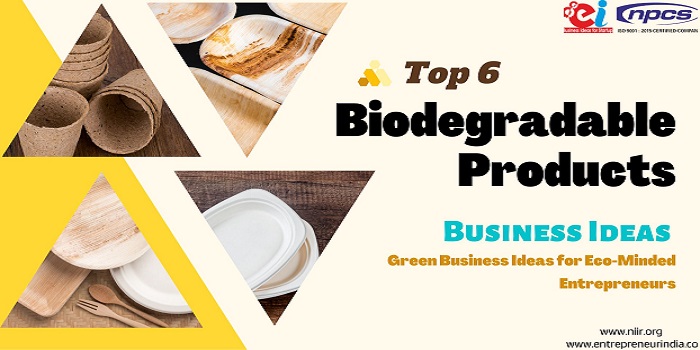
In an era where environmental degradation has reached critical levels, biodegradable products business ideas are emerging as profitable and sustainable solutions. Plastic waste, once considered a byproduct of progress, is now a growing threat to ecosystems worldwide. Governments are banning single-use plastics, and consumers are demanding greener alternatives. This shifting mindset has opened the door to a wide array of innovative business opportunities centered around biodegradable products. Whether you’re a first-time entrepreneur or an established manufacturer looking to pivot into eco-conscious solutions, exploring biodegradable products business ideas is a smart and timely move. The global biodegradable plastics market alone is projected to reach USD 23.3 billion by 2030, reflecting massive growth potential for businesses adopting sustainable models. These businesses not only align with global sustainability goals but also enjoy strong brand equity and growing consumer loyalty. If you’re looking for business opportunities that serve both the planet and your profits, it’s time to explore the top biodegradable products business ideas. Read our book here: Environmentally Friendly, Eco-Friendly Products, Natural Products, Biodegradable Plastics, Natural Dyes And Pigments, Jute Products, Natural Fibers Why You Should Start a Biodegradable Products Business The rising need for eco-friendly solutions has pushed biodegradable products business ideas to the forefront of modern entrepreneurship. Environmental laws, eco-conscious customers, and increasing awareness about plastic pollution are fueling the demand for sustainable alternatives. Biodegradable products break down naturally without leaving harmful residues, making them ideal for replacing plastic in industries like food service, agriculture, and packaging. Investing in such ideas not only helps the environment but also ensures long-term market relevance and business resilience. Benefits of Starting Biodegradable Plastic Pellets (From Corn Starch Thermoplastic & Polyvinyl Alcohol, Pbat & Corn Starch Watch Videos: Biodegradable Plastic Pellets Manufacturing Industry | Bioplastics Production Business Top 6 Biodegradable Products Business Ideas 1. Compostable Tableware and Cutlery Manufacturing biodegradable plates, bowls, spoons, and cups is one of the most scalable and in-demand biodegradable products business ideas. These items are made from raw materials like sugarcane bagasse, bamboo, palm leaves, and cornstarch. With bans on plastic disposables across India and many countries, the demand from restaurants, wedding planners, and street vendors is surging. The production process is relatively low-cost, and materials are widely available in agricultural regions. Plus, these items can be customized with branding for bulk B2B sales. Target buyers: Caterers, hotels, event organizers, online eco-stores. Business Plan: Biodegradable Plates & Bowls from Areca Tree Leaf 2. Biodegradable Garbage and Carry Bags Plastic carry bags are among the top pollutants in landfills and oceans. In response, compostable and biodegradable bags made from PLA, corn starch, or cassava are gaining immense popularity. These bags decompose without harming the environment and meet regulatory requirements in several Indian states. This is one of the most sustainable and profitable biodegradable products business ideas, especially in urban areas with retail shops, kirana stores, and food delivery services. Investment range: ?8 to ?20 lakh depending on machine capacity. Bonus: Government tenders are increasingly awarding contracts to biodegradable bag manufacturers. Related Feasibility Study Reports: Biodegradable Plates & Bowls From Areca Tree Leaf 3. Biodegradable Packaging Products One of the fastest-growing sectors in the packaging industry is eco-friendly packaging made from corrugated paper, molded fiber, compostable film, and even mushroom-based foam. As eCommerce platforms aim to reduce plastic waste, this category of biodegradable products business ideas is witnessing explosive demand. Startups can manufacture packaging for cosmetics, electronics, food items, and more. Businesses that focus on B2B models and offer custom sizes or branding have a unique advantage. Market tip: Export demand is rising from Europe and North America due to strict packaging regulations. Watch Videos: Biodegradable Plates Production from Areca Nuts Tree Leaf, Barks, and Bamboo 4. Eco-Friendly Sanitary Pads and Diapers The personal hygiene industry generates massive non-biodegradable waste. Biodegradable sanitary pads and baby diapers made from banana fibers, bamboo pulp, and organic cotton are gaining popularity among health-conscious and environmentally aware consumers. This niche is highly impactful and ideal for entrepreneurs interested in women’s health, D2C (direct-to-consumer) models, and rural outreach programs. If marketed well, these biodegradable products business ideas can make a real social and environmental difference. Challenges: Requires R&D and FDA or BIS certifications. But the returns and impact are worth it. Business Plan: Biodegradable Plastic Bags from Corn Starch 5. Biodegradable Straws and Drinkware After multiple countries banned plastic straws, alternatives made of rice, paper, PLA, or even coconut leaves have entered the market. Biodegradable straws and drinkware are compact products that don’t require large factory setups and are easy to distribute online or via restaurant supply chains. They’re lightweight, customizable, and a fantastic low-investment biodegradable products business idea for beginners. Additionally, corporate offices and hotels are looking for such products to align with their sustainability goals. Marketing angle: Sell them as part of eco-party kits or event packages. Related Feasibility Study Reports: Biodegradable Plastic Bags From Corn & Cassava Starch 6. Biodegradable Nursery Pots and Grow Bags With the boom in urban gardening and sustainable farming, biodegradable nursery pots made of coir, jute, and recycled paper are in high demand. Unlike plastic pots, these pots degrade in the soil and promote healthy root systems. These biodegradable products business ideas are perfect for targeting nurseries, government agriculture schemes, organic farming collectives, and gardening enthusiasts. Low machinery cost, rural sourcing of raw materials, and online distribution make this a viable business model. Potential buyers: Garden centers, farmhouses, hydroponic ventures, and agriculture expos. How to Start Your Biodegradable Products Business Step 1: Choose Your Niche WiselyPick a product category that fits your location, budget, and target market. Start with one or two SKUs before expanding. Step 2: Source Raw Materials SustainablyBuild relationships with suppliers of sugarcane pulp, bamboo, starch, or recycled paper. Local sourcing cuts logistics costs. Step 3: Invest in Machinery and CertificationsChoose semi-automatic or fully automatic machines based on scale. Get CPCB, BIS, or ISO certifications to improve credibility and market reach. Step 4: Create Your Brand and Sales ChannelsHighlight the eco-benefits of your products, use
Start a Profitable Abrasive Grinding Wheels Manufacturing Business
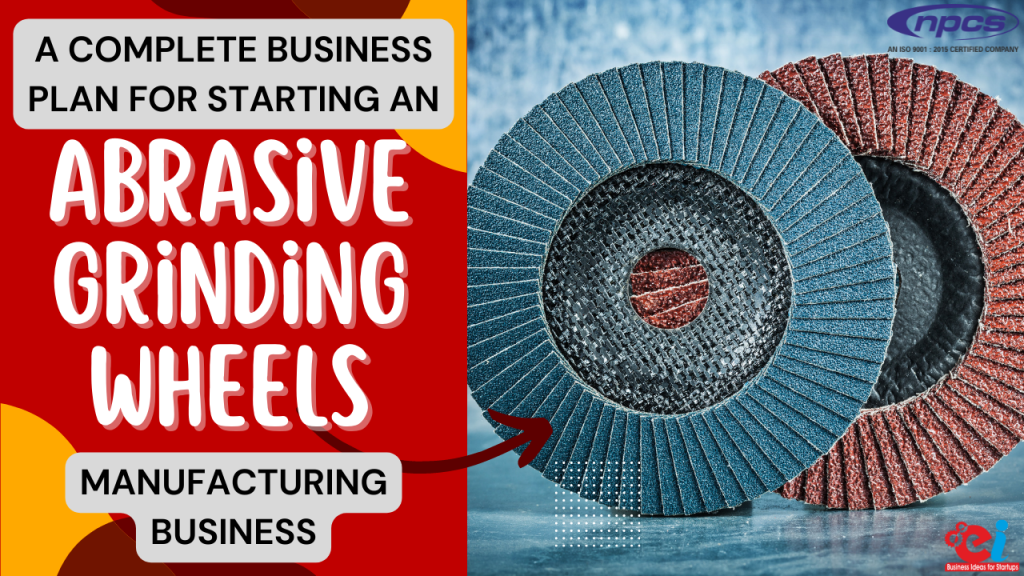
Abrasive grinding wheels are a cornerstone of the industrial and manufacturing sectors, offering indispensable support in cutting, grinding, shaping, and finishing applications. As demand surges in automotive, metal fabrication, aerospace, construction, and electronics industries, the opportunity to establish a lucrative abrasive grinding wheel business has never been stronger. This guide provides a complete roadmap, from market analysis to operations and financial planning. Market Demand for Abrasive Grinding Wheels in India and Globally The global market for abrasive grinding wheels is expected to grow significantly, driven by industrial automation, increasing infrastructure projects, and rapid modernization in sectors such as automotive manufacturing, aerospace, and metalworking. In India, the “Make in India” initiative has stimulated industrial growth, with the abrasives market projected to grow at over 6% CAGR in the coming years. Key demand contributors include: Automotive Sector: Precision grinding in gear and transmission production Construction Industry: Polishing, surface preparation, and finishing Tool Manufacturing: High-precision applications for cutting tools Electronics: Delicate and fine polishing of semiconductors Types of Abrasive Grinding Wheels and Their Applications Bonded Abrasive Wheels Bonded wheels are made from abrasive grains bonded with ceramic, resin, or rubber binders. They’re primarily used for precision applications in industrial setups. Popular Types: Straight Grinding Wheels – Used for cylindrical and surface grinding Cylindrical Wheels – Used in toolroom grinding and finishing Cut-off Wheels – Ideal for quick and clean cuts on metal surfaces Coated Abrasive Wheels These use abrasive materials adhered to a backing like paper or cloth. They’re common in finishing and polishing processes. Examples: Flap Discs Abrasive Belts Sanding Discs Super Abrasive Wheels Composed of industrial diamonds or cubic boron nitride (CBN), these wheels offer exceptional durability and precision for high-end applications like aerospace and advanced tooling. Investment and Machinery Requirements Initial Capital Requirements The startup capital will depend on the scale—small, medium, or large-scale unit. A medium-scale abrasive grinding wheels plant may require an investment of INR 25–50 lakhs (USD 30,000–60,000). Costs Breakdown: Land & Building: INR 5–10 lakhs Machinery & Equipment: INR 15–20 lakhs Raw Materials & Inventory: INR 5–10 lakhs Labor & Working Capital: INR 5–10 lakhs Required Machinery Mixing Machine Hydraulic Press Ovens and Kilns for Curing Balancing Machine Testing Equipment Packing Machines These machines ensure uniform bonding, curing, and quality assurance, making them critical for consistent product delivery. Raw Materials Used in Grinding Wheel Production To produce high-quality abrasive wheels, focus on reliable sourcing of raw materials: Abrasive Grains: Aluminum oxide, silicon carbide, CBN, diamond Binders: Vitrified (ceramic), resinoid (resin-based), rubber Filler Materials: Cryolite, iron pyrites Backing Material (for coated abrasives): Fiber, cloth, paper Additives: To improve strength, thermal resistance, and durability Quality raw material ensures longevity, speed, and performance of the wheels. Licensing and Legal Formalities To run your abrasive grinding wheels business legally and efficiently in India, the following registrations are essential: Company Registration (Proprietorship/LLP/Private Ltd.) GST Registration Factory License Pollution Control Clearance from SPCB BIS Certification (IS 1249) for bonded abrasives Udyam/MSME Registration for availing government subsidies Production Process of Abrasive Grinding Wheels The manufacturing process involves the following crucial steps: Mixing: Raw abrasive grains and bonding agents are mixed uniformly. Moulding: The mix is poured into molds and shaped under hydraulic pressure. Drying & Curing: Wheels are dried and heated in kilns to gain strength. Finishing: Edges are trimmed, and wheels are dressed to correct dimensions. Testing: Each wheel is tested for balance, crack detection, and speed tolerance. Packing: Labeled, shrink-wrapped, and sealed for market dispatch. Marketing Strategies for Abrasive Grinding Wheel Business B2B marketing is most effective in this sector. Here are powerful strategies to build a strong brand presence: Industrial Exhibitions: Participate in machinery expos and tool fairs Online Platforms: List on IndiaMART, TradeIndia, Alibaba, and Justdial Search Engine Optimization: Rank for keywords like “abrasive grinding wheels manufacturer in India” or “cutting wheels supplier” Corporate Tie-ups: Establish long-term supply contracts with automotive and construction companies Social Media & LinkedIn: Build thought leadership through technical content and product demos Profit Margin and ROI Analysis An established abrasive wheel business offers 30–50% profit margins, depending on efficiency and scale. Superabrasive segments (CBN & diamond) yi Sample Revenue Estimate (Medium-Scale Unit): eld higher margins due to specialized usage and limited competition. Monthly Production: 20,000 units Average Selling Price per Unit: INR 80 Monthly Revenue: INR 16,00,000 Operational Expenses: INR 10,00,000 Monthly Profit: INR 6,00,000 Break-even typically occurs within 12–18 months with consistent market penetration. Challenges and Risk Factors While lucrative, this business does have challenges: Raw material price fluctuations High precision requirements and quality control Regulatory compliance and safety standards International competition from Chinese and European manufacturers Address these risks through automation, quality assurance, and differentiation by specialty products like superabrasives or eco-friendly bonded wheels. Future Scope and Expansion Opportunities With increasing automation and high-speed machinery, demand for high-performance grinding wheels will expand. Business owners can scale operations by: Introducing CNC-compatible wheels Launching export-quality product lines Setting up distribution hubs across industrial zones Entering the aftermarket tool servicing space Government incentives under MSME and Startup India initiatives further support expansion and innovation. Benefits of Starting Abrasive Grinding Wheels business Start your own abrasive grinding wheel manufacturing company if you want to invest in a successful business. Abrasive is a significant natural resource made composed of minerals that have been moulded and created over millions of years and can be used in a range of applications. Starting an abrasive grinding wheel manufacturing company is one method to get your hands on these resources. This could be an excellent approach for you to have access to natural resources without prior knowledge. However, you’ll need to learn more about how to start such a firm, so keep reading for some helpful advice. The first step is to pick what type of grinding wheel you wish to make. There are numerous varieties available, each with its own set of purposes and qualities. Starting an abrasive sanding wheels manufacturing company, for example, could be excellent if you’re seeking for a straightforward business concept with cheap overheads. There’s
Start your own Peanut Butter Manufacturing Business
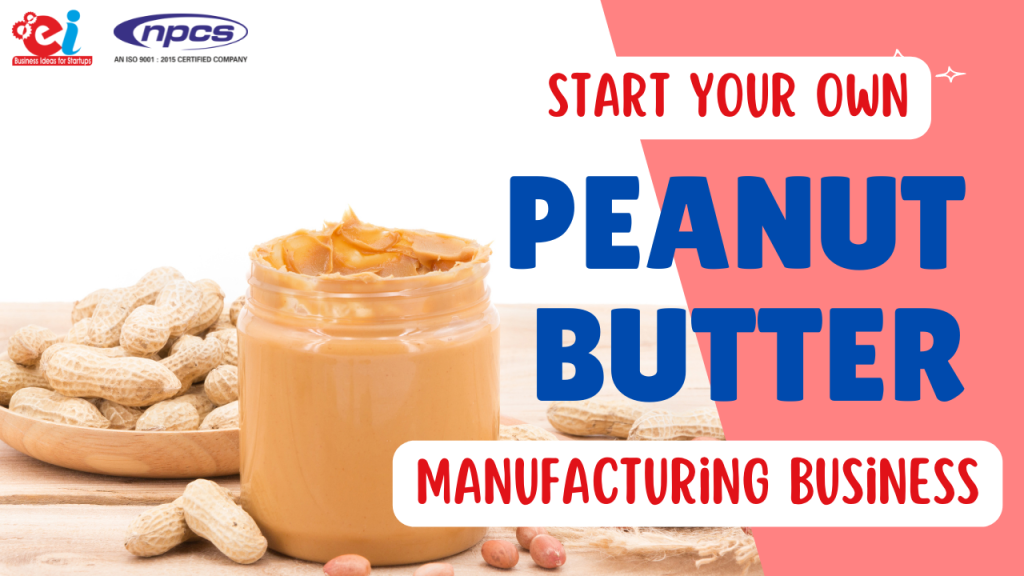
The peanut butter industry has witnessed exponential growth over the past decade. With increasing health consciousness and a shift towards plant-based protein sources, peanut butter has become a staple in households across the globe. Starting a peanut butter manufacturing unit is not only profitable but also scalable. In this detailed guide, we outline every crucial step to establish and run a successful peanut butter production business. Understanding the Peanut Butter Market Potential The demand for peanut butter is driven by its health benefits, high protein content, and versatility in culinary uses. The Indian market, in particular, has embraced this trend, with fitness enthusiasts, vegans, and even traditional households adopting it. With local consumption on the rise and export opportunities opening up, the scope for profit is massive for startups entering the peanut butter manufacturing sector. Business Plan Development for Your Peanut Butter Manufacturing Unit Creating a comprehensive business plan is the cornerstone of your success. It should include: Market analysis identifying your target demographics SWOT analysis of competitors Operational plan for sourcing, production, and logistics Marketing strategies for both B2C and B2B Financial projections and break-even analysis Ensure your business plan is investor-ready if you’re seeking external funding. Legal Registration and Licensing Before initiating production, obtain the following: FSSAI license (Food Safety and Standards Authority of India) MSME/SSI registration for small-scale businesses GST registration Trade license from the local municipal authority BIS certification (Bureau of Indian Standards) for quality assurance Additionally, adhere to all health, safety, and labor laws to maintain regulatory compliance. Choosing the Right Location for Manufacturing Selecting a suitable location plays a crucial role in cost efficiency. Your manufacturing unit should be: Close to peanut farming zones to reduce raw material cost Accessible via road and transport infrastructure Equipped with water, electricity, and waste disposal systems Urban outskirts or agro-industrial clusters are ideal for small to medium-scale setups. Infrastructure and Equipment Required To manufacture peanut butter, the following infrastructure and machinery are necessary: Roasting machine – to roast peanuts uniformly Peeling machine – for removing peanut skins Grinding machine – to make a smooth or crunchy paste Mixing unit – for adding salt, sugar, and stabilizers Cooling conveyor – to bring the product to ambient temperature Filling and sealing machine – for packaging in jars or pouches Labeling machine – to apply branded labels Storage space – for raw materials and finished goods Ensure the facility is clean, pest-free, and well-ventilated to comply with food-grade standards. Sourcing Raw Materials and Ingredients The key ingredients for peanut butter production are: Raw peanuts (high-quality and aflatoxin-free) Edible salt Sweeteners like sugar or jaggery Stabilizers and emulsifiers (optional, for longer shelf life) Establish strong relationships with farmers or suppliers for a consistent supply of quality peanuts. Production Process of Peanut Butter Here’s a step-by-step overview of the typical peanut butter manufacturing process: Cleaning: Remove dirt, stones, and debris from raw peanuts. Roasting: Roast the peanuts at the right temperature to bring out flavor and aroma. Cooling: Allow roasted peanuts to cool to prevent overcooking. Peeling: Use a peeling machine or blanching method to remove skins. Grinding: Ground peanuts in stages to reach the desired consistency. Mixing: Add salt, sugar, and stabilizers to the paste. Cooling again: Bring the mixture to room temperature. Packaging: Fill the final product into sterilized containers. Labeling and sealing: Apply branded labels and seal for distribution. Adhering to proper hygiene at every stage ensures a premium final product. Packaging and Branding Strategy Packaging must preserve freshness and appeal to consumers. Choose: Food-grade PET or glass jars Air-tight seals Attractive labels with nutritional information and branding Invest in a professional logo and design to make your brand stand out on store shelves. Eco-friendly and recyclable packaging is a growing trend among health-conscious buyers. Marketing and Distribution Channels Marketing is essential to create brand awareness and drive sales. Leverage these channels: Digital marketing: Use SEO, social media, and influencer campaigns Retail distribution: Supply to supermarkets, grocery chains, and health stores E-commerce platforms: List your products on Amazon, Flipkart, and BigBasket Direct-to-consumer website: Launch your own e-store for better profit margins Sampling and demos: Offer tastings in fitness centers and health expos Focus on communicating your USPs – be it organic ingredients, sugar-free variants, or protein-rich formulations. Quality Control and Certification To build consumer trust, ensure: HACCP compliance for food safety ISO certification for international quality standards Batch testing for microbial and chemical safety Shelf-life testing to establish best-before dates Maintaining stringent quality control gives you a competitive edge in domestic and export markets. Staffing and Management Recruit staff based on your production scale: Production staff: Machine operators, quality inspectors, packers Marketing and sales: Digital marketers, distribution managers Administrative roles: Accountant, HR, logistics supervisor Provide hygiene and food safety training to all workers. A well-trained team ensures smooth operations and consistency in quality. Investment and Financial Considerations Initial capital depends on production scale and automation level. Approximate investment: Small scale unit: ?10–15 lakhs Medium scale: ?25–50 lakhs Large scale: ?1 crore and above Major cost heads include: Machinery and setup Raw material procurement Packaging materials Marketing and branding Licensing and compliance Funding can be raised through bank loans, government subsidies under MSME schemes, or private investors. Profitability and Growth Potential The profit margin in peanut butter manufacturing ranges from 25% to 40%, depending on scale and distribution efficiency. Once your brand establishes a foothold, you can diversify into: Almond or cashew butter Flavored spreads (chocolate, honey, etc.) Organic or diabetic-friendly variants Snack bars and protein blends Tapping into international markets can significantly scale your revenue. Target countries with high health awareness and peanut butter consumption like the USA, UAE, and the UK. Conclusion Starting a peanut butter manufacturing unit is a lucrative business that combines health trends with scalable growth. With the right strategy, equipment, compliance, and marketing, entrepreneurs can build a successful brand in this high-demand segment. Invest wisely, innovate continuously, and prioritize quality to make your mark in the competitive food industry. Visit the page Select