
Best Small Business Startup Ideas for MSME Entrepreneurs in Madhya Pradesh
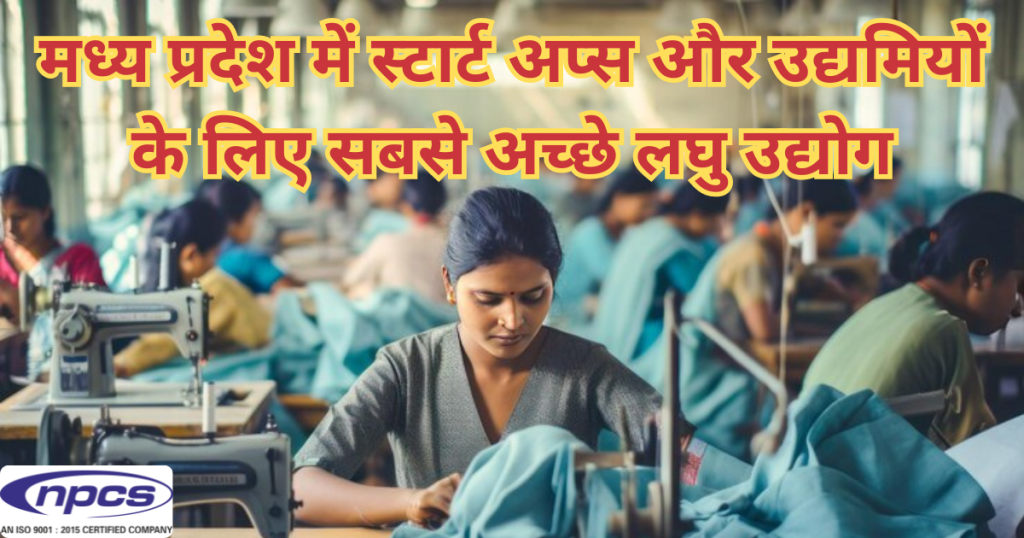
To explore business ideas tailored for Madhya Pradesh : visit NPCS. Contact Us
Best Small Business Startup Ideas for MSME Entrepreneurs in Uttar Pradesh

To explore business ideas tailored for Uttar Pradesh : visit NPCS. Contact Us
June 2025 Entrepreneur India Monthly Magazine

Contact Us
May 2024 Entrepreneur India Monthly Magazine

Contact Us
Exploring Profitable Agricultural Businesses in the Philippines

The agricultural industry in the Philippines stands as a dynamic cornerstone of its economy, pivotal in propelling the nation’s progress. Benefiting from abundant biodiversity, favorable climate conditions, and extensive cultivable terrain, the Philippines presents abundant prospects for budding entrepreneurs and startups interested in agricultural pursuits. This piece delves into the most lucrative agricultural businesses ventures within the Philippines, furnishing valuable insights for aspiring entrepreneurs. There are Top Agricultural Businesses in the Philippines Poultry and Livestock: A highly profitable sector including broiler production, egg farming, and hog raising. Aquaculture: Fish pen operations for bangus (milkfish), tilapia, catfish, and prawns are lucrative. Crop Farming: Major crops include rice, corn, banana, coconut, and pineapple. Value-Added Processing: Processing and packaging products (e.g., coconut processing, fruit preservation) offer high returns. Organic Farming: Rising demand for health-conscious food makes high-value organic crops, vegetables, and herbs a strong niche. Furthermore, it highlights the instrumental support provided by Niir Project Consultancy Services (NPCS) through specialized consultancy and comprehensive project reports, bolstering these ventures towards success. Niir Project Consultancy Services (NPCS) stands ready to assist entrepreneurs and startups in tapping into these profitable agricultural opportunities. Our services include: Visit this Page for More Information: Start a Business in Philippines Although the agricultural sector in the Philippines holds the potential for lucrative returns, it comes with its fair share of obstacles. Nevertheless, by implementing appropriate strategies and receiving adequate support, these challenges can be successfully addressed or transformed into advantageous situations. Discover how entrepreneurs can adeptly navigate these hurdles with the assistance of Niir Project Consultancy Services (NPCS). 1. Climate Variability The Philippines is prone to natural disasters like typhoons, floods, and droughts, which can significantly affect agricultural productivity. Entrepreneurs can mitigate these risks through the adoption of climate-smart agricultural businesses practices such as diversified cropping, the use of resilient crop varieties, and investment in irrigation systems. 2. Supply Chain Inefficiencies Disruptions in the supply chain can lead to significant losses for farmers and businesses. Implementing robust supply chain management systems and technology, such as cold storage facilities and efficient transportation solutions, can help maintain the quality and profitability of agricultural products. 3. Limited Access to Capital Many agricultural startups face difficulties in securing the necessary capital to begin operations. NPCS can assist in preparing detailed project reports that are pivotal in securing loans and investments from banks and financial institutions. These reports are designed to meet the standards required by lenders, thereby facilitating easier access to funding. 4. Regulatory Hurdles The agricultural sector is highly regulated, and navigating these regulations can be daunting for new entrants. NPCS’s team of experts can provide guidance on compliance with local and international standards, helping businesses avoid costly penalties and delays. As the agricultural businesses sector in the Philippines undergoes significant transformation, the focus on sustainability is becoming essential for enduring profitability and responsible environmental management. Entrepreneurs and startups have a pivotal role in spearheading sustainable innovations that minimize environmental impacts while boosting both productivity and profitability. Niir Project Consultancy Services (NPCS) is committed to fostering these sustainable agricultural efforts. Related Business Plans: Project Consultancy, Reports & Profiles 1. Organic Farming Organic farming is gaining traction in the Philippines due to the rising health consciousness and the growing demand for organic products both locally and internationally. This method of farming avoids synthetic pesticides and fertilizers, promoting biodiversity and reducing pollution and water use. NPCS can assist entrepreneurs in setting up organic farms by providing expertise in sustainable farming techniques and help in obtaining organic certification. 2. Integrated Pest Management (IPM) IPM is an effective and environmentally sensitive approach to pest management that relies on a combination of practices. NPCS can guide startups in implementing IPM by using current, comprehensive information on the life cycles of pests and their interaction with the environment. This information, in combination with available pest control methods, is used to manage pest damage by the most economical means and with the least possible hazard to people, property, and the environment. Read our Books Here: BOOKS & DATABASES The agricultural industry in the Philippines presents lucrative opportunities for entrepreneurs. Focusing on key agricultural products like rice, coconuts, bananas, poultry, and aquaculture, and addressing challenges with innovative, resilient strategies, can lead to substantial rewards. Niir Project Consultancy Services (NPCS) offers extensive assistance, including detailed project reports, technical consultancy, and market research, to help startups navigate this sector successfully. Entrepreneurs eager to explore this dynamic field can depend on NPCS for thorough guidance and support, paving their way to profitability and growth in a demanding but promising market.
Is HPL Board Manufacturing Profitable?

The manufacturing sector offers significant opportunities for startups and entrepreneurs looking to establish themselves in a growing market. A particularly promising area is the manufacturing of High-Pressure Laminate (HPL) boards, which are becoming increasingly sought after due to their wide range of applications and escalating demand. This article delves into the economic prospects of HPL board manufacturing and underscores its potential for new business initiatives. HPL boards are prized for their robustness, moisture and chemical resistance, and aesthetic adaptability, making them suitable for various uses across furniture, interior design, and construction industries. With the global population on the rise and the corresponding expansion of the real estate and interior design markets, the demand for HPL boards is expected to surge. Particularly within the construction industry, HPL boards serve critical functions in cladding, paneling, and facades, valued for their durability and ability to withstand diverse weather conditions. Additionally, the increasing preference for modular furniture and tailored home interiors further boosts the market demand. The HPL board market offers a competitive landscape that presents both challenges and opportunities. Established players dominate certain segments, but there are numerous niche opportunities for new entrants. Startups can carve out their space by focusing on innovation, such as offering eco-friendly or customized HPL boards tailored to specific customer needs. Additionally, leveraging cutting-edge technology and automation in the manufacturing process can yield significant cost savings, enhancing profitability. For instance, optimizing raw material use and minimizing waste through efficient production processes can lead to higher profit margins. The profit margins in HPL board manufacturing are favorable, thanks to the relatively low cost of raw materials like paper, resins, and adhesives compared to the product’s selling price. The scalability of the business model further contributes to profitability. Once established, an HPL manufacturing unit can expand its production capacity, diversify product lines, or explore new markets with relative ease. At Niir Project Consultancy Services (NPCS), we are experts in guiding clients through the process of establishing manufacturing businesses, such as High-Pressure Laminate (HPL) board manufacturing. Our offerings include detailed project reports and tailored business plans designed to meet your specific requirements. We provide extensive market research reports that enable you to navigate the competitive environment, understand consumer behavior, and identify opportunities for expansion. Our team consists of seasoned Technical Consultants, Engineers, Economists, and Technologists, all committed to providing exceptional services to ensure your business succeeds. We take great pride in our collaborative approach, striving to surpass our clients’ expectations in a dynamic market. Visit this Page for More Information: Start a Business in Construction Industry To maximize profitability in HPL board manufacturing, startups and entrepreneurs must focus on strategic marketing and branding. Establishing a strong brand identity can differentiate your products from competitors, attract customers, and foster loyalty. Here are some key strategies to consider: Sustainability is an increasingly important factor in consumer decision-making. By incorporating sustainable practices into your manufacturing processes, you can appeal to environmentally conscious customers and contribute positively to society. Here are some ways to achieve this: Related Feasibility Study Reports: Construction & Building Materials Projects To ensure long-term profitability and growth in HPL board manufacturing, startups and entrepreneurs should consider expanding into new markets. Here’s how to navigate this process effectively: Read our Books Here: Cement, Asbestos, Ceramics, Bricks, Limestone And Construction Materials Manufacturing Technology Innovation is key to maintaining a competitive edge in HPL board manufacturing. Continuous research and development (R&D) can lead to new products, processes, and technologies that enhance profitability: HPL board manufacturing offers a profitable and sustainable venture for startups and entrepreneurs. By focusing on market expansion, innovation, and strategic planning, you can build a successful business that thrives in this competitive industry. Niir Project Consultancy Services (NPCS) is dedicated to facilitating your success. We offer a full suite of services, such as detailed project reports, business planning, market analysis, and technical advice, to ensure you have all the necessary resources to start and expand your HPL manufacturing business. Let’s partner together to create a thriving and prosperous future. Contact Us
April 2024 Entrepreneur India Monthly Magazine
Contact Us
Build Your Empire: Profitable Industry Ideas with Plant and Machinery Costs Under Rs. 75 Lakhs
Visit this Page for More Information: Best Industry for Doing Business Related Business Plans: Business Ideas: 60 – 75 Lakhs (Plant and Machinery): Selected Project Profiles for Entrepreneurs, Startups These eight business ideas offer a glimpse into the diverse possibilities within a manageable investment range. Selecting the right venture depends on several factors, including your: Contact Us
10 Profitable Business Ideas under 60-75 Lakhs (Plant and Machinery Cost)
10 Profitable Business Ideas Under 60-75 Lakhs Budget is lucrative. The aspiration to be an independent business owner and create something from scratch is an inspiring force for numerous budding entrepreneurs. Yet, the early phases of starting a business present significant challenges. This piece highlights ten promising and profitable manufacturing business ventures. That can be initiated with a capital investment ranging between 60 to 75 lakhs for plant and machinery. We will discuss the allure of these ventures, backed by market size, trends, and thorough analysis, to assist you in making a well-informed choice. Overview of Profitable Business Ideas Under 60-75 Lakhs Investment Investing ?60–75 lakhs opens the door to starting a mid-sized business with substantial growth potential. This budget range is ideal for setting up ventures that require moderate capital for plant, machinery, and infrastructure—particularly in manufacturing, food processing, packaging, and select service industries. Businesses in this category often balance automation with manual processes, allowing for efficiency without the high costs of large-scale industrial setups. Such an investment enables entrepreneurs to build a scalable model, generate employment, and access government incentives available for MSMEs. With proper planning, these businesses can yield strong returns and long-term sustainability in competitive markets. Tomato Ketchup and Mayonnaise Why Choose It? These popular condiments have a vast and growing market presence. By establishing a production facility, you can meet this demand effectively. Market Outlook The condiment market in India is anticipated to soar to ₹35,220 Crore by 2025, with the rise in disposable income and a shift towards processed food enhancing the demand for innovative flavors and branding, thus offering a fertile ground for newcomers. Cenosphere Processing from Fly Ash Why Choose It? Cenospheres, derived from the fly ash produced by coal combustion, are valued for their unique characteristics in construction materials, paints, and plastics, offering an environmentally friendly waste utilization method. Market Outlook Forecasted to reach USD 1.2 Billion by 2027, the global cenosphere market is expanding, driven by eco-consciousness and advancements in construction technology, marking a ripe opportunity for early market entrants. Grain Processing (Grading, Cleaning & Packaging of Rice & Pulses) Why Choose It? India’s stature as a leading rice and pulses producer presents an opportunity to contribute to food security through a business focused on cleaning, grading, and packaging. Market Outlook The Indian rice market is projected to reach‚¹2, 32,340 Crore by 2024, with urbanization and a shift towards packaged food bolstering the market for such operations. Bio-Organic Fertilizer from Tea Waste Why Choose It? Processing tea waste into bio-organic fertilizers addresses environmental concerns in tea-producing areas while meeting the demand for organic farming inputs. Market Outlook With the global organic fertilizer market expected to grow at a CAGR of 14.2% from 2020 to 2025, leveraging this trend with readily available raw materials presents a lucrative venture. Floral Foam Why Choose It As a staple in floristry for arrangements and bouquets, producing floral foam meets a constant industry demand. Market Outlook The global market for floral foam is poised to hit USD 421.9 Million by 2027, indicating opportunities for startups offering eco-friendly and high-quality alternatives. Visit this Page for More Information: Business Ideas with Low, Medium & High Investment Surgical Products Why Choose It? The ever-expanding healthcare sector ensures a steady demand for surgical products, making this a promising area for manufacturing. Market Outlook Expected to reach USD 50 Billion by 2025, the Indian medical devices market offers room for new entrants who prioritize quality and compliance. Protein-Based Nutrition Foods Why Choose It? The surge in health and fitness awareness has spiked the popularity of protein-based nutrition, providing a growing market for these products. Market Outlook Protein supplements market, driven by fitness trends, is projected to reach USD 28.02 billion by 2027. Recycled Polyester Fiber from Used PET Bottles Why Choose It? Addressing plastic pollution through the production of recycled polyester fiber from PET bottles contributes to sustainable practices. Market Outlook The global recycled polyester fiber market is expected to reach USD 14.2 Billion by 2027, driven by eco-consciousness and demand for sustainable textiles, offering a niche for startups focused on ethical production. Paint Rollers Why Choose It? Essential for painting in construction, producing paint rollers caters to a consistent market demand. Market Outlook With a projection to reach USD 2.2 Billion by 2027, the global paint roller market growth is fueled by construction and renovation trends, providing a platform for startups with innovative product offerings. Aluminum Anodizing Unit Why Choose It? Anodizing aluminum enhances its durability and aesthetic, serving diverse industries like automotive, construction, and electronics. Market Outlook The aluminum anodizing market globally is expected to reach USD 23.4 Billion by 2027, driven by the demand for lightweight, corrosion-resistant materials, presenting an opportunity for startups focused on quality services. The manufacturing sector unveils numerous exciting opportunities for entrepreneurs. By evaluating market size, growth trends, and your own skills and interests, you can select a business idea with high potential. Conducting detailed market research, crafting a solid business plan, and securing the necessary funding are essential steps in turning your manufacturing dream into a successful reality. Related Business Plans: Business Ideas: 60 – 75 Lakhs (Plant and Machinery): Selected Project Profiles for Entrepreneurs, Startups Initiating Your Profitable Manufacturing Business The Indian industrial landscape offers vast opportunities for aspiring entrepreneurs. This article has outlined ten Profitable business ideas within the investment range of 60 to 75 lakhs for plant and machinery, each with significant market presence and growth potential. These ideas are particularly appealing for new business owners for several reasons: Market Demand and Trends The selected ventures cater to sectors experiencing steady or increasing demand. For instance, the ketchup and mayonnaise sector benefits from the expanding food processing industry in India. Bio-organic fertilizers resonate with the shift towards sustainable agriculture, while recycled polyester fiber and surgical products address environmental and healthcare sector growth, respectively. Diverse Range of Opportunities The variety of options presented from food processing (tomato ketchup & mayonnaise) to eco-friendly initiatives (cenosphere processing & recycled polyester fiber)
March 2024 Entrepreneur India Monthly Magazine
Contact Us