
A Handbook on How to Manufacture Bioplastics and Biodegradable Products
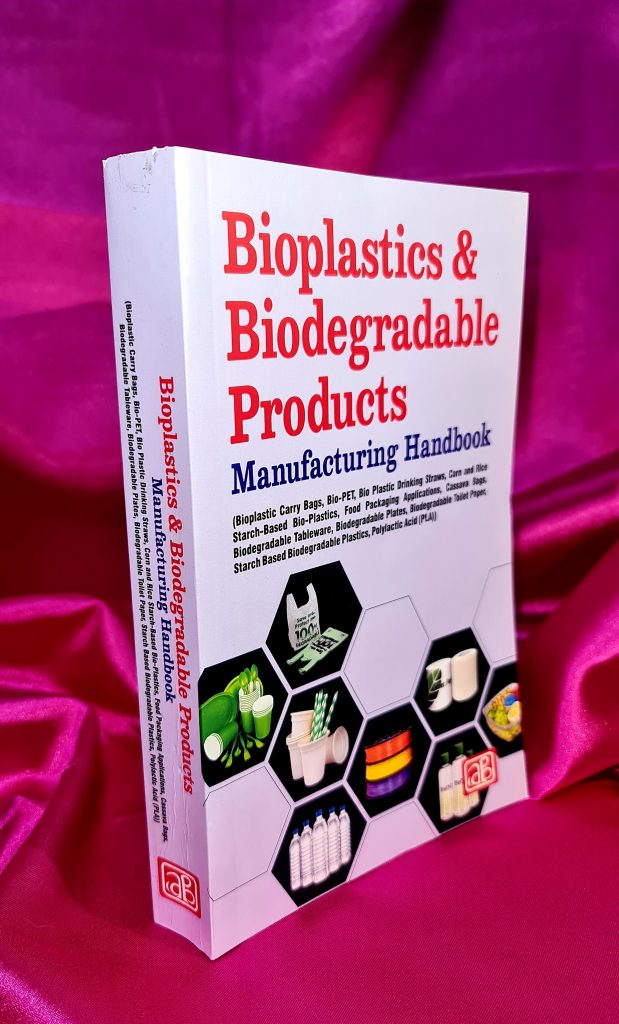
Understanding the Future of Bioplastics and Eco-Friendly Manufacturing In a world grappling with climate change, resource depletion, and an overdependence on petroleum-based products, bioplastics have emerged as a beacon of sustainable innovation. These eco-friendly materials are transforming the manufacturing industry by replacing traditional plastics with renewable, biodegradable alternatives. As governments push for greener policies and consumers demand ethical, low-impact products, the relevance of bioplastics is growing exponentially. Bioplastics represent a class of materials that are either bio-based, biodegradable, or possess both properties. They offer an environmentally conscious choice without compromising performance or durability. Through this detailed handbook, we will explore the raw materials, production processes, types, environmental impact, industrial applications, and future scope of bioplastics and eco products. What Are Bioplastics? Exploring the Basics Bioplastics are not a single material but a family of materials with varying properties and applications. The term typically refers to two types of plastics: Bio-based plastics, which are partially or wholly derived from renewable biological sources. Biodegradable plastics, which can decompose naturally by the action of microorganisms. Some bioplastics meet both criteria, such as PLA (Polylactic Acid) and PHA (Polyhydroxyalkanoates), offering a double advantage in sustainability. However, not all bio-based plastics are biodegradable (e.g., bio-PET), and not all biodegradable plastics are bio-based (e.g., PBAT). This diversity allows manufacturers to choose materials tailored to specific product needs while maintaining an environmentally responsible approach. Sourcing Sustainable Raw Materials The foundation of any bioplastics production system lies in its raw materials. Commonly used feedstocks include: Starch-rich crops like corn, potatoes, and cassava. Sugars extracted from sugarcane, sugar beets, or sweet sorghum. Cellulose from wood pulp or agricultural residue. Vegetable oils, especially from soybeans, castor, or canola. Microalgae and bacteria for advanced polymer synthesis. Using agricultural waste or non-food biomass (second-generation feedstock) is gaining traction to avoid food-versus-fuel conflicts. These renewable materials not only reduce greenhouse gas emissions but also support rural economies by creating new markets for biomass. Types of Bioplastics and Their Unique Applications Bioplastics are classified based on their chemical composition and degradation profile. Some prominent types include: Polylactic Acid (PLA) Derived from fermented plant starch (usually corn or sugarcane), PLA is one of the most commercially available bioplastics. It is transparent, compostable, and widely used in: Packaging Disposable utensils Textile fibers Medical implants and drug delivery systems Polyhydroxyalkanoates (PHA) PHA is produced via microbial fermentation of sugar or lipids. It degrades in marine, soil, and industrial compost environments. Applications include: Agricultural films Bottles and containers Biomedical applications like sutures and tissue scaffolding Starch-Based Bioplastics Starch, a naturally biodegradable polymer, is often blended with other biopolymers or plasticizers. Common uses are: Shopping bags Disposable trays and plates Foam packaging materials Bio-PET and Bio-PE These materials have the same structure as conventional PET and PE but are made from plant-based ethanol. They are recyclable but not biodegradable. Used in: Beverage bottles (Coca-Cola’s PlantBottle) Detergent containers Cosmetic packaging PBAT (Polybutylene Adipate Terephthalate) While not bio-based, PBAT is fully biodegradable and often blended with starch or PLA to enhance flexibility and degradation. Widely used in compostable bags and agricultural mulch. Step-by-Step Manufacturing Process of Bioplastics Creating bioplastics involves multiple stages, many of which mirror traditional plastic production. Here’s a closer look at the manufacturing flow: Biomass Collection and Pre-TreatmentProducers harvest and pre-process organic raw materials by drying, crushing, or fermenting them to extract sugars or starches. Fermentation or Polymerization For PLA: Sugars are fermented to produce lactic acid, which undergoes polymerization into PLA. For PHA: Bacteria ferment sugars/lipids into biopolymers stored inside their cells. For bio-PE: Ethanol from sugarcane is dehydrated to produce ethylene, which is polymerized into polyethylene. Polymer ProcessingPolymers are cooled, solidified, and pelletized. These pellets are the basic raw input for various plastic processing techniques. Shaping and MoldingDepending on the final product, techniques like injection molding, extrusion, blow molding, and thermoforming are used to shape bioplastic items. Quality Control and PackagingThe team tests the final products for strength, flexibility, heat resistance, and biodegradability before packaging and distributing them. Eco Products: A Glimpse into the Future of Sustainable Goods Bioplastics are revolutionizing product development in numerous sectors. Popular eco products include: Biodegradable food packaging: Clamshell containers, films, wrappers Compostable tableware: Plates, bowls, and cups for food services Agricultural tools: Mulch films and seedling trays that decompose into the soil 3D printing filaments: PLA-based filaments for eco-friendly prototyping Textile fibers: Bioplastic-based threads for sustainable fashion Consumer electronics casings: Phone and tablet covers Medical applications: Biodegradable sutures, capsules, and scaffolding These products offer superior end-of-life disposal options, reducing the environmental burden significantly compared to traditional plastics. Environmental and Economic Impact The life cycle of bioplastics from cradle to grave shows tremendous promise: Reduced Carbon Footprint: Lower emissions during production and often carbon sequestration during biomass growth. End-of-Life Options: Industrial composting, home composting, or anaerobic digestion. Energy Efficiency: While production still requires energy, bio-based sources often lead to energy savings in later stages. On the economic front, the bioplastics industry is generating new employment, revitalizing agricultural sectors, and encouraging green technology investments. As oil prices fluctuate, bioplastics also offer pricing stability. Challenges in Bioplastics Adoption Despite clear advantages, bioplastics face some hurdles: Higher Initial Costs: Due to emerging technologies and limited scale. Lack of Infrastructure: Most regions lack industrial composting or separate collection systems. Public Misunderstanding: Terms like “biodegradable” and “compostable” are often confused, leading to misuse and improper disposal. Performance Limitations: Some bioplastics may not offer the same barrier properties or heat resistance as fossil plastics. Addressing these challenges requires technological innovation, policy support, and public education. The Global Bioplastics Market: A Growing Industry The global bioplastics market is on a rapid upward trajectory. It is expected to reach over $25 billion by 2030. Key growth drivers include: Stringent environmental regulations in Europe and North America Rising awareness and demand for sustainable packaging in Asia-Pacific Corporate ESG commitments across industries Multinational companies like Nestlé, Danone, Toyota, and IKEA are already incorporating bioplastics into their supply chains. Governments are introducing bans on single-use plastics, further driving adoption. Regulatory Framework
Business Ideas & Production Opportunities in Bamboo Industry
In recent years, global awareness regarding environmental sustainability has grown rapidly. One of the industries seeing a noticeable shift is oral hygiene. The bamboo toothbrush, a biodegradable alternative to plastic toothbrushes, has become an eco-conscious trend embraced by millions. The bamboo toothbrush market is not just a trend—it’s a profitable business opportunity with long-term potential. This article explores the complete business plan for entering the bamboo toothbrush industry, highlighting essential steps, investment needs, market demand, and opportunities for growth. Why Start a Bamboo Toothbrush Business? The world is gradually turning away from plastic. More than 3.5 billion plastic toothbrushes are discarded every year, taking over 500 years to decompose. This creates a significant environmental hazard. In contrast, a bamboo toothbrush is sustainable, biodegradable, and equally effective for dental hygiene. There is a sharp rise in demand for eco-friendly consumer products, especially among millennials and Gen Z, who prioritize sustainability in their purchases. This growing demand makes the bamboo toothbrush a viable product with a strong market base. Market Analysis The global bamboo toothbrush market is growing steadily. Countries like India, the USA, UK, Germany, and Australia are witnessing rising interest in zero-waste and plastic-free products. E-commerce platforms like Amazon, Flipkart, Etsy, and eco-specific online stores are flourishing with bamboo toothbrush listings. The business has high export potential, especially when combined with eco-friendly packaging and certifications like “cruelty-free” and “organic.” Additionally, the Government of India has been encouraging eco-entrepreneurship under various schemes like Startup India, which makes this venture a suitable fit for young entrepreneurs. Target Audience The bamboo toothbrush business caters to a diverse audience: Environmentally conscious consumers Vegans and zero-waste lifestyle followers Health-conscious individuals Eco-friendly product retailers Sustainable gift providers Creating a strong brand identity focused on values like eco-consciousness, hygiene, and innovation will resonate well with this target group. Product Development The success of a bamboo toothbrush business largely depends on the quality of the product and branding. The typical components of a bamboo toothbrush include: Handle: Made from organic bamboo, often heat-treated for water resistance and smoothness. Bristles: Usually nylon-4 or plant-based options, designed to be soft or medium for different dental needs. Packaging: Recyclable, compostable boxes or cloth bags for an eco-friendly touch. Some brands also offer bamboo toothbrushes with charcoal-infused bristles for added antibacterial properties or child-sized versions for broader appeal. Manufacturing Options There are two common routes to start production: Own Manufacturing Unit: Requires more investment, land, machines, and labor. Offers complete control over quality and branding. OEM (Original Equipment Manufacturing): Partner with existing bamboo toothbrush manufacturers and sell under your own brand. For startups with limited capital, OEM is ideal. Once the brand gains traction, transitioning to own manufacturing can increase profit margins. Investment Requirements Starting a bamboo toothbrush business is relatively affordable compared to many other manufacturing setups. Below is a basic cost breakdown: Expense Category Estimated Cost (INR) Raw Materials (Bamboo, Bristles, Packaging) ?1,00,000 – ?2,00,000/month Machinery (for own setup) ?5,00,000 – ?8,00,000 OEM Initial Order (for resellers) ?50,000 – ?1,00,000 Branding, Logo, Design ?20,000 – ?50,000 Marketing & Website ?30,000 – ?70,000 Certification & Licensing ?10,000 – ?25,000 Depending on the scale, the initial investment can range from ?1.5 lakh to ?10 lakh. Legal and Certification Requirements Running a bamboo toothbrush business requires a few legal compliances to ensure safety and authenticity: GST Registration MSME/Udyam Registration Trade License FSSAI (if promoting for health use) Eco-certifications like FDA approval, cruelty-free, or ISO standards if targeting export markets. These add credibility and ease entry into premium markets and e-commerce platforms. Branding and Packaging Branding plays a crucial role in differentiating your bamboo toothbrush business. Some branding tips include: Use earthy and green tones in logos and packaging. Choose eco-friendly packaging that is minimal yet attractive. Clearly communicate product benefits on the packaging, such as “biodegradable handle”, “BPA-free bristles”, “100% vegan”, etc. Offer QR codes that link to your brand story or sustainability impact. Developing a story around your brand’s mission, such as reducing plastic waste or supporting rural artisans, creates an emotional connection with customers. Marketing Strategy A strong digital presence is essential for success. Here’s a strategic plan: 1. Social Media Marketing Leverage platforms like Instagram, Pinterest, and Facebook to highlight product features, behind-the-scenes production, eco-tips, and customer reviews. 2. Influencer Collaborations Partner with eco-influencers or dentists to promote your bamboo toothbrush brand. Their testimonials can create trust and credibility. 3. Content Marketing Create blogs and videos about oral hygiene tips, environmental benefits of bamboo products, and sustainable living. 4. E-commerce Integration Sell on Amazon, Flipkart, Meesho, and niche eco-websites. Create your own Shopify or WooCommerce store for brand independence. 5. Offline Retail Approach organic stores, supermarkets, and pharmacies for consignment or wholesale distribution. Opportunities for Growth The bamboo toothbrush business holds various opportunities: a) Product Line Expansion Bamboo tongue cleaners Bamboo dental floss Bamboo combs Travel pouches or eco-kits b) Corporate Gifting Offer bulk bamboo toothbrushes to companies looking for eco-friendly gifts. c) Subscription Boxes Create monthly oral-care eco-boxes with toothbrushes, floss, toothpaste tablets, etc. d) Export Potential The international demand for sustainable products is rising. Indian-made bamboo toothbrushes can be exported to Europe, the US, Canada, and Australia. e) Customized Branding Offer white-label or custom branding options to influencers or health coaches. Risks and Challenges Like any business, this one comes with challenges: Raw Material Quality: Ensure bamboo is organically sourced and treated for durability. Bristle Disposal: Though biodegradable handles are eco-friendly, most bristles are nylon-based. Educate customers on how to dispose of them properly. Market Competition: The eco-product space is becoming saturated. Differentiation is key. Pricing: Bamboo toothbrushes are costlier than plastic ones. Emphasize value through education and branding. Profit Margin The profit margin in the bamboo toothbrush business can be quite healthy if managed efficiently. On average: Cost Price (per toothbrush): ?10 – ?25 (bulk manufacturing) Selling Price (retail): ?50 – ?150 Profit Margin: 50% – 70% Higher margins are possible through direct-to-consumer models, subscription services, and value-added product combos. Sustainability Impact One of the most
Green Business Ideas for Startup, Entrepreneurs
In recent years, the growing concerns about climate change, environmental pollution, and resource depletion have prompted individuals and governments to focus on sustainable practices. As a result, green entrepreneurship is no longer just a trend—it’s a necessity. The year 2025 offers an ideal opportunity for aspiring entrepreneurs to tap into this booming sector. Whether you’re motivated by environmental concerns or market potential, launching a sustainable venture can make a significant impact. Here are some of the most promising green business ideas to help you start your eco-conscious journey in 2025. Why Green Business Ideas Matter More Than Ever The urgency of combating global warming has shifted public and private focus toward cleaner, eco-friendly operations. Consumer preferences have evolved, with an increasing number of people choosing brands that reflect their environmental values. Governments are also incentivizing green initiatives through subsidies, tax benefits, and regulatory support. Against this backdrop, launching a business that promotes sustainability not only aligns with ethical imperatives but also positions you for long-term profitability. From organic farming to waste recycling, there are endless green business ideas that can suit various skill sets and budgets. 1. Solar Energy Installation Services Solar energy continues to be one of the fastest-growing segments in the green economy. As the cost of solar panels decreases and their efficiency improves, both residential and commercial customers are eager to switch to solar power. If you have a technical background or can partner with experts, starting a solar panel installation service can be a lucrative and sustainable business opportunity. 2. Sustainable Fashion Brand The fashion industry is one of the top polluters in the world. In 2025, consumers are expected to continue shifting toward sustainable clothing made from organic, recycled, or upcycled materials. Launching a fashion brand that promotes eco-conscious manufacturing, zero-waste patterns, and ethical labor practices can attract a loyal customer base. This is one of the more creative green business ideas that allows you to make a statement while turning a profit. 3. Organic Farming and Urban Gardening As more people seek healthier lifestyles, the demand for organic produce is skyrocketing. Starting an organic farm or even a small-scale urban gardening service can fulfill this growing need. You can supply to local restaurants, farmers’ markets, and even offer home delivery subscriptions. This business idea not only contributes to food sustainability but also helps reduce carbon footprints associated with food transportation. 4. Eco-Friendly Packaging Solutions With mounting bans on single-use plastics, businesses across sectors are looking for sustainable packaging alternatives. Offering biodegradable, compostable, or recyclable packaging materials can make your startup a valuable resource for eco-conscious companies. This sector is projected to grow significantly by 2025, making it a timely green business idea. 5. Green Cleaning Services Traditional cleaning products contain harmful chemicals that pollute both indoor and outdoor environments. Green cleaning services use natural, non-toxic products that are safe for humans and the planet. You can target households, offices, schools, and healthcare facilities. This business model is scalable and has recurring revenue potential, all while aligning with environmental values. 6. Electric Vehicle (EV) Charging Station As electric vehicles become mainstream, the demand for convenient and fast charging stations will rise exponentially. Investing in an EV charging station—particularly in areas with growing EV adoption—can position you as a pioneer in this essential infrastructure development. It’s one of the forward-thinking green business ideas with long-term growth potential. 7. Recycled Furniture and Home Decor Turning discarded materials into beautiful, functional furniture and home decor is both an art and a business. Recycled furniture appeals to environmentally-conscious consumers who appreciate sustainability and craftsmanship. Using reclaimed wood, metal, and even plastic can reduce landfill waste and add unique character to your creations. 8. Green Consulting If you have expertise in environmental science, sustainability practices, or green certifications, offering consulting services to businesses can be a profitable venture. Many companies want to reduce their environmental impact but don’t know where to start. Your services can include carbon footprint analysis, sustainability reporting, eco-certification assistance, and green supply chain strategies. 9. Zero-Waste Retail Store Opening a zero-waste store that sells unpackaged goods, reusable containers, and sustainable household items can tap into the growing zero-waste movement. You can also include educational workshops and community events to build brand loyalty and raise environmental awareness. This hands-on approach to sustainability makes it one of the more impactful green business ideas. 10. Biodegradable Products Manufacturing From toothbrushes to tableware, manufacturing biodegradable alternatives to everyday plastic items is a profitable business opportunity. These products decompose naturally without harming the environment, and consumers are increasingly making the switch. This idea requires some initial investment in research, materials, and equipment but promises sustainable returns. 11. Vertical Farming Systems Vertical farming allows crops to be grown in stacked layers using controlled-environment agriculture technology. It saves space and uses less water, making it ideal for urban settings. Starting a vertical farming business or supplying these systems to schools, restaurants, or urban communities can put you at the forefront of urban agriculture innovation. 12. Upcycled Products and Art Turning waste into art is not only eco-friendly but also artistically fulfilling. From handbags made from seat belts to sculptures made from scrap metal, upcycled products have strong appeal among niche markets. Platforms like Etsy and social media help in promoting these creative green business ideas to a global audience. 13. Water Conservation Technologies With water scarcity becoming a global concern, developing or distributing water-saving technologies like low-flow fixtures, smart irrigation systems, or greywater recycling units can make a meaningful difference. This tech-driven solution appeals to both residential and commercial clients and fits well within the realm of eco-innovation. 14. Sustainable Event Planning Events often generate massive amounts of waste. As a sustainable event planner, you can organize weddings, corporate functions, or festivals with minimal environmental impact. This includes using compostable utensils, sourcing local food, minimizing energy usage, and encouraging guests to carpool or use public transport. 15. Eco-Tourism Business The tourism industry is undergoing a shift toward sustainability. Launching an eco-tourism business—offering
Best Eco Friendly Products, Projects & Ideas for Startups
The Best Eco Friendly Products, Projects & Ideas for Startups are reshaping the way businesses think about profitability and sustainability. In a world where climate change, plastic pollution, and carbon emissions are urgent global concerns, eco-conscious startups are not just trends—they’re becoming essential. From biodegradable packaging and zero-waste solutions to solar-powered gadgets and sustainable fashion, green business ideas are gaining massive attention. Entrepreneurs who align with environmental goals are not only helping the planet but also tapping into a fast-growing consumer base that prefers conscious brands. Now is the perfect time to explore the best eco friendly products, projects & ideas for startups that combine innovation with impact. Why Eco Friendly Startups Are the Future Eco-conscious consumers are driving a market shift. People are choosing brands that align with their values—be it cruelty-free, plastic-free, locally sourced, or carbon-neutral. Governments are incentivizing green businesses, while investors are backing sustainable ventures more than ever. That’s why the Best Eco Friendly Products, Projects & Ideas for Startups are not only good for the planet—they’re also incredibly profitable. Whether you’re a first-time founder or looking to pivot your current business, the green economy offers countless low-investment, high-impact opportunities. Products like bamboo toothbrushes, reusable bags, organic detergents, or upcycled fashion are becoming mainstream. On a bigger scale, ideas like bioplastics manufacturing, composting plants, or EV charging networks are changing entire industries. In this context, creating a startup around eco friendly solutions is not just visionary—it’s practical and profitable. Sustainable Packaging and Alternatives to Plastic Among the Best Eco Friendly Products, Projects & Ideas for Startups, plastic alternatives are in high demand. Consumers and brands are moving away from single-use plastic toward biodegradable and compostable packaging materials. Startups can produce eco-friendly containers from sugarcane bagasse, cornstarch bioplastics, bamboo fiber, or recycled kraft paper. Packaging businesses that offer customized, sustainable solutions for D2C brands, food chains, or e-commerce companies have a strong recurring revenue model. Beyond packaging, items like edible spoons, reusable silicone wraps, and beeswax paper rolls are popular among urban eco shoppers. Launching a small unit that manufactures or distributes such items is a smart entry point for entrepreneurs interested in the green product market. Organic Personal Care and Cleaning Products One of the fastest-growing segments in the Best Eco Friendly Products, Projects & Ideas for Startups is natural personal care and home cleaning. Eco-minded consumers are avoiding products with parabens, sulfates, artificial fragrances, and harsh chemicals. Instead, they prefer herbal, toxin-free shampoos, soaps, creams, and detergents. Startups can create organic bath bars using plant-based oils, essential oils, and biodegradable packaging. Similarly, herbal floor cleaners and enzyme-based detergents can replace conventional cleaners. These can be marketed to households, schools, hotels, and health-conscious individuals who prioritize chemical-free living. Subscription-based eco-friendly kits and refill stations also create great retention-based business models. Sustainable Fashion and Upcycled Apparel Textile waste is one of the biggest environmental problems today, which is why fashion ventures are an essential part of the Best Eco Friendly Products, Projects & Ideas for Startups. From producing garments using organic cotton, hemp, or bamboo to upcycling old clothing into new styles, there are endless possibilities. Startups can collect fabric waste from local tailors or manufacturers and turn them into accessories, bags, or custom outfits. Zero-waste pattern cutting, ethical manufacturing practices, and transparent supply chains are now a USP that customers seek. Launching a fashion brand with sustainability at its core can earn not just customer love but also media attention and loyal niche communities. Eco Friendly Tech & Energy Projects Tech-driven green businesses are on the rise. Some of the Best Eco Friendly Products, Projects & Ideas for Startups include solar-powered lighting, smart energy monitors, and portable wind turbines for rural areas. Startups can also work on EV battery maintenance, solar product retailing, or B2B solar panel installations. Even apps that help people track their carbon footprint, find second-hand goods, or connect with sustainability events are thriving. Green tech isn’t just about physical products—it’s also about empowering consumers to make better choices. With the right business model, even a data-driven sustainability tool can become a game-changer. Waste Management and Composting Solutions Turning waste into wealth is a major pillar of the Best Eco Friendly Products, Projects & Ideas for Startups. From home compost bins to industrial organic waste converters, there are scalable solutions to tackle food and garden waste. Entrepreneurs can offer composting kits for urban homes or set up B2B models for restaurants and hotels. In rural areas, startups can create vermicomposting units to convert farm waste into organic fertilizer. There is also increasing demand for managing e-waste and textile waste through organized collection, sorting, and recycling systems. These businesses create environmental value while solving real-world urban and rural challenges. Eco Friendly Stationery and Lifestyle Products Eco friendly lifestyle brands are booming. Stationery products made from recycled paper, plantable seed pens, bamboo desk organizers, and cork-based diaries are all part of the Best Eco Friendly Products, Projects & Ideas for Startups. These items are especially popular among students, professionals, and corporate gift buyers. Startups can design sustainable desk essentials or gift hampers that promote green living. With the rise of remote work and home offices, stylish eco-products are becoming a part of everyday workspaces. Many educational institutions and NGOs are also bulk buyers of eco-stationery, opening doors for B2B as well as D2C growth. Green Subscription Boxes and Online Marketplaces One of the most creative ideas among the Best Eco Friendly Products, Projects & Ideas for Startups is launching a green subscription box. Curated monthly or quarterly boxes with eco products—like reusable bags, compostable utensils, organic skincare, and zero-waste kits—can be offered to conscious consumers. Alternatively, startups can create an online marketplace that only sells certified eco-friendly products. By curating ethical brands and educating users through blogs and product guides, such platforms can build a loyal following. From handmade to upcycled goods, the demand for curated green products is rapidly rising, especially in metro cities. Conclusion Exploring the Best Eco Friendly Products, Projects &
Bioplastic Products Manufacturing Industry, Profitable Business Ideas on Biodegradable Products
The global demand for sustainable alternatives to traditional plastics has surged, ushering in a new era of innovation and opportunity. Among the most promising sectors is bioplastic manufacturing, a field at the intersection of biotechnology, environmental sustainability, and industrial scalability. As we move into 2025, the market for bioplastics is not just growing — it’s exploding with potential for entrepreneurs, investors, and manufacturers alike. Why Bioplastic Manufacturing Will Dominate in 2025 The rise of bioplastic manufacturing stems from an urgent global shift away from petroleum-based plastics. Governments across continents are introducing strict regulations to curb plastic pollution, and consumers are gravitating toward eco-friendly alternatives. Bioplastics, which are made from renewable biomass sources like corn starch, sugarcane, and algae, offer a promising solution to the world’s plastic waste problem. According to market projections, the bioplastics industry is expected to exceed USD 30 billion by 2025, propelled by innovation, governmental incentives, and the rising environmental consciousness among end-users. This growth provides a lucrative opportunity for entrepreneurs to build sustainable, future-ready businesses in the bioplastic space. Types of Bioplastics You Can Manufacture Understanding the various types of bioplastics is essential before venturing into production. These include: PLA (Polylactic Acid): Derived from fermented plant starch (usually corn), PLA is widely used in packaging, 3D printing, and disposable tableware. PHA (Polyhydroxyalkanoates): Produced by bacterial fermentation, PHA is biodegradable and used in medical devices, packaging, and agricultural films. Starch Blends: A mixture of starch and other biodegradable materials, used in bags and packaging. Bio-PET: A bio-based version of PET (polyethylene terephthalate) with up to 30% renewable material content, used in bottles and containers. Each variant has specific applications, processing techniques, and end-user markets, allowing manufacturers to target diverse sectors such as food & beverage, healthcare, retail, and agriculture. Profitable Business Ideas in Bioplastic Manufacturing 1. Biodegradable Packaging Units With e-commerce and FMCG industries striving to become green, launching a biodegradable packaging manufacturing unit can be immensely profitable. Products like compostable courier bags, food containers, and shrink films are in high demand. Focus on lightweight, strong, and cost-efficient designs to attract bulk buyers. 2. Bioplastic Cutlery and Tableware Disposable plastic cutlery has been banned in many countries, making way for bioplastic alternatives. Manufacturing compostable plates, forks, spoons, and cups from PLA and CPLA materials is a scalable business, especially for catering services, event organizers, and food chains. 3. Agricultural Bioplastic Films Biodegradable mulch films made from bioplastics improve soil health, reduce labor, and eliminate the need for post-harvest plastic collection. Target the agricultural sector with offerings like compostable seedling trays, greenhouse covers, and irrigation tubing. 4. Bioplastic Components for Medical Use The medical sector increasingly uses bioplastics in sutures, drug delivery systems, and implants. Though this niche requires more certifications and precision, it offers high-margin opportunities and long-term contracts with hospitals and health institutions. 5. Custom Bioplastic Injection Molding Startups and R&D firms need custom-designed bioplastic prototypes. Launching a service-based business offering prototyping and low-volume manufacturing using bioresins can fill a niche need while enabling innovation partnerships. Paper Water Bottles, Bioplastics & Biodegradable Products Manufacturing Handbook Setting Up a Bioplastic Manufacturing Plant 1. Site and Infrastructure Choose an industrial zone with easy access to raw materials (like corn or sugarcane), utilities, and transportation. Ensure compliance with local environmental laws and acquire necessary licenses such as a Pollution Control Board certificate. 2. Machinery and Equipment The equipment you need depends on the type of bioplastic you’re producing. Basic machines include: Extrusion units Injection molding machines Granulators and pelletizers Mixers and dryers Thermoforming equipment Investing in semi-automatic or fully automatic setups ensures consistent product quality and higher throughput. 3. Raw Materials Sourcing Bioplastics rely heavily on agricultural feedstocks. Form strong partnerships with local farmers and agro-processing units for a stable, cost-effective supply. Consider importing specialized biopolymers if needed for high-end applications. 4. Workforce and Technical Expertise Hire skilled operators, mechanical engineers, and quality control personnel. For advanced products, retain R&D experts and biotechnologists to develop custom grades of biodegradable polymers tailored to client needs. 5. Certifications and Standards Acquire international certifications such as: ASTM D6400 / EN 13432 for compostability ISO 17088 for biodegradability FDA approval if manufacturing food-contact items These credentials enhance marketability and foster trust among clients and partners. Cost and Investment Breakdown Starting a small-scale bioplastic manufacturing unit typically requires an initial investment of ?50 lakhs to ?2 crores, depending on production scale and automation levels. Here’s a typical breakdown: Machinery and Equipment: ?25–80 lakhs Raw Materials: ?10–30 lakhs (initial inventory) Licensing and Certifications: ?2–5 lakhs Manpower and Operations: ?5–15 lakhs per year Marketing and Branding: ?2–10 lakhs Seek funding via green loans, venture capital, or government startup schemes like India’s Startup India or MSME Sustainable ZED Certification program. Marketing Strategy for Your Bioplastic Business To penetrate and dominate the market, implement a multi-channel marketing strategy: SEO-Optimized Website: Create keyword-rich blogs, product pages, and educational content on bioplastic manufacturing. B2B Portals: List your products on IndiaMART, TradeIndia, and Alibaba to reach global buyers. Certifications Showcase: Display compliance certificates prominently to build credibility. Social Proof: Use LinkedIn and Instagram to share client testimonials, process videos, and sustainability milestones. Trade Shows and Events: Participate in green-tech expos, environmental summits, and industry fairs. Future Outlook and Trends By 2025, bioplastics will no longer be an alternative — they’ll be the norm. Innovations like seaweed-based polymers, bacterial cellulose, and fungi-derived plastics are expected to reshape the landscape. Those who invest in research and adaptability today will lead the eco-industrial revolution tomorrow. Moreover, government bans on single-use plastics and mandates on Extended Producer Responsibility (EPR) will funnel demand toward bioplastic manufacturing units, creating a vibrant supply chain ecosystem from farm to factory to shelf. Bioplastic manufacturing in 2025 presents one of the most exciting, impactful, and financially rewarding ventures of our time. By aligning environmental priorities with industrial innovation, we can build a cleaner, greener world — while securing robust, future-ready businesses. Contact Us
Eco-Friendly Natural Bamboo Fiber Manufacturing Business as a Money-Making Industry.
In the current global scenario where sustainability and green alternatives are top priorities, launching an eco-friendly bamboo fiber manufacturing business presents an excellent opportunity. Bamboo, being a rapidly renewable resource, has gained immense popularity due to its low environmental impact and versatility in product applications. From textiles to personal care items, bamboo fiber is revolutionizing how we view eco-conscious materials. With growing awareness and government support for sustainable industries, entrepreneurs exploring bamboo fiber manufacturing stand to benefit both economically and environmentally. Understanding the Bamboo Fiber Manufacturing Process Bamboo fiber is derived from the pulp of bamboo plants and can be processed mechanically or chemically to extract the fibers. The mechanical process is more environmentally friendly but labor-intensive, whereas the chemical method is faster but requires careful management to reduce ecological harm. In the mechanical method, bamboo is crushed and natural enzymes are used to break down the walls of the bamboo. The resulting fibers are then combed out and spun into yarn. The chemical method involves soaking bamboo in sodium hydroxide to extract cellulose, which is then reconstituted into viscose fiber. Many modern companies opt for the Lyocell process (closed-loop system), which is less toxic and more eco-friendly. The bamboo fiber manufacturing process typically involves the following steps: Harvesting Bamboo – Fast-growing bamboo species like Moso are preferred. Pulping and Fiber Extraction – Using mechanical or chemical methods. Spinning – Converting fibers into yarn. Weaving or Product Molding – Creating textiles or forming other bamboo-based products. Finishing – Chemical or natural treatments to soften and finish the product. With increasing demand across industries like fashion, home goods, and hygiene products, setting up a bamboo fiber manufacturing unit with modern equipment ensures a consistent and scalable production line. Market Demand and Industry Growth The global bamboo fiber market is witnessing exponential growth. As more consumers prefer organic and biodegradable products, bamboo fiber has found applications in clothing, diapers, sanitary products, bedding, curtains, and even car upholstery. The market is being driven by two major trends: Sustainability in Fashion and Textiles – Brands are shifting to bamboo textiles as they are breathable, moisture-wicking, antibacterial, and biodegradable. Government Support and Policies – Governments around the world, especially in India and Southeast Asia, are incentivizing green manufacturing practices and offering subsidies for bamboo cultivation and processing units. This growth trajectory shows that bamboo fiber manufacturing is not just a short-term trend but a viable long-term business model. Investment Requirements and Business Setup To set up a medium-scale bamboo fiber manufacturing plant, you would typically need an investment of ?1.5 to ?2 crore. Here’s a general breakdown: Land and Infrastructure: ?30–40 lakhs Machinery and Equipment: ?60–80 lakhs (fiber extraction machines, pulping units, spinning machines) Raw Material Procurement: ?10–15 lakhs Labor and Operational Costs: ?10–20 lakhs Marketing and Branding: ?5–10 lakhs Registering your business under MSME schemes in India can also help you get financial aid, tax benefits, and easier loan approvals. Additionally, ensure compliance with pollution control norms, especially if using the chemical process, by installing an effluent treatment plant (ETP). Sourcing Bamboo and Raw Material Management A vital part of success in this business is ensuring a steady supply of quality bamboo. India is home to more than 130 species of bamboo, spread across Assam, Arunachal Pradesh, Tripura, Maharashtra, and Karnataka. Partnering with farmers and forming cooperatives for bamboo cultivation can secure raw materials at lower costs. Another option is contract farming, where the manufacturing company supplies seeds or seedlings to farmers and buys the harvest at a fixed rate. This model ensures mutual benefit, boosts rural employment, and maintains raw material consistency. Product Diversification in Bamboo Fiber Manufacturing The strength of bamboo fiber manufacturing lies in the diversity of its end-products. A business can start with a focus on one niche and expand as the brand gains market traction. Potential product lines include: Textiles: Shirts, undergarments, activewear, socks, scarves Baby Products: Diapers, towels, bibs Home Essentials: Towels, bed sheets, pillow covers, curtains Personal Hygiene: Bamboo sanitary pads, wipes, tissue papers Non-Woven Products: Surgical masks, filters, and upholstery By adopting value addition and branding strategies like “100% biodegradable” or “chemical-free”, you can command premium pricing and stand out in the competitive market. Environmental Benefits and Brand Positioning The core appeal of bamboo fiber lies in its eco-credentials. Bamboo grows without pesticides, requires less water than cotton, and regenerates rapidly. Its fiber is naturally antibacterial, hypoallergenic, and biodegradable, which makes it ideal for sensitive-use products. When building a brand around bamboo fiber manufacturing, make sure to: Highlight sustainability at every stage (raw material to packaging) Use eco-friendly dyes and processes Emphasize certifications (OEKO-TEX, GOTS, FSC, etc.) Educate consumers on the environmental advantages Positioning your brand as ethical, organic, and transparent will resonate strongly with today’s environmentally conscious consumers. Challenges and Solutions While the business opportunity is promising, it comes with its share of challenges: Technical Expertise – Managing the extraction and processing equipment requires trained personnel. Solution: Hire experienced technicians or invest in training programs. Supply Chain Risks – Inconsistent bamboo supply can hamper production. Solution: Create long-term supplier contracts and explore local bamboo farming initiatives. Consumer Awareness – Bamboo products are still niche in many regions. Solution: Invest in strong marketing campaigns and digital storytelling to educate your target audience. Cost Competitiveness – Competing with synthetic and cotton products can be tough. Solution: Focus on value-added eco-premium markets instead of mass production. Overcoming these hurdles with innovation and commitment to sustainability can help you establish a robust bamboo fiber manufacturing brand. Digital and Retail Marketing Strategies To scale your bamboo business, online marketing and strategic retail partnerships are essential. Use platforms like Instagram, Pinterest, and YouTube to share your eco-friendly journey, behind-the-scenes of the factory, and real stories from your workers and customers. Key strategies include: Creating an eco-centric eCommerce website Listing on Amazon, Flipkart, and other marketplaces Collaborating with sustainable influencers Running Google and Facebook ad campaigns targeting eco-conscious buyers Attending eco and fashion trade shows to build B2B links Retail tie-ups
Production of Bamboo Toothbrush
Bamboo Toothbrush Production has emerged as a sustainable and profitable business idea in response to the global movement against plastic waste. With increasing awareness about environmental pollution caused by plastic toothbrushes, consumers are shifting toward eco-friendly alternatives. Bamboo toothbrushes offer a biodegradable solution without compromising on dental hygiene. As governments, health professionals, and consumers seek greener options, bamboo toothbrush production stands out as a modern manufacturing opportunity that blends sustainability with profitability. Entrepreneurs, startups, and eco-conscious brands can tap into this fast-growing market with low-to-medium investment and high-growth potential. Why Bamboo Toothbrushes Are in Demand The demand for bamboo toothbrushes is rising rapidly due to environmental concerns. Traditional plastic toothbrushes contribute significantly to non-biodegradable waste, with billions discarded each year. In contrast, bamboo is a naturally renewable, fast-growing plant with antimicrobial properties, making it an ideal material for hygiene products. Bamboo toothbrush production caters to a diverse audience—from everyday consumers to eco-retailers, travel kits, hotel chains, and zero-waste brands. Their minimalist appeal, compostable handle, and modern design make them popular among millennials and environmentally conscious buyers. The rising demand on platforms like Amazon, Flipkart, and offline organic stores demonstrates that bamboo toothbrush production is not just a trend but a strong market shift. Manufacturing Process of Bamboo Toothbrushes The bamboo toothbrush production process involves both craftsmanship and technology. It starts with sourcing mature bamboo, which is then cut, shaped, polished, and treated to form durable, splinter-free handles. CNC machines or manual tools are used to carve ergonomic shapes. The handles are often carbonized (heat-treated) to increase moisture resistance and reduce microbial growth. The next step involves drilling holes for the bristles and inserting bristle tufts—typically made from nylon-4 (biodegradable) or plant-based alternatives. The bristles are trimmed to the correct length and angle before undergoing quality checks. After assembly, the brushes are cleaned, sterilized, and packaged using eco-friendly materials such as recycled kraft boxes or corn starch wrappers. Bamboo toothbrush production units can be semi-automated or manual depending on investment. Basic equipment includes bamboo cutting machines, shaping tools, polishing machines, bristle-inserting machines, UV sterilizers, and packaging stations. Raw Materials and Equipment To start a bamboo toothbrush production unit, key raw materials include: Matured bamboo stalks (usually moso bamboo) Biodegradable or recyclable bristles (nylon-4, castor oil-based, or pig hair for natural variants) Non-toxic adhesives (if required) Eco-friendly packaging materials (kraft boxes, printed sleeves, biodegradable bags) Essential equipment includes: Bamboo cutter and splitter Handle shaping and sanding machine Bristle tufting machine Trimming and polishing setup Branding tools (laser engraving or ink stamping) UV sterilizer and packaging line The setup can range from a small manual workshop to a mid-sized automated facility based on your production goals and market reach. Investment and Cost Estimation Starting a small-scale bamboo toothbrush production business can require an investment of ?10–?25 lakhs, while a medium-sized semi-automated unit may go up to ?50 lakhs. The cost structure includes: Machinery and tools: ?8–15 lakhs Raw materials for initial batches: ?2–5 lakhs Factory space and basic infrastructure: ?3–8 lakhs Manpower (5–10 workers): ?30,000–?70,000/month Packaging and branding: ?1–3 lakhs Licensing, utilities, and buffer capital: ?3–5 lakhs Profit margins can range between 25% to 40% depending on scale, product design, and sales channels. With consistent marketing and good supplier connections, a unit can break even within 12–18 months. Legal Compliance and Certifications Like all manufacturing businesses, bamboo toothbrush production must follow proper licensing and safety regulations. The required registrations may include: Udyam (MSME) registration GST registration Factory license (if applicable) Pollution Control Board NOC (especially for water/chemical usage) BIS certification (for bristle material safety) FDA or FSSAI-like compliance (if marketed as a hygiene/healthcare product) Obtaining eco-certifications such as FSC (Forest Stewardship Council) for bamboo sourcing or ISO 9001 for quality control can enhance brand value and boost international sales opportunities. Branding and Sales Strategy In bamboo toothbrush production, branding plays a major role in consumer appeal. Buyers look for aesthetics, sustainability claims, and comfort. Therefore, it’s important to create a strong visual identity with minimalistic, natural-themed branding. Packaging should reflect your eco-commitment—plastic-free, recyclable, and informative. QR codes, product stories, and environmental facts printed on boxes help engage customers. Selling points include: 100% biodegradable bamboo handle BPA-free bristles Eco-friendly packaging Available in family packs, kids’ versions, and travel-friendly designs Option for custom printing (e.g., laser-engraved names or logos) Sales channels include: E-commerce platforms (Amazon, Flipkart, Etsy, niche eco-stores) Retail tie-ups with organic outlets, pharmacies, supermarkets Collaborations with hotels, spas, gifting companies Institutional orders for corporate wellness kits or NGO distributions Export to environmentally progressive countries (Europe, USA, Australia) Private labeling and white-label services can further expand market reach by allowing third-party eco-brands to rebrand your product. Sustainability and Environmental Benefits One of the key appeals of bamboo toothbrush production is its strong alignment with sustainability goals. Bamboo grows without the need for fertilizers or pesticides and can regenerate quickly. Its carbon footprint is significantly lower than plastic, and when composted properly, the bamboo handle decomposes within a few months. Additionally, ethical production practices such as fair wages, zero-waste policies, water recycling, and low-energy processes enhance the business’s reputation. Educating customers on proper disposal of toothbrush parts (e.g., removing bristles before composting) builds trust and brand loyalty. Eco-consciousness isn’t just a marketing tool—it becomes a value system that resonates with a growing consumer segment worldwide. Future Potential and Expansion As sustainability becomes mainstream, the bamboo toothbrush market is expected to grow significantly. You can expand the business by: Introducing bamboo tongue cleaners, combs, or razors Launching kid-friendly toothbrush lines with colors or shapes Creating bulk hygiene packs for travel, offices, or NGOs Collaborating with dentists to launch oral care combos (paste + brush) Expanding into export markets with eco-certifications Setting up regional assembly units to reduce logistics and carbon emissions Government support for biodegradable product industries through startup funding and MSME schemes adds another layer of opportunity. Conclusion Bamboo toothbrush production is more than just a manufacturing business—it’s a green revolution contributing to a plastic-free future. It offers a low-barrier entry into the eco-market,
Biodegradable Disposable Plastic Cutlery
In a world where environmental sustainability is becoming increasingly crucial, industries and consumers alike are actively seeking alternatives to conventional plastic products. Among these, biodegradable plastic cutlery has emerged as a promising innovation. These eco-friendly alternatives aim to combat the growing problem of plastic pollution by offering utensils that break down naturally in the environment. With heightened environmental awareness, governments imposing bans on single-use plastics, and consumers demanding greener choices, the market for eco-friendly biodegradable plastic cutlery sets is flourishing like never before. Understanding Biodegradable Plastic Cutlery: What Makes It Eco-Friendly? Biodegradable plastic cutlery refers to disposable forks, spoons, and knives made from natural, renewable sources such as cornstarch, sugarcane, or PLA (polylactic acid). These materials are engineered to decompose within a specific time frame when exposed to moisture, heat, and microorganisms. Unlike traditional plastic cutlery made from petroleum-based polymers, biodegradable options do not linger in landfills or oceans for hundreds of years. What sets eco-friendly biodegradable plastic cutlery sets apart is their significantly reduced environmental footprint. They emit fewer greenhouse gases during production, require less energy, and decompose without leaving behind microplastics. These sets are also compostable under industrial composting conditions, ensuring that the utensils return to the soil as organic matter. The Growing Demand for Sustainable Alternatives The surge in demand for biodegradable plastic cutlery stems from an increasing global consciousness about environmental conservation. As awareness spreads regarding the catastrophic effects of plastic pollution on marine life and ecosystems, individuals and businesses are actively choosing biodegradable options. Restaurants, catering services, event planners, and eco-conscious households are adopting eco-friendly biodegradable plastic cutlery sets as part of their sustainability efforts. According to recent market research, the global biodegradable cutlery market is projected to grow at a CAGR of more than 5% over the next five years. With governments implementing strict regulations against single-use plastics, the shift toward sustainable dining solutions is no longer a trend—it’s a necessity. Materials Used in Biodegradable Cutlery Sets Biodegradable cutlery is crafted from a variety of plant-based and organic materials, each with unique properties and decomposition rates: 1. PLA (Polylactic Acid) Derived from cornstarch or sugarcane, PLA is a popular material for biodegradable utensils. It offers the look and feel of conventional plastic while being fully compostable in industrial composting units. 2. CPLA (Crystallized Polylactic Acid) This is an improved version of PLA, treated to withstand higher temperatures. It is perfect for serving hot food and drinks, making it a versatile component of biodegradable plastic cutlery. 3. Bamboo and Wood Though not plastic-based, bamboo and wooden cutlery sets are often grouped under the biodegradable category. These materials are 100% natural, sturdy, and compostable at home or in compost bins. 4. Bagasse Made from sugarcane pulp, bagasse is another eco-friendly alternative used for manufacturing cutlery. It’s both biodegradable and microwave-safe, making it ideal for food service providers. Benefits of Using Biodegradable Plastic Cutlery Adopting eco-friendly biodegradable plastic cutlery sets comes with numerous environmental and practical benefits: Reduced Environmental Pollution One of the most significant advantages is the drastic reduction in plastic waste. Traditional plastic utensils often end up in landfills or oceans, taking centuries to decompose. Biodegradable options break down naturally, minimizing ecological damage. Energy Efficiency in Production The production of biodegradable plastic cutlery requires less energy and releases fewer pollutants compared to petroleum-based plastics. Moreover, the raw materials used are renewable, reducing dependence on fossil fuels. Enhanced Brand Image Businesses that incorporate biodegradable utensils into their operations demonstrate a commitment to sustainability, which appeals to eco-conscious customers. This not only enhances brand reputation but also boosts customer loyalty. Regulatory Compliance As bans on single-use plastics become more widespread, using biodegradable alternatives ensures that businesses remain compliant with environmental laws and avoid hefty penalties. Limitations and Considerations While eco-friendly biodegradable plastic cutlery sets offer many advantages, it’s essential to acknowledge their limitations to make informed choices. Composting Infrastructure Most biodegradable cutlery items require industrial composting facilities to break down efficiently. In the absence of such infrastructure, they may end up in regular landfills where decomposition is significantly slower. Cost Factors Biodegradable utensils tend to be more expensive than their plastic counterparts. This price difference can be a barrier for small businesses or budget-conscious consumers. Misleading Labels Not all products labeled as “biodegradable” decompose quickly or safely. Some may contain hidden plastics or chemical additives. Therefore, it’s crucial to verify certifications such as ASTM D6400 or EN 13432 when selecting biodegradable plastic cutlery. How to Choose the Right Biodegradable Cutlery Set When selecting the most suitable eco-friendly biodegradable plastic cutlery set, consider the following factors: Usage Requirements Determine whether the cutlery will be used for hot or cold foods. Materials like CPLA are better for hot meals, while PLA is suitable for cold dishes. Composting Capabilities Look for products that are certified for compostability. Some brands offer compostable packaging along with the cutlery, providing an all-in-one sustainable solution. Quantity and Packaging Buy in bulk if you host large events or run a food business. Check if the packaging is also biodegradable or recyclable to enhance your green commitment. Manufacturer Reputation Research brands that are transparent about their manufacturing practices and environmental impact. Reputable companies often provide details on materials used and certifications acquired. Biodegradable Cutlery in Different Settings Biodegradable plastic cutlery is being adopted in various settings and sectors: 1. Food Trucks and Cafes These businesses often operate in eco-sensitive locations or events and are early adopters of sustainable cutlery. 2. Corporate Offices Environmentally responsible companies provide biodegradable utensils in their cafeterias to support sustainability goals. 3. Educational Institutions Schools and colleges are incorporating eco-friendly biodegradable plastic cutlery sets in their lunch programs to teach students about green practices. 4. Events and Weddings Eco-conscious event planners use biodegradable tableware to reduce waste and make celebrations greener. The Future of Biodegradable Plastic Cutlery As innovation in biomaterials continues, the future of biodegradable plastic cutlery looks promising. Researchers are exploring new sources like algae and mushroom mycelium to create even more sustainable products. Additionally, governments are investing in
Paper, Pulp and Paperboard Production from Bamboo
As environmental concerns rise and sustainable alternatives to wood-based paper become essential, bamboo pulp & paperboard emerges as a revolutionary solution. With its fast growth rate, minimal water requirements, and regenerative capability, bamboo is a highly renewable raw material that offers lucrative opportunities for entrepreneurs in the paper industry. Establishing a bamboo pulp & paperboard production unit not only supports green initiatives but also positions businesses at the forefront of an evolving eco-conscious market. Comprehensive Overview of the Bamboo Pulp & Paperboard Manufacturing Process The process of manufacturing bamboo pulp & paperboard involves multiple intricate steps, each crucial in determining the final product’s quality. It begins with raw bamboo harvesting, followed by chipping, pulping, washing, bleaching, and board formation. The key stages include: 1. Bamboo Harvesting and Preparation:Bamboo is typically harvested after 3–4 years of growth when it achieves optimal fiber strength. The culms are then cleaned and chipped into small sizes using mechanical chippers. Proper seasoning is essential to reduce moisture content and prevent fungal growth. 2. Pulping Process:There are primarily two pulping methods for bamboo – chemical pulping and mechanical pulping. Chemical pulping, such as the Kraft process, is preferred for producing high-strength pulp. It involves cooking bamboo chips with chemicals like sodium hydroxide and sodium sulfide under high pressure. This removes lignin and frees cellulose fibers. 3. Washing and Screening:The resultant pulp is washed thoroughly to eliminate residual chemicals and screened to remove oversized particles and undigested bamboo fragments. Clean pulp improves the consistency and strength of the paperboard. 4. Bleaching:To produce a high-brightness pulp, bleaching is performed using eco-friendly agents such as hydrogen peroxide. Bamboo pulp has a natural light color, so it requires less bleaching compared to wood pulp, reducing environmental impact. 5. Paperboard Formation:The pulp is then processed into paperboard using a Fourdrinier or cylinder machine. Water is drained out, and the pulp mat is pressed, dried, and calendared to form smooth, uniform sheets. Different grades of bamboo pulp & paperboard can be produced depending on GSM requirements and surface finish. 6. Finishing & Packaging:The final boards are trimmed, cut to size, and packaged for shipping. Quality control measures are applied to ensure consistency, surface integrity, moisture content, and strength. Key Advantages of Bamboo Pulp & Paperboard Business 1. Sustainability and Rapid Growth Cycle:Bamboo matures within 3–5 years, far faster than trees that may take decades. Its ability to regenerate after harvest makes it an exceptional choice for sustainable paper production. 2. Low Environmental Footprint:The entire lifecycle of bamboo – from growth to pulping – emits less CO? and uses fewer chemicals, especially when modern, green bleaching techniques are employed. 3. Increasing Global Demand:Eco-conscious brands, packaging manufacturers, and paper industries are shifting towards bamboo-based materials, leading to exponential growth in demand for bamboo pulp & paperboard. 4. High Fiber Quality:Bamboo fibers offer excellent tensile strength, tear resistance, and printability. This makes bamboo paperboard ideal for use in packaging, printing, and high-end stationary. Setting Up the Manufacturing Unit Establishing a bamboo pulp & paperboard unit requires meticulous planning across infrastructure, machinery, manpower, and regulatory compliance. 1. Location Selection:Choose a site close to bamboo plantations or bamboo procurement zones to reduce logistics cost. Availability of water and proximity to transport facilities is crucial. 2. Machinery and Equipment:Essential equipment includes: Bamboo chipper and washer Digester for chemical pulping Washing and screening systems Bleaching plant Paperboard formation machine Drying and calendaring units Cutting, trimming, and packaging units Modern setups also include effluent treatment systems (ETPs) and dust/fume extractors to meet environmental standards. 3. Capital Investment:Depending on scale and automation level, the initial investment can range from ?3 crores to ?15 crores. This includes land, construction, machinery, working capital, and utility setup. 4. Skilled Workforce:Hire experienced process engineers, machine operators, quality control analysts, and logistics personnel. Technical training ensures smooth operations and minimal wastage. 5. Government Approvals & Licenses:Comply with environmental clearances, industry norms, and obtain licenses such as: Factory license Pollution control board clearance GST registration MSME registration BIS certification for quality standards Marketing and Distribution Strategies 1. Product Segmentation:Offer diverse grades of bamboo pulp & paperboard tailored to different applications such as: Folding cartons Rigid box board Writing paper Printing board Kraft board for packaging 2. B2B Tie-ups:Forge partnerships with printing presses, packaging firms, and FMCG companies. Supply agreements with large corporations ensure consistent demand. 3. Export Opportunities:Countries in Europe and North America are key markets due to strict environmental regulations. Position your brand as a green, sustainable supplier to attract global buyers. 4. Digital Branding and SEO:Maintain a professional website showcasing your eco-credentials, production capabilities, and certifications. Invest in SEO with keywords like bamboo pulp & paperboard to drive traffic and inquiries. Financial Projections and Profitability 1. Operating Costs:Major expenses include raw bamboo procurement, chemicals, electricity, labor, and maintenance. Efficient process optimization and waste recycling can lower costs substantially. 2. Revenue Models:Revenue is earned through sale of: Unbleached bamboo pulp Bleached bamboo pulp Finished paperboards Customized packaging boards 3. ROI Estimates:With proper plant utilization and consistent order flow, ROI can be expected within 3–5 years. Government subsidies and green financing can further improve financial viability. Challenges and Risk Mitigation 1. Bamboo Sourcing Fluctuations:Ensure long-term contracts with bamboo growers. Consider backward integration by investing in bamboo cultivation. 2. Water & Energy Usage:Install water recycling and solar power systems to reduce operational costs and ensure sustainability. 3. Regulatory Scrutiny:Stay compliant with environmental norms to avoid penalties. Regular audits and certifications enhance brand trust. Future Outlook and Innovation Opportunities The shift toward plastic-free packaging and sustainable paper solutions opens exciting opportunities for innovation in the bamboo pulp & paperboard sector. Bio-based coatings, water-resistant boards, and printable biodegradable films are areas ripe for R&D investment. Embracing digital manufacturing, AI-based process controls, and circular waste utilization can position your brand as a leader in the global green manufacturing space. Conclusion Venturing into the bamboo pulp & paperboard production business is more than a profitable industrial move — it is a commitment to sustainable development. With increasing demand, favorable policies, and
Biodegradable Plates Production from Areca Nuts Tree Leaf, Barks and Bamboo
The global need for sustainable alternatives to plastic and Styrofoam has never been more urgent. As environmental concerns rise, biodegradable plates made from natural materials like Areca palm leaves and bamboo are gaining immense popularity. These eco-friendly solutions not only reduce plastic pollution but also offer a business opportunity with a low ecological footprint. In this comprehensive guide, we will explore how to make biodegradable plates from Areca and bamboo, the processes involved, and key benefits of this green innovation. Understanding the Production of Biodegradable Plates from Areca & Bamboo Making biodegradable plates from Areca and bamboo involves a series of meticulous steps that transform raw, natural resources into sturdy, disposable dishware. These plates are not only compostable but also non-toxic, microwave-safe, and stylish — making them perfect for sustainable catering and eco-conscious consumers. Sourcing Raw Materials: Areca Leaves and Bamboo To begin with, sourcing quality raw materials is vital. Areca palm leaves are typically collected after naturally falling from the tree, which means there is no deforestation involved. The leaves are usually gathered from regions rich in Areca cultivation like Southern India, Sri Lanka, and parts of Southeast Asia. Bamboo, on the other hand, is one of the fastest-growing renewable resources on the planet. Unlike hardwood trees, it matures in 3–5 years and can be harvested without killing the plant, making it highly sustainable. Bamboo culms selected for plate manufacturing are typically 3–4 years old for optimal flexibility and strength. Cleaning and Preparation of Areca Leaves Once collected, Areca leaves are cleaned thoroughly with water to remove dirt, dust, or mold. They are sun-dried for several hours to eliminate moisture, ensuring longer shelf life and quality. After drying, the leaves are stacked and stored in a clean, dry environment to prevent contamination. The quality of the final biodegradable plate highly depends on this cleaning process. Any impurities left on the leaves can affect the aesthetics and hygiene of the plates. Plate Molding and Shaping Process At the heart of biodegradable plate manufacturing lies the molding stage. Once dried, the Areca leaves or thin bamboo sheets are then placed into hydraulic press machines, where molds of varying shapes and sizes — round, square, compartmental, or custom designs — are used to shape the final product. For Areca: The leaf is steamed or moistened slightly before being compressed in a heated mold at temperatures ranging from 120°C to 160°C. This process, lasting 30 to 60 seconds, ensures the plate retains its shape and gains its final strength. For Bamboo: Thin sheets of bamboo are similarly softened and then laminated using natural adhesives (such as starch-based or resin-free glues) before pressing. The formed plates are then cooled, trimmed, and stacked. Unlike plastic production, no harmful chemicals or additives are used, making these plates completely biodegradable and food-safe. Drying and Quality Check Post-molding, the plates undergo further sun-drying or hot-air drying to ensure they are moisture-free. They are then passed through a quality control check to verify durability, shape accuracy, and cleanliness. Plates failing to meet standards are recycled or reprocessed. To ensure the highest quality, each batch is tested for: Moisture content Resistance to hot/cold liquids Microwave compatibility Biodegradability under composting conditions Packaging and Distribution After quality approval, the plates are packaged in biodegradable wrapping or recyclable cardboard boxes. Moreover, manufacturers often brand the plates with eco-friendly labels, highlighting their natural origin and compostability. These biodegradable plates are shipped locally and globally, catering to eco-conscious restaurants, caterers, event planners, and households. Benefits of Areca & Bamboo Biodegradable Plates 100% Compostable: Decomposes naturally within 60 days in composting conditions. Non-Toxic: No chemicals, bleaches, or synthetic polymers are used. Sturdy & Leak-Proof: Suitable for serving both dry and wet foods. Renewable Resources: Harvesting Areca leaves and bamboo doesn’t harm the environment. Elegant Design: Natural texture and rustic appearance appeal to environmentally aware consumers. Cost of Setting Up a Biodegradable Plate Manufacturing Unit Setting up a small-scale unit involves several components: Hydraulic press machine: ?60,000–?2,50,000 depending on automation Raw materials (Areca/Bamboo): ?20,000–?50,000 monthly Electricity & maintenance: ?5,000–?10,000/month Labor: ?10,000–?30,000/month for 2–4 workers With the increasing global demand, especially in export markets, many entrepreneurs are turning to biodegradable plate manufacturing as a profitable and sustainable business model. Regulations and Certifications While these plates are naturally safe, businesses must comply with local and international guidelines: ISO 9001 for quality management FDA approval or Food-grade Certification Compostability standards like ASTM D6400 or EN13432 (for export) Proper labeling and certification build trust and ensure acceptance in global eco-markets. Market Trends and Future Scope The global biodegradable plate market is expected to grow exponentially as regulatory bodies worldwide move towards banning single-use plastics. According to recent industry reports, the eco-friendly disposable tableware sector is expected to cross $6 billion in value by 2030. With consumer awareness increasing and sustainability becoming a business priority, Areca and bamboo-based products are set to dominate both local and international markets. Conclusion Manufacturing biodegradable plates from Areca and bamboo is not only a smart business opportunity but a crucial step towards protecting our planet. These plates offer an elegant, sustainable alternative to plastic with zero ecological guilt. Whether you are an eco-entrepreneur, a green brand, or just a conscious consumer, embracing this solution is a powerful contribution to a better future. Visit the page Select and Choose the Right Business Startup for You for sorting out the questions arising in your mind before starting any business and know which start-up you can plan. We, at NPCS, endeavor to make business selection a simple and convenient step for any entrepreneur/startup. Our expert team, by capitalizing on its dexterity and decade’s long experience in the field, has created a list of profitable ventures for entrepreneurs who wish to diversify or venture. The list so mentioned is updated regularly to give you a regular dose of new emerging opportunities. Contact Us