
Radial Tyres Manufacturing Business: Most Lucrative Startup Opportunities in Automobile Sector

Introduction to the Radial Tyres Industry The radial tyres manufacturing sector is witnessing an unprecedented boom globally, driven by escalating demand for high-performance, fuel-efficient, and durable tyres. In emerging markets like India, the automotive sector is thriving, and radial tyres are becoming the preferred choice for commercial and personal vehicles. For entrepreneurs seeking a profitable and scalable venture, stepping into the radial tyres manufacturing business offers a goldmine opportunity. Why Radial Tyres Are in High Demand Radial tyres provide better road grip, superior fuel economy, enhanced durability, and lower rolling resistance compared to traditional bias-ply tyres. With the global push towards vehicle safety and performance optimization, radialisation in commercial vehicles and passenger cars is no longer optional — it’s a necessity. Key Advantages of Radial Tyres: Reduced fuel consumption due to lower rolling resistance. Longer lifespan, reducing maintenance and replacement costs. Improved handling and braking efficiency. Superior performance at high speeds. Understanding the Radial Tyres Market Scope The global radial tyres market is projected to reach USD 120 billion by 2030, growing at a CAGR of over 6%. This growth is fueled by increased automobile production, stringent regulations on fuel economy, and the replacement of older vehicles. The Indian market alone is shifting rapidly toward 100% radialisation, especially in the truck and bus segment, making it a strategic manufacturing location. Step-by-Step Guide to Starting a Radial Tyres Manufacturing Unit 1. Conduct Market Research and Feasibility Study Understanding demand dynamics, target market, raw material availability, and cost structure is essential before investing in a manufacturing unit. A feasibility study will highlight: Potential ROI Break-even point Regional tyre consumption patterns Competitive analysis 2. Choose a Strategic Location Select a location with access to: Industrial infrastructure Skilled labor Proximity to automobile hubs Easy logistics and raw material sourcing Cities like Pune, Chennai, Vadodara, and Indore are ideal choices due to their strong automotive and rubber industry linkages. 3. Obtain Legal Registrations and Approvals To legally operate a radial tyres manufacturing plant in India, you must secure: Company registration (LLP or Pvt. Ltd.) GST Registration Pollution Control Board Clearance Factory License Import-Export Code (for global sales) BIS Certification for quality compliance 4. Machinery and Technology Setup Invest in automated machinery for: Tyre building Curing press Calendering Bead forming Tread extrusion Quality control testing units Leverage latest radialisation technologies from global manufacturers like VMI Group, Mesnac, or HF Group for optimized output. 5. Hire Skilled Workforce Skilled professionals in: Mechanical and industrial engineering Rubber technology Quality control and R&D Logistics and marketing You’ll also need a strong operations team to manage daily production schedules and ensure quality standards are met consistently. 6. Secure Raw Materials The essential raw materials include: Natural and synthetic rubber Carbon black Steel wires Sulfur and accelerators Nylon/Polyester cords Establish long-term contracts with domestic and international suppliers to ensure consistency in quality and pricing. 7. Build a Robust Distribution Network Develop a network of: Dealers and distributors OEM (Original Equipment Manufacturer) tie-ups Export channels E-commerce platforms for retail sales Ensure a strong logistics and supply chain management system to deliver tyres safely and on time. Investment and Profitability Overview Initial Investment Estimate: Land and Building: ?2 – ?5 Crores (depending on location) Machinery and Equipment: ?8 – ?12 Crores Working Capital: ?2 – ?4 Crores Total Investment: ?12 – ?20 Crores Profit Margins: Radial tyre manufacturers enjoy a gross profit margin of 25-35%, especially when scaling up with OEM contracts and export markets. The break-even period typically ranges between 2 to 3 years depending on production volume and market penetration. Government Schemes and Support The Government of India supports the radial tyres industry through: PLI Scheme for auto and auto component manufacturers. MSME subsidies on interest and capital investment. Export incentives under the RoDTEP Scheme. Technology Upgradation Fund Scheme (TUFS) for modern machinery. These schemes significantly reduce capital risk and support business growth. Export Potential of Radial Tyres India exports radial tyres to over 100 countries. The top export destinations include: United States Germany UAE Australia South Africa To tap global markets: Obtain DOT, E-Mark, and GCC certifications Build a strong export compliance and shipping framework Participate in international auto expos and B2B meets Marketing Strategy for Radial Tyres 1. Brand Building Create a strong brand identity with: Eye-catching logo and brand story Eco-performance messaging Emphasis on durability and savings 2. Digital Marketing Use SEO, PPC, and social media to promote: Product features Comparisons with competitors Customer testimonials Bulk order discounts for fleet owners 3. OEM Tie-ups Partner with leading vehicle manufacturers to supply tyres directly to assembly lines. This offers stable long-term revenues. 4. Aftermarket Sales Target individual customers, garages, tyre shops, and fleet operators with competitive pricing and dealer loyalty programs. Challenges and Risk Mitigation Common Challenges: High capital investment Raw material price volatility Import dependency on machinery Quality control consistency Risk Mitigation: Diversify suppliers Use hedging tools to manage raw material price fluctuations Regular maintenance and staff training ISO 9001 and BIS quality systems implementation Future of Radial Tyres Manufacturing The future is green and intelligent. Expect major innovations such as: Eco-friendly, recyclable tyres Smart tyres with embedded sensors AI-driven predictive maintenance analytics Integration with electric vehicles (EVs) for specialized requirements India is poised to become a global manufacturing hub for radial tyres, driven by favorable government policy, strong domestic demand, and export opportunities. Conclusion Launching a radial tyres manufacturing business is not just a lucrative opportunity, it’s a strategic entry into the booming automotive and mobility market. With careful planning, adherence to quality, and a robust marketing strategy, you can transform this venture into a multi-crore enterprise in just a few years. It’s the perfect time to roll into the future with radial precision. Visit the page Select and Choose the Right Business Startup for You for sorting out the questions arising in your mind before starting any business and know which start-up you can plan. We, at NPCS, endeavor to make business selection a simple and convenient step for any entrepreneur/startup. Our expert team, by
Start your own Glass Vials Manufacturing Business for Medicines, Cosmetics and Other Injectable
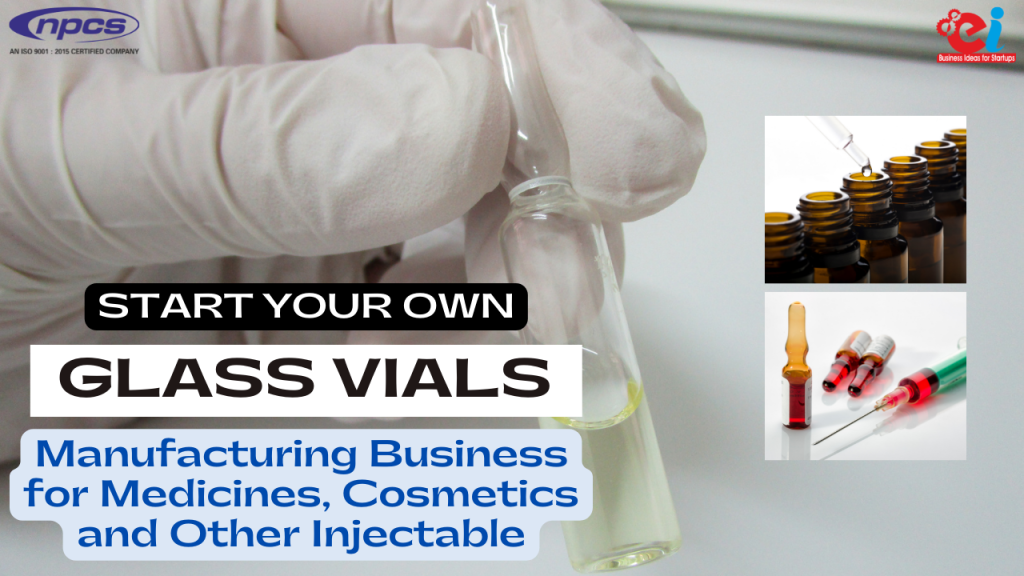
Introduction to the Glass Vials Industry In the rapidly growing pharmaceutical and cosmetic sectors, glass vials have emerged as indispensable packaging solutions. Their inert nature, resistance to contaminants, and exceptional sealing capabilities make them the preferred choice for companies seeking reliable, sterile, and aesthetically pleasing packaging. The glass vials business for cosmetics & medicines presents an attractive opportunity for entrepreneurs and manufacturers aiming to supply a critical product to a high-demand market. Why Glass Vials are Essential in Cosmetics and Pharmaceuticals Superior Chemical Stability One of the standout advantages of glass vials is their non-reactive composition. This ensures that neither active pharmaceutical ingredients (APIs) nor cosmetic formulations degrade or change when stored. Unlike plastic, glass vials offer unparalleled chemical stability, making them ideal for serums, injectable drugs, essential oils, and perfumed extracts. High-Quality Sealing and Sterility The airtight sealing of glass vials provides a secure barrier against environmental contaminants. This is crucial in the pharmaceutical sector, where sterility is non-negotiable. In cosmetics, maintaining product purity translates directly into consumer trust and brand loyalty. Sustainability and Reusability Glass vials align with the rising trend of eco-conscious packaging. Being 100% recyclable, they offer companies the ability to adopt sustainable practices while delivering premium packaging solutions. Many high-end cosmetic brands are switching to glass vials to meet sustainability goals and enhance their market appeal. Market Demand and Trends Booming Cosmetic Industry The global cosmetics industry is projected to reach $580 billion by 2030, with a strong focus on skincare and natural formulations. This surge directly impacts the demand for glass vials as consumers increasingly seek premium, transparent, and sustainable packaging for serums, ampoules, and oils. Expanding Pharmaceutical Sector The pharmaceutical industry, particularly injectables and biologics, has seen exponential growth. With the global push for vaccination and personalized medicine, glass vials have become central to safe drug delivery. The demand for type I borosilicate glass vials in this space is expected to grow by over 6% CAGR annually. Types of Glass Vials Used 1. Type I Borosilicate Glass Vials These are the highest quality vials used primarily in pharmaceutical packaging due to their superior chemical resistance and thermal stability. 2. Type II Treated Soda Lime Glass Vials Used in less reactive pharmaceutical applications, offering a cost-effective yet reliable solution. 3. Cosmetic Glass Vials These typically feature elegant finishes, colored glass, frosted textures, and dropper attachments to enhance brand visibility while preserving product integrity. Applications in the Cosmetics Industry Facial Serums and Skincare Treatments High-end facial serums often come in amber or clear glass vials, protecting active ingredients like Vitamin C or retinol from light degradation. These vials are also fitted with droppers or rollerballs for precise application. Essential Oils and Aromatherapy Blends For volatile and sensitive oils, glass vials ensure purity and longevity. Their airtight seals prevent evaporation, preserving aroma and effectiveness. Sample and Travel Sizes Miniature glass vials are perfect for sample kits, promotions, and travel packs. They enhance product perception and encourage trial without compromising on aesthetics or safety. Applications in the Pharmaceutical Industry Injectables and Vaccines Glass vials are indispensable in the storage and delivery of injectable drugs. With increased production of biologics and vaccines, the demand for sterile, tamper-proof glass vials has surged. Diagnostic and Clinical Testing Laboratories rely on glass vials for storing samples, reagents, and solutions. Their resistance to leaching and contamination makes them an industry standard. Ophthalmic and Inhalation Solutions Sterile vials play a critical role in delivering eye drops and inhalation medications, especially in unit-dose applications. Starting a Glass Vials Manufacturing or Supply Business 1. Market Research and Target Segments Begin by identifying which industry you wish to cater to — cosmetics, pharmaceuticals, or both. Understand their specific requirements, regulatory norms, and packaging needs. 2. Raw Material Sourcing Glass vial production requires high-purity silica sand, soda ash, and limestone. Partner with reliable suppliers for consistent material quality. For high-grade pharmaceutical vials, borosilicate glass is essential. 3. Machinery and Infrastructure Invest in automated forming and annealing machines to produce precision vials. Cleanrooms and sterile packaging environments are necessary for pharmaceutical-grade vial production. 4. Certification and Compliance Obtain certifications such as ISO 9001, ISO 15378, and GMP compliance. For pharmaceutical clients, US FDA and EU certifications may be needed. 5. Branding and Differentiation In the cosmetic segment, design plays a critical role. Offer custom shapes, screen printing, frosted finishes, and decorative caps to attract boutique and luxury brands. Distribution and Sales Strategy 1. Direct Supply to Brands and Laboratories Build partnerships with skincare brands, cosmetic manufacturers, pharma companies, and research institutions. Offer volume-based pricing and logistical support. 2. Online B2B Portals and Marketplaces Platforms like Alibaba, IndiaMART, TradeIndia, and ThomasNet are effective for reaching international clients. Ensure your product listings are SEO-optimized with keywords like “glass vials,” “pharmaceutical glass packaging,” and “cosmetic vial suppliers.” 3. Private Label Manufacturing Provide white-label solutions for emerging brands that seek cost-effective entry into the market without setting up their own manufacturing units. Advantages of Investing in the Glass Vials Business High demand across essential sectors Premium product margins Eco-friendly and future-proof packaging Scalable operations with long-term contracts Customization options that command premium pricing Challenges and Considerations Breakage risks during transport if not packed correctly Need for specialized equipment and trained labor Regulatory hurdles in pharma-grade packaging Price competition from plastic vial alternatives in low-end markets Conclusion: A Lucrative Market with Endless Opportunities With the convergence of sustainability, functionality, and aesthetic appeal, glass vials have become indispensable in both cosmetics and pharmaceutical packaging. Starting a glass vials business for cosmetics & medicines offers scalable profits and cross-industry demand. By investing in quality manufacturing, understanding client needs, and delivering innovative packaging solutions, businesses can secure long-term growth in this thriving industry. Visit the page Select and Choose the Right Business Startup for You for sorting out the questions arising in your mind before starting any business and know which start-up you can plan. We, at NPCS, endeavor to make business selection a simple and convenient step for any entrepreneur/startup. Our expert team, by
Lithium Ion Battery Pack is the future of energy storage.
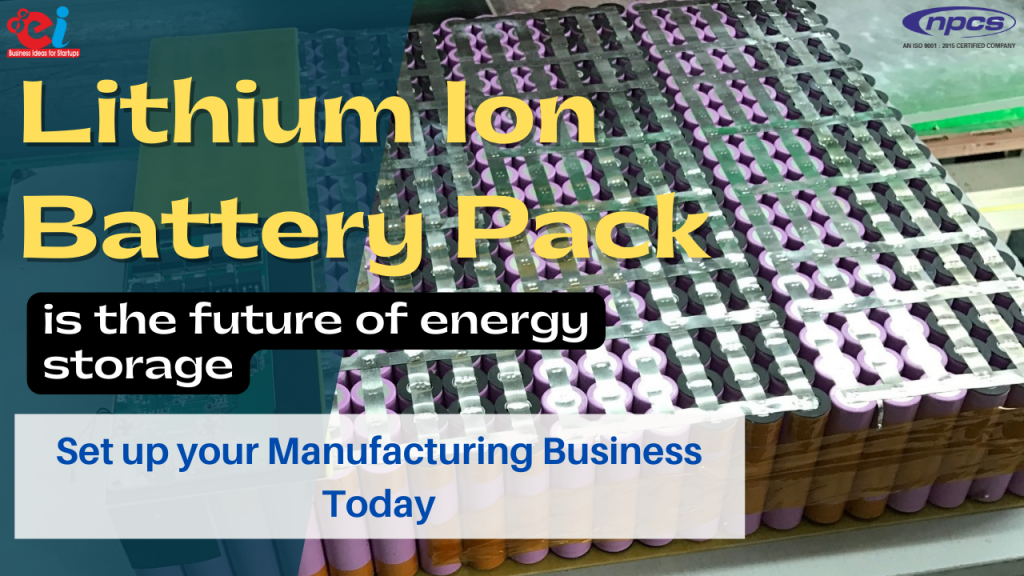
Introduction to the Lithium-ion Battery Business In an era where clean energy and sustainable transport are dominating global discourse, the Lithium-ion battery has emerged as a central element of the green revolution. From electric vehicles (EVs) to solar energy storage systems and consumer electronics, the demand for reliable, high-density batteries is soaring. Entrepreneurs and investors are tapping into this explosive market, finding immense potential in launching a Lithium-ion battery pack business. Why Start a Lithium-ion Battery Pack Business? The global shift towards renewable energy and electrification has opened up a multi-billion-dollar market. According to industry projections, the Lithium-ion battery market is expected to surpass $250 billion by 2030. This rapid growth is fueled by: Electric Vehicle (EV) boom Grid-scale renewable energy storage Portable electronics and mobile computing Industrial applications in robotics, drones, and tools By entering the Lithium-ion battery pack business, you align with future-ready technologies while contributing to sustainable development. Understanding Lithium-ion Battery Packs A Lithium-ion battery pack is a combination of several individual lithium-ion cells configured and managed with Battery Management Systems (BMS). These packs are designed to provide high energy density, lightweight form factor, longer lifespan, and rapid charging—key requirements for today’s electronic and automotive needs. The typical components of a battery pack include: Cell Module: Individual lithium-ion cells arranged in a specific series-parallel configuration Battery Management System (BMS): Circuitry that monitors and controls charge-discharge functions Cooling System: Keeps the temperature within safe limits Packaging: Ensures safety and protection during use and transport Market Analysis and Target Sectors Before setting up a business, it’s crucial to analyze demand across sectors: Automotive (EV): EVs require large-capacity battery packs, making this the largest consumer market. Renewable Energy Storage: Residential and commercial solar setups increasingly rely on Lithium-ion batteries. Telecom and Data Centers: Require uninterrupted power, opening a niche for high-performance battery packs. Consumer Electronics: From smartphones to laptops, there’s consistent demand for compact, long-lasting batteries. Industrial Equipment: Power tools, drones, AGVs, and robotics use tailored Lithium-ion battery packs. Step-by-Step Guide to Start a Lithium-ion Battery Pack Business 1. Conduct a Detailed Feasibility Study Before making an investment, conduct a thorough feasibility report covering: Market demand and future trends Initial capital requirement Supply chain logistics Regulatory approvals and compliance Technical know-how Use insights from this study to craft a viable business plan. 2. Legal Registration and Certifications To operate legally and ensure product trust, secure the following: Company registration under relevant local or national laws BIS certification (India), UL/CE marks (international) Pollution Control Board approvals Fire and Safety compliance Patent and intellectual property for proprietary designs (if applicable) 3. Investment and Financial Planning Starting a Lithium-ion battery pack manufacturing unit can be capital-intensive. Here’s a breakdown: Small-scale setup: ?25–50 Lakhs (for manual/semi-automatic operations) Medium to large-scale: ?1–5 Crores (fully automated line with testing labs) Funds should cover machinery, raw materials, skilled labor, licenses, branding, and marketing. 4. Setup of Manufacturing Facility Location selection should ensure proximity to raw material suppliers, ease of transport, and regulatory compliance. Key facility zones: Assembly Line: Cell arrangement, welding, and pack formation Testing Lab: Cycle testing, thermal management validation R&D Section: For design innovations and performance improvement Packaging Unit: Safe and standardized packing for transport Procure high-quality machinery for cell sorting, spot welding, BMS integration, and laser cutting. 5. Sourcing Raw Materials and Components Your supply chain should be reliable and quality-driven. Essential components include: Lithium-ion cells (18650, 21700, pouch cells, prismatic cells) BMS circuits Nickel strips and busbars Welding and housing materials Cooling foams or phase-change materials Tie-ups with international cell manufacturers (e.g., Samsung SDI, LG Chem, CATL) can ensure consistent supply. 6. Designing the Battery Pack Product differentiation comes from how you design the pack. Focus on: Custom voltage/current requirements Thermal management efficiency Modular and scalable design Integrated IoT monitoring systems Offer OEM/ODM solutions for startups and EV companies to gain market entry. 7. Battery Testing and Quality Assurance Safety and performance define your brand. Invest in quality testing protocols: Voltage and capacity tests Short-circuit and overcharge protection Thermal runaway prevention Life cycle and deep discharge testing Use advanced software to log test data and integrate it into the product’s warranty system. 8. Sales and Marketing Strategy A strong go-to-market strategy is key to success in the Lithium-ion battery pack business: B2B channels: Partner with EV startups, solar EPCs, and OEMs B2C platforms: Sell via e-commerce or through your own branded website Government tenders: Bid for energy storage and rural electrification projects Exhibitions & trade shows: Present your tech at expos to attract industrial clients Utilize digital marketing tools such as SEO, PPC ads, LinkedIn campaigns, and email newsletters. 9. After-Sales Support and Recycling Provide long-term support through: Warranty and repair services Remote monitoring tools AMC contracts for bulk users Recycling and disposal programs for end-of-life batteries Establish your reputation by promoting sustainable Lithium-ion battery solutions. Challenges in the Lithium-ion Battery Industry High competition and price sensitivity Dependency on imported cells (especially in India) Regulatory complexity and certification delays Risk of fire or thermal runaway if poorly designed Environmental concerns around mining and disposal Overcome these challenges with innovation, reliable sourcing, and world-class engineering. Future Opportunities in the Lithium-ion Battery Sector The future holds immense promise for businesses in this space: Solid-state batteries: Emerging tech with even better energy density Second-life battery reuse: Repurposing EV batteries for solar storage Battery swapping stations: Especially for 2-wheeler and 3-wheeler segments Domestic cell manufacturing: Under PLI (Production Linked Incentives) in India Export market: Growing demand in Africa, Southeast Asia, and Latin America Innovate continually and stay informed about market trends and government policies. Conclusion Starting a Lithium-ion battery pack business today positions you at the forefront of the energy revolution. By combining advanced technology, a solid manufacturing setup, and strategic marketing, your business can tap into one of the most lucrative and future-proof industries. With the right execution, your venture can contribute significantly to global electrification and sustainability goals. Lithium-ion batteries are more than just a trend—they’re the power source of the future. Visit the
Start your own Peanut Butter Manufacturing Business
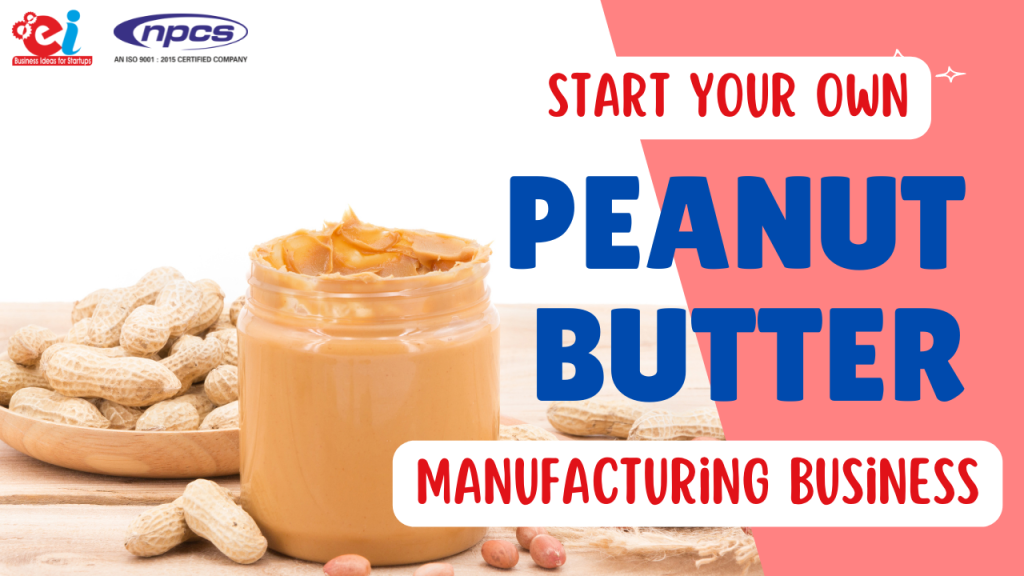
The peanut butter industry has witnessed exponential growth over the past decade. With increasing health consciousness and a shift towards plant-based protein sources, peanut butter has become a staple in households across the globe. Starting a peanut butter manufacturing unit is not only profitable but also scalable. In this detailed guide, we outline every crucial step to establish and run a successful peanut butter production business. Understanding the Peanut Butter Market Potential The demand for peanut butter is driven by its health benefits, high protein content, and versatility in culinary uses. The Indian market, in particular, has embraced this trend, with fitness enthusiasts, vegans, and even traditional households adopting it. With local consumption on the rise and export opportunities opening up, the scope for profit is massive for startups entering the peanut butter manufacturing sector. Business Plan Development for Your Peanut Butter Manufacturing Unit Creating a comprehensive business plan is the cornerstone of your success. It should include: Market analysis identifying your target demographics SWOT analysis of competitors Operational plan for sourcing, production, and logistics Marketing strategies for both B2C and B2B Financial projections and break-even analysis Ensure your business plan is investor-ready if you’re seeking external funding. Legal Registration and Licensing Before initiating production, obtain the following: FSSAI license (Food Safety and Standards Authority of India) MSME/SSI registration for small-scale businesses GST registration Trade license from the local municipal authority BIS certification (Bureau of Indian Standards) for quality assurance Additionally, adhere to all health, safety, and labor laws to maintain regulatory compliance. Choosing the Right Location for Manufacturing Selecting a suitable location plays a crucial role in cost efficiency. Your manufacturing unit should be: Close to peanut farming zones to reduce raw material cost Accessible via road and transport infrastructure Equipped with water, electricity, and waste disposal systems Urban outskirts or agro-industrial clusters are ideal for small to medium-scale setups. Infrastructure and Equipment Required To manufacture peanut butter, the following infrastructure and machinery are necessary: Roasting machine – to roast peanuts uniformly Peeling machine – for removing peanut skins Grinding machine – to make a smooth or crunchy paste Mixing unit – for adding salt, sugar, and stabilizers Cooling conveyor – to bring the product to ambient temperature Filling and sealing machine – for packaging in jars or pouches Labeling machine – to apply branded labels Storage space – for raw materials and finished goods Ensure the facility is clean, pest-free, and well-ventilated to comply with food-grade standards. Sourcing Raw Materials and Ingredients The key ingredients for peanut butter production are: Raw peanuts (high-quality and aflatoxin-free) Edible salt Sweeteners like sugar or jaggery Stabilizers and emulsifiers (optional, for longer shelf life) Establish strong relationships with farmers or suppliers for a consistent supply of quality peanuts. Production Process of Peanut Butter Here’s a step-by-step overview of the typical peanut butter manufacturing process: Cleaning: Remove dirt, stones, and debris from raw peanuts. Roasting: Roast the peanuts at the right temperature to bring out flavor and aroma. Cooling: Allow roasted peanuts to cool to prevent overcooking. Peeling: Use a peeling machine or blanching method to remove skins. Grinding: Ground peanuts in stages to reach the desired consistency. Mixing: Add salt, sugar, and stabilizers to the paste. Cooling again: Bring the mixture to room temperature. Packaging: Fill the final product into sterilized containers. Labeling and sealing: Apply branded labels and seal for distribution. Adhering to proper hygiene at every stage ensures a premium final product. Packaging and Branding Strategy Packaging must preserve freshness and appeal to consumers. Choose: Food-grade PET or glass jars Air-tight seals Attractive labels with nutritional information and branding Invest in a professional logo and design to make your brand stand out on store shelves. Eco-friendly and recyclable packaging is a growing trend among health-conscious buyers. Marketing and Distribution Channels Marketing is essential to create brand awareness and drive sales. Leverage these channels: Digital marketing: Use SEO, social media, and influencer campaigns Retail distribution: Supply to supermarkets, grocery chains, and health stores E-commerce platforms: List your products on Amazon, Flipkart, and BigBasket Direct-to-consumer website: Launch your own e-store for better profit margins Sampling and demos: Offer tastings in fitness centers and health expos Focus on communicating your USPs – be it organic ingredients, sugar-free variants, or protein-rich formulations. Quality Control and Certification To build consumer trust, ensure: HACCP compliance for food safety ISO certification for international quality standards Batch testing for microbial and chemical safety Shelf-life testing to establish best-before dates Maintaining stringent quality control gives you a competitive edge in domestic and export markets. Staffing and Management Recruit staff based on your production scale: Production staff: Machine operators, quality inspectors, packers Marketing and sales: Digital marketers, distribution managers Administrative roles: Accountant, HR, logistics supervisor Provide hygiene and food safety training to all workers. A well-trained team ensures smooth operations and consistency in quality. Investment and Financial Considerations Initial capital depends on production scale and automation level. Approximate investment: Small scale unit: ?10–15 lakhs Medium scale: ?25–50 lakhs Large scale: ?1 crore and above Major cost heads include: Machinery and setup Raw material procurement Packaging materials Marketing and branding Licensing and compliance Funding can be raised through bank loans, government subsidies under MSME schemes, or private investors. Profitability and Growth Potential The profit margin in peanut butter manufacturing ranges from 25% to 40%, depending on scale and distribution efficiency. Once your brand establishes a foothold, you can diversify into: Almond or cashew butter Flavored spreads (chocolate, honey, etc.) Organic or diabetic-friendly variants Snack bars and protein blends Tapping into international markets can significantly scale your revenue. Target countries with high health awareness and peanut butter consumption like the USA, UAE, and the UK. Conclusion Starting a peanut butter manufacturing unit is a lucrative business that combines health trends with scalable growth. With the right strategy, equipment, compliance, and marketing, entrepreneurs can build a successful brand in this high-demand segment. Invest wisely, innovate continuously, and prioritize quality to make your mark in the competitive food industry. Visit the page Select
Detailed Project Report on Printed Circuit Board (PCBs) Manufacturing Business
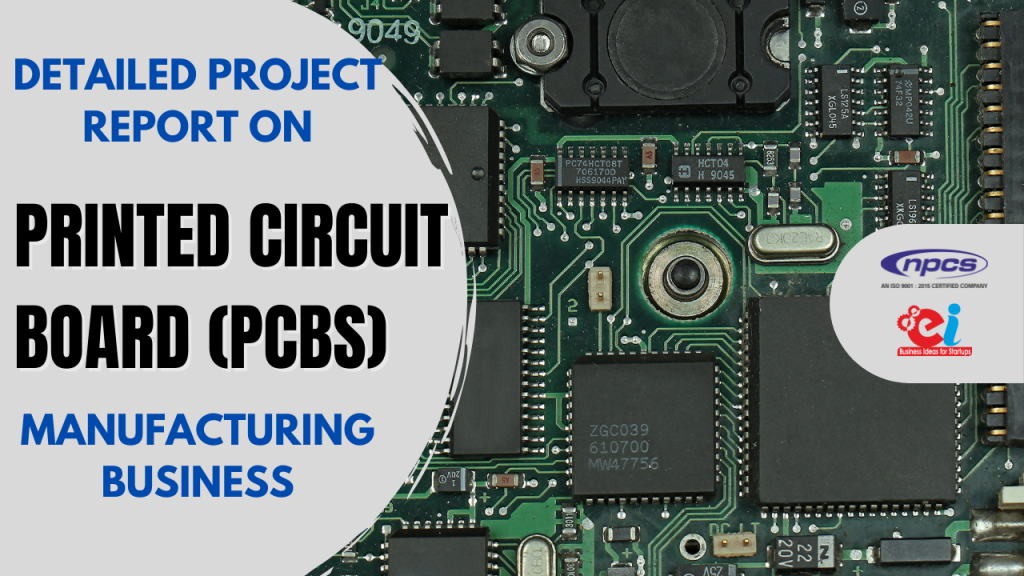
Printed Circuit Boards (PCBs) are at the core of all modern electronic devices, from smartphones and laptops to industrial machinery, medical equipment, and military systems. The growing digitization of industries and the explosion of smart technologies have significantly increased the global demand for PCBs. Establishing a PCB manufacturing business offers a lucrative opportunity for entrepreneurs and investors who want to capitalize on the rising electronics manufacturing market. This detailed business plan and feasibility report explores the investment needs, technical aspects, process flows, market outlook, and financial projections necessary to launch and sustain a profitable PCB manufacturing venture. Executive Summary We aim to launch a technologically advanced and scalable PCB manufacturing unit capable of producing a wide range of PCB types—single-layer, double-layer, and multi-layer boards—to cater to diverse sectors such as consumer electronics, automotive, telecommunications, aerospace, industrial automation, and defense. Our vision is to become a reliable and innovative supplier of customized PCBs that meet international quality standards. We plan to implement automated production systems, strict quality assurance protocols, and rapid prototyping capabilities to ensure our competitiveness in both domestic and export markets. Industry Outlook and Market Analysis The global PCB manufacturing market is growing rapidly and is projected to reach USD 105 billion by 2028, up from around USD 78 billion in 2023. Factors fueling this growth include: Widespread adoption of Internet of Things (IoT) devices. Emergence of electric vehicles (EVs) and autonomous driving systems. Expansion of 5G network infrastructure. Increasing use of PCBs in wearables, medical devices, and defense technology. In India, the government’s push for Atmanirbhar Bharat, rising import tariffs on foreign PCBs, and Production Linked Incentive (PLI) schemes have created favorable conditions for local manufacturing. The Indian PCB market, currently valued at USD 3.6 billion, is largely import-dependent—presenting a huge gap for domestic producers to fill. Investment and Capital Requirements Starting a PCB manufacturing business requires significant upfront capital investment. However, the long-term returns justify the initial expenditure, especially when entering a market with increasing demand and limited supply. Estimated Capital Requirements: Expense Category Estimated Cost (INR) Land and Building ?50 lakh – ?3 crore Machinery and Automation ?1 crore – ?8 crore Raw Material Inventory ?25 lakh – ?80 lakh Working Capital (6–12 months) ?50 lakh+ Licenses and Certifications ?5 lakh – ?10 lakh Utilities Setup (Water, Power) ?10 lakh – ?30 lakh Furniture, Office Equipment ?3 lakh – ?10 lakh Total initial setup cost: ?2.5 crore to ?15 crore depending on the scale and level of automation. Funding Options: Bank loans under MSME schemes SIDBI financing Equity investment from venture capitalists State subsidies and PLI scheme grants Detailed PCB Manufacturing Process PCB production is a complex process involving precise steps, advanced equipment, and stringent quality control. Here’s a comprehensive breakdown: Design & CAD Layout: Engineers use CAD software (e.g., KiCAD, Altium) to design the circuit schematic and layout. Photoplotting & Printing: Design patterns are transferred onto the copper-clad boards using UV light-sensitive film. Etching Process: Excess copper is chemically etched away, leaving only the conductive paths. Drilling Holes: High-speed CNC drills create holes for vias and component mounting. Plating Through Holes (PTH): Holes are plated with copper to ensure connectivity between layers. Solder Mask Application: An insulating solder mask layer is applied to protect the circuitry. Silkscreen Printing: Identifying marks, logos, and reference designators are printed. Surface Finishing: ENIG (Electroless Nickel Immersion Gold), HASL (Hot Air Solder Leveling), or OSP (Organic Solderability Preservative) finishes are applied. Electrical Testing & Inspection: AOI (Automated Optical Inspection), Flying Probe Testing, and ICT (In-Circuit Testing) ensure zero defects. Cutting & Packaging: Final PCBs are cut, cleaned, and packaged for delivery. Our plant will follow RoHS (Restriction of Hazardous Substances) and ISO 9001 standards to ensure global competitiveness. Licensing and Legal Requirements To legally establish and run a PCB manufacturing business, the following registrations and certifications are necessary: Company Registration (Private Limited or LLP) GST Registration Udyam (MSME) Registration Pollution Control Board Certificate Factory License (as per Factories Act) Import-Export Code (IEC) ISO 9001:2015 Quality Certification RoHS Compliance Certification Fire Safety and Environmental Clearance These ensure credibility with clients and compliance with industry norms, especially when dealing with large OEMs and government contracts. Raw Materials and Supplier Management The quality of PCB raw materials directly impacts product reliability and performance. We will establish relationships with certified suppliers in India, China, Taiwan, and Japan to source high-grade inputs. Essential Raw Materials: Copper-clad Laminates (FR-4, CEM-1, Polyimide) Copper Foil Rolls Solder Mask Inks (Green, Red, Blue, Black) Dry Films & UV Resists Etching Chemicals (Ferric Chloride, Ammonia) Drilling Bits and Routing Tools Silkscreen Inks Surface Finish Chemicals We plan to maintain a 60–90-day inventory to avoid production disruptions and mitigate price volatility. Target Market and Customer Segments Our PCB manufacturing business will cater to a wide variety of sectors: Electronics OEMs Automotive Manufacturers Consumer Device Startups Defense & Aerospace Suppliers Medical Device Companies Home Automation and IoT Ventures We will focus on B2B partnerships, offering rapid prototyping, low-to-high volume manufacturing, and custom solutions for niche requirements. Sales and Marketing Strategy A successful PCB business depends heavily on visibility, brand trust, and technical credibility. Our Key Marketing Initiatives: SEO-optimized website with instant quote features B2B platforms like IndiaMART and Alibaba LinkedIn marketing to reach tech entrepreneurs and OEM buyers Participation in trade expos (Electronica India, DEFEXPO) Webinars and technical blogs for thought leadership Google Ads targeting keywords such as “custom PCB manufacturer India”, “HDI PCB supplier”, “prototype PCB services” We will also offer loyalty discounts, volume-based pricing, and after-sales support to build long-term relationships. Financial Projections and Profitability Below are projected revenues and margins for a mid-scale plant: 1st Year: Revenue: ?2 crore Cost of Goods Sold: ?1.4 crore Net Profit: ?16 lakh ROI: 10–12% 2nd Year: Revenue: ?4.5 crore Net Profit: ?55 lakh Break-even Achieved 3rd Year: Revenue: ?7 crore+ Net Profit: ?1.2 crore+ ROI: 28–30% Long-Term Growth Avenues: Exporting to Middle East, Africa, and Southeast Asia Upgrading to flex-rigid and HDI boards Establishing in-house component assembly (EMS expansion) SWOT Analysis
Project Report on Battery Recycling Plant | Recycling of Lithium Ion Battery
As the world aggressively shifts toward electrification, the role of lithium-ion battery recycling becomes paramount. With electric vehicles (EVs), portable electronics, and renewable energy systems consuming a staggering number of lithium-ion batteries every year, the challenge of managing spent batteries has emerged as both a critical concern and a lucrative opportunity. This article provides an in-depth project report for setting up a lithium-ion battery recycling plant, exploring every vital detail from technology to profitability. Global Demand for Lithium-ion Battery Recycling The consumption of lithium-ion batteries is expected to exceed 3,000 GWh by 2030, largely driven by EV adoption, solar power storage, and increased digitization. However, most of these batteries are discarded after their lifecycle, contributing to e-waste. Recycling them not only recovers valuable metals like lithium, cobalt, and nickel but also supports sustainable manufacturing and reduces dependency on volatile mining operations. Governments and international organizations are now enforcing stricter rules around battery recycling. India, for instance, implemented the Battery Waste Management Rules, 2022, which mandate Extended Producer Responsibility (EPR) and hold manufacturers accountable for recycling spent batteries. Why Invest in a Lithium-ion Battery Recycling Plant? Setting up a lithium-ion battery recycling plant is more than a business—it’s an essential part of a green, circular economy. Here’s why this industry offers high potential: High Profit Margins: Recovered metals can be sold at competitive prices, reducing the cost of sourcing virgin materials. Policy Support: Governments are offering subsidies, tax exemptions, and technology support for green ventures. Environmental Necessity: Improper disposal leads to soil and groundwater contamination, posing ecological threats. Job Creation: Establishing a plant creates jobs across multiple disciplines including engineering, logistics, safety, and R&D. Resource Independence: It reduces the need for importing critical minerals from unstable or monopolized markets. Comprehensive Business Model Overview To run a profitable lithium-ion battery recycling unit, we need a well-structured business model involving material sourcing, advanced processing, logistics, and market linkages. Below is a detailed breakdown of each component: Raw Material Sourcing Channels Lithium-ion batteries come from various sources, including: Electric Vehicles (EVs): EV manufacturers and fleet operators produce a significant quantity of battery waste. Consumer Electronics: Mobile phones, laptops, and tablets have short battery life cycles. Industrial Applications: UPS systems and telecom towers contribute industrial-scale battery waste. E-waste Collection Drives: Municipalities, recyclers, and NGOs often run collection programs. Partnerships with vehicle dealerships, e-waste aggregators, and OEMs are essential to maintain a constant supply. Location and Infrastructure Requirements A strategically located plant near industrial zones or transportation hubs reduces logistical costs. Key infrastructure includes: Battery Discharging Units: For safe energy drainage from batteries. Crushing and Shredding Machines: Mechanical processing units to break down battery packs. Sorting and Separation Units: Equipment to segregate metals and non-metals. Chemical Processing Tanks: For hydrometallurgical or pyrometallurgical recovery. Effluent Treatment Plants (ETPs): Mandatory for treating wastewater and chemical discharge. Storage Areas: Secured storage for hazardous materials and recovered metals. A medium-sized plant that processes 10,000 tons per year typically requires a 20,000 sq. ft. space and demands an investment between ?15–25 crores.. Detailed Process Flow of Battery Recycling The core steps in the recycling of lithium-ion batteries include: Collection and Transportation: Batteries are collected, labeled as hazardous, and transported under safe conditions. Discharging: Remaining charge is safely drained to avoid fires or explosions. Mechanical Dismantling: Batteries are opened to access the internal cell components. Crushing and Sorting: Cells are crushed and materials are separated into plastics, metals, and electrode materials. Thermal Processing (Pyrometallurgy): High-temperature processing to extract cobalt, nickel, and copper. Chemical Processing (Hydrometallurgy): Acid leaching and solvent extraction to isolate lithium, cobalt, and other rare elements. Material Purification: Refinement of extracted metals to make them battery-grade. Lithium-ion battery recycling plants may also include advanced direct recycling methods, which aim to retain cathode materials in usable form. Though still developing, these methods promise higher recovery efficiency and lower environmental impact. Technology and Equipment Required Key technologies include: Automated Sorting Lines Thermal Chambers Acid Leach Reactors Solvent Extraction Columns Induction Furnaces Advanced Control Systems Dust & Emission Control Units Automation not only improves safety and output but also ensures compliance with regulatory standards. Regulatory and Legal Considerations Running a battery recycling plant requires strict compliance with environmental and safety regulations. Approvals must be obtained from: State Pollution Control Boards (SPCB) Central Pollution Control Board (CPCB) MoEFCC Directorate of Industrial Safety and Health (DISH) Hazardous Waste Handling Rules Additionally, the business must register under the Battery Waste Management Rules and obtain EPR authorization. Operational Team and HR Requirements A successful recycling plant will need: Process Engineers Chemical Analysts Environmental Scientists Machine Operators Safety Managers Logistics Coordinators Training programs should be implemented to manage hazardous material handling, fire safety, chemical exposure, and environmental protection. Costs and Financial Projections Estimated cost components for a medium-scale plant: Land & Infrastructure: ?5–8 Crores Machinery & Equipment: ?7–10 Crores Licensing & Compliance: ?1–2 Crores Working Capital: ?3–5 Crores Break-even period: Generally achievable within 3–5 years, depending on capacity utilization and market access. Revenue Generation and Market Scope Key revenue streams: Sale of recovered cobalt, lithium, nickel, copper Scrap sale of plastic and aluminum casings Service fees for battery collection and processing Carbon credits and green subsidies Given that cobalt trades at over $30,000 per ton and lithium around $20,000 per ton (2025 estimates), profitability can be significant. Global buyers include battery manufacturers, EV companies, and metal refineries. Environmental and Social Impact Lithium-ion batteries contain electrolytes and heavy metals that can pollute soil, air, and water. Proper recycling prevents: Groundwater contamination Airborne toxin release Mining-related deforestation Worker exposure to carcinogens Recycling also contributes to UN Sustainable Development Goals (SDGs), particularly in climate action, clean energy, and responsible production. Market Trends and Future Outlook Automation: Use of AI for material detection and robotic dismantling. Urban Mining: Cities becoming hubs for battery recovery from e-waste. Policy Evolution: India is expected to impose stricter EPR compliance from 2026. Battery Passport: Future regulations may require digital tracking of battery components for traceability. Companies entering the lithium-ion battery recycling market today can capitalize
Starting A Production Business of AAC Blocks From Silica Sand & Lime Stone Powder | Start Production Business in Construction Sector
In recent years, AAC Blocks have gained substantial popularity in the construction industry due to their superior properties and sustainable production. The demand for lightweight and eco-friendly construction materials is on the rise, and AAC blocks from silica sand and lime are among the most efficient solutions available. This business guide explores everything from raw materials and production process to market potential and profitability, making it ideal for entrepreneurs considering investment in this promising sector. Understanding AAC Blocks Autoclaved Aerated Concrete (AAC) blocks are precast building materials made from natural raw materials such as silica sand, lime, cement, gypsum, aluminum powder, and water. The blocks undergo a chemical reaction that creates air bubbles, giving them a lightweight and porous structure. After molding, the blocks are cured under high pressure and temperature in an autoclave, resulting in high strength and durability. The primary advantage of using AAC blocks lies in their lightweight, thermal insulation, soundproofing, and ease of handling. Their cellular structure gives them excellent resistance to fire and moisture, making them more sustainable than traditional clay bricks or concrete blocks. Why Choose Silica Sand and Lime? Silica sand and lime are the two essential ingredients that contribute significantly to the unique properties of AAC blocks. Silica sand serves as a major source of silicon dioxide, which reacts with lime (calcium oxide) and cement to form calcium silicate hydrate – the binding agent that gives AAC its strength. The finely ground sand ensures uniformity and smoother surfaces in the final product. Lime, on the other hand, accelerates the reaction and enhances the strength and durability of the blocks. These raw materials are abundantly available in many parts of the world, especially in India, making AAC block manufacturing a cost-effective business opportunity. Additionally, both silica sand and lime are environmentally friendly and sustainable. Setting Up an AAC Block Manufacturing Unit Starting an AAC block manufacturing business involves several critical steps that must be carefully planned and executed. 1. Business Plan and Market Research Begin with a comprehensive business plan that outlines your objectives, financial projections, raw material availability, market analysis, and competitive landscape. Research the local construction market to determine demand for AAC blocks. Evaluate your competitors, identify potential customers (builders, developers, contractors), and assess pricing strategies. 2. Site Selection Choose a location that is well-connected by road or rail for easy transportation of raw materials and finished products. Ensure that the site has adequate space for storage, production, office, and utilities. Proximity to sources of silica sand and lime can significantly reduce logistics costs. 3. Legal and Regulatory Compliance Register your business as per the regulations of your local jurisdiction. Obtain all necessary permits including environmental clearance, pollution control certificates, and factory licenses. Compliance with IS 2185 (Part 3) standards is essential to ensure the quality and marketability of your AAC blocks. 4. Machinery and Equipment AAC block production requires specific equipment that facilitates the chemical reactions and autoclaving process. Key machinery includes: Jaw Crusher and Ball Mill for grinding raw materials Dosing and Mixing Units Moulds for shaping blocks Cutting Machine for sizing blocks accurately Autoclaves for steam curing Material handling systems like cranes and conveyors The capital investment in machinery depends on the scale of production. A medium-scale unit can produce up to 150 cubic meters per day and typically requires an investment of ?2–5 crores. 5. Raw Materials Procurement Raw materials used in the manufacturing process include: Silica Sand: Finely ground for uniformity Quick Lime or Hydrated Lime: Acts as a binder Ordinary Portland Cement (OPC): Enhances strength Gypsum: Acts as a catalyst Aluminum Powder: Triggers the aeration process Water: For mixing and chemical reactions Ensure that the quality of raw materials is consistent and sourced from reliable suppliers. 6. Production Process The AAC block manufacturing process is as follows: Mixing and DosingRaw materials are proportioned and mixed to form a slurry. Pouring and RisingThe mixture is poured into molds where aluminum powder reacts, creating air bubbles and increasing the volume. Pre-curingThe mixture is left to settle and harden for a few hours until it reaches the “green” stage. CuttingThe solidified mixture is removed from molds and cut into desired block sizes. AutoclavingWorkers place the cut blocks in autoclaves and steam-cure them at temperatures of 180–200°C under 12–14 bars of pressure for 8–12 hours. Packing and DispatchCured blocks are stacked, packed, and dispatched to customers or distributors. 7. Quality Control Maintaining consistent product quality is crucial. Regular testing for density, compressive strength, thermal conductivity, and water absorption must be done. Employ trained technicians and quality assurance protocols to monitor every stage of production. Marketing and Sales Strategy The success of your AAC Blocks business largely depends on strategic marketing. Use the following methods to create market presence: Participate in construction expos and trade shows Network with architects, civil engineers, and real estate developers Offer bulk discounts or credit options to dealers and contractors Leverage digital marketing – create a professional website, engage on LinkedIn and construction forums Collaborate with government affordable housing projects Providing value-added services like customized sizes, door delivery, and on-site training for block usage can further enhance brand loyalty. Profitability and ROI AAC block manufacturing offers attractive profit margins due to low raw material cost and high demand. On average: Cost of Production (per cubic meter): ?2,000–?2,500 Selling Price (per cubic meter): ?3,000–?3,500 Profit Margin: ?800–?1,200 per m³ Assuming daily production of 100 m³ and 25 working days/month, monthly profits could range from ?20 to ?30 lakhs depending on location, scale, and operational efficiency. Break-even can typically be achieved within 2–3 years. Challenges and Risk Management Despite its potential, the AAC blocks business comes with challenges: High initial investment Dependence on consistent power and water supply Skilled labor requirement Market education – convincing traditional builders to adopt AAC Raw material price fluctuations Mitigate risks by adopting automation, diversifying suppliers, ensuring energy-efficient operations, and investing in staff training. Environmental and Regulatory Benefits AAC blocks qualify as green building materials because they have a low carbon
A Complete Business Plan for Manufacturing Metformin and Ciprofloxacin
Manufacturing Metformin and Ciprofloxacin represents a high-potential opportunity in the global pharmaceutical industry, particularly in emerging markets like India, Southeast Asia, and Africa. These two essential drugs are listed among the World Health Organization’s (WHO) model list of essential medicines due to their critical roles in treating chronic and acute diseases. Metformin is the first-line medication for type 2 diabetes, while Ciprofloxacin is a powerful antibiotic used to treat various bacterial infections. Both drugs are in consistent demand, offering long-term profitability and market stability. For entrepreneurs and pharmaceutical investors, entering the API (Active Pharmaceutical Ingredient) or formulation business of these drugs can be a highly rewarding venture. Visit this Page for More Information: Start a Business in API Industry Understanding Metformin and Ciprofloxacin Metformin belongs to the class of biguanides and is primarily used to control blood sugar levels in people with type 2 diabetes. It helps improve glucose tolerance, reduce hepatic glucose production, and increase insulin sensitivity. Ciprofloxacin, on the other hand, is a second-generation fluoroquinolone antibiotic. It is effective against a wide range of gram-negative and gram-positive bacteria and is used to treat respiratory, urinary tract, gastrointestinal, and skin infections. Read Similar Articles: Pharmaceutical Industry Key Facts: Metformin Market Size (Global): Expected to reach USD 10+ billion by 2030. Ciprofloxacin Market Size (Global): Expected to grow steadily, with demand in public health systems and hospitals. High Demand Areas: India, Latin America, Southeast Asia, Africa, and Eastern Europe. Related Business Plan: Active Pharma Ingredients Metformin and Ciprofloxacin Production Business 1. Manufacturing Process of Metformin Metformin hydrochloride (HCl) is synthesized through the chemical reaction of dimethylamine hydrochloride with cyanoguanidine. Key Manufacturing Steps: Preparation of Dimethylamine Hydrochloride Reaction with Cyanoguanidine Crystallization and Purification Drying and Milling Final QC and Packaging Metformin is usually manufactured in its hydrochloride form and then converted into tablets or capsules during formulation. Related Feasibility Study Reports: Active Pharmaceutical Ingredient (API) Products, Bulk API Manufacturing Raw Materials: Cyanoguanidine Dimethylamine Hydrochloric acid Acetone Purified water 2. Manufacturing Process of Ciprofloxacin Ciprofloxacin is typically synthesized from 7-chloro-1-cyclopropyl-6-fluoro-1,4-dihydro-4-oxoquinoline-3-carboxylic acid. Key Manufacturing Steps: Condensation with Piperazine Derivatives Cyclization Reaction Crystallization of Ciprofloxacin Base Conversion to Ciprofloxacin Hydrochloride Drying and Packaging Raw Materials: 7-Chloro-6-fluoroquinolone derivatives Piperazine Hydrochloric acid Organic solvents (e.g., methanol, acetone) Both manufacturing processes require controlled conditions to ensure chemical purity, yield efficiency, and GMP compliance. Watch other Informative Videos: Pharmaceutical 3. Formulation of Finished Dosage Forms Once the active pharmaceutical ingredients (APIs) are manufactured, they are formulated into: Tablets (Metformin: 500 mg, 850 mg, 1000 mg) Extended-release tablets (Metformin XR) Ciprofloxacin tablets (250 mg, 500 mg, 750 mg) Oral suspensions or IV injections (for Ciprofloxacin) Formulation includes mixing with excipients, granulation, compression, coating (for delayed-release tablets), and final packaging. 4. Required Equipment for Manufacturing For API Manufacturing: Reactors (glass-lined or stainless steel) Filtration units Centrifuges Dryers (Vacuum/Tray) Crystallizers Pulverizers For Formulation: Blenders and mixers Tablet compression machines Coating machines Capsule filling machines Strip/blister packing machines Cleanroom setup and HVAC systems are mandatory to maintain controlled manufacturing environments. 5. Licensing and Regulatory Approvals To manufacture Metformin and Ciprofloxacin in India or export internationally, compliance with various regulations is mandatory. Required Licenses: Drug Manufacturing License (from CDSCO & State Drug Authority) GMP Certification (WHO-GMP for exports) ISO 9001/14001 (optional but preferred) Pollution Control Board Clearance NOC from Fire and Health Departments US FDA / EU GMP Compliance (for high-value export markets) You may also need to register your products with health authorities in target countries for export purposes. 6. Market Demand and Business Potential Why Metformin is in Demand: Rising global prevalence of type 2 diabetes Recommended as first-line therapy in national treatment protocols Used in combination with other anti-diabetic drugs Why Ciprofloxacin Remains Popular: Broad-spectrum antibiotic for both community and hospital-acquired infections Widely used in government health programs Increasing demand in veterinary and aquaculture sectors Market Segments: Government tenders and hospitals Pharmacies and retail drug outlets Export markets (Africa, Southeast Asia, CIS countries) Contract manufacturing for generic brands 7. Investment and Financial Overview Starting a Metformin and Ciprofloxacin manufacturing unit requires moderate to high capital investment depending on whether you’re producing API, formulations, or both. Approximate Costs: Small-scale Formulation Unit: ?1.5 to ?3 Crore (?15M to ?30M) Medium-scale API + Formulation Unit: ?8 to ?15 Crore Running Costs: Raw material procurement, QC, utilities, manpower Profit Margins: API business: 20% to 35% Formulations: 30% to 50% Higher margins possible in branded exports or government contracts 8. Export Potential Both APIs and finished formulations of Metformin and Ciprofloxacin are highly exportable under the generic drugs segment. Target Countries: Nigeria, Ghana, Kenya Philippines, Vietnam, Cambodia Brazil, Peru, Bolivia Russia, Ukraine (Ciprofloxacin) Registering with regulatory authorities (e.g., FDA, EMA, ANVISA) enables access to premium markets and increases brand credibility. 9. Challenges in Manufacturing Common Challenges: Regulatory compliance and audits Sourcing high-purity raw materials Competition with Chinese API producers Price control regulations (NPPA, DPCO in India) Solutions: Invest in in-house R&D and backward integration Focus on quality, documentation, and traceability Target niche segments or combination drugs Build long-term B2B partnerships Conclusion Manufacturing Metformin and Ciprofloxacin offers strong business potential for pharmaceutical entrepreneurs willing to invest in a quality-driven, compliant, and scalable business model. With high global and domestic demand, government support, and the growing need for cost-effective generics, this business can generate sustainable revenue and social impact. Whether you’re planning to set up an API plant, start with formulation, or enter the export market, this sector holds a long-term advantage due to its relevance in chronic and infectious disease treatment. Read our Books Here: Pharmaceutical, Drugs, Proteins Technology Handbooks See More Links: Start a Business in Asia Start a Business in Potential Countries for Doing Business Best Industry for Doing Business Business Ideas with Low, Medium & High Investment Looking for Most Demandable Business Ideas for Startups Startup Consulting Services Start a Business in Africa Start a Business in India Start a Business in Middle East Related Videos Related Books Related Projects Related Market Research Reports NIIR PROJECT CONSULTANCY SERVICES, DELHI An ISO 9001:2015 Company ENTREPRENEUR INDIA 106-E, Kamla Nagar, Opp. Mall ST, New Delhi-110007, India. Email: npcs.ei@gmail.com info@entrepreneurindia.co
Top 6 New Profitable Manufacturing Business Ideas for Entrepreneurs
Manufacturing business ideas for entrepreneurs are increasingly relevant as India and many other nations focus on “Make in India,” self-reliance, and export potential. Entrepreneurs looking to step into manufacturing are often met with opportunities in diverse sectors—ranging from everyday consumer goods to high-tech industrial products. The appeal of starting a manufacturing business lies in its potential for scalability, consistent demand, and strong margins if executed right. Whether you’re a first-time founder or a seasoned businessperson looking to diversify, identifying the right product to manufacture is the first crucial step. In this blog, we’ll explore practical, profitable, and future-oriented manufacturing business ideas that cater to various budgets and experience levels. Visit this Page for More Information: Start a Business in Fertilizer Industry Watch Video: – Want to invest in Production of Bio-Organic Fertilizer from Tea Waste? Find out more. Read our Books Here: Biofertilizer, Biofertiliser, Biogas, Organic Farming, Vermicompost, Vermiculture, Biotechnology Why Manufacturing is a Smart Move for Entrepreneurs Manufacturing Business Ideas for Entrepreneurs control over the production process, brand quality, and cost structure. Unlike trading or retailing, manufacturing allows you to build long-term value through innovation, product differentiation, and production efficiency. Key advantages include: High potential for brand building Greater control over product quality and pricing Opportunities for export and global markets Job creation and contribution to the local economy Ability to customize products to niche markets Now, let’s explore the top manufacturing business ideas that are both viable and in demand. Visit this Page for More Information: Start a Business in Herbal Products Industry 1. Paper Products Manufacturing The demand for eco-friendly paper products is rising as bans on plastic intensify across the globe. Manufacturing Business Ideas for Entrepreneurs items like paper bags, disposable paper cups, notebooks, and packaging materials. Why it’s a great idea: Low to medium investment High demand from FMCG, retail, and food industries Support from government policies on sustainability Easily scalable with semi-automatic machinery Paper product manufacturing offers good margins and high local consumption, especially with businesses seeking green alternatives. Watch Video: – A Complete Business Plan of Calcium Sennoside from Senna Leaves Manufacturing 2. Ayurvedic and Herbal Products Manufacturing The global wellness and organic product industry is booming, and India’s ancient ayurvedic knowledge gives entrepreneurs a unique edge. Starting an ayurvedic product manufacturing business can range from skincare items to dietary supplements and immunity boosters. Growth potential: Trusted by domestic and global consumers Government promotion under AYUSH schemes Natural raw materials available locally Excellent online and export marketing opportunities With the right formulations, licenses, and branding, this segment can generate recurring revenue and loyal customers. Read our Books Here: Herbal Products 3. Plastic Alternatives: Biodegradable Products With increased focus on climate change and environment, businesses and governments are actively replacing plastic with biodegradable alternatives. Entrepreneurs can enter the space of manufacturing biodegradable cutlery, plates, straws, and packaging items using materials like sugarcane bagasse or corn starch. Visit this Page for More Information: Start a Business in Aluminium Downstream Sector Benefits of this business: Aligns with sustainable development goals (SDGs) Fast-growing demand in catering, hospitality, and FMCG sectors Encouragement through subsidies and eco-label certifications High margin potential with niche positioning Biodegradable product manufacturing is future-proof and is ideal for entrepreneurs who want to mix purpose with profit. Read our Books: – Chemical Technology (Organic, Inorganic, Industrial), Fine Chemicals 4. Ready-to-Eat and Packaged Food Manufacturing Convenience food is no longer a trend—it’s a necessity. Urban lifestyles and busy work schedules have increased the demand for instant snacks, ready-to-eat curries, pre-mixed spices, and frozen foods. Manufacturing such products can be a game-changer for food entrepreneurs. Why it works: Strong domestic and export demand Huge scope for regional and ethnic food packaging Easy distribution via eCommerce and modern retail Government compliance and FSSAI registration manageable From millet snacks to healthy meal boxes, packaged food manufacturing is a high-potential sector with broad appeal. Visit this Page for More Information: Start a Business in Renewable Energy Industry 5. 3D Printing and Customized Product Manufacturing Technology-driven entrepreneurs can tap into the rising trend of 3D printing. This business is ideal for customized product creation like prosthetics, jewelry designs, architectural models, spare parts, and prototype development. High-tech benefits: Low material wastage and flexible design capabilities Opportunities in B2B and D2C markets Ideal for small-batch, high-margin products Great for industrial clients, educational institutions, and designers Though initial investment in equipment may be higher, the flexibility and innovation potential make it a rewarding niche. Visit this Page for More Information: Start a Business in Chemical Industry Projects 6. Handmade and Craft-Based Manufacturing For entrepreneurs with a creative streak, handmade product manufacturing offers a unique space with emotional and cultural appeal. Think handmade soaps, candles, textile crafts, home décor, or even luxury stationery. Why go handcrafted: Strong appeal in gifting, lifestyle, and premium markets Low startup cost, high customization potential Platforms like Etsy, Amazon Handmade, and local exhibitions support sales Brand storytelling and aesthetics drive customer loyalty Handmade manufacturing is also a great way to promote local artisanship and build a sustainable micro-enterprise. Watch video: – Manufacture Solar Panels (Polycrystalline and Monocrystalline). Invest in Renewable Energy. 7. Nutraceuticals and Dietary Supplement Manufacturing With more people embracing wellness lifestyles, the nutraceutical industry—which includes protein powders, energy bars, herbal capsules, and immunity boosters—is experiencing tremendous growth. Industry drivers: High consumer awareness of health and fitness Backed by scientific innovation and food safety standards High margin business with premium price potential Good scope for export under private labels Setting up a GMP-compliant facility and getting FSSAI and other clearances are prerequisites, but the payoff is significant. Read our Books Here: Environmentally Friendly 8. Construction Material Manufacturing Entrepreneurs with access to land and infrastructure can venture into construction-related manufacturing like fly ash bricks, cement blocks, ready-mix concrete, or PVC pipes. With real estate and infrastructure constantly growing, demand stays stable. Why it’s lucrative: Huge and recurring demand from real estate Raw material access is often local and affordable Machinery and automation reduce labor dependency High-volume B2B orders ensure
7 Profitable Startup Business Ideas

7 profitable startup business ideas can act as the launching pad for your entrepreneurial journey. With innovation, digitalization, and evolving consumer needs, today’s startup ecosystem offers exciting opportunities across industries. Whether you’re a recent graduate, a working professional planning to switch paths, or an aspiring entrepreneur, starting a business has never been more accessible. The key to success lies in choosing a 7 Profitable Startup Business Ideas that not only matches your interests and skills but also aligns with current market demand and profitability. In this article, we explore seven lucrative startup ideas that offer sustainable income, scalability, and relevance in 2025 and beyond. Watch Video: Start Tiles Adhesive (Polymer Modified Cementatious) Manufacturing Business 1. Online Skill-Based Courses and Coaching The e-learning industry has exploded, especially post-pandemic. If you have expertise in a niche—be it digital marketing, coding, yoga, financial planning, or even photography—you can monetize it by launching online courses or coaching programs. Why it’s profitable: Low investment with high ROI Flexibility to scale with digital tools (Zoom, Teachable, etc.) Growing global market for upskilling and reskilling Recurring income with pre-recorded course sales From individual freelancers to institutes, the market for knowledge monetization continues to grow as more people turn to digital learning platforms for growth. Visit this Page for More Information: Start a Business in Adhesives and Sealants Industry 2. Eco-Friendly Packaging Manufacturing As sustainability becomes more than a buzzword, businesses across sectors are seeking eco-friendly packaging solutions. Starting a company that manufactures biodegradable, recyclable, or compostable packaging for food, cosmetics, e-commerce, or retail is a timely and profitable venture. Key advantages: High demand from D2C brands and exports Government support for green alternatives Growing B2B orders and custom packaging demand Niche marketing opportunity with sustainability branding If you care about the environment and want to work in the manufacturing space, this is one of the most future-ready startup business ideas. Read our Books Here: Gums, Adhesives & Sealants Technology (With Formulae) 3. Digital Marketing Agency for Local Businesses With more small businesses going online, the need for hyperlocal digital marketing services has risen sharply. A startup digital marketing agency that focuses on SEO, social media, PPC, and website creation for local businesses can be very profitable. Reasons to consider: Recurring revenue from monthly retainers Low initial cost—can start from home High client retention if results are delivered Scalable by hiring freelancers or using automation tools Whether you specialize in restaurants, real estate, salons, or e-commerce, niche marketing agencies often outperform generalists due to industry-specific expertise. Visit this Page for More Information: Start a Business in Epoxy Resin Industry 4. Subscription-Based Meal Delivery or Tiffin Service People are increasingly prioritizing health and convenience. A subscription-based healthy meal delivery startup—serving professionals, fitness enthusiasts, or students—is a profitable food-tech idea with recurring income potential. What makes it appealing: Predictable monthly revenue Customization: vegan, diabetic-friendly, keto, etc. Low customer acquisition cost via referrals Cloud kitchen model keeps infrastructure lean You can even integrate app-based ordering and real-time feedback systems to improve customer experience and brand loyalty. Watch Video: Set up Epoxy Resin (Liquid) Manufacturing Plant | Complete Business Plan 5. Home and Office Cleaning Services Professional cleaning services are gaining popularity in urban and semi-urban areas. This includes deep cleaning, sanitization, water tank cleaning, and post-renovation cleanups for homes, offices, and commercial spaces. Startup benefits: High demand in residential societies and business hubs Requires basic equipment and local hiring Can partner with real estate agencies and builders Recurring business from satisfied clients The sector offers steady cash flow and is relatively recession-proof. Adding digital booking options and subscription models can further boost profitability. Visit this Page for More Information: Start a Business in Chemical Industry Projects 6. Customized Gift and Stationery Brand With increasing demand for personalized gifting and Instagram-worthy packaging, launching a startup focused on customized gifts, planners, journals, hampers, and branding items is a profitable creative venture. Why it works: High profit margins due to premium pricing Growing online gifting market in India and abroad Seasonal demand during weddings, birthdays, and festivals Scope for both B2B and B2C sales Start small on platforms like Instagram, Etsy, or Amazon Handmade and gradually scale into a full-fledged D2C brand. Watch Video: Production of Zinc Oxide from Zinc Dross. Profitable Project Opportunities in Inorganic Compound Sector 7. Mobile App Development or SaaS Product Startup If you have technical knowledge or a co-founder with tech skills, launching a SaaS (Software-as-a-Service) product or a mobile app targeting a niche audience can be extremely profitable. Think of apps for habit tracking, inventory management, online booking, or subscription billing. Revenue potential: One-time development, recurring revenue model Scalable across geographies with cloud hosting High investor interest in scalable tech solutions App stores offer direct-to-user distribution channels Focus on solving a real pain point for a specific industry. Even simple apps with targeted solutions can generate high user retention and monetization. Related Feasibility Study Reports: Chemicals (Organic, Inorganic, Industrial) Conclusion These 7 profitable startup business ideas span multiple industries and cater to varied budgets and skill sets. From tech-based solutions and manufacturing to personalized services and creative products, the opportunities are vast for those ready to take the plunge. The secret lies in validating your idea, starting lean, listening to customer feedback, and continuously iterating. As consumer needs evolve and digitization accelerates, entrepreneurs who adapt fast and offer value will lead the next wave of successful startups. Related Feasibility Study Reports: Cereal Processing (Rice, Dal, Pulses, Oat, Wheat), Sugar and value added Products See More Links: Start a Business in Asia Related Market Research Reports Start a Business in Potential Countries for Doing Business Best Industry for Doing Business Business Ideas with Low, Medium & High Investment Looking for Most Demandable Business Ideas for Startups Startup Consulting Services Start a Business in Africa Start a Business in India Start a Business in Middle East Related Videos Related Books Related Projects NIIR PROJECT CONSULTANCY SERVICES, DELHI An ISO 9001:2015 Company ENTREPRENEUR INDIA 106-E, Kamla Nagar, Opp. Mall ST,