
Start Semiconductor Manufacturing Plant in India
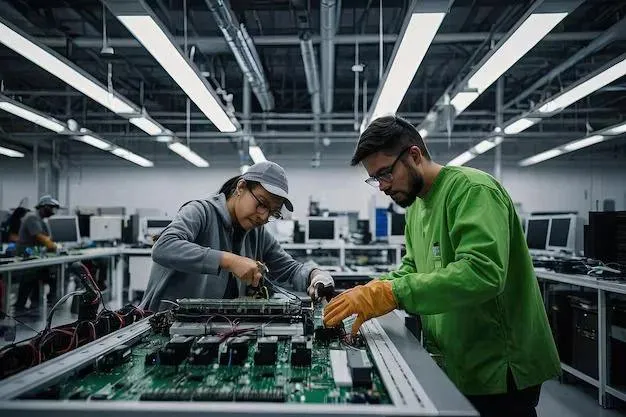
Getting a semiconductor manufacturing plant going in India is no small task and requires large scale of investment, strategic planning and requisite talent workforce. However, with the Indian Central government focused on ‘Make in India’ and also semiconductor demand soaring globally, Bengaluru has lots of potential here. You can establish the ground an effective venture in cloud-based semiconductor manufacturing, by adapting your methodologies to these opportunities. Now, we shall move on by delving into the far complex aspects of how to set up a semiconductor fabrication plant in India. Read our Books Here Visit: Best Industry for Doing Business Read Similar Articles: STARTUP BUSINESS In-depth Planning for Market Positioning Knowing where you stand in the marketplace is crucial for your plant. You could target the low-end market, which primarily focuses on producing common semiconductors in high volumes, or the premium market, which is driven by the most current modern technology as well as advancement. It’s required to understand your clients’ demands, competitor offerings, as well as existing market fads to identify your market placing accurately. Further analysis on investment requirements Aside from the apparent costs for land, building and construction, as well as tools, there are various other costs to consider. These can consist of recurring expenditures like resources, labor, energies, research and development, and upkeep. Do not fail to remember the expense of obtaining the essential licenses as well as licensing charges for the technology used in your plant. Functional expenses, including the cost of electrical energy, water, as well as specialized gases, are specifically substantial. A big semiconductor plant can take in substantial quantities of water as well as electrical power daily, so be sure to factor in these expenditures. Importance of Cleanroom Design and Maintenance Cleanrooms in a semiconductor plant are environments with a low degree of environmental pollutants like dust, air-borne germs, aerosol fragments, and also chemical vapors. The layout as well as maintenance of these cleanrooms are essential since even a minute fragment can trigger considerable flaws in the semiconductor production procedure. Air shower access, High-Efficiency Particulate Air (HEPA) filters, and also consistent surveillance of the environment are among the required cleanroom demands. Adherence to Environmental Regulations Semiconductor manufacturing plants are understood to produce significant waste as well as can cause considerable ecological effect. For that reason, these plants need to comply with strict ecological regulations connected to air emissions, water discharge, as well as contaminated materials disposal. Besides, semiconductor manufacturing eats vast amounts of water, and effective water monitoring and recycling systems must remain in place. R&D and Innovation Rapid technical innovations are a consistent in the semiconductor market, as well as without a solid focus on research and development, any kind of supplier could swiftly become obsolete. Consequently, a considerable part of the investment ought to be directed towards R&D. Tying up with universities, establishing dedicated R&D departments, or entering into calculated partnerships with global modern technology leaders could be advantageous. Supply Chain Management Rapid technical innovations are a constant in the semiconductor market, and without a solid focus on research and development (R&D), any supplier could swiftly become obsolete. Accordingly, a major portion of the investment required to start a semiconductor manufacturing plant should be allocated to R&D. Establishing dedicated R&D departments, forming strategic partnerships with global technology leaders, or aligning with universities can significantly enhance innovation capabilities and long-term competitiveness. Intellectual Property Protection Semiconductor fabrication is highly technical in its nature — and with that comes the need to safeguard your intellectual property (IP). Whether it is your production process, the design of your chips or innovation in your plant. Feasibility Study Reports: Detailed Project Reports Risk Management To start a semiconductor manufacturing plant is to venture into a highly complex and capital-intensive industry. It entails various risks—from fluctuating market demands and technological challenges in production to evolving regulatory landscapes and intense cost pressures. A detailed threat management strategy is essential. This involves identifying potential threats, assessing their impact, developing mitigation strategies, and continuously monitoring them. Proactive risk management not only safeguards operations but also ensures long-term sustainability and competitiveness in the semiconductor sector. Continuous Improvement In the highly competitive semiconductor sector, the quest for renovation should be ruthless. This could be in the form of enhancing making effectiveness, lowering waste, increasing item high quality, or enhancing employee safety. Lean as well as Six Sigma techniques can be utilized to promote a culture of constant renovation in your plant. Conclusion Establishing an Indian semiconductor manufacturing plant is not only a complex task but also costly. However, with the perfect preparation along with funding and partnerships together using a group, this is still an established target. Today, more than ever before semiconductors carry a lot weight in the technology driven world, we live making it one of those industries with immense potential. As you start your semiconductor manufacturing plant, remember that success in this space goes far beyond mastering technology. It’s about deeply understanding the market, forging strong partnerships, remaining agile, and consistently driving innovation and improvement. Building a resilient organization means navigating today’s complex challenges while positioning yourself for tomorrow’s opportunities. Most importantly, it’s about developing a product that, though invisible to most end-users, forms the backbone of the modern digital world. Contact Us What are the key steps to start a semiconductor manufacturing plant in India? Starting a semiconductor plant requires deep market research, choosing the product focus (such as microprocessors, memory chips, or integrated circuits), and creating a detailed business plan outlining operations, marketing, and finance strategies What location factors should entrepreneurs consider for a semiconductor facility? Choose a site with strong infrastructure, access to skilled labor, proximity to suppliers and customers, reliable utilities like power and ultra?pure water, and good transport links. Industrial parks and electronics clusters may offer benefits. What approvals and regulatory requirements apply to semiconductor plants in India? In India, approvals are needed from the Ministry of Electronics and Information Technology (MeitY), Ministry of Environment, Forest
Lithium-ion and Lead-Acid Batteries: A Lucrative Business Opportunity

Recently, the demand for batteries has surged significantly due to the rapid adoption of electric vehicles, renewable energy systems, and consumer electronics. This article aims to provide a comprehensive analysis of the feasibility and techno-economic viability of investing in the Lithium-ion and Lead-Acid Batteries Business, covering aspects of manufacturing, production, and recycling. As global industries transition toward cleaner and more efficient energy solutions, understanding the opportunities and challenges in this sector is essential for investors and stakeholders. This short article briefly details the dimension of market, share, fads, SWOT evaluation as well as future possibilities for these battery kinds and also highlight the opportunity on lasting development in this sector. Introduction Lithium-ion and Lead-acid batteries have a great contribution toward addressing the growing requirement for energy storage solutions, almost shaping up their own cradle within worlds battery market. Rapid growth in electric vehicles, renewable energy systems and consumer electronics demand high-performance and long-lasting batteries. Therefore, investors and industries are analyzing the possibility of manufacturing these batteries for extraction from landfills/ using them as feedstock after shredding to meet lucrative market potentials; also, in recycle process. Visit this Page for More Information: Start a Business in Battery Industry Market Size and Share The global lithium-ion battery market was worth $37 billion in 2021 and is expected to reach roughly at $129 billion by 2027, registering a CAGR of 22.5%. On the other hand, lead-acid battery market is worth around $47 billion in 2021 and expected to rise at a CAGR of 5.5% from through exceeds nearly $65 billion over by then end of 2027; These figures suggest a healthy market growth outlook for both lithium-ion as well as lead-acid batteries, owing to the growing requirement of power storage solutions across varied applications. Market Trends Trends that influence the Lithium Ion and Lead Acid Batteries Markets are discussed in below: Related Feasibility Study Reports: Battery Projects, Automobile Batteries, Lead Acid Battery, Lithium Battery, Lithium-Ion (Li-Ion) Battery, Maintenance Free Rechargeable Battery, Battery Recycling, Battery Plate, Battery Separator SWOT Analysis Strengths Weaknesses Opportunities Threats Read our Books Here: Battery Production, Recycling, Lithium Ion, Lead-Acid Batteries Lead-Acid Batteries Strengths Weaknesses Opportunities Threats Future Opportunities Production Advances in batteries and growing demand make lithium-ion and lead-acid markets ready for expansion. The need for lithium-ion batteries, in particular high-performance ones like which is developing and commercializing, will only increase with the expansion of electric vehicles and renewables markets worldwide making it an incredibly opportune time to invest directly into this burgeoning sector. Recycling Battery recycling, an attractive and responsible investment opportunity: Both lithium-ion and lead-acid batteries are recyclable. Using recycled waste to regenerate batteries with end-of-life (EOL) configurations allows scarce processing resources for those materials, reducing the pressure on raw material suppliers. Through the recycling process, lithium can be recovered in high purity and then used for further manufacturing to make new batteries that help it support a circular economy. Conclusion The usefulness and techno-economic viability study of manufacturing, production, and recycling of lithium-ion and lead-acid batteries highlights the strong market potential and growth prospects in the Lithium-ion and Lead-Acid Batteries Business. This sector is growing rapidly due to the electrification of transportation, the integration of renewable energy sources, and the rising demand for consumer electronics. As a result, both battery types will expand significantly in the coming years. A comprehensive SWOT analysis underscores the strengths and opportunities associated with lithium-ion and lead-acid batteries, while also addressing the challenges and risks present in the industry. Future prospects in battery production and recycling further reinforce the potential for sustainable development and increased investment in the Lithium-ion and Lead-Acid Batteries Business. Buying the production, production, and recycling of lithium-ion as well as lead-acid batteries is not just monetarily appealing however also ecologically liable, adding to a greener and more sustainable future. As the globe remains to move towards clean energy services, the battery market remains a vital part in achieving global sustainability goals. Over the past several months, our team has dedicated itself to creating a comprehensive and engaging piece of work that embodies our vision and passion and provides a valuable resource for our readers. NPCS (Niir Project Consultancy Services) Report Evaluating the market sector, it might seem beneficial for businessman and entrepreneur to get detailed report from NPCS (Niir Project Consultancy Services), soon realized with resource sale. Following are few justifications for purchasing NPCS report: Detailed Market Analysis NPCS reports include market research reports to understand market size, growth rates, demand and supply volumes of the particular special area along with the analysis of key players. Feasibility Studies Derived feasibility studies or reports on how doable are those projects enable potential investors to ascertain if they have an opportunity/exist together with the returns and risks involved. Industry Trends and Forecasts NPCS Reports enables the stakeholders to recognize some emerging trends along with potential upcoming forecasts, which can facilitate an organization in their strategic decision-making. Technological Insights Reports published under technological insights which would give an idea about the latest technologies and how they are affecting a particular sector. Regulatory Framework Regulations offer a new perspective that can influence business decisions before and after they are made. The NPCS reports, provide all the details relating to formulating regulations and possible modifications. Competitive Landscape NPCS reports further describes the competitive landscape within an industry which includes top comprehensive company profiling of leading players and analysis of each player such as a company overview, revenue shares, market forecast. SWOT Analysis These reports use SWOT analysis to show investors how sector factors affect potential gains or losses. Investment Guidance NPCS reports help entrepreneurs, buyers, and newcomers understand industry facets and explore new business opportunities. Business Planning Having a business plan in place is a must for establishing or advancing an existing venture? RPCS reports provide insights on industry forecasts, sales, strategies, and market share to grow your business. Tailored Information Allows for specific requirements related to business with the guarantee that most renewal information is relevant and useful. The NPCS
How To Begin Your Own Silica Sand Beneficiation Venture

Silica sand has been in high demand, driven mainly by the growth of construction markets such as glass, foundry casting, filtration media, building & construction, etc. The international silica sand market will expand considerably over the coming years, making it an eye-catching investment possibility. This provides an overview of the feasibility and profitability of silica plant investment, such as market size, share, trends, analysis, and future opportunities in the field. Introduction of Silica Sand and Also Its Applications Silica sand, also known as industrial sand, is a high-purity quartz (SiOâ‚‚) material that is made use of in the production of a number of systems. Given below are some of the main uses for silica sand: Visit this page for more information: Start a Business in the Glass Manufacturing Industry Market Dimension, Share, as well as Fads The international silica sand market had a value of around USD 7.4 billion in 2020 and is expected to grow at a compound annual growth rate (CAGR) of approximately 6.8% from 2021 to 2028. The following factors outlined below contribute to the growth of the market: Increasing Need for Glass: With growing architecture and automobile sectors, the glass manufacturing industry is seeing significant growth. This in fact has caused a greater demand for silica sand, which plays an important role in the making of glass. Growth of the Foundry Industry: The range of the factory market is sprawling, perhaps because of vehicles, aviation, as well as also heavy mechanical development. Accordingly, the use of silica sand in facility operations has also expanded. A techno-economic equilibrium research study is a detailed examination that reviews the technological and monetary stability of a job or financial investment. A techno-economic feasibility study for silica sand beneficiation would include the: Related Business Plan: Glass, Flat Glass, Art Glass, Hollow Glass, Automotive Glass, Optical Glass, Glass Processing Line, Glassware Industry, Ceramic, Industrial Ceramics Production, Ceramic Powder, Refractory, Pottery, Mining Industry, Metals and Natural Resources Industry Purchasing silica sand beneficiation presents a number of future opportunities, including: Read our book here: The Complete Book on Glass Technology Challenges and Risks in Silica Sand Beneficiation While there are many opportunities in the beneficiation of the silica sand industry, investors need to do not only the above four points but also think about the potential risks and challenges: Exploring Profitable Agricultural Businesses in the Philippines Conclusion Purchasing silica sand beneficiation uses considerable capacity for returns, driven by the growing need for silica sand in different industries and the rising need for high-purity silica sand products. An extensive techno-economic feasibility research study, taking into consideration factors such as source analysis, procedure options, funding as well as operating expenses, market analysis, and monetary evaluation, is essential to make sure the success of a silica sand beneficiation job. While there are numerous chances in this sector, capitalists must also recognise the prospective difficulties and threats, such as regulative and also environmental issues, rising and falling commodity costs, resource availability as well as quality, and also competition. Visit the page Select and Choose the Right Business Startup for You for sorting out the questions arising in your mind before starting any business and know which start-up you can plan. We, at NPCS, endeavour to make business selection a simple and convenient step for any entrepreneur/startup. Our expert team, by capitalising on its dexterity and decade-long experience in the field, has created a list of profitable ventures for entrepreneurs who wish to diversify or venture. Contact Us
Perfume, Deodorant, Air Freshener, Body Spray, Fragrances, Flavours, and Essential Oil

The aroma and scents market is a growing space with an exhaustive range of products serving different requirements for customers. On the basis of product type, fragrances, antiperspirants, air fresheners body sprays, perfumes, flavours, and essential oils are some of the most demanded products leading to growth in the perfume and fragrance industry. This write-up will certainly discover the feasibility and techno-economic practicality of investing in the production of these items by checking out the marketplace dimension, share, trends, evaluation, SWOT evaluation, as well as future possibilities. Market Size and Share The global aroma and fragrances sector has actually been steadily growing throughout the years, with a predicted market price of over $70 billion by 2026. Expansion right here is driven by increasing client needs for individual care and residence treatment products, in addition to increased understanding of personal hygiene along with health. The marketplace is very affordable, with numerous domestic or worldwide players attempting to get a piece of the pie. The perfume sector alone would have represented more than 40% of the total profits from this sector. The deodorant and air freshener categories are not far behind, comprising around 30% of the total market. The remaining 30% consists of the body official website, fragrances, flavours, and essential oils. Visit this page for more information: Start a Business in the Cosmetic Industry Trends and Analysis Several impactful trends shaping the growth of the aroma and fragrances industry include: SWOT Analysis Strengths Here’s the rewritten version with concise, active sentences and improved clarity: Weaknesses High Competition: Numerous local and international players compete fiercely for market share in this sector. Regulatory Challenges: Strict regulations and compliance requirements often hinder new entrants. Fluctuating Raw Material Prices: Dependency on raw materials exposes manufacturers to profitability risks due to price fluctuations. Opportunities Growing Demand for Natural and Organic Products: Consumers increasingly prefer natural ingredients, creating strong growth potential in essential oils and fragrances. Expanding into Emerging Markets: Urbanisation and rising disposable incomes drive demand for aroma and fragrance products in developing regions. Personalisation and Customisation: Customised products offer manufacturers a chance to cater to niche markets and differentiate themselves. Technological Advancements: Advancements in technology improve production efficiency, enhance product quality, and inspire innovation. Threats Economic Downturn: Reduced spending power during economic downturns decreases demand for aroma and fragrance products. Counterfeit Products: Counterfeits harm brand reputation and erode consumer trust. Environmental Concerns: Manufacturers face pressure to adopt sustainable practices due to growing environmental scrutiny. Future Opportunities Niche Markets: Growth potential lies in wellness and holistic health segments as consumer preferences evolve. Sustainable and Eco-Friendly Products: Sustainability trends provide opportunities to create eco-friendly products that stand out. Online Sales Channels: Expanding e-commerce enables manufacturers to access untapped markets and reach more customers efficiently. Collaborations and Partnerships: Manufacturers can enter into partnerships with other industry players so that they balance their product portfolio, access new markets, or share resources & expertise. Industry Outlook and Recommendations The outlook for the aroma and fragrances industry is bright, with growth expected to be steady over the next few years. Yet to survive in an industry with many players and take advantage of upcoming trends, investors need some guidance. One way that this may be possible is if startup founders can keep themselves from allowing their perceived valuation to depend on continuous annual growth: Conclusion The aroma and fragrances industry offers significant growth and investment opportunities. Also, factors like rising disposable incomes, urbanisation, and changing consumer preferences drive this potential. Investors can make informed decisions by analysing market size, share, trends, and future opportunities. By following recommended strategies, investors and manufacturers can succeed in this competitive market and leverage emerging trends. In recent months, our team has worked tirelessly to create a comprehensive and engaging resource. This work reflects our vision and passion while providing valuable insights for our readers. The book Handbook on Perfume, Deodorant, Air Freshener, Body Spray, Fragrances, Flavours and Essential Oil Industry with Manufacturing Formulations, Process, Machinery Equipment Details & Factory Layout is an extension of our blog, delving deeper into the subjects we’ve only had the opportunity to briefly explore in our blog posts. It offers further insights, more nuanced discussions, and a plethora of concepts we’ve discussed. We’ve curated the content with great care and attention to detail to ensure that the book complements our existing resources, offering a richer, more detailed exploration of the topics at hand. Thank you for being an integral part of our journey. Your thirst for knowledge is what fuels our passion for providing insightful, relevant content. Enjoy the journey of discovery that awaits in the pages of our new book. NPCS Visit the page Select and Choose the Right Business Startup for You for sorting out the questions arising in your mind before starting any business and know which start-up you can plan. We, at NPCS, endeavour to make business selection a simple and convenient step for any entrepreneur/startup. Our expert team, by capitalizing on its dexterity and decade’s long experience in the field, has created a list of profitable ventures for entrepreneurs who wish to diversify or venture. The list so mentioned is updated regularly to give you a regular dose of new emerging opportunities. Contact Us
List of Small Scale Industries

India’s economic landscape is a diverse and dynamic arena, driven by an impressive array of Small Scale Industries (SSIs) that contribute significantly to employment generation, GDP growth, and rural upliftment. These industries are the backbone of the Indian economy, operating in every sector imaginable—from manufacturing and food processing to textiles and IT services. Below is a comprehensive and updated List of Small Scale Industries in India, categorized for easy understanding and practical insights. What Are Small Scale Industries (SSIs)? Small Scale Industries (SSIs) are those industrial undertakings where investment in plant, machinery, or equipment does not exceed the threshold as defined by the Government of India. According to the latest definition under the MSME Development Act, an enterprise with an investment up to ?10 crore and turnover up to ?50 crore can be classified as a small enterprise. These industries are often labor-intensive, cost-effective, and play a crucial role in promoting regional development and inclusive growth. Manufacturing-Based Small Scale Industries 1. Textile and Garment Manufacturing The textile industry is one of the oldest and most established SSIs in India. It includes: Handloom and power loom units Readymade garment manufacturing Embroidery and lacework units Wool, silk, and cotton fabric production Popular hubs: Tirupur, Ludhiana, Surat, and Kolkata 2. Food and Agro-Processing Units India’s agricultural strength gives rise to a booming food processing sector among SSIs: Rice and flour mills Spices and condiments units Pickle and papad manufacturing Packaged snacks and ready-to-eat foods Popular hubs: Maharashtra, Punjab, Kerala, and Andhra Pradesh 3. Leather Goods Manufacturing India is a major exporter of leather products, and small units dominate this sector: Footwear production Leather bags and accessories Leather garments Popular hubs: Kanpur, Chennai, Kolkata, Agra 4. Chemical and Cosmetic Manufacturing Many small chemical units specialize in: Detergents and soaps Herbal cosmetics and beauty products Cleaning agents and disinfectants Popular hubs: Gujarat, Maharashtra, Tamil Nadu 5. Furniture and Wood Products Small scale furniture manufacturing units produce: Wooden and modular furniture Home décor items Bamboo and cane products Popular hubs: Kerala, Rajasthan, Uttar Pradesh Service-Based Small Scale Industries 6. Information Technology Services SSIs in the IT sector include: Software development startups Web design and digital marketing firms IT consultancy services Popular hubs: Bengaluru, Hyderabad, Pune 7. Educational and Training Institutes Privately-run SSIs offering: Coaching centers and e-learning platforms Vocational and skill development programs Corporate training and seminars Popular hubs: Delhi, Mumbai, Chennai 8. Healthcare and Wellness Services Emerging SSIs in the healthcare sector: Physiotherapy and wellness clinics Ayurvedic treatment centers Diagnostic laboratories Popular hubs: Kerala, Karnataka, West Bengal Home-Based and Cottage Industries 9. Handicrafts and Artisanal Products India’s rich cultural heritage supports thriving small industries in: Terracotta and pottery making Brass, copper, and metal artifacts Hand-painted textiles and miniatures Popular hubs: Rajasthan, Madhya Pradesh, Assam 10. Jewelry and Imitation Jewelry Small workshops often run by families or collectives: Gold and silver jewelry making Beaded and artificial jewelry Costume accessories Popular hubs: Mumbai, Jaipur, Ahmedabad Engineering and Machine-Based SSIs 11. Auto Parts and Machine Components This includes small units that supply parts to large auto manufacturers: Gear and shaft production Electrical wiring kits Battery and engine parts Popular hubs: Pune, Gurugram, Faridabad 12. Electrical and Electronics Equipment Essential SSIs in this sector include: LED light production Electrical switchboards and panels Mobile phone accessories Popular hubs: Noida, Bengaluru, Coimbatore Agro-Based and Environmentally Sustainable SSIs 13. Organic Farming and Agro Products SSIs working on sustainable agriculture: Organic fertilizer production Vermicomposting units Organic fruits and vegetables processing Popular hubs: Sikkim, Uttarakhand, Himachal Pradesh 14. Renewable Energy Solutions Small businesses are actively innovating in: Solar panel assembly Wind energy equipment Biomass fuel processing Popular hubs: Gujarat, Tamil Nadu, Rajasthan Miscellaneous Small Scale Industries 15. Printing and Publishing A constantly growing SSI segment: Offset printing Book publishing Customized packaging Popular hubs: Delhi, Kolkata, Chennai 16. Toy Manufacturing With rising demand for locally-made toys: Wooden and educational toys Soft toys and action figures Puzzles and DIY kits Popular hubs: Channapatna, Varanasi, Jaipur 17. Paper and Stationery Products Small units supply: Notebooks and diaries Office and school supplies Packaging paper and eco-bags Popular hubs: Sivakasi, Delhi, Nashik Government Support for Small Scale Industries The Government of India actively promotes SSIs through various schemes, such as: Credit Guarantee Fund Trust for Micro and Small Enterprises (CGTMSE) Prime Minister’s Employment Generation Programme (PMEGP) MUDRA Loans Stand-Up India and Startup India Initiatives Skill India Mission Additionally, SSIs enjoy benefits like tax rebates, concessional electricity tariffs, easy loan approvals, and technology upgradation schemes. Challenges Faced by Small Scale Industries Despite their resilience, SSIs often encounter challenges such as: Limited access to credit and funding Lack of advanced technology Inadequate infrastructure Difficulty in market penetration Skilled labor shortages Addressing these pain points is essential for the holistic growth of the small-scale industry sector in India. Conclusion: The Expanding Horizon of Small Scale Industries in India The List of Small Scale Industries in India is constantly evolving, driven by innovation, rural entrepreneurship, and government backing. These industries not only support livelihoods across the country but also contribute significantly to exports, GDP, and the socio-economic framework of the nation. As India moves toward a self-reliant economy (Aatmanirbhar Bharat), the role of SSIs will only grow stronger, offering immense opportunities for new entrepreneurs and established businesses alike. Visit the page Select and Choose the Right Business Startup for You for sorting out the questions arising in your mind before starting any business and know which start-up you can plan. We, at NPCS, endeavor to make business selection a simple and convenient step for any entrepreneur/startup. Our expert team, by capitalizing on its dexterity and decade’s long experience in the field, has created a list of profitable ventures for entrepreneurs who wish to diversify or venture. The list so mentioned is updated regularly to give you a regular dose of new emerging opportunities. NPCS (Niir Project Consultancy Services) Evaluating the market sector, it might seem beneficial for businessman and entrepreneur to get detailed report from NPCS (Niir Project Consultancy Services), soon realized
How to Select and Choose the Right Business Startup

Starting your own business can be one of the most rewarding ventures in your life—but also one of the most challenging. One of the most critical decisions you’ll face is how to choose the right business to start. With so many possibilities and ideas out there, it’s important to narrow down your options and select a venture that aligns with your strengths, interests, and market demand. Here’s a step-by-step guide to help you select and choose the right business startup that fits your goals and lifestyle. Identify Your Areas of Strength and Interest Consider your hobbies, skills, and markets you are already familiar with before starting a business. The more a business plays to your strengths and interests, the more likely you are to have a good time making money doing it. Market Research Be Aware of Incomplete Markets Market research opportunities. The opportunity could be a niche, a fad, or an unsolved problem. You can do these things. Consider the Conflict Know what and whom your competitor sells so you can identify how to separate your product/service from theirs. The most successful businesses have a unique lifestyle proposition. Consider Costs What dollars does it take to start and operate the firm? This involves the initial investment required to create the start, plus entering ongoing operating expenses. Do you have the money for it? Create a Business Plan what products/services will be offered, your company organizational structure, market analysis, marketing/sales strategy, income/financial projections. This is vital if you intend to draw investors in who have both the money and also organization experience required to grow your company. Considerations for Laws and Regulations Include review all the legal obligations, such as filings, permits, taxes and any industry-specific laws with which you need to comply before starting your business. Risk Analysis Everyone focus on risk analysis (there are obviously risks to any firm) and cost of balance must be met with substantial payback. So, if you were to start a business what potential risks might it face and how is this mitigated. Verify Your Theory Once you have a hypothesis do not make a major commitment to one solution build an MVP (minimal viable product) or generate an air pilots before committing. This is a step you may take to enhance your offering and learn more about the market. Collect Advice Consult your mentors, consultants or other business entrepreneurs. A good mentor can provide you with valuable advice and prevent the mistakes commonly made. Develop Commitment As a business owner it takes your time, energy, effort and commitment to run a company. You must be prepared to commit before you begin. There is no rulebook for starting your dream business. So, it all depends on your real situation, of what you are able to do and whom you know at where your life and how it is in economy. Evaluate Your Financial Situation If you are not financially secure, get some savings or little side income going as most startups don’t start making money on. They must also have financial acumen including a grip on cash flow, profit margins, and ROI. Even if what you are offering is the best of its kind, if you lack a marketing strategy that will drive leads and keep customers, then it would most likely fall into obscurity. Create a Marketing Plan This could be through partnerships, or SEO, PPC, social media marketing etc. Build a Strong Team If your startup is not one man show, means there are people who work under you. They should view you as there leader, and believe in your vision for the company. Remain Agile You should remain flexible as your business will evolve too. Be it through the change in strategy of your company, by adopting new technology or associating with untapped markets when it opens up. Establish a Network It is very important to set up a network, for business entrepreneurs. They might find collaboration, mentorship or even opportunities for rent. Attend industry events, join online groups related to your work and do not hesitate to talk to your co-workers. Consider Sustainability It means if your company survives in the long run and how do it affects the environment. Now more than ever, customers want to feel connected to the businesses they support and will continue to support those who share their values (if sustainability is a value, you have and it should be). Customer Focus You should always focus on the customer when you are starting your business. Listen to feedback from your customers and identify areas where you can create more value with the product or service. Related Feasibility Study Reports: Detailed Project Reports Develop an Exit Strategy You may wish to exit through an exit event, for example the sale of your company or mergers. Starting a business is one titanic task but done rightly with plenty of planning and prep, it can also be extremely satisfying. As you go, remember that success very rarely overnight. Expect to fail and be excited to learn from your failures. Perseverance is the secret. Put Greater Emphasis on Time Management Your time as a founder is one of the most expensive resources on your balance sheet, act like it. It should be handled with appropriate precaution. Use tools and techniques that help you be more productive without risking burn out. Recognize Your Business Model Your business model will determine how you create, deliver, and capture value. It’s crucial to find a model that works for your specific industry. Some learning may be done through doing. Make Use Of Technology Using project management tools and customer relationship management (CRM) software can dramatically boost your productivity. As much as you can, accept it. Read our Books Here Keep learning Initially, especially as a business owner, you’ll have several hats to wear. Your capacity to develop new skills and increase your knowledge will determine how successful you are. Value Proposition Explain to consumers why your product and/or service is superior
From Waste to Wealth: The Profitable Extraction of Nicotine from Tobacco Waste

For many years, a major byproduct of the tobacco industry has been tobacco trash, which is more popularly known as tobacco garbage. Until recently, there was no enslaving nicotine cheaply from tobacco waste but new technologies solved this problem. This groundbreaking process creates a fresh revenue stream for tobacco companies and is good news for slashing waste (the shape of the filter means they do not degrade) and environment damage. Nicotine from the harvested tobacco can be used in many applications like pharmaceuticals and e-cigarettes. The potential returns from this process are likely why so many investors and entrepreneurs have taken stakes in the space. In this article, we’ll examine the method for extracting nicotine from tobacco waste, as well as its prospective uses and financial advantages. Join us as we explore the process of extracting nicotine from tobacco trash in order to generate cash. Visit this Page for More Information: Start a Business in Chemical Industry Projects The Possibility of Nicotine Extractions’ Value Nicotine is a chemical that is found in the tobacco plant. This alkaloid is responsible for giving tobacco it’s addictive properties. Nicotine, although closely associated with smoking, is not just some other dirty drug. It has probably use cases as well. Nicotine has been used for medical purposes as a pesticide, performance booster, and drug. This means that there is a huge market for and demand for nicotine. Tobacco waste contain a large amount of nicotine. It is believed that up to 20% of the nicotine present in tobacco is loosed in production and goes as byproduct waste such stems, leaves etc. There is huge potential for tobacco corporations to exploit this waste and produce nicotine in turn. The global nicotine market is valued at over $1 billion in 2019 and grew further growth expected in the upcoming years. Market growth is expected to be propelled mostly by the requirement for nicotine, especially in the pharmaceutical industry. Related Business Plan: NICOTINE FROM TOBACCO WASTE Various Techniques for Nicotine Extraction from Tobacco Waste There are multiple methods to extract nicotine from spent tobacco, each with its pros and cons. Among all of them, solvent extraction is mostly in use. To achieve this, the nicotine needs to be removed from the tobacco after it has been smoked through a method of solvent extraction, such as ethanol or methanol. Once the solvent evaporates, pure nicotine is left behind. Another method is supercritical fluid extraction. While more costly than solvent extraction, this method enhances product quality using no solvents and is more environmentally-friendly. The extraction of nicotine using capacity is followed by a newer extraction technique, called microwave assisted extraction. To do this, you must microwave the tobacco you already used in order to break down cell walls and release the nicotine and in spite of requiring dedicated equipment, the process is faster and more powerful than traditional extraction methods. Read Similar Articles: CHEMICAL INDUSTRY Applications for Nicotine Extracted There are lots of companies which can use the chemical-free nicotine extracted. Nicotine is a natural product found in tobacco that is used as an active ingredient in smoking cessation products, for example, patches, gum and lozenges to help people stop smoking. Nicotine is also used to produce drugs with respect to Parkinson’s disease and Alzheimer’s disease. The largest market for isolated nicotine, however, is the electronic cigarette sector. An e-cigarette is used to evaporation and inhalation of a liquid containing nicotine The growing trend of e-cigarettes has caused an exponential growth in the demand for extracted nicotine in recent years. One more application of the extracted nicotine is a pesticide. Nicotine is widely used as an insecticide because it is toxic to most insects. The Market’s Demand for Nicotine Extracted There is a high need for extracted nicotine in the market, and it is expected that this demand will rise further in next few years. Pharmaceutical industry is the largest consumer of extracted nicotine which holds over 50% market. Consumer demand for products utilized in nicotine replacement therapy area are expected to grow which is likely to continue fueling growth of the market. A key consumer for extracted nicotine is the electronics cigarettes, sector. Due to the high demand, it is expected that the e-cigarette market will generate $45 billion in 2026. This is expected to result in increased demand for extracted nicotine as extraction processes can help derive a higher concentration of nicotine from tobacco leaves. Nicotine Extractions’ Difficulties and Restrictions There are numerous issues and constraints with nicotine extraction, even though it has many potential promises. A problem with tobacco waste is that the nicotine content varies widely. Because the nicotine content of a product is heavily influenced by both the type of tobacco as well as the manufacturing process, it is hard to craft an iso-nicotine quality product. Another problem, the cost of extraction However, the extraction process is expensive and during nicotine extraction there may also be high potential costs as well. This is particularly true of later extraction methods, such as microwave-assisted extraction. Laws are a natural enemy of the nicotine extraction industry, too. Nicotine is a prohibited substance — hence individual laws in place at that level. Businesses navigate a complex regulatory landscape in order to comply, and to avoid legal liability. Read our Book Here: The Complete Technology Book on Chemical Industries Case Studies of Lucrative Businesses That Extract Nicotine Nonetheless, regardless of these challenges and limitations, a few companies have managed to grow in the nicotine processing sector. Turning Point Brands, a tobacco corporation with headquarters in Kentucky, is one such business. Turning Point Brands invested in tobacco waste nicotine extraction and launched products for nicotine replacement therapy. GreenSmoke, a company that produces electronic cigarettes, is another prosperous business in the nicotine extraction sector. In its e-cigarette products, which are offered in more than 40 nations, GreenSmoke employs extracted nicotine. Related Feasibility Study Report: Nicotine From Tobacco Waste Legal Aspects of Nicotine Extraction and Regulations The laws governing nicotine use
Features of SME/MSME Business Loan

Features of SME/MSME Business Loan are specifically designed to cater to the unique needs of small businesses and Micro, Small, and Medium Enterprises (MSMEs). Unlike larger organizations, these businesses have distinct operational and financial requirements. To address these, banks and financial institutions offer tailor-made loans with various privileges and benefits that support the growth and sustainability of SMEs and MSMEs. To conclude, the SME/MSME loans help small businesses grow fast and provide swift liquidity at any point of time. Best Industry for Doing Business, Click Here MSME Business Loan Benefits Business Loan is Beneficial for Micro, Small and Medium Enterprises (MSMEs) These advantages include: Finance for Business Growth For MSMEs, the key benefit of a business loan is having access to finance. This money can go towards buying stocks, or purchasing costly equipment or any other expansion strategies. This helps to fund the company expansion and raise profitability. Competitive Interest Rates The interest rates on MSME grants are much lower than the typical business loans; it is because these kinds of competitive interest rates. When borrowing is inexpensive, it becomes painless for small firms to service their existing loans. Collateral-Free Loans Most of the banks provide collateral free loans under this scheme for MSMEs. This makes it easier for small businesses to get financing because they do not have to collateral or guarantees when borrowing money. Flexible Repayment Choices MSME loans provide flexible repayment options. This can involve payment schedules tailored to the company’s cash flow, early prepayment options without penalty and, if necessary, term extensions. Raise Credit Score Paying the MSME loan on time and regularly helps increase the company’s credit score. Over time, this can result in easier access to loans with more favorable terms and lower interest rates. Government Programs and Subsidies The government from their side has launched many programs and subsidies for MSMEs. Significantly, one of them include CGTMSE (Credit Guarantee Fund Scheme for Micro and Small Enterprises) providing security free credit to MSMEs. The programs and incentives assist to lower borrowing costs and facilitate small firms access loans. In brief, MSME loans are a great way to allow small businesses to grow their activities or for those who need capital to control their cash flow. Small businesses can obtain these loans to support their expansion and boost profitability through low-interest rates, flexible payback modes, and other benefits. Related Feasibility Study Reports: Detailed Project Reports How to Apply for an Online MSME Loan Applying for an MSME loan online is easy. Here are the steps for applying for an online MSME loan: Following these steps, you can avail an MSME loan online and get access to the capital that your firm needs to grow. Application Eligibility for an MSME Loan The following are the various eligibility criteria that a borrower needs to meet in order to avail of an MSME loan. Though every lender has its own specific requirements, here are some of the baseline requirements you will find most everywhere: Business Registration It should register as a sole proprietorship, partnership under sections 45-ZA and 45-ZB, LLP (Limited Liability Partnership), or any other legal business entity permitted under the applicable law. Firm Vintage Most lenders require a firm to be at least two years old; however, some may require it to be at least three years. Turnover The company’s annual turnover must lie within the range defined by the lender. While it can be different from lender to lender but generally, it is between Rs. 3 Lakhs — Rs. 100 crores. Credit Score But everything is focused on this Grade-A company with a shiny new credit score. Anything over 650 is generally good. Financial Accounts The lender then will assess the company’s financial condition through those provided financial statements. Profitability The company must have been profitable for the past two or three years. This is because the lender will dictate the loan size and interest rate according to how strong your business is. Collateral This term is similar to security, and just means that you provide an asset as security for a loan. However, many of the lenders also grant loan for MSMEs without requiring a collateral. Business Plan The lender may want a business plan that describes how the loan proceeds will be used and how they will benefit the company. Read our Books Here The above are just a few of the prerequisites for an MSME loan, which can vary between lenders and the amount of loan among other things. Before you process the loan, be sure to verify that you are qualified as per the lenders in your area. What Distinguishes A SME Loan From An MSME Loan? People refer to small enterprises as SMEs (Small and Medium Enterprises) and MSMEs (Micro, Small, and Medium Enterprises). The gap between SME and MSME loans does exist, though. SME loans are generally available to businesses having an annual turnover ranging from Rs. 5 crores to Rs. 250 crores Banks and other financial institutions typically provide these loans to help small- and medium-sized businesses in fulfilling their financial requirements. If the firm has a turnover of more than Rs 5 crores, then it can avail business loan for MSME whereas if turnover is less than Rs 5 crores the MSME loans are eligible. Borrowers can apply for these loans through banks, non-banking financial institutions (NBFIs), and government programs. This lets you get financing to grow your business with their MSME loans for micro, small, and medium companies. Here we show the comparison of features and benefits of SME Loans vs MSME Loans. These include higher loan amounts, longer tenure and lower interest rates than MSME loans. SME loans require more documentation and better credit score, compared to MSME loans. While both types of loans suit small enterprises, they contrast vastly in qualifying requirements, loan amounts and interest rates and other attributes. What is the APR on a loan for MSMEs? Certainly, the lender, loan amount, and duration for repayment related to the borrower [CIBIL
Growing the Future: Startup Own Pesticides, Insecticides, Fungicides and Herbicides (Agrochemicals) Business

The international need for food is increasing tremendously due to the climbing global population. To meet this demand, farming performance needs to be optimized. A substantial component of this optimization comes from making use of agrochemicals—chemicals, insecticides, fungicides, as well as herbicides. As a consequence, the Pesticides Insecticides Fungicides and Herbicides Business presents an exciting financial investment opportunity. This short article aims to evaluate the feasibility and also techno-economic viability of investing in the production of agrochemicals, according to the present market size, share, trends, as well as potential future opportunities. A SWOT analysis will also be provided to get a complete understanding of the market’s strengths, weaknesses, opportunities, and threats. Market Overview As per the recent report, precisely how big worldwide agrochemicals industry is determined attain all-around USD 285.5 billion by just 2027 expanding at a Substance Yearly Growth Level (CAGR) of 3.8%. This development is mostly driven by an enhanced need for high agricultural efficiency and to battle the raising prevalence of plant conditions. Feasibility and also Techno-Economic Feasibility Research When thinking about the usefulness and also techno-economic viability of buying the production of agrochemicals, a number of aspects enter into play. These consist of the cost of basic materials, energy, labor, distribution, along with the governing setting, as well as the capacity for technical development. Visit this Page for More Information: Start a Business in Agrochemicals Industry Feasibility and Techno-Economic Viability Study When considering the feasibility and techno-economic viability of investing in the manufacturing of agrochemicals, several factors come into play. These include the price of raw materials, energy and labor; distribution costs from country to market economy; regulatory environment for firms implementing technological innovation efforts. Cost Analysis: It includes cost structures related to raw materials, workmanship and market equilibrium on agrochemical manufacturing. These raw material prices can fluctuate greatly in the market, contributing to increased overall production cost. As a result, the production of these resources directly affects how possible it is to produce agrochemicals. Technological Innovation: Technological advancements in manufacturing can slash production costs and increase productivity. Technologies like precision farming, biotechnology or artificial intelligence can reduce the cost of production which makes manufacturing of agrochemicals affordable. Regulatory Environment: The agrochemicals sector is apprehensive of regulatory constraints. Manufacturers must operate under strict regulatory guidelines in terms of product safety and environmental responsibility. Such regulations can have a direct effect on the cost of producing agrochemicals, which in turn impact on their economic feasibility to be manufactured at all. SWOT Analysis Strengths The agrochemicals industry has a strong outlook due to the growing global demand for food and, in turn, agricultural productivity. Moreover, technological advancements and the invention of newer & safer agrochemicals support market growth. Weaknesses The agrochemicals industry is highly regulated and faces some restrictions. Moreover, some of the agrochemicals used are not environment or health friendly and it is creating public backlash in turn affects its image as an industry. Opportunities Major growth potential can be expected in the emerging markets, especially Asia and Africa. In addition, demand for Organic farming sector along with acceptance of Genetically Modified (GM) crops creates an opportunity to the industry. Threats Educating the public about what some agrochemicals are doing to our land and livelihood is no small challenge. Moreover, the rise of eco-friendly alternatives like bio-pesticides is beginning to eat into market share for traditional agrochemical makers. Related Feasibility Study Reports: Disinfectants, Pesticides, Insecticides, Mosquito Repellents, Destroyers, Phenyl, Fertilizer, Fungicides, Herbicides, Plant Regulator, Plant Growth Regulator, Mixture, Intermediates, Agrochemicals, Bio Stimulate, Growth Activator, Organic Pesticides Future Opportunities The growing acceptance of sustainable farming practices and the increasing demand for organic food present exciting opportunities for the Pesticides Insecticides Fungicides and Herbicides Business. The development of biopesticides and agrochemicals with lower environmental impact could significantly increase market share and profitability for companies operating in this space. Emerging markets, particularly in Asia and Africa, provide significant growth opportunities for agrochemical manufacturers. There is also an increasing demand for sustainable and organic farming practices, which opens new avenues for the development of biopesticides and agrochemicals with lower environmental impact. However, potential investors must carefully consider the challenges inherent in this industry. Stringent regulatory requirements, public perception of the harmful effects of certain agrochemicals, and competition from bio-pesticides are significant considerations. Investments in research and development, technological innovation, and regulatory compliance will be crucial for success in this industry. Read our Books Here: Agrochemicals, Pesticides, Insecticides, Fungicides, Herbicides, Biofertilizer, Vermicompost Manufacturing Conclusion In conclusion, with careful planning and strategic investments, the Pesticides Insecticides Fungicides and Herbicides Business can be a lucrative venture. Despite the challenges, the sector’s strengths and opportunities significantly outweigh the weaknesses and threats. The key is to balance economic growth with environmental sustainability and societal needs. The future of agrochemicals manufacturing lies in the development and production of safer, more effective products that support increased agricultural productivity while minimizing environmental impact. This approach will not only yield significant returns on investment but will also contribute to global food security and sustainable agricultural practices. Over the past several months, our team has been committed to creating a comprehensive and engaging piece of work that not only embodies our vision and passion but also serves as a resource that we believe will be invaluable to our readers. Businessmen and entrepreneurs might benefit from obtaining detailed reports from NPCS (Niir Project Consultancy Services), and they soon recognize this through resource sales. Following are few justifications for purchasing NPCS report: In conclusion, NPCS report is really valuable for identifying a sector, decision-making and launching any product into the market or investment strategy. Contact Us
Future opportunities on Beneficiation of Manganese Ore

Manganese ore is a vital basic material in the steel and also metallurgical sector, with its usage growing in batteries for electrical vehicles and also power storage systems. The growing need for steel, combined with increased environmental laws, has actually made beneficiation of manganese ore an essential part in the sector. In this short article, we discuss the expediency and techno-economic feasibility for investing in Manganese Ore beneficiation with varies market size, share, trends, evaluation, future possibilities. Manganese Ore: A Critical Resource One of the most crucial resource Manganese can likewise be the 4th a lot of made use of metallic around terms regarding tonnage, pursuing straightener, material, plus birdwatcher. It plays a crucial duty in the steel-making process by serving as an alloying element, increasing strength, firmness, and also wear resistance. Its expanding need in batteries for electric lorries, because of its usage in lithium-ion as well as alkaline battery chemistries, makes it a valuable resource in today’s swiftly transforming power landscape. Current State of Manganese Ore Extraction and Beneficiation The majority of manganese ore is removed from open-pit mines, with a little percent being sourced from underwater mines. Manganese-rich ores are mostly discovered in South Africa, Australia, Brazil, India, and Gabon, which make up over 80% of the worldwide reserves. Manganese ore beneficiation consists of squashing, mincing, gravity splitting up, permanent magnetic parting along with flotation safety to create high-grade manganese concentrates. The beneficiation process is to reduce contaminations and increase the manganese grade of ore, so by this method will make the economic value of the ore much higher as well as allow it for different industrial applications. Feasibility of Manganese Ore Beneficiation Economic investment on manganese ore beneficiation requirements to consider aspects this type of as resource availability, technological advancement additionally marketing need. The global abundance of manganese ore, coupled with the rising steel and battery demand that bodes well for investment in beneficiation. Advancements in the technical capability of beneficiation processes have made it possible to see practical benefits for ore handling – notably financial. In addition, enhanced environmental regulations have actually forced mining companies to use cleaner and additional sustainable processes, and beneficiation is a vital element of the mining bargain. Visit this Page for More Information: Start a Business in Mining Industry Techno-Economic Viability of Manganese Ore Beneficiation The techno-economic feasibility of manganese ore beneficiation relies on variables like capital investment, functional costs, and possible profits from the sale of high-grade manganese focuses. Application of beneficiation tasks can be influenced by a variety of factors including: Read our Books Here: Minerals & Mineral Processing, Glass And Ceramics Market Size and Share The global manganese ore market has actually been expanding steadily, driven by enhancing steel manufacturing, the surge in electrical vehicle adoption, and power storage space systems. The market is expected to continue expanding, with a compound annual development rate (CAGR) of around 4-6% in the coming years. In terms of market share, South Africa holds the biggest share, adhered to by Australia, Brazil, India, and also Gabon. These countries own substantial reserves of manganese ore, and are significant exporters of the resource. Trends and Analysis Key trends prevailing in the manganese ore market -Environmental Regulations – Stringent environmental regulations have made it imperative for mining companies to invest into beneficiation processes which can remove impurities and also reduce environmental footprint. Related Business Plan: Concentrated Manganese Ore Increasing international demand for manganese ore, combined with advancements in beneficiation technologies as well as a increasing emphasis on sustainability, offers various possibilities for financiers in the manganese ore beneficiation room. A few of these possibilities include: Conclusion The beneficiation of manganese ore is a critical action in the international manganese value chain, as it boosts the financial value of the ore and satisfies the growing demand for state-of-the-art manganese concentrates. The usefulness as well as techno-economic stability of purchasing manganese ore beneficiation depend on factors like source accessibility, technological improvements, market need, and environmental policies. Growing steel production and the rising demand for batteries in electric vehicles and power storage systems are driving growth in the manganese ore market. With an expanding market, technological advancements, as well as a focus on sustainability, the manganese ore beneficiation industry presents financially rewarding financial investment possibilities for companies as well as capitalists looking to profit from the growing need for this necessary resource. Visit the page Select and Choose the Right Business Startup for You for sorting out the questions arising in your mind before starting any business and know which start-up you can plan. We, at NPCS, endeavor to make business selection a simple and convenient step for any entrepreneur/startup. Our expert team, by capitalizing on its dexterity and decade’s long experience in the field, has created a list of profitable ventures for entrepreneurs who wish to diversify or venture. We update the list regularly to give you a steady stream of new and emerging opportunities. Businessmen and entrepreneurs might benefit from obtaining detailed reports from NPCS (Niir Project Consultancy Services), and they soon recognize this through resource sales. Following are few justifications for purchasing NPCS report: In conclusion, NPCS report is really valuable for identifying a sector, decision-making and launching any product into the market or investment strategy. Contact Us