
Future opportunities to invest in Manufacturing on Beneficiation of Iron Ore

The worldwide need for iron ore has actually seen substantial growth because of the enhancing need for steel in various industries such as building, auto, and also infrastructure. Iron ore beneficiation has actually become the need of the hour for steel manufacturing business, aiming to create new merchandise. This post explores the utility and techno-economic feasibility guesswork pertaining to investing in the production of beneficiated iron ore, which includes market size, share, fads evaluation, as well as potential options. Introduction Iron ore is a main resources made use of in steelmaking, playing an important role in various sectors, consisting of construction, automotive, and also infrastructure. The need for steel continues to increase, as a result boosting the need for iron ore. However, low-grade iron ore with high contaminations can minimize the performance of steel manufacturing and trigger environmental pollution. This has actually resulted in a rise in rate of interest in the beneficiation of iron ore, a procedure that boosts the ore’s quality by removing impurities and increasing the iron content. This short article aims to offer understandings into the feasibility and techno-economic practicality of investing in the beneficiation of iron ore. It will certainly discuss the current market size, share, trends, evaluation, and also future opportunities in this growing industry. Market Size and Share The worldwide iron ore market has actually observed significant growth in the past couple of years, driven by the climbing need for steel. In 2021, the market size was approximated to be about $128.5 billion, with a compound annual development price (CAGR) of 5.2% from 2017 to 2021. The marketplace is anticipated to continue growing at a comparable rate, reaching a worth of roughly $167 billion by 2026. The beneficiation of iron ore has actually become a crucial segment in the iron ore market, with a share of around 15% to 20% of the overall market. This is largely because of the boosting need for top-quality iron ore in steel manufacturing, federal government guidelines aimed at suppressing contamination, and the expanding focus on the circular economy. As more steel producers change towards making use of beneficiated iron ore, the market share is expected to raise better. Visit this Page for More Information: Start a Business in Mining Industry Key Trends Feasibility and Techno-Economic Viability Study The expediency of purchasing the beneficiation of iron ore depends upon various elements, consisting of the schedule of low-grade iron ore reserves, the need for high-grade iron ore, as well as the technical advancements in beneficiation processes. A techno-economic feasibility research considers these elements, in addition to the Cost of production, financial investment requirements, and also prospective rois. Accessibility of low-grade iron ore reserves Countries with considerable low-grade iron ore gets, such as India, Australia, Brazil, as well as South Africa, stand to benefit one of the most from investing in beneficiation. The schedule of these books ensures a consistent supply of raw materials for the beneficiation procedure, making the investment extra viable. Need for high-grade iron ore The expanding need for state-of-the-art iron ore in the steel industry is a key driver for investment in beneficiation. As even more steel suppliers change to making use of beneficiated iron ore to improve effectiveness as well as decrease environmental influence, the demand for state-of-the-art iron ore is expected to increase, justifying the investment in beneficiation. Technical advancements in beneficiation procedures The efficiency of the beneficiation process is essential in identifying the techno-economic stability of the financial investment. Technical improvements have made it feasible to attain greater beneficiation efficiency, lower energy consumption, and decreased environmental impact. These improvements make investing in beneficiation more appealing. Cost of manufacturing and also investment requirements The price of production and also the first financial investment called for to set up a beneficiation plant are essential factors in determining the usefulness of the investment. Aspects such as the cost of land, devices, labor, and also resources require to be taken into consideration to estimate the total financial investment requirements. This is just one instance where a lower price of production with reasonable capital costs, could well present a very robust financial case for beneficiation. Potential returns on investment Expectancy returns basically decide whether investment in beneficiation is feasible or not. Market size, market growth rate and average are just some of the factors that can help estimate the potential returns. The increasing demand for beneficial iron ore, coupled with the improving accessibility of high-grade iron ore and federal government laws favoring sustainable mining practices, suggests that there is considerable possibility for a ROI in this sector. Future Opportunities The future of the beneficiated iron ore market appears appealing, with a number of chances for growth and also investment: Read our Books Here: Minerals & Mineral Processing, Glass And Ceramics Conclusion The beneficiation of iron ore is a growing market driven by rising demand for high-grade ore in the steel industry, stricter government regulations on sustainable mining, and advancements in beneficiation technology. Feasibility and techno-economic studies highlight significant investment opportunities, especially in countries rich in low-grade iron ore and emerging markets with increasing steel consumption. Investing in iron ore beneficiation can improve steel production efficiency, reduce waste, lower environmental impact, and boost profitability for steelmakers. As the demand for beneficiated iron ore grows, the sector offers promising development and investment prospects for investors, mining companies, and steel producers alike. By leveraging market trends, technological innovations, and government incentives, businesses can meet the rising need for high-quality iron ore while promoting sustainable mining practices. Staying informed on the latest industry developments through market events, collaboration with research institutions, and partnerships with other stakeholders is crucial for maintaining a competitive edge. Moreover, companies entering this field should emphasize strategic planning and risk management. Understanding potential risks—such as fluctuations in global steel demand, shifts in regulations, and environmental challenges—and implementing mitigation strategies will be essential to successfully navigate market uncertainties. In summary, iron ore beneficiation presents a viable and attractive investment opportunity. With careful planning and active engagement in industry
Investing In Manufacturing Acetic Anhydride Derivatives

Certainly, the manufacturing market has actually constantly been a significant stimulant to economic growth and advancement. Due to the development with technical progress and international convergence, it is essential for firms to purchase fields with big growth possibilities. One such area is the manufacturing of acetic anhydride derivatives that include aspirin, triacetin, theophylline, as well as tetraacetylethylenediamine (TAED). This write-up checks out the feasibility and techno-economic viability of investing in the production of these derivatives by examining the market dimension, share, patterns, SWOT evaluation, as well as future chances for manufacturing. Market Size and Share As the demand for acetic anhydride by-products grows, the marketplace dimension for these items remains to expand. Right here is a failure of the marketplace dimension and share for every derivative: Visit this Page for More Information: Start a Business in Chemical Industry Projects Market Trends and Analysis Investors know that they need to grasp the sustainability and profitability of acetic anhydride to market trends — if nothing else, at least to better understand supply and demand fundamentals. The following trends and assessments offer a sense of how far these derivatives can go from here: SWOT Analysis When manufacturing acetic anhydride derivatives, it is essential to conduct a SWOT analysis that assesses the opportunities, strengths, weaknesses and threats associated with the industry. Strengths Related Feasibility Study Report: Acetic Anhydride Weaknesses Opportunities Threats Read our Book Here: The Complete Technology Book on Chemical Industries Future Opportunities for Production The manufacturing of acetic anhydride by-products supplies a number of future chances for investors, as detailed below: Conclusion Investing in the manufacturing of acetic anhydride derivatives, such as pain killers, triacetin, theophylline, and also TAED, provides considerable development capacity, driven by the increasing demand for these items in different sectors. The market size, share, patterns, SWOT analysis, and also future chances presented in this write-up emphasize the feasibility as well as techno-economic stability of purchasing the production of these by-products. By maximizing emerging trends, technological developments, and also diversification strategies, capitalists can take advantage of the promising growth prospects in this sector. Visit the page Select and Choose the Right Business Startup for You for sorting out the questions arising in your mind before starting any business and know which start-up you can plan. We, at NPCS, endeavor to make business selection a simple and convenient step for any entrepreneur/startup. Our expert team, by capitalizing on its dexterity and decade’s long experience in the field, has created a list of profitable ventures for entrepreneurs who wish to diversify or venture. The list so mentioned is updated regularly to give you a regular dose of new emerging opportunities. Businessmen and entrepreneurs might benefit from obtaining detailed reports from NPCS (Niir Project Consultancy Services), and they soon recognize this through resource sales. Following are few justifications for purchasing NPCS report: In conclusion, NPCS report is really valuable for identifying a sector, decision-making and launching any product into the market or investment strategy. Contact Us
Here Are 50 Eco-Conscious Business Opportunities for Entrepreneurs

Running a successful and profitable business, even more so one that is greener than most will be an exciting yet rewarding venture into the potential future of sustainable business. Here are some actionable steps you can take: Decide on A Legal Structure Finally, you will need to choose if your start-up will be a corporation, limited liability company or partnership at least until the business gets so small it already can operate as an individual. Below are some of them already implemented; you see, every framework has its own pros and cons it is advisable to choose best suiting according to your requirement. Obtain the Necessary Licenses and Permits For various industries, you may have to get some licenses or permits before running your business under the law of the lands where you locate your business. Create a Business Strategy Finally develop this business systems place where operational value is in that niches pace product market fit how will the company be selling what marketing method has been selected, the production standard and financing. That can save your time and money along with the assurance that you are in the right direction of your business. Conduct Market Research Investigate on what the people required, and that he needed new products and services for sustainable business. Your potential clients Your competition for sure viability of a kind of your business volume. Employ Sustainable Methods Choose good habits that are likely to last over time and follow each of them day by day, such as doing what is required at your place of work to avoid wasting materials, waste less energy or consume fewer resources (for example consuming not so much electricity) or if you buy from traders more focused on soft products, before purchasing green-friendly goods. Develop an Advertising and Marketing Strategy Write a media follow through response ad, pivot it into an affinity marketing message drill down for the niche demographics you want to talk with & place your “green” products/services within beautiful environmentally friendly “green” velvet curtains let them stand out and be noticed. Constantly Examine and Improve Evaluate what your enterprise is performing in addition to take the activities for taking on the following step. It is always wise to minimise your carbon print but at the same time enhancing the green system. If you follow these rules, you can start a powerful grassroots environmental organization that can make a difference for your community and the planet. 50 Eco-Friendly Business Ideas List Vegan Pastry Shop Open a bakery that offers an assortment of vegan and cruelty-free baked goods. Energy Auditing You will offer services that analyze and help homeowners as well as businesses to identify and address inefficiency. Eco-Friendly Present Shop A gift store for the eco crowds- gifts and products from all shades of green. Solar-Powered Water Pumps Convert the energy of sun to make it a sustainable venture of the solar water pumps used for irrigation and domestic. Eco-Friendly Food Packaging Making eco-friendly food packaging materials; Design and manufacture of biodegradable & compostable food packaging. Sustainable Stationery All these wastes of pens weights, paperweights etc… should be recycled or should be made out of bamboo or other eco-friendly materials. Eco-Friendly Laundry Solution It requires water tech for towels and table liners, Take the green job with low water tech. Green Workshops and Also Classes conduct Sustainability Gardening class, Green life style class n Workshop or do it yourself green project workshop. Sustainable Jewelry Recycles metal in the creation of rings (developing especially with chains) and sells. Eco-Friendly Toy Service A way for children who own new toys to rent the toys from other kids rather than going out and purchasing a new toy, reducing waste and helping recycle concepts through play. Read our Books Here Environment-Friendly Hotels Managing and operating of environmentally friendly hotels, with focus on energy conservation, waste minimization and sustainable programs. Natural Fiber Apparel Launch an organic cotton / hemp clothing company. Environmentally Friendly Infant Products Make baby friendly green products like cloth diaper and organic baby food, produce it and then bring it to the market. Lasting Textile Manufacturing Environmentally friendly textiles and yarns of lasting quality with innovative, sustainable means of production. Solar-Powered Streetlight’s Sustain Design, produce & install solar streetlights to help us use less electricity and save further on emissions. Upright farming Food is food, but land to produce it in urban areas is scarce and that’s why this concept was devised pretty much like we have multiple storey, buildings in a city. Eco-Friendly Crowdfunding Consulting Help green jobs and companies to get the most out of their crowdfunding campaigns with your expertise. Lasting Tourism Certification Continuing through on creating a certification for sustainable tourism companies. Electric Bike Manufacturing Design, develop, and offer electric bikes to help reduce emissions. Environment-Friendly Occasion Rentals Choose eco-friendly event products when renting items such as silverware, as well as green centerpieces. Eco-Friendly Mobile Application Advancement Build applications to aid people in tracking and reducing their environmental impact. Sustainable Eyewear Use recycled plastic or wood as the material to make frames then sell them. Eco-Friendly Dry Cleansing Wake up and run a dry-cleaning business by using non-toxic cleaning methods. Environment-Friendly Public Relations Firm Provide Deal PR services to environmentally conscious businesses and companies. Lasting Shoe Manufacturing Design, production and sell green materials as well as process shoes. Solar Stove Production Manufacture and market solar cookers for outdoor cooking & camping, thus reducing requirement of fossil fuels. Related Feasibility Study Reports: Detailed Project Reports Environment-Friendly Technology Incubator New environment friendly innovation startups should have access to facilities and assistance that will develop through Environment-Friendly Technology Incubators. Lasting House Goods Make enduring assets to start a housewares line that you can also sell for life. Green Wedding Event Preparation Strategize Green wedding events that save money and the earth. Multiple-Use Water Bottles Conceptualize and create reusable water bottle with reduced plastic consumption. Eco-Friendly Parasite Control Items Make and package safe, non-toxic parasite control products. Green
How to Start Own Milk Processing & Dairy Products Manufacturing Business
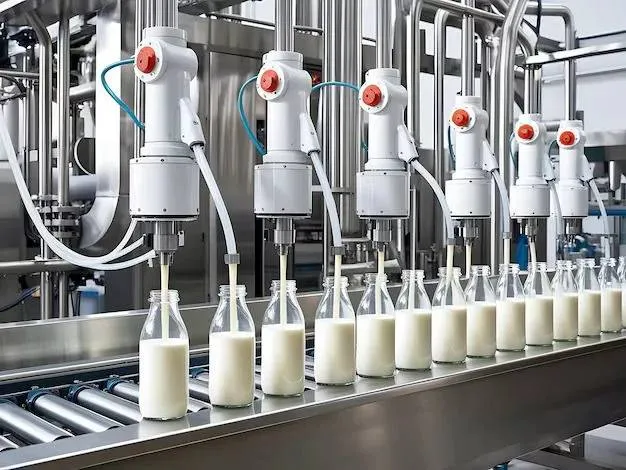
The Milk Handling & Dairy Products Production sector is a critical column of the international food field, with a progressively lively market dynamic. The Dairy Products Manufacturing Business plays a central role in this sector, with its market dimension, share, trends, earnings, and other crucial aspects offering compelling reasons for investment. Market Size and Share Global Dairy Products Market size was valued at USD 530 billion in 2021 and is predicted to reach over $880 billion by the end of 2027 with a CAGR of 5.4% throughout the forecast period. This significant development owes to boosting consumer need for milk items, increased value of dietary calcium intake and widespread usage of dairy products in growing markets. Market Trends In fact, there have been a number of significant treads in the milk business for recent years. Changing consumer preferences towards healthier alternatives has been a key driver to the increasing demand for organic and lactose-free milk products, among other trends. In addition, the fostering of ingenious technologies for milk processing as well as dairy item production is hastening the market development. Visit this Page for More Information: Start a Business in Dairy & Milk Processing Industry SWOT Analysis Strengths The dairy industry has always been propelled by its large consumer market which spans to almost every part of the world. It offers a varied product line that includes milk, cheese and yogurt among others to serve different tastes and dietary needs. Weaknesses Its major weakness is that the industry is highly vulnerable to raw milk price volatility, which affects profit margins drastically. There are also environmental issues associated with the dairy farming that has it in a position widening their security risks. Opportunities Additional white spaces exist in product innovation (e.g., plant based, dairy free lactose). Another sizable opportunity is scaling up in export markets, which are seeing increased dairy consumption as well but have classically been supply-constrained by enforcement of trading standards that recognize only a limited range of products. Threats There are percolating threats to the industry stemming from rising veganism and environmental concerns. Compounding this, of course, will be the potential regulatory changes required for confectionery and biscuit lines to adhere with higher-end animal welfare and or environmental sustainability measures. Profitability Analysis Dairy profitability is determined by various factors including returns from raw materials cost reductions mainly milk prices, labor and operational efficiencies. The fact that consumers keep wanting dairy products of great versatility makes the industry still a profitable one. Global Expansion and Localization The dairy industry is now ever-global, with key players seeking broader markets for their increasing dairy consumption. But in order to do this, you must have an astute knowledge of local tastes and preferences. Localization strategy is the way to go, products can be adapted-fined tuned according local taste buds or raw materials for production sourced locally. Supply Chain The dairy industry supply chain extends all the way from farms to processing plants, to retailers and then consumers. The limited shelf life of most dairy products makes effective supply chain management essential to freshness and quality. Branding and Marketing Brands are now focusing on health benefits and organic practices, thanks to the brands that have pivoted towards clean eating. These strategies strike a chord with the health-conscious, environment-friendly consumers of today and influence them to choose said brands. Regulatory Changes and Industry Compliance Regulatory changes are both challenges and opportunities for the dairy industry. Of course, regulations including those focused on the welfare of animals and what level of compliance is expected from an ecological standpoint may well add to operating costs but this itself can drive productivity through innovation leading consequently perhaps to a way in which brands might differentiate themselves. Technological Innovation Technological advancements, such as introduction of precision dairy farming, robotic milking systems and more advanced processing lines. Such technologies improve operational efficiency, contribute to better product quality and potentially help firms address environmental issues. Competitor Analysis The dairy industry is competitive with local and global players running in the business. Assessing competitors is important to understand where the market stands and hence, identify ways how your businesses can benefit by doing things differently. Future Opportunities The industry has a potential future with statutory and uses three growth opportunities. This involves identifying growth opportunities in product innovation to address new dietary trends, leveraging the configurability of e-commerce for more direct-to-consumer sales and breaking into higher-growth yet often under-served regions. Read our Books Here: Milk Processing, Dairy & Dairy Products, Poultry Industries Product Innovation With changing consumer tastes and dietary preferences in this fast-paced world, there is a significant chance for innovation of new food products. This is an area where tastes and preferences are shifting (such as consumer demand for lactose-free dairy products increase due to rising level of the condition, globally). As well, the number of people looking for organically-produced dairy products produced without antibiotics or synthetic hormones continues to grow. By the way, enticing prospects are afforded by plant-based ‘dairy’ products of tomorrow. Though not dairy in the classic sense, these products target a fast-rising class of consumers looking for better-for-your dairy alternatives driven by health, ethics or sustainability concerns. Novel products, like high protein dairy snacks or so-called functional foods with added health benefits all represent openings in the market as well. Innovations are the way dairy companies can manage to reach out and cater to a larger customer base than ever before continuously evolving their product profile, which helps keep themselves in front of the market. E-Commerce and Direct-To-Consumer Sales The other major pocket of opportunity in the dairy industry is the emergence of e-commerce. Dairy companies can have direct access as more and more consumers move to online platforms for shopping because of their convenience. Direct-to-consumer sales boasts higher margins and allows you to build a relationship with your consumers. They also give great information on market trends, and individual customer behavior that can be used to develop better products or marketing strategies. Expansion
Ginger Cultivation and Value-Added Product Manufacturing: A Profitable Business Startup

Ginger, an herbaceous seasonal, has actually been one of one of the most extensively utilized medicinal plants worldwide due to its various health and wellness benefits. Over the years, ginger farming and the manufacturing of value-added ginger items such as ginger storage space, ginger oil, ginger powder, ginger paste, ginger beer, instant ginger powder drink, and also completely dry ginger from green ginger have emerged as a successful market. This write-up aims to check out the factors to purchase this industry as well as the future opportunities it provides, based on its market size, share, trends, SWOT evaluation, as well as a lot more. The worldwide market for ginger and its value-added products is broadening at a rapid rate. According to a recent market study report, the ginger industry was valued at around $4.3 billion in 2021 and is predicted to reach about $6. Globally, Asia-Pacific is the largest ginger generating location; China and India collectively represent above other half of the global manufacturing. The value-added ginger products market has actually seen a remarkable upswing as a result of increasing consumer choice for convenience foods and also health-oriented products. The ginger oil market alone, driven by its applications in drugs, cosmetics, as well as food & beverages, is forecasted to get to around $250 million by 2025, growing at a CAGR of 9.2%. Numerous fads are influencing the development of the ginger industry. One is the rising customer understanding concerning the health benefits of ginger, including anti-inflammatory effects, nausea reduction, and also possible weight reduction advantages. This has actually resulted in a surge popular for ginger-infused items. Furthermore, there is a significant rise in the need for natural ginger products as a result of raising wellness consciousness and environmental awareness amongst consumers. The fad in the direction of natural and also organic products, coupled with the growing disposition in the direction of vegan and gluten-free diet regimens, is propelling the ginger market forward. Developments in product advancement and also packaging are another essential fad. Suppliers are introducing a variety of ginger-infused items, consisting of ginger teas, sweets, baked products, and drinks. The packaging sector’s developments have additionally contributed to maintaining the top quality as well as extending the shelf-life of these products. Visit this Page for More Information: Start a Business in Ginger Processing Industry Related Business Plans: Ginger Cultivation, Ginger Processing and Ginger value added Products The ginger industry has a bright future ahead. Increasing preference for natural & organic products alongside with increasing health awareness among consumers, opens up new market opportunities for ginger-infused product developers. Demand for ginger in pharmaceutical and cosmetics industry as it has therapeutic properties will fuel the market opportunity Modern technology can also offer new ways to grow and processes of plants that are easier on the earth. Producing higher yields and quality products. Meanwhile, the rise of e-commerce is encouraging more online sales and this gets manufactures an opportunity to serve diversified consumers both in urban centers as well as remote areas. The industry can also derive more benefits from technology applications such as precision farming, which employs IT to observe and manage crop health, enabling an increase in yield levels while minimizing waste. Also, on a supply chain front AI with machine learning capability can automate and enhance these processes while reducing costs delivering more quickly. The advent of the circular economy presents an incredible opportunity for ginger. The idea is about zero waste, utilizing to the max. Here manufacturers can also find new homes for their by-products of ginger processing, e.g. the peel could be used in composting as well as extract a dietary fiber or pectin from it. The march towards sustainability in the food & beverage industry also supports the usage of organic farming, thus limiting environmental severity and satisfying consumer inclinations for natural world ginger products. And public-private partnerships can create a path for even greater growth in the field. There should be government initiatives in support of domestic farmers for the cultivation of ginger; hence supply chain can get stabilization and grow with steady trajectory regarding raw material procurement. So, for investors seeking to take some luck in this space, there are a few strategies that could be considered. Like any kind of market, the ginger cultivation and manufacturing field also lugs particular risks, including climate-related risks, supply chain disturbances, as well as fluctuations in raw material costs. Applying a robust danger monitoring approach, such as protecting comprehensive insurance policy protection as well as embracing sophisticated supply chain administration methods, can assist mitigate these risks. In conclusion, the ginger farming and also value-added ginger items producing sector provides a compelling financial investment chance. The sector’s durable development, buoyed by enhancing consumer understanding regarding the health benefits of ginger as well as the expanding trend in the direction of natural as well as natural items, uses an appealing overview. At the same time, the myriad of possibilities that exist in advance, from the untapped capacity of the e-commerce sector to the potential customers opened by lasting and also innovative agricultural practices, pave the way for the sector’s further expansion and earnings. While challenges exist, calculated preparation, development, and a positive method to take the chance of monitoring can browse these obstacles, making the sector a lucrative financial investment proposition. As we advance towards a health-conscious and also sustainability-oriented global economic climate, the need for ginger and its value-added products is only readied to expand, making currently a suitable time to purchase this blossoming sector. Over the past several months, our team has been committed to creating a comprehensive and engaging piece of work that not only embodies our vision and passion but also serves as a resource that we believe will be invaluable to our readers. Visit the page Select and Choose the Right Business Startup for You for sorting out the questions arising in your mind before starting any business and know which start-up you can plan. We, at NPCS, endeavor to make business selection
Industrial Gas Applications: A Deep Dive into Their Widespread Utility

Industrial gases play a vital role in numerous industries consisting of healthcare, production, and also chemical sector, standing for a dynamic and important market. They have functional applications varying from enhancing process efficiency to preserving item top quality. A feasibility as well as techno-economic practicality research is essential to recognize the possible chances and also challenges in investing in the commercial gas sector. Common Uses Industrial gases like oxygen, nitrogen, as well as carbon dioxide are made use of in diverse applications. Oxygen is vital in steel manufacturing as well as medical care; nitrogen is crucial for food conservation as well as chemicals, and also co2 finds its uses in drink carbonation and oil healing. Feasibility and Techno Economic Viability Study Purchasing the industrial gas sector needs a thorough analysis of financial viability as well as technical feasibility. With an enhancing demand for commercial gases, particularly in arising markets, recognizing the technical subtleties, financial ramifications, and also return on investment is important. Why Invest in this Manufacturing Industry Trends and Analysis The global industrial gases market is witnessing growth, owing to the rising need in various industries. Advancements of technology and growth in end-use applications, are driving forces propelling the expansion of industrial gas market. The increasing demand for clean energy sources also contributes to the expansion of this sector. Visit this Page for More Information: Start a Business in Industrial Gases Industry SWOT Analysis Profitability Analysis Given the revenue generation, operating expense and net profit margins are very important for analysts to evaluate before they decide on owning a stock. High profitability is seen in the sector, driven by longstanding demand and a variety of industrial gas applications. But large shifts in raw material prices and operating expenses can affect that profitability. Global Expansion and Localization Keeping in mind that global expansion is crucial to entering emerging markets, but at the same you have to localize what users wish to see – norms over time bracket and customer preferences. To serve varied markets efficiently, a middle-of-the-road stance is essential as regulators, community vibes and even consumer habits differ from region to region. Supply Chain Supply chain in the industrial gas sector includes, purchase-production-circulation and logistics area which is very important. A streamlined supply chain minimizes threats related to supply disruptions as well as boosts operational efficiency. Branding and Marketing Branding elevates the viewed worth of products, while advertising and marketing approaches enhance exposure as well as consumer involvement. Reliable branding and advertising are indispensable for placing in open markets as well as are essential components for success in the commercial gas industry. Regulatory Changes and Industry Compliance Strings need to be regulatory compliant and change frequently requiring flexibility. Failure to comply can have legal ramifications and damage brand reputation. Following governing changes and also making sure that conformity is kept up to date. Technological Innovation Innovations in innovation lead to the development of new applications and boost operational efficiency. It is because modern technologies ought to be Sophisticated by integrating First-rate and secondly-amount innovations, marketers can continue in the world of business. Future Opportunities Industrial gas remains an exciting sector with growth potential, especially in emerging markets and developing new applications. Rising demand for healthcare services and clean energy sources also make this sector of the economy more attractive going forward. Feasibility and Techno-Economic Viability Economic Viability This is about whether it will be adequate to provide financial stability and profit when investing in such industrial gas production. Economic viability assessment is important as production units require substantial capital investment and have variable operational costs. Technological Feasibility It is very important to have a proper tech study done on the available as well required technology for industrial gas production. It also depends upon the scale of an industry being a small or big unit, and to determine how much ease more awesomely we can produce industrial gases, its quality control parameters, whatever it will meet the industrial standard. Global Expansion and Localization: Detailed Overview Global Expansion Companies will need to reach the individual segments far more than they have now, in order to include them within their clientele and expand into emerging markets. Successful global expansion requires an understanding of regional market dynamics, consumer preferences and local competition. Localization Strategies Because strategies such as forging local partnerships, abiding by regional norms and adapting products to be more amenable with natives are vital. And this means businesses are being absorbed in local ecosystem, leading to consumer faith and loyalty towards brands. In-depth Supply Chain Analysis Supply chain management is significant, meaning it must have been planned and arranged in the best strategic way. It covers from the procurement of raw materials, manufacturing development up to warehousing, distribution and logistics line, it is making certain you are timely available in responsive industrial gases product delivery arena. As a result, we need to streamline the process in which human interventions are fed. Branding and Marketing Strategies Branding and marketing are synonymous of creating brand value for delivering consumer engagement. Using market research in order to identify customer expectations and industry specifications allows the company to raise brand awareness, its overall presence on the market. Regulatory Changes and Compliance: Comprehensive Insight The regulatory landscape for producing and distributing industrial gases is in a state of constant change. These can range from environmental law, health and safety regulation, internal policies on quality management systems or product compliance. To not only avoid any legal actions but also brand image, it is crucial to regularly audit and adhere to these standards. Technological Innovation and its Impact By incorporating the latest technologies, industrial gas production is undergoing a transformation. Technological advancements in purification, compression and distribution systems are driving the market witnessed to burgeoning growth attributes with significant returns on investment. Keeping up with developments in the tech world is key to make sure that we are staying relevant, and meeting the future requirements of our markets. Deep Dive into Profitability Analysis Understanding the earnings streams,
Future Viability of Indian Agrochemicals: A Techno-Economic Feasibility Assessment
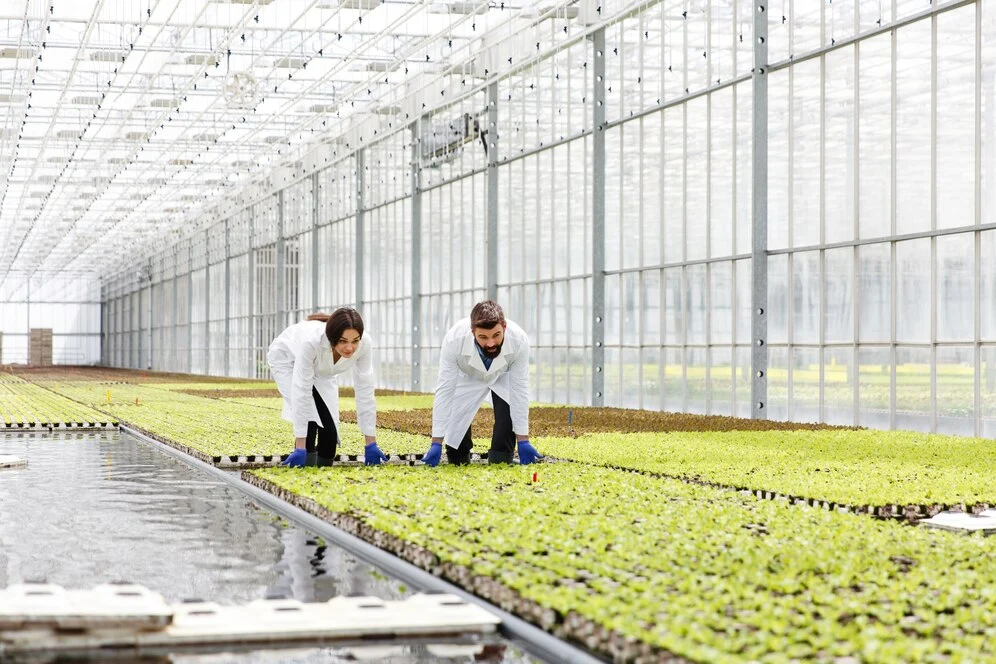
India is a mostly agricultural country, with agriculture audit for over 16% of the country’s GDP and also using nearly 43% of the labor force. The agricultural market deals with plenty of obstacles, including reducing water sources, lowering land performance, in addition to increasing need for food to feed a broadening population. To fulfill these needs, the Indian farming market must invite new developments and also advancements to improve performance as well as make certain food safety and security as well as protection. One such enticing technique is the growth of the agrochemical market. In this 3000-word blog site, we will find the usefulness as well as techno-economic feasibility of the Indian agrochemical market. We will certainly explore the marketplace’s development licensed operators, its possibility for technology, the environmental as well as regulative troubles, as well as also the basic financial impact on India’s farming area. Visit this Page for More Information: Start a Business in Agrochemicals Industry The Indian Agrochemical Market A Review The agrochemical market makes up items such as fertilizers, pesticides, herbicides, and also fungicides, which assist enhance plant return as well as additionally premium. The farming industry in India has actually been going with a whole lot of growth off late as well as the agrochemical market over there is likewise no various, many thanks to aspects such as populace rise, raising recognition among farmers and federal government initiatives targeted at enhancing farming efficiency. The Indian agrochemical market, by marketing research, is expected to increase at a compound yearly growth price (CAGR) of around 7.5% in between 2021, as well as 2026. While this can be due to things like: Expanding Demand for Food With a quickly expanding populace as well as enhancing unrecyclable incomes, the need for food is anticipated to boost in India hence needing more productivity in agriculture. Technical Developments Progression of cutting-edge chemicals along with precision cultivation strategies can improve plant turnouts as well as likewise help the med overcomes the obstacles connected to environment modification, bloodsuckers and also condition. Federal Government Initiatives A few of the programs released by the main government with a goal at increasing farming effectiveness & advertising ideal farming methods consist of Pradhan Mantri Krishi Sinchayee Yojana (PMKSY) and also Rashtriya Krishi Vikas Yojana (RKVY). Innovation in the Indian Agrochemical Market Technology in the Indian agrochemical market can be observed throughout many domain names, including item improvement, accuracy farming methods, in addition to electronic systems. Some circumstances of cutting-edge growths in the agrochemical sector consist of: Nanotechnology-Based Agrochemicals Scientists are implementing nanotechnology-based agrochemical formulations that possess the capacity to strengthen its performance and simultaneously decrease the ecological effect of agrochemicals. These nano formulations can improve the solubility and absorption price of activated ingredients, making it possible for decreased dosages as well as minimizing the opportunities for chemical leaching. Biostimulants A biostimulant is a natural based product which contains organic or all-natural ingredients that are known to boost plant growth, vigor and overall health. Boosting biofertilizers just as well as biostimulants, it instead contributes to the initiation of urban farming and control on agrochemical fertilizers. Accuracy Farming Modern technologies such as remote noticing, drones and variable-rate innovation can assist the cultivation sector utilize agrochemicals extra effectively along with reducing their ecological impact. Environmental and also Regulative concerns The Indian agrochemical market is controlled by several eco-friendly as well as regulative concerns such as: Environmental Problems Such excessive use agrochemicals might result in dust wear and tear, water air pollution along with damage to non-target living beings. This kind of concerns can be addressed though the cut off green agrochemicals together with promotional code of bundled infestations operations (IPM) measures. Regulatory Difficulties The Indian agrochemical industry encounters tough policies to guarantee the protection and efficiency of agrochemical products. In India, the control of use of agrochemicals would come under one or the other regulatory authorities such as the Central Insecticides Board & Registration Board (CIBRC) for registration, import, manufacture and sale etc. This process of legislation can also be lengthy as well as intricate, resulting in delays in product approvals and market access. Read our Book Here: The Complete Technology Book on Chemical Industries Related Feasibility Study Report: Chemicals (Organic, Inorganic, Industrial) Projects Imitation Products The Indian agrochemical market has actually been coming across the issue of replica as well as spurious products, which not only impact the sector’s reputation but also position dangers to farmers as well as the setting. Strengthening governing systems and also enhancing understanding amongst farmers can aid curb this problem. Techno-Economic Feasibility of the Indian Agrochemical Market The techno-economic usefulness of the Indian agrochemical market can be reviewed by examining many variables, such as market possibility, financial investment possibilities, and additionally the monetary result on the farming area. Market Ability Increasing population, enhancing consumption level as well as focus on lasting agriculture provides significant scope for growth in the Indian agrochemical marketplace. Additionally, the goal to double the income of farmers by 2022 is an additional prospects factor for agrochemicals growth. Financial Investment Possibilities The Indian agrochemical sector presents appealing financial investment possibilities for both domestic and also foreign gamers. All these have actually made the Make in India project to attract a number of agrochemical company to set up manufacturing bases in India. In addition, the federal government has actually provided numerous inspirations, such as tax vacations as well as additionally subsidized financings, to prompt financial investment in the agrochemical field. Economic Result on the Farming Industry The fostering of agrochemicals can considerably enhance crop returns as well as additionally help attain food security and safety and security in India. It can also add to the total monetary improvement of the nation by enhancing the earnings of farmers and also creating employment possibility in the agrochemical market. The Highway Ahead Barriers and Opportunities The Indian agrochemical market is positioned for development, however it furthermore comes across several barriers that require to be addressed to make certain long-term development. Lasting Use Agrochemicals Encouraging
Exploring Opportunities in Concrete and Cement Sector: A Guide for Startups

The building market is fast moving, and as such, the demand for new items like concrete, cement, along with associated materials in the industry, continues to grow rapidly. This article goes in-depth into the opportunities in the concrete and cement sector, highlighting the lucrative possibilities that exist within this field. It aims to enable startups to understand why they should be investing in such a resilient and massive industry. PCC Electric Poles: A High-Demand Market A High-Demand Market Pre stressed Concrete (PCC) electric posts stand for a significant segment in the building materials market. With their toughness and reduced upkeep, these posts are significantly liked over standard wood or metal posts. This transition offers an exciting opportunity for startups to establish themselves within a market of constant necessity, fueled by global urbanization and infrastructure development. AAC Blocks: Revolutionizing Building Materials The construction products sector has been witnessing a major shift ever since the introduction of Autoclaved Aerated Concrete (AAC) blocks. Light in weight & having highest strength makes these blocks suitable for modern day construction with imposing versatility of thermal insulation, fire protection and energy efficiency. A clear and growing market can be expected for startups getting into AAC blocks production, especially in areas where sustainable building practices are gaining attention. Polymer Modified Cementitious Tile Adhesives: Enhancing Durability The tile adhesive market is witnessing a shift towards polymer-modified cementitious adhesives. These adhesives offer better strength, flexibility, and moisture resistance, making mega-polymers ideal for residential and commercial use. It is this niche market which can allow for a startup to focus on one aspect of the greater construction industry, but not lose out in terms of demand. Visit this Page for More Information: Start a Business in Construction Industry Concrete Blocks and Ready Mix Concrete: The Backbone of Construction Concrete blocks and ready-mix concrete become the backbone of any construction industry. Both of these propositions are more relevant than ever with construction increasing under the demand, to be cost-effective and faster. The wide market place which is not wringed yet and with the freshness of new ideas in deliverance services as well for product Sustainability requirements can be mobilized by Startups. Precast Concrete Compound Wall: A Growing Trend The appeal of precast concrete for compound walls is rapidly growing due to its cost-effectiveness and quick installation. This market provides startups with a chance to cater to a market looking for fast and reliable building and construction options, specifically in metropolitan and semi-urban areas. Cement Roofing Tiles: Combining Aesthetics and Functionality Incorporating Visual Appeals and Capability Cement roof floor tiles supply a visual yet functional service for contemporary structures. This segment allows startups to discover a market that values both the aesthetic allure and the durability of roofing products. With the ideal technology, there’s capacity for considerable development in this niche area. Portland Cement: The Evergreen Product The Evergreen Item Portland concrete continues to be a fundamental material in the building market. While the traditional roots are an identity, there is room for manufacturing performance and ecological sustainability innovation. By focusing on these aspects, start-ups can differentiate in a solid market. Asbestos Cement Corrugated Sheet: Navigating Challenges Health risks from asbestos have caused a decline in its use and manufacture of asbestos cement corrugated sheets. Startups have a key opportunity to create renewable, healthier alternatives that match benefits amid a major market shift. Cement from Rice Husk: An Eco-Friendly Innovation Making cement from rice husk is an experimental method to make green building materials. Thus, this sphere not only brings sustainable solution, but also solves waste management problem. Related Business Plans: Construction & Building Materials Innovative Use of Cement in Infrastructure: A Lucrative Avenue New engineering methods need original, cost-effective products to replace traditional materials for global infrastructure projects. Cement is very essential to these projects as it provides strength and durability. Startups can meet this demand with specialized cement mixes for high-stress bridges and earthquake-resistant buildings. It allows them to tap into a specific sector while also helping the development of infrastructure technology. Green Cement: Pioneering Sustainable Construction Sustainability is now one of the conditions that are imperative in construction. Green Cements Today, the most obvious emerging area in which there is a high potential for utility, though still largely unrealized by state-of-the-art cements. With investment in green cement production, startups will be at the forefront of a climate conscious market that appeals to expanding consumer and business interests for ecofriendly construction solutions. Fiber Cement: Durable and Versatile Fiber-reinforced cement is a durable, elegant composite material that enhances and transforms your living space. This is used for several applications, right from your roof to siding. As a startup you can get into fiber cement production in an industry that recognizes quality, last-longing materials. One more field for innovating is regarding textures, colors and forms so that the solutions become increasingly customized to customers. Self-Healing Concrete: The Future of Construction Bacteria or other agents that can repair cracks make self-healing cast concrete a leading-edge construction material. Sustainable material that repairs concrete cracks, reducing maintenance costs and extending structural lifespan. This an opportunity for startups to become part of the next revolution in construction industry. Read our Book Here: The Complete Book on Construction Materials Customized Cement Solutions for Specialized Applications Construction projects vary, and the need for cement to be tailored depending on its intended application is increasing. Other startups focus on creating custom cement mixes for particular needs for instance, marine use, chemical-resistance structures or low-temperature applications. This not only serves the unique requirements of customers but also keeps the startup different from a market full-scale product. Sustainable Cement Manufacturing Processes Cement manufacturing Cement is highly energy and CO2 intensive how could we decarbonize this? This area holds great potential for startups to create more sustainable manufacturing solutions for this material. This might include the use of renewable energy, carbon capture technologies to reduce emissions or designing manufacturing in a way that creates minimal waste. Collaborative Ventures in Cement and
Opportunities: Starting Own Journey in the Thinners & Solvents Industry

The chemical industry is an integral part of the international economic climate, and also the demand for thinners and solvents gets on the increase. These products are vital for countless industrial applications such as paint, coverings, adhesives, printing inks, cleaning products, and pharmaceuticals. With an increase in the demand for these products, it is indispensable to evaluate whether manufacturing of thinners and solvents would be feasible or techno-economically viable. On the other hand, a comprehensive study on market competitors and global Clinical Data Analytics industry analysis is provided in this article. Visit this Page for More Information: Start a Business in Paint Industry Over the past few years, it has been observed that the global market for thinners and solvents is growing at a rapid pace on account of increasing industrialization coupled with expanding urban population base along with rising per capita income levels across major developing & developed economies. The global high-intensity sweeteners market is expected to grow from USD 22.3 billion in 2021 to USD 32.4 billion by the end of the year, according to a new report on Reportlinker.com. Asia-Pacific is the largest market in mounting ton pads with a share of around 40% globally. The Fast pace of industrialization in China, India, and Korea has increased the demand for thinner & solvent. And there is a massive market in North America & Europe due to growing industries and demand for non-harmful, bio-based solvents. Trends and Analysis Read our Books Here: Paints, Varnishes, Lacquers, Spirit Varnishes, Solvents, Thinners And Surface Coatings The global thinners and solvents market has experienced significant growth in recent years, driven by increasing industrialization, rapid urbanization, and a growing middle-class population. The market size was valued at USD 22.3 billion in 2021 and is projected to reach USD 32.4 billion by 2028, registering a CAGR of 5.4% during the forecast period (2021-2028). The Asia-Pacific region dominates the market, accounting for around 40% of the global share. Rapid industrialization in countries like China, India, and South Korea has led to an increased demand for thinners and solvents. North America and Europe also have a significant market share due to the presence of well-established industries and increasing demand for eco-friendly and bio-based solvents. By capitalizing on future opportunities such as increased demand for green solvents, expansion in emerging markets, innovation, and focusing on niche markets, companies can strengthen their position in the market and pave the way for long-term success. Over the past several months, our team has been committed to creating a comprehensive and engaging piece of work that not only embodies our vision and passion but also serves as a resource that we believe will be invaluable to our readers. Manufacture of Thinners & Solvents (Properties, Uses, Production, Formulation with Machinery Details) 2nd Edition is an extension of our blog, delving deeper into the subjects we’ve only had the opportunity to briefly explore in our blog posts. It offers further insights, more nuanced discussions, and a plethora of concepts we’ve discussed. We’ve curated the content with great care and attention to detail to ensure that the book complements our existing resources, offering a richer, more detailed exploration of the topics at hand. Businessmen and entrepreneurs might benefit from obtaining detailed reports from NPCS (Niir Project Consultancy Services), and they soon recognize this through resource sales. Following are few justifications for purchasing NPCS report: In conclusion, NPCS report is really valuable for identifying a sector, decision-making and launching any product into the market or investment strategy. Contact Us
How to Start a Bamboo and Bamboo-Based Products Industry

Since bamboo grows fast and requires little water as well as pesticides it is quite a sustainable product. This makes it possible to harvest without hurting the origin system of the plant therefore enabling it recoup promptly. The bamboo is much superior. While typically compared to oak and maple hardwood, bamboo grows in half the time making it ideal for a multi of applications. Bamboo is a building material, furniture item, article of clothing or kitchenware With a broad range of applications it is an incredibly versatile material that opens up loads off possibilities for both innovation and product diversification. Visit this Page for More Information: Start a Business in Bamboo Industry Related Feasibility Study Report: Production of Eco Friendly Bamboo Based Products: Tissue Paper, Paper Bags & Plates Read our Book Here: Bamboo Plantation and Utilization Handbook Visit the page Select and Choose the Right Business Startup for You for sorting out the questions arising in your mind before starting any business and know which start-up you can plan. We, at NPCS, endeavor to make business selection a simple and convenient step for any entrepreneur/startup. Our expert team, by capitalizing on its dexterity and decade’s long experience in the field, has created a list of profitable ventures for entrepreneurs who wish to diversify or venture. The list so mentioned is updated regularly to give you a regular dose of new emerging opportunities. Businessmen and entrepreneurs might benefit from obtaining detailed reports from NPCS (Niir Project Consultancy Services), and they soon recognize this through resource sales. Following are few justifications for purchasing NPCS report: In conclusion, NPCS report is really valuable for identifying a sector, decision-making and launching any product into the market or investment strategy.