
From Production to Application: An Overview of Industrial Gases

Based on industry, the industrial gas sector has emerged as one of the key supporting pillars among a wide variety of industrial processes, medical uses and environmental applications. From nitrogen in food packaging to oxygen in hospitals, the gases are important. But, does it make business sense to invest in generating these gases? Let’s look more closely. Demand is high this year for Industrial gases. They range anywhere from chemical processing, to metallurgy and refining. A feasibility study shows that a reliable supply chain, good technological base and regulation can bring high profitability. Energy storage applications, and healthcare boost demand for industrial gases as the world embraces all things good old green tech, so does this increase demand for gases such as hydrogen. Weaknesses High capital investment Vulnerability to an international economic recession. Opportunities Growth in emerging markets. Growing need for the healthcare and clean energy industries. Threats Potential regulatory changes. Raw material price volatility. Profitability Analysis Supply Chain An efficient supply chain is essential. A strong and efficient enough chain from the sourcing of raw materials to final delivery ensures lower cost as well as timely delivery. Branding and Marketing Ruthless market competition necessitates superior branding. Effective marketing strategies can promote growth in sectors including healthcare, food and beverage or energy. Regulatory Changes and Industry Compliance Compliance is key as in many other parts of the world, environmental effects are regulated with different laws from nation to nation. Therefore, a solution that can comply with local regulation is important as the business expands in various regions. Technological Innovation The development of the sector relies on innovation. Innovative solutions that are being developed to lower the costs and increase efficiencies associated with storage, transportation, and production stand to make all forms of renewable energy even more affordable. Visit this Page for More Information: Start a Business in Industrial Gases Industry Future Opportunities The demand for greener alternatives and the growing healthcare requirements in developing countries offer a range of opportunities. When hydrogen becomes more of a sustainable energy source, the industry may change. The Intricacies of the Industrial Gas Industry: Delving Deeper After giving a brief summary of the industrial gas market and its possibilities for investment, let’s further analyze the many aspects of this industry that frequently go overlooked but are crucial to determining its course. Detailed Analysis of Selected Gases Oxygen (O2) Applications: Healthcare, metallurgy, water treatment. Market Dynamics: Market drivers and increasing demand for oxygen in healthcare sector, particularly among developing countries are likely to drive the global medical grade oxygen market. Furthermore, essentially every industry that utilizes a steel-making process will have an ongoing need for oxygen. Challenges: Keeping it clean for medical use and storing in one of the coldest places on earth. Hydrogen (H2) Applications: Refinement, chemical synthesis and a prospective source of fuel. Market Dynamics: Growing international green energy effort compels renewable hydrogen as the future clean fuel; demand surges. Challenges: While production remains predominantly fossil-fuel powered, some eco-friendly methods of emissions-free and sustainable use have emerged. Carbon Dioxide (CO2) Applications: Beverage carbonation, refrigeration, enhanced oil recovery. Market Dynamics: Because of its usage in the booming beverage industry and with innovative applications like vertical farming, CO2 market is very promising. Challenges: Addressing environmental impact through sustainable sourcing. Supply Chain Nuances Just as mentioned before, an effective supply chain is immensely necessary. Its intricacies include: Sourcing: Sustainable and local help can reduce procurement cost as well the carbon footprint. Storage: Industrial gases are usually made at deeply low temperatures or in high amount. This requires massive investment in infrastructure. Distribution: Timely deliveries depend on efficient distribution channels, such as pipelines and dedicated fleet vehicles. Emerging Markets – A Closer Look Africa, Southeast Asia and some of South America are now approaching levels of industrialization. Their needs vary, with some regions requiring more of specific gases for their dominant industries: Africa: The rise in healthcare infrastructure increases the demand for medical gases. Mining operations in several African countries require gases like oxygen and nitrogen. Southeast Asia: During the same month, strong demand from electronics manufacturing backed by rapid industrialization and fast-growing tech industry are riding high in Southeast Asia. Evolving Consumer Needs and Demands As industries expand and diversify, the need for certain gases changes: Electronics: Rare gases such as neon and xenon are extremely important for certain applications in the electronics sector. Food & Beverages: Nitrogen and CO2 are used in packaging, preservation, carbonation etc. Automobile: If fuel-cell hydrogen can be produced more and at higher purity, it should help boost demand. Environmental Impacts & Sustainability In a world where, like it or not, sustainability is the matter of choose you can’t afford to avoid. The industry is under pressure to: Reduce Carbon Footprint: Turning to renewable energy, sources for production. Develop Eco-friendly Alternatives: Particularly for high potential gases e.g. SF6. Training and Skill Development As technology progresses the demand for skilled manpower also broadens. Investing in: Training Programs: For the proper use and storage of gases. Research & Development: Enabling innovation, new applications. Related Business Plan: Production of Industrial Gases and Speciality Gases Mixture Competitive Landscape & Strategies Not many, only few companies have major hold in industrial gas sector. It is pivotal for new entrants to have insights of the fierce competition: Market Leaders: Firms, such as Linde, Air Products and Air Liquide have significant presence across the globe. Competitive Strategies: Differentiation can simply be based on purity levels, sustainable production methods and efficient distribution channels. Economic Impacts & Forecasting Demand can be affected by a slowing economy, but some sectors remain resilient: Healthcare: Demand for gases including oxygen remains stable in this space. Agriculture: The increase in controlled-environment agriculture means that demand for CO2 should hold up well. Long-term success, meanwhile, hinges on forecasting regional economic trends and global movement toward sustainability as well emerging industries. Regulatory Changes: A Deep Dive An important point here is to know the regulatory realm of a region: Europe: Severe integrating regulations, especially on
Polyester Resin Manufacturing: A Lucrative Investment Opportunity Explained

In this post, we will certainly check out the reasons investing in producing polyester resin is a smart business choice. We will also take a look at the present market fads, possibilities, as well as challenges connected with this sector. Visit this Page for More Information: Start a Business in Epoxy Resin Industry The international polyester material market was worth USD 63.7 billion in 2020 and is projected to grow to USD 84.2 billion by 2026, with a CAGR of 4.3% during the forecast period. The expanding need for polyester material in numerous end-use industries such as building, transport, and also durable goods is driving the development of this market. One of the major vehicle drivers of the polyester material market is the enhancing need for light-weight and sturdy materials in the transportation industry. Making use of polyester material in the production of auto components, such as bumpers, body panels, and indoor parts, is boosting because of its lightweight, high stamina, and also resistance to ecological variables. This is helping to decrease the weight of automobiles, which in turn helps to boost gas effectiveness and lower discharges. Read our Book Here: Handbook on Speciality Gums, Adhesives , Oils, Rosin & Derivatives, Resins, Oleoresins, Katha, Chemicals with other Natural Products The building sector is an additional significant end-user of polyester resin, as it is commonly used in the production of structure and building materials such as fiberglass strengthened plastic (FRP) and compounds. It is characterized by its endurance, toughness, strength and resistance of environmental elements; making it the perfect assembly material in a variety of construction applications like roofing systems, floor covering wire braiding and wall cladding. Consumer goods manufacturers in the durable goods sector especially are an important end user of polyester resin. They use it in the production of, for example, equipment items, electrics and appliances and toys. Making use of polyester material in the production of consumer goods is increasing due to its high stamina, longevity, and resistance to ecological elements. The raisings demand for polyester material in different end-use sectors presents a significant possibility for producers and investors. The growing demand for durable and permanent products will allow market players to expand their market share and boost revenues by extending the use of polyester material. Related Business Plan: Unsaturated Polyester Resin Sustainability & eco-friendliness to emerge as a key area of growth development opportunities for the polyester material market also revolve around increasing demand for sustainable and ecological are pressure. Manufacturers are expected to increasingly use polyester material in producing durable items, such as renewable energy systems and green building products, creating significant growth opportunities Another development chance for the polyester resin market is the boosting demand for high-performance products in different end-use sectors. Manufacturers increasingly use polyester resin to produce high-performance products, such as aerospace components and advanced compounds, creating significant growth opportunities. Despite the significant opportunities in the polyester material market, there are likewise a number of obstacles that producers as well as investors require to be aware of. One of the significant obstacles is the boosting competitors in the marketplace, as increasingly more manufacturers are entering the market as well as expanding their production capacities. One more challenge dealing with the polyester material market is the increasing expense of resources. The climbing price of basic materials, such as petrochemicals as well as other chemicals, is making it harder for manufacturers to keep revenue margins as well as compete out there. To overcome this obstacle, producers need to focus on reducing their manufacturing expenses and also improving their production performance. Investing in manufacturing polyester resin is a smart company choice due to the expanding demand for durable as well as lasting items in different end-use industries. The market for polyester material is anticipated to grow in the coming years, providing suppliers with considerable growth chances. Nonetheless, producers and financiers require to be knowledgeable about the difficulties in the market, consisting of competition as well as the increasing price of basic materials. To get rid of these obstacles, manufacturers require to concentrate on minimizing their manufacturing prices and enhancing their production efficiency. Constructing polyester product can span an expanding market and please the rising demand for solid, sturdy goods. Over the next few years, however, manufacturers that do business with the right mindset and invest into this strategy can expect significant growth and profitability. Visit the page Select and Choose the Right Business Startup for You for sorting out the questions arising in your mind before starting any business and know which start-up you can plan. We, at NPCS, endeavor to make business selection a simple and convenient step for any entrepreneur/startup. Our expert team, by capitalizing on its dexterity and decade’s long experience in the field, has created a list of profitable ventures for entrepreneurs who wish to diversify or venture. The list so mentioned is updated regularly to give you a regular dose of new emerging opportunities. Contact Us
Fractional Distillation Unit: Essential Oils Extraction Process
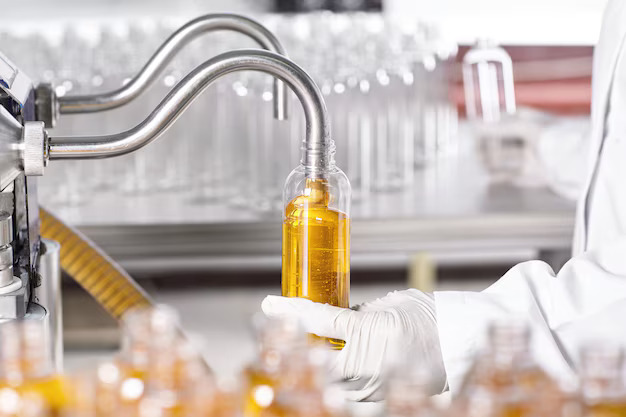
Fractional distillation units play an essential function in the Essential Oils Extraction Process, particularly when removing valuable oils from citrus fruits like lemongrass, palmarosa, and citronella. These oils are highly valued in the aromatherapy, pharmaceutical, and cosmetic sectors. The unique scent and therapeutic properties of these oils make them a popular choice in a variety of products. The expansion of the global market for necessary oils is mainly driven by increased demand for natural and organic products. Citrus essential oils are in demand more than ever due to the growing trend towards aromatherapy and taking an interest in natural wellness products. Buying fractional purification units for citrus oils offers a twin benefit: tapping into a growing market and advertising sustainability. By using every part of the citrus fruit, organizations can decrease waste and boost their profitability. The market for these oils is expected to continue its higher trajectory, providing lucrative chances for startups. Similar to its nutrient material, orange juice is a staple for families around the world and continues; understood not simply for its zingy taste. There is always a demand for an orange juice plant with cold store where the setup to produce right type of oranges from this kind in good market quality will actually keep returning results over time. The worldwide orange juice market is affected by elements such as health fads, taste choices, and benefit. The introduction of cold store facilities enables extended life span and freshness, making it an eye-catching financial investment. The sector is ripe for technical advancements in processing and storage space, which can additionally enhance performance and reduce costs. Purchasing such facilities can yield high returns because of the constant need and possibility for export. This will help a company to capture the mid-range market by expanding in other fruit juices that can be based on pineapple, banana, orange and guava. Ultimately the juices themselves have unique health benefits and flavor profiles that all appeal to various consumer segments. The market for combined and single-fruit juices is expanding, driven by the global change in the direction of healthier beverage alternatives. Customer preferences are progressively leaning in the direction of foreign and mixed fruit tastes, supplying a vast market to use. Branching out right into multiple fruit juice manufacturing can minimize market risks and appeal to a larger audience. The field assures growth, especially with advancements in packaging and taste combinations. Handling fruits like mango, lychee, pineapple, orange, and pomelo for focuses and canned juices includes value to raw fruits. These products satisfy both the retail and industrial markets, being utilized as components in a wide range of food. There is an expanding demand for fruit focuses and canned juices, driven by their ease and rack stability. These products are also prominent in the food service sector, utilized in beverages, treats, and culinary prep work. Buying fruit handling for focuses and tinned juices can be very successful, given the versatility of these products and their extensive market acceptance. Breakthroughs in processing modern technology can additionally boost the quality and allure of these items. Agreement farming of citrus fruits like oranges, tangerines, pineapples, papayas, watermelons, enthusiasm fruit, and mangoes provides a sustainable and reliable means to secure raw material supply. This approach benefits both the cpu and the farmers. It makes sure a consistent market for farmers while offering companies with a reliable source of top notch fruits. The same also promotes sustainable agriculture practices. The demand for citrus products is increasing and businesses are aiming to ensure a stable supply chain which will increase the adoption of contract farming. This layout even more aligns with worldwide patterns in the direction of sustainability as well as ethical sourcing. The removal of pectin from citrus peels and apple pomace transforms waste items into important commodities. This not only includes an extra earnings stream yet likewise contributes to throw away decrease and environmental sustainability. Pectin removal centers, at least from this perspective already worth should also be very profitable; especially with the increasing demand for natural and organic products. The future also is ripe for development in extraction and processing methodologies that could increase efficiency, providing a better end product by nature. Modern handling techniques are critical for citrus production to increase productivity, improve product quality and sustainability. Citrus products are processed with the use of advanced techniques like ultrafiltration, pasteurization and cold press extraction. Turning quality and profitability in citrus even higher, the development has now brought an answer to develop innovative product breakthrough that is already available but yet to be implemented. They allow to launch new products that touch consumer preferences. Visit this Page for More Information: Start a Business in Essential Oils Industry Investing in sophisticated handling innovations can supply a considerable competitive advantage. It can bring about cost financial savings, product differentiation, and accessibility to costs market sections. The worldwide trade dynamics of citrus fruits are influenced by aspects like production quantities, international profession plans, and customer choices. Comprehending these dynamics is essential for organizations seeking to enter or broaden in the international market. There are significant chances in both exporting and importing citrus fruits and products. Exporting can open up brand-new markets and increase revenue streams, while importing can help satisfy domestic need and diversify product offerings. Navigating the challenges of global trade, such as tolls, trade obstacles, and logistical concerns, is necessary for success in the worldwide market. Organizations require to stay enlightened and adjust to altering trade landscapes. Effective waste monitoring and utilization are critical in the citrus processing sector. This involves finding innovative ways to use by-products and minimize waste, which can bring about cost savings and environmental advantages. Citrus waste can be used in various applications, consisting of pet feed, biofuels, and garden compost. There is also possible in removing beneficial compounds like flavonoids and nutritional fibers from citrus waste. Taking on lasting methods in waste monitoring straightens with the principles of a circular economic climate. It not just lowers ecological impact yet likewise
Feasibility and Techno Economic Viability Study on Toothbrush Manufacturing

Both the expediency and techno-economic practicality research play an instrumental function as it related to the growth of a new item or process. This paper provides a technical and economic analysis to the suggested project to find out if it can be financially viable among other standards. The study is intended to figure out the feasibility and also value of the recommended project as well as to offer a clear picture of the project’s financial viability. In this post, we will concentrate on the usefulness and also techno-economic feasibility study for the production of tooth brushes. Toothbrushes are used worldwide by people of all ages for oral hygiene. Over recent years the requirement for tooth brushes have actually been on the rise due to among other points. growing awareness in oral health and wellness. Visit this Page for More Information: Start a Business in Plastics and Polymers Industry Toothbrushes are a much commoditized product, with lots of brand names providing a large range of items in the marketplace. The international toothbrush market will likely grow steadily in the coming years, driven by rising demand for oral care products and increasing awareness of dental hygiene. The toothbrush market can be fractional right into manual tooth brushes and also electric toothbrushes. Manual toothbrushes represent the traditional type and remain the most commonly used. More and more people prefer electric toothbrushes because they clean teeth effectively and offer greater ease of use. In terms of location, the tooth brush market is highly fragmented, with a multitude of gamers running in different areas. The Asia-Pacific region is the biggest market for toothbrushes, driven by the expanding population and also raising understanding of dental hygiene in the region. The North American and European markets are additionally considerable, with a multitude of players operating in these areas. The technical feasibility of the toothbrush production task will certainly depend on numerous elements, consisting of the schedule of basic materials, the manufacturing procedure, and the required equipment and machinery. The financial feasibility of the toothbrush manufacturing project will certainly rely on several elements, consisting of the cost of resources, the cost of manufacturing, as well as the expected sales revenue. The expense of raw materials is a substantial consider the economic feasibility of the toothbrush manufacturing job. The price of nylon bristles and plastic takes care of will depend upon the provider as well as the quality of the materials utilized. Adhesives are reasonably affordable and do not significantly influence the overall manufacturing cost. Read our Books Here: Polymers and Plastics Technology Handbook The price of production will depend on the range of the manufacturing process and also the price of the devices as well as equipment utilized. The expense of manufacturing will likewise be affected by the price of labor, power, and other operational expenses. The economic usefulness of the tooth brush production job will depend upon the expected sales income and also the expenses associated with the project. You can evaluate monetary feasibility by conducting a cost-benefit analysis and developing a financial model to estimate the anticipated ROI and payback period. The cost-benefit analysis must consist of all the prices connected with the project, consisting of the price of resources, the expense of production, the expense of equipment and also machinery, and any other operational costs. The benefits of the project ought to include the expected sales profits, the anticipated ROI, as well as the payback duration. The financial version ought to include a detailed analysis of the expected cash flows, the anticipated prices, and also the anticipated revenue. The version should likewise consist of an evaluation of the level of sensitivity of the outcomes to modifications in vital assumptions, such as modifications in the price of raw materials or changes in the anticipated sales profits. Watch other Informative Videos: Production of Plastic Toothbrushes | Oral Care Products Industry An expediency and techno-economic feasibility study is a crucial action in the advancement of a brand-new product or process. The research study offers an assessment of the economic feasibility of the proposed task, including its technological as well as monetary aspects. The expediency and also techno-economic stability research study for the manufacturing of tooth brushes has revealed that the task is financially sensible, with a favorable return on investment and an affordable payback duration. The market for toothbrushes is expected to expand in the coming years, driven by the increasing understanding of oral health and the growing need for dental treatment items. However, the success of the project will depend upon several aspects, including the cost of basic materials, the price of manufacturing, as well as the anticipated sales income. A thorough monetary model should approximate the expected ROI and payback period, and the team must conduct a sensitivity analysis to evaluate how changes in key assumptions affect the results. The toothbrush production task is economically viable, and also there is a strong capacity for success in the marketplace. The job needs to be sought, subject to a thorough economic analysis and a complete analysis of the threats entailed. We, at NPCS, endeavor to make business selection a simple and convenient step for any entrepreneur/startup. Our expert team, by capitalizing on its dexterity and decade’s long experience in the field, has created a list of profitable ventures for entrepreneurs who wish to diversify or venture. The list so mentioned is updated regularly to give you a regular dose of new emerging opportunities. Contact Us
How to Start a Manufacturing Business of Ethyl Acetate
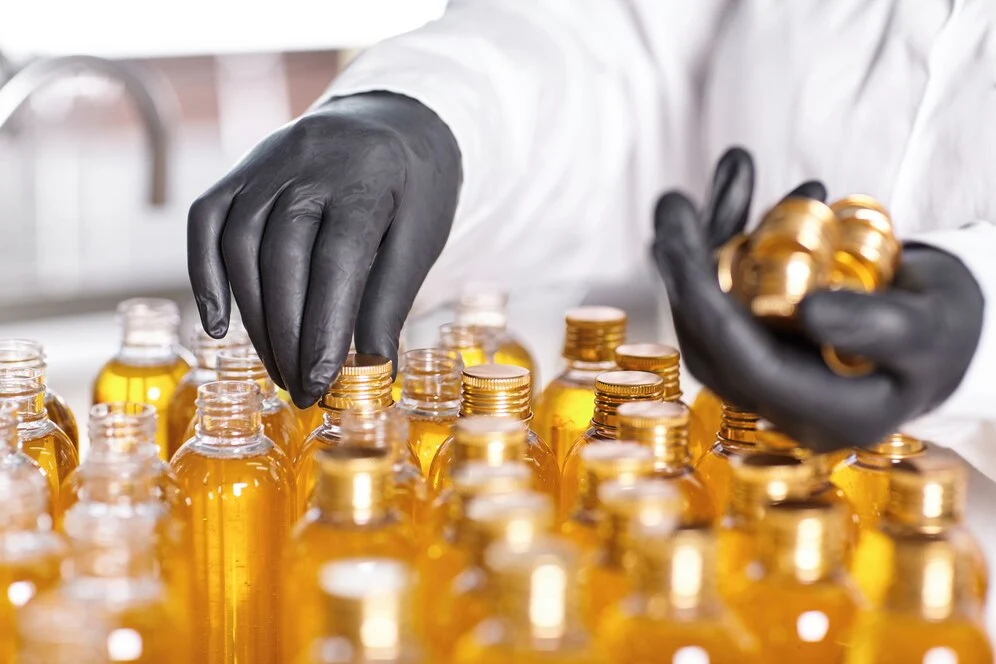
The height of starting a production service is a big-time commitment and any productive manufacturing business begin to take thoughtful determinations, important dollar investments in addition with an awareness of the industry. Ethyl acetate is widely used chemical compound in many areas among which food and beverage, cosmetic, and pharmaceutical industry. As a result, the manufacturing of ethyl acetate is an opportunity for entrepreneurs to start out as owners while offering their skills and with regards to resources. In this blog site, we will go over the steps entailed in setting up a production organization of ethyl acetate, which incorporates market research study, product creation, establishment format as well as lawful and regulatory compliance. The initial step in starting a manufacturing organization of ethyl acetate is to carry out complete market research to figure out the need for the product and the possible competition. Ethyl acetate is commonly utilized in numerous industries, as well as the need for the item is likely to be high. However, it is necessary to identify the particular industries and applications that are one of the most encouraging for your service. Visit this Page for More Information: Start a Business in Ethyl Acetate Production One of the steps in research can be to accumulate data on a number of web pages around the worldwide ethyl acetate market, as well as its manufacturing and usage profession. ​ You can also research the different uses of ethyl acetate and the industries that use it. This info will help you to recognize the need for ethyl acetate and the possible competitors in the market. In addition to marketing research, it is also important to conduct an usefulness research to determine the stability of your service. The usefulness study ought to think about elements such as the price of production, the potential market dimension, and also the competitors. Based upon the results of the feasibility study, you can make informed decisions regarding the stability of your company and also the possibility for development. As soon as you have carried out market research and also established the practicality of your business, the next action is to create the item. Ethyl acetate is an extensively used chemical compound, and the production process is well developed. Nevertheless, it is important to guarantee that your item meets the top quality criteria required by the markets that make use of the item. Related Business Plan: Ethyl Acetate Production Business To develop the item, you will need to perform considerable research study and also testing to determine the most reliable and also cost-efficient production process. You might likewise require to buy specialized devices and also innovation to ensure that the product fulfills the required top quality requirements. The next step in starting a production business of ethyl acetate is to establish a center for production. The center should be situated in a critical location that comes to the raw materials as well as the market for the item. The facility needs to also be furnished with the necessary framework, consisting of energies, transport, and storage facilities. Along with the physical setup of the center, you will certainly also need to establish a production procedure that is efficient as well as affordable. This will call for investing in the ideal tools as well as technology, along with working with and training a knowledgeable workforce. Read our Books Here: The Complete Technology Book on Chemical Industries Beginning a manufacturing company of ethyl acetate additionally requires compliance with numerous legal as well as regulative needs. This consists of acquiring the needed licenses and authorizations, in addition to meeting ecological as well as health and wellness laws. In addition to the lawful as well as regulative requirements, it is likewise necessary to make certain that your business abide by the relevant industry standards as well as guidelines. This includes getting accreditations, such as ISO 9001, which shows that your company satisfies the highest possible criteria for high quality as well as client satisfaction. Watch other Informative Videos: Ethyl Acetate Production Plant | Highly Profitable Business for Entrepreneurs Starting a manufacturing business of ethyl acetate can be a rewarding opportunity for entrepreneurs that have the best abilities and resources. Nevertheless, it calls for cautious planning and also a complete understanding of the industry to make certain success. Market research is essential to figure out the demand for the product and the prospective competitors, while product development is vital to make sure that the product meets the needed top quality criteria. The center configuration must place the facility in a calculated location and equip it with the required framework, while the business must comply with legal and regulatory demands to ensure success and sustainability. Visit the page Select and Choose the Right Business Startup for You for sorting out the questions arising in your mind before starting any business and know which start-up you can plan. We, at NPCS, endeavor to make business selection a simple and convenient step for any entrepreneur/startup. Our expert team, by capitalizing on its dexterity and decade’s long experience in the field, has created a list of profitable ventures for entrepreneurs who wish to diversify or venture. The list so mentioned is updated regularly to give you a regular dose of new emerging opportunities. Businessmen and entrepreneurs might benefit from obtaining detailed reports from NPCS (Niir Project Consultancy Services), and they soon recognize this through resource sales. Following are few justifications for purchasing NPCS report: Contact Us
World of Cosmetics and Perfumery: A Comprehensive Guide for Entrepreneurs

Step-by-Step Manufacturing of Polyester Putty

Contact Us
Sodium Methoxide Production: A Comprehensive Guide to Industrial Manufacturing

Sodium methoxide (CH?ONa) is a powerful organic base and a critical chemical reagent used across diverse industrial sectors, including pharmaceuticals, agrochemicals, biodiesel production, and dyes. It serves as a catalyst and reactant in transesterification, deprotonation, and other organic synthesis reactions. With the increasing global demand for biofuels and green chemistry, sodium methoxide production has emerged as a strategic focus for chemical manufacturers worldwide.
Turning Waste into Wealth: Evaluating the Feasibility of Cow Dung-Based Products

Contact Us
Unleashing Manufacturing Potential: 60 Profitable Business Ideas in Nepal

Nepal is an emerging hub of entrepreneurial opportunities, especially in the manufacturing sector. With an abundance of natural resources, growing urbanization, and increasing demand for local products, the scope for starting a manufacturing business in Nepal is incredibly promising. Whether you’re a budding entrepreneur or an experienced investor, tapping into this potential can lead to sustainable and profitable ventures. In this article, we explore 60 profitable business ideas in Nepal that can help drive economic growth while delivering high returns.