
Printing Press Business Ideas
The Printing Press Business has evolved dramatically with the advent of digital technology, rising demand for personalized branding, and the growing trend of on-demand production. While traditional offset printing still plays a vital role in handling bulk orders, modern digital solutions and niche printing services have unlocked a wealth of new opportunities. In 2025, exploring innovative Printing Press Business Ideas—whether you’re launching a startup or expanding your current operations—can lead to substantial profits and long-term success. Profitable Printing Press Business Ideas in 2025 As the market demands evolve and printing technologies become more sophisticated, here are more than 10 lucrative ideas you can explore in the printing press business in 2025: 1. Custom T-shirt Printing Custom apparel is a booming sector in the printing world. With the growth of fashion startups, fan-based merchandise, corporate branding, and even personal gifting, T-shirt printing using screen printing or DTG (Direct-to-Garment) machines has become a go-to business. This business allows for both bulk orders and single customized units, making it highly flexible and scalable. 2. Wedding and Event Invitation Printing Despite the rise in digital invites, high-end printed invitations still dominate the premium wedding and event planning market. These often include embellishments such as foil stamping, embossing, and velvet-touch finishes. Offering complete wedding stationery — from save-the-date cards to thank-you notes — can make your printing press business an all-in-one solution for clients. 3. Customized Packaging Printing With the rise in e-commerce and boutique product lines, businesses need packaging that reflects their brand. From printed boxes, wrapping papers, and stickers to barcode and label printing, this niche is thriving. This idea caters well to small and medium businesses that require personalized, short-run packaging with quick turnaround. 4. Photo Book and Album Printing Consumers still cherish physical copies of memories. Offering customized photo books, wedding albums, baby journals, or travel scrapbooks with creative layouts and quality printing is a profitable business segment. It blends emotional value with craftsmanship — two strong selling points in today’s competitive landscape. 5. Book Printing and Self-Publishing Services The self-publishing industry has expanded rapidly. Authors now seek quality book printing services that offer small batch or POD (print on demand) options. This opportunity allows a printing press business to tap into academic publishing, poetry books, novels, and business guides with minimal investment compared to large-scale production. 6. 3D Printing Services While not a traditional form of printing, 3D printing is revolutionizing multiple industries including medical, automotive, architecture, and education. A printing business that adapts to 3D printing can offer prototypes, customized gifts, spare parts, and models. Though equipment-heavy, the ROI is high given the uniqueness and complexity of the output. 7. Sticker and Label Printing Product labeling is essential across all industries — food and beverage, cosmetics, pharma, and clothing. Stickers are also widely used in branding, packaging, marketing campaigns, and personal hobbies. By offering waterproof, scratch-resistant, or specialty label printing (like holographic or eco-friendly), this niche of the printing press business can ensure recurring clients and high margins. 8. Corporate Stationery and Identity Kits Every business, regardless of size, needs branded stationery such as business cards, letterheads, folders, notepads, and envelopes. A printing press business offering corporate identity kits can cater to startups, SMEs, and professional service providers like lawyers and consultants. Adding graphic design services enhances customer experience and loyalty. 9. Magazine and Newsletter Printing Although many publications have gone digital, print magazines still have a loyal audience — particularly in niches like fashion, lifestyle, travel, or luxury real estate. A modern printing press business can thrive by offering short-run, on-demand, and targeted distribution models to cater to boutique publications. 10. Promotional Material Printing Promotional material like flyers, brochures, banners, standees, calendars, and catalogs continue to be vital tools for businesses during marketing campaigns, exhibitions, and trade shows. This segment often requires fast delivery, competitive pricing, and high-quality color printing — ideal for print shops with quick service capabilities. 11. Educational Material Printing Schools, colleges, coaching institutes, and publishers constantly need materials such as textbooks, notebooks, practice sheets, report cards, and exam papers. This area of the printing press business is less affected by trends and offers consistent work. Bulk orders and repeat clients can ensure stable income. 12. Wall Art and Canvas Printing Art lovers, interior decorators, and photographers often look for large-format, high-resolution printing on canvas or textured materials. You can create a brand offering motivational posters, digital art prints, or custom wall décor. Combining this with an online storefront expands your reach. Key Considerations Before Starting a Printing Press Business Target Market IdentificationDefine who your ideal customers are — B2B, B2C, or both. Each business model has different demands, pricing strategies, and delivery expectations. Type of Printing TechnologyInvest based on your service focus. For instance: Offset printing suits high-volume, low-cost jobs. Digital printing offers versatility and is good for short runs. Screen printing is popular for textile and promotional materials. UV printing allows for vivid colors on plastic, wood, and glass. 3D printers serve niche but futuristic applications. Location and SpaceYou’ll need space for equipment, pre-press and post-press work, storage, and possibly a retail counter. If budget is limited, consider starting online and outsourcing printing initially. Skilled WorkforceHire technicians who are proficient in operating and maintaining your chosen machines. Having an in-house graphic designer can also be a value addition. Licensing and ComplianceEnsure you register your printing press business, follow safety and environmental regulations, and comply with intellectual property laws, especially when printing branded or licensed content. Marketing and BrandingCreate a strong online presence via a website and social media. Offer sample packs, showcase previous work, and highlight client testimonials. Collaboration with local businesses and event organizers can also increase visibility. Final Thoughts In 2025, the printing press business is more dynamic and diversified than ever before. With technology advancing and customization becoming a consumer expectation, entrepreneurs have the opportunity to craft a unique niche within the industry. From personalized apparel and digital art to 3D modeling and eco-friendly packaging, the scope is vast
Workwear, Factory Uniforms, Work Clothing Suits Manufacturing Business
In today’s fast-paced industrial world, workplace safety, brand identity, and employee comfort are paramount. This has led to the growing demand for durable, functional, and custom-designed uniforms and clothing suits across sectors such as construction, hospitality, healthcare, manufacturing, and logistics. Entrepreneurs looking for a profitable and scalable business idea are increasingly drawn to the Workwear Factory model. Establishing a Workwear Factory that specializes in uniforms and clothing suits not only serves a vital need in multiple industries but also offers a consistent and growing market. Why the Workwear Factory Business is Thriving in 2025 The surge in awareness about workplace safety, hygiene, and professional presentation has resulted in exponential growth in the global workwear market. Uniforms have evolved from being simple functional attire to stylish, brand-enhancing garments. Businesses across sectors now understand the psychological and practical benefits of uniforms—enhancing teamwork, enforcing discipline, and improving public perception. The Workwear Factory sector has embraced automation, high-performance fabrics, and customization options, making it an attractive venture for manufacturers. Whether it’s flame-resistant suits for welders, lab coats for healthcare workers, or logo-embossed hospitality wear, the opportunities are immense. This has created a niche that rewards innovation, quality, and on-time delivery. Key Segments in the Workwear Factory Industry A Workwear Factory typically manufactures various types of uniforms tailored to specific professions and industries. Understanding the product segments is crucial for success: Industrial Workwear: This includes coveralls, boiler suits, safety vests, and protective jackets designed for harsh environments like oil rigs, mining, and factories. These require compliance with specific industry safety standards. Corporate Uniforms: Designed for customer-facing roles in banks, retail, and offices. Style, fit, and branding are crucial. Hospitality and Culinary Wear: Chefs’ coats, aprons, waiter uniforms, and housekeeping attire need to be functional, stylish, and easy to clean. Healthcare Uniforms: Lab coats, nursing scrubs, and PPE (personal protective equipment) require hygiene standards, comfort, and flexibility. Customized Branded Uniforms: Many companies now require branding on their uniforms, like logos, color schemes, or slogans, which makes customization an essential service offering. Setting Up a Workwear Factory: Step-by-Step Establishing a Workwear Factory requires a mix of business acumen, knowledge of garment manufacturing, and marketing strategy. Here’s a detailed step-by-step guide: 1. Market Research and Business Plan Understand the demand in your region or target market. Is there a concentration of manufacturing plants, hospitals, or schools? Study competitors, suppliers, pricing models, and customer preferences. Draft a business plan that covers investment needs, pricing, marketing, and financial projections. 2. Legal Registration and Compliance Register your business entity, obtain necessary textile manufacturing licenses, and follow labor laws and safety regulations. If you’re exporting, look into international standards like ISO or OSHA compliance. 3. Factory Setup and Equipment Choose a spacious facility with adequate ventilation and lighting. Invest in cutting, sewing, overlocking, buttonhole, embroidery, and ironing machines. Modern Workwear Factories often use CAD software for pattern making and automated cutting tables to speed up production. 4. Material Sourcing Source durable, breathable, and wash-resistant fabrics. Consider blends like polyester-cotton, flame-retardant materials, or antimicrobial fabrics, depending on your target segment. 5. Skilled Workforce Hire experienced tailors, cutters, designers, and machine operators. Also, ensure you have staff for quality control, logistics, and sales. Training and employee safety should be integral to your operations. 6. Customization Capabilities To differentiate yourself, offer embroidery, screen printing, and heat transfer printing. Clients appreciate logos, name tags, and color-coded uniforms for departments. 7. Quality Control Workwear must meet performance and comfort standards. Implement quality checks for stitching strength, size accuracy, color fastness, and branding consistency. 8. Marketing and Sales Create a strong digital presence through a website, social media, and eCommerce platforms. Network with procurement heads in industries, participate in trade expos, and offer free samples or catalogues to attract B2B clients. Investment & Profitability Starting a Workwear Factory can require an initial investment between ?15 lakhs to ?50 lakhs, depending on the scale and machinery involved. However, bulk orders from corporates or government tenders can quickly recover costs. With a smart procurement system and efficient production, profit margins can range from 20% to 35% on uniforms. To maintain consistent revenue, consider offering service contracts or AMC (Annual Maintenance Contracts) for uniform replacement, cleaning, or resizing. Subscription models are also emerging in developed markets. Challenges in the Workwear Factory Business Though lucrative, the Workwear Factory business faces a few challenges: Fierce competition: Many small units offer cheaper alternatives. To stay ahead, focus on quality and service. Inventory management: Stockpiling fabric or unsold inventory can lock up capital. Labor issues: Hiring and retaining skilled labor is vital. Workers must be trained and managed efficiently. Evolving fashion trends: Even uniforms now follow trends in color, fit, and sustainability. Being adaptable and embracing continuous improvement is the key to long-term success. Sustainability and Eco-Friendly Trends Today’s consumers and corporations increasingly prioritize sustainability. A modern Workwear Factory can gain a competitive edge by: Using organic cotton or recycled polyester Adopting waterless dyeing technologies Reducing plastic packaging Offering uniform recycling services These initiatives also make the factory eligible for certain green certifications and government subsidies. Export Opportunities With rising international demand, a Workwear Factory in India or similar markets can tap into export avenues. GCC countries, Africa, and Southeast Asia present high potential due to large-scale construction and healthcare activities. Registering under export promotion councils and obtaining certifications can streamline entry into foreign markets. Government initiatives like Make in India, PLI schemes, and export incentives have also boosted textile manufacturing, making this a perfect time to start a Workwear Factory with global aspirations. Case Study: Success of a Mid-Sized Workwear Manufacturer Consider the story of “SafeGear Textiles,” a mid-sized Workwear Factory based in Gujarat. Starting with a five-member team in 2018, they focused on high-quality industrial uniforms for construction firms. By 2022, they expanded into hospitality and healthcare uniforms and introduced a mobile app for order tracking. In 2024, they bagged a government contract for supplying uniforms to over 1500 municipal employees. Their strategy: consistency in delivery, free alterations, and eco-conscious packaging. Today,
Polyvinyl Alcohol (PVA) Manufacturing Industry
Polyvinyl Alcohol (PVA) is a versatile, water-soluble synthetic polymer widely used in various industrial and commercial applications. Known for its excellent film-forming, emulsifying, and adhesive properties, PVA plays a critical role in sectors such as textiles, paper, construction, packaging, and pharmaceuticals. With the global demand for environment-friendly and biodegradable materials on the rise, Polyvinyl Alcohol (PVA) is increasingly being adopted as a sustainable alternative in multiple domains. This article provides a comprehensive guide on the manufacturing process of Polyvinyl Alcohol (PVA), highlighting its raw materials, process steps, quality standards, applications, and market potential. Understanding the Polyvinyl Alcohol (PVA) Manufacturing Process Polyvinyl Alcohol (PVA) is not directly produced from polymerization of vinyl alcohol because vinyl alcohol is unstable and readily tautomerizes to acetaldehyde. Instead, PVA is manufactured through the polymerization of vinyl acetate to form polyvinyl acetate (PVAc), followed by hydrolysis (alcoholysis) to remove acetate groups, resulting in Polyvinyl Alcohol (PVA). This two-step process involves complex chemical engineering procedures, which must be precisely managed to ensure the production of high-quality PVA. Raw Materials Required The essential raw materials for the production of Polyvinyl Alcohol (PVA) include: Vinyl Acetate Monomer (VAM): The starting material for the polymerization process. Methanol or Ethanol: Used as a solvent during the hydrolysis phase. Catalysts: Often used to initiate and sustain the polymerization reaction. Sodium Hydroxide or Potassium Hydroxide: Common catalysts in the alcoholysis stage. Additional additives may be included depending on the desired viscosity and application of the final product. Step-by-Step Manufacturing Process 1. Polymerization of Vinyl Acetate: The process begins with the free-radical polymerization of vinyl acetate monomers. This is carried out in a solvent medium, typically water or methanol, in the presence of initiators like benzoyl peroxide or azo compounds. The reaction forms a polyvinyl acetate (PVAc) solution of the desired molecular weight. 2. Alcoholysis or Hydrolysis: In this stage, methanol or ethanol and a suitable alkaline or acidic catalyst partially or completely hydrolyze the PVAc. This reaction replaces the acetate groups in PVAc with hydroxyl groups, transforming the polymer into Polyvinyl Alcohol (PVA). The degree of hydrolysis (ranging from 85% to 99%) greatly affects the solubility and performance of the final product. 3. Precipitation and Filtration: After hydrolysis, the process often involves cooling the solution to precipitate the Polyvinyl Alcohol (PVA). Technicians then filter and wash the precipitate multiple times to remove residual catalysts, solvents, and byproducts. 4. Drying and Granulation: The wet PVA mass is then dried in rotary or tray dryers under controlled temperature conditions. The process granulates the dried material into flakes or powder, depending on market requirements. 5. Packaging and Storage: The final Polyvinyl Alcohol (PVA) product is packaged in moisture-proof bags or drums to maintain its integrity and prevent contamination. Proper storage conditions are essential to preserve its solubility and performance characteristics. Quality Control Measures Quality assurance is a crucial aspect of Polyvinyl Alcohol (PVA) manufacturing. Manufacturers must ensure: Degree of Polymerization (DP): Affects mechanical strength and film-forming ability. Degree of Hydrolysis: Determines water solubility and compatibility with other materials. Residual Acetate Content: Should be minimal to enhance biodegradability. Moisture Content: Critical for ensuring shelf life and ease of handling. Standard tests include viscosity measurement, pH analysis, ash content evaluation, and solubility testing. Applications of Polyvinyl Alcohol (PVA) Polyvinyl Alcohol (PVA) has widespread applications across industries due to its adaptability and non-toxic nature: Textile Industry: Used as a sizing agent to strengthen yarn and reduce breakage. Paper Industry: Enhances surface strength and improves ink absorbency. Adhesives and Coatings: Acts as a binder and film former in water-based adhesives and paints. Construction: Used in cement and mortar as a modifier to improve workability and adhesion. Packaging: Manufacturers use water-soluble films made from PVA for single-dose detergents and agrochemicals. Pharmaceuticals: Employed as a tablet binder, coating agent, and component of artificial tears. Cosmetics and Personal Care: Found in facial masks, shampoos, and skincare products for its film-forming ability. Environmental and Safety Considerations Specific microorganisms can biodegrade Polyvinyl Alcohol (PVA), making it an environmentally friendly polymer. However, manufacturers must adhere to stringent environmental regulations during the production process, especially concerning solvent recovery, waste management, and emissions control. Waste Treatment: Treat effluents containing alcohols and byproducts in accordance with local environmental laws. Solvent Recovery Systems: Experts recommend closed-loop systems to minimize loss and ensure safe recycling of methanol or ethanol. Worker Safety: Proper ventilation, protective gear, and regular monitoring of VOC levels are mandatory in PVA production units. Market Trends and Growth Prospects Rising demand for biodegradable and water-soluble materials is driving steady growth in the global market for Polyvinyl Alcohol (PVA). Asia-Pacific, particularly China and India, dominates the market owing to the presence of numerous end-user industries such as textiles, adhesives, and construction. Emerging trends include: Eco-Friendly Packaging: The demand for water-soluble and compostable films is boosting PVA consumption. Pharmaceutical Innovations: Pharmaceutical and healthcare industries increasingly use PVA in drug delivery systems and formulations. 3D Printing Applications: Fused deposition modeling (FDM) 3D printing uses water-soluble PVA as a support material. Investors consider Polyvinyl Alcohol (PVA) manufacturing a strategic business move due to its growing relevance in sustainable and high-performance materials. Investment and Setup Considerations Setting up a Polyvinyl Alcohol (PVA) manufacturing unit requires significant investment in technology, equipment, and skilled manpower. Key elements include: Land and Infrastructure: Industrial-grade facilities with adequate space for reactors, storage tanks, drying units, and laboratories. Machinery: Polymerization reactors, hydrolysis units, dryers, granulators, filtration systems, and packaging equipment. Compliance and Licensing: Necessary environmental clearances, factory licenses, and safety certifications. Utilities: Reliable access to electricity, water, and solvent handling systems. The initial capital expenditure can range from INR 10–50 crore depending on the scale and automation level of the unit. Operational costs include raw materials, energy, labor, and maintenance. Challenges in Polyvinyl Alcohol (PVA) Manufacturing Despite its advantages, the Polyvinyl Alcohol (PVA) manufacturing industry faces several challenges: Raw Material Price Volatility: Fluctuations in vinyl acetate monomer prices affect production economics. Technological Expertise: High-quality PVA production demands expertise in chemical engineering and process control. Environmental Regulations: Stringent pollution
How to Start a Profitable Polylactic Acid (PLA) Production Business: Complete 2026 Guide
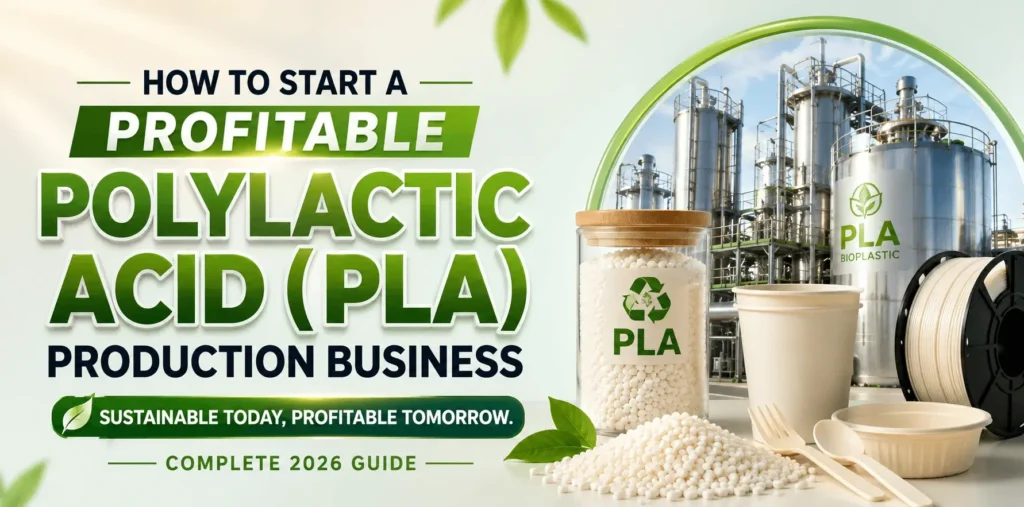
In recent years, the demand for sustainable and eco-friendly materials has increased drastically across various industries. Among the many biodegradable alternatives to conventional plastics, Polylactic Acid (PLA) stands out as one of the most promising. Derived from renewable resources such as corn starch, sugarcane, or cassava, PLA is widely used in packaging, agriculture, textiles, medical devices, and especially 3D printing. But how exactly is this environmentally conscious polymer created? Understanding the manufacturing process of Polylactic Acid (PLA) is essential to appreciate its significance and widespread adoption. Step-by-Step Process of Polylactic Acid (PLA) Production The production of Polylactic Acid (PLA) involves several key steps, beginning with the extraction of natural sugars and ending with the polymerization into a plastic-like material. Let us explore each phase in detail: 1. Raw Material Selection and Preparation The first step in producing Polylactic Acid (PLA) is sourcing the raw materials. PLA is synthesized from fermentable sugars, most commonly derived from corn starch in the United States or sugarcane in countries like Brazil. These raw materials are selected for their high carbohydrate content, which serves as the foundation for lactic acid production. The crops are harvested and then mechanically processed to extract the starch or sugar. In the case of corn, the kernels are ground, and the starch is separated through a wet milling process. This starch is then enzymatically hydrolyzed to release simple sugars, primarily glucose. 2. Fermentation of Sugars into Lactic Acid Once the fermentable sugars are extracted, they undergo microbial fermentation. In this biological process, specific strains of bacteria (such as Lactobacillus) are introduced to the sugar solution. These bacteria consume the glucose and convert it into lactic acid through anaerobic fermentation. Temperature, pH, and oxygen levels are carefully regulated to maximize lactic acid yield. This process typically takes between 24 to 48 hours. Once complete, the lactic acid is separated from the fermentation broth, purified through filtration and distillation, and then concentrated for further processing. 3. Lactic Acid to Lactide Conversion The next phase in manufacturing Polylactic Acid (PLA) involves transforming lactic acid into a more reactive intermediate compound called lactide. This is achieved through a condensation reaction, where two molecules of lactic acid combine and lose water to form lactide – a cyclic dimer of lactic acid. The reaction must be precisely controlled to prevent unwanted side reactions and to ensure high-purity lactide. The resulting lactide mixture typically contains different isomers (D-lactide, L-lactide, and meso-lactide), and the selection of specific isomers influences the properties of the final PLA material, such as its crystallinity and melting temperature. 4. Polymerization of Lactide into PLA Lactide is then polymerized through a process called ring-opening polymerization (ROP). This chemical reaction involves the use of catalysts such as tin(II) octoate or other metal complexes. Under controlled heat and vacuum conditions, the lactide molecules open up and link together to form long chains of Polylactic Acid (PLA). The molecular weight of the resulting PLA polymer can be adjusted by varying the reaction time and conditions. High molecular weight PLA is generally more durable and suitable for industrial applications, while lower molecular weight PLA is used in applications like biomedical implants where biodegradability is a priority. Handbook On Chemical Industries (Alcohol Based) 5. Pelletizing and Drying Once the polymerization is complete, the PLA resin is cooled and cut into small pellets. These pellets are then thoroughly dried to remove any residual moisture, as PLA is highly sensitive to hydrolysis. Drying is essential for preserving the polymer’s mechanical strength and thermal stability during processing. These dried PLA pellets are the final product of the manufacturing process and can be shipped to converters and manufacturers who mold, extrude, or 3D-print them into various end-use products. 6. PLA Fabrication and Applications Manufacturers use the PLA pellets to produce a wide array of products, often through methods like injection molding, thermoforming, or extrusion. PLA is particularly valued for its transparency, biocompatibility, and ability to degrade under industrial composting conditions. Some of the common applications of Polylactic Acid (PLA) include: Disposable food packaging (cups, cutlery, containers) Medical implants and sutures Agricultural films 3D printing filaments Textiles and nonwoven fabrics Its versatility and biodegradability make it a highly preferred material in both commercial and industrial contexts. 7. Environmental Impact and Sustainability A crucial reason for the growing interest in Polylactic Acid (PLA) is its positive environmental profile. Unlike petroleum-based plastics, PLA is derived from renewable resources and has a significantly lower carbon footprint. It also decomposes under industrial composting conditions into water and carbon dioxide within a few months, making it an attractive alternative in efforts to reduce plastic pollution. However, it’s important to note that PLA does not readily degrade in standard landfills or natural environments. Proper composting infrastructure is necessary to fully realize its environmental benefits. Moreover, there are ongoing innovations in improving PLA’s performance in terms of heat resistance and mechanical properties to broaden its applicability. Challenges in PLA Production Despite its benefits, the production of Polylactic Acid (PLA) is not without challenges. Some of the issues include: The cost of raw materials, which can be affected by agricultural crop prices. The energy requirements for fermentation and polymerization. The need for efficient composting systems to manage PLA waste. Researchers and companies are actively working on overcoming these obstacles by developing more cost-effective processes, genetically engineered bacteria for better lactic acid yield, and novel catalysts that reduce environmental impact during polymerization. Future Outlook The future of Polylactic Acid (PLA) looks promising as both regulatory bodies and consumers push for greener alternatives to traditional plastics. Advances in biotechnology, synthetic chemistry, and industrial processing are continually enhancing the quality and efficiency of PLA production. With better recycling and composting technologies, PLA could become a mainstream material across a variety of sectors. Additionally, hybrid composites and blends with other biodegradable materials are being explored to address PLA’s limitations and expand its usability in high-performance applications such as automotive parts, electronics casings, and durable consumer goods. Conclusion In summary, the production of Polylactic Acid (PLA)
HDPE and uPVC Pipes Production
The demand for efficient and long-lasting piping solutions has led to a significant rise in the manufacturing of HDPE & UPVC pipes across the globe. These pipes are widely used in agriculture, construction, water supply, sewage systems, and various industrial applications due to their durability, corrosion resistance, lightweight nature, and cost-effectiveness. Entrepreneurs and investors looking for a promising manufacturing business can consider venturing into the HDPE & UPVC pipes segment. This article explores the essential steps to start an HDPE & UPVC pipes manufacturing unit, covering raw materials, machinery, production process, market outlook, and regulatory requirements. Overview of HDPE & UPVC Pipes Manufacturing Industry The HDPE & UPVC pipes industry in India and globally is growing steadily, fueled by infrastructure development, increasing urbanization, and government investments in irrigation and sanitation projects. HDPE (High-Density Polyethylene) pipes are known for their flexibility, high strength, and chemical resistance, making them suitable for water distribution, gas pipelines, and underground cabling. On the other hand, UPVC (Unplasticized Polyvinyl Chloride) pipes are rigid, cost-effective, and used in building construction, drainage systems, and electrical conduits. Starting a manufacturing unit for HDPE & UPVC pipes requires proper planning, technical know-how, and a clear understanding of the production process. This sector offers high potential for profitability due to consistent demand in rural and urban areas. Step-by-Step Guide to Start HDPE & UPVC Pipes Manufacturing 1. Market Research and Feasibility Study Before setting up a plant, conduct a detailed market study to understand the demand trends, target customers, local competition, and pricing strategy. Identify the most required pipe sizes and applications in your intended market—agriculture, plumbing, sewerage, or industrial use. A feasibility report helps determine the financial viability and expected ROI from the business. 2. Choose a Suitable Location Select a location with good transportation access, availability of skilled labor, and proximity to raw material suppliers. Industrial zones with infrastructure facilities like power, water, and logistics are ideal. The location must comply with local zoning and pollution control regulations. 3. Company Registration and Legal Compliance Register your business under the applicable structure—Proprietorship, Partnership, LLP, or Private Limited Company. Apply for necessary licenses such as: GST Registration UDYAM (MSME) Registration Factory License Pollution Control Board NOC Fire Safety Certificate You may also need BIS certification for quality assurance and to legally market HDPE & UPVC pipes in India. 4. Investment and Project Costing The initial investment for setting up a HDPE & UPVC pipes manufacturing unit depends on production capacity, automation level, and scale. A small-scale plant may need an investment of INR 25–50 lakhs, while medium to large-scale operations may require INR 1–5 crore or more. The main cost components include: Land and Building Machinery and Equipment Raw Materials Power and Utilities Labor and Salaries Working Capital 5. Machinery and Equipment Selection Selecting the right machinery is crucial for high productivity and quality output. Some of the essential machines used in HDPE & UPVC pipes manufacturing are: Extrusion Machine (HDPE and UPVC compatible) Pipe Die Heads (of varying sizes) Vacuum Calibration Tanks Cooling Tanks Haul-off Unit Cutter Machine Printing and Marking Unit Socketing Machine Testing Equipment (Hydro test, pressure test, etc.) Choose machines based on your targeted production volume (kg/hr or meters/day) and automation preference. Local and imported options are available in the market. 6. Raw Materials Procurement The quality of raw materials greatly influences the final product. The major raw materials include: HDPE Granules (PE 63, PE 80, PE 100 grades) UPVC Resin (K-67 grade) Additives like stabilizers, lubricants, pigments, fillers, and processing aids Reliable suppliers and quality checks are essential to ensure consistency. Bulk procurement can help reduce material costs. 7. Manufacturing Process The manufacturing of HDPE & UPVC pipes involves the following steps: Raw Material Preparation: The polymer resin and additives are mixed in proper ratios. Extrusion: The mixture is fed into the extruder, where it melts and is shaped into pipes through die heads. Vacuum Calibration and Cooling: Pipes are cooled and solidified in a vacuum tank to maintain shape and dimension. Haul-off and Cutting: Pipes are pulled out at uniform speed and cut to required lengths using an automatic cutter. Socketing and Printing: Pipes are heated to form sockets and printed with size, type, and manufacturer information. Testing and Quality Check: Finished pipes undergo pressure testing, impact resistance, and dimensional accuracy checks. Efficient quality control ensures your HDPE & UPVC pipes meet IS standards and customer expectations. 8. Packaging and Dispatch Pipes are bundled, labeled, and packed for safe handling and transportation. Use protective coverings to avoid damage during shipping. Maintain an organized dispatch process for timely deliveries. 9. Workforce Requirements Depending on the scale, you may need 10–30 employees to manage production, quality control, administration, and logistics. Ensure they are trained in equipment handling, safety protocols, and maintenance. 10. Marketing and Distribution Strategy Develop a multi-channel marketing strategy to reach builders, contractors, irrigation departments, dealers, and plumbing companies. Participate in trade fairs, industry expos, and use digital platforms to increase visibility. Partner with distributors in different regions to expand your market reach. 11. Profitability and ROI The HDPE & UPVC pipes industry promises good margins, especially with bulk production. Profitability depends on efficient operations, minimal wastage, quality product delivery, and competitive pricing. On average, ROI can be achieved within 2–3 years of consistent production and sales. 12. Sustainability and Waste Management Incorporate sustainable practices like recycling scrap materials, optimizing energy use, and maintaining clean operations. Set up systems to manage pipe rejections and reprocess defective units, reducing overall waste. Future Outlook of HDPE & UPVC Pipes Industry The future of HDPE & UPVC pipes manufacturing appears robust due to ongoing infrastructure development and the need for reliable water supply and waste management systems. Government initiatives like Jal Jeevan Mission, AMRUT, and Smart City projects are major demand drivers. Technological advancements in extrusion and raw material quality will further enhance product durability and cost-efficiency. As more sectors opt for non-corrosive and long-life piping systems, manufacturers who deliver quality and scale operations can build a
Top 10 Best Fruit Processing Business Ideas & Opportunities
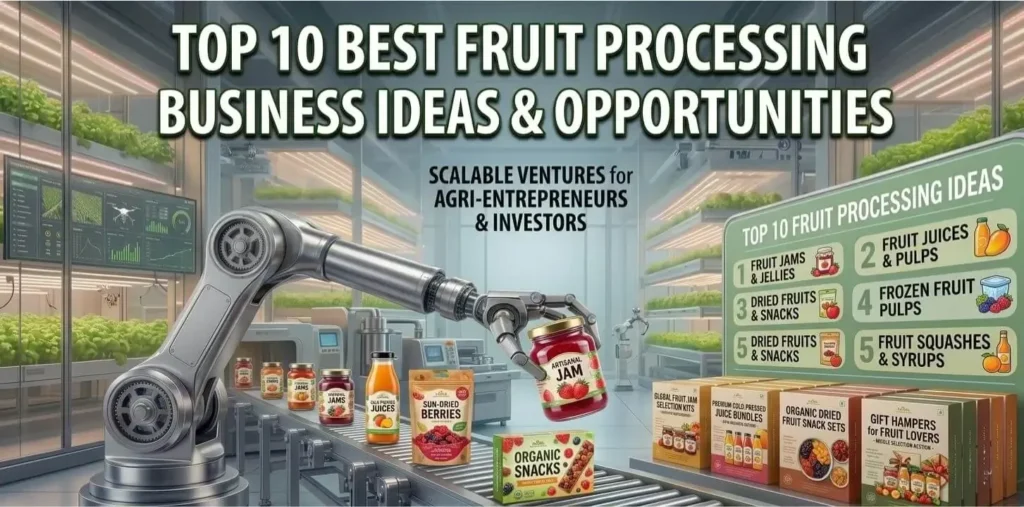
In 2026, the global food and beverage industry continues to undergo a massive transformation, with consumers increasingly turning to healthy, natural, and organic alternatives. Among the most promising segments in this transition is the fruit processing business, which combines agricultural abundance with food innovation. With rising demand for packaged fruits, juices, jams, dehydrated snacks, and fruit-based condiments, there is enormous scope for entrepreneurs to explore a wide range of profitable ventures in this field. Top 10 Fruit Processing Business Ideas in 2026 Below is a list of the top 10 fruit processing business ideas that can be launched with varying levels of investment and infrastructure. Each idea caters to a different market segment, offering entrepreneurs flexibility in terms of scale, product range, and distribution channels. 1. Fruit Juice Manufacturing Fresh fruit juices are always in demand due to their health benefits and natural appeal. Starting a fruit juice unit involves sourcing seasonal fruits, using a juicing and pasteurization unit, and packaging the juice in bottles or tetra packs. You can target health-conscious consumers, gym-goers, or office-goers with convenient and nutritious beverage options. The market includes a wide range of products like cold-pressed juice, mixed fruit juice, sugar-free juice, and even probiotic fruit drinks. With proper branding and cold chain logistics, this fruit processing business idea is a scalable venture. Handbook on Fruits, Vegetables & Food Processing with Canning & Preservation 2. Jam and Jelly Production Fruit jams, jellies, and marmalades are staple items in many households, especially in urban and semi-urban areas. Using fruits like mango, guava, strawberry, or mixed fruit, you can create premium quality spreads with high shelf life. This business involves boiling fruit pulp with sugar and pectin, then packaging in glass or plastic jars. It can be done on a small scale from home kitchens or expanded into a commercial setup. Organic and low-sugar jams are gaining popularity in 2026, presenting a niche market opportunity within the fruit processing business segment. 3. Dehydrated Fruit Snacks Drying fruits like apples, bananas, mangoes, or pineapples into chips or bite-sized snacks is a growing trend. These products are highly favored by fitness enthusiasts, travelers, and school children. Vacuum dehydration, freeze-drying, or sun-drying are commonly used methods. Dehydrated fruits are lightweight, nutrient-rich, and easy to package and distribute. They can be sold online or through supermarkets. The market is moving toward preservative-free, non-GMO products, giving a further push to this branch of the fruit processing business. 4. Canned Fruits Production Canned fruits are convenient options for urban consumers and are especially popular in export markets. By slicing fruits like peaches, lychees, and pineapples and preserving them in sugar syrup or natural juice, you can create products that last for over a year. The process requires proper sterilization, sealing, and labeling techniques to ensure food safety. Though initial investment might be higher due to equipment needs, canned fruit production is a long-term sustainable idea within the fruit processing business domain. 5. Fruit Pulp and Puree Unit Fruit pulp is the base for many products like juices, yogurts, ice creams, and confectionery items. Setting up a unit that extracts and preserves pulp from seasonal fruits can serve as a B2B business, supplying to larger food manufacturers. Mango pulp, tomato puree, guava pulp, and papaya concentrate are especially in demand across food and beverage industries. With the growing popularity of ready-to-use fruit ingredients, this fruit processing business idea is perfect for entrepreneurs looking for bulk production and wholesale distribution. 6. Pickle and Chutney Manufacturing India has a rich tradition of fruit-based pickles and chutneys. Using raw mangoes, gooseberries, lemons, or even tamarind, you can create a range of tangy, spicy, and sweet products. These can be sold in local markets, fairs, or online platforms under a homegrown brand. Consumer demand is shifting toward artisanal, preservative-free pickles with authentic flavors, making this an attractive low-investment fruit processing business to start in 2026. 7. Fruit Vinegar and Fermented Products Fruit vinegar—such as apple cider vinegar or pineapple vinegar—is a rapidly growing health and wellness product. Fermentation of fruit juice in a controlled environment results in vinegar rich in probiotics and beneficial acids. People use these in cooking, salad dressings, and even for medicinal purposes. The production process is simple, and with good hygiene and packaging, small-scale units can thrive. Fermented fruit-based drinks and tonics are also gaining ground, adding depth to this fruit processing business niche. 8. Ready-to-Eat Fruit Salads and Bowls Urban populations, especially working professionals and millennials, are increasingly opting for pre-packaged fresh fruit bowls. Producers combine multiple fruits into ready-to-eat packs and sell them through supermarkets, cafes, and delivery apps. Though this business requires a cold storage chain and quick turnover, the margins can be high due to premium pricing. Hygiene, aesthetic packaging, and sourcing fresh fruit are key to success. This segment of the fruit processing business is expected to grow rapidly in metropolitan regions. 9. Frozen Fruit Cubes and Smoothie Mixes Frozen fruits retain most of their nutrients and people widely use them in smoothies, shakes, and desserts. Processing fruits by cleaning, cutting, and freezing them in small cubes or blends allows you to cater to a ready-made smoothie market. These products are used in cafes, restaurants, gyms, and by individuals at home. The trend of frozen smoothie packs is picking up due to health trends and convenience. Entrepreneurs can explore tie-ups with fitness chains and eCommerce platforms under this branch of the fruit processing business. 10. Unfamiliar Fruit Processing and Export Fruits like dragon fruit, kiwi, passionfruit, and avocado are becoming popular across global and domestic markets. You can focus on processing these fruits into dried pieces, jams, purees, or juices aimed at premium customers. Export markets like the Middle East, Europe, and North America have a steady demand for tropical and unfamiliar fruit products. Setting up a processing unit near growing regions and ensuring international packaging and certification can make this fruit processing business highly profitable in 2026. Conclusion The fruit processing business in 2026 offers a
Biodegradable Plastic Bag Manufacturing Industry
In an age where environmental sustainability has become more than a buzzword, biodegradable plastic bags are increasingly gaining prominence. With global concerns surrounding plastic pollution, governments and organizations are encouraging alternatives that are eco-friendly and sustainable. This shift in awareness has created a profitable opportunity in the biodegradable plastic bag manufacturing sector. These bags decompose naturally by microorganisms, reducing the harmful impact on ecosystems and wildlife. If you are planning to enter this market, understanding the manufacturing process, required machinery, market demand, and regulatory frameworks is crucial to establishing a successful venture. Understanding Biodegradable Plastic Bag Manufacturing Biodegradable plastic bag manufacturing involves converting plant-based or biodegradable synthetic polymers into usable carry bags. These bags can be made from raw materials like cornstarch, PLA (polylactic acid), PBAT (polybutylene adipate terephthalate), or other compostable substances. Unlike traditional plastic bags that take hundreds of years to decompose, biodegradable bags can break down in a matter of months under the right conditions. The industry is being shaped by rising consumer awareness, governmental policies banning single-use plastics, and the demand from retail and foodservice sectors for sustainable packaging solutions. As such, manufacturers can expect a growing market with consistent demand. Moreover, the production line for biodegradable bags is relatively similar to conventional plastic bags, making it easier for existing manufacturers to pivot or expand. Raw Materials Used The raw materials required for biodegradable plastic bag manufacturing vary based on the type of biodegradable polymer you choose. Some of the commonly used materials include: Cornstarch: A popular bio-based option that is renewable and easily available. PLA (Polylactic Acid): Derived from fermented plant starch (usually corn), known for its compostable properties. PBAT: A petroleum-based biodegradable plastic often blended with PLA or starch for added flexibility and durability. Cassava starch: Becoming popular in certain regions due to its fast degradability. Blending these materials in the right proportion is critical to achieving strength, flexibility, and environmental performance in the final product. Manufacturing Process The biodegradable plastic bag manufacturing process involves several key steps: Mixing and Compounding: The chosen raw materials are blended using a compounding machine. Additives may be introduced to enhance properties like color, UV resistance, and flexibility. Extrusion: The blended material is fed into an extruder where it is melted and formed into a thin film. This film serves as the base for making bags. Blown Film Processing: The molten material is blown into a tubular film using compressed air. This step defines the thickness and width of the bags. Printing (Optional): If branding or labeling is required, the film can be printed using eco-friendly ink. Cutting and Sealing: The film is then cut and heat-sealed to form individual bags of the desired size and shape. Packaging: Finished bags are bundled and packed for distribution. This process can be semi-automatic or fully automatic depending on the scale of operations and investment capacity. Required Machinery To set up a biodegradable plastic bag manufacturing unit, you’ll need the following machinery and equipment: Compounding machine Blown film extrusion machine Flexographic printing machine (optional) Bag cutting and sealing machine Quality testing and packaging equipment The cost of setting up the plant will depend on the machinery type (manual, semi-automatic, or automatic), production capacity, and desired product range. A small-scale unit may require an investment of ?25–50 lakhs, whereas a medium-to-large scale plant can go up to ?2 crores or more. Location and Infrastructure Selecting the right location is vital. Industrial zones with proper waste management systems and proximity to raw material suppliers can reduce logistics costs and improve operational efficiency. Ensure the site has: Adequate space for manufacturing and storage Power supply with backup Water availability Ventilation and fire safety measures Compliance with local zoning laws and environmental norms Legal Compliance and Certifications In India and many other countries, biodegradable plastic bag manufacturing is regulated under specific environmental laws. You may need the following licenses and approvals: Company registration (as Proprietorship, LLP, or Pvt. Ltd.) Factory license from the local authority Pollution Control Board clearance GST registration Bureau of Indian Standards (BIS) certification ISO certification for quality management (optional but recommended) Trademark registration for your brand Getting a compostability certificate from a recognized body will help build consumer trust and access to larger markets. Market Trends and Opportunities The market for biodegradable plastic bag manufacturing is expanding rapidly due to growing environmental consciousness and stricter government regulations against conventional plastics. Here are a few trends and opportunities to capitalize on: Retail and E-commerce: Major players prefer eco-friendly packaging options to enhance brand image. Food and Hospitality Sector: Restaurants, cafes, and hotels need biodegradable carry bags for delivery and takeaway services. Government Supply Contracts: Municipalities and public departments are adopting sustainable alternatives for various use cases. Exports: Biodegradable products are in high demand in Europe, the USA, and Australia due to stringent environmental laws. This dynamic demand creates ample room for innovation in terms of bag designs, thicknesses, and specialty applications like compostable garbage bags or courier pouches. Profit Margins and ROI Profitability in biodegradable plastic bag manufacturing depends on multiple factors including raw material cost, production scale, and distribution strategy. Typically, the cost of producing a biodegradable bag is higher than a conventional plastic one. However, due to premium pricing and consumer willingness to pay more for sustainable alternatives, manufacturers can achieve healthy profit margins. On average, net profit margins may range from 10% to 25% depending on operational efficiency and market positioning. Break-even can usually be achieved within 1.5 to 2 years for small and medium-scale setups if managed properly. Marketing and Distribution Strategy A robust marketing plan can make your biodegradable plastic bag manufacturing business stand out. Here are some effective strategies: B2B Partnerships: Collaborate with supermarkets, retail chains, and foodservice businesses. Online Presence: Build a strong digital presence through a website, social media, and e-commerce platforms. Certifications as USPs: Highlight environmental certifications and biodegradability metrics to appeal to conscious buyers. Trade Shows and Expos: Participate in sustainability and packaging trade fairs to expand network and visibility. You
Cake & Filled Croissants Puffs Manufacturing Project
In the dynamic and ever-evolving food processing industry, cake-filled croissants manufacturing has emerged as a highly profitable and trend-driven business idea. With the rising consumer demand for fusion bakery products that deliver both convenience and indulgence, investing in cake-filled croissants can yield substantial returns. Whether you’re a seasoned food entrepreneur or a passionate newcomer in the bakery business, this guide is tailored to walk you through the essential steps of launching a cake-filled croissants manufacturing unit successfully. Understanding the Cake-Filled Croissants Market The cake-filled croissants niche is thriving due to its unique appeal: a soft, buttery croissant exterior filled with creamy or fruity cake layers inside. This combination of textures and flavors has become increasingly popular among younger consumers, café chains, and gourmet bakeries. In metropolitan areas and tier-2 cities alike, the product is gaining momentum as a premium snack or breakfast option. Business Planning and Feasibility Study Starting with a comprehensive feasibility study is crucial. Begin by researching: Target market demographics Consumer preferences in flavors and fillings Competitive landscape and pricing strategies Initial capital investment and expected ROI A well-documented business plan must include details about production capacity, product line diversification, machinery, staffing, distribution channels, and marketing strategies. Choosing the Right Location and Facility For a smooth cake-filled croissants manufacturing process, select a facility in an industrial or semi-industrial zone with easy access to raw materials and distribution networks. Ensure your unit complies with local food safety regulations and zoning laws. Ideally, the facility should accommodate areas for dough preparation, proofing, baking, filling injection, packaging, storage, and administrative operations. Essential Equipment for Manufacturing Investing in high-quality, automated, and semi-automated machinery will streamline production and reduce labor costs. Key equipment includes: Dough mixers and laminators Croissant shaping machines Convection or rotary rack ovens Filling injectors Cooling conveyors Packaging machines (flow wrap or vacuum sealers) Ensure that all equipment is food-grade and easy to clean to maintain hygiene standards. Raw Materials and Ingredients The quality of ingredients directly influences product taste, shelf life, and customer satisfaction. Your raw material list should include: High-gluten wheat flour Unsalted butter or margarine Yeast and baking improvers Cake mix (chocolate, vanilla, red velvet, etc.) Cream fillings (chocolate, caramel, fruit compote) Sugar, salt, and preservatives Partner with certified suppliers who can provide consistent quality and supply. Production Process of Cake-Filled Croissants The manufacturing of cake-filled croissants involves multiple steps, each requiring precision to ensure product consistency and flavor. Here’s a streamlined process: Dough Preparation: Mix flour, yeast, sugar, salt, and water in the dough mixer. Rest the dough for fermentation. Laminating: Fold layers of butter into the dough to create a flaky texture using the laminator. Cutting and Shaping: Shape the croissants using shaping machines or manually, depending on your scale. Proofing: Allow the croissants to rise in a controlled humid environment. Pre-baking: Bake the croissants partially, enough to hold their shape without turning golden brown. Filling: Once cooled, inject cake filling using specialized nozzles. The cake batter should be pre-baked or semi-baked depending on the recipe. Final Baking: Return croissants to the oven for the final bake, ensuring the outer layer is crispy and golden. Cooling and Packaging: Cool the croissants thoroughly and package them using moisture-resistant materials to enhance shelf life. Hygiene and Food Safety Compliance Your cake-filled croissants production unit must follow the standards set by food safety authorities like FSSAI (India), FDA (USA), or relevant local agencies. Install pest control systems, regularly sanitize surfaces, use protective clothing, and conduct quality checks at each stage. Implement a HACCP plan to monitor critical control points throughout production. Packaging and Shelf Life Optimization Attractive and functional packaging can drive impulse purchases and boost brand identity. Use laminated or multilayered packaging to maintain freshness, and include details such as manufacturing date, expiry date, flavor, storage instructions, and nutritional information. Modified Atmosphere Packaging (MAP) can extend shelf life up to 15–20 days. Licensing and Legal Requirements Before commencing operations, obtain the necessary registrations and licenses: Food Safety License (FSSAI) Business registration (LLP/Private Limited) GST registration Trade license Fire and pollution certificates Adhering to legal compliance builds trust and facilitates smooth operations. Branding and Product Positioning Your brand identity will significantly influence your success in the cake-filled croissants business. Develop a memorable brand name, visually appealing logo, and professional packaging design. Position your product as a premium yet affordable indulgence by highlighting its fusion concept and freshness. Marketing and Distribution Channels To ensure robust product visibility and consumer reach, diversify your marketing and distribution efforts: Retail outlets and supermarkets B2B channels (cafes, restaurants, hotels) Online marketplaces and D2C websites Local food delivery apps In-store sampling and promotions Use digital marketing strategies such as social media, influencer campaigns, SEO-optimized content, and email marketing to build customer loyalty and brand recognition. Cost Estimation and ROI An average mid-scale cake-filled croissants manufacturing unit can be started with an investment ranging from ?15–25 lakhs (India), depending on automation and location. Profit margins typically range from 20% to 40% based on volume and branding success. Break-even is achievable within 12–18 months with consistent production and sales. Common Challenges and How to Overcome Them Maintaining consistency in product quality: Implement standardized recipes and staff training. Shelf-life concerns: Opt for vacuum packaging and food-grade preservatives. Competition from established brands: Differentiate with unique flavors and better pricing. Supply chain disruptions: Build backup supplier networks and maintain inventory buffers. Future Expansion and Product Innovation Once established, scale your operations by introducing: Mini cake-filled croissants for kids Flavored crust variants (matcha, charcoal, etc.) Vegan or gluten-free options Collaborations with gourmet coffee brands Product innovation is key to retaining customer interest and staying ahead in the market. Conclusion Starting a cake-filled croissants manufacturing unit is a deliciously rewarding business venture with immense growth potential. By focusing on quality, consistency, compliance, and marketing, entrepreneurs can build a scalable brand that stands out in the competitive baked goods market. The fusion of traditional croissants with rich cake fillings meets the demand for novelty and indulgence, making it a product category
Calcium Bromide Manufacturing Industry
The Calcium Bromide manufacturing industry plays a vital role in global chemical production, supporting critical sectors like oil and gas, pharmaceuticals, and flame retardants. As demand surges for high-performance completion fluids and specialty brominated compounds, this sector has experienced significant growth due to its widespread applications and efficiency in industrial operations. Understanding the manufacturing process, market dynamics, and technological developments is crucial for anyone seeking to enter or expand in this niche. Calcium Bromide Production Process and Raw Materials The manufacturing of Calcium Bromide typically involves a high-purity reaction between calcium carbonate (CaCO?) or calcium oxide (CaO) with hydrobromic acid (HBr). This yields CaBr? in either solid or liquid form, depending on downstream usage. The chemical reaction can be represented as: CaCO? + 2HBr ? CaBr? + H?O + CO?orCaO + 2HBr ? CaBr? + H?O The process begins with sourcing high-grade raw materials, which are crucial for obtaining premium-quality calcium bromide. The selection of raw inputs significantly affects the purity, viscosity, and solubility of the final product, making quality control a top priority in production. Key Steps in Manufacturing Include: Pre-treatment and filtration of raw materials Controlled chemical reaction under regulated temperature and pressure Filtration and concentration of the calcium bromide solution Crystallization or spray drying (for powder form) Packaging and storage Stringent regulatory standards require that production facilities adopt Good Manufacturing Practices (GMP) and environmental compliance procedures to handle bromine derivatives safely. Applications of Calcium Bromide Across Industries Calcium Bromide is prized for its hygroscopic and high-density properties. It finds extensive application in: Oil & Gas Industry The leading use of calcium bromide lies in completion and workover fluids during drilling operations. Its high-density, non-damaging nature helps control wellbore pressure and stabilize rock formations, preventing blowouts and formation damage. Calcium Bromide also reduces formation swelling and improves productivity, making it essential in deep-sea and high-pressure drilling sites. Pharmaceuticals In the pharmaceutical sector, Calcium Bromide is utilized as a sedative and antiepileptic agent, though modern usage is limited. However, it remains a base for synthesizing certain brominated organic intermediates. Flame Retardants and Chemicals Calcium Bromide is used as a raw material in manufacturing flame retardants, photographic chemicals, and dyes. Its effectiveness in suppressing combustion makes it a key additive in fire prevention materials. Water Treatment Its application in industrial water treatment includes eliminating bacteria and algae, especially in cooling towers and thermal plants. Global Market Outlook for Calcium Bromide Manufacturing The Calcium Bromide manufacturing industry has seen consistent growth over the last decade. The global market is anticipated to grow at a CAGR of over 5% between 2024 and 2030, driven primarily by oilfield development and increasing demand from APAC and the Middle East. Regional Market Leaders North America remains the largest consumer due to shale gas exploration. Asia-Pacific is expected to witness the highest growth rate, with increasing investment in oilfields in China, India, and Southeast Asia. Middle Eastern markets are surging due to oil production expansions in countries like Saudi Arabia and the UAE. The demand for Calcium Bromide in completion fluids will continue to lead market dynamics, supported by growing offshore drilling projects. Quality Standards and Regulatory Framework The Calcium Bromide manufacturing sector is bound by strict environmental and health regulations. Organizations must comply with: REACH (Registration, Evaluation, Authorisation and Restriction of Chemicals – EU) OSHA (Occupational Safety and Health Administration – USA) ISO 9001/14001 certifications for quality and environmental management In addition, handling of hydrobromic acid and brominated compounds requires adherence to chemical safety protocols and emergency response planning. Challenges in Calcium Bromide Manufacturing Despite its growth potential, the Calcium Bromide manufacturing industry faces several challenges: Raw material volatility: Price fluctuations in calcium and bromine sources can affect profit margins. Waste management: The manufacturing process generates acidic waste, requiring effective treatment systems. Stringent environmental regulations: Meeting discharge standards and emission controls is increasingly demanding. Global competition: Low-cost producers in China have pressured global prices, requiring value-added differentiation. Opportunities for New Entrants and Investors With proper strategic planning, there are significant opportunities in the Calcium Bromide manufacturing business: Niche product development like high-purity CaBr? for pharmaceutical or semiconductor uses Vertical integration with bromine production to control input costs Expansion into emerging markets like Africa and Southeast Asia where energy exploration is ramping up Custom formulation services for oilfield customers needing tailor-made brine solutions Technology Trends and Innovations Advancements in manufacturing technology have led to: Closed-loop reaction systems that reduce emissions and improve yields Membrane filtration and ion exchange for purifying calcium bromide solutions Digital process control and automation for improved consistency and safety Eco-friendly packaging solutions for global transport Companies investing in sustainable and smart manufacturing processes are poised to lead the market over the next decade. Leading Players in the Calcium Bromide Manufacturing Market Several global firms dominate the Calcium Bromide manufacturing landscape: Albemarle Corporation Tetra Technologies, Inc. ICL Industrial Products Clearwater International Great Lakes Solutions (LANXESS) These companies focus on capacity expansion, mergers, and R&D to maintain competitiveness. Emerging manufacturers in India and China are also gaining traction with cost-effective solutions and localized supply chains. Conclusion Rising industrial demand and expanding oilfield activity are driving sustained growth in the Calcium Bromide manufacturing industry.To succeed in this sector, companies must focus on technological innovation, regulatory compliance, and product quality. The ability to deliver high-performance calcium bromide that meets diverse industrial specifications will distinguish market leaders in the years ahead. Visit the page Select and Choose the Right Business Startup for You for sorting out the questions arising in your mind before starting any business and know which start-up you can plan. We, at NPCS, endeavor to make business selection a simple and convenient step for any entrepreneur/startup. Our expert team, by capitalizing on its dexterity and decade’s long experience in the field, has created a list of profitable ventures for entrepreneurs who wish to diversify or venture. We regularly update the list to give you a steady dose of new and emerging opportunities. Contact Us
Chocolate, Toffee and Candy Manufacturing Industry
The Candy & Chocolate Manufacturing industry is a vibrant and dynamic sector within the global food processing market. Known for its strong cultural, economic, and emotional significance, this industry serves millions of consumers who enjoy confections as part of daily life, celebrations, and seasonal events. Over the decades, it has evolved to meet changing consumer preferences, innovations in ingredients and packaging, and rising health and sustainability concerns. Today, manufacturers ranging from small artisanal chocolatiers to multinational giants are reshaping the landscape with premium offerings, healthier options, and technology-driven operations. Market Landscape and Growth Potential The Candy & Chocolate Manufacturing industry is valued at several billion dollars globally, with significant contributions from North America, Europe, and Asia-Pacific. The demand for chocolate and candy remains consistently high, driven by population growth, urbanization, and increasing disposable income. According to market research reports, the global chocolate market alone is expected to grow at a CAGR of 4–6% in the next five years. Candy, including sugar confections like gummies, hard candies, mints, and caramels, also continues to experience growth fueled by innovation and strong branding strategies. In countries like India and China, rising middle-class incomes and Western influence are propelling chocolate consumption. Meanwhile, in mature markets like the U.S. and U.K., health-conscious consumers are leaning toward dark chocolates, sugar-free candies, and products with functional ingredients like protein or vitamins. Vegan, organic, and ethically sourced offerings have become key differentiators in the premium category. Candy & Chocolate Manufacturing is no longer just about taste—it’s about storytelling, ethics, and wellness. Key Segments within the Industry The Candy & Chocolate Manufacturing industry comprises several major product categories, each with its own trends and growth drivers: Chocolate Confectionery: This includes milk chocolate, dark chocolate, white chocolate, filled bars, and molded products. Innovations in origin-specific cocoa, bean-to-bar models, and single-origin products are increasing. Sugar Confectionery: Encompasses hard candy, gummies, lollipops, caramels, nougat, toffees, and mints. These products often focus on texture, flavor intensity, and colorful packaging. Functional and Health-Oriented Sweets: With growing health awareness, brands are offering candies infused with vitamins, CBD, or added fiber, and reducing sugar through natural alternatives like stevia or monk fruit. Premium & Artisanal Products: These cater to niche markets looking for gourmet flavors, limited editions, and handmade aesthetics. Chocolatiers focus on presentation, packaging, and taste complexity. Seasonal and Gift Products: Holidays such as Valentine’s Day, Halloween, Christmas, and Raksha Bandhan drive significant seasonal demand and bulk purchases, often with themed packaging and limited-time offerings. Manufacturing Process and Technology Integration The Candy & Chocolate Manufacturing process has seen major modernization with automation, AI, and precision engineering. Here’s a broad overview of the stages involved: Ingredient Sourcing and Quality Control: High-quality cocoa beans, milk powder, sugar, emulsifiers, and flavors are selected, often from certified and sustainable sources. Mixing and Refining: Ingredients are blended and ground to achieve a smooth texture. For chocolate, conching (a refining process) is used to develop flavor and texture. Cooking and Tempering: Sugar candies are cooked at precise temperatures to form syrups or caramelized bases. Chocolates are tempered to stabilize cocoa butter crystals, giving a glossy finish and snap. Molding and Shaping: Products are poured into molds or extruded into forms—bars, balls, pieces, etc. Cooling, Wrapping, and Packaging: Items are cooled, wrapped using high-speed machines, and packed into boxes or bags. Smart packaging often includes QR codes, freshness indicators, or recyclability features. Automation has led to efficiency, consistency, and scalability in the Candy & Chocolate Manufacturing sector. AI is now being used to detect quality issues, monitor production in real time, and even suggest recipe adjustments based on ingredient quality. Leading Brands and Competitive Landscape Some of the largest players in the Candy & Chocolate Manufacturing industry include Mars Wrigley, Ferrero Group, Mondelez International, Nestlé, and Hershey’s. These companies invest heavily in R&D, marketing, and global distribution networks to maintain dominance. In contrast, boutique and niche manufacturers like Godiva, Lindt, Royce, and regional artisanal brands thrive on quality, exclusivity, and local ingredients. Many of these producers also lead the way in ethical sourcing and sustainability. The competition is intense, particularly in mature markets, pushing companies to differentiate through packaging innovation, health-conscious product lines, and immersive brand experiences like factory tours or interactive campaigns. Trends Reshaping the Industry Several key trends are defining the future of the Candy & Chocolate Manufacturing sector: Sustainability and Ethical Sourcing: Consumers demand fair trade cocoa, recyclable packaging, and transparent supply chains. Initiatives like the Cocoa & Forests Initiative and Rainforest Alliance are becoming industry standards. Health and Wellness: Sugar reduction, high-protein chocolate bars, and functional candies (e.g., immunity-boosting or stress-relieving) are on the rise. Digitalization and E-commerce: Direct-to-consumer models are growing. Personalized chocolate gift boxes and subscription candy boxes are gaining traction. Flavor Innovation: Unfamiliar fruits, spices, superfoods (like matcha or turmeric), and global-inspired ingredients (like cardamom or Himalayan salt) are appearing in new launches. Cultural and Localized Products: Regional tastes are driving customization—like paan-flavored candies in India, wasabi chocolates in Japan, or lavender-infused truffles in Europe. Challenges and Risks in the Industry Despite its sweetness, the Candy & Chocolate Manufacturing industry faces several bitter challenges: Volatility in Raw Material Prices: Cocoa, sugar, and dairy prices can fluctuate due to weather, labor issues, and political unrest in sourcing regions like West Africa or South America. Health Regulations: Increasing scrutiny over sugar content and nutritional labeling, especially among children-targeted products, can impact marketing and formulation strategies. Sustainability Pressure: As awareness about environmental impact grows, manufacturers must balance cost, innovation, and eco-responsibility. Supply Chain Disruptions: Global logistics, especially post-pandemic, remain a vulnerability in sourcing, production, and distribution timelines. India’s Role in Global Candy & Chocolate Manufacturing India is both a fast-growing consumer and a rising manufacturer in this industry. Major brands like Amul, Parle, and ITC are investing in premium chocolates and wide-ranging confectionery lines. India favors sweet over bitter, leading to popularity of milk chocolates and sugary candies in the market. Indian Candy & Chocolate Manufacturing companies are also investing in regional flavors and value products to