
Button Mushroom Cultivation Detailed Project Report
Mushroom cultivation has emerged as one of the most profitable and eco-friendly agribusiness ventures in India and across the world. Among all types, button mushroom cultivation is particularly popular due to its high demand, nutritional value, and economic viability. With low initial investment and high returns, more entrepreneurs and farmers are entering the mushroom farming business. This detailed project report for 2025 will walk you through the step-by-step process of starting a button mushroom cultivation unit, including climate conditions, investment, growing methods, marketing strategies, and profitability projections. Why Choose Button Mushroom Cultivation in 2025? With changing food habits and a growing preference for plant-based nutrition, mushroom cultivation has gained significant momentum in recent years. Button mushrooms (Agaricus bisporus) account for nearly 90% of total mushroom consumption in India. They are rich in protein, vitamins, and minerals, and are consumed fresh, canned, or in processed forms like soups, pickles, and sauces. As per agricultural industry forecasts, the Indian mushroom market is expected to grow at a CAGR of over 8% from 2024 to 2028. Increasing awareness about health benefits, urbanization, and the rise of ready-to-eat food segments are key contributors to this growth. Cultivating button mushrooms offers an opportunity to generate sustainable income while utilizing minimal land resources. See Also: Low-Investment Businesses Climate and Space Requirements Button mushrooms thrive in moderate climates with controlled temperatures. The ideal temperature range for growth is 20°C to 25°C during the spawning phase, and 14°C to 18°C during fruiting. Relative humidity of 80-90% and proper ventilation are essential for high yield. A small-scale mushroom unit can be established in a shed, room, or even an insulated basement. A 500 sq. ft. area is sufficient to grow approximately 500 kg of button mushrooms per crop cycle. The space should be equipped with trays or racks to stack compost bags and maintain environmental control. Spawn and Compost Preparation Mushroom cultivation begins with the procurement of good quality spawn from certified agricultural universities or private laboratories. Spawn is the seed material that contains mycelium of the mushroom. Button mushrooms grow on composted organic matter, which can be prepared using wheat straw, poultry manure, urea, gypsum, and other ingredients. The composting process involves two phases: Phase I (Outdoor Composting): This involves thorough mixing and aerobic fermentation of raw materials for 7-10 days. Phase II (Pasteurization): Compost is then pasteurized in closed rooms at 60°C to eliminate pests and pathogens. This phase takes 3-5 days. Properly prepared and pasteurized compost leads to better mycelium colonization and ensures uniform crop growth. Spawning and Casing Once the compost is ready and cooled to around 25°C, spawning is carried out. In this step, spawn is mixed with compost and fill into trays or bags. The trays are then place in a dark room with control humidity and temperature. Mycelium begins colonizing the compost and spreads completely within 12-15 days. After full colonization, the next step is casing. A 1-inch layer of moist casing soil (usually a mix of garden soil and sand or peat) is apply on top of the compost. This encourages mushroom pinhead formation. Regular watering and monitoring are crucial during this phase. Cropping and Harvesting Under ideal conditions, pinheads appear 10-12 days after casing, and mature mushrooms are ready to harvest within 15-18 days. Harvesting should be done manually by twisting the mushroom gently from the base. Button mushrooms grow in flushes, and a crop cycle usually yields 3-4 flushes in 45-60 days. After harvesting, mushrooms should be clean, grade, and packed in perforate polybags or trays for market distribution. Proper hygiene, temperature control, and pest management must be maintain throughout the crop cycle to ensure consistent yield and quality. Cost Analysis and Investment Breakdown (2025 Estimates) For a 500 sq. ft. button mushroom unit, the initial setup and operating costs are as follows: Initial Investment: Construction of shed and racks: ?80,000 Climate control equipment: ?40,000 Composting setup and trays: ?30,000 Spawn and compost ingredients: ?15,000 Miscellaneous expenses: ?10,000Total Setup Cost: ?1.75 lakhs (approx.) Recurring Costs per Cycle: Spawn: ?4,000 Compost materials: ?6,000 Labour and electricity: ?8,000 Packing and transportation: ?3,000Total Recurring Cost: ?21,000 (approx.) Returns: Total Yield per cycle: 500 kg Selling price per kg: ?100 (average market rate) Gross Income: ?50,000Net Profit per cycle: ?29,000Annual Profit (5 cycles): ?1.45 lakhs These numbers can significantly increase with scale and proper market linkage. Marketing Strategies The success of mushroom cultivation depends largely on effective marketing and distribution. Fresh mushrooms have a short shelf life of 2-3 days, making local sales a priority. Targeting local vegetable markets, restaurants, supermarkets, hotels, and catering companies can help build a steady customer base. You can also explore B2B partnerships with organic food companies or start your own mushroom brand with packaged products. Participating in farmers’ markets, exhibitions, and food fairs boosts visibility. For long-term sustainability, consider value addition like: Canned mushrooms Dried mushrooms Mushroom-based snacks and sauces Government Support and Training The Indian government provides support for mushroom cultivation through various schemes under the Ministry of Agriculture and NABARD. Subsidies are available for compost units, cold storage, and training centers. You can approach Krishi Vigyan Kendras (KVKs) and horticulture departments in your district for hands-on training, technical know-how, and financial guidance. Many agri-tech startups and FPOs (Farmer Producer Organizations) also offer consultancy, spawn supply, and marketing help for mushroom growers. Common Challenges and Solutions Despite the benefits, button mushroom farming comes with challenges like: Pest and disease management: Use of clean water, sterilized equipment, and biological control measures can minimize risks. Temperature fluctuations: Invest in temperature control systems, especially during summer and winter. Lack of storage: Immediate marketing or cold storage facilities help prevent spoilage. Market saturation in some areas: Focus on niche markets or explore exports and processed products. Proper planning and continuous learning are key to tackling these issues. See Also: Fish Processing Conclusion In 2025, mushroom cultivation stands out as a sustainable and income-generating venture, especially for small and marginal farmers, agri-entrepreneurs, and youth in rural areas. Button mushrooms offer a perfect
Wire Nail Manufacturing Industry
Starting a manufacturing business can be a rewarding venture, especially in industries where demand is consistent and the market is broad. One such business is Wire Nail Manufacturing, which supplies essential products used in construction, carpentry, furniture making, and many other sectors. With relatively low initial investment, simple machinery requirements, and steady market demand, wire nail manufacturing presents an excellent opportunity for aspiring entrepreneurs, particularly in developing economies where infrastructure and housing projects are booming. Why Choose Wire Nail Manufacturing as a Business? Wire Nail Manufacturing is a process where steel wires are cut and shaped into nails using machinery, followed by polishing and packaging. These nails are essential hardware components with consistent demand in both urban and rural markets. Here are several reasons why this industry is considered a profitable and scalable venture: Low Setup Cost: Starting small doesn’t require heavy capital investment. Basic wire nail machines, a few workers, and a workspace can get you started. High Demand: Nails are consumed by woodworkers, builders, furniture manufacturers, and even households. The continuous demand ensures recurring sales. Scalability: The business can be scaled with more machines, product variations (headless nails, roofing nails, etc.), and improved quality. Simple Manufacturing Process: The manufacturing process is mechanical and doesn’t require complex technology or highly skilled labor. Government Support: In many regions, the MSME sector (Micro, Small, and Medium Enterprises) receives support through subsidies, training, and low-interest loans. See Also: Business to Start in Haryana Steps to Start a Wire Nail Manufacturing Business If you’re considering launching a Wire Nail Manufacturing business, here’s a step-by-step guide to help you begin: 1. Conduct Market Research: Understand the local and regional demand for nails. Identify the types of nails used in your area—length, thickness, head types, etc. Research your competition, their pricing, and distribution channels. 2. Prepare a Business Plan: A comprehensive business plan should include production targets, machinery requirements, raw material sourcing, marketing strategies, and financial projections. Include your fixed and recurring costs like rent, salaries, electricity, and raw material procurement. 3. Choose the Right Location: The manufacturing unit should be in an industrial area or a place with easy access to raw materials and transport facilities. You don’t need prime real estate; a 500-1000 sq. ft. shed is enough for a small unit. 4. Register Your Business: Choose a business structure (proprietorship, partnership, LLP, or Pvt. Ltd.) and register with local authorities. Obtain necessary licenses such as a Trade License, GST Registration, MSME Udyam Registration, and Pollution Control Board clearance if applicable. 5. Machinery and Equipment Needed: For Wire Nail Manufacturing, you’ll need: Wire Drawing Machine (if starting from thicker wire rods) Nail Making Machine Polishing Drum Cutter Grinder Machine Weighing Scale Packaging Tools You can start with semi-automatic or fully automatic machines depending on your budget. A basic setup for a small-scale unit may cost between ?4 to ?8 lakhs. 6. Raw Materials Required: High-carbon steel wire (main raw material) Polishing chemicals and wax Packaging materials (boxes, bags, labeling stickers) Source raw materials from local steel suppliers or wholesalers to reduce transport costs. 7. The Manufacturing Process: The wire nail production process involves: Straightening and cutting the steel wire to nail length. Forming the nail head and point using the nail making machine. Polishing the nails in a drum using wax and oil for shine and rust resistance. Sorting and packaging the final product. 8. Manpower Requirements: You don’t need highly skilled labor. A team of 4–6 workers can manage a small plant efficiently, covering operation, packaging, and basic maintenance. 9. Quality Control and Packaging: Use proper gauges to ensure nail sizes and shapes meet industry standards. Package nails in uniform weight (e.g., 1kg, 5kg boxes) with your brand name and specifications. Ensure moisture-proof packaging to prevent rust. 10. Marketing and Distribution: You can market your Wire Nail Manufacturing business through: Hardware stores and construction suppliers Online platforms like IndiaMART, TradeIndia, and local B2B portals Direct tie-ups with construction companies and builders Local advertising and social media marketing Participating in industrial trade shows Building a trusted brand and offering competitive pricing will help you grow quickly. Investment and Profit Margin A small-scale Wire Nail Manufacturing business can be started with an investment of around ?6–10 lakhs, including machinery, raw materials, and initial working capital. With a daily production capacity of 300–400 kg and a profit margin of ?6–?8 per kg (depending on quality and demand), a unit can break even within 6–12 months. Let’s assume: Daily output: 300 kg Margin per kg: ?7 Monthly production (25 working days): 7,500 kg Monthly profit: ?52,500 (approx.)As you scale production and improve efficiency, profits increase significantly. Risks and Challenges While Wire Nail Manufacturing is a promising business, it does have a few challenges: Fluctuating steel wire prices affect raw material costs. Local competition may put pressure on pricing. Proper maintenance of machines is essential to avoid production downtime. Inventory mismanagement can lead to raw material shortage or overproduction. However, with smart planning, automation, and efficient supply chain management, these risks can be minimized. Future Scope and Expansion Opportunities The scope of Wire Nail Manufacturing extends beyond basic nails. Once established, you can diversify into: Wire mesh and fencing products Roofing nails, coil nails, concrete nails Export-quality fasteners Contract manufacturing for large brands Additionally, you can integrate backward by starting a wire drawing unit to reduce raw material dependency and improve profit margins. See Also: September 2017 Entrepreneur Final Words Starting a Wire Nail Manufacturing business is a smart choice for entrepreneurs looking to enter the manufacturing sector with a modest investment and scalable operations. With growing infrastructure development and housing needs, especially in emerging markets, the demand for nails is here to stay. A disciplined approach to quality, pricing, and marketing can turn this small venture into a thriving enterprise in a short span. Take the first step today and tap into the potential of the fastener industry. Contact Us
Sheet Metal Components for Automobile Manufacturing Plant
In the dynamic world of the automotive industry, auto sheet metal plays an indispensable role in the production and performance of vehicles. From chassis structures to intricate body parts, this thin, flat-rolled metal is a foundational component in vehicle manufacturing. As consumer demand continues to shift toward lightweight and fuel-efficient cars, the need for durable, corrosion-resistant, and high-performance sheet metal components has never been greater. For entrepreneurs and manufacturers looking to venture into this domain, Niir Project Consultancy Services offers comprehensive guidance and support through detailed project reports, feasibility analysis, and technical know-how. See Also: Business to Start in Goa Understanding the Scope of Auto Sheet Metal in Modern Manufacturing The term auto sheet metal refers to various steel and aluminum sheets that are shaped and treated to form different vehicle components. These sheets undergo numerous processes such as stamping, welding, bending, and coating to become usable parts in automotive bodies. The increasing use of high-tensile steel and aluminum alloys in automotive design emphasizes the demand for innovative sheet metal applications. Auto sheet metal is not merely about metal forming but involves advanced engineering to ensure crash safety, aerodynamics, aesthetic appeal, and structural integrity. Lightweight sheet metals contribute significantly to reducing vehicle weight, thereby improving fuel economy and lowering carbon emissions. With electric vehicles (EVs) on the rise, there is a new push to redesign vehicle structures using advanced sheet metal techniques that can accommodate battery packs and offer better energy absorption in crashes. This shift opens a new market avenue for auto sheet metal production. Key Processes Involved in Auto Sheet Metal Manufacturing The production of auto sheet metal components involves several critical stages: Blanking and Shearing: Sheets are cut to required sizes using precision tools. Stamping: This involves pressing the metal into specific shapes using dies. It is one of the most essential processes in the automotive sector. Welding: Sheets are joined to create assemblies. Techniques include MIG, TIG, spot welding, and more. Bending and Rolling: Metal is bent into curved or angular shapes using press brakes and rollers. Surface Treatment: This includes galvanization, powder coating, and painting to improve corrosion resistance and aesthetics. Assembly and Quality Control: The final step involves assembling the parts and ensuring they meet automotive safety and design standards. Each of these processes requires specialized machinery and skilled labor, making the setup of an auto sheet metal unit a significant investment with high potential returns. Market Opportunities and Demand Drivers The auto sheet metal industry is heavily influenced by trends in vehicle manufacturing. The global automotive market is expected to grow consistently, with particular focus on passenger and commercial vehicles. Here are some factors contributing to the growth of this sector: Rising Vehicle Production: As vehicle ownership increases worldwide, especially in emerging economies like India, China, and Brazil, the demand for sheet metal components follows suit. Shift Toward Lightweight Vehicles: Automakers are investing in lightweight materials to enhance fuel efficiency and meet stringent emission norms. Technological Advancements: Integration of AI and robotics in sheet metal production ensures better quality, precision, and faster turnaround times. Electric Vehicle Revolution: EVs require uniquely designed sheet metal parts, especially to house battery packs and support new chassis architectures. According to recent industry reports, the sheet metal market is projected to grow at a CAGR of 4-5% over the next five years. This presents a lucrative opportunity for investors and manufacturers who can align their products with evolving industry needs. Role of Niir Project Consultancy Services Establishing a business in auto sheet metal manufacturing can be complex due to regulatory requirements, capital investment, and technical challenges. This is where Niir Project Consultancy Services (NPCS) adds exceptional value. NPCS specializes in creating detailed project reports that guide entrepreneurs through each phase of business setup. These include: Market Research and Feasibility Studies: NPCS provides up-to-date market data and demand forecasting to determine the commercial viability of your business. Financial Projections: The reports include break-even analysis, ROI estimates, and cash flow projections to help secure funding. Raw Material Sourcing: Guidance is offer on the best suppliers for steel and aluminum sheets and other consumables. Plant Layout and Equipment Selection: NPCS assists in choosing the right machinery and layout designs for maximum productivity. Manpower Planning: Recommendations on workforce requirements and training programs are include. Government Approvals and Compliance: Their services also ensure your project complies with environmental norms, labor laws, and industry standards. Their insights are particularly beneficial for first-time entrepreneurs or SMEs looking to scale operations efficiently in the auto sheet metal sector. Investment and Setup Considerations The cost of setting up an auto sheet metal unit depends on the scale, location, automation level, and targeted market segment. On average, a small-to-medium scale plant may require an investment ranging from ?1.5 to ?5 crores. Major cost components include: Land and building Machinery and tools Raw material stock Labor and staffing Power supply and utilities Licensing and legal formalities Given the capital-intensive nature of the business, entrepreneurs should carefully evaluate risks, market trends, and competitive strategies. Engaging with consulting services like Niir helps de-risk the process and optimize resource allocation. Sustainability in Auto Sheet Metal Production Sustainability is becoming a central concern in manufacturing. Auto sheet metal producers are now expect to adopt eco-friendly practices such as: Use of Recyclable Materials: Encouraging the use of recycled steel and aluminum. Energy-efficient Machinery: Investing in machines that consume less power and produce fewer emissions. Waste Management Systems: Implementing efficient scrap recycling and metal recovery mechanisms. Green Certifications: Attaining ISO 14001 and other eco-certifications to meet global standards. Automobile OEMs are increasingly partnering with vendors that comply with sustainability benchmarks. Therefore, integrating environmental responsibility into your business model enhances your reputation and opens doors to international markets. See Also: Business to Start in Gujarat Conclusion: Future of Auto Sheet Metal Industry The auto sheet metal industry stands at a transformative juncture. With the evolution of EVs, stricter regulatory norms, and advanced technologies like laser welding and robotic assembly lines, the sector is witnessing rapid modernization. Entrepreneurs
HDPE & PP Woven Fabric Manufacturing Industry
The HDPE & PP woven fabric industry plays a crucial role in the modern packaging sector, offering durable, cost-effective, and lightweight materials used in various applications. From agricultural sacks to industrial packaging, these fabrics are vital for both storage and transport. As global demand for sustainable and reusable packaging increases, the HDPE & PP woven fabric manufacturing business has emerged as a lucrative opportunity for entrepreneurs, especially in developing countries like India where the cost of labor and raw materials are relatively low. The following article explores the intricacies of this industry, outlining the production process, market potential, investment details, and a comprehensive project plan for starting your own HDPE & PP woven fabric manufacturing unit. See Also: Agriculture & Food Overview of HDPE & PP Woven Fabric Manufacturing HDPE & PP woven fabric refers to high-density polyethylene and polypropylene-based fabric materials manufactured by weaving flat strips of polymer threads. These fabrics are widely known for their strength, moisture resistance, and reusability. The manufacturing process begins with the extrusion of HDPE or PP granules into flat tapes or threads, which are then woven into fabric using circular or flat looms. The woven fabric can be laminated, printed, or cut and stitched depending on the end-use. HDPE & PP woven fabric is used for manufacturing products such as tarpaulins, sacks, bags, geotextiles, and container liners. Due to their versatility, these fabrics are in high demand across agricultural, industrial, and construction sectors. Market Demand and Scope The demand for HDPE & PP woven fabric is steadily growing, both domestically and internationally. Factors contributing to this growth include the booming agriculture and infrastructure sectors, rising demand for flexible packaging, and government initiatives promoting domestic manufacturing under the “Make in India” scheme. Countries in Africa, the Middle East, and Southeast Asia import a significant quantity of woven fabric and bags from India. The global market is expected to grow at a CAGR of over 6% over the next five years. Given its export potential and low-cost raw materials, HDPE & PP woven fabric manufacturing offers a sustainable business model. Raw Materials and Machinery To begin HDPE & PP woven fabric manufacturing, you will need the following primary raw materials: HDPE or PP granules Color masterbatches Lamination films (optional) The key machinery required includes: Extrusion line – Converts granules into tapes. Tape stretching unit – For enhancing tensile strength. Circular/Flat looms – Weave tapes into fabric. Lamination machine – Adds protective film to the fabric. Printing machine – For branding and product info. Cutting and stitching machine – For finishing products. A medium-scale unit may also require quality control equipment, packaging units, and a recycling line to reuse scrap material. Manufacturing Process The process of HDPE & PP woven fabric manufacturing involves several precise steps: Extrusion: The polymer granules are melted and extruded through a die to form flat tapes. Stretching: These tapes are then cooled and stretched to align the molecules and improve strength. Weaving: The tapes are woven into fabric using looms. Depending on the requirement, either circular or flat looms can be used. Lamination (Optional): A thin layer of polyethylene film can be laminated on the fabric for waterproofing. Printing: Fabric is printed with customer logos, instructions, or branding elements. Cutting & Stitching: Finally, the woven fabric is cut and stitched into the desired product shape, such as bags or liners. Financial Plan and Investment Setting up an HDPE & PP woven fabric manufacturing unit involves a significant but manageable investment, depending on the scale of operations. A rough cost breakup for a medium-sized plant is: Land and building: ?30-50 lakhs (leased or owned) Machinery and equipment: ?100-150 lakhs Working capital: ?30-50 lakhs Labor and utilities: ?10-20 lakhs annually Miscellaneous expenses: ?10 lakhs Total Initial Investment: ?1.8 to ?2.8 crores (approx.) The return on investment (ROI) is promising, with the average payback period being 2-3 years based on a consistent production cycle and effective marketing. Regulatory Compliance Before commencing operations, manufacturers must comply with the following legal and regulatory requirements: Factory license GST registration Pollution control board clearance Udyam registration (MSME) Import-export code (IEC) for global trade BIS Certification if fabric is used for food-grade packaging Adhering to regulatory norms is crucial to avoid fines and ensure smooth business operations. SWOT Analysis of HDPE & PP Woven Fabric Manufacturing Strengths: Durable, cost-effective, and recyclable product Broad application across industries Strong domestic and export demand Weaknesses: Initial setup cost is high Requires skilled labor for operating machinery Opportunities: Growth in sustainable packaging solutions Export potential with favorable government incentives Threats: Price volatility of raw materials (HDPE/PP granules) Competition from low-cost manufacturers in China and Vietnam Sustainability and Recycling A key benefit of HDPE & PP woven fabric manufacturing is its potential for sustainability. These materials are 100% recyclable and can be reused in the production of other plastic products. Installing a recycling line within the plant can reduce waste and increase profit margins. In recent years, businesses that incorporate green practices in manufacturing have gained a competitive edge in global markets. Marketing and Sales Strategy Effective marketing is critical for success. B2B outreach to industries such as agriculture, cement, sugar, and chemicals should be prioritized. Participating in trade fairs, industrial expos, and online B2B marketplaces like IndiaMART or Alibaba can significantly increase visibility. Offering customization, timely delivery, and competitive pricing can help build strong customer loyalty. A few proven marketing strategies include: Creating a professional website showcasing products Using SEO and digital ads to reach international buyers Partnering with exporters and packaging distributors Listing products on global B2B platforms Future Growth and Expansion The HDPE & PP woven fabric manufacturing business offers ample scope for scaling. Entrepreneurs can expand into value-added products like FIBC (Flexible Intermediate Bulk Containers), BOPP laminated woven sacks, and geotextile fabrics. With the rise in e-commerce and bulk packaging needs, businesses can also target retail and logistics sectors. Automation, digital monitoring, and ERP tools can streamline operations and reduce manpower dependency in the long run. In addition, government subsidies
Diaper (Baby and Adult) and Sanitary Napkins Manufacturing Plant
The demand for diapers and sanitary napkins has seen consistent growth over the years, driven by factors such as population growth, increasing awareness of hygiene, and a growing middle class in developing countries. These products are essential for maintaining health and hygiene, especially for infants, the older people, and women. As the awareness around hygiene and health continues to rise, establishing a manufacturing unit for diapers and sanitary napkins can be a highly profitable venture. This article provides a comprehensive feasibility report on setting up a Diaper and Sanitary Napkin Manufacturing Unit. See Also: Business to Start in Arunachal Pradesh Market Overview The global market for diapers and sanitary napkins has witnessed significant growth due to the rising population and the increasing demand for personal hygiene products. In particular, developing nations are showing increased demand for sanitary napkins, driven by the rising awareness of menstrual hygiene management. This has created a unique opportunity for entrepreneurs to enter this business. Additionally, the aging population in many countries has contributed to the demand for adult diapers. In the case of diapers, the growth is mainly driven by the increasing birth rate and the preference for disposable diapers, which are considered more convenient than cloth ones. Sanitary napkins, on the other hand, are widely used by women of menstruating age and have become an essential part of personal care. Key Factors Driving Demand Population Growth: Both infants and adult populations contribute to the increased demand for diapers and adult incontinence products. Awareness Campaigns: Government and NGO-led awareness campaigns on menstrual hygiene have increased the adoption of sanitary napkins among women in developing countries. Convenience: Disposable diapers and sanitary napkins offer unmatched convenience, which drives their demand. Changing Lifestyles: Busy lifestyles and rising disposable incomes have increased the preference for disposable hygiene products. Manufacturing Process The manufacturing of diapers and sanitary napkins involves several stages, from raw material selection to the final product packaging. The key stages in this process are outlined below: 1. Raw Material Selection The primary raw materials used for manufacturing diapers and sanitary napkins include non-woven fabric, super absorbent polymer (SAP), fluff pulp, and adhesives. For sanitary napkins, additional materials like a breathable film and cotton sheets are also used to provide comfort and absorbency. 2. Production Machinery The production of diapers and sanitary napkins requires specialized machinery, such as: Non-woven fabric making machine Fluff pulp and SAP mixing equipment Diaper forming machines Sanitary napkin production lines Packaging machines The machinery required depends on the scale of the unit and the type of products being manufactured. 3. Manufacturing Process The manufacturing process typically involves the following steps: Material Preparation: Raw materials are process, and the non-woven fabric is cut into sheets for diapers or sanitary napkins. Core Formation: For diapers, the fluff pulp and SAP are mixe and place inside a central core, while sanitary napkins have a similar absorbent core. Assembly: The absorbent core is seal within the non-woven fabric, and additional layers like the outer film are add. Cutting and Shaping: Diapers and sanitary napkins are then cut into specific sizes and shapes. Packaging: The finish products are pack in hygienic conditions to avoid contamination. 4. Quality Control To ensure that the products meet the required standards, a stringent quality control process is necessary. Each stage of production, from raw material sourcing to the final packaging, requires regular checks for consistency in absorption, fit, and comfort. Investment and Capital Requirements The capital investment for setting up a diaper and sanitary napkin manufacturing unit varies depending on the scale of production and the type of machinery used. A small-scale unit may require an initial investment ranging from INR 20-30 lakhs, while larger units may need an investment upwards of INR 1 crore. The capital investment includes costs for land, machinery, raw materials, utilities, and labor. Key Components of Capital Investment Land and Infrastructure: The cost of land varies depending on location. You will also need to set up a factory building with proper ventilation, sanitation, and safety measures. Machinery and Equipment: The cost of machinery can vary, but for a fully automated unit, the cost of production lines can range from INR 50 lakhs to INR 2 crore. Raw Materials: The initial cost of purchasing raw materials such as non-woven fabric, absorbent materials, and packaging materials should also be consider. Labor and Staff: You will need skilled workers, including machine operators, quality control specialists, and administrative staff. Legal and Regulatory Requirements Setting up a diaper and sanitary napkin manufacturing unit requires adherence to several legal and regulatory requirements, including: Business Registration: Register your business under the relevant business laws, such as a Private Limited Company or a Limited Liability Partnership (LLP). Environmental Clearances: Depending on the scale of your operation, you may need to obtain environmental clearances for waste disposal and air and water pollution control. Food and Drug Administration (FDA): In some regions, sanitary napkins and diapers may fall under the FDA’s purview, and you may need their approval for the product’s safety and hygiene standards. Health and Safety Standards: Ensure your facility adheres to health and safety standards to maintain a safe working environment for employees and high-quality products. Profitability and Market Potential The profitability of a diaper and sanitary napkin manufacturing unit depends on several factors, including production costs, marketing strategies, and the demand for your products. The market potential is substantial, given the growing need for hygienic products. The cost of manufacturing a diaper or sanitary napkin is relatively low, but due to the high demand, the markup can be quite significant. Profit Margins Diapers: The cost of producing a single diaper is low, but they are sell at a premium, especially in the retail market. Sanitary Napkins: Sanitary napkins also have a high-profit margin, especially when marketed as premium products that focus on comfort, absorbency, and eco-friendliness. See Also: Business to Start in Chhattisgarh Conclusion In conclusion, establishing a diaper and sanitary napkin manufacturing unit is a lucrative business opportunity with immense potential. The increasing
Toughened Glass Manufacturing Plant | Tempered Glass Production for Commercial Purpose
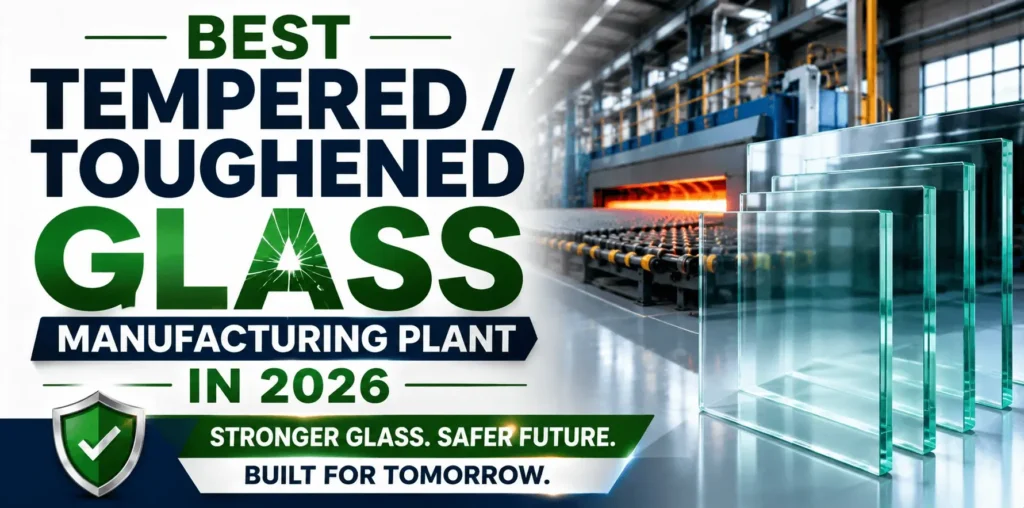
Toughened glass, also known as tempered glass, is a type of safety glass processed by controlled thermal or chemical treatments to increase its strength compared with normal glass. It is widely used in architectural, automotive, and interior applications due to its durability, resistance to breakage, and enhanced safety features. With the rapid growth in the construction and automotive sectors, the demand for toughened glass has surged, making toughened glass manufacturing plant is a highly profitable business opportunity. If you are looking to establish a plant in this domain, this detailed DPR (Detailed Project Report) guide will walk you through everything from market potential to plant setup. Market Scope and Investment Potential of Toughened Glass Manufacturing Plant The global demand for toughened glass is steadily increasing, fueled by urbanization, modernization of infrastructure, and growing awareness of safety in construction. India, being one of the fastest-growing construction markets, offers immense potential for toughened glass manufacturing ventures. In residential and commercial projects, toughened glass is used in facades, doors, windows, partitions, and even furniture. Likewise, in the automotive sector, it finds application in windshields, windows, and sunroofs. Additionally, modern interior design trends have leaned heavily toward using glass to enhance aesthetics. As a result, architects and designers are increasingly recommending toughened glass for both structural and decorative purposes. This trend ensures a consistent and long-term demand for this material, making it a lucrative segment for new entrepreneurs and industrial investors. See Also: Bitumen Emulsion Steps to Set Up a Toughened Glass Manufacturing Plant 1. Project Planning and Feasibility Analysis Begin by conducting a thorough market survey and preparing a feasibility report. This report should cover the scope of demand in your target region, competitor analysis, potential buyers, pricing strategy, and required investment. Establishing the size and scale of your unit will also depend on your findings. Estimate the required land area (generally 10,000–25,000 sq. ft. depending on plant capacity), initial investment (which can range between ?1.5 crore to ?5 crore), and the expected return on investment (ROI). Detailed financial planning will give clarity on capital requirements, break-even analysis, and working capital needs. 2. Company Registration and Legal Compliance Register your business as a Private Limited Company, LLP, or proprietorship, depending on your expansion plans. Obtain the necessary licenses such as: Factory License Pollution Control Board (PCB) Clearance Fire Safety Certification GST Registration MSME Udyam Registration Import-Export Code (if you intend to trade internationally) You must also comply with labor laws, safety regulations, and building codes applicable in your region. 3. Location and Infrastructure Choosing the right location is crucial. Your plant should be close to raw material suppliers, transportation networks, and major markets to reduce logistical costs. An industrial zone is ideal as it will already have necessary utilities like power, water, and roads. The infrastructure should include production halls, administrative offices, storage rooms, power backup units, and R&D labs if you plan to innovate or customize glass for niche sectors. 4. Machinery and Technology Modern toughened glass manufacturing depends heavily on automation and precision machinery. The core machines required are: Glass Cutting Machine Glass Washing and Drying Machine Tempering Furnace (Toughening Furnace) Edge Grinding and Polishing Machine Drilling and Bevelling Machines Inspection Conveyor Systems Quality Control Equipment It is advisable to purchase high-quality, energy-efficient equipment either domestically or through reputed international suppliers. Investing in CNC-based or AI-assisted technology can further improve productivity and reduce material waste. 5. Raw Material Procurement The essential raw material for toughened glass manufacturing is float glass. Other required materials include: Energy (electricity and natural gas) Deionized water Cleaning chemicals Packing materials such as wooden crates, plastic corners, and thermocol sheets Establish contracts with reliable float glass manufacturers or distributors to ensure uninterrupted supply. 6. Production Process Overview The toughened glass manufacturing process involves several stages: a. Cutting and Pre-processing: Large sheets of float glass are cut to size and shaped as per customer specifications. b. Washing and Drying: The glass is cleaned thoroughly to eliminate impurities that may affect the quality of tempering. c. Edge Processing: The edges are ground and polished to remove sharpness and reduce the risk of breakage. d. Heating and Quenching: The clean and polished glass is heated in a tempering furnace at about 650°C and then rapidly cooled using air jets. This strengthens the glass and induces stress for toughness. e. Quality Inspection: Each batch undergoes rigorous checks for optical distortion, surface defects, and structural integrity before packing and dispatch. 7. Manpower and Staffing Running a mid-sized plant efficiently will require a workforce of 20 to 40 people, including: Production Engineers Furnace Operators Maintenance Technicians Quality Inspectors Machine Operators Warehouse Staff Administrative and Sales Personnel Ensure proper training and safety drills, especially for furnace operations and material handling. 8. Marketing and Distribution A strong B2B sales strategy is key in this industry. Your target customers include: Architects and Builders Real Estate Developers Furniture Manufacturers Automobile Companies Glass Retailers You can participate in trade shows, collaborate with construction companies, or list your business on industrial B2B portals. Build a strong digital presence through a website, social media, and search engine marketing to reach broader clients. Offering customized solutions or on-site delivery services can give your brand a competitive edge. 9. Quality Assurance and Certifications Quality plays a pivotal role in building trust with clients. Secure certifications such as: IS 2553 (Part I) – Indian Standards for Toughened Safety Glass ISO 9001 – Quality Management System CE Certification (if targeting the European market) Implementing a robust quality control system ensures consistent product standards and reduces rejection rates. 10. Profitability and ROI On average, a well-optimized toughened glass manufacturing unit can generate a 20% to 30% profit margin. With high initial investment and setup costs, the ROI might take 2 to 3 years, but once the plant stabilizes, it can provide steady revenue with minimal overhead. Profitability can be further increased by diversifying into related products such as laminated glass, insulated glass units (IGUs), decorative glass, or mirror coating services. See Also: Food Processing Business Frequently
Poly Aluminium Chloride Manufacturing Plant
Poly Aluminium Chloride (PAC) is a highly effective coagulant widely used in water treatment, paper manufacturing, and various industrial processes. As water scarcity and environmental concerns increase globally, the demand for efficient water treatment solutions like PAC has grown significantly. Establishing a Poly Aluminium Chloride manufacturing plant presents a profitable and sustainable business opportunity, especially in countries like India where industrialization and urbanization are expanding rapidly. This article offers a comprehensive guide to setting up a Poly Aluminium Chloride manufacturing unit, covering everything from market potential to machinery, raw materials, and financial projections. Understanding the Poly Aluminium Chloride Industry Poly Aluminium Chloride, chemically represented as [Al?(OH)nCl?-n]m, is a type of aluminum salt used extensively as a coagulant in water and wastewater treatment. It is more effective than traditional coagulants like alum and ferric chloride due to its higher charge density and lower sludge generation. It also finds applications in paper sizing, deodorants, and certain textile processes. The increasing emphasis on environmental safety, water purification, and industrial waste treatment has amplified the need for advanced coagulation chemicals. Poly Aluminium Chloride, with its versatility and efficiency, has emerged as a preferred choice in various industrial and municipal operations. The global market size for PAC is projected to grow steadily, driven by regulatory norms on water treatment and industrial waste discharge. See Also: Small Scale Food Processing Market Demand and Opportunities The demand for Poly Aluminium Chloride is primarily driven by municipal water treatment plants, industrial effluent treatment facilities, paper industries, and textile processing units. Developing countries are investing heavily in water infrastructure, opening up new avenues for PAC manufacturers. In India, the Central Pollution Control Board (CPCB) and other agencies have mandated stricter norms for effluent discharge, further boosting the demand for high-quality coagulants like PAC. Apart from domestic consumption, there is considerable export potential to regions like the Middle East, Southeast Asia, and Africa, where water treatment systems are being upgraded. Thus, setting up a PAC plant not only meets domestic requirements but can also position the entrepreneur as a global supplier. Types of Poly Aluminium Chloride PAC is available in various grades, primarily differentiated based on the application and concentration. The most common types include: PAC Liquid Grade – Used in large-scale water treatment facilities PAC Powder Grade – Preferred in industries due to ease of storage and transportation Food Grade PAC – Used in the treatment of drinking water and in food processing industries Each of these grades requires different levels of purity and processing, which should be factored into the production line setup. Raw Materials Required The main raw materials used in the production of Poly Aluminium Chloride are: Aluminium Hydroxide or Aluminium Sulphate Hydrochloric Acid (HCl) Sulphuric Acid (in some variants) Water Aluminium hydroxide reacts with hydrochloric acid under controlled conditions to form Poly Aluminium Chloride. The selection and quality of raw materials directly influence the quality of the final product, hence suppliers must be chosen carefully. Manufacturing Process of Poly Aluminium Chloride The production process of Poly Aluminium Chloride involves chemical reactions under controlled temperature and pH conditions. The steps typically include: Preparation of Aluminium Source: Aluminium hydroxide is first prepared in slurry form. Acid Reaction: Hydrochloric acid is slowly added to the slurry while stirring. Polymerization: The reaction is allowed to continue under specific conditions to ensure polymerization. Filtration and Concentration: The solution is filtered and then concentrated using evaporators. Cooling and Storage: The product is cooled and stored in HDPE tanks or filled into drums for dispatch. This process needs to be carefully monitored to maintain consistency in product quality and to ensure compliance with industrial standards. Machinery and Equipment Needed Setting up a Poly Aluminium Chloride manufacturing unit requires a range of machinery. Some of the essential equipment includes: Reaction Vessels (MS/SS with agitation system) Chemical Storage Tanks Acid Dosing System Filtration Unit Evaporator System Cooling Tower Laboratory Testing Equipment Packing Machinery (if producing powder form) The choice between semi-automatic and fully automatic plants depends on investment capability and desired production capacity. A small to medium-scale unit may cost between ?50 lakhs to ?2 crores, depending on the scale and automation level. Location and Infrastructure Choosing the right location for your PAC plant is critical. Proximity to industrial hubs, easy availability of raw materials, and access to utilities like water, electricity, and transportation are key factors. Additionally, environmental clearance and pollution control approvals are mandatory. Industrial areas with existing chemical manufacturing clusters can be ideal, as they often have shared effluent treatment plants (CETPs) and ready access to skilled labor and logistics networks. Licenses and Approvals Several regulatory approvals are needed to start a Poly Aluminium Chloride manufacturing plant in India. These include: Company Registration Factory License Consent to Establish and Operate from the Pollution Control Board Explosive and Hazardous Chemicals Storage Permit GST Registration ISO Certification (for quality assurance, optional but beneficial) Following compliance guidelines ensures smooth operations and builds credibility with institutional buyers. Financial Projections A medium-sized Poly Aluminium Chloride manufacturing unit with a capacity of 10 MT/day can yield impressive returns. Here is a rough estimate: Initial Investment Land & Building: ?30 – 40 Lakhs Machinery & Equipment: ?50 – 70 Lakhs Working Capital: ?20 – 30 Lakhs Total: ?1 – 1.5 Crores Operational Costs (Monthly) Raw Materials: ?15 – 25 Lakhs Salaries & Wages: ?3 – 5 Lakhs Utilities & Maintenance: ?2 – 3 Lakhs Marketing & Distribution: ?1 – 2 Lakhs Revenue Potential Selling Price (avg): ?20,000 – ?30,000 per MT Monthly Production: 250 – 300 MT Monthly Revenue: ?50 – ?90 Lakhs Net Profit MarginTypically ranges from 15% to 25% depending on efficiency and market conditions. With such margins, the break-even point is usually reached within 12 to 18 months of operations, making it a viable and lucrative business option. Challenges and Risk Factors While the Poly Aluminium Chloride business is profitable, it does come with its share of challenges: Fluctuating Raw Material Prices: Price volatility of hydrochloric acid and aluminium can affect margins. Stringent Regulations: Regular
Corrugated Cardboard Boxes Manufacturing Unit with Printing Manufacturing Plant
Corrugated boxes are one of the most versatile and widely used packaging materials in the world. From electronics to groceries, these boxes are indispensable in transportation and storage due to their durability, recyclability, and cost-effectiveness. With the boom in e-commerce, logistics, and export industries, corrugated box manufacturing has emerged as a highly profitable venture. If you are planning to start a manufacturing business that combines low risk with steady demand, investing in this sector could be a smart decision. Why Corrugated Box Manufacturing is a Profitable Business One of the biggest drivers behind the rising demand for corrugated box manufacturing is the global shift towards sustainable and biodegradable packaging. Corrugated boxes are made from recycled paper and are fully recyclable, making them a preferred choice over plastic alternatives. Moreover, the expansion of online retail, pharmaceuticals, and FMCG sectors requires a constant supply of customized and sturdy packaging. As a result, the market for corrugated boxes is growing at a steady pace, both in domestic and international markets. Starting a corrugated box manufacturing plant not only caters to this growing demand but also allows scalability, diverse customer base, and consistent revenue. The investment and machinery requirements are moderate, and once the production setup is complete, operations can begin quickly. See Also: Food & Agro Processing Market Overview and Demand The Indian corrugated packaging market is expected to reach over ?50,000 crores in the next few years, driven by retail growth and international trade. Globally, e-commerce is the single largest consumer of corrugated boxes. Companies such as Amazon, Flipkart, and grocery delivery services rely heavily on packaging solutions that are lightweight yet durable. Additionally, electronics, furniture, textiles, and auto parts manufacturers use customized corrugated boxes to ensure safe delivery and brand presentation. Urbanization, lifestyle changes, and increased consumption of packaged goods are also propelling the demand for corrugated packaging. Government regulations restricting the use of plastic have further encouraged industries to switch to eco-friendly options like corrugated boxes. Setting Up the Corrugated Box Manufacturing Plant To start a successful corrugated box manufacturing unit, certain steps need to be followed for smooth planning and execution: 1. Business Registration and Compliance:Register your business as a sole proprietorship, partnership, LLP, or private limited company. Obtain necessary licenses such as Factory License, GST registration, MSME Udyam registration, Pollution Control NOC, and Fire Safety Clearance. 2. Location and Infrastructure:Choose a location with easy access to raw materials, labor, transportation, and markets. A space of at least 3,000–5,000 square feet is required for machinery installation, raw material storage, and finished goods stockpiling. 3. Raw Materials:The primary raw materials for corrugated box manufacturing include kraft paper, adhesives, stitching wire, and printing inks. These can be sourced from local suppliers or imported in bulk for cost efficiency. 4. Machinery and Equipment:Invest in semi-automatic or fully automatic corrugated box making machines based on your budget and production needs. Key machines include: Corrugation Machine (Single/Double Wall) Sheet Cutter Slotter Machine Printing Machine (Flexo or Offset) Die Cutter or Punching Machine Stitching Machine Pasting Machine The cost of machinery for a small-to-medium unit can range from ?20 to ?50 lakhs. 5. Skilled Workforce:Hire machine operators, quality controllers, packaging staff, and supervisors. Proper training in machine handling and safety ensures efficiency and product quality. 6. Power and Utilities:Ensure a steady power supply with backup options. Corrugated box plants require heavy-duty electric connections, clean water supply, and good ventilation. Production Process The corrugated box manufacturing process involves the following steps: Corrugation: Kraft paper is pass through the corrugating machine to create fluted paper, which adds strength. Pasting: The flute paper is glued between two liner papers to form corrugated sheets. Drying and Cutting: Sheets are dried using heaters or sun-drying and cut into require sizes using the sheet cutter. Printing and Slotting: Company branding, logos, or handling instructions are print on the box surfaces. Slotting machines cut slits for folding. Stitching or Gluing: The boxes are stitched or glue into shape and test for strength and quality. Bundling and Dispatch: Finish boxes are pack into bundles and shipped to customers. This structured process ensures durability, neat appearance, and customization as per client specifications. Marketing and Sales Strategy For a corrugated box manufacturing plant to thrive, strong marketing is essential. Here are some ways to promote your products: Business Website: Build an informative and professional website showcasing your product range, capacity, and services. Social Media and B2B Platforms: Use platforms like LinkedIn, IndiaMART, and TradeIndia to reach wholesalers, retailers, and exporters. Local Outreach: Approach businesses in your area – electronics shops, pharmaceutical companies, fruit/vegetable vendors, and e-commerce sellers. Participate in Trade Fairs: Attend packaging and manufacturing expos to network with bulk buyers and suppliers. Offer Customization: Providing printed, size-specific, or multi-layer boxes helps attract niche clients. Creating long-term supply contracts with e-commerce warehouses and manufacturers ensures continuous orders and profitability. Financial Considerations The cost of establishing a medium-scale corrugated box manufacturing plant can vary between ?40 lakhs to ?1 crore, depending on land, machinery, and labor costs. Here’s a basic breakdown: Land & Building: ?15–20 lakhs (if not rented) Machinery: ?20–50 lakhs Raw Material: ?5–10 lakhs (initial stock) Labor & Utilities: ?2–5 lakhs monthly Miscellaneous (marketing, licenses, transport): ?2–3 lakhs Banks and financial institutions offer loans under MSME schemes with subsidies and lower interest rates. Working capital can also be arrange through overdraft facilities. A well-run unit can break even in 1–2 years, with average monthly profits ranging from ?1 to ?3 lakhs, depending on production volume and client base. Challenges and Solutions Like any business, corrugated box manufacturing also has challenges: Raw Material Price Fluctuations: Kraft paper rates often fluctuate, affecting profit margins. Solution: Buy in bulk and negotiate long-term supply contracts. Quality Consistency: Substandard glue or poor machine handling can lead to rejection. Solution: Train staff, conduct regular QC checks, and use reliable materials. High Competition: Many small units operate locally. Solution: Differentiate through custom design, quick delivery, and B2B relationships. With strategic planning and focus on quality, these hurdles can be overcome easily.
Dry Lemon Powder and Lemon Oil Manufacturing Plant
The food processing industry is evolving rapidly, and health-conscious consumers are demanding natural, chemical-free ingredients with high nutritional value. In this context, Lemon Oil & Dry Lemon Powder have carved out a significant niche due to their wide applications in culinary, pharmaceutical, cosmetic, and cleaning product industries. Establishing a production unit for these lemon-based products is a lucrative opportunity for entrepreneurs seeking sustainable and profitable ventures. With the right blend of technology, raw material availability, and strategic marketing, this business can ensure long-term growth and stability. Understanding the Potential of Lemon Oil & Dry Lemon Powder Production Lemon is a citrus fruit that boasts immense economic value beyond its fresh consumption. The extraction of Lemon Oil & Dry Lemon Powder involves simple processes that transform the fruit into valuable byproducts. Lemon oil is primarily extracted through cold pressing or steam distillation from lemon peels, while the powder is made by drying and grinding lemon peel or pulp. These products are known for their strong aroma, flavor, and health-promoting properties. In recent years, global demand for natural flavoring agents and preservatives has soared. Lemon oil, with its high limonene content, is a preferred essential oil in aromatherapy, cleaning products, and personal care items. On the other hand, dry lemon powder is extensively used in the food industry as a seasoning, flavor enhancer, and nutritional additive. Both products have long shelf lives, which make them ideal for global exports and wide-scale distribution. Market Demand and Scope The demand for Lemon Oil & Dry Lemon Powder is consistently growing, fueled by multiple industries. The global essential oils market alone is expected to reach USD 15 billion by 2027, and lemon oil holds a significant share of that market. Dry lemon powder is equally in demand in the food processing and nutraceutical industries. The rising popularity of herbal and natural products further boosts the market potential. India, being a leading producer of lemons, has a natural advantage in this sector. With adequate raw material availability and labor, the domestic as well as international markets can be tapped efficiently. The business model suits both small-scale startups and large-scale industrial units depending on investment and goals. See Also: E-Waste Recycling Manufacturing Process Overview Setting up a Lemon Oil & Dry Lemon Powder production unit involves two parallel but related processing lines—oil extraction and lemon drying. Here’s a step-by-step outline of the processes: Lemon Oil Extraction Process: Sorting and Washing – Fresh lemons are cleaned thoroughly to remove dirt and pesticides. Peeling – The outer rind (zest) is removed as it contains the essential oil. Cold Pressing/Steam Distillation – Depending on the method chosen, oil is extracted from the peel. Filtration – The extracted oil is filtered to remove impurities. Packaging – Oil is packed in amber glass or HDPE containers to prevent oxidation and preserve quality. Dry Lemon Powder Production: Peeling and Slicing – The lemons are peeled and sliced thinly. Drying – Using solar dryers, hot air dryers, or freeze-drying equipment, the lemon slices are dehydrated completely. Grinding – Dried lemons are ground into a fine powder. Sieving and Quality Control – The powder is passed through sieves to maintain uniformity and quality. Packaging – Packed in moisture-proof pouches or jars to ensure long shelf life. Both processes are relatively straightforward and can be mechanized or semi-automated based on the scale of the operation. Machinery and Equipment For a standard production unit of Lemon Oil & Dry Lemon Powder, the following equipment is typically required: Lemon washing and grading machine Fruit slicer and peeler Cold press oil extractor or distillation unit Hot air dryer or solar dryer Pulverizer/grinder Sieving machine Packaging machine Investment in machinery can range from ?10 lakhs for a small-scale setup to ?50 lakhs or more for a medium-to-large scale unit. Used or refurbished equipment can also be explored to reduce initial costs. Raw Material and Sourcing The primary raw material for production is fresh lemons. To ensure continuity in operations, arrangements can be established with local farmers, wholesale mandis, or agro-cooperative societies. Moreover, sourcing organic lemons offers a strategic advantage, as they command higher prices—particularly in export and premium markets. In addition to lemons, essential consumables include packaging materials, cleaning agents, and fundamental utilities such as water and electricity. It is advisable to conduct a feasibility study and raw material availability check before setting up the unit. Ensuring a steady and affordable supply of lemons is essential for uninterrupted production. Legal and Regulatory Compliance Before starting a Lemon Oil & Dry Lemon Powder manufacturing unit, the following licenses and registrations are generally required: Company registration (Sole proprietorship, Partnership, LLP or Pvt. Ltd.) FSSAI license (Food Safety and Standards Authority of India) GST registration Pollution control board clearance (for medium or large units) Factory license (if employing more than 10 workers) Trademark registration (for branding and product protection) In case of exports, compliance with international food safety and quality certifications such as HACCP, ISO, or USDA Organic (if applicable) may also be needed. Financial Overview and Profitability The profitability of a Lemon Oil & Dry Lemon Powder unit depends on scale, sourcing cost, and distribution. On average: 1000 kg of lemon yields about 6–10 kg of lemon oil (depending on peel quality). 1000 kg of lemon yields 100–150 kg of dry lemon powder (post drying and processing losses). The average market price of lemon oil ranges from ?2000 to ?8000 per liter depending on purity and grade, while dry lemon powder sells for ?200–?500 per kg in retail packaging. The profit margins are substantial, especially when selling directly to industries or through private labeling in domestic or international markets. An entry-level setup can expect a monthly turnover of ?2 to ?5 lakhs with net margins between 20% to 35%, growing with scale and market reach. Marketing and Distribution Strategy Effective branding and marketing are essential to succeed in the Lemon Oil & Dry Lemon Powder business. Some marketing strategies include: Developing a strong online presence through an e-commerce website Listing products on
Iodised Salt Manufacturing Plant, Detailed Project Report
Iodised salt is an essential ingredient in daily diets across the world. The addition of iodine to salt plays a vital role in preventing iodine deficiency disorders (IDD), a significant public health issue in many developing countries. Iodised salt manufacturing is not only a socially impactful venture but also a profitable one, especially in regions with growing awareness of nutritional needs. With low initial investment and strong domestic demand, starting an iodised salt manufacturing unit can be a sustainable business opportunity for aspiring entrepreneurs. Market Overview and Scope for Iodised Salt Manufacturing India is the third-largest salt-producing country in the world and one of the largest consumers of iodised salt. The government has made iodisation of salt mandatory for human consumption, increasing the demand for iodised salt in the market. This policy, along with growing awareness about health and nutrition, makes iodised salt manufacturing a strategic and future-ready business model. The iodised salt market in India is growing at a steady pace due to rising health consciousness and the push by public health programs. According to industry reports, India consumes approximately 10 million tonnes of edible salt annually, out of which over 90% is iodised. This provides a lucrative entry point for new players who wish to cater to both domestic and export markets. See Also: Metal Finishing Steps to Start an Iodised Salt Manufacturing Unit Starting an iodised salt manufacturing unit involves a series of steps that require careful planning, regulatory compliance, and capital investment. Here is a breakdown of the essential steps: 1. Market Research and Feasibility Study Begin with detailed market research to understand the demand-supply dynamics, competition, customer preferences, pricing strategies, and potential buyers (retailers, wholesalers, exporters). A feasibility study will help determine the financial viability and estimate the capital investment needed for setting up the plant. 2. Business Registration and Licenses Register your business as a legal entity (such as an LLP, Pvt. Ltd., or proprietorship). Obtain necessary licenses such as: FSSAI (Food Safety and Standards Authority of India) Trade license from local municipal authority GST registration Factory license under the Factories Act Pollution control clearance from SPCB (State Pollution Control Board) 3. Location and Infrastructure Choose a location with easy access to raw materials (crude salt), transportation, and utilities like water and electricity. The facility should have areas designated for salt washing, drying, iodisation, packaging, and storage. 4. Machinery and Equipment For small to medium-scale iodised salt manufacturing units, semi-automatic or automatic plants are suitable. Basic machinery includes: Salt crushers and grinders Washing unit Dryers Iodisation unit (spraying system) Conveyors Sieving machines Packaging machine Quality control lab instruments 5. Raw Materials The major raw materials required for iodised salt manufacturing are: Raw salt (sea salt or rock salt) Potassium iodate (KIO?) – used as the iodine source Packaging materials like LDPE pouches or HDPE bags 6. Manufacturing Process The production process of iodised salt manufacturing involves several stages: Crushing and grinding: The raw salt is first crushed and ground to the desired size. Washing and drying: The ground salt is washed to remove impurities and then dried. Iodisation: Potassium iodate is sprayed onto the dried salt using a spraying machine and mixed thoroughly for uniform iodine distribution. Sieving and grading: The iodised salt is sieved to ensure uniform particle size. Packaging: The final product is packed in airtight bags to retain the iodine content and prevent moisture absorption. 7. Quality Control and Testing Maintaining the iodine content within prescribed levels is essential. Regular lab tests must be conducted to ensure compliance with FSSAI standards. The iodine content should be between 15 to 30 ppm (parts per million) at the consumer level. 8. Branding and Packaging In a competitive market, branding plays a significant role. Invest in attractive packaging, a catchy brand name, and marketing strategies to differentiate your product. Printed pouches with nutritional information, FSSAI license number, manufacturing and expiry dates are mandatory. 9. Marketing and Distribution Develop strong distribution channels through wholesalers, retailers, supermarkets, kirana stores, and online platforms. Partner with institutional buyers like schools, hospitals, government food supply chains, and NGOs. Use social media, local advertising, and promotions to enhance brand visibility. 10. Financials and Profitability Setting up a small-scale iodised salt manufacturing unit may require an investment of ?10 to ?25 lakhs, depending on production capacity and automation level. Operational costs include raw materials, salaries, utility bills, packaging, transportation, and maintenance. Here’s a rough estimate for a unit producing 10 tons/day: Capital Investment: ?20 lakhs (includes land, building, and machinery) Raw Material Cost: ?1.5 per kg of raw salt Selling Price: ?4 to ?7 per kg Profit Margin: ?2 to ?3 per kg With full capacity utilization, the unit can generate monthly revenue of ?12 to ?15 lakhs, making the payback period as short as 1–2 years. SWOT Analysis of Iodised Salt Manufacturing Strengths Essential product with universal demand Government support and health programs Low production cost with high scalability Weaknesses Sensitive to moisture and storage conditions Price competition from established brands Quality maintenance requires regular checks Opportunities Export potential to countries with iodine deficiency Rising health awareness among consumers Product diversification (e.g., low-sodium salt, herbal salt) Threats Raw material price volatility Regulatory changes in food safety laws Counterfeit and substandard products damaging brand trust Sustainability and Environmental Considerations Eco-conscious operations are gaining importance in all manufacturing sectors, including iodised salt manufacturing. Consider implementing sustainable practices such as: Recycling water used in the washing process Using solar dryers to reduce energy consumption Packaging with recyclable materials Proper waste management to minimize environmental impact Additionally, adopting Good Manufacturing Practices (GMP) and maintaining hygienic production conditions can help gain customer trust and compliance with regulatory bodies. Manpower Requirement The manpower requirement depends on the scale of the unit. For a medium-sized iodised salt manufacturing unit, a typical staff setup might include: 1 Plant manager 2-3 Machine operators 1-2 Packaging staff 1 Quality control technician 2-3 laborers for handling raw materials and logistics Training staff to understand food safety, hygiene, and machinery operation is